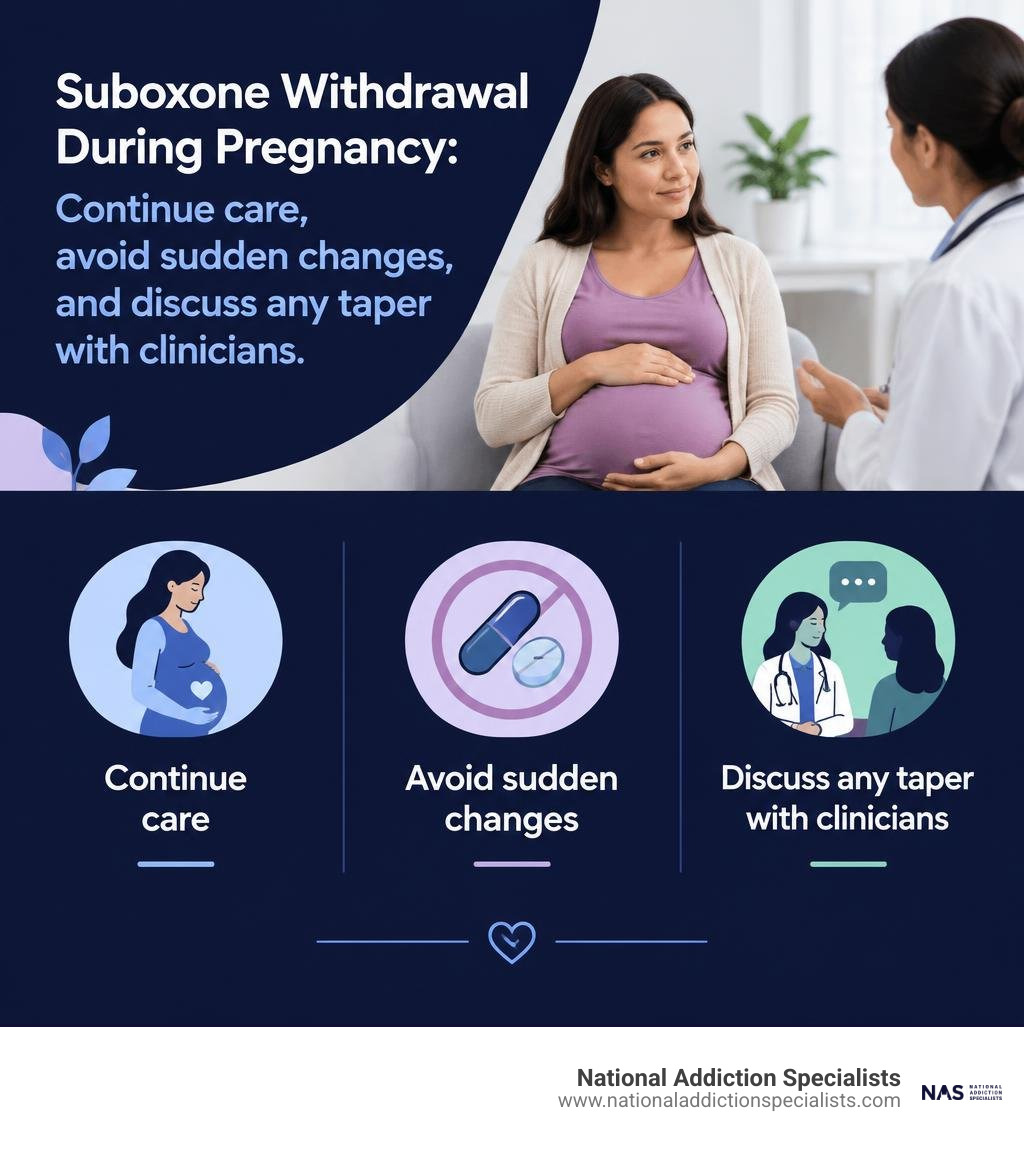
Suboxone Withdrawal During Pregnancy: What to Do First
Do not stop Suboxone or lower your dose on your own during pregnancy. Withdrawal can be hard on you, and stopping treatment can raise the risk of returning to opioid use. For most pregnant people with opioid use disorder, continuing buprenorphine treatment is recommended. If you want to taper, talk with your prenatal and addiction care teams first so they can help you weigh the risks and monitor your health.
It is understandable to worry about newborn withdrawal. But tapering does not guarantee your baby will avoid it, and your stability matters too.
I am Chad Elkin, MD, a physician board-certified in addiction medicine and internal medicine and the founder and medical director of National Addiction Specialists. My work treating opioid use disorder shapes this guide to suboxone withdrawal during pregnancy, with a focus on staying in care and avoiding relapse.
Must-know suboxone withdrawal during pregnancy terms:
Understanding the Dilemma: Suboxone Maintenance vs. Tapering While Expecting
When finding out you are expecting while taking Suboxone (a combination of buprenorphine and naloxone), it is natural for your protective maternal instincts to kick into overdrive. You want what is healthiest and safest for your developing baby. This often leads to an urgent question: Should I stop taking this medication immediately?
Medical consensus across major healthcare organizations—including the American College of Obstetricians and Gynecologists (ACOG), the American Society of Addiction Medicine (ASAM), and established RACGP clinical guidance on managing opioid dependence in pregnancy—firmly supports maintaining medication-assisted treatment throughout gestation. Maintaining steady opioid maintenance therapy (OMT) provides physiological and emotional stability, shielding both parent and child from the erratic cycles of intoxication, cravings, and withdrawal.
Navigating suboxone use during pregnancy requires balancing the management of opioid use disorder with the health of your pregnancy. Understanding the real-world evidence behind maintenance versus tapering empowers you to make informed, stress-free decisions for your expanding family.
Why Expectant Mothers Consider Stopping Suboxone
Despite clear clinical recommendations, many expectant mothers feel an overwhelming urge to discontinue their medication. This desire rarely stems from a lack of care; rather, it is almost always driven by deep love, fear, and widespread societal misunderstanding.
Common motivations behind wanting to stop Suboxone include:
- Maternal Guilt and Social Stigma: Pregnant individuals facing opioid dependence often encounter harsh societal judgment, creating unfair feelings of guilt about taking daily prescription medication.
- Fear of Neonatal Abstinence Syndrome (NAS): The prospect of a newborn experiencing withdrawal symptoms after birth can feel terrifying, prompting mothers to try eliminating all medications before delivery.
- Fear of Birth Defects or Delivery Complications: Misconceptions about developmental risks can lead individuals to assume complete detoxification is safer than ongoing maintenance.
- Well-Meaning but Misguided Advice: Family members, non-specialist healthcare workers, or online peer groups often provide advice that minimizes the profound risks of prenatal withdrawal.
Gaining clarity on understanding the real risks of Suboxone use while expecting helps separate medical facts from unfounded guilt.
Comparing Continuous Maintenance vs. Gestational Detoxification
Clinical research consistently demonstrates that maintaining stable buprenorphine therapy yields significantly better maternal and fetal outcomes compared to attempts at gestational tapering or complete detoxification.
Only about 15% of pregnant individuals in OMT taper their medication by more than 50% during pregnancy, and complete cessation occurs in roughly 2% of patients (Welle-Strand et al., 2014). The physical challenge and relapse vulnerability associated with detoxifying while pregnant make complete discontinuation difficult and clinically risky.
| Clinical Factor | Continuous Buprenorphine Maintenance | Gestational Tapering / Detoxification |
|---|---|---|
| Maternal Relapse Risk | Low; maintains consistent craving and withdrawal control | High; intense cravings and reduced physiological tolerance increase relapse vulnerability |
| Overdose Vulnerability | Low; maintains therapeutic tolerance | Severe; loss of tolerance dramatically increases fatal overdose risk if illicit relapse occurs |
| Treatment Retention | High; sustains long-term engagement with prenatal and addiction care | Low; high dropout rates associated with physical withdrawal discomfort |
| Fetal Stress & Hypoxia | Minimal; maintains steady, predictable placental blood flow | Elevated; maternal withdrawal causes uterine hypertonicity and reduced placental perfusion |
| Preterm Delivery Risk | Low; comparable to baseline general obstetrics populations | Elevated; severe withdrawal cramping can trigger early labor |
| Neonatal Abstinence Syndrome (NAS) | Manageable; predictable onset with established, gentle hospital protocols | Unpredictable; tapering does not reliably eliminate NAS risk and introduces severe fetal stress |
Clinical Risks of Suboxone Withdrawal During Pregnancy for Mother and Baby

Many people mistakenly view Suboxone withdrawal as merely an uncomfortable flu-like experience. While adult withdrawal is rarely life-threatening on its own, withdrawal during gestation triggers severe physiological disruptions that directly endanger both maternal stability and fetal survival.
Reviewing pregnancy risk categories explained for expectant mothers on Suboxone and following established CDC recommendations on opioid use disorder treatment during pregnancy highlights why sudden cessation is strictly contraindicated.
Maternal Complications: Relapse, Severe Discomfort, and Psychological Stress
When buprenorphine levels drop rapidly, the maternal sympathetic nervous system experiences a severe hyperadrenergic rebound surge. This triggers intense physical and psychological distress, including:
- Extreme gastrointestinal distress (severe nausea, vomiting, diarrhea leading to dangerous dehydration and electrolyte imbalances)
- Debilitating muscle aches, bone pain, and continuous involuntary restlessness
- Severe insomnia, panic attacks, depression, and overwhelming opioid cravings
The most catastrophic danger of maternal withdrawal is loss of opioid tolerance followed by relapse. When an individual attempts detoxification, their physiological tolerance plummets rapidly. If withdrawal distress becomes unbearable and illicit opioids (such as unregulated fentanyl) are used, the risk of a fatal overdose is exceptionally high. Accessing expert help for navigating Suboxone withdrawal is essential to protect maternal safety.
Fetal Distress and Neonatal Risks from Suboxone Withdrawal During Pregnancy
The developing fetus does not experience withdrawal in isolation—it mirrors every physiological surge occurring in the mother’s body. During acute maternal withdrawal, surges of epinephrine and norepinephrine cause sudden uterine hypertonicity (cramping and constriction) alongside systemic vasoconstriction.
These sudden contractions compress the uterine and umbilical blood vessels, directly diminishing placental blood perfusion and depriving the fetus of vital oxygen and nutrients.
The serious fetal risks associated with in utero withdrawal include:
- Intrauterine Growth Restriction (IUGR): Intermittent oxygen deprivation and maternal nutritional depletion hinder optimal fetal development.
- Spontaneous Miscarriage or Stillbirth: Severe placental insufficiency during first- or third-trimester withdrawal surges can lead to fetal demise.
- Preterm Labor and Premature Birth: Uterine contractions triggered by autonomic distress can prompt early cervical dilation and labor long before full fetal lung maturation.
- In Utero Meconium Aspiration: Severe fetal hypoxemic stress can cause the fetus to pass meconium into the amniotic fluid, risking dangerous respiratory failure upon delivery.
Comprehensive data from MotherToBaby buprenorphine safety evidence confirms that continuous, stable medication maintenance shields the fetus from these dangerous physiological swings. Understanding the long-term outlook for babies exposed to Suboxone in utero shows that managing predictable, treatable neonatal symptoms after birth is far safer than exposing an unborn baby to the acute trauma of gestational withdrawal.
Buprenorphine Dosing, NAS Severity, and the Protective Role of Breastfeeding

A frequent point of confusion among expectant parents is the relationship between the daily buprenorphine dose and the eventual severity of Neonatal Abstinence Syndrome (NAS)—also referred to as Neonatal Opioid Withdrawal Syndrome (NOWS).
Many parents assume that reducing their dose from 16 mg to 4 mg will automatically cut their baby’s withdrawal symptoms in half. However, clinical studies show no direct linear correlation between maternal buprenorphine dosage and the severity or duration of NAS.
Neonatal withdrawal expression depends heavily on individual placental transfer dynamics, neonatal metabolic genetics, and co-exposures (such as nicotine or benzodiazepines), rather than whether the mother took 8 mg, 16 mg, or 24 mg daily. Following the essential guide to buprenorphine dosing for expectant mothers ensures the mother’s dose is adjusted to prevent maternal cravings, which provides the best overall protection for the baby.
Neonatal Abstinence Syndrome Outcomes With Buprenorphine
Neonatal Abstinence Syndrome is a temporary, highly treatable condition that can occur when an infant adjusts to the discontinuation of placental medication exposure after birth. Symptoms typically appear within 24 to 72 hours and are measured using standardized clinical assessments such as the Finnegan Neonatal Abstinence Scoring System.
Learning how to approach navigating Suboxone use during pregnancy without the stress allows parents to prepare proactively for their newborn’s post-birth evaluation.
How Breastfeeding Mitigates Newborn Withdrawal Symptoms
Breastfeeding is one of the most effective non-pharmacological interventions for soothing and reducing NAS severity in newborns exposed to buprenorphine.
Although buprenorphine passes into breast milk, it does so in very low, clinically safe concentrations. When swallowed by the infant, its oral bioavailability is minimal, meaning it does not heavily sedate the baby. However, the small amount ingested, combined with the profound neurological benefits of skin-to-skin contact and maternal bonding, substantially calms the newborn’s nervous system.
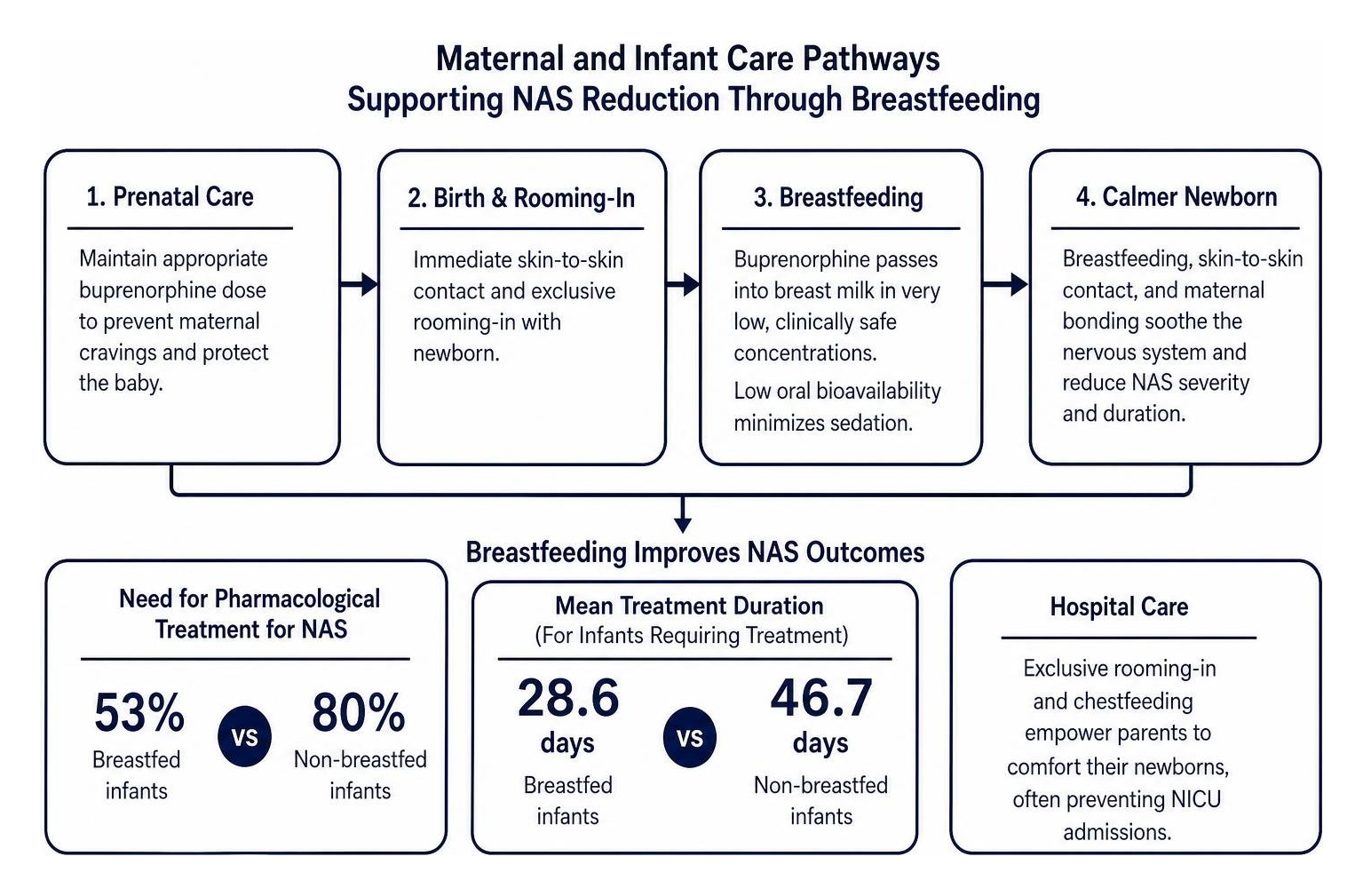
Clinical data highlights the remarkable power of infant feeding choices:
- Among prenatally exposed infants, 80% of non-breastfed infants required pharmacological treatment for NAS, compared to only 53% of breastfed infants.
- Breastfed infants requiring NAS pharmacotherapy experienced a mean treatment duration of just 28.6 days, compared to 46.7 days for non-breastfed infants.
- Exclusive rooming-in and chestfeeding empower parents to actively comfort their newborns, often preventing the need for neonatal intensive care unit (NICU) admissions entirely.
While approximately 77% of mothers in OMT initiate breastfeeding after delivery, early cessation is common (Welle-Strand et al., 2014). Compassionate postpartum recovery support can help sustain breastfeeding and maximize these protective benefits.
Clinical Protocols: What If Tapering Is Strongly Requested?
While continuing maintenance therapy remains the gold standard, modern medicine respects patient autonomy. When an expectant mother, fully informed of the maternal-fetal risks, strongly expresses a desire to reduce her dose, clinicians should never dismiss her concerns or force her to taper without supervision.
In these circumstances, exploring the best way to safely stop Suboxone while pregnant under close multidisciplinary medical supervision is essential. A published clinical case study on gestational buprenorphine tapering documented a pregnant woman who gradually tapered buprenorphine from 24 mg down to 0 mg by week 31 (Welle-Strand et al., 2014). However, upon reaching complete cessation, she experienced severe maternal withdrawal, poor gestational weight gain, and inadequate fundal height growth, which resolved once she resumed a low stabilization dose of 4 mg daily (Welle-Strand et al., 2014). Her baby was born healthy at full term without needing medication for NAS (Welle-Strand et al., 2014), highlighting that partial dose stabilization can still deliver outstanding outcomes while keeping the pregnancy safe.
If you are pregnant or planning a pregnancy and seeking compassionate, evidence-based addiction treatment tailored to your needs, Make an Appointment to Treat Addiction Please don’t hesitate. Make an appointment today.
Medical Protocols for Managing Suboxone Withdrawal During Pregnancy Safely
If an expectant parent and their medical team decide to attempt a dose reduction, strict clinical safeguards must be maintained throughout the process:
- Timing Selection (The Second Trimester Window): Dose reductions should never occur during the first trimester (due to risks of organogenesis disruption and spontaneous miscarriage) or the late third trimester (due to risks of acute preterm labor). The second trimester (weeks 14 through 27) represents the only physiologically viable window for careful dose adjustments.
- Ultra-Gradual Dose Decrements: Reductions must be minimal (e.g., 10% to 15% decrements every several weeks), allowing maternal plasma and amniotic levels to stabilize thoroughly between steps.
- Serial Maternal Clinical Scoring: Providers use standardized tools like the Clinical Opiate Withdrawal Scale (COWS) to ensure the parent is not experiencing subclinical autonomic distress.
- Obstetric Ultrasound and Fetal Wellbeing Monitoring: Frequent biophysical profiles, fundal height tracking, and non-stress tests monitor amniotic fluid volume and continuous fetal growth velocity.
- Immediate Re-Stabilization Thresholds: The clinical protocol must include an explicit agreement: if maternal cravings, sleep disruptions, gastrointestinal symptoms, or signs of fetal growth restriction emerge, tapering stops immediately, and the dose is adjusted back up to the lowest effective stabilization level. Evaluating is Suboxone safe for your first trimester and beyond? helps maintain focus on long-term safety rather than arbitrary dose reductions.
Postpartum Planning and Ongoing Relapse Prevention
The postpartum period is a time of profound physical and emotional transition. Estrogen and progesterone levels drop precipitously within hours of birth, while sleep deprivation, newborn care demands, and shifting metabolic rates place significant demands on maternal reserves.
- Pharmacokinetic Changes: During the third trimester, maternal blood volume and liver metabolic rates increase, often requiring split or slightly increased buprenorphine doses. In the weeks following delivery, metabolic rates normalize, requiring attentive dose reviews to ensure you feel alert and comfortable.
- Protecting Your Sobriety: The postpartum phase historically carries the highest statistical risk for substance use relapse across all trimesters. Continuing your virtual addiction therapy and maintaining open communication with your care team provide the essential framework for lasting recovery and joyful parenting.
Frequently Asked Questions About Suboxone and Pregnancy
Can stopping Suboxone cold turkey cause a miscarriage or preterm labor?
Yes. Abruptly stopping Suboxone triggers a severe autonomic rebound in the parent’s body, flooding the bloodstream with stress hormones like adrenaline and cortisol. This induces painful uterine contractions, reduces oxygenated blood flow through the placenta, and can cause spontaneous miscarriage, placental abruption, or premature labor. Cold-turkey cessation is strongly medically contraindicated during pregnancy.
Does a higher Suboxone dose during pregnancy mean worse withdrawal for the baby?
No. High-quality clinical research confirms that the maternal buprenorphine dose does not directly predict the severity or duration of Neonatal Abstinence Syndrome (NAS). A mother taking 24 mg daily can have a baby with mild or no withdrawal symptoms, while a mother taking 4 mg daily may have an infant who requires short-term medical care. The primary clinical objective is ensuring the mother’s dose fully prevents cravings, physical withdrawal, and relapse.
When is the safest gestational window if a medically supervised taper is attempted?
If a dose reduction is strongly requested and clinically supported, the second trimester (weeks 14 to 27) is the only recommended timeframe. The first trimester carries heightened risks of embryonic loss, and the third trimester carries elevated risks of triggering preterm labor and acute fetal hypoxemic stress. Any taper must proceed very slowly under active co-management by an addiction specialist and an obstetrician.
Conclusion
Protecting your pregnancy while managing opioid dependence requires self-compassion, accurate medical knowledge, and dedicated clinical support. Trying to manage withdrawal or discontinuing Suboxone without guidance introduces unnecessary risks for both you and your developing baby. Sustained, steady medication maintenance remains the safest, most effective path to a healthy full-term birth and lasting recovery.
At National Addiction Specialists, we provide confidential, accessible telemedicine-based Suboxone treatment throughout Tennessee and Virginia. Our experienced providers work closely with expectant mothers, partnering with your local OB/GYN to provide personalized recovery plans from the comfort and privacy of your home while accepting both Medicaid and Medicare. To explore our treatment approach, learn more about how Suboxone treatment works and let our team support your journey toward health and stability.
Medical References
Welle-Strand GK, Kvamme O, Andreassen A, Ravndal E. “A woman’s experience of tapering from buprenorphine during pregnancy..” BMJ case reports, 2014. PMCID PMC4281552.
Suboxone® and Subutex® are a registered trademark of Indivior UK Limited. Any mention and reference of Suboxone® and Subutex® in this website is for informational purposes only and is not an endorsement or sponsorship by Indivior UK Limited.
This article was medically reviewed by: Chad Elkin, MD, DFASAM is a board-certified addiction medicine physician, founder, and Chief Medical Officer of National Addiction Specialists, dedicated to treating substance use disorders. A Distinguished Fellow of the American Society of Addiction Medicine (ASAM), Dr Elkin currently serves as President of the Tennessee Society of Addiction Medicine (TNSAM) and has held various leadership roles within the organization. Dr Elkin chairs ASAM’s Health Technology Subcommittee and is an active member of its Practice Management and Regulatory Affairs Committee, State Advocacy and Legislative Affairs Committee, and other committees. He also serves on the planning committee for the Vanderbilt Mid-South Addiction Conference. Committed to advancing evidence-based policy, Dr Elkin is Chairman of the Tennessee Association of Alcohol, Drug, & Other Addiction Services (TAADAS) Addiction Medicine Council, which collaborates with the TN Department of Mental Health & Substance Abuse Services (TDMHSAS). He has contributed to numerous local, state, and national task forces, helping develop professional guidelines, policies, and laws that align with best practices in addiction medicine. His work focuses on reducing addiction-related harm, combating stigma, and ensuring access to effective treatment.Passionate about the field of addiction medicine, he remains dedicated to shaping policy and enhancing patient care.