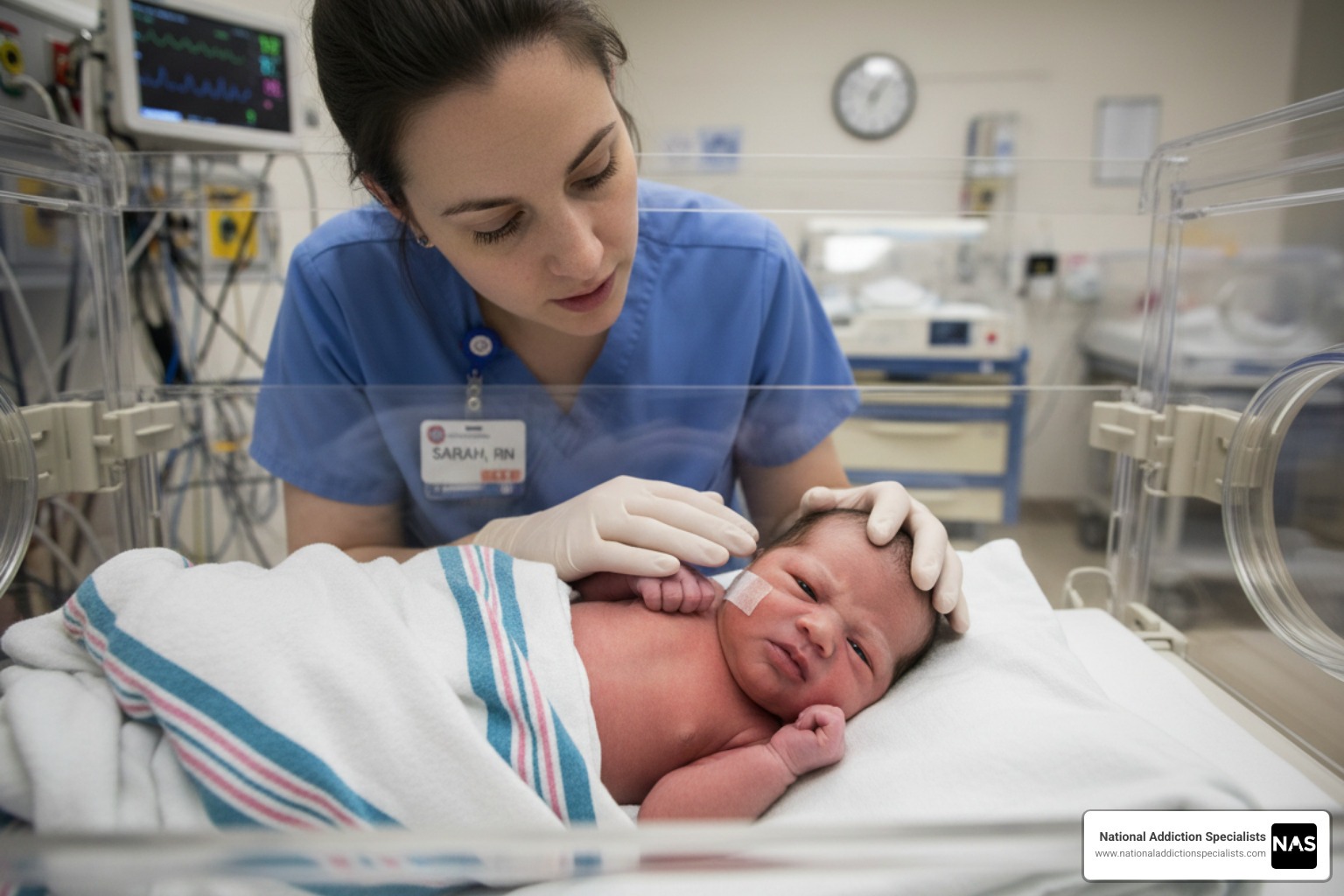
The Long-Term Outlook for Babies Exposed to Suboxone In Utero
What Parents and Providers Need to Know About Suboxone Neonatal Withdrawal
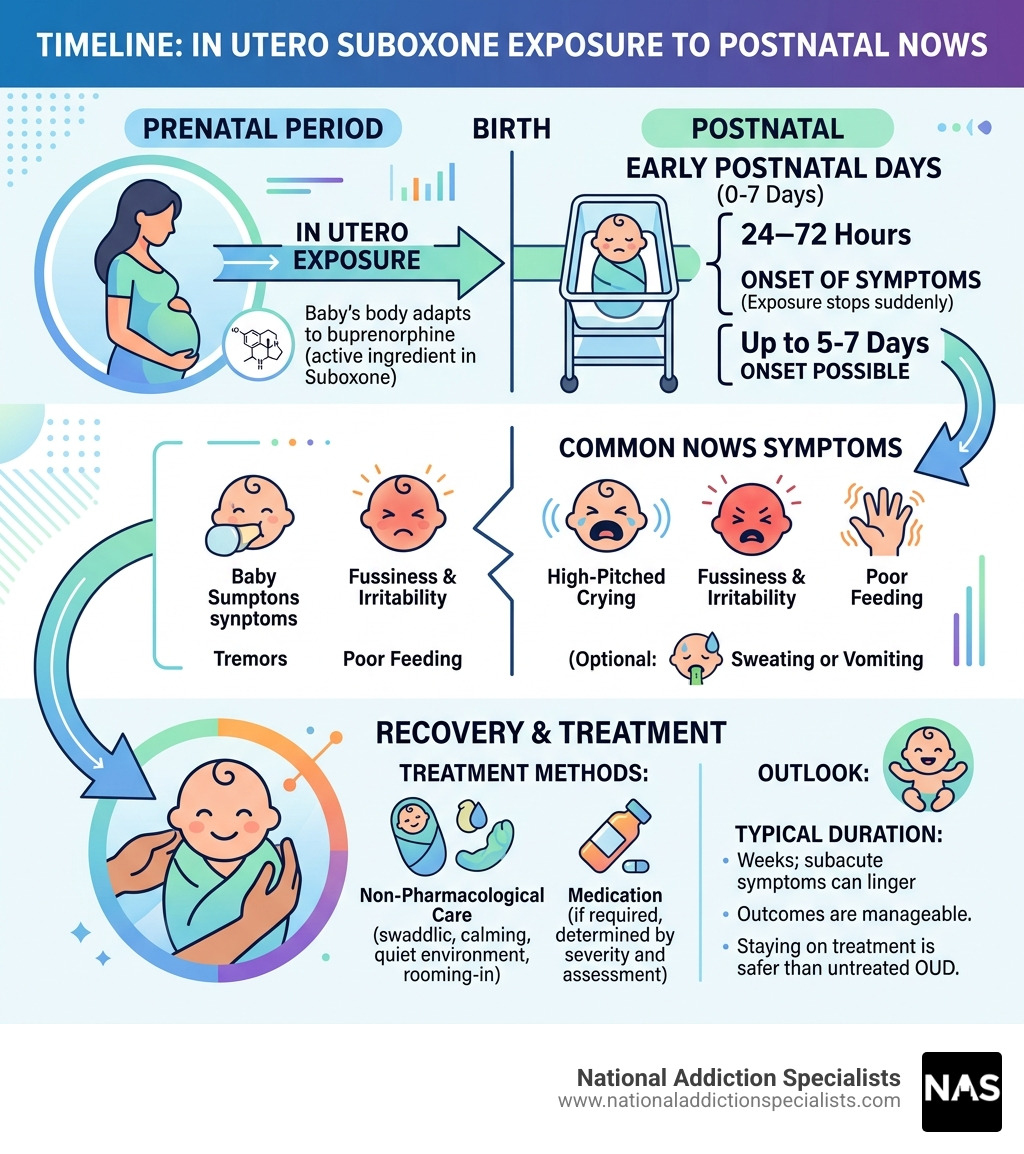
Suboxone neonatal withdrawal — also called Neonatal Opioid Withdrawal Syndrome (NOWS) — happens when a baby is born after being exposed to buprenorphine (the active opioid in Suboxone) during pregnancy. The baby’s body has adapted to the drug in the womb, and after birth, that exposure suddenly stops.
Here’s a quick overview of what to expect:
| Topic | Key Facts |
|---|---|
| What causes it | Chronic in utero opioid exposure from Suboxone use during pregnancy |
| When symptoms appear | Usually 24–72 hours after birth, sometimes up to 5–7 days |
| Common symptoms | Fussiness, high-pitched crying, tremors, poor feeding, sweating, vomiting |
| How long it lasts | Typically more than 2 weeks; subacute symptoms can linger longer |
| Is it treatable? | Yes — with non-pharmacological care and, when needed, medication |
| Does Suboxone cause worse outcomes than untreated OUD? | No — untreated opioid use disorder carries far greater risks for mother and baby |
The good news: NOWS is manageable, and babies born to mothers on Suboxone generally have better outcomes than those exposed to illicit opioids or untreated opioid use disorder. Research consistently shows that staying on medication-assisted treatment during pregnancy is the safer path — for both mother and child.
That said, navigating this process is stressful. If you’re a parent, partner, or provider trying to understand what comes next, this guide walks you through everything — from recognizing withdrawal signs to long-term developmental outcomes.
I’m Chad Elkin, MD, board-certified in Addiction Medicine and founder of National Addiction Specialists, where I’ve helped guide pregnant patients through Suboxone neonatal withdrawal risks as part of comprehensive, evidence-based opioid use disorder treatment. Understanding the full picture — from prenatal exposure to postnatal recovery — is central to the care we provide.
How to Compare Suboxone Neonatal Withdrawal to Methadone Outcomes
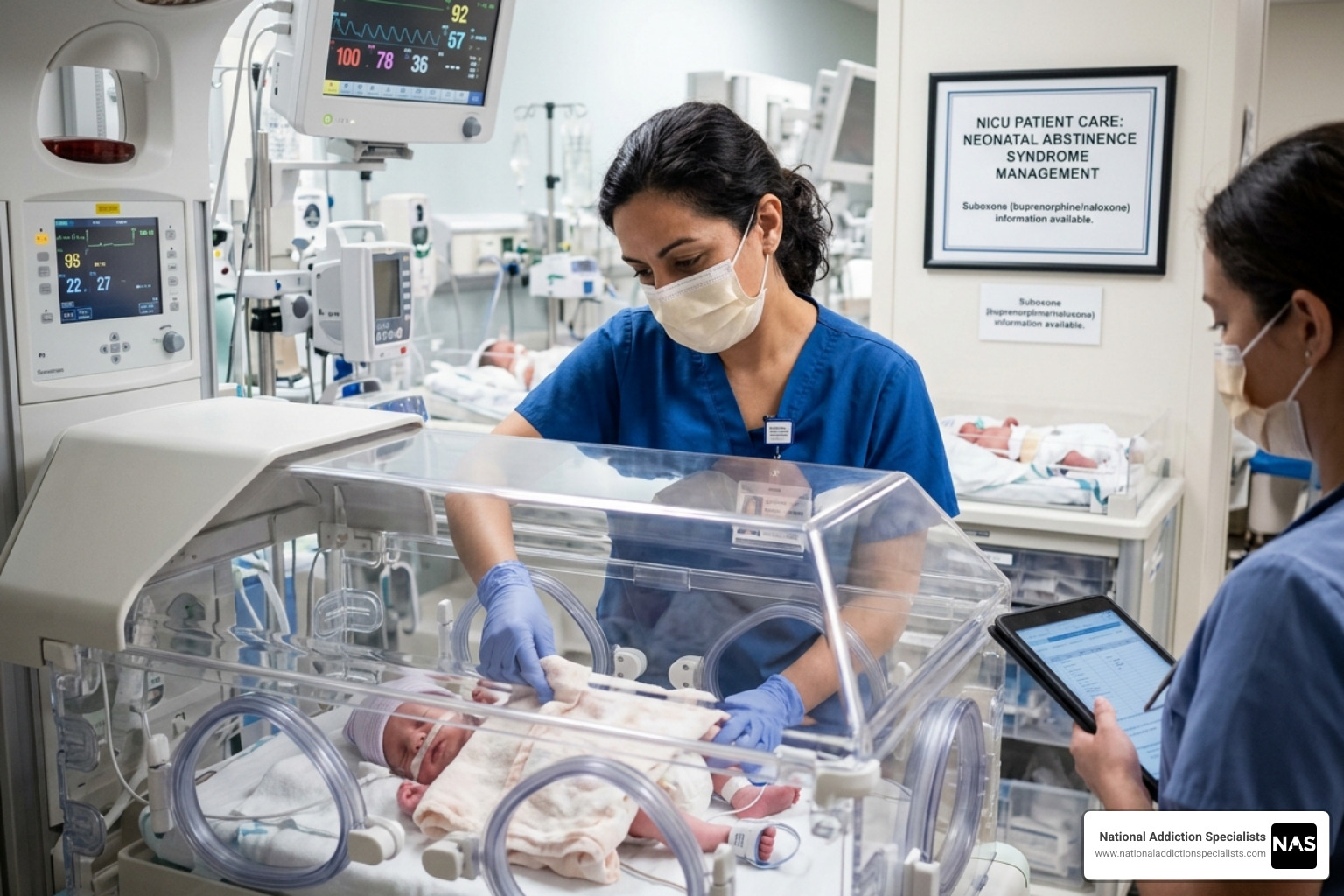
When we look at the data from April 2026, one of the most common questions we hear is how Suboxone (buprenorphine/naloxone) compares to methadone. For decades, methadone was the gold standard for treating opioid use disorder (OUD) during pregnancy. However, modern research—including the landmark MOTHER trial and more recent large-scale studies from Stanford and Harvard—has shown that buprenorphine often leads to superior neonatal outcomes.
The statistics are quite telling. In a study of over 31,000 pregnant women, those treated with buprenorphine saw significantly lower rates of neonatal abstinence syndrome compared to those on methadone. Specifically, suboxone neonatal withdrawal occurred in 52% of infants exposed to buprenorphine in the 30 days before delivery, whereas 69.2% of infants exposed to methadone required treatment for withdrawal.
Beyond the withdrawal itself, buprenorphine exposure is linked to better overall health at birth:
- Preterm Birth: Only 14.4% of buprenorphine-exposed infants were born prematurely, compared to 24.9% in the methadone group.
- Birth Weight: Infants in the buprenorphine group had higher average birth weights. Only 8.3% had abnormally low birth weight, while 14.9% of methadone-exposed babies fell into this category.
- Growth: About 12% of buprenorphine babies were small for gestational age, vs. 15.3% for methadone.
These findings suggest that while both medications are effective for maternal recovery, buprenorphine may offer a “smoother” start for the newborn. For more detailed insights, you can read our guide on Suboxone Use During Pregnancy.
Recognizing the Signs of Infant Withdrawal
Recognizing the signs of suboxone neonatal withdrawal is the first step toward effective management. Because Suboxone contains buprenorphine, a partial opioid agonist, the withdrawal symptoms in newborns generally reflect central nervous system (CNS) irritability, gastrointestinal dysfunction, and autonomic nervous system activation.
Medical teams typically use standardized tools like the Finnegan Neonatal Abstinence Scoring Tool (FNAST) or the MOTHER NAS tool to monitor the baby. These systems help us quantify the severity of the symptoms and determine if medication is necessary. You can learn more about general withdrawal symptoms to understand the biological process behind these reactions.
Identifying Symptoms of Suboxone Neonatal Withdrawal
The symptoms of NOWS usually emerge within 24 to 72 hours after birth, though they can sometimes take up to a week to appear. Common signs include:
- CNS Irritability: High-pitched crying that is difficult to soothe, tremors, hyperactive reflexes, and sleep disturbances.
- Gastrointestinal Issues: Poor feeding, vigorous but uncoordinated sucking, vomiting, and loose stools.
- Autonomic Signs: Frequent sneezing, yawning, sweating, and occasional fever.
In rare and severe cases, seizures can occur, which is why close monitoring in a hospital setting is essential. For a technical deep dive, the US Pharmacist review provides an exhaustive list of clinical presentations.
Factors Influencing Withdrawal Severity
It is a common misconception that a higher maternal dose of Suboxone automatically means worse withdrawal for the baby. Research, including reports from the American Academy of Pediatrics (AAP), suggests there is no consistent relationship between the mother’s dose and the severity of NOWS.
Instead, other factors play a much larger role:
- Polysubstance Use: The use of other substances, such as alcohol, can complicate the clinical picture.
- Co-exposures: Tobacco use, benzodiazepines, and gabapentin are known to increase the risk and severity of withdrawal symptoms.
- Genetics: Individual genetic variations in how the baby metabolizes opioids can influence how they feel.
Understanding what Suboxone is and how it interacts with the body helps clarify why these external factors are so influential.
Managing the Recovery Process
The management of suboxone neonatal withdrawal has shifted significantly in recent years toward “non-pharmacological” care. This means we try to comfort the baby through environmental and physical support before turning to medication.
The “Eat, Sleep, Console” (ESC) model is now widely used. Instead of just looking at a score on a chart, we ask: Can the baby eat? Can they sleep? Can they be consoled? If the answer is yes, we continue with supportive care. This approach has been shown to reduce the need for medication and shorten hospital stays. The AAP guidelines emphasize that the mother is the “first-line treatment” for the baby.
Key supportive measures include:
- Rooming-in: Keeping the mother and baby in the same room to encourage bonding.
- Skin-to-skin contact: This helps regulate the baby’s heart rate and temperature.
- Low-stimulation environment: Keeping the room quiet and the lights dim to avoid overstimulating an irritable nervous system.
Treatment Protocols for Suboxone Neonatal Withdrawal
If supportive care isn’t enough, we move to pharmacological treatment. Traditionally, oral morphine or methadone were the go-to choices. However, emerging research suggests that using buprenorphine to treat the baby’s withdrawal may be even more effective.
Studies have shown that infants treated with buprenorphine had a 12-day reduction in the length of treatment compared to those given morphine. Specifically, buprenorphine was associated with 10.8 fewer treatment days and 11.8 fewer hospital days. This is likely due to buprenorphine’s unique pharmacological properties, such as its long half-life and high binding affinity. For more on this, see the NIH research on buprenorphine for NAS.
Hospitalization and Discharge Planning
The goal is always to get the family home safely. A multidisciplinary approach involving pediatricians, addiction specialists, and social workers ensures a smooth transition. Discharge planning includes ensuring the mother has continued access to her own treatment, as maternal stability is the single biggest predictor of long-term success for the child.
We work with our patients to explain how Suboxone treatment works for the long haul, ensuring the home environment is supportive and safe.
Understanding the Long-Term Neurodevelopmental Outlook
Understandably, the “long-term” is what parents worry about most. Will my child have learning disabilities? Will they struggle with behavior?
As of April 2026, the consensus among experts is generally reassuring. While some studies have suggested small risks for behavioral or attention issues, it is incredibly difficult to separate the effects of the medication from environmental factors like poverty, nutrition, and household stability.
The MotherToBaby fact sheet notes that most children exposed to buprenorphine in utero meet their developmental milestones on time. Early intervention—such as speech therapy or physical therapy if needed—can make a massive difference. The key takeaway is that the risk of untreated OUD (which includes the risk of overdose, lack of prenatal care, and fetal death) is far more damaging to a child’s future than the managed risk of Suboxone exposure.
Guidelines for Breastfeeding and Postnatal Care
Is it safe to breastfeed? Yes. In fact, it is highly recommended.
Organizations like ACOG and ASAM encourage breastfeeding for mothers on Suboxone, provided they are stable in their recovery and not using other illicit substances. Only a tiny amount of buprenorphine transfers into breast milk—not enough to cause harm, but just enough to potentially ease the baby’s withdrawal symptoms.
When breastfeeding, we advise mothers to monitor their infants for:
- Excessive drowsiness
- Difficulty latching
- Limpness or breathing changes (though these are very rare)
Breastfeeding provides the baby with essential antibodies and fosters the skin-to-skin contact that is so vital for a baby experiencing Suboxone withdrawal.
Frequently Asked Questions
Does Suboxone cause birth defects?
The baseline risk for any pregnancy to result in a birth defect is about 3%. Current research has not found that buprenorphine increases this risk above the baseline. While some early studies on opioids in general suggested very small risks for specific defects, these have not been consistently proven for buprenorphine. It is considered a safe and necessary medication during pregnancy.
How long does Suboxone neonatal withdrawal last?
The acute phase of withdrawal usually lasts about two weeks. However, every baby is different. While the most intense symptoms (like vomiting or tremors) typically subside within 14 days, some “subacute” symptoms like sleep disturbances or fussiness can linger for several weeks or even months. You can view a detailed Suboxone withdrawal timeline for more context on how these medications leave the system.
Is breastfeeding safe while taking Suboxone?
Yes, it is considered safe and beneficial. The American Society of Addiction Medicine (ASAM) guidelines state that the benefits of breastfeeding—including improved bonding and reduced NOWS severity—outweigh the risks of the small amount of medication transferred through milk.
Conclusion
At National Addiction Specialists, we understand that the journey through pregnancy while managing an opioid use disorder is filled with questions and concerns. Our mission is to provide the expert, confidential care you need to ensure the best possible outcome for both you and your baby.
We provide telemedicine-based Suboxone treatment across Tennessee and Virginia, including our locations in Brentwood, TN and Virginia Beach, VA. By offering personalized recovery plans that you can access from home, we make it easier to stay committed to your health during this critical time. We proudly accept Medicaid and Medicare to ensure our services remain accessible to all who need them. For more information on how we can help, please check our insurance and pricing page.
Make an Appointment to Treat Addiction Please don’t hesitate. Make an appointment today. https://www.nationaladdictionspecialists.com/new-patient-packet/
This article was medically reviewed by: Chad Elkin, MD, DFASAM is a board-certified addiction medicine physician, founder, and Chief Medical Officer of National Addiction Specialists, dedicated to treating substance use disorders. A Distinguished Fellow of the American Society of Addiction Medicine (ASAM), Dr Elkin currently serves as President of the Tennessee Society of Addiction Medicine (TNSAM) and has held various leadership roles within the organization. Dr Elkin chairs ASAM’s Health Technology Subcommittee and is an active member of its Practice Management and Regulatory Affairs Committee, State Advocacy and Legislative Affairs Committee, and other committees. He also serves on the planning committee for the Vanderbilt Mid-South Addiction Conference. Committed to advancing evidence-based policy, Dr Elkin is Chairman of the Tennessee Association of Alcohol, Drug, & Other Addiction Services (TAADAS) Addiction Medicine Council, which collaborates with the TN Department of Mental Health & Substance Abuse Services (TDMHSAS). He has contributed to numerous local, state, and national task forces, helping develop professional guidelines, policies, and laws that align with best practices in addiction medicine. His work focuses on reducing addiction-related harm, combating stigma, and ensuring access to effective treatment. Passionate about the field of addiction medicine, he remains dedicated to shaping policy and enhancing patient care.
Suboxone® and Subutex® are a registered trademark of Indivior UK Limited. Any mention and reference of Suboxone® and Subutex® in this website is for informational purposes only and is not an endorsement or sponsorship by Indivior UK Limited.