Understanding the Real Risks of Suboxone Use While Expecting
What You Need to Know About Suboxone and Pregnancy Risks
Suboxone and pregnancy risks is one of the most searched — and most misunderstood — topics for people managing opioid use disorder (OUD) while expecting.
Here is a quick summary of what the evidence shows:
| Key Question | What the Research Says |
|---|---|
| Is Suboxone safe during pregnancy? | Yes, major health organizations including ACOG, SAMHSA, and NIDA recommend it as a first-line treatment |
| Does it harm the baby? | Babies may experience Neonatal Abstinence Syndrome (NAS), but this is manageable and less severe than with heroin or methadone |
| Is it safer than stopping opioids cold turkey? | Yes — abruptly stopping can cause miscarriage, preterm labor, or fetal distress |
| Can you breastfeed on Suboxone? | Generally yes, if you are stable, not using illicit substances, and do not have HIV |
| Does it cause birth defects? | Studies show no increased risk of birth defects compared to the general population |
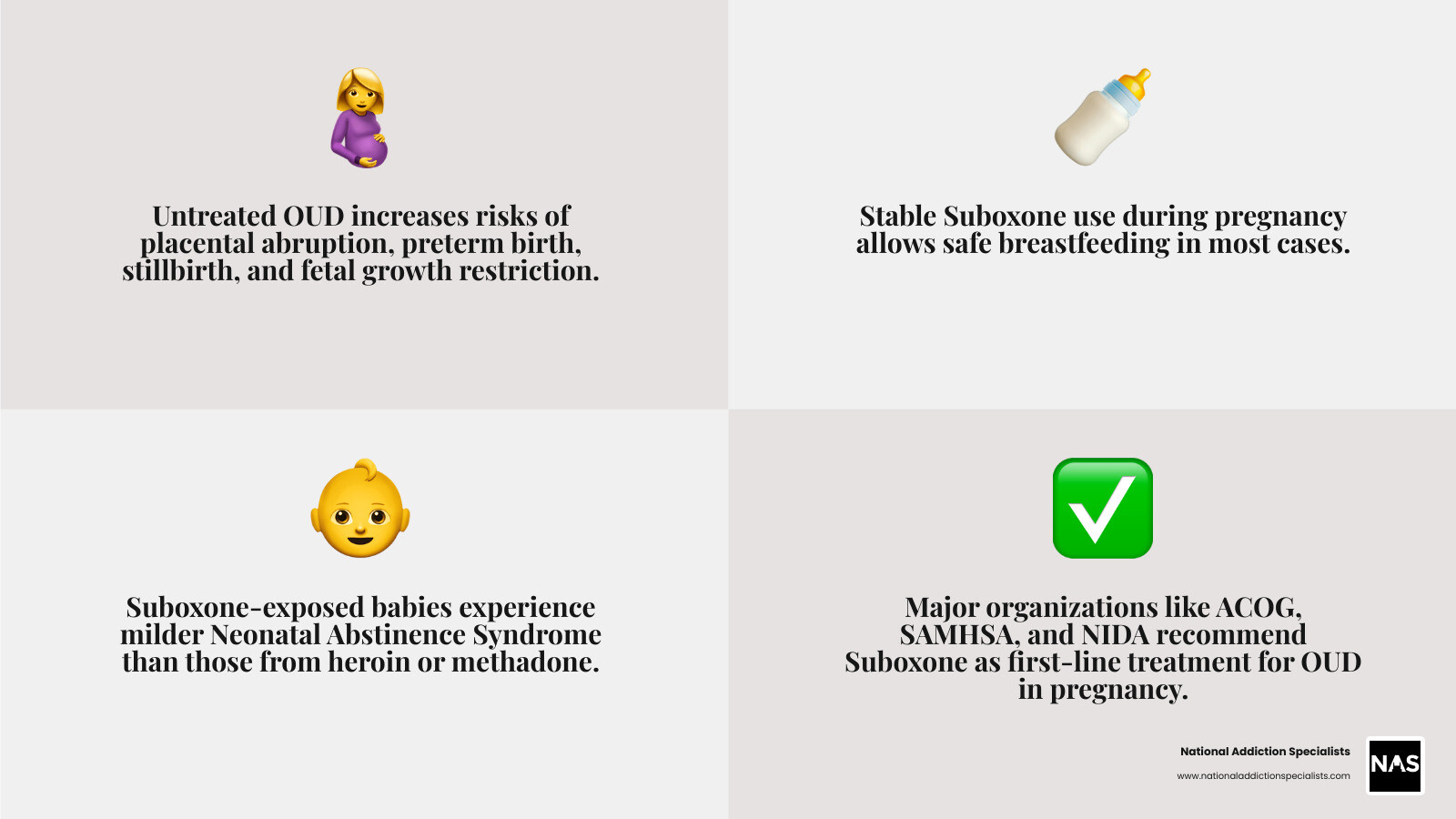
Pregnancy is already one of the most demanding times in a person’s life. When you are also managing OUD, the stakes feel even higher — and the fear of doing harm can be paralyzing. Many people worry that taking Suboxone will hurt their baby. But the evidence consistently shows that untreated OUD carries far greater risks than medically supervised treatment with Suboxone.
The risks of leaving OUD untreated during pregnancy include:
- Placental abruption
- Preterm birth
- Stillbirth
- Fetal growth restriction
- Maternal overdose or death
Suboxone — which combines buprenorphine and naloxone — works by stabilizing the opioid system without the dangerous highs and lows of illicit opioid use. That stability is protective for both mother and baby.
I’m Chad Elkin, MD, board-certified in Addiction Medicine and founder of National Addiction Specialists, and I have spent years helping patients navigate suboxone and pregnancy risks in clinical practice and through evidence-based policy work. In this guide, I’ll walk you through what the research actually says — so you can make an informed decision with your care team.
Evaluating Suboxone and Pregnancy Risks vs. Untreated OUD
When we talk about suboxone and pregnancy risks, we have to look at the “big picture.” In medicine, we always weigh the risks of a treatment against the risks of the condition itself. For a pregnant person with Opioid Use Disorder (OUD), the condition—untreated addiction—is significantly more dangerous than the medication used to treat it.
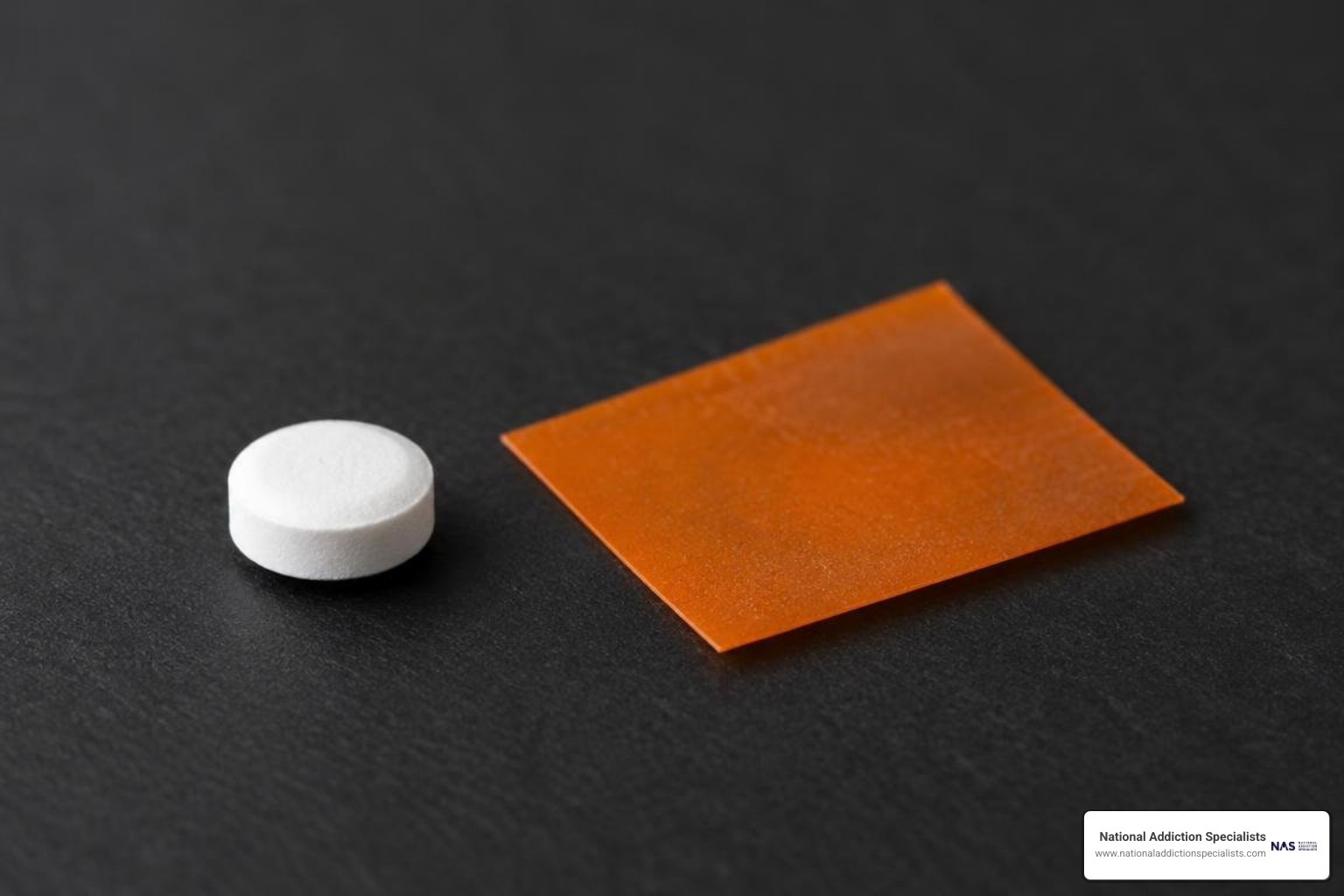
Suboxone consists of two primary ingredients: buprenorphine and naloxone. Buprenorphine is a partial opioid agonist, meaning it satisfies the brain’s cravings and prevents withdrawal without producing the intense “high” associated with heroin or fentanyl. Naloxone is an opioid antagonist added to discourage misuse.
Historically, there was concern that these components might harm a developing fetus. However, extensive research, including National Institute on Drug Abuse research on buprenorphine safety, has shown that buprenorphine is safe and effective during pregnancy. In fact, using Suboxone Use During Pregnancy is now considered a standard of care.
Untreated OUD creates a “rollercoaster” environment in the womb. When a mother goes through cycles of intoxication and withdrawal, the fetus experiences those same cycles. This stress can lead to:
- Placental abruption: Where the placenta detaches from the uterus too early.
- Fetal growth restriction: The baby does not grow at a healthy rate.
- Preterm labor: Giving birth before the baby is fully developed.
- Stillbirth: The tragic loss of the pregnancy.
By choosing Medication-Assisted Treatment (MAT), we create a stable environment that allows the baby to grow and the mother to focus on her health and prenatal care.
Common Misconceptions About Suboxone and Pregnancy Risks
One of the biggest hurdles we face in treating OUD during pregnancy is the “Naloxone Myth.” For many years, doctors preferred Subutex (which is just buprenorphine) over Suboxone (buprenorphine plus naloxone) because they feared the naloxone might affect the baby.
We now know, based on more recent clinical data, that the amount of naloxone absorbed into the bloodstream when Suboxone is taken as directed (dissolved under the tongue) is extremely low. Major medical groups, including the American Society of Addiction Medicine (ASAM), now state that Suboxone is as safe and effective as buprenorphine-only products. If you are already stable on Suboxone when you find out you are pregnant, there is usually no need to switch medications.
Another misconception is that taking Suboxone is simply “trading one addiction for another.” This couldn’t be further from the truth. Addiction is a cycle of compulsive, harmful behavior. Suboxone is a prescribed medication that restores stability, reduces the risk of overdose, and allows you to live a normal life. If you have more questions about how the medication works, check out our Suboxone Treatment FAQ.
The Danger of Abruptly Stopping Treatment
If you discover you are pregnant while using opioids, your first instinct might be to stop everything immediately to “protect the baby.” While this comes from a place of love, it is actually one of the most dangerous things you can do.
Abruptly stopping opioids (quitting “cold turkey”) causes severe withdrawal distress for both you and the fetus. For the baby, this can lead to:
- Fetal distress
- Preterm labor
- Miscarriage
Furthermore, the relapse rate for pregnant individuals who attempt supervised withdrawal (detox) without long-term medication is incredibly high—estimated between 59% and 90%. A relapse during pregnancy often involves the use of illicit substances like fentanyl, which carries a massive risk of fatal overdose.
This is why the ACOG Committee Opinion on OUD in pregnancy strongly recommends staying on or starting opioid agonist pharmacotherapy (like Suboxone or methadone) rather than attempting to withdraw.
Understanding Neonatal Abstinence Syndrome (NAS)
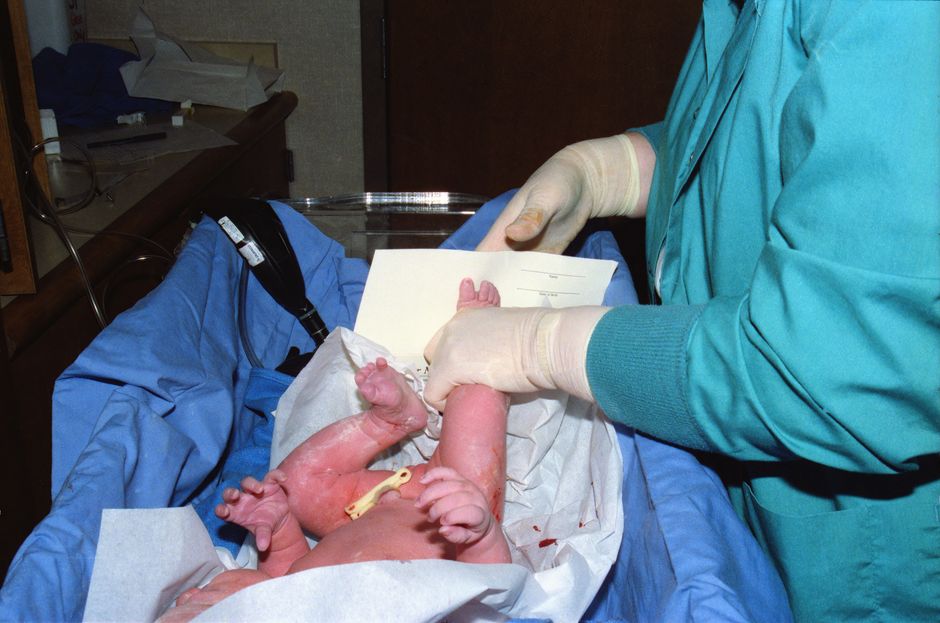
One of the primary suboxone and pregnancy risks that parents worry about is Neonatal Abstinence Syndrome (NAS), also known as Neonatal Opioid Withdrawal Syndrome (NOWS).
NAS is a set of withdrawal symptoms that a newborn may experience after birth because they are no longer receiving the medication through the placenta. It is important to understand that NAS is an expected and treatable condition. It is not a sign that the baby is “addicted”—it is a physiological response to the cessation of the medication.
According to the NCBI guide on NAS symptoms, symptoms typically appear within 72 hours of birth and can include:
- Tremors or trembling
- Excessive or high-pitched crying
- Irritability and sleep problems
- Tight muscle tone
- Poor feeding or slow weight gain
- Sneezing or stuffy nose
- Fever or sweating
Between 48% and 94% of infants exposed to opioids in utero will show some signs of withdrawal. However, the good news is that NAS caused by Suboxone is generally shorter-lived and less intense than NAS caused by heroin or methadone.
Managing NAS Symptoms in the Newborn
The way we treat NAS has changed for the better. In the past, babies were often sent straight to the Neonatal Intensive Care Unit (NICU) and given morphine. Today, we prioritize “non-pharmacological” care.
The most effective treatment for a baby with NAS is Rooming-in. This means the baby stays in the same room as the mother rather than in a nursery. Studies show that rooming-in significantly reduces the need for medication and shortens hospital stays.
Other ways to manage symptoms include:
- Skin-to-skin contact: This helps regulate the baby’s heart rate and temperature.
- Breastfeeding: Small amounts of buprenorphine pass into breast milk, which can actually help “taper” the baby and ease withdrawal symptoms.
- Gentle handling: Keeping the room quiet and the lights low.
If a baby’s symptoms are severe, they may need a short course of medication (like morphine or methadone) to keep them comfortable while their system adjusts. To learn more about what to expect, you can read about What to Expect Suboxone Side Effects.
Suboxone’s Favorable Profile in Pregnancy
When comparing different treatments for OUD, Suboxone (buprenorphine/naloxone) often shows a very favorable profile for both the parent and the child.
As a partial opioid agonist, buprenorphine has a “ceiling effect.” This means that after a certain dose, its effects don’t increase, which makes it much safer than full agonists (like methadone or heroin) in terms of overdose risk and respiratory depression.
Research has highlighted several benefits of buprenorphine-based MAT during pregnancy:
- Better Birth Parameters: Infants born to mothers on buprenorphine tend to have higher average birth weights, greater gestational age at delivery, and larger head circumferences compared to those on methadone.
- Lower Risk of Preterm Labor: Buprenorphine is associated with a lower risk of early delivery.
- Milder NAS: Babies exposed to buprenorphine often have less severe withdrawal symptoms, require less morphine for treatment, and spend fewer days in the hospital compared to babies exposed to methadone.
- Safety: There is no evidence of an increased risk of birth defects from prenatal buprenorphine exposure.
At National Addiction Specialists, we see how this stability helps mothers in Tennessee and Virginia prepare for a healthy delivery and a successful postpartum journey.
Long-Term Outlook: Suboxone and Pregnancy Risks for the Child
Parents often ask, “Will my child have developmental problems later in life because of Suboxone?”
The current body of research is very reassuring. Studies following children up to age five have found no significant differences in neurodevelopment, cognitive ability, or behavior between children exposed to buprenorphine in utero and those who weren’t.
What does impact a child’s long-term outlook is the environment they grow up in. By staying on Suboxone, a mother is able to provide a stable, nurturing home. This is why we emphasize comprehensive care—combining medication with behavioral therapy and support services. When the mother is healthy and supported, the child thrives.
Clinical Management: Dosing and Breastfeeding Safety
Your body goes through massive changes during pregnancy, and that includes how you process medication. As your blood volume increases and your metabolism speeds up (especially in the third trimester), your doctor may need to adjust your Suboxone dose.
It is common for patients to need a slightly higher dose or to split their dose into two or three times a day to keep their blood levels steady and prevent cravings. These adjustments are a normal part of clinical guidance for treating OUD in pregnancy.
Labor and Delivery During labor, you should continue your regular Suboxone dose. It will not provide enough pain relief for labor, so you can still receive standard pain management like an epidural. It is vital to tell your delivery team you are on Suboxone so they can avoid “mixed agonist-antagonist” pain medications (like Stadol or Nubain), which could trigger immediate withdrawal.
Breastfeeding Breastfeeding is highly encouraged for mothers on Suboxone, provided they are stable and not using other illicit substances.
- Minimal Transfer: Only very small amounts of buprenorphine pass into breast milk.
- Benefits for Baby: Breastfeeding helps reduce the severity of NAS and promotes bonding.
- Safety: Monitor your baby for excessive sleepiness or trouble breathing, but these issues are rare.
Make an Appointment to Treat Addiction Please don’t hesitate. Make an appointment today.
Frequently Asked Questions about Suboxone and Pregnancy
Can I breastfeed while taking Suboxone?
Yes! In fact, major health organizations like the American Academy of Pediatrics and ASAM recommend it. Breastfeeding provides essential nutrients and antibodies to your baby and can actually make their transition after birth easier by providing tiny, safe amounts of the medication to soothe potential withdrawal.
Will my baby definitely have withdrawal symptoms?
Not necessarily. While many babies (48-94%) show some signs of withdrawal, not all of them will need medical treatment. About half of babies exposed to buprenorphine may not require any medication for NAS at all, especially if “non-drug” treatments like rooming-in and skin-to-skin contact are used.
Is Suboxone safer than methadone?
Both are considered “first-line” treatments. However, buprenorphine (Suboxone) is often associated with shorter hospital stays for the baby and less severe NAS. Suboxone also offers more flexibility since it can be prescribed in a doctor’s office or via telemedicine, whereas methadone usually requires daily visits to a clinic.
Should I switch to Subutex?
In the past, this was common practice. However, current guidelines suggest that if you are doing well on Suboxone, there is no clinical reason to switch to Subutex. Both are safe for your baby.
Conclusion
Navigating suboxone and pregnancy risks can feel overwhelming, but you don’t have to do it alone. The science is clear: staying on your medication is the best way to protect both your health and your baby’s future. It prevents the dangerous cycles of withdrawal, reduces the risk of relapse, and ensures a more stable start for your newborn.
At National Addiction Specialists, we provide expert, compassionate care tailored to your unique needs. Our telemedicine-based Suboxone treatment allows you to receive personalized recovery plans from the comfort of your home in Tennessee or Virginia. We accept Medicaid and Medicare and are dedicated to helping you achieve a healthy pregnancy and a bright future with your new baby.
If you’re ready to take the next step in your recovery journey, we are here to help.
This article was medically reviewed by:
Chad Elkin, MD, DFASAM is a board-certified addiction medicine physician, founder, and Chief Medical Officer of National Addiction Specialists, dedicated to treating substance use disorders. A Distinguished Fellow of the American Society of Addiction Medicine (ASAM), Dr Elkin currently serves as President of the Tennessee Society of Addiction Medicine (TNSAM) and has held various leadership roles within the organization. Dr Elkin chairs ASAM’s Health Technology Subcommittee and is an active member of its Practice Management and Regulatory Affairs Committee, State Advocacy and Legislative Affairs Committee, and other committees. He also serves on the planning committee for the Vanderbilt Mid-South Addiction Conference. Committed to advancing evidence-based policy, Dr Elkin is Chairman of the Tennessee Association of Alcohol, Drug, & Other Addiction Services (TAADAS) Addiction Medicine Council, which collaborates with the TN Department of Mental Health & Substance Abuse Services (TDMHSAS). He has contributed to numerous local, state, and national task forces, helping develop professional guidelines, policies, and laws that align with best practices in addiction medicine. His work focuses on reducing addiction-related harm, combating stigma, and ensuring access to effective treatment. Passionate about the field of addiction medicine, he remains dedicated to shaping policy and enhancing patient care.
Suboxone® and Subutex® are a registered trademark of Indivior UK Limited. Any mention and reference of Suboxone® and Subutex® in this website is for informational purposes only and is not an endorsement or sponsorship by Indivior UK Limited.