
The Best Way to Safely Stop Suboxone While Pregnant
Safest First Steps to Get Off Suboxone While Pregnant
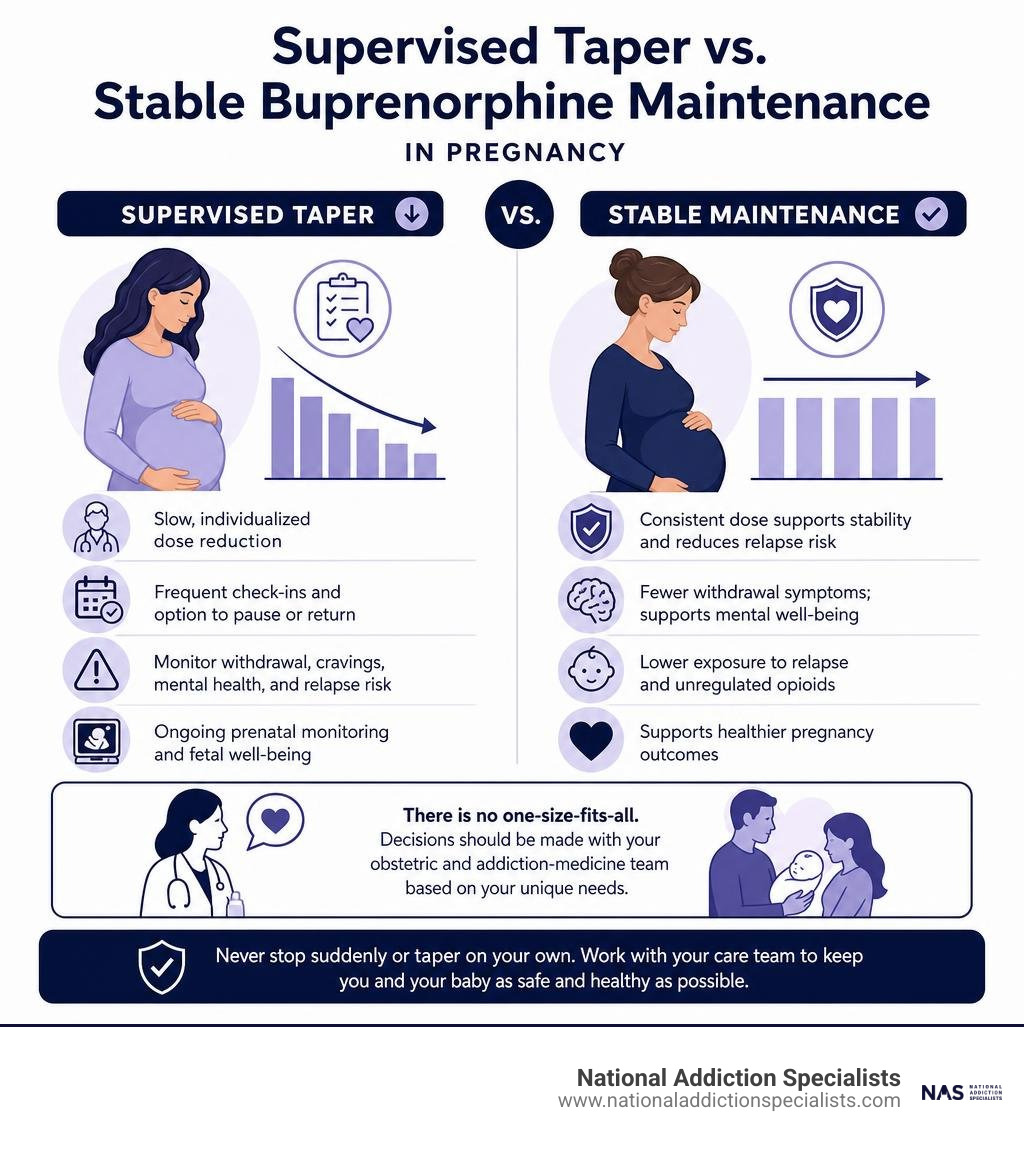
The safest answer to how to get off Suboxone while pregnant is: do not stop suddenly or taper on your own. Talk with an obstetric clinician and an addiction-medicine provider first. Together, you can decide whether a slow, closely monitored dose reduction is appropriate or whether staying on a stable buprenorphine dose is safer for you and your baby.
A safe plan usually includes:
- Reviewing cravings, past relapse, other substance use, mental health, and prenatal health.
- Reducing the dose gradually only if you remain stable, with the option to pause or return to a prior dose.
- Checking in often for withdrawal, dehydration, sleep problems, anxiety, and return-to-use risk.
- Monitoring fetal growth and well-being through routine prenatal care and added assessments when clinically needed.
- Planning for delivery, newborn observation for neonatal opioid withdrawal syndrome (NOWS), and breastfeeding support when appropriate.
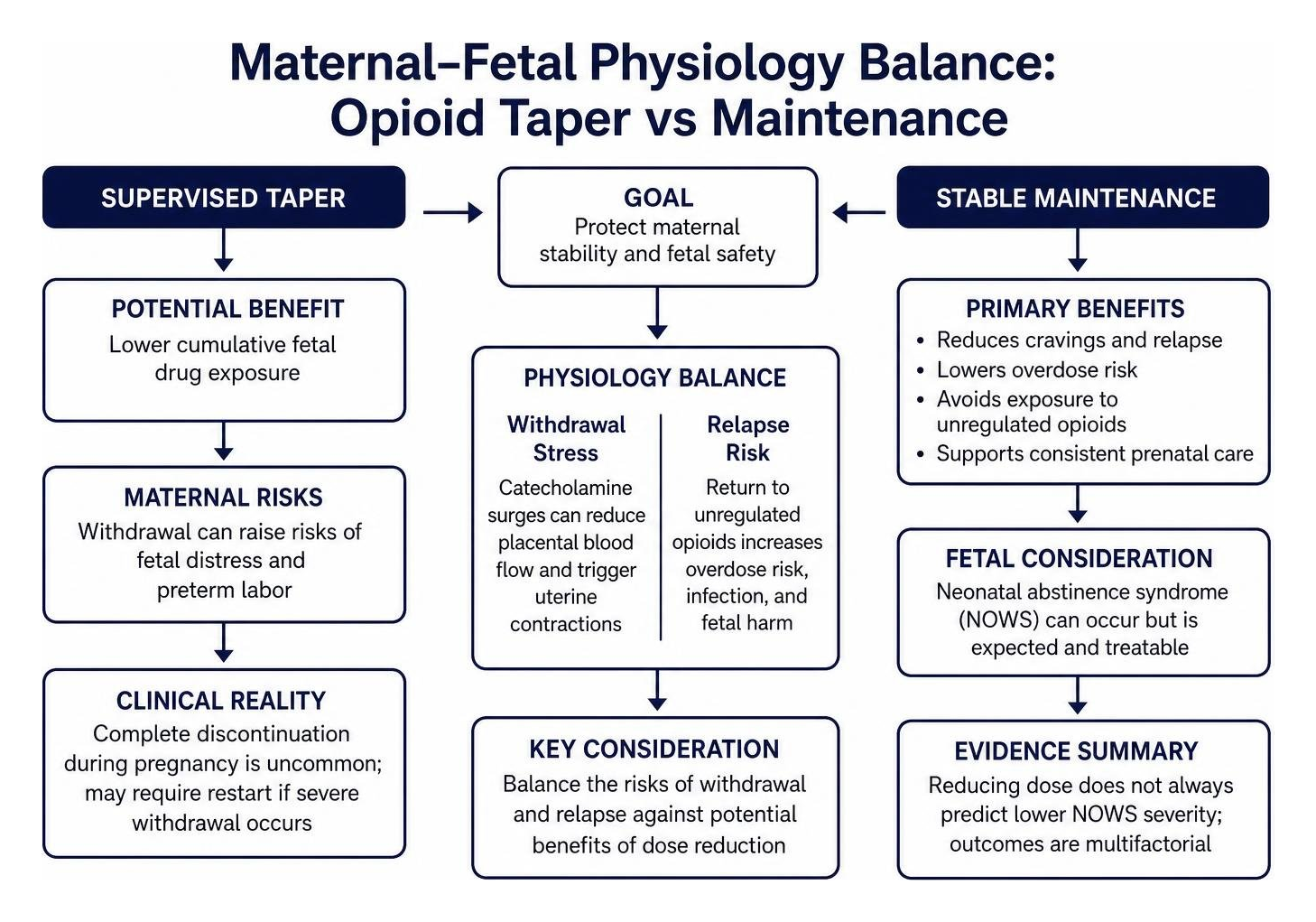
Rapid opioid withdrawal in pregnancy can raise the risk of serious problems, including fetal distress and preterm labor. Meanwhile, staying on prescribed buprenorphine can reduce cravings, relapse, overdose risk, and exposure to unregulated opioids. Complete discontinuation during pregnancy is uncommon: in one cohort of 139 women receiving opioid maintenance treatment, only two stopped medication entirely. A case report also described a patient who reached zero buprenorphine but restarted a low dose after severe withdrawal.
I am Chad Elkin, MD, a board-certified physician in Addiction Medicine and Internal Medicine and the Medical Director of National Addiction Specialists. My work helping patients understand how to get off Suboxone while pregnant centers on private, practical care that protects maternal stability while keeping fetal safety at the forefront.
Simple guide to how to get off suboxone while pregnant terms:
Medical Considerations: Risks and Benefits of Tapering During Pregnancy
When evaluating whether to taper buprenorphine during pregnancy, clinicians and patients must carefully weigh maternal stability against the risks of medication exposure. Major medical organizations, including the American College of Obstetricians and Gynecologists, emphasize in their clinical guidelines on opioid use disorder in pregnancy that maintenance therapy with buprenorphine or methadone remains the standard of care. This approach prioritizes avoiding illicit opioid exposure, preventing maternal relapse, and ensuring continuous engagement in prenatal care.
Tapering carries both potential advantages and distinct clinical risks. For mothers who are highly motivated, have prolonged periods of recovery, and possess robust psychosocial support, a careful dose reduction may lower cumulative fetal drug exposure. However, attempting to taper without adequate medical oversight introduces serious hazards, including spontaneous miscarriage, premature labor, and fetal distress driven by transient maternal withdrawal. A deeper look at understanding the real risks of Suboxone use while expecting shows that stable medication maintenance is frequently safer than the unpredictable physiological stress of withdrawal.
Neonatal Abstinence Syndrome (NAS) and Fetal Development
Neonatal Abstinence Syndrome (NAS), or Neonatal Opioid Withdrawal Syndrome (NOWS), is an expected and treatable condition that can occur when a newborn transitions away from maternal buprenorphine exposure after delivery. Research evaluating neonatal outcomes shows that buprenorphine generally demonstrates favorable growth metrics compared to full opioid agonists like methadone. Infants exposed to buprenorphine frequently show larger head circumferences and trends toward higher birth weights.
Studies published in peer-reviewed literature, including a clinical cohort study on buprenorphine tapering in pregnancy (Welle-Strand et al., 2014), indicate that reducing the maternal dose does not always linearly predict a reduction in NAS severity. Newborn withdrawal expression is multifactorial, influenced by maternal genetics, placental metabolism, infant metabolism, and co-exposures such as nicotine or prescribed psychotropics. Clinicians focus on optimizing fetal development and preparing hospital teams to support the infant immediately postpartum, as detailed in our guide on the long-term outlook for babies exposed to Suboxone in utero.
Maternal Withdrawal Hazards vs Relapse Prevention
The primary concern during any dose reduction is the emergence of maternal opioid withdrawal. Even mild withdrawal symptoms—such as insomnia, autonomic hyperactivity, nausea, and anxiety—can stimulate maternal catecholamine surges that compromise placental blood flow and induce uterine contractions.
Beyond acute obstetric emergencies, withdrawal significantly increases psychological distress and drug cravings. In pregnant individuals with opioid use disorder (OUD), the risk of returning to unregulated opioids, such as illicit fentanyl, carries a high probability of fatal overdose, infection, and severe fetal injury. By navigating Suboxone use during pregnancy without the stress, patients can make evidence-based choices that protect both maternal physical well-being and long-term sobriety.
How to Get Off Suboxone While Pregnant: Protocols and Step-by-Step Tapering
For patients who determine, in close consultation with their medical team, that a dose reduction is appropriate, structured protocols must be followed. Self-tapering or abruptly skipping doses is contraindicated. A safe taper requires coordinated care between the addiction medicine specialist, obstetrician, and behavioral health providers.

Clinical evidence indicates that complete dose elimination during pregnancy is rare. In clinical cohort data, 34% of pregnant women maintained an unchanged dose, 24% increased their dose by more than 10% due to expanded plasma volume in later pregnancy, 24% achieved a moderate reduction between 11% and 50%, 15% achieved a reduction greater than 50%, and only 2% stopped medication entirely (Welle-Strand et al., 2014). For those seeking guidance on how to taper off Suboxone, the following comparison illustrates clinical expectations between tapering and maintenance:
| Clinical Metric | Gradual Supervised Taper | Stable Maintenance Therapy |
|---|---|---|
| Primary Clinical Goal | Reduce fetal drug exposure while preventing relapse | Maximize maternal stability and prevent opioid toxicity |
| NAS / NOWS Risk | Variable; potential for mild reduction in expression | Expected; fully manageable via standardized neonatal care |
| Maternal Relapse Risk | Moderate to elevated during active dose drops | Lowest baseline risk of return to illicit opioids |
| Obstetric Monitoring | High frequency (fetal ultrasounds, non-stress tests) | Standard high-risk prenatal care pathway |
| Dosing Adjustments | Micro-reductions paused at onset of mild withdrawal | Split dosing or upward titration as pregnancy advances |
Expert Steps on How to Get Off Suboxone While Pregnant
When patients ask our clinical team about structured reduction, we implement a slow, highly responsive protocol. Medical protocols prioritize micro-reductions that allow physiological adaptation without triggering withdrawal cascades. Detailed clinical procedures found in our Suboxone withdrawal taper complete guide recommend the following steps:
- Comprehensive Assessment: Confirm stable recovery for several months, absence of illicit drug use, solid housing and social support, and absence of active psychiatric crises.
- Formulation Selection: Evaluate the medication profile. As outlined in reviews of the safety profiles of buprenorphine formulations during pregnancy, both buprenorphine mono-product and buprenorphine/naloxone combination products are clinically utilized with comparable safety parameters.
- Micro-Titration Schedule: Reduce the daily dose by 5% to 10% every 2 to 4 weeks. Reductions should occur in small increments (e.g., dropping by 1 mg to 2 mg at higher doses, and fractions of a milligram below 4 mg).
- Clinical Check-Ins and Pause Protocol: Implement weekly or bi-weekly check-ins. If cravings, autonomic withdrawal, or sleep disturbances emerge, the taper is immediately paused at the current dose until full stability is restored.
- No-Judgment Reversals: If maternal stability is compromised, the clinician increases the dose back to the previously tolerated level without punitive measures.
Optimal Trimester Timing and Dose Adjustments
The timing of any dose modification during pregnancy is critical:
- First Trimester: Organogenesis occurs during this period. Abrupt withdrawal should be strictly avoided due to potential physiological instability. Most providers focus on stabilization rather than reduction.
- Second Trimester (Weeks 14 to 27): This is considered the safest physiological window if a medically supervised taper is pursued. Fetal organ systems are formed, the placenta is well established, and maternal nausea often resolves.
- Third Trimester (Weeks 28 to 40): Significant metabolic shifts occur. Maternal blood volume expands, and hepatic enzyme clearance increases (specifically cytochrome P450 3A4 activity). Rather than tapering, many women require dose increases or split-dosing (taking medication twice or three times daily) to prevent late-day withdrawal.
Understanding these physiological shifts is essential, as detailed in the essential guide to buprenorphine dosing for expectant mothers.
Alternatives to Complete Cessation: Partial Dose Reduction and Maintenance
Complete medication cessation is not the only option for managing opioid use disorder in pregnancy. In many clinical scenarios, alternative strategies offer a superior balance of safety and efficacy. Continuing Suboxone use during pregnancy at an optimized dose protects against relapse while supporting normal maternal-fetal bonding.

Partial dose reduction—lowering medication by 15% to 50% rather than targeting zero—allows patients to find the lowest effective dose that eliminates cravings while avoiding withdrawal. In addition, transitioning to split-dosing regimens can smooth out peak-to-trough plasma variations, giving the mother consistent symptom control without needing large single daily doses. Structured protocols can be reviewed in our analysis of buprenorphine tapering schedules.
If you or a loved one is currently navigating recovery during pregnancy in Tennessee or Virginia, our clinical team is here to assist. Make an Appointment to Treat Addiction. Please don’t hesitate. Make an appointment today.
Is It Possible: How to Get Off Suboxone While Pregnant Completely?
While complete discontinuation is theoretically possible, clinical data demonstrates that it is rare and carries a high burden of withdrawal. In documented observational studies, only approximately 2% of women successfully stopped medication completely prior to delivery (Welle-Strand et al., 2014). In one notable case report, a patient successfully tapered her buprenorphine from 24 mg daily down to zero by week 31 of gestation. However, after enduring 8 consecutive days of severe physical withdrawal and autonomic distress, she elected to resume a daily maintenance dose of 4 mg for the remainder of her pregnancy to protect her health and that of the fetus (Welle-Strand et al., 2014).
Patients should understand that remaining on medication is not a failure. Maintaining a low-to-moderate therapeutic dose throughout pregnancy provides a reliable shield against relapse and overdose, ensuring a stable intrauterine environment.
Postpartum Management and the Role of Breastfeeding
Postpartum planning is a core component of addiction medicine care during pregnancy. Research shows that maternal maintenance on buprenorphine does not contraindicate breastfeeding; in fact, breastfeeding is strongly recommended by major pediatric and obstetric societies.
Buprenorphine concentrations in human breast milk are very low. The minimal amounts ingested by the infant, combined with low oral bioavailability, do not cause sedation but provide a gentle therapeutic buffer that significantly reduces the severity and duration of NOWS. Breastfed neonates require less pharmacological intervention and experience shorter hospital stays compared to formula-fed neonates. Exploring whether is Suboxone safe for your first trimester and beyond highlights how rooming-in models and direct skin-to-skin contact optimize newborn stabilization.
Comprehensive Maternal-Fetal Monitoring and Support Strategies
Attempting any dose modification requires comprehensive maternal-fetal surveillance. Addiction specialists and obstetricians must coordinate to monitor key parameters throughout each trimester:
- Fetal Ultrasound Evaluations: Serial ultrasounds monitor interval fetal growth, amniotic fluid volume, and anatomical development.
- Antenatal Testing (NST/BPP): In the third trimester, non-stress tests (NST) and biophysical profiles (BPP) assess fetal heart rate reactivity and fetal central nervous system oxygenation.
- Psychosocial and Behavioral Support: Medication is one facet of recovery. Regular psychotherapy, cognitive behavioral counseling, and peer support groups help expectant mothers process the hormonal and emotional changes of pregnancy.
- Toxicology and Medication Checks: Routine, non-punitive screening ensures transparency, detects accidental exposures, and reinforces accountability.

Frequently Asked Questions About Stopping Suboxone During Pregnancy
What happens if I stop taking Suboxone cold turkey while pregnant?
Stopping Suboxone cold turkey during pregnancy is medically dangerous. Abrupt cessation precipitates severe maternal withdrawal, marked by intense muscle cramping, vomiting, diarrhea, tachycardia, and systemic dehydration. These physical stressors induce significant uterine contractions, which can lead to placental abruption, spontaneous miscarriage, or severe preterm labor. If you are pregnant and taking Suboxone, never stop your medication without immediate medical consultation.
Can tapering buprenorphine completely eliminate neonatal abstinence syndrome?
Tapering buprenorphine does not guarantee that a newborn will avoid Neonatal Opioid Withdrawal Syndrome. Clinical studies show that NAS expression varies widely between infants and does not correlate strictly with maternal dose at delivery (Welle-Strand et al., 2014). An infant exposed to 2 mg daily may experience withdrawal symptoms, while an infant exposed to 16 mg daily may exhibit minimal symptoms. Hospital care teams are trained to treat NOWS using non-pharmacological methods—such as low lighting, skin-to-skin contact, and breastfeeding—alongside short-term medication when clinically required.
What should I do if withdrawal symptoms or cravings return during a taper?
If withdrawal symptoms or cravings resurface at any point during a taper, contact your addiction medicine specialist immediately. The standard medical protocol is to pause the taper and, if necessary, increase the dose back to the previously tolerated level. Experiencing cravings or physical symptoms is an indicator of physiological stress, not personal weakness. Prompt dose stabilization prevents relapse and protects maternal and fetal health.
Conclusion
Deciding whether to taper or maintain Suboxone during pregnancy requires individualized, evidence-based medical care. The evidence confirms that maternal stabilization on buprenorphine provides essential protection against overdose and neonatal harm. If you are pregnant or planning to become pregnant while taking medication for opioid use disorder, consult our team to explore your options.
National Addiction Specialists delivers comprehensive, confidential telemedicine care across Tennessee and Virginia, accepting Medicaid and Medicare. You can schedule a confidential appointment to discuss safe treatment options with our experienced medical providers from the comfort and privacy of your home.
Medical Review
This article was medically reviewed by: Chad Elkin, MD, DFASAM is a board-certified addiction medicine physician, founder, and Chief Medical Officer of National Addiction Specialists, dedicated to treating substance use disorders. A Distinguished Fellow of the American Society of Addiction Medicine (ASAM), Dr Elkin currently serves as President of the Tennessee Society of Addiction Medicine (TNSAM) and has held various leadership roles within the organization. Dr Elkin chairs ASAM’s Health Technology Subcommittee and is an active member of its Practice Management and Regulatory Affairs Committee, State Advocacy and Legislative Affairs Committee, and other committees. Committed to advancing evidence-based policy, Dr Elkin is Chairman of the Tennessee Association of Alcohol, Drug, & Other Addiction Services (TAADAS) Addiction Medicine Council, which collaborates with the TN Department of Mental Health & Substance Abuse Services (TDMHSAS). He has contributed to numerous local, state, and national task forces, helping develop professional guidelines, policies, and laws that align with best practices in addiction medicine. He also serves on the planning committee for the Vanderbilt Mid-South Addiction Conference. His work focuses on reducing addiction-related harm, combating stigma, and ensuring access to effective treatment. Passionate about the field of addiction medicine, he remains dedicated to shaping policy and enhancing patient care.
References
Welle-Strand GK, Kvamme O, Andreassen A, Ravndal E. “A woman’s experience of tapering from buprenorphine during pregnancy..” BMJ case reports, 2014. PMCID PMC4281552.
Suboxone® and Subutex® are a registered trademark of Indivior UK Limited. Any mention and reference of Suboxone® and Subutex® in this website is for informational purposes only and is not an endorsement or sponsorship by Indivior UK Limited.