


What Drug Withdrawal Symptoms Can Look Like
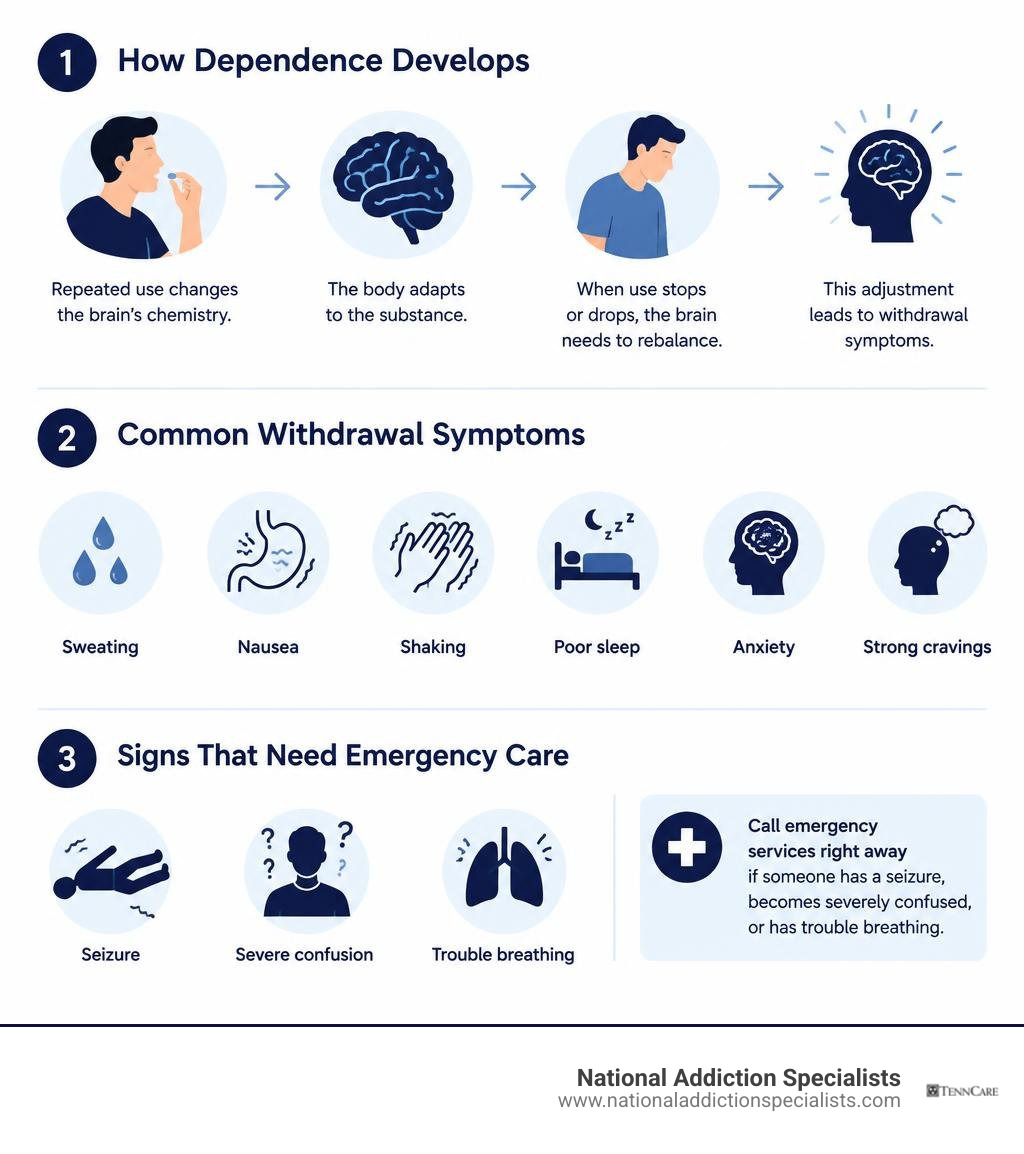
The withdrawal symptoms of drug abuse can include sweating, nausea, shaking, poor sleep, anxiety, and strong cravings. They happen when the body has adapted to a substance and must adjust after its use stops or drops. Symptoms vary by drug. Alcohol and benzodiazepine withdrawal can cause life-threatening seizures, so talk with a medical professional before stopping either one. Call emergency services if someone has a seizure, becomes severely confused, or has trouble breathing.
Withdrawal is the first step, not the whole recovery process. Medical care can ease symptoms and help you plan what comes next. For opioid addiction, that may include medication and counseling without putting work or family life on hold.
I’m Dr. Chad Elkin, a board-certified addiction medicine and internal medicine physician and the founder and medical director of National Addiction Specialists. My work treating substance use disorders has shown me why understanding the withdrawal symptoms of drug abuse matters: it helps people seek the right care before symptoms become harder to manage.
Glossary for withdrawal symptoms of drug abuse:
- common drug withdrawal symptoms
- drug withdrawal symptoms timeline
- what are withdrawal symptoms of drugs
What Causes Drug Withdrawal and How Dependence Develops
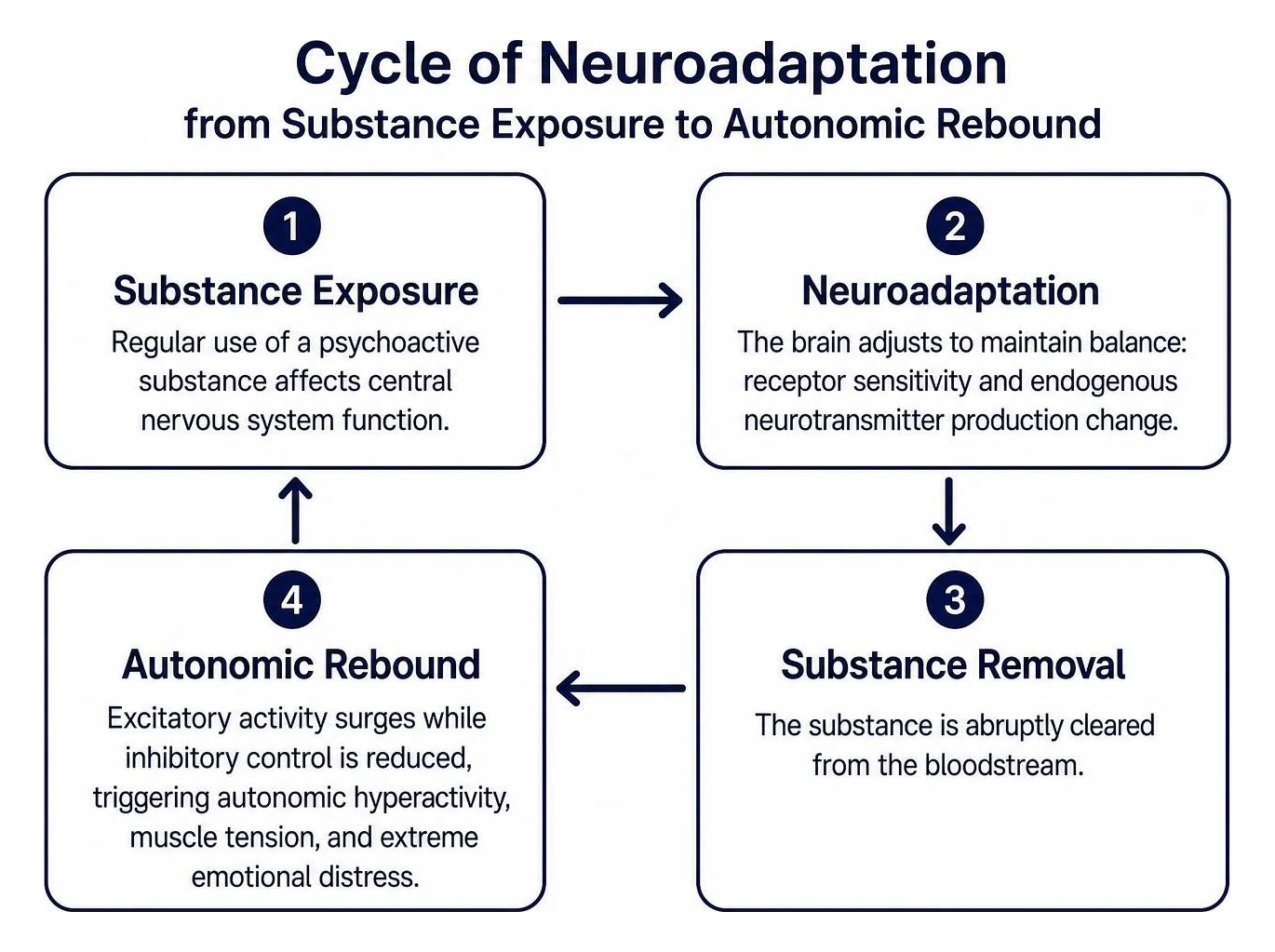
When someone uses a psychoactive substance regularly, the human central nervous system undergoes neuroadaptation. The brain strives for homeostasis—a stable internal environment. To maintain this balance in the presence of continuous drug exposure, neural circuits adjust receptor sensitivity and alter endogenous neurotransmitter production.
For instance, chronic exposure to central nervous system depressants leads to the down-regulation of inhibitory gamma-aminobutyric acid (GABA) receptors and an up-regulation of excitatory glutamate (NMDA) receptors. Conversely, prolonged opioid use leads to receptor desensitization and an overactivation of noradrenergic signaling within the locus ceruleus.
When the substance is abruptly cleared from the bloodstream, these compensatory changes are left unopposed. Excitatory neurotransmitters flood the pathways while natural inhibitory controls remain diminished. This biological rebound triggers intense autonomic hyperactivity, muscle tension, and extreme emotional distress (NBK459239).
Understanding the Clinical Withdrawal Symptoms of Drug Abuse
Withdrawal is not a uniform experience; it manifests across interconnected physical and psychological systems. The intensity of drug withdrawal symptoms depends on variables such as the specific substance used, duration of misuse, dosage, overall physiological health, and whether multiple substances were combined.
Physical Withdrawal Symptoms of Drug Abuse
Physical withdrawal reflects autonomic and muscular instability as the body struggles to recalibrate. Common physical symptoms include:
- Autonomic Hyperactivity: Profuse sweating (diaphoresis), hot and cold flashes, and elevated blood pressure.
- Gastrointestinal Distress: Severe nausea, vomiting, watery diarrhea, and painful abdominal cramps.
- Neuromuscular Irritability: Involuntary muscle twitches, fine and gross tremors, systemic muscle aches, and piloerection (commonly known as “goosebumps”).
- Cardiovascular and Systemic Strain: Rapid heart rate (tachycardia), persistent headaches, profuse lacrimation (tearing), rhinorrhea (runny nose), and profound insomnia.
Psychological Withdrawal Symptoms of Drug Abuse
The psychological impact of withdrawal is rooted in sudden neurochemical deficits, particularly within the dopamine and serotonin pathways that govern motivation and mood regulation. According to the Mayo Clinic guide on substance use disorder, these symptoms significantly drive the risk of early relapse.
Key psychological symptoms include:
- Severe Anxiety and Panic: Acute panic attacks, agitation, and motor restlessness.
- Anhedonia and Dysphoria: A profound inability to feel pleasure, accompanied by heavy depressive moods.
- Cognitive Impairment: Mental fog, marked short-term memory deficits, and difficulty concentrating.
- Intense Substance Cravings: Overwhelming psychological urges to use the substance to stop the distress.
- Sleep Disturbances: Severe insomnia, disrupted circadian rhythms, and distressing, vivid nightmares.
Withdrawal Timelines and Symptoms by Substance Category
Different classes of substances act on distinct biological targets, resulting in unique drug withdrawal timelines.
| Substance Class | Onset of Symptoms | Peak Window | Typical Acute Duration | Primary Medical Risks |
|---|---|---|---|---|
| Short-Acting Opioids (Heroin, Oxycodone) | 6–12 hours | 24–72 hours | 4–10 days | Severe dehydration, electrolyte derangement, loss of tolerance |
| Long-Acting Opioids (Methadone, Buprenorphine) | 24–48 hours | 3–6 days | 10–20 days | Dehydration, severe persistent insomnia, relapse overdose |
| Alcohol | 6–12 hours | 24–72 hours | 5–7 days | Grand mal seizures, delirium tremens, cardiac arrest |
| Benzodiazepines | 1–4 days | 1–2 weeks | 2–4+ weeks | Status epilepticus, severe psychosis, rebound panic |
| Stimulants (Cocaine, Methamphetamine) | 12–24 hours | 2–4 days | 3–7 days | Severe clinical depression, suicidal ideation, cardiovascular collapse |
| Cannabis | 24–48 hours | 2–6 days | 1–3 weeks | Severe irritability, appetite suppression, mood swings |
Opioid Withdrawal Progression and Clinical Scales
Opioid misuse remains a major public health challenge. In 2024 in the United States, approximately 556,000 individuals reported using heroin, while roughly 7.6 million people misused prescription narcotic pain relievers (NBK64114).
Opioid withdrawal symptoms range from early flu-like presentations (yawning, lacrimation, rhinorrhea) to late-stage gastrointestinal distress and bone pain. Clinicians assess severity using tools like the Clinical Opiate Withdrawal Scale (COWS) or the Short Opioid Withdrawal Scale (SOWS). While rarely fatal on its own, acute opioid withdrawal presents serious medical risks from dehydration and hypernatremia caused by persistent vomiting and diarrhea, as detailed by MedlinePlus medical overview of opioid withdrawal.
Importantly, acute opioid withdrawal during pregnancy is clinically contraindicated due to high risks of spontaneous miscarriage or premature labor; continuous maintenance pharmacotherapy is recommended instead (NBK310652).
Central Nervous System Depressants: Alcohol and Benzodiazepines
Central nervous system depressants carry the highest risk of fatal complications during acute cessation. When chronic use of alcohol or sedatives stops, the profound loss of GABA inhibition combined with a surge in glutamate activity can induce extreme neurological hyperarousal.
In severe cases of depressant drug withdrawal, individuals risk developing seizures or delirium tremens (DTs)—a severe state marked by autonomic instability, intense confusion, and visual hallucinations. Understanding the delirium tremens risks is critical, as untreated DTs carry an estimated mortality rate of 1% to 5%. Safe management requires medical evaluation, structured long-acting tapering regimens (such as diazepam protocols), fluid replenishment, and high-dose thiamine (at least 100 mg daily) to prevent Wernicke’s encephalopathy (NBK310652).
Stimulants and Other Substances: The Post-Toxicity Crash
Stimulants such as cocaine and methamphetamine do not cause typical autonomic rebound in the same way depressants do. Instead, they produce a profound post-toxicity crash (NBK459239). As dopamine and norepinephrine stores are depleted, patients experience severe psychomotor retardation, hypersomnia, ravenous appetite, and profound dysphoria. The primary clinical risk during stimulant withdrawal is psychiatric instability, including acute paranoia, stimulant-induced psychosis, and severe depressive episodes with suicidal ideation.
For cannabis, withdrawal often includes insomnia, vivid dreams, marked irritability, and decreased appetite lasting up to several weeks. Across all substance categories, maintaining fluid intake of 2 to 4 liters daily and providing a calm, low-stimulation environment are core supportive measures (NBK310652).
Severe Withdrawal Complications and Medical Red Flags

Certain withdrawal signs demand immediate emergency medical intervention. Attempting to withdraw without medical support can lead to rapid physiological deterioration.
Seek emergency services (Call 911) immediately if any of the following occur:
- Seizures or Convulsions: Single or repetitive seizures, which can rapidly progress to status epilepticus.
- Delirium and Severe Disorientation: Acute confusion, agitation, or hallucinations (visual, auditory, or tactile).
- Cardiovascular Instability: Severe chest pain, irregular heartbeat (arrhythmia), or dangerously elevated blood pressure.
- Severe Dehydration and Incoherence: Inability to retain fluids for over 24 hours accompanied by fainting, lethargy, or extreme electrolyte imbalances.
- Psychiatric Emergencies: Acute psychosis, extreme paranoia, or active suicidal ideation and intent.
Clinical Management, Medical Detoxification, and Long-Term Recovery
Undergoing medically supervised withdrawal ensures that physical symptoms are safely managed while minimizing distress. Unassisted cessation results in significantly lower long-term recovery rates and higher relapse frequency compared to structured, medically supported care.
Evidence-Based Pharmacotherapy and MAT Options
Modern addiction medicine relies on evidence-based pharmacotherapies tailored to the substance of dependence:
- Opioid Use Disorder: Buprenorphine (often formulated with naloxone as Suboxone) is an effective partial opioid agonist that binds tightly to mu-opioid receptors, eliminating cravings and physical withdrawal without inducing intoxication. Adjuvant medications like clonidine alleviate autonomic hyperactivity, while targeted therapies address nausea and muscle cramps. Explore our comprehensive protocols on Suboxone withdrawal management.
- Alcohol and Sedatives: Symptom-triggered benzodiazepine protocols (such as diazepam or lorazepam titrated via clinical assessment scales) safely lower seizure risks, alongside intravenous or oral hydration and essential vitamin supplementation.
Make an Appointment to Treat Addiction Please don’t hesitate. Make an appointment today.
Post-Acute Withdrawal Syndrome (PAWS) and Relapse Prevention
The end of acute physical withdrawal is a major milestone, but neurological recovery takes time. Many individuals experience post-acute withdrawal syndrome (PAWS), which involves protracted symptoms like mood fluctuations, sleep disruption, low stress tolerance, and intermittent cravings that can persist for weeks or months.
A critical danger during this phase is the rapid loss of drug tolerance. If a relapse occurs after a period of abstinence, taking the same dosage used previously carries a high risk of fatal overdose. Sustained recovery relies on integrating medical maintenance therapies with behavioral counseling, peer support networks, and lifestyle modifications to manage triggers and rebuild healthy reward pathways.
Frequently Asked Questions About Drug Withdrawal
Can drug withdrawal symptoms be fatal?
Yes. Abrupt cessation of central nervous system depressants—specifically alcohol, benzodiazepines, and barbiturates—can cause life-threatening grand mal seizures, status epilepticus, and delirium tremens. While opioid withdrawal is rarely fatal by direct neurological mechanisms, severe gastrointestinal fluid loss can lead to fatal dehydration and cardiovascular strain if left unmonitored.
How long do acute withdrawal symptoms typically last?
Acute withdrawal length depends primarily on the drug’s metabolic elimination half-life. Short-acting substances (like heroin, alcohol, or cocaine) typically produce acute physical symptoms lasting 4 to 7 days. Long-acting substances (such as methadone or extended-release benzodiazepines) can produce acute symptoms lasting 2 to 4 weeks or longer.
What is the safest way to manage opioid withdrawal?
The safest and most effective standard of care is medically supervised medication-assisted treatment (MAT) utilizing buprenorphine-based therapies (such as Suboxone). When initiated under experienced clinical guidance, MAT relieves withdrawal distress, stabilizes neurochemistry, suppresses cravings, and substantially lowers the risk of relapse.
Conclusion
Overcoming drug dependence begins with safely navigating the physical and mental hurdles of withdrawal. You do not have to face this process alone or disrupt your everyday life to find expert clinical support. At National Addiction Specialists, we provide accessible, compassionate, and evidence-based care delivered straight to your home.
We offer confidential, telemedicine-based Suboxone treatment and individualized recovery plans across Tennessee and Virginia, with clinic hubs in Brentwood, TN, and Virginia Beach, VA. We proudly accept Medicaid and Medicare, ensuring that cost and distance never stand between you and high-quality addiction medicine care. If you or a loved one is ready to regain control, connect with our team for compassionate telemedicine opioid withdrawal care today.
Scientific References
NBK310652. NBK64114. NBK459239.
Suboxone® and Subutex® are a registered trademark of Indivior UK Limited. Any mention and reference of Suboxone® and Subutex® in this website is for informational purposes only and is not an endorsement or sponsorship by Indivior UK Limited.
This article was medically reviewed by: Chad Elkin, MD, DFASAM is a board-certified addiction medicine physician, founder, and Chief Medical Officer of National Addiction Specialists, dedicated to treating substance use disorders. A Distinguished Fellow of the American Society of Addiction Medicine (ASAM), Dr Elkin currently serves as President of the Tennessee Society of Addiction Medicine (TNSAM) and has held various leadership roles within the organization. Dr Elkin chairs ASAM’s Health Technology Subcommittee and is an active member of its Practice Management and Regulatory Affairs Committee, State Advocacy and Legislative Affairs Committee, and other committees. He also serves on the planning committee for the Vanderbilt Mid-South Addiction Conference. Committed to advancing evidence-based policy, Dr Elkin is Chairman of the Tennessee Association of Alcohol, Drug, & Other Addiction Services (TAADAS) Addiction Medicine Council, which collaborates with the TN Department of Mental Health & Substance Abuse Services (TDMHSAS). He has contributed to numerous local, state, and national task forces, helping develop professional guidelines, policies, and laws that align with best practices in addiction medicine. His work focuses on reducing addiction-related harm, combating stigma, and ensuring access to effective treatment.Passionate about the field of addiction medicine, he remains dedicated to shaping policy and enhancing patient care.