Which Vitamin Supplements Matter During Alcohol Withdrawal?
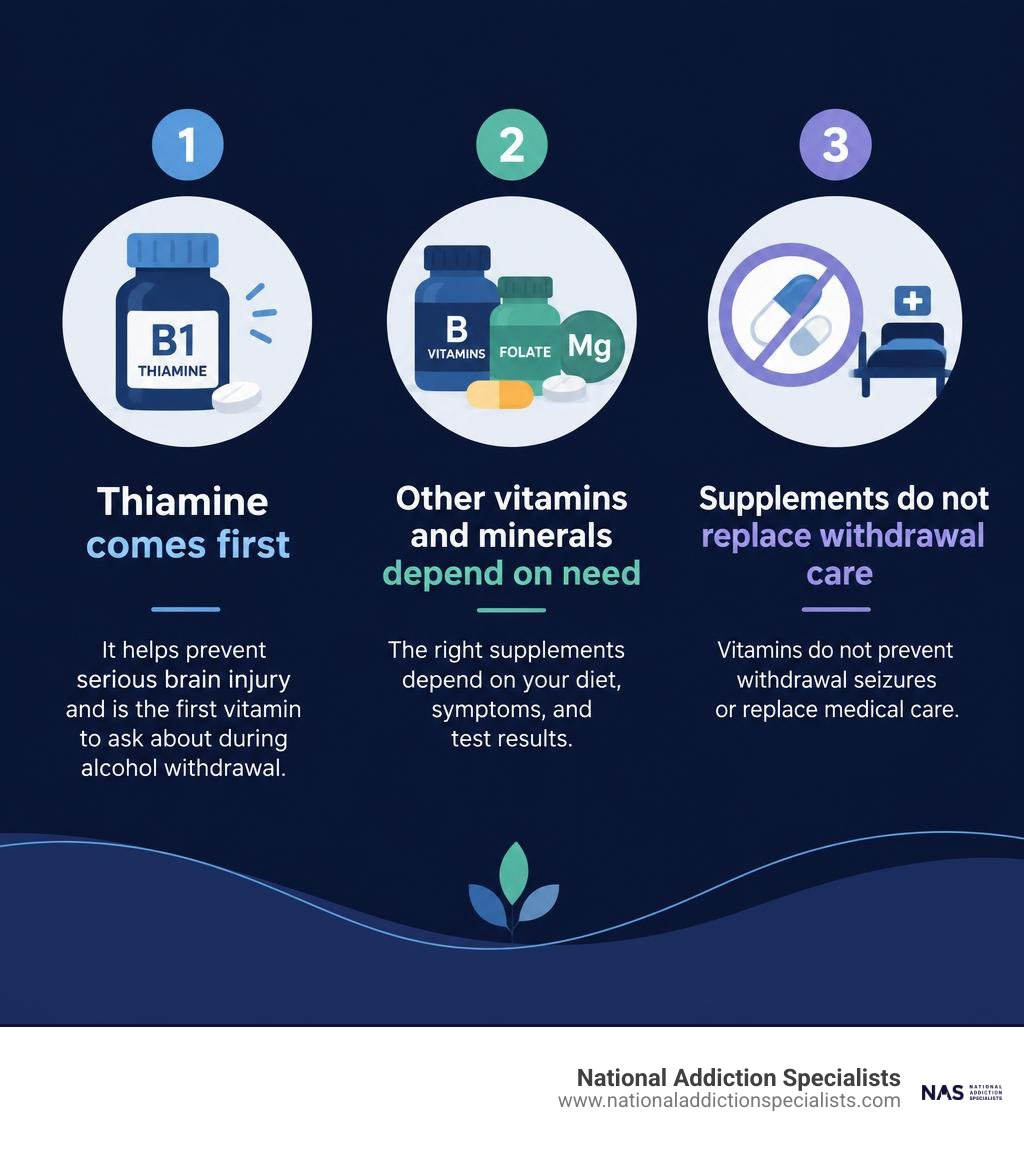
Thiamine (vitamin B1) is the first vitamin to ask about during alcohol withdrawal. Heavy drinking can leave the body short of thiamine, and replacing it helps prevent serious brain injury. A clinician may also recommend folate, other B vitamins, or treatment for low magnesium and other minerals. The right supplements depend on your diet, symptoms, and test results. Vitamins do not prevent withdrawal seizures or replace medical care.
If you drink heavily and plan to stop, talk with a clinician before trying to manage withdrawal at home. Seek emergency care for confusion, trouble walking, unusual eye movements, hallucinations, or a seizure.
I’m Dr. Chad Elkin, a physician board-certified in addiction medicine and internal medicine and the medical director of National Addiction Specialists. My work with people who have substance use disorders guides this discussion of vitamin supplements during alcohol withdrawal.
For more clinical insights on navigating detox safely, explore our guides on managing alcohol withdrawal symptoms, what you need to know about safe alcohol detox at home, and addressing post acute alcohol withdrawal.
Why Chronic Alcohol Misuse Depletes Essential Nutrients
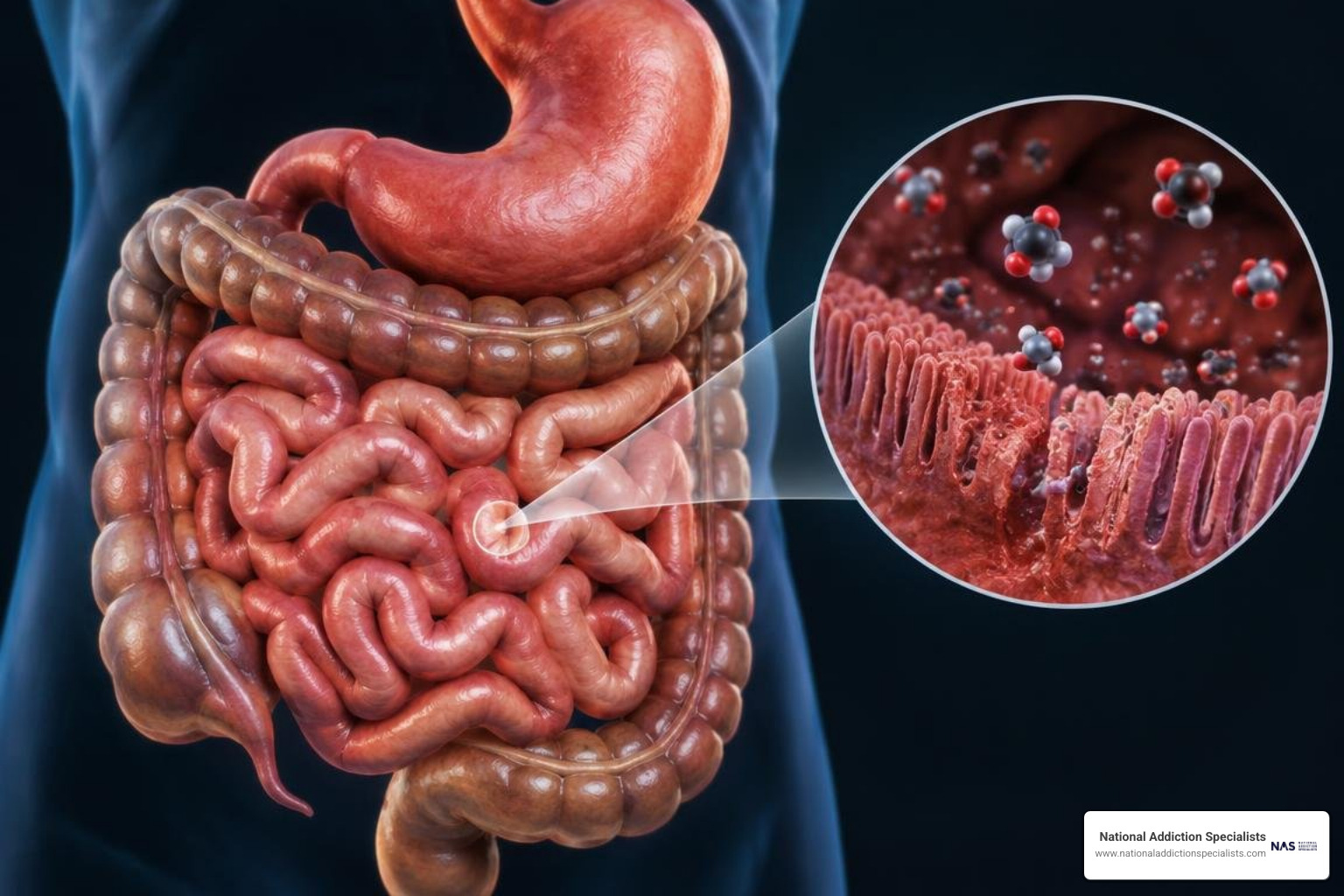
When someone drinks heavily over an extended period, the body faces a severe nutritional deficit. Alcohol delivers “empty calories” that lack micronutrients, while simultaneously disrupting the biological machinery required to absorb, process, and store essential vitamins.
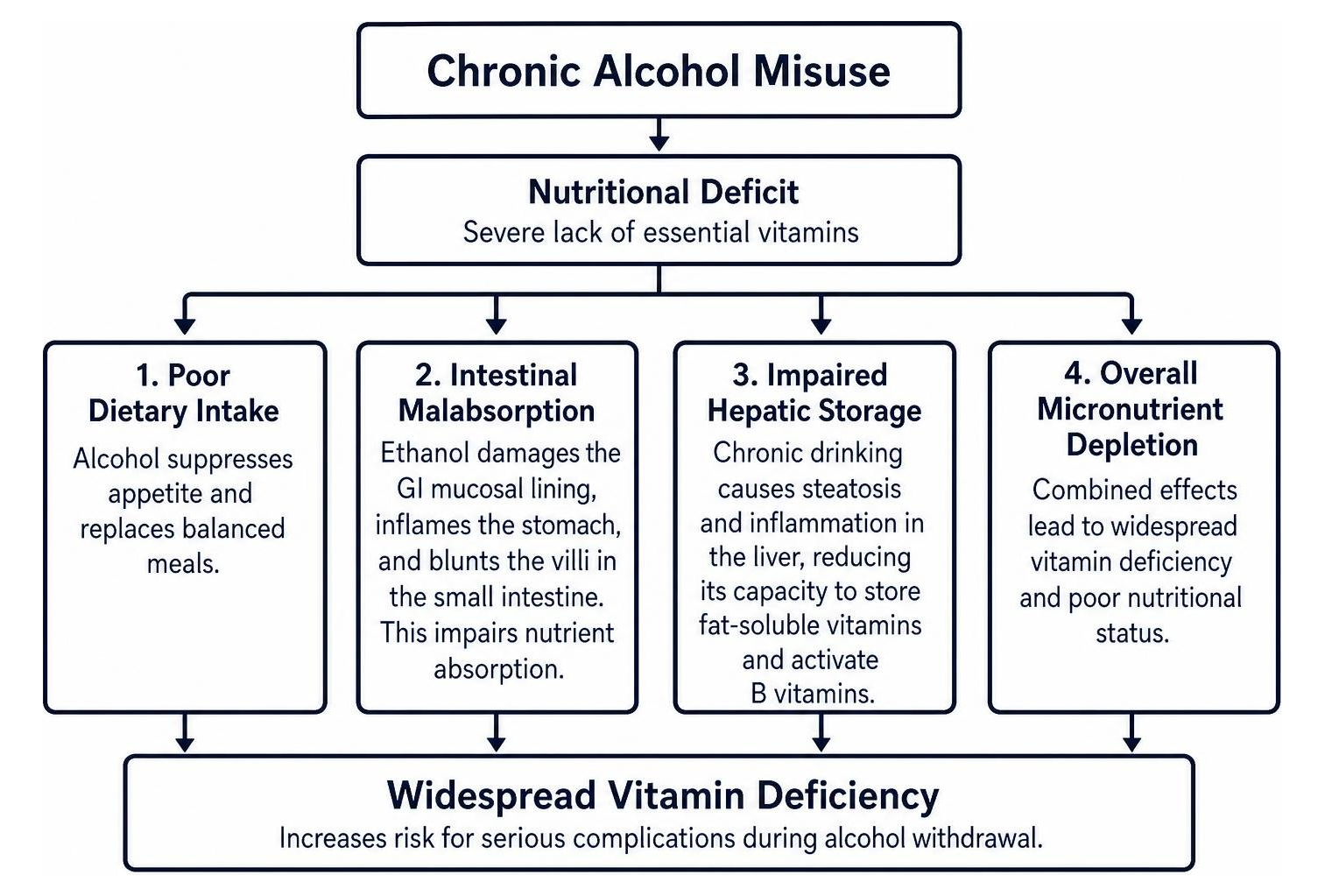
This systematic depletion happens through four main mechanisms:
- Poor Dietary Intake: Alcohol suppresses appetite and frequently replaces balanced meals.
- Intestinal Malabsorption: Ethanol damages the mucosal lining of the gastrointestinal tract, inflaming the stomach and blunting the villi in the small intestine. This blunting directly impairs active transport mechanisms required to absorb micronutrients.
- Impaired Hepatic Storage: Chronic drinking causes steatosis and progressive inflammation in the liver, diminishing its capacity to store fat-soluble vitamins and activate water-soluble B vitamins.
- Renal Wasting: Alcohol acts as a diuretic and alters tubular reabsorption in the kidneys, leading to accelerated urinary excretion of electrolytes and essential minerals.
Understanding the importance of nutrition in addiction recovery helps contextualize these deficits. Without proper nutritional stabilization, patients face both acute physical distress and the compounding long-term physical consequences of alcohol abuse.
Critical Vitamins Depleted by Heavy Drinking
Chronic alcohol dependence systematically drains specific water-soluble and fat-soluble vitamins:
- Thiamine (Vitamin B1): Rapidly depleted due to inhibited intestinal transport, decreased hepatic phosphorylation, and inadequate dietary intake.
- Folic Acid (Vitamin B9): Deficiency is common among patients entering treatment for alcohol use disorder, contributing to megaloblastic anemia, mucosal injury, and impaired cellular repair.
- Pyridoxine (Vitamin B6): Ethanol’s primary metabolite, acetaldehyde, promotes the degradation of pyridoxal-5′-phosphate (the active enzyme form), leading to peripheral neuropathy and neurotransmitter imbalances.
- Cyanocobalamin (Vitamin B12): Damaged gastric parietal cells reduce the production of intrinsic factor, hindering B12 absorption in the terminal ileum.
- Ascorbic Acid (Vitamin C): A 2019 study showed that 42% of people with alcohol use disorder admitted to intensive care units were severely deficient in vitamin C, compromising immune defense and antioxidant protection.
- Vitamin D: A 2024 clinical study found that vitamin D deficiency was widespread among patients with alcohol use disorder and was directly associated with advanced liver fibrosis and impaired fasting glucose.
These compounding deficits are explored in evidence on B-vitamin depletion in alcohol dependence, demonstrating how micronutrient starvation exacerbates neuropsychiatric complications.
Mineral Depletion and Electrolyte Imbalances
Heavy drinking causes severe mineral and electrolyte depletion. Research published in 2022 demonstrated that people with alcohol dependence have significantly lower baseline levels of both zinc and magnesium compared to non-dependent control groups.
- Hypomagnesemia: Magnesium serves as a mandatory cofactor for thiamine utilization. When magnesium levels drop, the body cannot convert thiamine into its active metabolic state, worsening cellular dysfunction and muscle tremors.
- Zinc Deficiency: Zinc loss impairs intestinal barrier integrity, delays tissue regeneration, and blunts immune response.
- Hypokalemia and Hypophosphatemia: Potassium and phosphorus deficiencies frequently emerge during early detox due to gastrointestinal losses and altered cellular shifts.
When nutritional intake resumes abruptly without medical oversight, rapid shifts in carbohydrate metabolism can trigger refeeding syndrome, causing severe hypophosphatemia, cardiac arrhythmias, and neuromuscular collapse.
Evidence-Based Vitamin Supplements During Alcohol Withdrawal
Nutritional rehabilitation during detoxification aims to restore neurotransmitter synthesis, reboot cellular energy production, and reduce systemic oxidative stress. Clinicians follow established clinical guidelines for withdrawal care to determine specific dosing schedules and administration routes.
| Nutrient | Primary Clinical Role in Detox | Common Deficiency Signs | Standard Clinical Dosing Protocol |
|---|---|---|---|
| Thiamine (B1) | Glucose metabolism, prevents Wernicke-Korsakoff syndrome | Confusion, ataxia, nystagmus, memory loss | Oral: 100–300 mg daily; IV/IM: 300–500 mg TID |
| Folic Acid (B9) | DNA synthesis, red blood cell production | Megaloblastic anemia, fatigue, mucosal sores | 1 mg oral daily for initial detox phase |
| Vitamin B6 | Synthesis of GABA, serotonin, dopamine | Peripheral neuropathy, irritability, seizures | 50–100 mg oral daily as part of B-complex |
| Vitamin C | Antioxidant defense, tissue repair | Bleeding gums, impaired immunity, fatigue | 500–1000 mg oral daily |
| Vitamin D | Bone homeostasis, immune and hepatic support | Bone pain, muscle weakness, systemic inflammation | 1,000–4,000 IU oral daily (guided by lab testing) |
| Magnesium | Cofactor for thiamine activation, neuromuscular stability | Hyperreflexia, tremors, cardiac palpitations | 200–400 mg oral daily or IV magnesium sulfate |
| Zinc | Protein synthesis, immune function, gut healing | Poor wound healing, altered taste, immune deficit | 25–50 mg elemental zinc oral daily |
Key B-Complex Formulations and Vitamin Supplements for Alcohol Withdrawal
Administering a balanced B-complex formula ensures metabolic synergy. B vitamins work as co-enzymes in cellular respiration; supplementing one in isolation while ignoring others can leave metabolic bottlenecks unresolved.
Folic acid (typically 1 mg daily) supports cellular turnover, while pyridoxine (B6) supports the restoration of depleted GABA and serotonin levels. Nicotinamide (B3) plays a fundamental role in mitochondrial NAD+ production.
High-dose over-the-counter niacin should be avoided because it can trigger uncomfortable peripheral vasodilation (niacin flushing) and compound hepatic stress. Using validated assessment tools like understanding clinical alcohol withdrawal scales helps medical teams track how physical symptoms respond alongside standard nutritional protocols.
Vitamin C, Vitamin D, and Mineral Supplementation
Replenishing antioxidant stores is necessary to counteract the oxidative damage inflicted by chronic alcohol metabolism. Vitamin C aids in tissue recovery, while vitamin D supplementation helps address hepatic and metabolic strain.
Mineral correction must occur concurrently. Because magnesium acts as an enzymatic bridge for thiamine conversion, parenteral or oral magnesium repletion is standard in hospital detox units. These supportive micronutrient therapies are combined with targeted pharmaceutical interventions, as outlined in our guide on detox medications and severe withdrawal support.
The Crucial Role of Thiamine: Preventing Wernicke-Korsakoff Syndrome
Thiamine (vitamin B1) is the cornerstone of clinical nutrition in alcohol withdrawal. Inside human cells, thiamine is phosphorylated into its active coenzyme form: thiamine pyrophosphate (TPP). TPP is mandatory for key enzymes in the Krebs cycle, including pyruvate dehydrogenase and alpha-ketoglutarate dehydrogenase.
Without adequate TPP, brain cells cannot metabolize glucose. This triggers an acute bioenergetic crisis, leading to intracellular lactic acidosis, cellular edema, glutamate excitotoxicity, and neuronal death in vulnerable brain regions such as the mammillary bodies, thalamus, and periaqueductal gray matter.
This acute neurological crisis is known as Wernicke’s encephalopathy, characterized by a classic clinical triad:
- Encephalopathy: Profound acute confusion, apathy, and disorientation.
- Oculomotor Dysfunction: Nystagmus (involuntary eye movement) or bilateral lateral rectus palsy (ophthalmoplegia).
- Gait Ataxia: Severe unsteadiness, wide-based stance, and loss of motor coordination.
When untreated or undertreated, Wernicke’s encephalopathy progresses in up to 80% of cases to Korsakoff syndrome (forming the composite Wernicke-Korsakoff syndrome). Korsakoff syndrome involves irreversible retrograde and anterograde amnesia, severe executive dysfunction, and confabulation (inventing memories to compensate for severe memory deficits).
Recognizing these vulnerabilities is a fundamental part of managing severe alcohol withdrawal symptoms.
Oral vs. Parenteral Dosing Protocols for Thiamine
A common clinical mistake is relying solely on standard over-the-counter oral thiamine pills for high-risk patients. Intestinal absorption of oral thiamine relies on saturable active transport, which is severely blunted in chronic alcohol misuse. Even with high oral doses, only a small fraction crosses into circulation during early detox.
Clinical guidelines distinguish between prophylactic and therapeutic regimens:
- Prophylaxis (Well-Nourished, Mild Risk): Oral thiamine 300 mg daily for 3 to 5 days, maintained on 100 mg daily for an additional 4 to 9 days (1 to 2 weeks total). In UK NHS protocols, patients admitted for assisted withdrawal often receive oral thiamine 200–300 mg daily in divided doses (such as 50 mg four times daily) to maximize fractional absorption.
- Prophylaxis (Malnourished, Moderate to High Risk): Parenteral thiamine 300 mg IM or IV daily for 3 to 5 days, followed by oral maintenance at 300 mg daily for several weeks.
- Suspected or Confirmed Wernicke’s Encephalopathy: High-dose parenteral therapy is mandatory: 500 mg IV three times daily (TID) infused over 30 minutes for 3 to 5 days, followed by 250–300 mg IV/IM daily until clinical improvement plateaus, then transitioning to long-term oral dosing. In intensive settings, continuous infusions of 300–900 mg over 24 hours may be utilized.
Parenteral thiamine carries an exceptionally favorable safety profile. The documented risk of anaphylaxis is roughly 1 in 1 million for intravenous infusions and 1 in 5 million for intramuscular injections. You can review detailed administration pathways in these clinical thiamine and supplement guidelines.
Clinical Timing: Administering Thiamine Before IV Glucose
A vital rule in emergency medicine and clinical detox is: always administer parenteral thiamine prior to, or concurrently with, intravenous glucose or carbohydrate infusions.
When a thiamine-depleted patient receives a sudden carbohydrate load (such as a 5% dextrose IV bag), the influx of glucose stimulates rapid glycolysis. This sudden metabolic surge consumes the body’s remaining trace stores of thiamine pyrophosphate.
If thiamine is not administered first, IV dextrose can precipitate acute, catastrophic Wernicke’s encephalopathy within hours. Medical teams treating hypoglycemic or dehydrated patients in withdrawal maintain strict protocols to ensure thiamine is delivered before carbohydrate infusions.
Medically Supervised Detox vs. Self-Treating with Supplements
A common and dangerous misconception is that taking a high-dose multivitamin allows someone to safely detox from alcohol at home. While vitamins correct nutritional deficiencies, they exert zero protective effect against neurochemical withdrawal excitotoxicity.
Chronic alcohol intake artificially boosts inhibitory GABA neurotransmission while suppressing excitatory NMDA glutamate receptors. When drinking stops abruptly, the brain experiences a severe neurochemical rebound: GABA activity crashes, and glutamate surges unchecked. This electrical storm causes tremors, hyperreflexia, autonomic instability, and dangerous seizures.
Vitamins cannot calm this receptor rebound. Medically supervised detoxification uses validated clinical protocols, such as CIWA-Ar scoring and physician-monitored sedative regimens (like long-acting benzodiazepines or phenobarbital), to prevent seizures and autonomic collapse. Learn more about safe alcohol detoxification protocols and review standard guidelines for acute alcohol withdrawal management.
Make an Appointment to Treat Addiction Please don’t hesitate. Make an appointment today.
Clinical Limitations of Oral Vitamin Supplements in Alcohol Withdrawal
Attempting to rely on oral supplements during unmonitored withdrawal presents major clinical hurdles:
- Severe Nausea and Active Emesis: Gastrointestinal upset often prevents patients from keeping oral tablets down.
- Intestinal Barrier Dysfunction: Blunted mucosal transport prevents meaningful systemic absorption of oral nutrients during early withdrawal days.
- Toxicity and Organ Strain: Megadosing fat-soluble vitamins (such as A or E) or minerals like iron can stress an already inflamed liver.
- Unmonitored Supplement Interactions: Botanical extracts or unverified over-the-counter remedies can interact with prescribed medications, masking worsening clinical symptoms.
Recognizing Life-Threatening Red Flags
Alcohol withdrawal can rapidly escalate from mild autonomic discomfort to life-threatening medical emergencies.
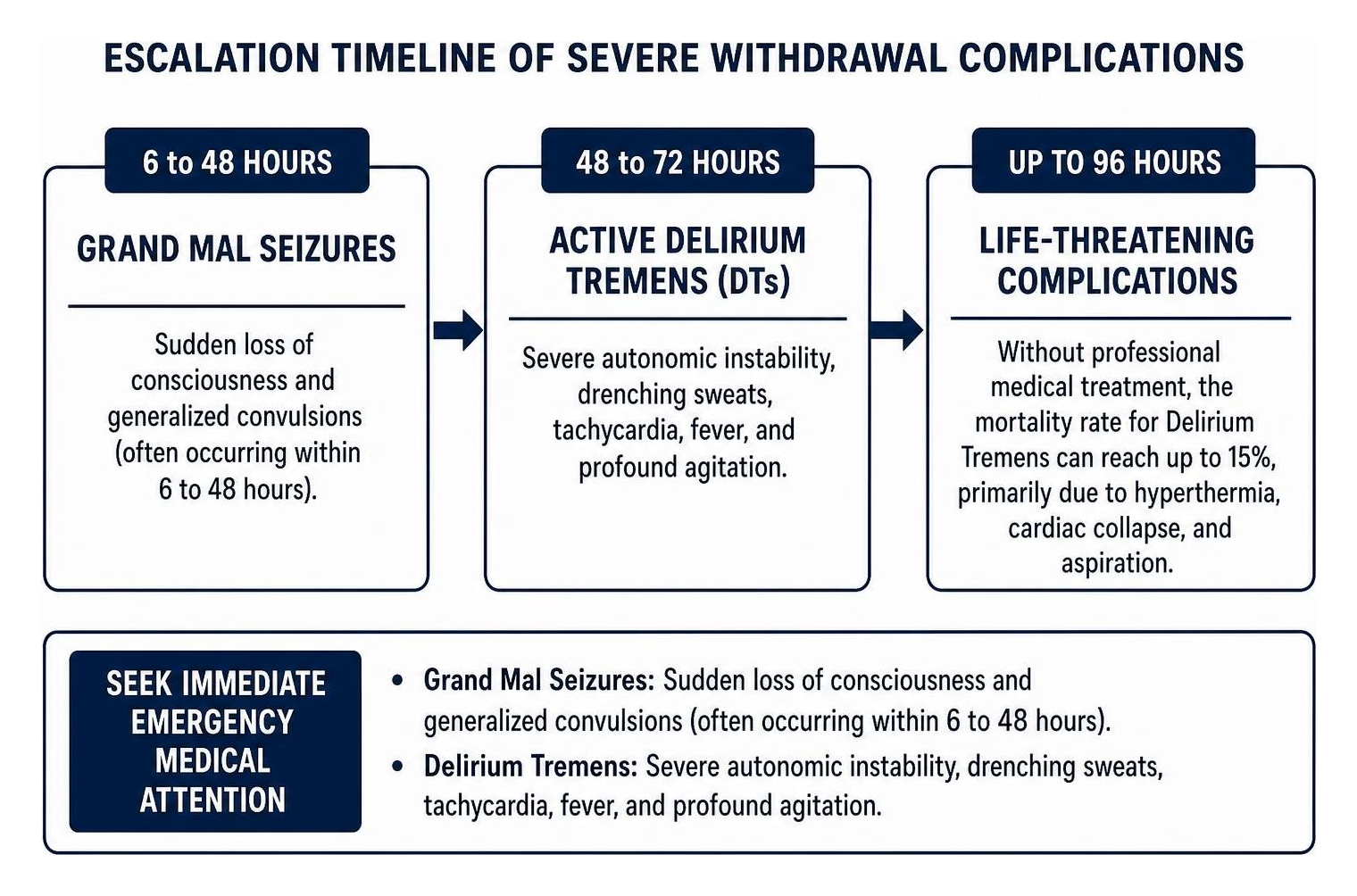
Active Delirium Tremens (DTs) occurs in approximately 5% of patients undergoing withdrawal, typically presenting 48 to 72 hours after the last drink (though it can emerge up to 96 hours later). Without professional medical treatment, the mortality rate for Delirium Tremens can reach up to 15%, primarily due to hyperthermia, cardiac collapse, and aspiration.
Seek immediate emergency medical attention if any of the following red flags appear:
- Grand Mal Seizures: Sudden loss of consciousness and generalized convulsions (often occurring within 6 to 48 hours).
- Delirium Tremens: Severe autonomic instability, drenching sweats, tachycardia, fever, and profound agitation.
- Hallucinations: Seeing, hearing, or feeling things that are not present (tactile formication, visual distortions).
- Severe Neurological Signs: Inability to balance, profound confusion, or irregular eye tracking.
Review our dedicated guides on the delirium tremens timeline and progression and surviving dangerous withdrawal stages to understand these critical risk windows.
Post-Detox Nutritional Recovery and Maintenance
Completing acute withdrawal is the first step in physical healing. Gastrointestinal recovery, hepatic enzyme normalization, and central nervous system repair require structured nutritional support for weeks and months following sobriety.
In many clinical systems, including UK NHS trusts, patients completing acute detox receive an ongoing 28-day discharge regimen consisting of oral thiamine (such as 50 mg four times daily) alongside folic acid (1 to 5 mg daily).
For individuals with severe chronic malnutrition, advanced liver disease, or those who experience a return to drinking, long-term oral thiamine supplementation is maintained indefinitely. Combining ongoing micronutrient stabilization with sustainable relapse prevention strategies gives the brain and body the resilience needed for lasting recovery.
Frequently Asked Questions About Vitamin Supplements in Alcohol Recovery
Can taking vitamins alone treat acute alcohol withdrawal symptoms?
No. Vitamins and mineral supplements provide essential biochemical support, but they do not treat or stop acute neurochemical withdrawal. They cannot substitute for medical management, nor can they prevent withdrawal-induced grand mal seizures, delirium tremens, or dangerous cardiovascular instability. Medical supervision remains essential for moderate to severe alcohol dependence.
Do supplements like NAC or glutamine help reduce alcohol cravings?
Nutritional compounds such as N-acetylcysteine (NAC) and L-glutamine have been studied as adjunctive supports for neurotransmitter balance and oxidative stress reduction. A 2018 study noted that NAC was associated with roughly a 30% reduction in alcohol consumption among adults undergoing treatment in a substance use context. However, these supplements serve strictly as secondary, adjunctive tools. They are not standalone solutions for cravings and work best alongside structured addiction medicine therapies.
How long should you take thiamine and B vitamins after quitting alcohol?
Most clinical guidelines advise continuing a high-potency oral thiamine and B-complex regimen for at least 4 to 12 weeks following alcohol cessation, or until balanced dietary intake and gastrointestinal absorption normalize. For patients with persistent malabsorption, advanced liver fibrosis, or ongoing alcohol use, daily thiamine supplementation is often continued indefinitely under medical guidance.
Conclusion
Overcoming alcohol dependence requires caring for the whole person. While targeted vitamin therapy—anchored by high-dose thiamine, B-complex formulations, and essential electrolytes—protects brain health and repairs metabolic function, it represents one piece of a comprehensive medical approach.
Long-term physical and emotional recovery depends on combining nutritional stabilization with evidence-based medical treatment, personalized counseling, and ongoing clinical guidance. If you or someone you love is navigating substance use disorder, our dedicated clinical team at National Addiction Specialists provides compassionate, confidential care through accessible telehealth addiction treatment across Tennessee and Virginia. Reach out today to start your path to sustainable, healthy recovery.
Suboxone® and Subutex® are a registered trademark of Indivior UK Limited. Any mention and reference of Suboxone® and Subutex® in this website is for informational purposes only and is not an endorsement or sponsorship by Indivior UK Limited.
This article was medically reviewed by: Chad Elkin, MD, DFASAM is a board-certified addiction medicine physician, founder, and Chief Medical Officer of National Addiction Specialists, dedicated to treating substance use disorders. A Distinguished Fellow of the American Society of Addiction Medicine (ASAM), Dr Elkin currently serves as President of the Tennessee Society of Addiction Medicine (TNSAM) and has held various leadership roles within the organization. Dr Elkin chairs ASAM’s Health Technology Subcommittee and is an active member of its Practice Management and Regulatory Affairs Committee, State Advocacy and Legislative Affairs Committee, and other committees. He also serves on the planning committee for the Vanderbilt Mid-South Addiction Conference. Committed to advancing evidence-based policy, Dr Elkin is Chairman of the Tennessee Association of Alcohol, Drug, & Other Addiction Services (TAADAS) Addiction Medicine Council, which collaborates with the TN Department of Mental Health & Substance Abuse Services (TDMHSAS). He has contributed to numerous local, state, and national task forces, helping develop professional guidelines, policies, and laws that align with best practices in addiction medicine. His work focuses on reducing addiction-related harm, combating stigma, and ensuring access to effective treatment.Passionate about the field of addiction medicine, he remains dedicated to shaping policy and enhancing patient care.