
The Unofficial Guide to Withdrawal: Surviving the Worst Flu of Your Life
What Drug Withdrawal Symptoms Mean — and Why It Matters
Understanding drug withdrawal symptoms meaning starts with one simple idea: when your body gets used to a substance, it fights back when that substance disappears.
Drug withdrawal symptoms are the physical and psychological reactions your body has when you stop — or sharply cut back on — a substance it has come to depend on. Here’s a quick breakdown:
| Term | What It Means |
|---|---|
| Physical dependence | Your body needs the drug to function normally |
| Psychological dependence | Your mind craves the drug for emotional relief |
| Withdrawal symptoms | The body’s reaction when the drug is reduced or stopped |
| Detoxification (detox) | The medical term for the withdrawal process |
| Cold turkey | Stopping a substance abruptly, with no taper |
Common withdrawal symptoms include:
- Intense cravings
- Nausea, vomiting, and diarrhea
- Sweating, chills, and tremors
- Anxiety, irritability, and depression
- Insomnia or excessive sleep
- Muscle aches and headaches
Symptoms range from uncomfortable to life-threatening, depending on the substance, how long you’ve used it, and your overall health.
Here’s the part most people don’t expect: withdrawal symptoms are often the exact opposite of the drug’s effects. Alcohol slows your nervous system — so stopping it can cause dangerous overexcitation, seizures, and severe agitation. Opioids dull pain — so stopping them can feel like the worst flu of your life, amplified.
This isn’t weakness. It’s biology.
I’m Chad Elkin, MD — board-certified in Addiction Medicine and the founder of National Addiction Specialists — and helping patients navigate the drug withdrawal symptoms meaning and safely manage detox is at the core of what I do every day. Whether you’re facing this yourself or supporting someone you love, understanding what’s happening in your body is the first step toward getting through it.
Quick drug withdrawal symptoms meaning definitions:
What is the Drug Withdrawal Symptoms Meaning?
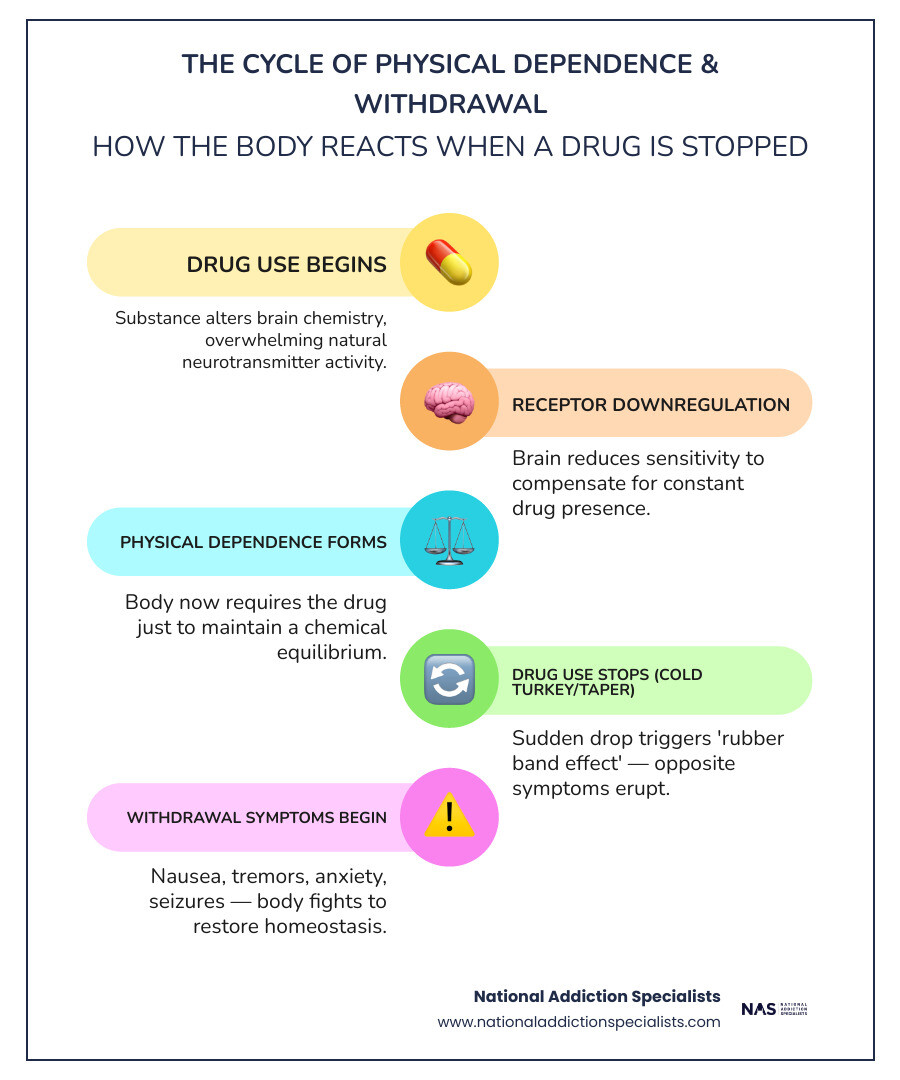
To truly grasp the drug withdrawal symptoms meaning, we have to take a quick trip inside the brain. Your brain is a master of balance. In medical terms, this state of balance is called homeostasis. Think of it as your body’s internal thermostat, constantly adjusting to keep your temperature, chemicals, and hormones at a steady, comfortable level.
When you introduce a mind-altering substance into this system on a regular basis, the brain doesn’t just sit there. It adapts.
If you regularly take a depressant (like alcohol or benzodiazepines) that artificially boosts calming chemicals, your brain compensates by turning down its own natural calming neurotransmitters and ramping up excitatory chemicals. This receptor downregulation is the brain’s way of trying to find a new, artificial chemical equilibrium.
This brings us to what addiction specialists call the rubber band effect.
Imagine you are pulling a heavy rubber band back. The drug is the force pulling the band. As long as the drug is in your system, the band stays stretched, and your brain adjusts to this tension. But if you suddenly cut the drug out—going “cold turkey”—you let go of that rubber band. It doesn’t gently slide back into place; it snaps back violently.
That violent snap is withdrawal. Your brain is suddenly left with an excess of excitatory chemicals and a severe shortage of calming ones.
According to the official Scientific explanation of withdrawal syndromes, this physiological imbalance is a direct compensatory response. It is your nervous system screaming because the chemical floor has been pulled out from under it. By Understanding drug withdrawal symptoms, we can stop viewing withdrawal as a moral failure or a lack of willpower, and start treating it for what it actually is: a highly predictable, biological emergency.
How Withdrawal Varies by Substance: Timelines and Severity
Not all withdrawal syndromes are created equal. The severity, symptoms, and timeline depend entirely on the class of substance, how long it has been used, and the individual’s unique biology.
While stimulant withdrawal is heavily psychological and leaves you feeling exhausted and depressed, alcohol and benzodiazepine withdrawal can be physically dangerous. Opioid withdrawal, though rarely fatal on its own, is famously grueling.
Here is a general comparison of how withdrawal timelines and symptoms vary across the most common substance classes:
| Substance Class | Common Acute Symptoms | Symptoms Start | Peak Severity | Duration |
|---|---|---|---|---|
| Alcohol | Tremors, sweating, anxiety, nausea, rapid heart rate, seizures | 6–24 hours | 36–72 hours | 2–10 days |
| Opioids | Severe muscle aches, chills, vomiting, diarrhea, intense cravings, yawning | 8–24 hours | 48–72 hours | 4–10 days (short-acting) |
| Benzodiazepines | Extreme anxiety, insomnia, panic attacks, tremors, muscle spasms, seizures | 1–4 days | 5–14 days | Weeks to months |
| Stimulants | Fatigue, vivid nightmares, depression, increased appetite, intense psychological cravings | 24 hours | 2–4 days | 1–2 weeks |
For a more detailed breakdown of these differences, check out The complete guide to common drug withdrawal symptoms and timelines.
If you or a loved one is dealing specifically with alcohol, knowing How long alcohol withdrawal lasts is crucial for planning a safe, medically supervised detox.
The Drug Withdrawal Symptoms Meaning for Opioids
Whether it is heroin, illicit fentanyl, or prescription painkillers like oxycodone, opioid withdrawal is a notoriously brutal experience. In the recovery community, it is often referred to as being “dope sick.”
When you stop taking opioids, a specific region at the base of your brain called the locus coeruleus goes into overdrive. This area is packed with noradrenergic neurons. Normally, opioids suppress these neurons, which keeps your blood pressure and heart rate low. When the opioids are suddenly removed, these neurons fire rapidly, flooding your body with adrenaline.
This adrenaline surge triggers the classic Opioid withdrawal symptoms. Clinicians use the Clinical Opiate Withdrawal Scale (COWS) to measure the severity of these symptoms.

During a clinical assessment, we look for highly specific physical markers detailed in the Clinical features of opioid withdrawal:
- Mydriasis: Widely dilated pupils.
- Piloerection: Goosebumps (this is where the phrase “cold turkey” actually comes from, as the skin looks like a plucked turkey).
- Lacrimation and Rhinorrhea: Excessively watery eyes and a constantly running nose.
- Yawning: Frequent, uncontrollable yawning that occurs even when the patient is highly agitated rather than sleepy.
- Severe Gastrointestinal Distress: Intense stomach cramps, vomiting, and diarrhea.
While opioid withdrawal feels like a life-threatening case of the flu, the primary medical danger is severe dehydration from fluid loss. Furthermore, the drop in tolerance during even a brief period of abstinence makes the risk of a fatal overdose incredibly high if a person relapses on their previous dosage.
The Drug Withdrawal Symptoms Meaning for Alcohol and Benzodiazepines
If opioid withdrawal is agonizing, alcohol and benzodiazepine withdrawal can be outright lethal.
Both of these substances work by enhancing the activity of GABA receptors, the brain’s primary inhibitory (calming) system. Over time, the brain downregulates GABA and upregulates glutamate, the brain’s primary excitatory system, to compensate for the constant sedation.
When you abruptly stop drinking or taking benzos, the calming GABA brakes are cut, and the excitatory glutamate gas pedal is pressed all the way to the floor. This causes massive central nervous system overexcitation.
We advise all patients to learn How to recognize the signs of alcohol withdrawal. Mild symptoms like hand tremors, sweating, and mild anxiety can rapidly escalate into:
- Grand Mal Seizures: These can occur within 24 to 48 hours of the last drink or dose.
- Delirium Tremens (DTs): A severe medical emergency characterized by profound confusion, vivid hallucinations (often of insects or animals), severe agitation, and dangerous spikes in blood pressure and body temperature. Untreated, DTs have a fatality rate of up to 15%.
- The Kindling Effect: This is a phenomenon where each subsequent cycle of withdrawal becomes progressively more severe and dangerous than the last.
Because of these risks, suddenly stopping alcohol or benzodiazepines without professional medical supervision is never safe.
When is Drug Withdrawal Dangerous or Life-Threatening?
It is a common misconception that all detoxes can be managed at home with enough blankets and fluids. While some withdrawal syndromes are merely highly distressing, others present immediate, life-threatening complications.
Medical monitoring is essential when dealing with high-risk withdrawal profiles. The primary dangers during acute withdrawal include:
- Grand Mal Seizures: Highly common in alcohol and benzodiazepine withdrawal. These seizures can cause direct brain injury, physical trauma, or asphyxiation.
- Delirium Tremens: As mentioned, the severe autonomic instability (wildly fluctuating heart rates and blood pressures) associated with DTs can cause cardiovascular collapse.
- Severe Dehydration: The combination of relentless vomiting and diarrhea during opioid withdrawal can lead to electrolyte imbalances, which can trigger cardiac arrest.
- Fetal Complications: For pregnant individuals, undergoing acute opioid withdrawal can cause severe distress to the fetus, potentially leading to miscarriage or premature delivery.
- Post-Acute Withdrawal Syndrome (PAWS): While not immediately fatal, Post-acute withdrawal syndrome (PAWS) represents a secondary danger phase. PAWS involves lingering neurological symptoms—such as severe depression, cognitive impairment, and sleep disturbances—that can persist for months. This prolonged discomfort is one of the leading causes of relapse.
Medical Detox and Modern Treatment Options
Thankfully, nobody has to suffer through the worst of withdrawal in silence or danger. Modern medicine has revolutionized how we manage detox, making the process significantly safer and more comfortable.
One of the most significant advancements in recent years is the rise of Medication-Assisted Treatment (MAT) delivered via telemedicine. For residents in Tennessee and Virginia, this means you can access life-saving care without having to leave your home or disrupt your daily life.
When managing opioid withdrawal, we utilize several highly effective pharmacological tools:
- Suboxone (Buprenorphine/Naloxone): As a long-acting partial mu-opioid agonist, buprenorphine binds to the opioid receptors in the brain. It satisfies the physical cravings and eliminates the brutal withdrawal symptoms without producing the intense “high” associated with full agonists like heroin or fentanyl.
- Clonidine and Lofexidine: These are non-opioid medications that work by blocking the massive adrenaline surge triggered by the locus coeruleus. They are highly effective at reducing sweating, cramping, and anxiety.
- Adjuvant Medications: We also prescribe target-specific medications to manage nausea, muscle aches, and insomnia.
We also work with patients to understand the Suboxone withdrawal symptoms list when they are eventually ready to taper off their maintenance therapy. Because Suboxone is a long-acting medication, a gradual, medically supervised taper prevents the sharp “rubber band” snap of acute withdrawal, allowing the brain to slowly and comfortably return to its natural baseline.
Frequently Asked Questions About Drug Withdrawal
Can you detox safely at home?
It depends entirely on the substance. If you are withdrawing from mild stimulants or nicotine, home-based detox with a strong support system can be safe. However, if you are withdrawing from alcohol, benzodiazepines, or heavy opioids, attempting to go “cold turkey” at home is highly dangerous.
Fortunately, telemedicine-based MAT allows you to undergo a highly structured, medically supervised opioid detox safely from the comfort of your own home in Tennessee or Virginia.
How long do acute withdrawal symptoms last?
For most short-acting substances, acute physical symptoms peak within 2 to 3 days and begin to subside after a week. However, long-acting substances (like methadone or certain benzodiazepines) can have withdrawal periods that stretch over several weeks. Psychological symptoms and cravings can linger much longer as the brain gradually recalibrates.
What is the difference between spontaneous and precipitated withdrawal?
Spontaneous withdrawal occurs naturally when a substance slowly leaves your system over time.
Precipitated withdrawal is a sudden, highly intense, and incredibly painful onset of withdrawal symptoms. This happens if an opioid antagonist (like naloxone) or a partial agonist (like buprenorphine) is taken too early—while full agonist opioids are still actively bound to the brain’s receptors. The buprenorphine violently knocks the full agonists off the receptors, throwing the body into instant, severe withdrawal. This is why careful, medically guided timing is crucial when starting Suboxone.
Conclusion: Taking the First Step Toward Recovery
Understanding the drug withdrawal symptoms meaning is the key to demystifying the recovery process. Withdrawal is not a punishment for past choices; it is simply a temporary, physiological adjustment period as your body learns how to live in balance once again.
You do not have to white-knuckle your way through this pain. At National Addiction Specialists, we provide confidential, convenient, and compassionate telemedicine-based Suboxone treatment. Whether you are located in Brentwood, TN, Virginia Beach, VA, or anywhere else across Tennessee and Virginia, our expert team is here to design a personalized recovery plan that fits your life.
We accept Medicaid and Medicare, ensuring that high-quality, life-saving care is accessible to those who need it most. If you are ready to explore your Opioid withdrawal treatment options, we are ready to help.
Make an Appointment to Treat Addiction
Please don’t hesitate. Make an appointment today. Make an Appointment to Treat Addiction
This article was medically reviewed by: Chad Elkin, MD, DFASAM is a board-certified addiction medicine physician, founder, and Chief Medical Officer of National Addiction Specialists, dedicated to treating substance use disorders. A Distinguished Fellow of the American Society of Addiction Medicine (ASAM), Dr Elkin currently serves as President of the Tennessee Society of Addiction Medicine (TNSAM) and has held various leadership roles within the organization. Dr Elkin chairs ASAM’s Health Technology Subcommittee and is an active member of its Practice Management and Regulatory Affairs Committee, State Advocacy and Legislative Affairs Committee, and other committees. He also serves on the planning committee for the Vanderbilt Mid-South Addiction Conference. Committed to advancing evidence-based policy, Dr Elkin is Chairman of the Tennessee Association of Alcohol, Drug, & Other Addiction Services (TAADAS) Addiction Medicine Council, which collaborates with the TN Department of Mental Health & Substance Abuse Services (TDMHSAS). He has contributed to numerous local, state, and national task forces, helping develop professional guidelines, policies, and laws that align with best practices in addiction medicine. His work focuses on reducing addiction-related harm, combating stigma, and ensuring access to effective treatment. Passionate about the field of addiction medicine, he remains dedicated to shaping policy and enhancing patient care.
Suboxone® and Subutex® are a registered trademark of Indivior UK Limited. Any mention and reference of Suboxone® and Subutex® in this website is for informational purposes only and is not an endorsement or sponsorship by Indivior UK Limited.