
What Science Actually Reveals About Hallucinogenic Drugs Withdrawal Symptoms
What to Know About Hallucinogenic Drugs Withdrawal Symptoms
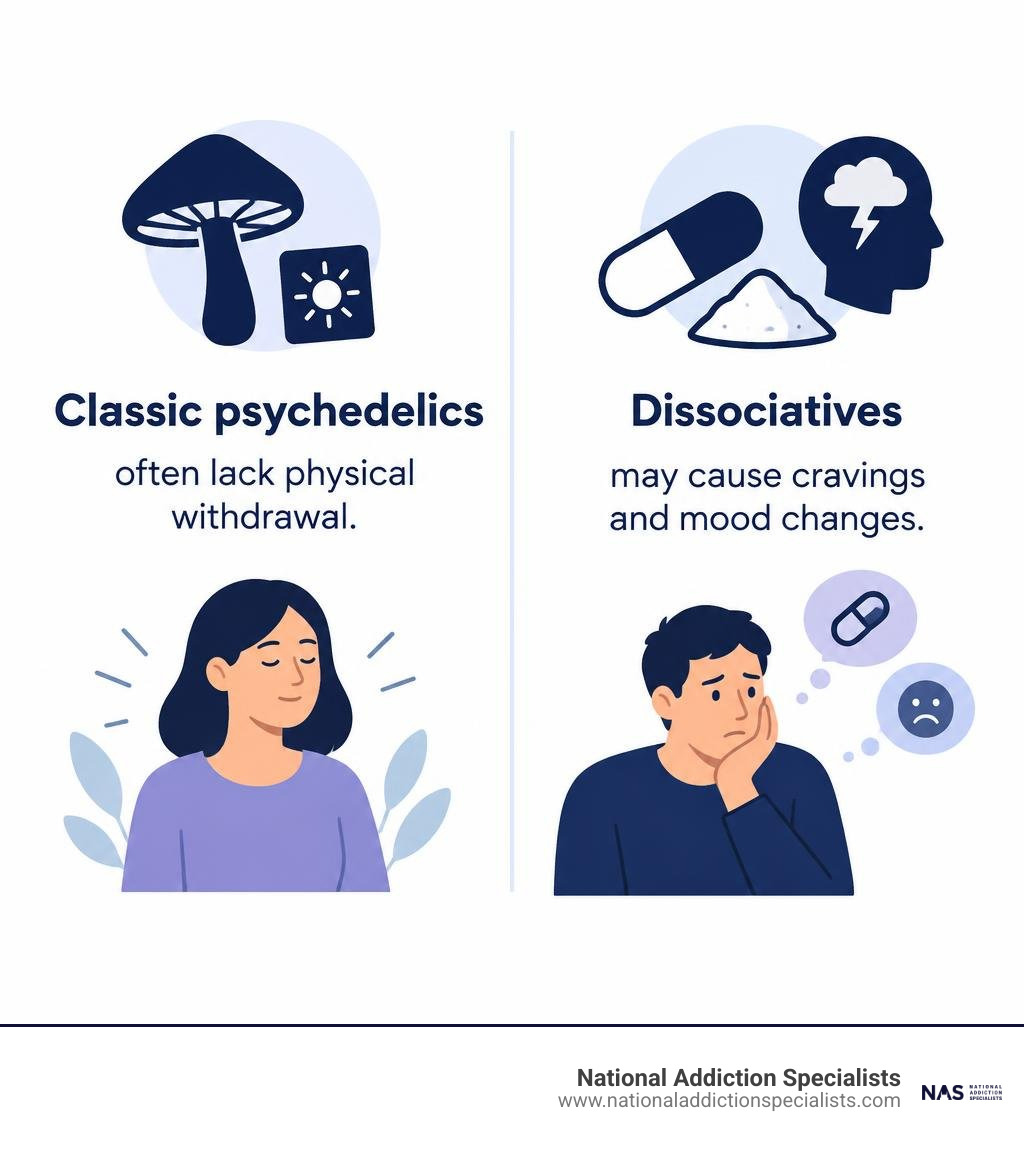
LSD and psilocybin usually do not cause a recognized physical withdrawal syndrome. After stopping, some people may still feel anxious or have trouble sleeping. Ketamine and PCP can be linked to stronger cravings and mood changes, especially after frequent use. Symptoms vary by drug, so there is no single timeline that applies to everyone.
Flashbacks and lasting visual changes can happen after hallucinogen use, but they are not the same as withdrawal. If you have severe confusion, paranoia, or thoughts of self-harm, seek urgent care. If you also use opioids, alcohol, or sedatives, tell a clinician before trying to stop; those drugs carry different withdrawal risks.
I’m Dr. Chad Elkin, a board-certified physician in addiction medicine and internal medicine and the founder of National Addiction Specialists. My work in substance use care helps me explain what people experience after stopping these substances while separating psychological rebound from lasting aftereffects.
Helpful guides on withdrawal and cessation:
How Psychedelics and Dissociatives Alter Brain Chemistry
To understand what happens when someone stops using hallucinogens, we first have to look at how these substances interact with brain circuitry. Unlike central nervous system depressants or stimulants, hallucinogens do not all share a single pharmacological target. Instead, they fall into distinct chemical families that alter perception, cognition, and mood through different neurological pathways.
Classic psychedelics—such as lysergic acid diethylamide (LSD), psilocybin (“magic mushrooms”), mescaline, and dimethyltryptamine (DMT)—primarily exert their effects by binding to serotonin 5-HT2A receptors. These receptors are densely concentrated in the cerebral cortex, the brain region responsible for sensory perception, cognition, and self-awareness. When classic psychedelics activate 5-HT2A pathways, they disrupt normal sensory gating mechanisms. This leads to altered visual and auditory processing, heightened emotional states, and profound changes in how a person perceives time and their sense of self.
Dissociative compounds, on the other hand, operate primarily through the glutamate system. Drugs such as ketamine, phencyclidine (PCP), and dextromethorphan (DXM) act as antagonists at N-methyl-D-aspartate (NMDA) receptors. Glutamate is the primary excitatory neurotransmitter in the brain, essential for memory formation, pain signaling, and environmental responsiveness. By blocking NMDA receptors, dissociatives disrupt communication between different brain regions, creating a feeling of detachment from one’s physical body and environment.
Scientific reviews examining the mechanisms of action in drugs of abuse (Ciucă et al., 2023) highlight a critical distinction: classic psychedelics do not strongly activate the mesolimbic dopaminergic reward pathway. Because they do not trigger massive surges of dopamine in the nucleus accumbens, classic psychedelics are generally considered “weakly reinforcing.” They do not produce the intense, compulsive drug-seeking behaviors or severe physical dependence seen with opioids or stimulants. However, chronic exposure still leads to neuroadaptation—particularly rapid downregulation of serotonin receptors—which causes rapid tolerance and potential psychological habituation.
Classic Psychedelics vs. Dissociative Compounds
The difference between classic psychedelics and dissociative drugs is essential when evaluating potential risks and cessation patterns. Classic psychedelics present a remarkably wide safety margin in terms of physiological toxicity, with estimated safety ratios near 1000 (meaning a lethal dose is roughly 1,000 times higher than an effective dose). Dissociatives, however, carry distinct physiological risks, including elevated blood pressure, potential bladder toxicity (such as ketamine-induced uropathy with chronic heavy use), and higher rates of psychological and physical dependence.
| Compound Class | Common Examples | Primary Neurotransmitter System | Dependence Profile | Acute Cessation Challenges |
|---|---|---|---|---|
| Classic Psychedelics | Psilocybin, LSD, Mescaline, DMT | Serotonin (5-HT2A agonist) | Minimal physical dependence; low psychological addiction risk | Emotional fatigue, insomnia, rebound anxiety, sensory hypersensitivity |
| Dissociatives | Ketamine, PCP, DXM, Methoxetamine | Glutamate (NMDA receptor antagonist) | Moderate to high psychological dependence; potential physical tolerance | Compulsive cravings, irritability, autonomic arousal, depressive symptoms |
| Empathogens / Entactogens | MDMA (“Molly/Ecstasy”) | Serotonin, Dopamine, Norepinephrine release | Moderate psychological dependence; severe serotonin depletion | Significant post-use mood drop (“Tuesday blues”), fatigue, sleep disruption |
Understanding Hallucinogenic Drugs Withdrawal Symptoms
When people ask whether discontinuing mind-altering substances causes discomfort, the scientific answer requires nuance. When evaluating standard diagnostic classifications, the DSM-5 diagnostic criteria for withdrawal does not recognize a formal, physical withdrawal syndrome for classic hallucinogens like LSD or psilocybin. Unlike central nervous system depressants or opioids, halting classic psychedelics does not trigger severe physical withdrawal signs like tremors, sweating, or abdominal cramping.

However, clinical experience shows that stopping heavy or frequent hallucinogen use is rarely without friction. When clinicians evaluate hallucinogenic drugs withdrawal symptoms, they focus on identifying rebound anxiety, mood disturbances, and sleep disruption rather than acute physical dependence. These experiences can include acute emotional exhaustion, mood swings, depersonalization, restlessness, and disruptions in sleep patterns.
Understanding these psychological and physiological responses is an important part of identifying broader drug withdrawal symptoms and separating normal neurochemical readjustment from underlying mental health conditions.
Comparing Classic vs. Dissociative Hallucinogenic Drugs Withdrawal Symptoms
The specific symptoms experienced after stopping hallucinogens depend heavily on the exact substance used:
- Classic Psychedelic After-Effects: Following intense LSD or psilocybin sessions, individuals often experience a period of cognitive and emotional fatigue. Because the brain’s 5-HT2A receptors have been heavily stimulated and temporarily downregulated, people often report lethargy, difficulty concentrating, mild dysphoria, and emotional sensitivity lasting one to three days.
- Dissociative Discontinuation: Stopping frequent use of dissociatives like PCP or ketamine can trigger pronounced psychological discomfort and physical distress. Chronic NMDA receptor blockade leads the central nervous system to upregulate excitatory pathways to compensate. When the drug is removed, users may experience autonomic overactivity, tremors, agitation, motor restlessness, sleep disturbances, and intense psychological cravings.
- The Empathogen “Crash”: Although often grouped with psychedelics, MDMA acts as a potent monoamine releaser. Chronic or heavy use drains intracellular stores of serotonin, dopamine, and norepinephrine. Within 24 to 72 hours of cessation, users frequently face a severe drop in mood, marked by profound depressive feelings, anxiety, fatigue, irritability, and impulsivity.
Understanding how these substances impact the central nervous system is vital when navigating drug withdrawals and symptom signs across different substance classes.
Timeline and Duration of Hallucinogen Cessation
Because hallucinogens do not share a single metabolic half-life or neurochemical mechanism, their post-use timelines vary significantly:
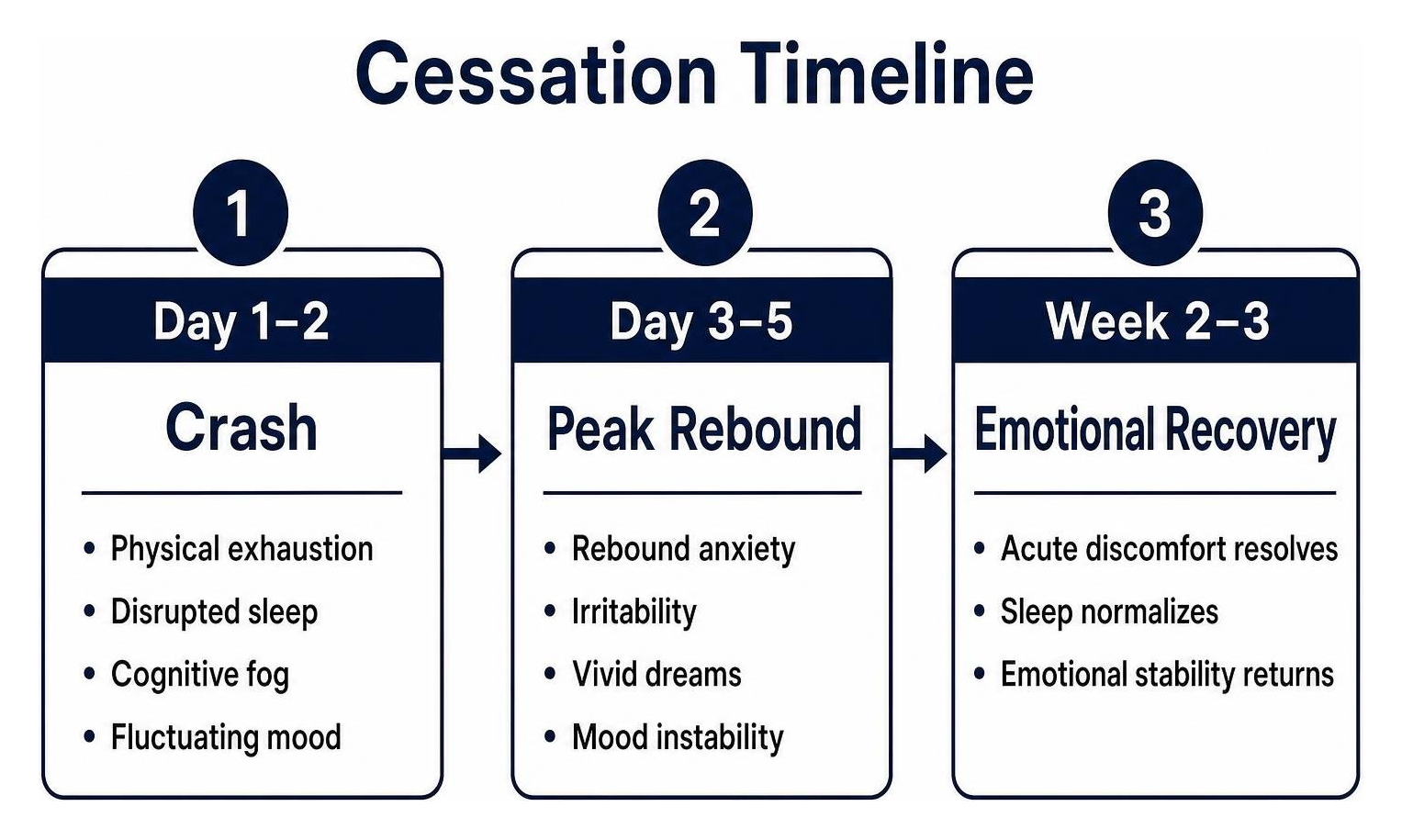
- Phase 1: The Acute Crash (Days 1–2): Begins within 12 to 24 hours after the drug leaves the body. Characterized by physical exhaustion, disrupted sleep, cognitive fog, and fluctuating mood as neurotransmitter activity resets.
- Phase 2: Peak Rebound (Days 3–5): Psychological symptoms often become most noticeable during this window. Rebound anxiety, irritability, vivid dreams, and mood instability can peak as the central nervous system adjusts to baseline neurochemistry.
- Phase 3: Stabilization and Recovery (Weeks 1–3): For most individuals, acute psychological discomfort resolves within 7 to 14 days. Sleep architecture normalizes, and baseline emotional regulation returns.
In individuals who engaged in long-term, daily use of dissociatives or empathogens, psychological symptoms—such as persistent anxiety, mild anhedonia, and sleep disruptions—can linger for weeks. These lasting symptoms share features with post-acute withdrawal syndrome, requiring structured lifestyle support, behavioral counseling, and patient reassurance. For a detailed breakdown of how various substances clear the body, review our comprehensive drug withdrawal timeline breakdown.
Make an Appointment to Treat Addiction Please don’t hesitate. Make an appointment today.
Long-Term Complications: HPPD, Flashbacks, and Persistent Psychosis
A major point of confusion surrounding hallucinogens is the difference between active withdrawal symptoms and long-term perceptual complications. While withdrawal is an acute response to drug removal, lasting perceptual changes represent a different neurological phenomenon.
Flashbacks are spontaneous, transient recurrences of perceptual distortions or emotional states experienced during past psychedelic use. When these sensory changes become chronic, distressing, and pervasive, clinicians diagnose Hallucinogen Persisting Perception Disorder (HPPD).
According to guidelines on the clinical evaluation of substance-induced disorders (NBK64178), HPPD is characterized by recurrent visual disturbances that occur long after drug cessation. Common symptoms include:
- Visual Snow: A persistent layer of static or graininess across the visual field.
- Palinopsia and Afterimages: Lingering visual trails or shadow images following moving objects.
- Geometric Pseudo-Hallucinations: Spontaneous visual patterns, halos surrounding lights, or flashes of color.
- Micropsia and Macropsia: Objects appearing distinctly smaller or larger than they actually are.
HPPD can emerge after heavy psychedelic exposure or, in rare cases, after a single exposure. Stress, lack of sleep, caffeine, and anxiety can heighten symptom severity. HPPD is not a sign of brain damage or ongoing intoxication, but rather an alteration in central visual processing and sensory filtering networks.
Distinguishing Drug-Induced Psychosis from Primary Psychiatric Illness
Another critical distinction is separating temporary substance-induced symptoms from the emergence of primary psychiatric disorders. High doses of psychedelics or dissociatives can trigger acute paranoia, panic reactions, and loss of touch with reality.
Reviewing medical evidence on drug-induced psychotic disorders clarifies that true substance-induced psychosis typically begins during intoxication or the immediate recovery window and gradually resolves as the drug clears the body.
In contrast, primary psychiatric conditions like schizophrenia involve auditory hallucinations, persistent non-bizarre delusions, and functional decline that continue independently of drug use. While classic psychedelics do not cause schizophrenia in healthy individuals, they can trigger earlier onset of psychotic symptoms in people with an underlying genetic vulnerability or personal family history of psychotic disorders.
Safety, Medical Evaluation, and Evidence-Based Support
Because classic psychedelics do not carry the life-threatening physical risks seen with alcohol or sedative cessation, formal inpatient medical detox is rarely necessary for isolated psychedelic use. However, attempting to navigate severe psychological distress alone at home without medical guidance carries real risks. Rebound anxiety, extreme mood crashes, disorientation, and cravings can lead to poor decision-making or accidental self-harm.
A structured medical evaluation helps ensure safety by screening for concurrent substance use, ruling out underlying medical complications, and providing stabilizing care.
Clinical Management of Severe Hallucinogenic Drugs Withdrawal Symptoms
When someone seeks clinical care for distress following hallucinogen use, medical management focuses on supportive stabilization and psychiatric care:
- Comprehensive Assessment: Clinicians assess vital signs, screen for co-occurring mental health conditions, and evaluate potential polysubstance use. Co-use with central nervous system depressants, stimulants, or opioids significantly changes clinical management.
- Symptomatic Medical Support: While there are no specific medications developed strictly for hallucinogen cessation, clinicians may prescribe short-term, non-addictive medications to ease severe rebound insomnia, nausea, or autonomic agitation.
- Evidence-Based Psychotherapy: Cognitive Behavioral Therapy (CBT) and Dialectical Behavior Therapy (DBT) help individuals identify emotional triggers, build distress tolerance, and address the psychological factors behind compulsive drug use.
- Lifestyle and Neurochemical Recovery: Restoring sleep routines, optimizing balanced nutrition, and managing stress play a crucial role in helping the brain restabilize its serotonin and glutamate pathways.
For more details on managing complex cessation symptoms across various substances, consult our common drug withdrawal symptoms guide.
Family Support and Emerging Clinical Research
Loved ones play an essential role in recovery. Supporting someone through the psychological aftermath of hallucinogen use involves creating a low-stress, quiet environment free of judgment and emotional conflict. Friends and family can help by encouraging healthy routines, preparing balanced meals, and providing calm reassurance that acute emotional distress will fade as the brain stabilizes.
It is also worth noting the broader context of modern psychedelic research. Over the past decade, controlled clinical trials have evaluated regulated, pharmaceutical-grade psilocybin and LSD for conditions like treatment-resistant depression, post-traumatic stress disorder (PTSD), and end-of-life anxiety.
These clinical settings use precise dosing combined with hours of structured psychological preparation and integration. These medical settings differ fundamentally from unsupervised recreational use, where unknown dosages, unpredictable environments, and lack of support can lead to significant psychological distress and safety risks.
Frequently Asked Questions About Hallucinogen Withdrawal
Are classic psychedelics like LSD and psilocybin physically addictive?
Classic psychedelics are not considered physically addictive in the medical sense. They do not induce physical dependence, and stopping them does not trigger life-threatening autonomic withdrawal.
However, frequent use leads to rapid pharmacological tolerance, requiring higher amounts to produce the same effect. While physical dependence is absent, some individuals still develop psychological habituation or maladaptive use patterns to escape emotional stress.
Can hallucinogen withdrawal cause permanent perceptual changes?
Perceptual changes like visual snow, light halos, and trailing afterimages are symptoms of Hallucinogen Persisting Perception Disorder (HPPD), not acute withdrawal.
HPPD is a recognized sensory processing condition that can appear after stopping psychedelic use. While these symptoms can persist for months, they often improve with time, stress management, quality sleep, and avoiding further substance use.
How is hallucinogen detox different from opioid or alcohol detox?
The primary difference lies in physiological dependence and medical risk. Halting chronic alcohol or sedative use can lead to dangerous autonomic hyperactivity, seizures, and delirium tremens, while opioid cessation causes severe, debilitating physical illness. In contrast, stopping hallucinogens is primarily a psychological and emotional transition.
To compare these differences, explore our comprehensive guide on substance withdrawal symptoms comparison.
Conclusion
Understanding what happens when you stop using hallucinogens requires separating scientific fact from common misconception. While classic psychedelics rarely cause traditional physical withdrawal, stopping heavy use can still bring real challenges, including rebound anxiety, emotional fatigue, sleep disruption, and lasting sensory changes like HPPD. Dissociative drugs and empathogens carry distinct risks of their own, including pronounced psychological cravings and mood crashes that benefit from professional support.
Recovery involves whole-person care—rebalancing neurotransmitter systems, building emotional resilience, and addressing underlying mental health needs within a safe clinical framework.
At National Addiction Specialists, we provide accessible, compassionate care for substance use disorders through confidential telemedicine visits across Tennessee and Virginia. By combining evidence-based medical treatment with individualized counseling, we help patients find lasting recovery from the comfort and privacy of home.
Explore our options for confidential substance use disorder treatment and take the first step toward lasting health today.
References
NBK64178. Ciucă Anghel DM, Nițescu GV, Tiron AT, Guțu CM, Baconi DL. “Understanding the Mechanisms of Action and Effects of Drugs of Abuse..” Molecules (Basel, Switzerland), 2023. PMCID PMC10343642.
Suboxone® and Subutex® are a registered trademark of Indivior UK Limited. Any mention and reference of Suboxone® and Subutex® in this website is for informational purposes only and is not an endorsement or sponsorship by Indivior UK Limited.
This article was medically reviewed by: Chad Elkin, MD, DFASAM is a board-certified addiction medicine physician, founder, and Chief Medical Officer of National Addiction Specialists, dedicated to treating substance use disorders. A Distinguished Fellow of the American Society of Addiction Medicine (ASAM), Dr Elkin currently serves as President of the Tennessee Society of Addiction Medicine (TNSAM) and has held various leadership roles within the organization. Dr Elkin chairs ASAM’s Health Technology Subcommittee and is an active member of its Practice Management and Regulatory Affairs Committee, State Advocacy and Legislative Affairs Committee, and other committees. He also serves on the planning committee for the Vanderbilt Mid-South Addiction Conference. Committed to advancing evidence-based policy, Dr Elkin is Chairman of the Tennessee Association of Alcohol, Drug, & Other Addiction Services (TAADAS) Addiction Medicine Council, which collaborates with the TN Department of Mental Health & Substance Abuse Services (TDMHSAS). He has contributed to numerous local, state, and national task forces, helping develop professional guidelines, policies, and laws that align with best practices in addiction medicine. His work focuses on reducing addiction-related harm, combating stigma, and ensuring access to effective treatment.Passionate about the field of addiction medicine, he remains dedicated to shaping policy and enhancing patient care.