Navigating Opioid Withdrawal Day by Day to Reclaim Your Life
Opioid Withdrawal: A Safer Day-by-Day Path Forward
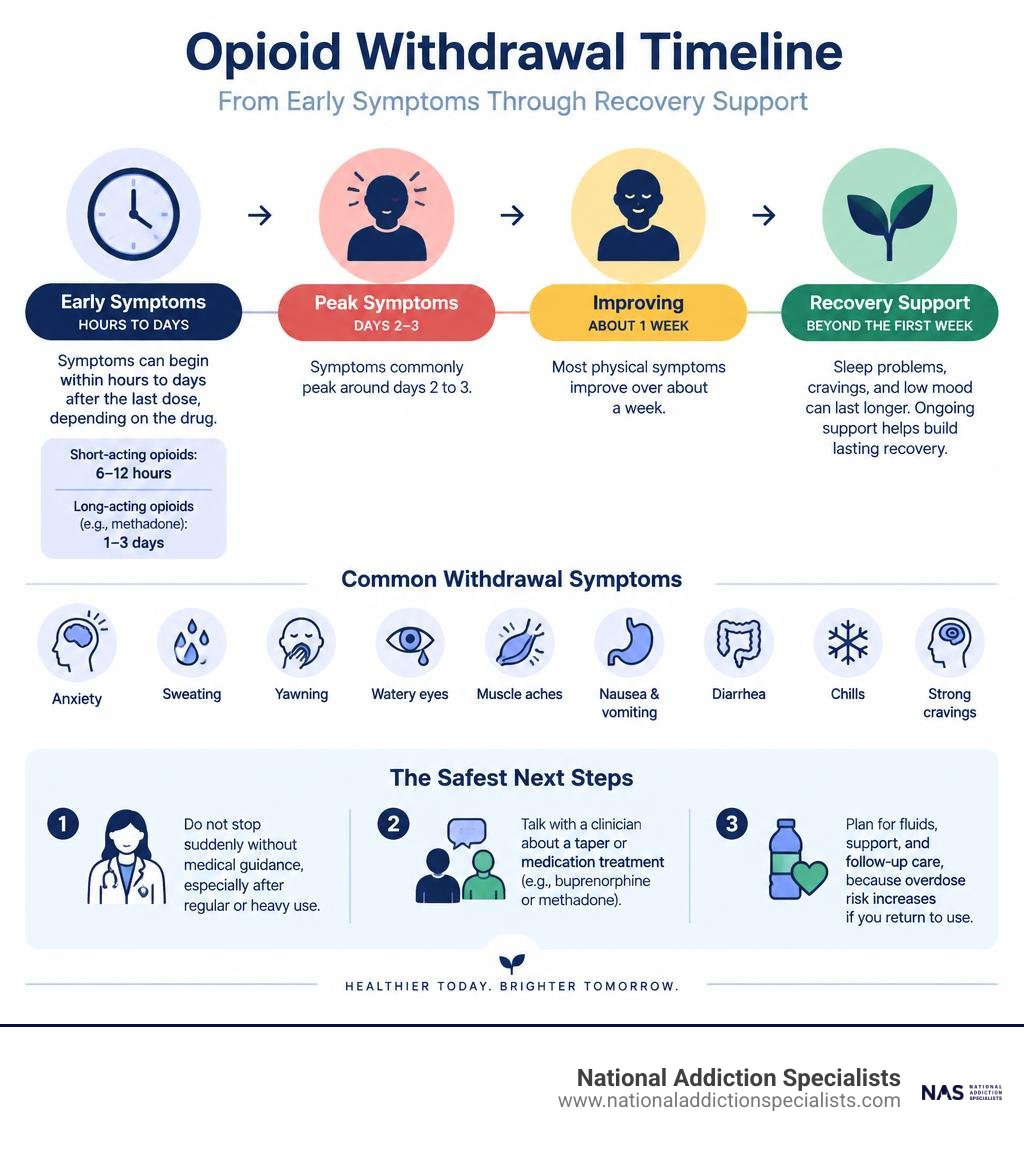
Opioid withdrawal can begin within hours to days after the last dose, depending on the drug. Short-acting opioids often cause symptoms within 6 to 12 hours, while long-acting opioids such as methadone may take 1 to 3 days. Symptoms commonly peak around days 2 to 3 and improve over about a week, though sleep problems, cravings, and low mood can last longer.
If you are planning to stop or cut back, the safest first steps are:
- Do not stop suddenly without medical guidance, especially after regular or heavy use.
- Talk with a clinician about a taper or medication treatment such as buprenorphine or methadone.
- Plan for fluids, support, and follow-up care, because withdrawal lowers opioid tolerance and raises overdose risk if a person returns to use.
Withdrawal happens because the brain and body adapt to regular opioid exposure. When opioids are reduced or stopped, the nervous system rebounds, causing symptoms such as anxiety, sweating, yawning, watery eyes, muscle aches, nausea, vomiting, diarrhea, chills, and strong cravings. It is often uncomfortable, but treatment can make it more manageable and create a bridge to lasting recovery.
I am Chad Elkin, MD, founder and medical director of National Addiction Specialists, board certified in Addiction Medicine and Internal Medicine. My work focuses on expanding discreet, evidence-based care for opioid withdrawal and opioid use disorder, including flexible telehealth treatment that fits real life.
Similar topics to opioid withdrawal:
Understanding the Stages of Opioid Withdrawal Day by Day

When we examine the physiological mechanics of dependence, the process centers on neuroadaptation. Chronic opioid exposure downregulates endogenous opioid pathways while suppressing the locus coeruleus—the principal noradrenergic control center in the brainstem. When opioid levels drop rapidly, this suppression lifts abruptly, triggering an intense adrenergic rebound. The sympathetic nervous system goes into overdrive, flooding the body with norepinephrine and generating the wide constellation of withdrawal symptoms.
The exact progression and severity of this process depend heavily on the drug’s half-life and release formulation. Short-acting substances (like heroin, oxycodone, and immediate-release hydrocodone) leave receptor sites quickly, prompting early, sharp physiological reactions. Conversely, long-acting opioids (such as methadone or extended-release formulations) detach slowly, drawing out the timeline across weeks. Understanding this drug withdrawal symptoms timeline provides vital clarity on what your body is experiencing.
| Parameter | Short-Acting Opioids (Heroin, Oxycodone, Hydrocodone) | Long-Acting Opioids (Methadone, Extended-Release Formulas) |
|---|---|---|
| Symptom Onset | 6 to 12 hours after last dose | 24 to 72 hours after last dose |
| Peak Discomfort | Days 2 to 3 (48 to 72 hours) | Days 4 to 6 |
| Acute Physical Duration | 5 to 7 days | 14 to 21+ days |
| Common Early Signs | Restlessness, yawning, watery eyes, rhinorrhea | Low-grade anxiety, mild muscle stiffness, fatigue |
| Primary Peak Features | Diarrhea, vomiting, severe myalgia, tachycardia | Persistent nausea, diffuse body aches, severe insomnia |
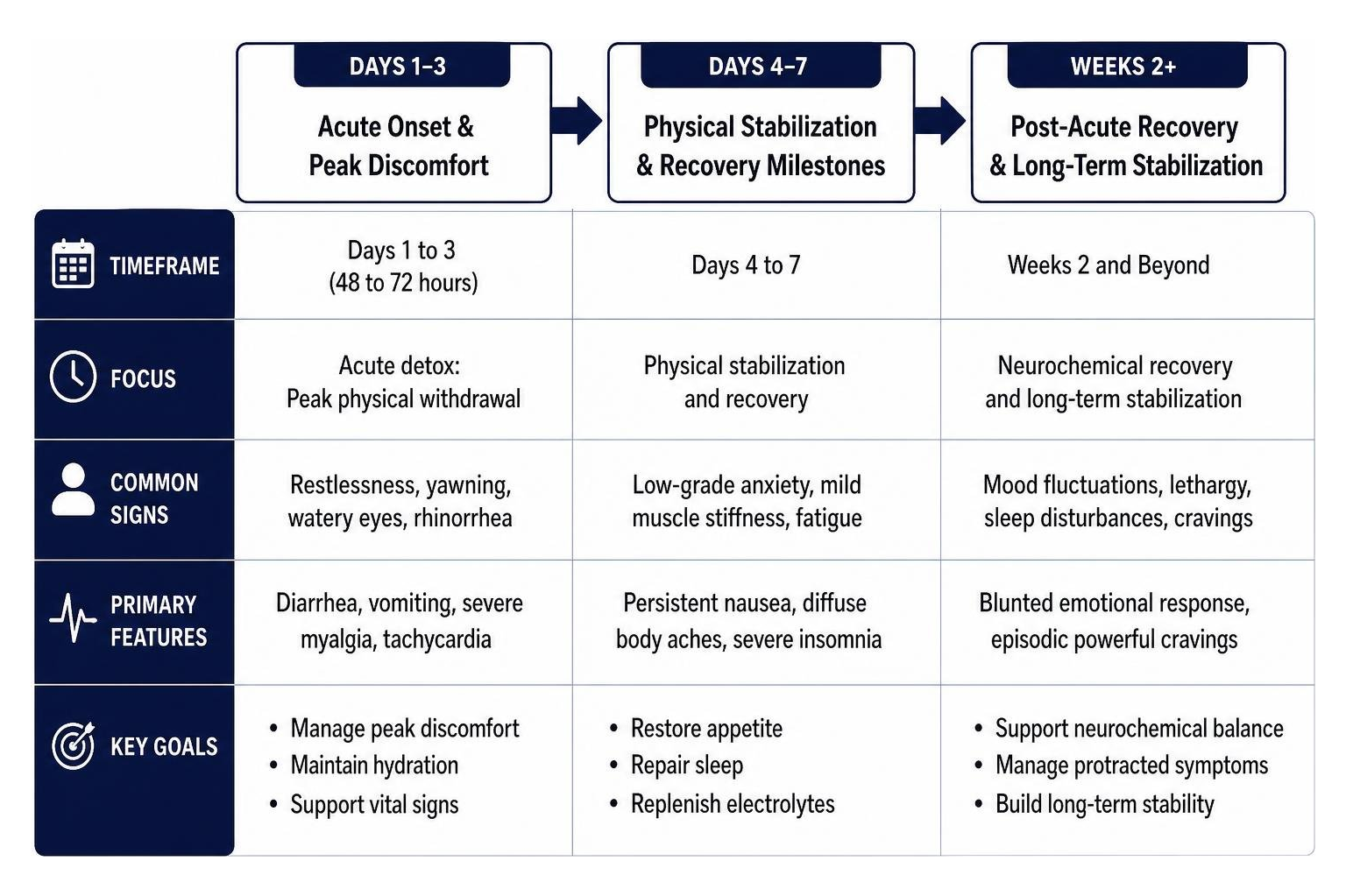
Days 1 to 3: Managing Acute Onset and Peak Discomfort
The first 72 hours represent the acute storm of withdrawal. As systemic drug concentrations plummet, autonomic agitation ramps up quickly. Early physical indicators include persistent yawning, excessive tearing (lacrimation), runny nose (rhinorrhea), and profound diaphoresis (drenching sweats paired with sudden chills).
Pupils dilate significantly (mydriasis), creating heightened sensitivity to light. By the second and third days, peak discomfort sets in. Muscle spasms, intense abdominal cramping, gastrointestinal hypermotility, and pronounced tachycardia emerge.
In clinical settings, healthcare providers evaluate these progressive signs using the Clinical Opiate Withdrawal Scale (COWS) (NBK526012). This validated 11-item diagnostic tool scores objective physical signs—such as resting pulse, tremor severity, pupil diameter, and piloerection (goosebumps)—to establish precise symptom severity and guide clinical interventions safely.
Days 4 to 7: Physical Stabilization and Recovery Milestones
As you transition into the second half of the first week, acute autonomic hyperactivity begins to decline. While gastrointestinal cramping and episodic loose stools may persist, systemic muscle aches soften and vital signs stabilize back toward baseline.
This phase marks significant physical recovery milestones:
- Appetite gradually returns as severe nausea abates.
- Sleep architectures begin the slow process of repair, moving away from complete sleeplessness toward fragmented rest.
- Energy levels show subtle improvements each day.
Fluid maintenance remains paramount during this window. Replenishing essential intracellular electrolytes—specifically potassium, magnesium, and sodium lost through sweat and vomiting—supports cellular recovery and eases lingering muscle tension.
Weeks 2 and Beyond: Navigating Post-Acute Symptoms
Once the acute physical storm clears, the brain undertakes the longer journey of neurochemical rebalancing. The central nervous system requires time to resume baseline dopamine synthesis and restore natural endorphin signaling.
During this extended phase, individuals may encounter post-acute withdrawal syndrome (PAWS). These protracted symptoms manifest primarily through mood fluctuations, generalized lethargy, sleep disturbances, blunted emotional response, and episodic, powerful cravings. Recognizing that protracted symptoms stem from ongoing biological healing—rather than personal weakness—helps individuals navigate early recovery with confidence.
Recognizing Physical and Psychological Symptoms
The clinical presentation of opioid withdrawal stems directly from a noradrenergic surge. Unchecked sympathetic output produces broad autonomic hyperactivity that influences multiple organ systems simultaneously. Clinicians reference detailed clinical features of opioid withdrawal to differentiate between mild discomfort and severe physiological instability.
Common Opioid Withdrawal Symptoms to Expect
Withdrawal produces distinct signs that reflect systemic hyper-arousal. Familiarizing yourself with these opioid withdrawal symptoms helps you track your body’s adjustments:
- Secretory Reactions: Profuse lacrimation (tearing), rhinorrhea (runny nose), and frequent sneezing.
- Dermatologic Signs: Piloerection (“cold turkey” gooseflesh) and severe temperature dysregulation.
- Gastrointestinal Distress: Nausea, forceful vomiting, abdominal spasms, and hyperactive bowel sounds leading to watery diarrhea.
- Musculoskeletal Pain: Deep muscle myalgia, joint stiffness, and involuntary leg twitching (“kicking the habit”).
- Psychological Manifestations: Acute panic, marked irritability, restlessness, severe dysphoria, and intense drug cravings.
Factors Influencing Symptom Severity and Duration
No two individuals experience withdrawal identically. The intensity and duration of symptoms depend on several overlapping pharmacological and biological variables:
- Opioid Potency and Formulation: High-affinity synthetic opioids (such as illicit fentanyl analogs) induce rapid, severe receptor dysregulation compared to lower-potency agents like codeine.
- Exposure Duration and Dosage: High daily doses sustained over years cause deep neuroadaptations within the locus coeruleus, lengthening the time needed for physical balance to return.
- Individual Metabolic Rate: Genetic differences in cytochrome P450 liver enzymes alter how fast parent drugs and active metabolites clear the system.
- Polysubstance Exposure: Concurrent dependence on benzodiazepines, alcohol, or psychostimulants complicates the clinical picture and requires tailored medical observation.
Make an Appointment to Treat Addiction Please don’t hesitate. Make an appointment today.
Evidence-Based Medical Treatments and Supportive Medications

Detoxification should never be viewed as an endurance test. Attempting unassisted cessation carries extraordinarily high relapse rates and elevates the risk of fatal overdose due to lost tolerance.
Modern addiction medicine prioritizes comprehensive medication-assisted treatment (MAT) to normalize brain chemistry, suppress cravings, and block withdrawal symptoms. Choosing the most suitable path begins by finding the right opiate withdrawal medicine tailored to your specific health history.
Significant regulatory milestones, such as the elimination of the DATA-Waiver via the Mainstreaming Addiction Treatment (MAT) Act, allow registered clinicians across Tennessee and Virginia to integrate buprenorphine directly into accessible telehealth care plans.
Medical Treatments for Opioid Withdrawal Management
Gold-standard medical protocols leverage maintenance pharmacotherapies that replace short-acting, dangerous opioids with controlled, long-acting therapeutic agents:
- Buprenorphine: A high-affinity partial mu-opioid agonist with a built-in ceiling effect on respiratory depression. Understanding why Suboxone works for opiate withdrawal is simple: buprenorphine firmly binds to mu receptors, relieving physical distress without producing an intoxicating high, while naloxone deters intravenous misuse.
Buprenorphine-containing medications such as Suboxone are available through National Addiction Specialists and can be prescribed as part of a personalized telehealth treatment plan.
Non-Opioid Prescription Support for Symptom Relief
When transitioning or tapering, adjunctive comfort medications address targeted physical complaints:
- Centrally Acting Alpha-2 Agonists: Discovering how clonidine helps ease symptoms highlights its ability to lower blood pressure and calm racing heart rates, sweating, and anxiety.
- Antiemetics: Ondansetron and promethazine help quiet the chemoreceptor trigger zone, relieving persistent nausea.
- Antidiarrheals: Loperamide acts directly on intestinal mu-receptors to slow hyperactive bowel motility and reduce dehydration risks.
- Analgesics: Non-steroidal anti-inflammatory drugs (NSAIDs) such as ibuprofen target muscle aches and joint pain.
Safe Home Detox Strategies and When to Seek Medical Attention
For many individuals with mild to moderate dependence, undergoing medical withdrawal at home under outpatient clinical oversight is safe, convenient, and effective. Reviewing our detox at home outpatient guidance ensures your space is properly set up for success.
Combining medical care with reliable home remedies to survive withdrawal can improve comfort:
- Aggressive Hydration: Consume balanced electrolyte solutions, broths, and water to replace vital fluids lost through diaphoresis and diarrhea.
- Warm Baths and Heat Therapy: Soaking in warm water relieves severe back, hip, and leg myalgias.
- Nutritional Support: Eat small, frequent meals containing easily digestible carbohydrates, bananas, and lean proteins.
- Restorative Sleep Environment: Keep the bedroom cool, dark, and quiet to soothe an overstimulated sensory system.
Reviewing evidence-based recommendations on how to manage opioid withdrawal symptoms safely helps you protect your physical health at every stage.
Critical Warning Signs Requiring Urgent Medical Care
While uncomplicated opioid withdrawal is rarely lethal on its own, physiological complications can become dangerous without timely care. Seek emergency medical attention if you or a loved one encounter:
- Severe, unmanageable dehydration marked by dry mucous membranes, sunken eyes, low blood pressure, or inability to retain fluids for over 24 hours.
- Delirium, hallucinations, profound confusion, or extreme lethargy.
- Chest pain, persistent resting tachycardia over 120 beats per minute, or irregular heart rhythms.
- Vomiting coupled with loss of consciousness, which creates high aspiration risks for lung infections.
- Acute psychiatric emergencies, including severe panic, psychosis, or suicidal thoughts.
A major hidden danger occurs after unassisted withdrawal: the rapid loss of opioid tolerance. If an individual relapses and uses their previous regular dose, the respiratory center can easily become overwhelmed, resulting in a fatal overdose.
Frequently Asked Questions about Opioid Withdrawal
How long does acute opioid withdrawal typically last?
For most short-acting opioids (like immediate-release oxycodone, hydrocodone, or heroin), acute symptoms emerge within 8 to 12 hours, peak between days 2 and 3, and substantially improve within 5 to 7 days. Long-acting formulations, such as methadone, may take up to 30 to 72 hours to emerge and can last 2 to 3 weeks before acute physical stabilization occurs.
Can opioid withdrawal be fatal if left untreated?
Direct mortality from unmanaged opioid withdrawal is rare, but severe complications can turn life-threatening. Persistent, uncontrolled vomiting and diarrhea cause acute dehydration, hypovolemic shock, and severe electrolyte imbalances (such as hypokalemia or hypernatremia) that can trigger cardiac arrhythmias. Furthermore, the loss of opioid tolerance creates high risks for fatal overdose if a relapse occurs shortly after detox.
When is it safe to begin taking Suboxone during withdrawal?
Suboxone should only be initiated once an individual displays objective physical signs of moderate withdrawal—typically corresponding to a COWS score of 11 to 13 or higher. Because buprenorphine has a very high binding affinity for mu-opioid receptors but low intrinsic activity, taking it while full agonists are still bound will displace those drugs and precipitate sudden, severe withdrawal. For short-acting opioids, induction usually occurs 12 to 24 hours after the last dose; for long-acting formulations or fentanyl, specialized low-dose induction protocols or extended wait windows (24 to 48+ hours) are required.
Conclusion
Opioid withdrawal is a demanding physiological challenge, but it is one you never have to face alone. Navigating the journey day by day with evidence-based medications, dedicated clinical oversight, and strong compassionate support significantly eases physical discomfort, safeguards your health, and lays the groundwork for lasting recovery.
At National Addiction Specialists, we provide accessible, comprehensive, and compassionate addiction medicine through private virtual appointments. Serving communities across Tennessee and Virginia, our board-certified providers design customized treatment plans that respect your lifestyle and schedule, accepting major insurance plans including Medicaid and Medicare.
Start your confidential recovery with an online Suboxone clinic today and take your first step toward reclaiming your health, stability, and peace of mind.
References
Suboxone® and Subutex® are a registered trademark of Indivior UK Limited. Any mention and reference of Suboxone® and Subutex® in this website is for informational purposes only and is not an endorsement or sponsorship by Indivior UK Limited.
This article was medically reviewed by: Chad Elkin, MD, DFASAM is a board-certified addiction medicine physician, founder, and Chief Medical Officer of National Addiction Specialists, dedicated to treating substance use disorders. A Distinguished Fellow of the American Society of Addiction Medicine (ASAM), Dr Elkin currently serves as President of the Tennessee Society of Addiction Medicine (TNSAM) and has held various leadership roles within the organization. Dr Elkin chairs ASAM’s Health Technology Subcommittee and is an active member of its Practice Management and Regulatory Affairs Committee, State Advocacy and Legislative Affairs Committee, and other committees. He also serves on the planning committee for the Vanderbilt Mid-South Addiction Conference. Committed to advancing evidence-based policy, Dr Elkin is Chairman of the Tennessee Association of Alcohol, Drug, & Other Addiction Services (TAADAS) Addiction Medicine Council, which collaborates with the TN Department of Mental Health & Substance Abuse Services (TDMHSAS). He has contributed to numerous local, state, and national task forces, helping develop professional guidelines, policies, and laws that align with best practices in addiction medicine. His work focuses on reducing addiction-related harm, combating stigma, and ensuring access to effective treatment.Passionate about the field of addiction medicine, he remains dedicated to shaping policy and enhancing patient care.