Dissolving the Stigma Around Sublingual Medication Opioid Addiction Treatment
A Private, Evidence-Based Option for Opioid Addiction Treatment
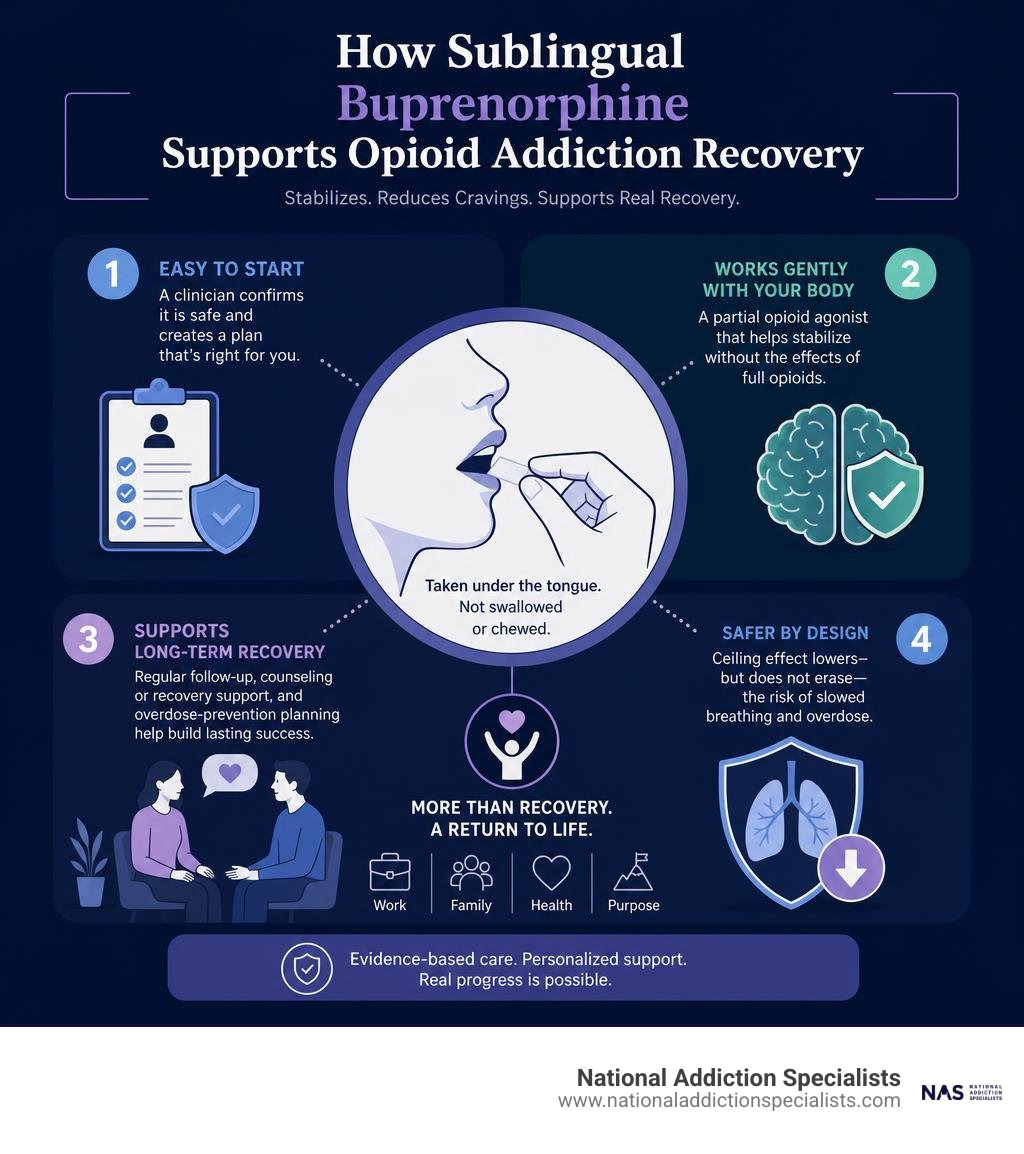
Sublingual medication for opioid addiction usually means buprenorphine, often combined with naloxone, taken as a tablet or film that dissolves under the tongue. It can reduce opioid cravings and withdrawal symptoms without producing the same effects as full opioids such as heroin or fentanyl.
For many people, this treatment can fit into daily life:
- A clinician confirms it is safe to start and helps plan induction.
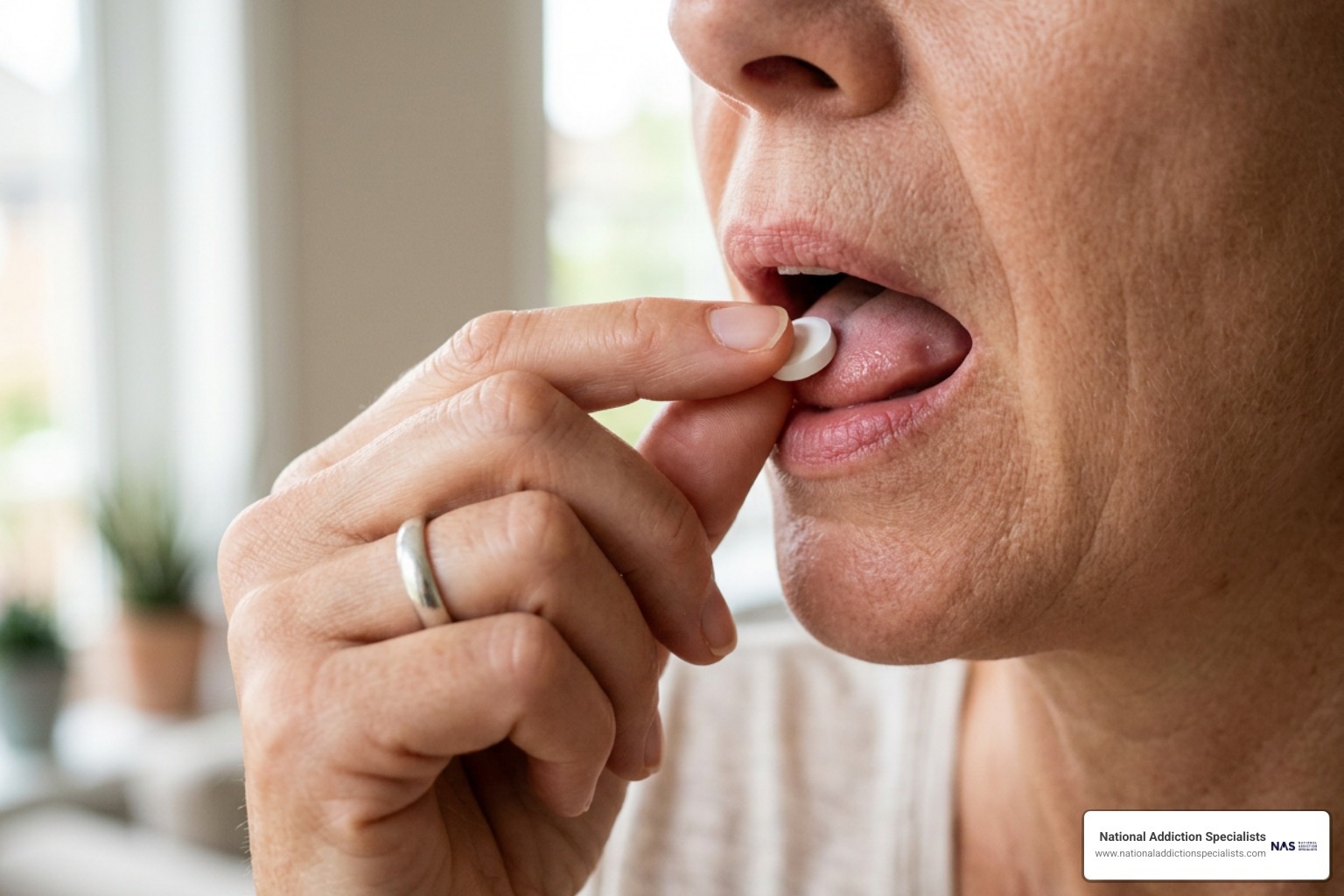
- The medication dissolves under the tongue as prescribed – not swallowed or chewed.
- Regular follow-up, counseling or recovery support, and overdose-prevention planning help support long-term recovery.
Buprenorphine is a partial opioid agonist. That means it activates opioid receptors enough to help stabilize the brain and body, while having a ceiling effect that lowers – but does not erase – the risk of slowed breathing and overdose. It is still a controlled medication, and it works best as part of personalized medical care.
Sublingual treatment is not “trading one addiction for another.” It is an evidence-based medication for opioid use disorder that can help people stay safer, avoid withdrawal, and regain time for work, family, and recovery.
I am Chad Elkin, a board-certified Addiction Medicine and Internal Medicine physician and the founder and medical director of National Addiction Specialists. My work in sublingual medication opioid addiction treatment focuses on making proven, compassionate care more accessible while helping patients reduce overdose risk and build lasting recovery.
Quick look at sublingual medication opioid addiction:
The Science and Mechanism of Sublingual Medication Opioid Addiction Therapy
To understand why sublingual therapy works so well, we have to look at the neurobiology of opioid dependence. Opioids bind to mu-opioid receptors in the central nervous system, triggering dopamine release, dampening pain signals, and reinforcing compulsive use. Over time, the brain downregulates its natural receptors, making normal physiological function nearly impossible without opioids present.
When someone abruptly stops using opioids, these receptors sit empty, causing severe physical withdrawal and intense cravings. Sublingual buprenorphine steps into this receptor gap to restore balance.
How Sublingual Medication Opioid Addiction Treatment Works in the Brain
Buprenorphine has a unique pharmacological profile: it is a partial mu-opioid agonist and a kappa-opioid receptor antagonist. Unlike full agonists such as heroin, oxycodone, or methadone, buprenorphine displays high binding affinity but low intrinsic activity.
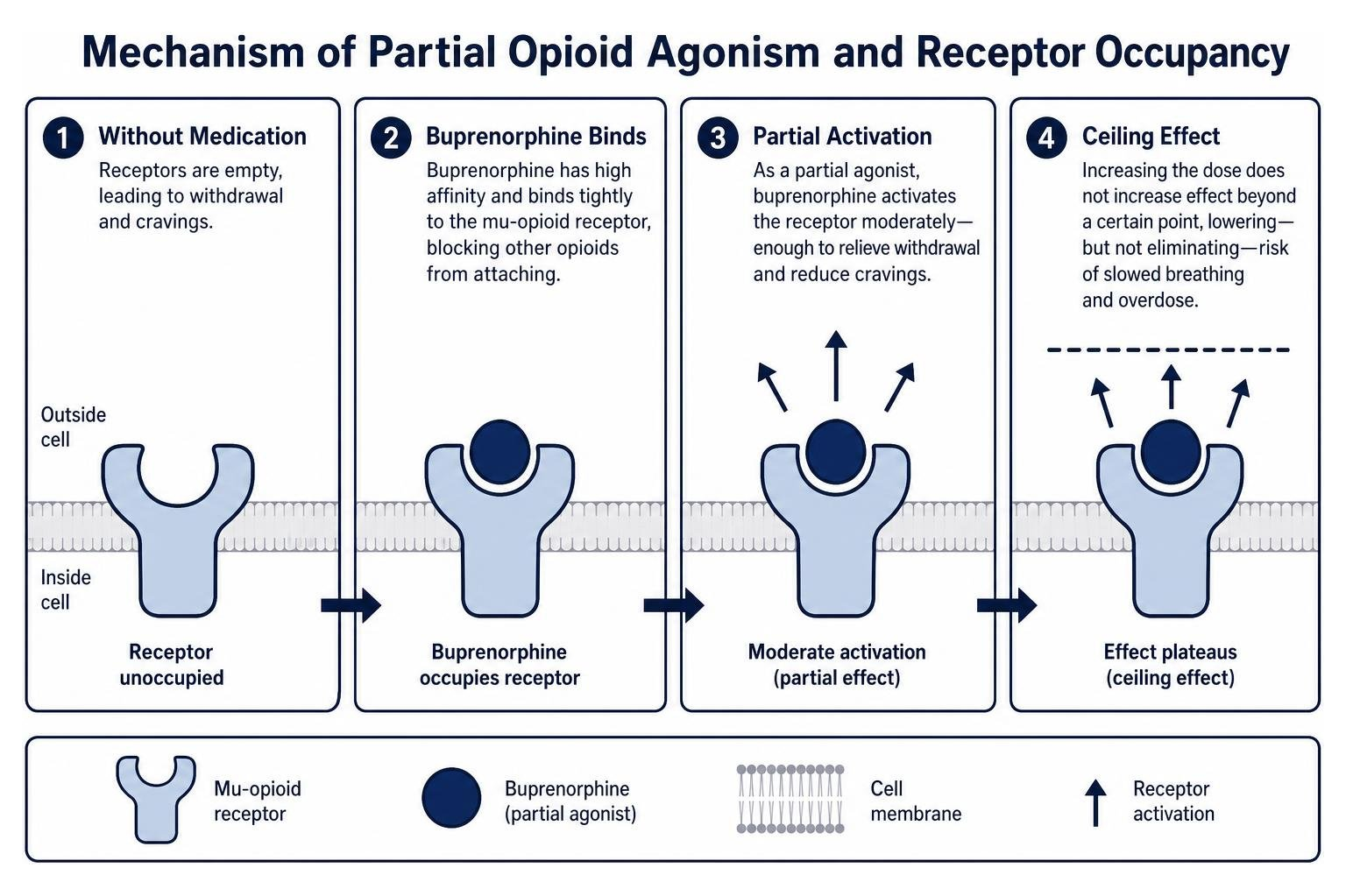
- High Binding Affinity: Buprenorphine grips the mu-opioid receptor tightly, outcompeting full agonists and blocking them from attaching.
- Low Intrinsic Activity: It stimulates the receptor only partially—just enough to eliminate physical withdrawal symptoms and stop cravings, but not enough to produce intense euphoria in opioid-tolerant individuals.
- The Ceiling Effect: As the dose increases, buprenorphine’s agonistic effects plateau. This pharmacological ceiling significantly lowers the risk of life-threatening respiratory depression compared to full opioids, as detailed in SAMHSA buprenorphine clinical guidance.
By combining high receptor occupancy with moderate stimulation, Buprenorphine and Naloxone formulations give patients the physiological stability needed to rebuild their lives.
Single-Entity vs Combination Formulations
In outpatient recovery, you will encounter two primary types of buprenorphine formulations:
- Combination Products (Buprenorphine/Naloxone): Formulations like Suboxone and Zubsolv combine buprenorphine with naloxone in a 4:1 ratio. When taken correctly under the tongue, naloxone has poor bioavailability (less than 3%) and exerts no clinical effect. However, if the medication is crushed and injected, naloxone blocks the opioid receptors and triggers immediate, intense withdrawal. This built-in misuse deterrent makes combination products ideal for unsupervised outpatient maintenance.
- Single-Entity Products (Buprenorphine Monotherapy): Tablets containing only buprenorphine (historically known under the discontinued brand Subutex) are primarily reserved for clinical induction, pregnant or breastfeeding individuals, or patients with documented allergic reactions to naloxone.
Understanding What is Suboxone helps demystify why combination therapy remains the clinical standard for home-based recovery.
Proper Administration and Daily Dosing Guidelines
Sublingual medications cannot simply be swallowed with a glass of water like standard pills. When swallowed, buprenorphine undergoes extensive first-pass metabolism in the liver, dropping its oral bioavailability below 10%. Absorbing the drug through the mucous membranes under the tongue ensures maximum therapeutic benefit.
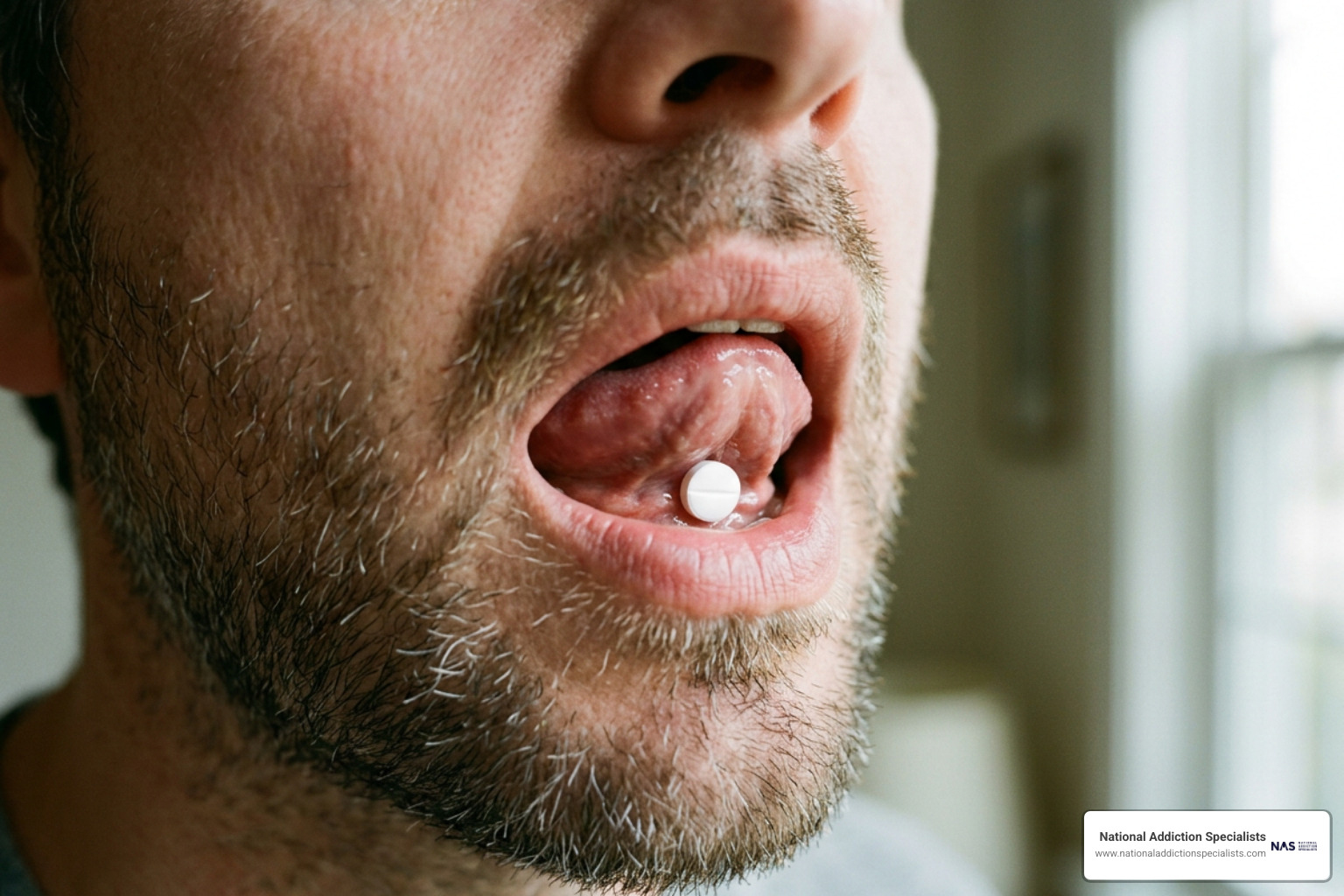
Step-by-Step Sublingual Tablet and Film Administration
Taking Sublingual recovery medications requires deliberate technique:
- Hydrate First: Drink a small sip of water to moisten your mouth. A dry oral environment slows down tablet or film dissolution.
- Place Correctly:
- Sublingual Tablets: Place the tablet under your tongue, to the left or right of the base. If taking two tablets, place one on each side.
- Sublingual Films: Apply the film with dry fingers directly onto the wet tissue under your tongue. Hold it in place for 5 seconds to ensure adhesion. Never overlap films.
- Buccal Placement: If prescribed buccal film, press the text side against the moist inside of your cheek for 5 seconds.
- Let It Dissolve Completely: Keep your mouth closed and avoid talking, eating, drinking, or swallowing your saliva until the medication dissolves (usually 5 to 10 minutes). Do not chew or swallow the tablet or film.
- Post-Dose Swish: Once completely dissolved, take a sip of water, gently swish it around your teeth and gums, and swallow to clear residual medication, following official DailyMed buprenorphine and naloxone prescribing guidelines.
Reviewing Why Your Tongue is the Best Place for Buprenorphine and Naloxone can help reinforce correct placement habits. Maintenance dosages vary widely depending on personal biology and previous opioid exposure, so consult comprehensive Suboxone Dosage Information to understand your prescribed plan.
Essential Oral Health and Dental Safety Protocols
Because sublingual buprenorphine formulations are mildly acidic, prolonged mucosal contact can temporarily alter oral pH. In 2022, the FDA issued a safety warning regarding dental caries, enamel erosion, and tooth fractures associated with sublingual buprenorphine. You do not have to compromise your smile to stay in recovery—following basic dental safety protocols keeps your teeth protected.
| Stage | Oral Care Action | Clinical Rationale |
|---|---|---|
| Before Dose | Sip water to moisten oral mucosa | Accelerates tablet/film dissolution and improves mucosal absorption |
| During Dose | Keep mouth closed; do not chew or swallow | Prevents premature stomach clearance and maximizes sublingual uptake |
| Immediately After Dose | Swish water gently around gums and teeth, then swallow | Rinses acidic residue away from dental enamel and restorations |
| Post-Dissolution (60 mins) | Do not brush teeth for at least 1 hour | Prevents abrasive enamel damage while tooth surfaces are temporarily softened |
Regular preventive checkups with your dentist and transparent communication about your medications will protect your long-term oral health.
Clinical Protocols: Induction, Safety Warnings, and Side Effects
Medication-assisted treatment is a structured clinical program tailored to your medical history and lifestyle.
Safe Induction Steps for Sublingual Medication Opioid Addiction Recovery
The most delicate phase of treatment is induction—taking your first dose. Because buprenorphine has a high affinity for mu-opioid receptors, taking it while full agonist opioids are still active in your system will dislodge those opioids immediately, triggering severe precipitated withdrawal.
To ensure a smooth transition:
- Wait for Moderate Withdrawal: You must show clear, objective physical signs of withdrawal (assessed using clinical tools like the Clinical Opiate Withdrawal Scale, or COWS) before taking your first dose.
- Short-Acting Opioids (Heroin, Oxycodone): Wait at least 6 to 12 hours after your last use.
- Long-Acting Opioids (Methadone, Extended-Release Morphine): Wait at least 24 to 72 hours, as these drugs clear much more slowly.
- Initial Titration: Induction typically starts with a low dose (2 mg to 4 mg) to evaluate tolerance. Once stability is achieved, your clinician will titrate up to a standard daily maintenance dose (typically 8 mg to 24 mg daily).
Learning How Does Suboxone Treatment Work will help you prepare for this initial transition period with confidence. If you are ready to take the next step in your recovery journey, Make an Appointment to Treat Addiction. Please don’t hesitate. Make an appointment today.
Managing Common Side Effects and Serious Health Risks
Most patients tolerate sublingual buprenorphine well, but side effects can occur during the initial adjustment period.
In clinical trials referenced in the DailyMed buprenorphine tablet prescribing information, common side effects reported during treatment included:
- Headache: 29% to 30%
- Insomnia: 21% to 25%
- Constipation: 11%
- Nausea and Sweating: 10% to 14%
These symptoms typically diminish over time and can be managed with hydration, dietary adjustments, and standard supportive care.
Critical Drug Interactions and Precautions
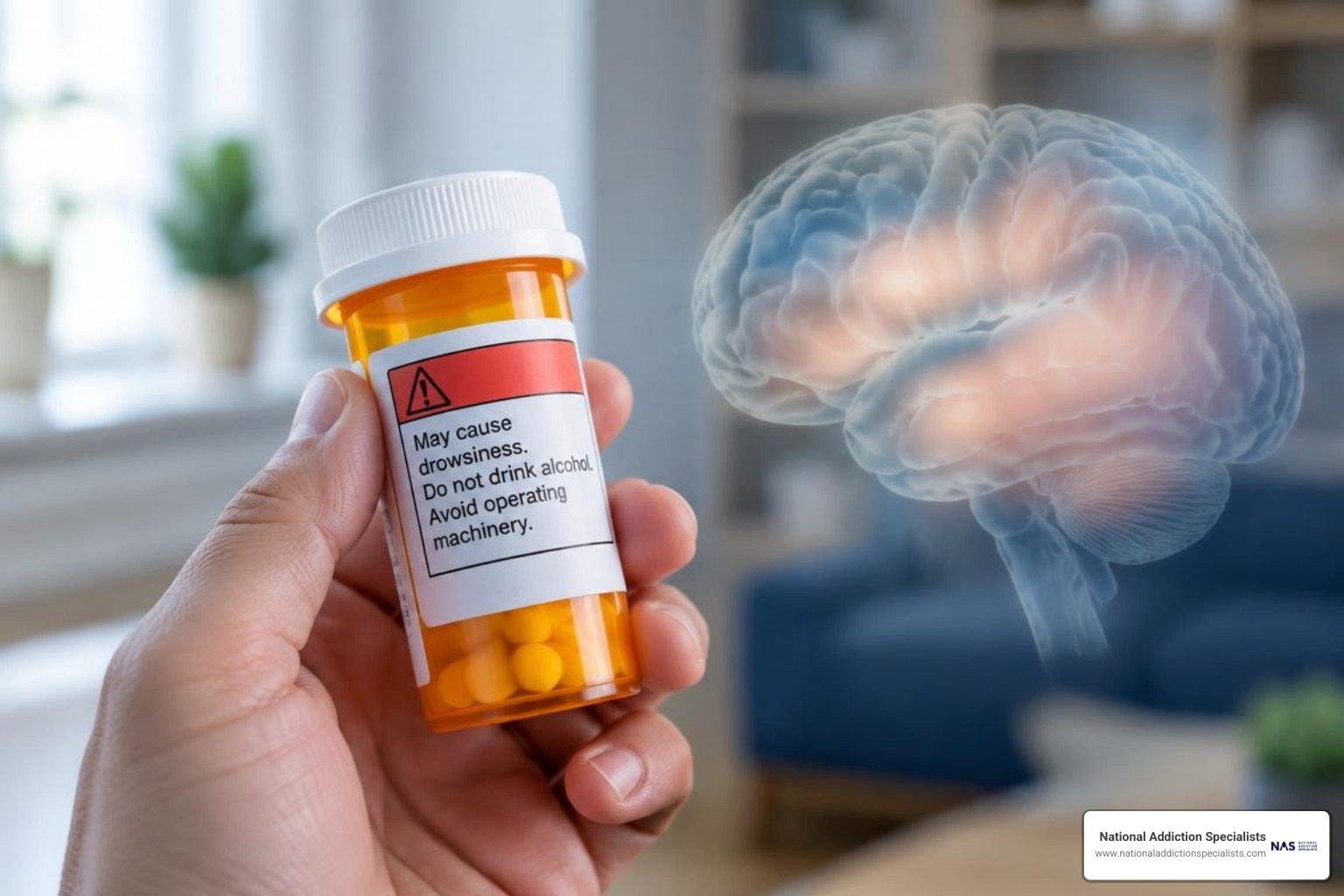
- Benzodiazepines and CNS Depressants: Combining buprenorphine with sedatives, tranquilizers, or alcohol elevates the risk of severe respiratory depression, coma, and death. While benzodiazepine use is not an automatic disqualifier for treatment—since untreated opioid addiction carries higher mortality risks—co-management requires close clinical oversight.
- Hepatic Safety: Buprenorphine is metabolized by the liver (via CYP3A4 enzymes). Baseline and periodic liver function tests are recommended. Patients with moderate to severe hepatic impairment require careful monitoring, as drug clearance is slowed.
Special Populations, Safety Precautions, and Home Storage
Sublingual buprenorphine requires individualized medical adjustments for specific health profiles and home environments.
Considerations for Pregnancy, Breastfeeding, and Hepatic Impairment
- Maternal-Fetal Care: Buprenorphine is a frontline standard of care for pregnant individuals with opioid use disorder. Maintaining consistent medication prevents erratic withdrawal cycles that endanger fetal health. While infants may experience Neonatal Opioid Withdrawal Syndrome (NOWS), it is an expected and treatable condition that is generally milder with buprenorphine than with untreated illicit opioid exposure. Buprenorphine monotherapy has traditionally been used during pregnancy, though combination products are increasingly utilized under clinical supervision.
- Lactation: Low levels of buprenorphine pass into breastmilk, but maternal maintenance is generally considered safe and beneficial for infant bonding and recovery.
- Geriatric and Hepatic Adjustments: Older adults and individuals with compromised liver function metabolize buprenorphine more slowly, requiring conservative starting doses and regular monitoring.
Secure Storage, Safe Disposal, and Overdose Reversal
Because buprenorphine is a potent controlled medication, accidental pediatric ingestion represents a severe medical emergency. Even a 2 mg fragment can cause fatal respiratory arrest in a young child.
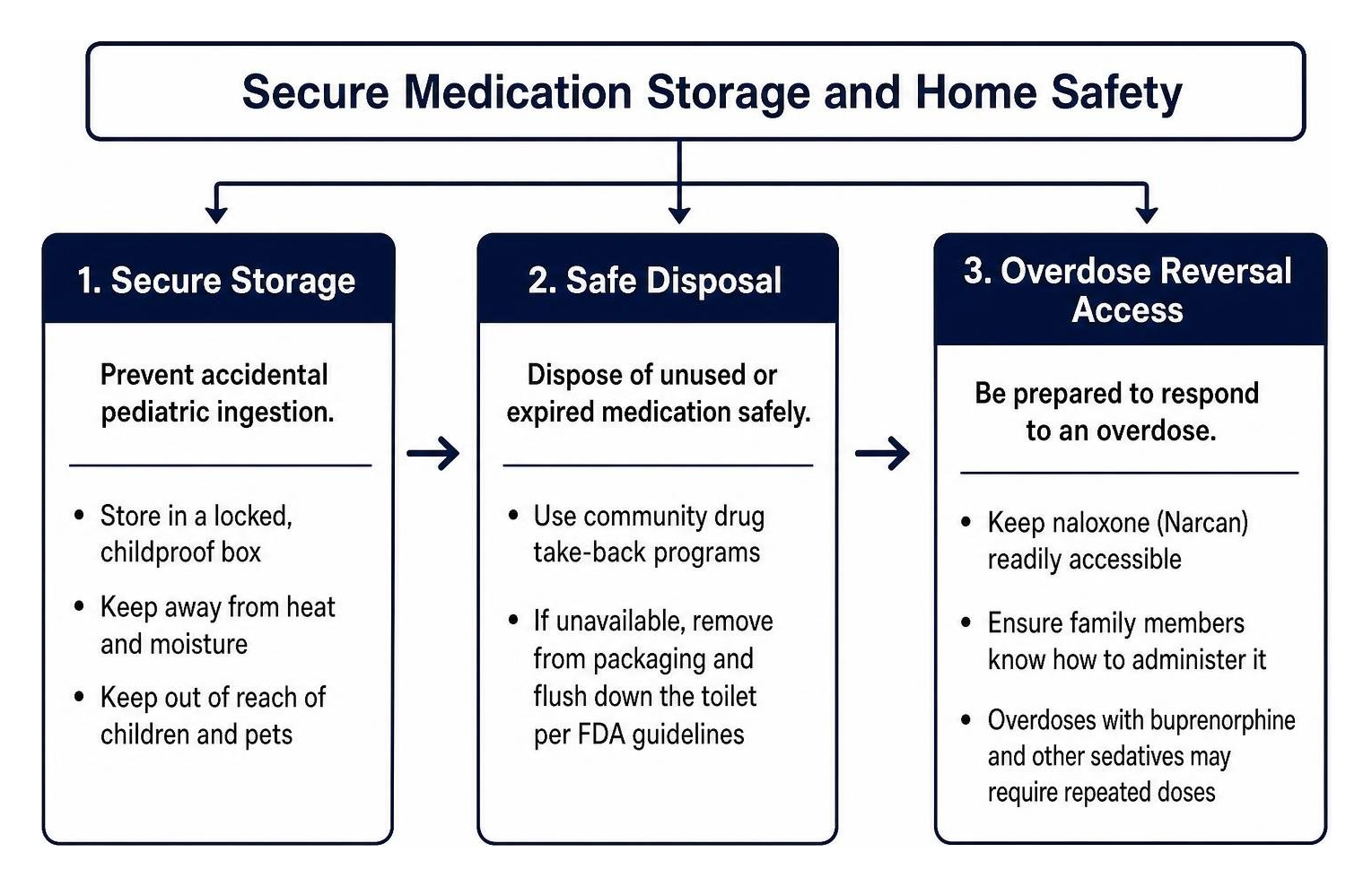
- Secure Storage: Keep your medication locked in a childproof medication box, stored away from heat, moisture, and out of reach of children and pets. Review The Best Ways to Secure Your Sublingual Recovery Meds for practical home storage solutions.
- Safe Disposal: Dispose of unused or expired tablets and films via community drug take-back programs. If unavailable, remove the medication from its packaging and flush it down the toilet according to FDA safety guidelines.
- Overdose Reversal Access: Keep naloxone (Narcan) readily accessible at home and ensure family members know how to administer it. Because buprenorphine has a strong binding affinity, treating an overdose involving buprenorphine and other sedatives may require repeated doses of naloxone.
Frequently Asked Questions About Sublingual Addiction Treatments
How long does a patient need to remain on sublingual recovery medication?
There is no predetermined time limit or maximum recommended duration for buprenorphine treatment. Opioid use disorder is a chronic medical condition. Many patients benefit from long-term or indefinite maintenance to prevent relapse, sustain employment, and support mental health. Any decision to taper should be made collaboratively with your medical provider after establishing long-term stability.
Why must I wait an hour to brush my teeth after taking my dose?
Sublingual formulations are acidic and temporarily soften tooth enamel while dissolving. Brushing immediately after administration can cause abrasive micro-damage to the enamel. Waiting 60 minutes allows saliva to rebalance oral pH and remineralize tooth surfaces naturally.
What should I do if I accidentally miss a scheduled sublingual dose?
If you miss a dose, take it as soon as you remember that day. If it is almost time for your next regular dose, skip the missed dose and resume your standard schedule. Never take a double dose to compensate for a missed one, as this can cause excessive sedation.
Conclusion
Overcoming opioid use disorder is a journey of physiological healing and personal empowerment. Sublingual medications like buprenorphine provide the neurochemical stability you need to break free from the cycle of cravings and withdrawal. When combined with compassionate clinical guidance and behavioral support, recovery is not just possible—it is sustainable.
At National Addiction Specialists, we provide confidential, evidence-based telemedicine treatment across Tennessee and Virginia, with convenient virtual appointments and support from our medical offices in Brentwood, TN, and Virginia Beach, VA. We accept Medicaid and Medicare to ensure that high-quality, life-saving addiction care remains accessible to all. Explore how suboxone treatment works for lasting recovery and start your recovery from the comfort and privacy of home.
This article was medically reviewed by: Chad Elkin, MD, DFASAM is a board-certified addiction medicine physician, founder, and Chief Medical Officer of National Addiction Specialists, dedicated to treating substance use disorders. A Distinguished Fellow of the American Society of Addiction Medicine (ASAM), Dr Elkin currently serves as President of the Tennessee Society of Addiction Medicine (TNSAM) and has held various leadership roles within the organization. Dr Elkin chairs ASAM’s Health Technology Subcommittee and is an active member of its Practice Management and Regulatory Affairs Committee, State Advocacy and Legislative Affairs Committee, and other committees. Committed to advancing evidence-based policy, Dr Elkin is Chairman of the Tennessee Association of Alcohol, Drug, & Other Addiction Services (TAADAS) Addiction Medicine Council, which collaborates with the TN Department of Mental Health & Substance Abuse Services (TDMHSAS). He has contributed to numerous local, state, and national task forces, helping develop professional guidelines, policies, and laws that align with best practices in addiction medicine. He also serves on the planning committee for the Vanderbilt Mid-South Addiction Conference. His work focuses on reducing addiction-related harm, combating stigma, and ensuring access to effective treatment. Passionate about the field of addiction medicine, he remains dedicated to shaping policy and enhancing patient care.
Suboxone® and Subutex® are a registered trademark of Indivior UK Limited. Any mention and reference of Suboxone® and Subutex® in this website is for informational purposes only and is not an endorsement or sponsorship by Indivior UK Limited.