Getting Started with Treatment at a Sublingual Opioid Therapy Clinic
Find a Sublingual Opioid Therapy Clinic That Fits Your Life
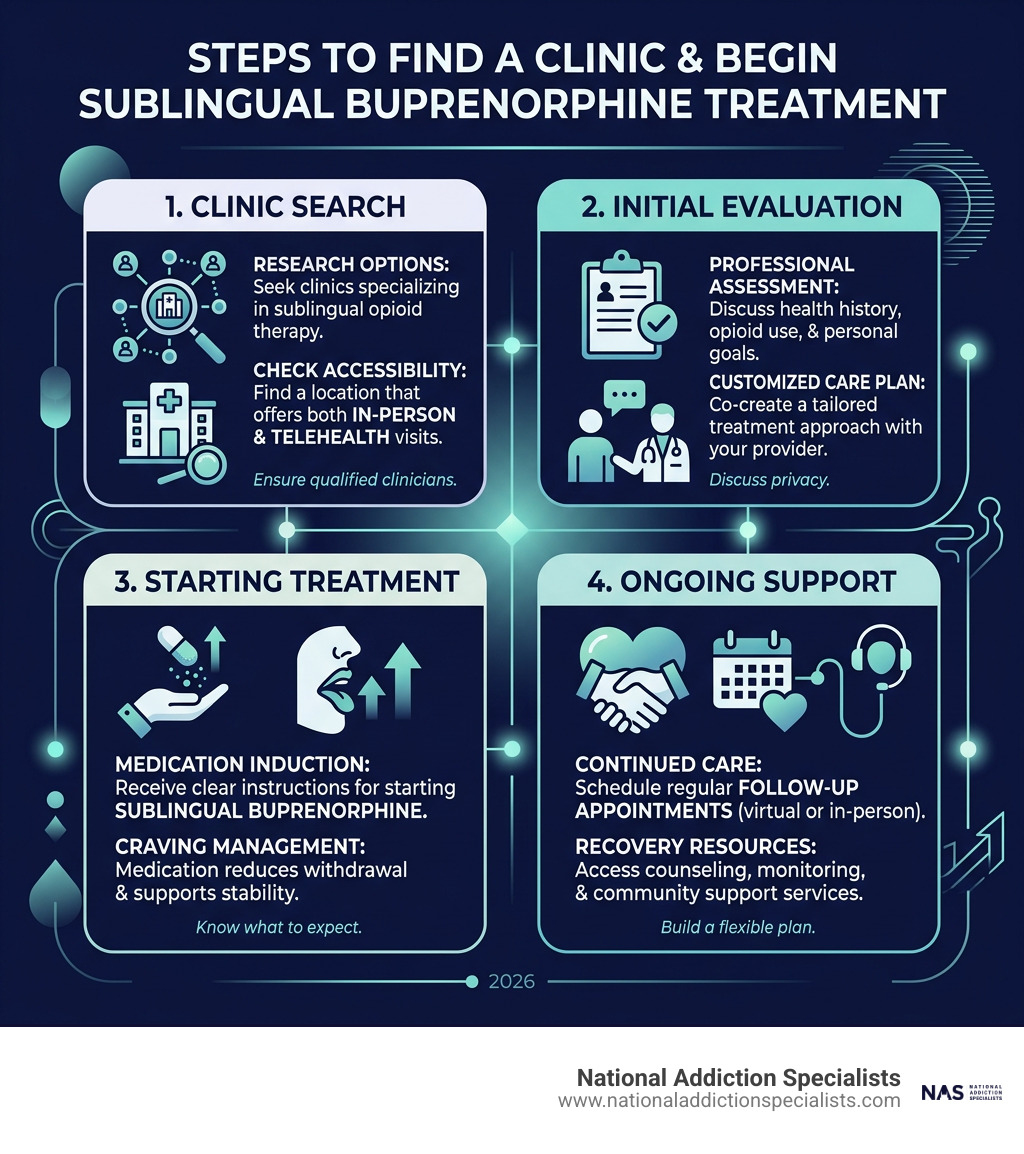
A sublingual opioid therapy clinic can help you start treatment for opioid use disorder with medication placed under the tongue, usually buprenorphine or buprenorphine/naloxone. Look for a clinic that offers a medical assessment, clear instructions for starting medication, follow-up visits, counseling or recovery support, and flexible virtual or in-person care.
When comparing options, ask:
- Can I complete visits privately by telehealth when appropriate?
- Will a qualified clinician create a treatment plan based on my health, opioid use, and schedule?
- Does the clinic provide ongoing monitoring, medication adjustments, and support for cravings, stress, or mental health?
- Can staff coordinate with my local pharmacy and explain what to expect before treatment begins?
Buprenorphine is a partial opioid agonist. It can reduce withdrawal symptoms and cravings with a lower risk of respiratory depression than full opioid agonists when used as prescribed. Research from a high-risk chronic-pain clinic found pain scores fell over time in a multidisciplinary program using sublingual buprenorphine/naloxone alongside services such as group support, physical therapy, psychiatric care, and regular monitoring.
Starting care does not mean you have to handle recovery alone or put your life on hold. The right clinic should treat you with respect, protect your privacy, and help you build a plan that works around work, family, and daily responsibilities.
I am Chad Elkin, a board-certified Addiction Medicine and Internal Medicine physician and the founder and medical director of National Addiction Specialists. My work leading multidisciplinary addiction care, including telehealth services, informs this guide to choosing and getting started at a sublingual opioid therapy clinic.
Discover more about sublingual opioid therapy clinic:
- sublingual medication opioid addiction
- sublingual buprenorphine maintenance tn
- suboxone sublingual tablet
Understanding Sublingual Buprenorphine Treatment
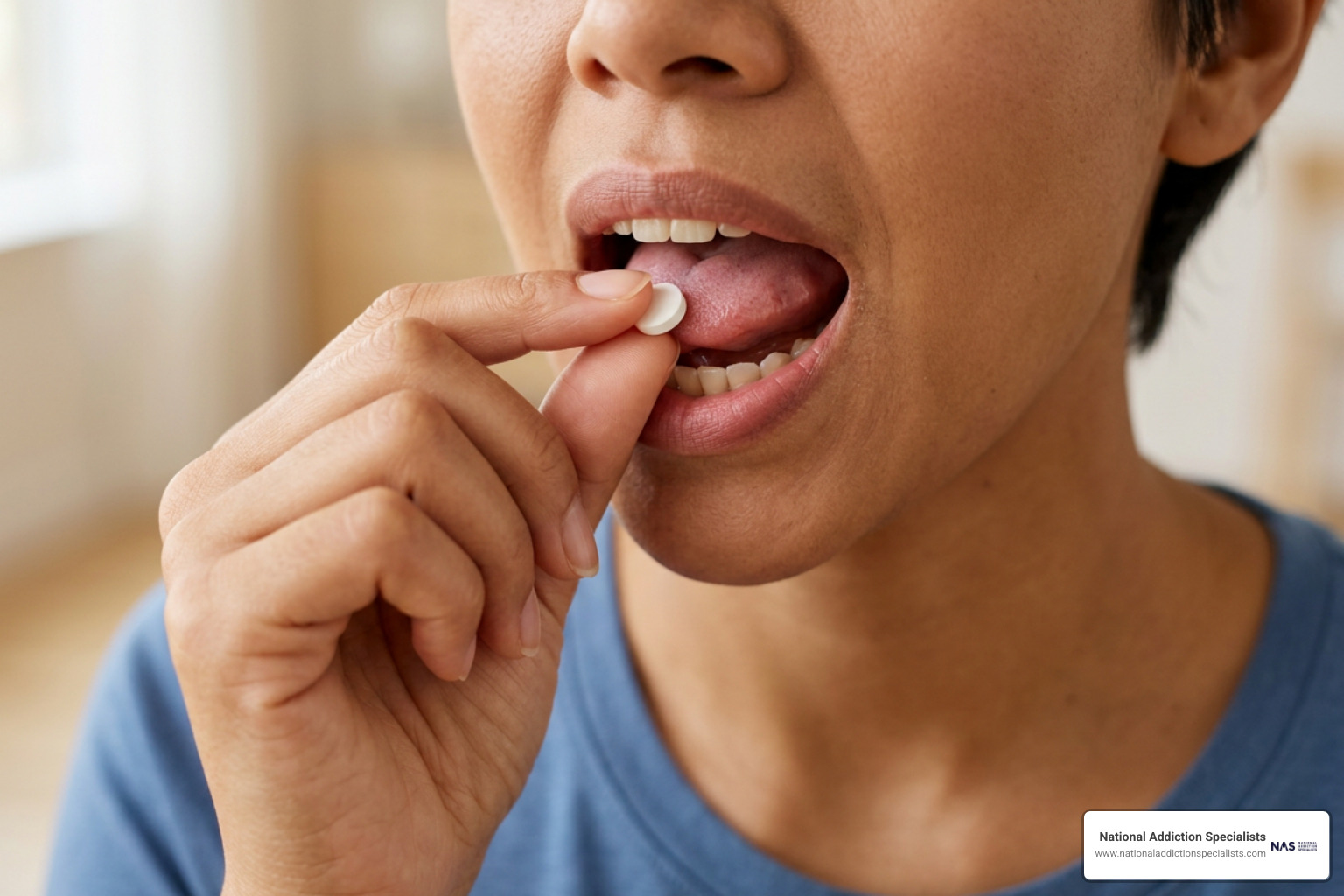
Sublingual buprenorphine is a cornerstone of modern addiction medicine. As a partial opioid agonist, buprenorphine activates the brain’s mu-opioid receptors just enough to relieve cravings and suppress physical withdrawal without producing the intense euphoria associated with full agonists like oxycodone, heroin, or fentanyl. Because it has a built-in “ceiling effect,” the risk of dangerous respiratory depression remains substantially lower than with traditional opioids.
When learning why your tongue is the best place for buprenorphine and naloxone, patients discover the unique biochemical design of this medication. Naloxone is included in combination formulations at a 4:1 ratio to discourage misuse. If taken as directed under the tongue, naloxone has poor absorption and remains inactive, allowing buprenorphine to bind tightly to neural receptors. However, if the medication is altered or injected, naloxone blocks the receptors and precipitates immediate withdrawal. This pharmacological safeguard provides peace of mind while stabilizing brain chemistry.
Administration and Proper Absorption Technique
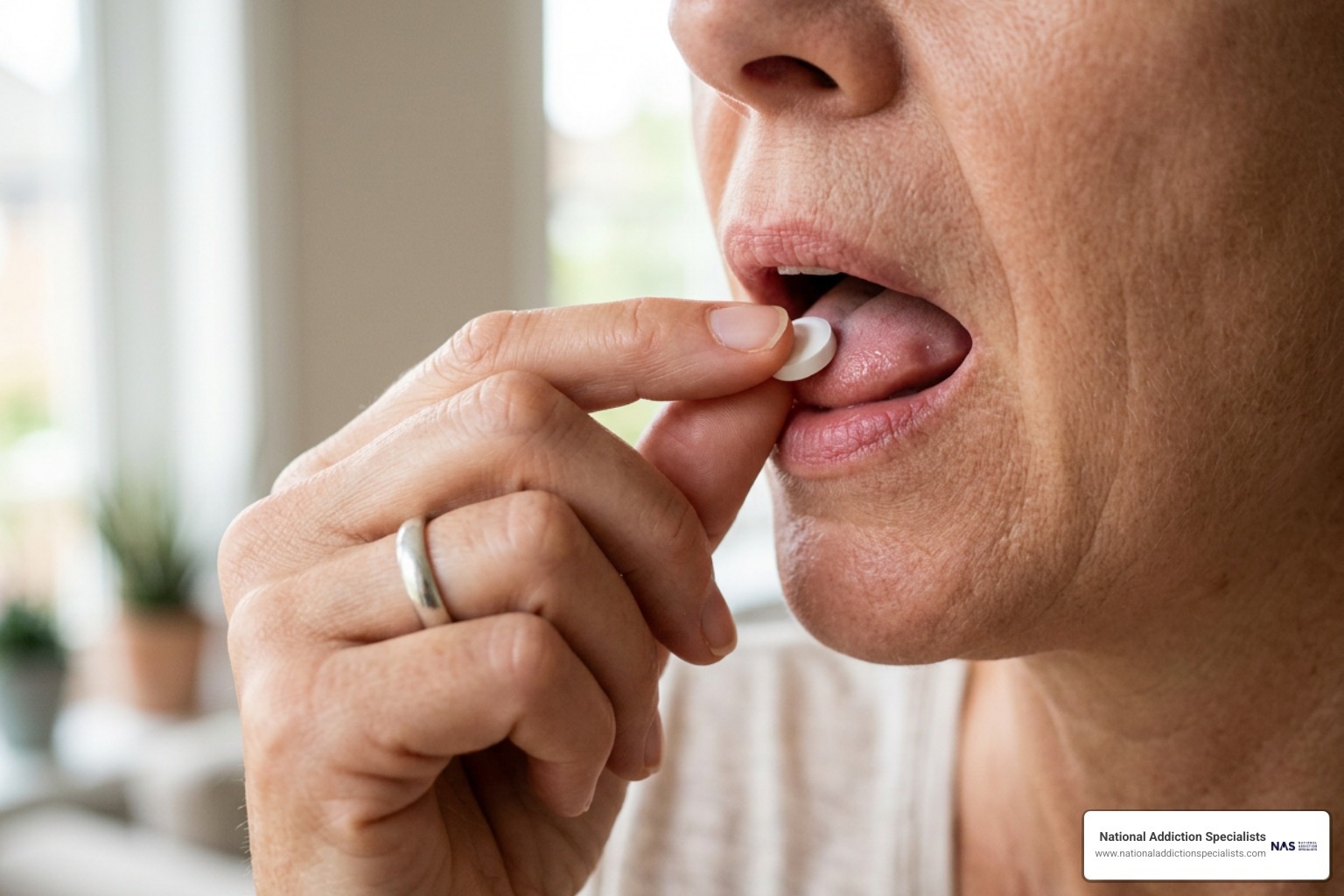
Proper administration is essential for the medication to work as intended. When swallowed, buprenorphine undergoes extensive first-pass metabolism in the digestive tract and liver, which drastically reduces its effectiveness. Placing the tablet or film under the tongue allows the active ingredients to pass directly through the sublingual mucosa into the bloodstream.
Following a thorough sublingual medication guide ensures maximum absorption and clinical efficacy:
- Prepare your mouth: Take a sip of water to moisten your mouth before placing the tablet or film under your tongue, then swallow that water before administering your dose.
- Placement: Place the tablet or film on the floor of your mouth, beneath the tongue and slightly to the left or right of the center tissue (frenulum). If you are prescribed two units simultaneously, place one on each side.
- Allow full dissolution: Keep your mouth closed and let the medication dissolve completely. Avoid chewing, sucking, or swallowing the tablet or film.
- Hold saliva: Try not to swallow your saliva while the medication is dissolving, and avoid talking.
- Oral hygiene and aftercare: Avoid eating, drinking, or smoking for at least 15 to 30 minutes after the medication dissolves. Wait at least one hour before brushing your teeth to protect your dental enamel and optimize absorption.
What to Expect at a Sublingual Opioid Therapy Clinic
Walking into or logging into a clinic for the first time is a significant step forward. Specialized clinics prioritize dignity, privacy, and clinical rigor. From your initial intake through long-term maintenance, comprehensive medication-assisted treatment programs are designed to address the physical, psychological, and behavioral aspects of opioid dependence.
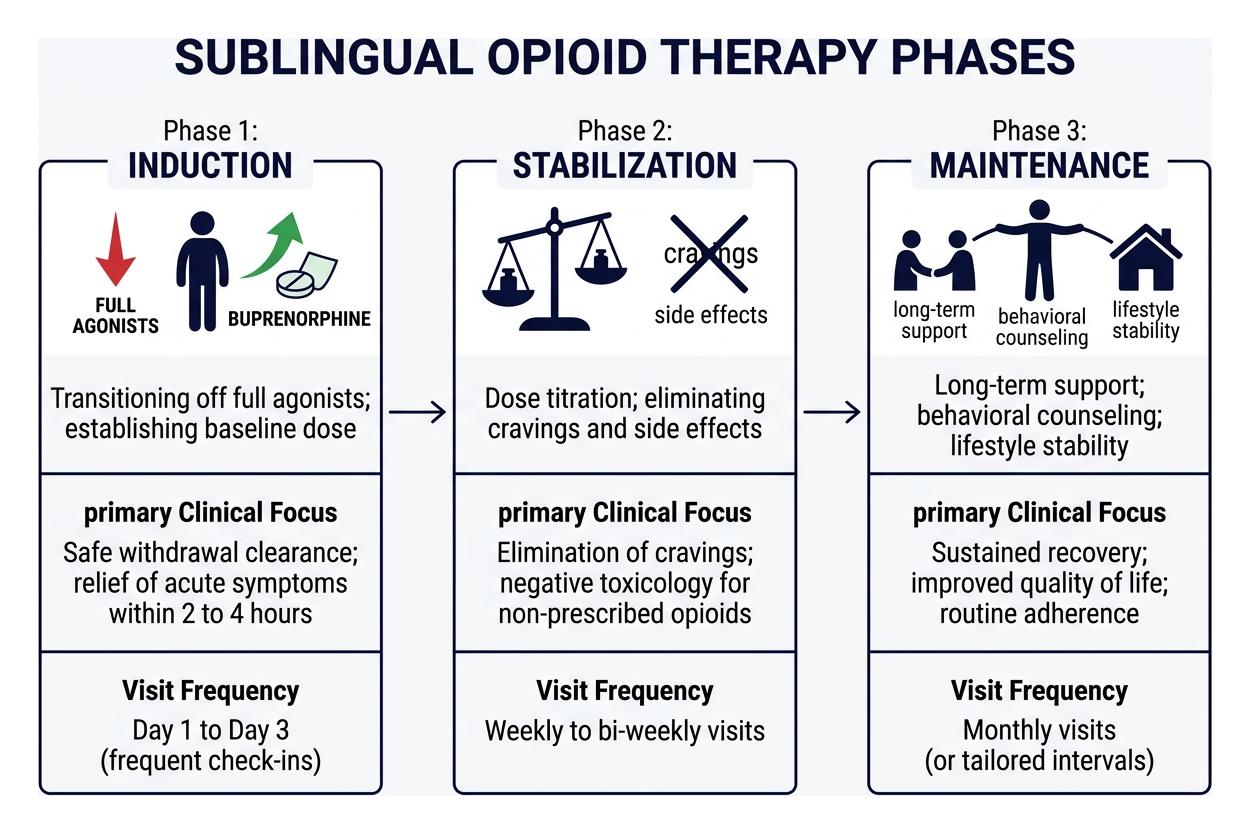
| Treatment Phase | Primary Clinical Focus | Visit Frequency | Key Milestones |
|---|---|---|---|
| Induction | Transitioning off full agonists; establishing baseline dose | Day 1 to Day 3 (frequent check-ins) | Safe withdrawal clearance; relief of acute symptoms within 2 to 4 hours |
| Stabilization | Dose titration; eliminating cravings and side effects | Weekly to bi-weekly visits | Elimination of cravings; negative toxicology for non-prescribed opioids |
| Maintenance | Long-term support; behavioral counseling; lifestyle stability | Monthly visits (or tailored intervals) | Sustained recovery; improved quality of life; routine adherence |
Clinical studies (Kaski et al., 2021) demonstrate the effectiveness of structured care. In a multidisciplinary high-risk pain clinic using sublingual buprenorphine/naloxone, patients achieved a 41% retention rate over approximately six years, with pain scores demonstrating a statistically significant downward trend over time ($p < 0.001$). Daily dosing was utilized in 64.3% of prescriptions, showing that regular, steady maintenance supports clinical retention and stability.
Make an Appointment to Treat Addiction. Please don’t hesitate. Make an appointment today.
Preparing for Your First Sublingual Opioid Therapy Clinic Appointment
Preparation is key to a smooth and comfortable start. The most important clinical prerequisite for induction is allowing your body to enter mild-to-moderate withdrawal before taking your first dose. If buprenorphine is taken while full agonists are actively occupying your receptors, its high binding affinity will rapidly displace those opioids, triggering acute and uncomfortable precipitated withdrawal.
Clinicians evaluate your readiness using tools like the Clinical Opiate Withdrawal Scale (COWS). You will be asked about:
- The time and nature of your last opioid use (short-acting versus long-acting formulations).
- Current physical withdrawal signs (such as chills, yawning, restlessness, dilated pupils, or muscle aches).
- Your complete medical history, including liver health, concurrent medications, and psychiatric conditions.
Virtual vs. In-Person Care at a Sublingual Opioid Therapy Clinic
Access to evidence-based treatment has expanded through telemedicine. While traditional brick-and-mortar clinics offer in-person visits, an online Suboxone clinic allows patients across Tennessee and Virginia to receive compassionate, individualized medical care from the comfort and privacy of home.
Telehealth-based addiction treatment eliminates transportation barriers, reduces time away from work or family, and removes the stress of sitting in a waiting room. Our board-certified clinicians conduct thorough video evaluations, guide home-based inductions with step-by-step instructions, send prescriptions directly to your local pharmacy, and coordinate periodic, discreet drug screening to ensure safe, continuous care.
Clinical Protocols and Ongoing Support Services

Effective recovery involves more than simply writing a prescription. Opioid use disorder frequently co-occurs with mental health conditions. Research indicates that among patients seeking specialized treatment, 51.3% present with major depressive disorder or depressive symptoms, and 34.6% manage generalized anxiety disorder. Additionally, 57.69% of patients in high-risk pain settings enter care taking NSAIDs, and 35.90% use GABA analogues.
Multimodal treatment models address these interconnected challenges by combining medication management with mental health evaluations, stress-reduction techniques, and behavioral support. Working openly with your care team helps in dissolving the stigma around sublingual medication in opioid treatment, reframing addiction as a treatable chronic medical condition. For immediate community support or 24/7 crisis guidance, individuals can also contact the National Helpline for Mental Health, Drug, Alcohol Issues.
Behavioral Therapy and Long-Term Maintenance
Long-term recovery relies on combining pharmacological stability with behavioral health interventions. While buprenorphine restores equilibrium to neurotransmitters in the brain, counseling helps you identify triggers, develop coping mechanisms for stress, and rebuild relationships.
Engaging in the best sublingual buprenorphine maintenance services allows you to work alongside an addiction specialist to fine-tune your dosing schedule over months or years. Maintenance is not a temporary fix; it is an ongoing therapeutic partnership that provides the stability needed to achieve lasting personal, professional, and health goals.
Frequently Asked Questions About Sublingual Treatment
How quickly does sublingual buprenorphine begin working?
Sublingual buprenorphine begins absorbing through the oral mucosa within minutes. Most patients notice a meaningful reduction in acute withdrawal symptoms and cravings within 20 to 45 minutes of their first dose, with peak blood plasma concentrations typically achieved between 1 and 3 hours post-administration.
What is the difference between sublingual tablets and films?
Both sublingual tablets and sublingual films contain the same active ingredients—buprenorphine and naloxone—and offer comparable therapeutic efficacy. Films tend to dissolve slightly faster and adhere directly to the wet tissue inside the mouth, which reduces the chance of swallowing the dose accidentally. Tablets dissolve gradually under the tongue. Your provider can help you determine which formulation best matches your personal preference and insurance coverage.
How does clinic staff prevent precipitated withdrawal?
Clinic staff prevent precipitated withdrawal through careful timing, objective withdrawal scoring, and gradual micro-dosing or low-dose initial titrations. By waiting until you exhibit measurable mild-to-moderate withdrawal symptoms (typically 12 to 24 hours after short-acting opioids, or longer for long-acting formulations and fentanyl), providers ensure that receptor sites are ready to receive buprenorphine safely.
Conclusion
Overcoming opioid use disorder is a journey marked by clear milestones, from navigating your first intake and stabilizing on medication to sustaining long-term personal health. Understanding how Suboxone treatment works empowers you to take charge of your recovery in a clinical environment designed around respect, evidence-based science, and individualized support.
At National Addiction Specialists, we provide accessible, compassionate, and fully confidential telemedicine care throughout Tennessee and Virginia. Our experienced providers accept Medicare and Medicaid, ensuring you receive high-quality medical guidance tailored to your daily schedule and recovery goals.
References
Kaski S, Marshalek P, Herschler J, Wen S, Zheng W. “Sublingual Buprenorphine/Naloxone and Multi-Modal Management for High-Risk Chronic Pain Patients..” Journal of clinical medicine, 2021. PMCID PMC7957677.
Medical Review
This article was medically reviewed by: Chad Elkin, MD, DFASAM is a board-certified addiction medicine physician, founder, and Chief Medical Officer of National Addiction Specialists, dedicated to treating substance use disorders. A Distinguished Fellow of the American Society of Addiction Medicine (ASAM), Dr Elkin currently serves as President of the Tennessee Society of Addiction Medicine (TNSAM) and has held various leadership roles within the organization. Dr Elkin chairs ASAM’s Health Technology Subcommittee and is an active member of its Practice Management and Regulatory Affairs Committee, State Advocacy and Legislative Affairs Committee, and other committees. Committed to advancing evidence-based policy, Dr Elkin is Chairman of the Tennessee Association of Alcohol, Drug, & Other Addiction Services (TAADAS) Addiction Medicine Council, which collaborates with the TN Department of Mental Health & Substance Abuse Services (TDMHSAS). He has contributed to numerous local, state, and national task forces, helping develop professional guidelines, policies, and laws that align with best practices in addiction medicine. He also serves on the planning committee for the Vanderbilt Mid-South Addiction Conference. His work focuses on reducing addiction-related harm, combating stigma, and ensuring access to effective treatment. Passionate about the field of addiction medicine, he remains dedicated to shaping policy and enhancing patient care.
Suboxone® and Subutex® are a registered trademark of Indivior UK Limited. Any mention and reference of Suboxone® and Subutex® in this website is for informational purposes only and is not an endorsement or sponsorship by Indivior UK Limited.