Access Affordable Suboxone Care in Roanoke Without the Long Wait
Finding Suboxone Treatment in Roanoke, VA
To start Suboxone treatment in Roanoke, VA, look for a local opioid treatment provider or a Virginia-licensed telehealth clinician. Ask whether they are accepting patients, take your insurance, and can send a prescription to a pharmacy you can use. A clinical assessment will confirm whether Suboxone is right for you and help you plan a safe start.
Suboxone can ease opioid withdrawal and cravings. If travel, work, or privacy makes it hard to get care, telehealth may give you another way to meet with a clinician from home.
I’m Chad Elkin, MD, a Virginia-licensed physician, board-certified in addiction medicine, and founder of National Addiction Specialists. My experience leading telehealth addiction care informs this guide to how patients can access Suboxone treatment in Roanoke, VA and what to expect during their recovery journey.
Helpful resources for understanding medication-assisted recovery:
The opioid crisis continues to affect communities across the Commonwealth. According to the Virginia Department of Health, the state reported 2,290 opioid overdose deaths in 2021, with synthetic opioids like fentanyl involved in over 75% of those fatal cases. The Roanoke Valley feels this strain acutely. In 2020, Roanoke recorded 34.2 opioid-related emergency department visits per 100,000 residents, a rate noticeably higher than the statewide average.
Despite the urgent need, a significant treatment gap persists: only about 20% of Virginians living with opioid use disorder receive evidence-based medication-assisted treatment. Long waitlists at brick-and-mortar clinics, transportation challenges across Southwest Virginia, and social stigma often stand in the way of getting help. When seeking Suboxone treatment, Roanoke, VA residents deserve rapid, confidential care without having to wait weeks for lifesaving medical support.
Understanding Suboxone Treatment Roanoke VA: How MAT Works
Suboxone is a prescription medication designed to treat opioid use disorder (OUD) by combining two active ingredients: buprenorphine and naloxone.
Buprenorphine is a partial opioid agonist. It binds tightly to the brain’s mu-opioid receptors, occupying them to relieve physical withdrawal symptoms and dull intense cravings. Because it is only a partial agonist, it features a “ceiling effect.” This means that after a certain dose, its effects plateau, significantly lowering the risk of respiratory depression and overdose compared to full opioids like oxycodone, heroin, or fentanyl.
Naloxone is an opioid antagonist included as an abuse deterrent. When taken sublingually (dissolved under the tongue or inside the cheek) as prescribed, very little naloxone enters the bloodstream. However, if the medication is crushed and injected, the naloxone activates instantly, blocking opioid receptors and triggering rapid withdrawal.
Research shows that medication-assisted treatment (MAT) using buprenorphine reduces opioid overdose mortality by approximately 50%. Furthermore, about 70% of patients who remain in MAT report substantial reductions in illicit opioid use after 12 months.
| Treatment Factor | Suboxone (Buprenorphine/Naloxone) | Full Opioids (e.g., Oxycodone, Fentanyl) |
|---|---|---|
| Primary Mechanism | Partial opioid agonist + antagonist | Full opioid agonist |
| Safety Profile | Built-in ceiling effect reduces overdose risk | High risk of respiratory depression and overdose |
| Access Model | Prescribed via office visit or telehealth | Controlled pain management or illicit sources |
| Curbing Cravings | High receptor affinity blocks other opioids | Intensifies cravings and physical dependence |
| Mortality Benefit | Cuts overdose mortality risk in half | High risk of fatal overdose |
Enrolling in a MAT program in Virginia allows individuals to stabilize their brain chemistry, step away from the cycle of active addiction, and focus on rebuilding daily life.
Eligibility Requirements for Suboxone Treatment Roanoke VA
Starting Suboxone begins with a clinical evaluation to ensure medication-assisted treatment is safe and appropriate for your specific situation. Eligibility is determined by a licensed medical provider and generally includes:
- A Clinical Diagnosis of Opioid Use Disorder: Clinicians evaluate your symptoms against DSM-5 criteria, assessing factors such as tolerance, physical dependence, loss of control over use, and continued use despite negative consequences.
- Active Opioid Tolerance: Patients must have an active physical dependence on opioids. Starting Suboxone without existing opioid tolerance can cause severe adverse effects.
- Comprehensive Health History: Your clinician will review underlying medical conditions, such as liver function, cardiac health, respiratory issues, and co-occurring mental health conditions.
- Medication and Substance Screening: A review of all current prescription medications (especially sedatives or benzodiazepines) and a baseline toxicology screen help our medical team build a safe treatment protocol.
To better understand the intake criteria and how clinics operate, you can review our Virginia Suboxone clinic complete guide.
Virginia Prescribing Regulations and Safety Guidelines
Virginia maintains sensible regulations to keep patients safe while supporting access to care. The Virginia Board of Medicine establishes clear clinical standards for office-based and telemedicine opioid treatment:
- Prescription Monitoring Program (PMP): Prescribers must check Virginia’s PMP database before initiating Suboxone and periodically throughout care to identify potential drug interactions or overlapping controlled substance prescriptions.
- Toxicology and Safety Monitoring: Regular urine or oral fluid drug screens are used as clinical tools—not punitive measures—to ensure the medication is therapeutic and to monitor for dangerous polysubstance use.
- Comprehensive Care Integration: Virginia regulations encourage providers to combine medical management with behavioral health counseling, peer recovery support, and structured recovery milestones.
- Dosage Guidelines: Clinicians closely monitor dosages to maintain effective symptom control while avoiding unnecessary over-prescribing.
The Care Pathway: From Clinical Induction to Long-Term Recovery
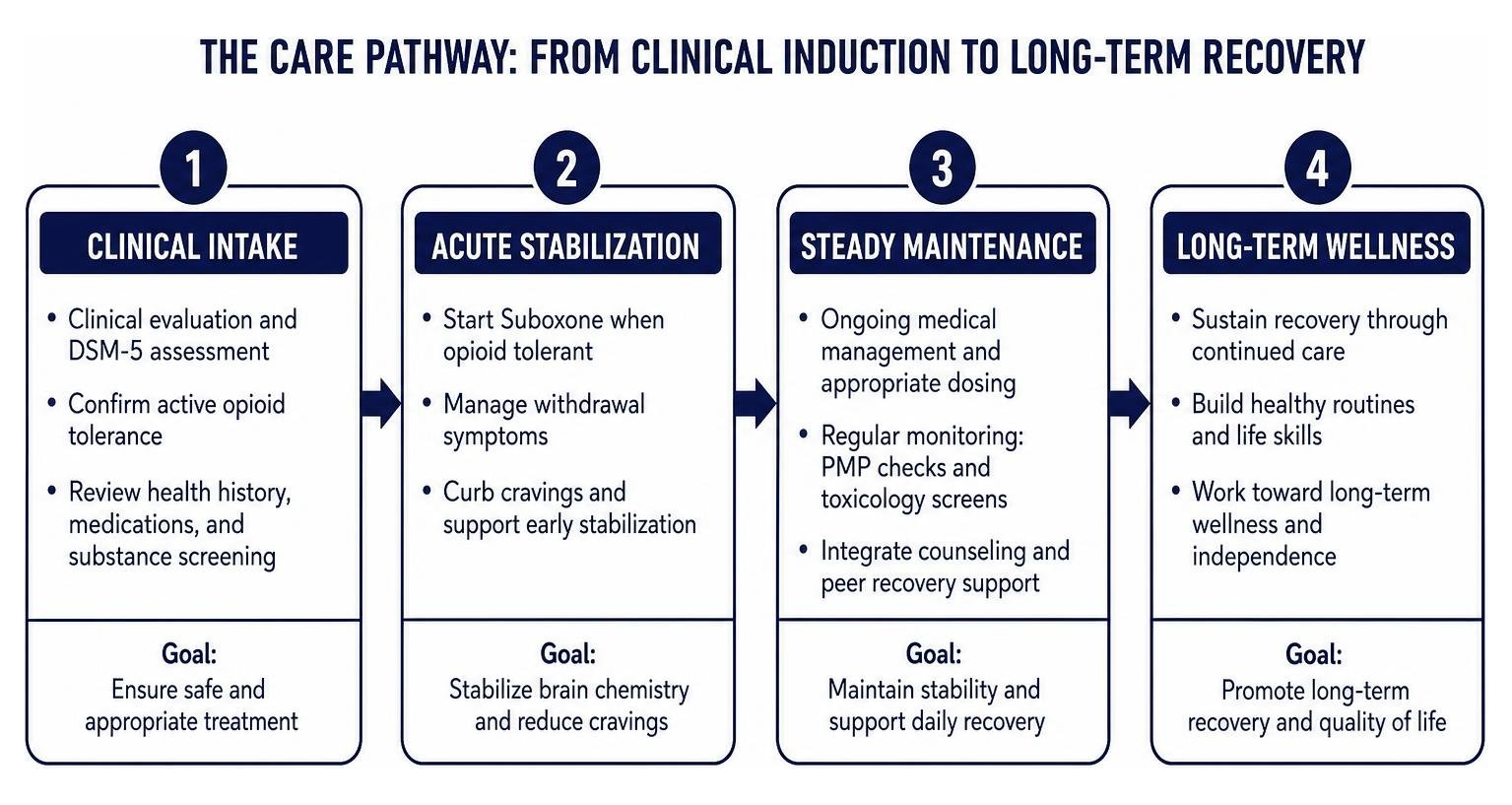
Recovery is a journey that moves through distinct phases: medical intake, acute stabilization, steady maintenance, and long-term wellness. Following a structured clinical pathway helps patients safely manage physical symptoms while addressing the behavioral and psychological aspects of substance use disorder.
For a deeper look into evidence-based recovery strategies across the state, read our opioid addiction treatment Virginia guide.
If you or a loved one is ready to start recovery today, Make an Appointment to Treat Addiction Please don’t hesitate. Make an appointment today.
What to Expect During Induction and Maintenance
The first step in taking Suboxone is known as induction. To avoid “precipitated withdrawal”—a sudden and severe onset of withdrawal symptoms caused when buprenorphine displaces full opioids from your receptors—you must be in mild to moderate withdrawal before taking your first dose.
Clinicians use the Clinical Opiate Withdrawal Scale (COWS) to assess your physical symptoms, checking for signs like:
- Restlessness and muscle aches
- Pupil dilation and sweating
- Nausea, stomach cramps, or chills
- Yawning and runny nose
Once you reach an appropriate COWS score, you take your first dose under clinical guidance. Most patients experience relief within 30 to 45 minutes. Over the next few days, your clinician adjusts your dose until cravings and withdrawal are eliminated.
Once stabilized, you enter the maintenance phase. During this time, you take a consistent daily dose that prevents cravings without causing euphoria or sedation. Mild side effects can occur, such as constipation, headaches, dry mouth, or mild nausea, but these typically resolve as your body adjusts.
Combining Medical Care with Behavioral Counseling
Suboxone manages physical cravings and withdrawal, giving your brain the stability it needs to do the emotional and psychological work of recovery. Medication alone is powerful, but pairing it with therapy produces the best long-term outcomes:
- Cognitive Behavioral Therapy (CBT): Helps you identify environmental triggers, challenge negative thought patterns, and build healthy coping mechanisms for stress.
- Dual Diagnosis Treatment: Many individuals with OUD also manage anxiety, depression, or PTSD. Addressing both mental health and substance use simultaneously prevents relapse.
- Peer Support Groups: Programs like SMART Recovery, 12-step fellowships, and local community recovery centers provide encouragement and accountability from people who share similar lived experiences.
Finding Accessible and Affordable Care in the Roanoke Valley
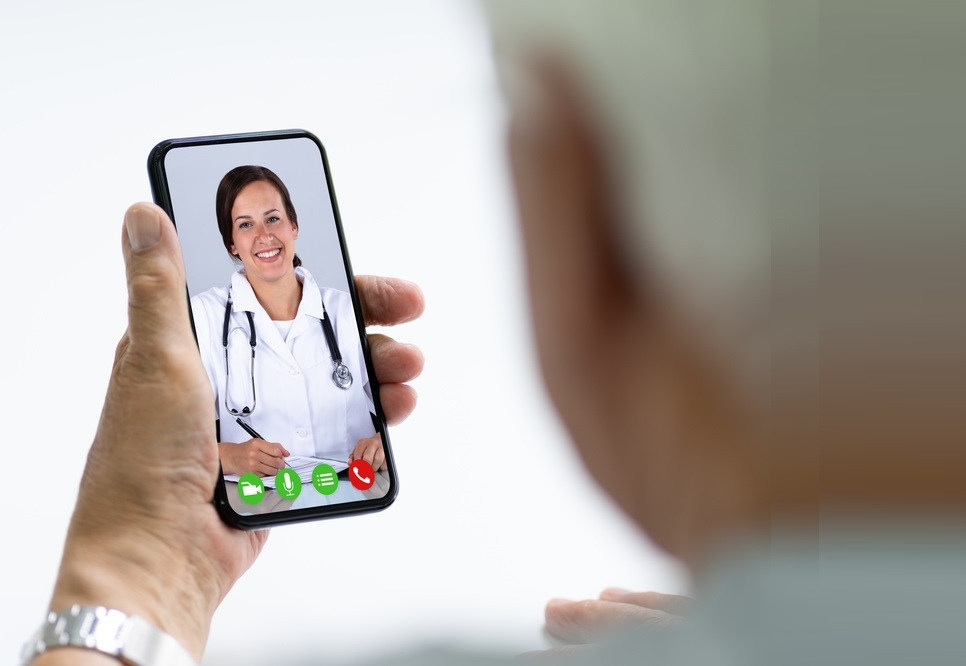
Finding timely care in the Roanoke Valley can sometimes be difficult. Traditional clinics may have limited operating hours, long waiting lists, or strict daily visit requirements that conflict with work, family care, or transportation schedules across Southwest Virginia.
Fortunately, modern healthcare models connect you directly with Suboxone doctors in Virginia who offer flexible appointment schedules and compassionate, evidence-based care.
Navigating Telehealth Options for Suboxone Treatment Roanoke VA
Telemedicine has transformed addiction medicine, allowing Roanoke residents to receive high-quality medical care from home. Through secure, HIPAA-compliant video visits on your smartphone or computer, you can complete clinical assessments, discuss progress, and adjust your treatment plan.
When you work with our telehealth Suboxone doctors, your provider electronically sends your Suboxone prescription directly to your preferred local pharmacy in Roanoke for convenient pickup. This approach eliminates travel barriers, protects your privacy, and allows you to fit recovery appointments around your personal schedule.
Insurance Coverage and Treatment Costs
Cost should never prevent someone from accessing lifesaving addiction care. Suboxone treatment is widely covered by public and private health plans across Virginia:
- Virginia Medicaid (Cardinal Care): Covers office visits, telemedicine consultations, and buprenorphine/naloxone prescriptions with little to no out-of-pocket cost for eligible members.
- Medicare: Covers medication-assisted treatment services and prescription medications through Medicare Part B and Part D plans.
- Commercial Insurance: Most private insurance providers cover MAT services and Suboxone prescriptions, though deductibles and copays vary by plan.
- Self-Pay and Transparent Pricing: For patients without insurance, predictable self-pay pricing makes care affordable without unexpected medical bills.
When you need rapid care, our team can help facilitate same day Suboxone treatment online so you can start treatment without delay.
Frequently Asked Questions About Suboxone in Roanoke
How quickly can I start Suboxone treatment in Roanoke?
With virtual care options, you can often complete your intake assessment and begin treatment on the same day. After your online clinical evaluation, your provider sends your electronic prescription directly to a local Roanoke pharmacy for same-day pickup, so you can begin induction safely under medical guidance.
Does Virginia Medicaid cover Suboxone prescriptions?
Yes. Virginia Medicaid (Cardinal Care) covers generic buprenorphine/naloxone formulations along with outpatient addiction medical visits. In most cases, there are zero copays for covered clinical appointments and prescriptions.
How long do patients typically stay on Suboxone?
There is no fixed timeline for Suboxone treatment. Some patients stay on maintenance therapy for several months, while many remain on it for years or indefinitely. Long-term maintenance is recognized as a safe and effective strategy that protects against relapse and overdose. If a patient eventually chooses to stop taking Suboxone, they work with their physician to slowly taper the dose to prevent withdrawal.
Conclusion
Recovery from opioid use disorder is possible with the right medical support, compassionate guidance, and evidence-based treatment. You do not have to put your life on hold or navigate long clinic waitlists to take your first steps toward health and stability.
At National Addiction Specialists, we provide confidential, expert telemedicine care tailored to your unique recovery goals. If you are ready to begin, complete your new patient registration today and start your journey toward long-term recovery.
Suboxone® and Subutex® are a registered trademark of Indivior UK Limited. Any mention and reference of Suboxone® and Subutex® in this website is for informational purposes only and is not an endorsement or sponsorship by Indivior UK Limited.
This article was medically reviewed by: Chad Elkin, MD, DFASAM is a board-certified addiction medicine physician, founder, and Chief Medical Officer of National Addiction Specialists, dedicated to treating substance use disorders. A Distinguished Fellow of the American Society of Addiction Medicine (ASAM), Dr Elkin currently serves as President of the Tennessee Society of Addiction Medicine (TNSAM) and has held various leadership roles within the organization. Dr Elkin chairs ASAM’s Health Technology Subcommittee and is an active member of its Practice Management and Regulatory Affairs Committee, State Advocacy and Legislative Affairs Committee, and other committees. He also serves on the planning committee for the Vanderbilt Mid-South Addiction Conference. Committed to advancing evidence-based policy, Dr Elkin is Chairman of the Tennessee Association of Alcohol, Drug, & Other Addiction Services (TAADAS) Addiction Medicine Council, which collaborates with the TN Department of Mental Health & Substance Abuse Services (TDMHSAS). He has contributed to numerous local, state, and national task forces, helping develop professional guidelines, policies, and laws that align with best practices in addiction medicine. His work focuses on reducing addiction-related harm, combating stigma, and ensuring access to effective treatment.Passionate about the field of addiction medicine, he remains dedicated to shaping policy and enhancing patient care.