Beyond the Basics: Unpacking Virginia’s MAT Program
Understanding Your Treatment Options in Virginia
MAT program Virginia offers life-saving treatment for individuals struggling with opioid or alcohol use disorder. If you’re searching for help, here’s what you need to know:
Quick Overview of MAT Program Virginia:
- What it is: Medication-Assisted Treatment combines FDA-approved medications with counseling and behavioral therapies
- Where to access it: 50 licensed Opioid Treatment Programs (OTPs), Office-Based Addiction Treatment (OBAT) clinics throughout the state, Community Service Boards (all 40 CSBs), and telehealth providers
- Medications available: Buprenorphine (Suboxone), Methadone, and Naltrexone
- Cost support: State funding ($5.5 million in FY 2024), federal grants ($8 million from State Opioid Response), and assistance for uninsured/underinsured individuals
- How to start: Contact a local Community Service Board, find a licensed provider, or explore telehealth options
Recovery from addiction is possible. That simple truth drives everything we do in addiction medicine.
The opioid crisis has touched nearly every Virginia community. But there’s a proven solution that works: Medication-Assisted Treatment, or MAT. This evidence-based approach combines medication with counseling to help people reclaim their lives.
Important note: The acronym “MAT” can mean two different things. This guide focuses on Medication-Assisted Treatment for substance use disorder, not the Master of Arts in Teaching degree programs. If you’re looking for teacher training programs, you’re in the wrong place.
MAT isn’t just about prescribing medicine. It’s a whole-patient approach that treats your body, mind, and circumstances. Think of it like treating diabetes. You wouldn’t just take insulin and ignore diet, exercise, and regular check-ups. The same goes for opioid use disorder.
Virginia has built a strong network of MAT services. From Richmond to rural communities, from traditional clinics to telehealth appointments, help is available. The state funds programs specifically to remove barriers to care. Whether you have insurance or not, whether you live near a city or out in the country, there’s a path forward.
I’m Dr. Chad Elkin, a board-certified addiction medicine physician and founder of National Addiction Specialists, and I’ve dedicated my career to expanding access to quality MAT program Virginia services through innovative telehealth solutions. Through my work with state and national organizations, I’ve seen how removing barriers to treatment saves lives.
MAT program Virginia terms at a glance:
What is Medication-Assisted Treatment (MAT) in Virginia?
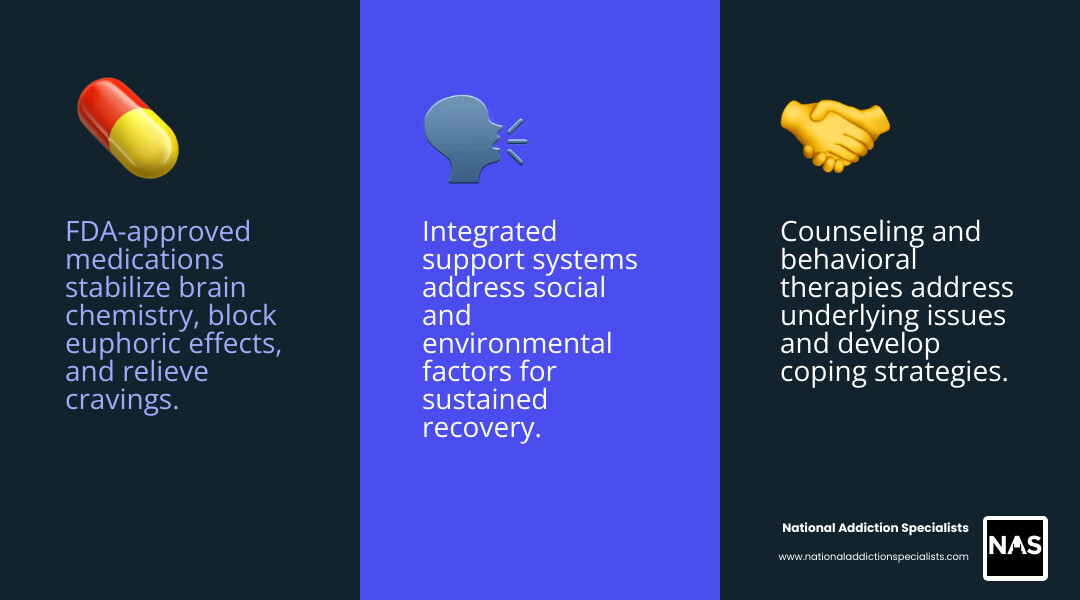
Medication-Assisted Treatment (MAT) is a comprehensive approach to treating substance use disorders, particularly opioid use disorder (OUD) and alcohol use disorder (AUD). It’s not just about taking medication; it’s a “whole-patient” approach that combines FDA-approved medications with counseling and behavioral therapies. This combination is considered the gold standard of care, offering the highest efficacy in preventing overdose deaths and supporting sustained recovery.
The purpose of a MAT program Virginia is to stabilize an individual’s brain chemistry, block the euphoric effects of opioids, relieve intense cravings, and normalize body functions. It helps reduce withdrawal symptoms, making it easier for individuals to engage in counseling and build a foundation for long-term recovery. Think of the medication as a sturdy bridge that helps you cross from active addiction to a place where you can safely work on healing.
While MAT is incredibly effective, it’s important to understand that it’s a stabilizer, not a magic cure. It provides the necessary physiological support so that the psychological and behavioral aspects of addiction can be addressed through therapy. To learn more about how this powerful treatment works, check out our guides on How Does Medication-Assisted Treatment Work? and Is Medication-Assisted Treatment Effective?.
It’s also crucial to be aware of potential risks. Combining MAT drugs with benzodiazepines, for example, can lead to serious side effects. Your healthcare provider will carefully assess your medical history and current medications to ensure your safety and tailor the treatment to your specific needs.

The Three Pillars of MAT Medication
In Virginia, we use all three classes of FDA-approved medications for the treatment of opioid use disorder. Each medication works differently to support recovery:
- Buprenorphine (often combined with Naloxone, e.g., Suboxone): This is a partial opioid agonist. What does that mean? It partially activates opioid receptors in the brain, reducing cravings and withdrawal symptoms without producing the same “high” as full opioids. Because it’s a partial agonist, it has a ceiling effect, which means taking more won’t increase its effects much further, reducing the risk of misuse. Buprenorphine is highly effective and can be prescribed in various settings, including Office-Based Addiction Treatment (OBAT) programs.
- Methadone: This is a full opioid agonist, meaning it fully activates opioid receptors. When taken as prescribed in a controlled setting, it prevents withdrawal symptoms and reduces cravings, allowing individuals to stabilize and engage in recovery efforts. Methadone treatment is highly regulated and can only be dispensed through licensed Opioid Treatment Programs (OTPs). Virginia currently has 50 licensed OTPs, including five public programs and 44 private for-profit programs, along with one at a VA Hospital.
- Naltrexone: Unlike buprenorphine and methadone, naltrexone is an opioid antagonist. This means it blocks opioid receptors, preventing any opioid from producing its euphoric effects. It’s available in an oral form (pill) or as an extended-release injectable (Vivitrol), which can be administered once a month. Naltrexone is also approved for treating alcohol use disorder. It’s a great option for individuals who have already detoxed from opioids and are seeking to prevent relapse.
Understanding these options is key to finding the right fit for you. For a deeper dive into the specific medications and how they can aid your recovery, explore our page on Medication-Assisted Treatment Options.
Navigating the MAT Program Virginia Landscape
Virginia offers a diverse landscape of MAT services, ensuring that individuals can find treatment in a setting that best suits their needs. From highly structured clinics to local doctor’s offices, and even mobile units, the goal is to make treatment accessible.
Office-Based Addiction Treatment (OBAT)
Office-Based Addiction Treatment (OBAT) has revolutionized access to care, particularly for buprenorphine-based medications like Suboxone. This model allows qualified healthcare providers to prescribe and manage MAT in a physician’s office setting, making treatment more integrated into general healthcare and less stigmatizing than traditional clinics.
In Virginia, OBAT programs are widely accessible throughout the Commonwealth. This means you can receive personalized care from a doctor or nurse practitioner in a familiar, private office environment. For many, this offers a level of convenience and discretion that supports long-term engagement in treatment. The rise of telehealth has further expanded the reach of OBAT, allowing us to serve patients virtually, even in remote areas. If you’re considering this flexible approach, you might be interested in connecting with Online Suboxone Doctors and learning more about Suboxone for Opioid Addiction.
Specialized MAT Programs in Virginia
Beyond traditional OBATs and OTPs, Virginia has several specialized initiatives designed to meet diverse needs:
- Opioid Treatment Programs (OTPs): As mentioned, these are highly regulated clinics specifically licensed to dispense methadone and buprenorphine. Virginia boasts 50 licensed OTPs, with a mix of public and private facilities, including key locations like Virginia Beach. These programs often provide on-site counseling and supportive services.
- Integrated Programs: Many MAT program Virginia options integrate cognitive behavioral treatment (CBT) alongside medication. This holistic approach addresses the thought patterns and behaviors associated with substance use, providing a more robust path to recovery. Even within the correctional system, programs like the Virginia Department of Corrections’ MAT Cognitive Program demonstrate the state’s commitment to combining medication with behavioral therapies for rehabilitation.
- Adolescent MAT Programs: Recognizing the unique needs of younger populations, the Department of Behavioral Health and Developmental Services (DBHDS) has a specific program to support MAT use in adolescents. This ensures that youth struggling with OUD receive age-appropriate, evidence-based care.
- Mobile MAT/OBAT Units: To address geographical barriers and reach underserved communities, particularly in rural areas, Virginia has used federal State Opioid Response (SOR) grants to fund mobile MAT/OBAT units. These units bring treatment directly to individuals, significantly increasing access to care where traditional clinics might be scarce.
Accessing and Paying for MAT in Virginia
Getting into a MAT program Virginia might seem daunting, but we’re here to guide you through the process. Financial concerns can also be a significant barrier, but Virginia has various funding mechanisms and resources to help.

Eligibility and How to Get Started
Generally, eligibility for a MAT program Virginia requires a diagnosis of Opioid Use Disorder (OUD) or Alcohol Use Disorder (AUD). Specific criteria might vary slightly between programs, but the core focus is on individuals who are ready to stop using substances and commit to the program’s standards.
The intake process typically involves:
- Screenings: To assess your needs and determine the most appropriate course of treatment. Some clinics, like the one in Virginia Beach, offer in-person Behavioral Health and MAT screenings on specific days.
- Physician Referral: A physician’s referral for Medication for Opioid Use Disorder (MOUD) is often required.
- Registration: You’ll complete registration forms, often available online, and be asked to bring appropriate documentation to your first visit.
- Individualized Treatment Plan: Once enrolled, a counselor will work with you to develop a personalized treatment plan. For most patients, this initially involves regular group therapy sessions (often once or twice weekly) combined with appointments with a nurse practitioner or physician for medication management.
- Pre-Treatment Considerations: If you require detoxification from substances like benzodiazepines or alcohol, you might need additional treatment before entering a full MAT program.
The length of a MAT program is highly individualized. It depends on your progress, your commitment to the program, and your specific recovery journey. There’s no one-size-fits-all timeline, as recovery is a marathon, not a sprint. To get a better understanding of what to expect, take a look at our Beginners Guide to Medication-Assisted Treatment.
Funding and Financial Assistance for your MAT program Virginia
We understand that the cost of treatment can be a major concern, but Virginia is committed to making MAT accessible.
- State Funding: The Commonwealth of Virginia directly invests in MAT services. For instance, the FY 2024 General Fund appropriation for MAT is a substantial $5,534,000. This state-level funding helps support various MAT initiatives across Virginia.
- Federal Grants: Virginia also benefits from federal support. The federal State Opioid Response (SOR) grant has provided approximately $8 million to Community Service Boards (CSBs) for MAT services. This grant has also funded innovative solutions like mobile MAT/OBAT units, extending care to more Virginians.
- Insurance Coverage: Many MAT program Virginia options accept various insurance plans. We work with major providers, and it’s always a good idea to check your specific policy. We’ve compiled detailed information on Does Insurance Cover Suboxone Treatment? and specifically for those with public insurance, Medicaid Suboxone Treatment. We proudly accept Medicaid and Medicare, helping to remove financial barriers for many individuals.
- Resources for Uninsured/Underinsured: For individuals without insurance or those who are underinsured, help is still available. The DBHDS (Department of Behavioral Health and Developmental Services) provided $500,000 to private OTPs to assist uninsured and underinsured Virginians struggling to remain in treatment. This demonstrates a clear commitment to ensuring that financial status doesn’t prevent access to life-saving care.
- Community Service Boards (CSBs): All 40 CSBs across Virginia play a crucial role in connecting individuals to MAT services. They offer referrals for medication-assisted treatment, either through in-house programs or via agreements (MOUs) with private providers. Reaching out to your local CSB is an excellent first step if you’re unsure where to begin.
The Rise of Telehealth for MAT in Virginia
In recent years, telehealth has emerged as a game-changer for addiction treatment, particularly for MAT program Virginia. It has broken down geographical barriers and made treatment more convenient and accessible than ever before.
The Convenience of Virtual Care
The benefits of telehealth for MAT are numerous and impactful:
- Accessibility: You can access expert care from anywhere in Virginia, whether you’re in Virginia Beach or a more rural part of the state. This is especially vital for individuals in underserved areas who may not have local MAT providers.
- Privacy and Discretion: Receiving treatment from the comfort and privacy of your home or a safe, confidential space can reduce the stigma often associated with seeking addiction treatment.
- Convenience: No travel time, no waiting rooms. Telehealth appointments fit more easily into busy schedules, making it easier to maintain work, family, and other commitments while prioritizing your recovery.
- Removes Transportation Barriers: For many, lack of reliable transportation is a significant obstacle to consistent care. Telehealth eliminates this challenge entirely.
What can you expect from a telehealth MAT program Virginia?
- Virtual Consultations: You’ll have video appointments with licensed healthcare providers, just as you would in an in-person clinic.
- E-Prescribing: Your medication prescriptions can be sent directly to your preferred pharmacy.
- Online Counseling: Behavioral therapies and counseling sessions, a critical component of MAT, are also delivered virtually, ensuring you receive comprehensive support.
Telehealth expands access to care dramatically, reaching individuals who might otherwise fall through the cracks. It’s a modern solution to a persistent problem, and we’re proud to offer convenient, confidential, expert Telehealth Suboxone Doctors and Online Addiction Counseling to Virginia residents.
Make an Appointment to Treat Addiction
Please don’t hesitate. Make an appointment today. https://www.nationaladdictionspecialists.com/new-patient-packet/
Frequently Asked Questions about MAT in Virginia
We often hear common questions about MAT program Virginia options. Here are some of the most frequent ones:
What medications are used in a MAT program Virginia?
The three main FDA-approved medications used in a MAT program Virginia are Buprenorphine (often formulated with naloxone, such as Suboxone), Methadone, and Naltrexone. The choice of medication is highly personalized, based on an individual’s specific needs, medical history, the type of substance use disorder (opioid or alcohol), and the treatment setting (e.g., methadone is only available in OTPs). Your healthcare provider will work with you to determine the best medication for your recovery journey.
Is counseling required to participate in MAT?
Yes, absolutely! MAT is fundamentally a “whole-patient” approach. While the medications play a vital role in stabilizing your body and reducing cravings, counseling and behavioral therapies are equally critical for addressing the psychological aspects of addiction. Combining medication with these therapies is not just recommended; it’s the standard of care and consistently leads to the best outcomes for long-term recovery. Think of it this way: the medication helps repair the physical damage, while counseling helps you rebuild your life. We dig deeper into this on our page about the Importance Counseling Therapy Suboxone Treatment.
How do I find a MAT provider in Virginia?
Finding a MAT program Virginia provider is easier than you might think. Here are a few reliable starting points:
- Community Service Boards (CSBs): Contact your local CSB. All 40 CSBs in Virginia offer referrals for MAT services, either directly or through partnerships with private providers.
- Licensed OTPs: If you are seeking methadone treatment, you will need to find one of the 50 licensed Opioid Treatment Programs in Virginia.
- Office-Based Addiction Treatment (OBAT) Providers: For buprenorphine (Suboxone) treatment, you can search for OBAT providers. Many prescribers with a DEA Registration can offer this service.
- Telehealth Providers: For convenient, confidential, and expert care from home, consider telehealth providers like us at National Addiction Specialists. We serve Virginia residents and make it simple to start your treatment journey. You can also explore resources like Suboxone Doctors Near Me That Accept Medicaid to find providers that fit your insurance needs.
A Note on Master of Arts in Teaching (MAT) Programs
As we mentioned at the beginning, the acronym “MAT” can sometimes cause confusion because it also stands for Master of Arts in Teaching. While this article focuses entirely on Medication-Assisted Treatment for substance use disorder, it’s worth briefly clarifying the other meaning.
Master of Arts in Teaching (MAT) programs are graduate-level degrees designed for individuals who typically have a bachelor’s degree in a subject other than education and wish to become licensed teachers. These programs focus on pedagogical theory, classroom management, curriculum development, and practical teaching experience. Universities in Virginia, such as Christopher Newport University and Hollins University, offer various MAT programs across different subject areas and grade levels. For example, Christopher Newport University’s MAT program prepares individuals for teaching careers through a condensed one-year study beyond their undergraduate degree, including extensive field experience and even opportunities for overseas teaching. These programs are vital for training the next generation of educators in Virginia.
However, for clarity, we want to reiterate that our guide is dedicated to the life-saving medical treatment for addiction.
Conclusion
Recovery is not just a possibility; it’s a journey made tangible and sustainable through evidence-based approaches like Medication-Assisted Treatment. A MAT program Virginia offers a robust network of support, combining FDA-approved medications with vital counseling and behavioral therapies. We’ve explored how Virginia supports its residents through diverse treatment settings, from office-based care and specialized programs, to state funding and crucial assistance for the uninsured.
The rise of telehealth has further amplified these efforts, providing convenient, confidential, and accessible care right to your home, breaking down barriers of geography and stigma. At National Addiction Specialists, we are committed to extending this life-saving treatment to Virginia residents. Our telemedicine-based Suboxone treatment offers personalized recovery plans, delivered by expert providers who understand your journey. Recovery is within reach, and we’re here to help you take that crucial first step.
National Addiction Specialists provides confidential, expert Medication-Assisted Treatment Online for Virginia residents, making it easier than ever to start your journey from home.
Begin Your Recovery Journey Today
This article was medically reviewed by: Chad Elkin, MD, DFASAM is a board-certified addiction medicine physician, founder, and Chief Medical Officer of National Addiction Specialists, dedicated to treating substance use disorders. A Distinguished Fellow of the American Society of Addiction Medicine (ASAM), Dr Elkin currently serves as President of the Tennessee Society of Addiction Medicine (TNSAM) and has held various leadership roles within the organization. Dr Elkin chairs ASAM’s Health Technology Subcommittee and is an active member of its Practice Management and Regulatory Affairs Committee, State Advocacy and Legislative Affairs Committee, and other committees. He also serves on the planning committee for the Vanderbilt Mid-South Addiction Conference. Committed to advancing evidence-based policy, Dr Elkin is Chairman of the Tennessee Association of Alcohol, Drug, & Other Addiction Services (TAADAS) Addiction Medicine Council, which collaborates with the TN Department of Mental Health & Substance Abuse Services (TDMHSAS). He has contributed to numerous local, state, and national task forces, helping develop professional guidelines, policies, and laws that align with best practices in addiction medicine. His work focuses on reducing addiction-related harm, combating stigma, and ensuring access to effective treatment.Passionate about the field of addiction medicine, he remains dedicated to shaping policy and enhancing patient care.
Suboxone® and Subutex® are a registered trademark of Indivior UK Limited. Any mention and reference of Suboxone® and Subutex® in this website is for informational purposes only and is not an endorsement or sponsorship by Indivior UK Limited.