

How to Taper Off Suboxone With Less Withdrawal
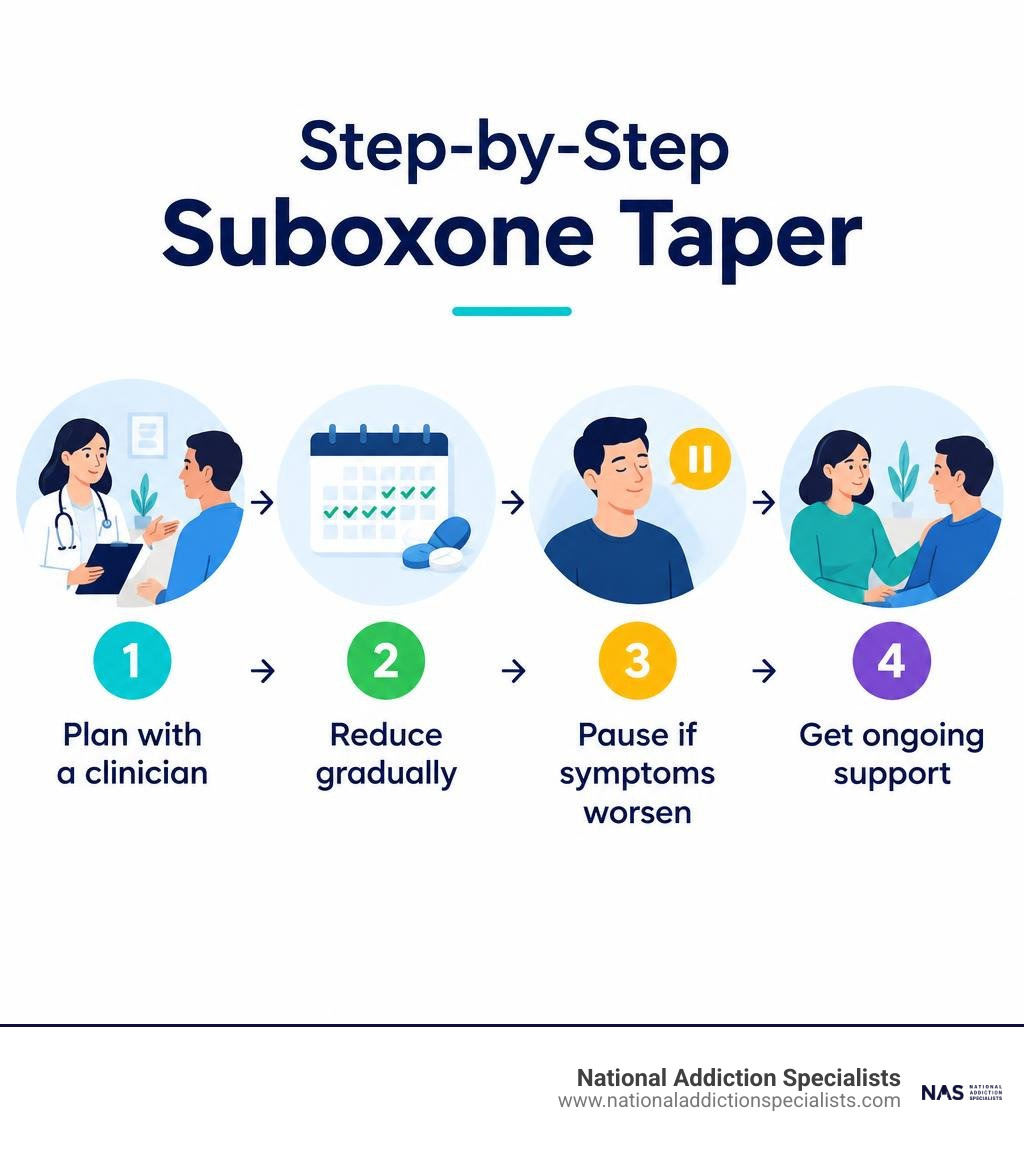
The safest way to reduce Suboxone withdrawal is to taper slowly with a clinician. Agree on a dose-reduction plan, stay at each dose until you feel stable, and tell your clinician if symptoms become hard to manage. They can slow the taper or help treat symptoms. No plan can promise zero withdrawal, and you do not need to stop Suboxone on a set deadline.
Suboxone helps treat opioid use disorder, but your body can become physically dependent on it. Stopping suddenly may cause withdrawal and raise the risk of returning to opioid use. A gradual, flexible plan gives you more room to protect your health and daily routine.
I’m Chad Elkin, MD, founder and medical director of National Addiction Specialists and board-certified in addiction medicine and internal medicine. My work treating opioid use disorder shapes how I help people who ask how to get off Suboxone without withdrawal plan a safer taper.
How to get off suboxone without withdrawal definitions:
For broader context on medication-assisted treatment, the Substance Abuse and Mental Health Services Administration explains how buprenorphine fits into evidence-based opioid use disorder care.
Understanding Buprenorphine and Why Withdrawal Occurs

Suboxone is a combination medication containing buprenorphine and naloxone. Buprenorphine is a partial opioid agonist with an exceptionally high binding affinity for the brain’s mu-opioid receptors. It grips those receptors tightly, displaces full opioids, and activates them just enough to suppress cravings and prevent sickness without producing the intense high associated with illicit substances.
Because buprenorphine has a long elimination half-life—averaging 24 to 42 hours—it stays in your system for an extended period. Over weeks, months, or years of maintenance therapy, your central nervous system adapts to its steady presence. This natural physical adaptation is distinct from psychological addiction; it simply means your brain cells rely on the medication to maintain baseline equilibrium.
When you suddenly stop taking buprenorphine, the receptors empty faster than your brain can naturally restore its own neurochemical balance. This sudden deficit triggers classic physical and psychological withdrawal symptoms: chills, muscle aches, insomnia, nausea, restlessness, and anxiety. Clinical research shows that gradual tapering of buprenorphine reduces the severity of withdrawal by up to 60% compared to abrupt cessation. Understanding how to taper off Suboxone safely empowers you to work with your body’s neurobiology rather than against it.
Step-by-Step: How to Get Off Suboxone Without Withdrawal
Achieving a comfortable taper requires patience, structure, and clinical collaboration. The primary objective is to lower your daily dosage at a rate that allows your opioid receptors to gradually adjust, avoiding severe discomfort.
Clinical data demonstrates that patients using a 10% dose reduction per week protocol report a 40% lower incidence of moderate-to-severe withdrawal symptoms compared to those who cut their dose in half abruptly. Furthermore, up to 75% of individuals who taper over an extended timeframe experience minimal withdrawal symptoms compared to rapid discontinuation schedules.
Below is a direct comparison between slow, structured tapering protocols and rapid cessation methods:
| Criteria | Gradual Outpatient Taper | Abrupt Cessation (“Cold Turkey”) |
|---|---|---|
| Typical Duration | 2 to 12 months (customized) | Immediate discontinuation |
| Withdrawal Severity | Mild, manageable, or absent | Severe, intense, and acute |
| Relapse Risk | Significantly lower | High due to overwhelming symptoms |
| Daily Functionality | Preserved (work, family, routines) | Severely disrupted for weeks |
| Medical Oversight | Ongoing provider adjustments | Unmonitored |
Navigating this transition requires established buprenorphine tapering schedules customized to your starting dose, metabolic rate, and personal treatment timeline.
Medical Protocols: How to Get Off Suboxone Without Withdrawal Safely
In our clinical practice, we structure tapering into distinct phases. We never recommend cutting doses based on arbitrary calendar dates alone; rather, we let your physical stability dictate the pace.
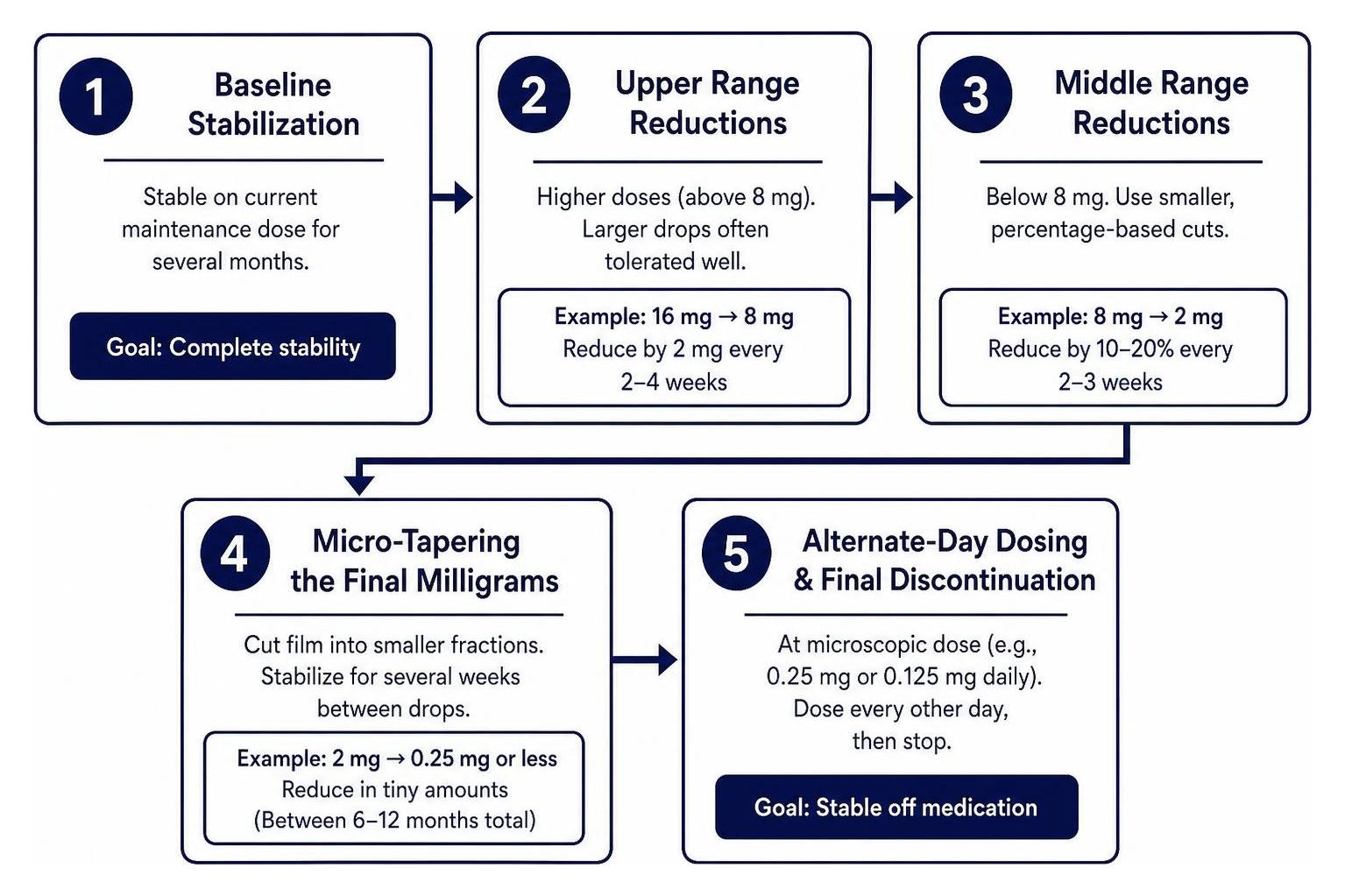
- Initial Evaluation & Baseline Stabilization: Before reducing your dose, you should be completely stable on your current maintenance dose for at least several months, free from cravings or illicit opioid use.
- The Upper Range Reductions (e.g., 16 mg down to 8 mg): Because receptor saturation remains relatively high above 8 mg, larger milligram drops (such as reducing by 2 mg every two to four weeks) are often well-tolerated without noticeable symptoms.
- The Middle Range Reductions (e.g., 8 mg down to 2 mg): As you drop below 8 mg, receptor occupancy drops more steeply. Dose reductions should shift to percentage-based cuts (10% to 20% every two to three weeks).
- Micro-Tapering the Final Milligrams (e.g., 2 mg down to 0.25 mg or less): The hardest step for many patients is stepping off the final 2 mg. We use micro-reduction strategies, cutting film strips into precise smaller fractions and stabilizing for several weeks between drops. Approximately 30–50% of patients who undergo a slow sublingual buprenorphine taper over 6–12 months successfully stop without significant withdrawal.
- Alternate-Day Dosing & Final Discontinuation: Once stabilized at a microscopic dose (such as 0.25 mg or 0.125 mg daily), some patients take their dose every other day for a short period before stopping completely.
For an exhaustive breakdown of micro-titrations and dosing schedules, consult our Suboxone withdrawal taper complete guide.
Make an Appointment to Treat Addiction Please don’t hesitate. Make an appointment today.
Lifestyle Strategies: How to Get Off Suboxone Without Withdrawal Symptoms
Medical adjustments are most effective when paired with positive lifestyle changes. Holistic physical and emotional habits provide a vital buffer against baseline stress while your brain rebalances its natural endorphin production.
- Targeted Nutrition and Hydration: Suboxone tapering can occasionally cause gastrointestinal sensitivity. Focus on anti-inflammatory whole foods, lean proteins, leafy greens, and complex carbohydrates to stabilize blood sugar. Drink plenty of electrolyte-rich fluids daily.
- Sleep Hygiene Optimization: Sleep disturbances are among the most common complaints during dose adjustments. Maintain a strict sleep schedule, eliminate screens one hour before bed, and keep your sleeping environment cool and dark.
- Low-Impact Cardiovascular Exercise: Regular physical activity stimulates natural endorphin release. Activities like walking, light jogging, swimming, or yoga help relieve restless legs, reduce muscle stiffness, and improve mood.
- Mindfulness and Stress Management: Somatic practices like deep breathing exercises, progressive muscle relaxation, and meditation quiet an overactive sympathetic nervous system during dose drops.
- Therapy and Community Support: Emotional support is essential. Individual therapy, cognitive behavioral techniques (CBT), and peer recovery groups provide accountability, structure, and safe spaces to process anxiety.
Comfort Medications and Clinical Withdrawal Support
Even with a slow taper, mild baseline friction can occasionally occur. Rather than enduring sleep disturbances or physical agitation, evidence-based non-opioid comfort medications can alleviate symptoms.
- Alpha-2 Adrenergic Agonists (Clonidine and Lofexidine): These medications calm the central sympathetic nervous system, lowering blood pressure and heart rate to relieve sweating, hot flashes, chills, and anxiety. Clinical trials indicate that adding clonidine or lofexidine during Suboxone tapering reduces withdrawal symptom scores by 35–50%.
- Gabapentin: Prescribed under careful medical supervision, gabapentin can help manage restless leg syndrome, nerve discomfort, and taper-related insomnia.
- Gastrointestinal Agents: Medications such as ondansetron (for nausea) and loperamide (for loose stools) target common stomach issues directly.
- Non-Steroidal Anti-Inflammatory Drugs (NSAIDs): Standard pain relievers like ibuprofen or naproxen alleviate minor muscle aches and joint stiffness.
Explore our comprehensive breakdown of medications for Suboxone withdrawal and review our guide to Suboxone withdrawal relief for clinical strategies to manage individual symptoms.
Expected Suboxone Withdrawal Timeline and Milestones
Because buprenorphine is slow-acting and long-lasting, any withdrawal symptoms that do emerge unfold on a delayed timeline compared to short-acting opioids like heroin or oxycodone.
- Days 1 to 3 (Onset): Due to buprenorphine’s long half-life, significant symptoms rarely appear on the first day. Mild yawning, slight restlessness, and minor fatigue may begin to surface toward the end of Day 2 or 3.
- Days 4 to 7 (Peak Acute Phase): Physical symptoms generally reach their peak during this window. You might experience temperature fluctuations, disrupted sleep, mild body aches, and digestive changes. Comfort medications are most helpful during these days.
- Days 8 to 14 (Subsiding Symptoms): Physical discomfort begins to fade significantly. Energy levels start to rebound, appetite returns, and gastrointestinal symptoms normalize.
- Weeks 3 to 6 and Beyond (Post-Acute Phase / PAWS): While acute physical symptoms resolve, some individuals experience Post-Acute Withdrawal Syndrome (PAWS). This can involve occasional mood swings, mild brain fog, low motivation, or intermittent cravings as the brain re-establishes normal dopamine signaling.
To review every milestone in detail, explore our Suboxone withdrawal timeline and read our insights on managing symptoms after a taper.
Frequently Asked Questions About Suboxone Tapering
How long does a standard Suboxone taper take?
There is no universal timeline for tapering off buprenorphine. Depending on your initial dose, metabolism, and lifestyle stability, a safe taper can take anywhere from a few months to over a year. Clinical evidence highlights that slow, flexible tapers over 6 to 12 months yield the highest rates of long-term success. Read our guide to Suboxone tapering for practical pacing strategies.
Can comfort medications eliminate all withdrawal symptoms?
Comfort medications cannot magically rewrite your brain chemistry, but they can suppress sympathetic nervous system overdrive. Medications like clonidine, anti-nausea treatments, and mild sleep aids often smooth out physical discomfort so you can sleep, work, and maintain daily routines without severe disruption.
What should I do if withdrawal symptoms become severe during a taper?
If symptoms become uncomfortable, stop reducing your dose immediately and speak with your medical provider. The standard clinical protocol is to pause the taper and maintain your current dose until your body restabilizes, or temporarily step back to the previous comfortable dose. A taper is never a race; taking a brief pause protects your recovery.
Conclusion
Stepping off buprenorphine is a major milestone in your recovery journey. By collaborating with experienced medical providers, taking small and measured steps, using supportive medications when necessary, and maintaining healthy lifestyle habits, you can transition off medication smoothly and safely.
At National Addiction Specialists, we provide personalized, compassionate telemedicine care for individuals across Tennessee and Virginia. Whether you are beginning maintenance therapy or planning your gradual taper, our board-certified providers are here to support you every step of the way from the privacy and comfort of your home. To discover how our team can guide your care, explore comprehensive Suboxone treatment options with us today.
Suboxone® and Subutex® are a registered trademark of Indivior UK Limited. Any mention and reference of Suboxone® and Subutex® in this website is for informational purposes only and is not an endorsement or sponsorship by Indivior UK Limited.
This article was medically reviewed by: Chad Elkin, MD, DFASAM is a board-certified addiction medicine physician, founder, and Chief Medical Officer of National Addiction Specialists, dedicated to treating substance use disorders. A Distinguished Fellow of the American Society of Addiction Medicine (ASAM), Dr Elkin currently serves as President of the Tennessee Society of Addiction Medicine (TNSAM) and has held various leadership roles within the organization. Dr Elkin chairs ASAM’s Health Technology Subcommittee and is an active member of its Practice Management and Regulatory Affairs Committee, State Advocacy and Legislative Affairs Committee, and other committees. He also serves on the planning committee for the Vanderbilt Mid-South Addiction Conference. Committed to advancing evidence-based policy, Dr Elkin is Chairman of the Tennessee Association of Alcohol, Drug, & Other Addiction Services (TAADAS) Addiction Medicine Council, which collaborates with the TN Department of Mental Health & Substance Abuse Services (TDMHSAS). He has contributed to numerous local, state, and national task forces, helping develop professional guidelines, policies, and laws that align with best practices in addiction medicine. His work focuses on reducing addiction-related harm, combating stigma, and ensuring access to effective treatment.Passionate about the field of addiction medicine, he remains dedicated to shaping policy and enhancing patient care.