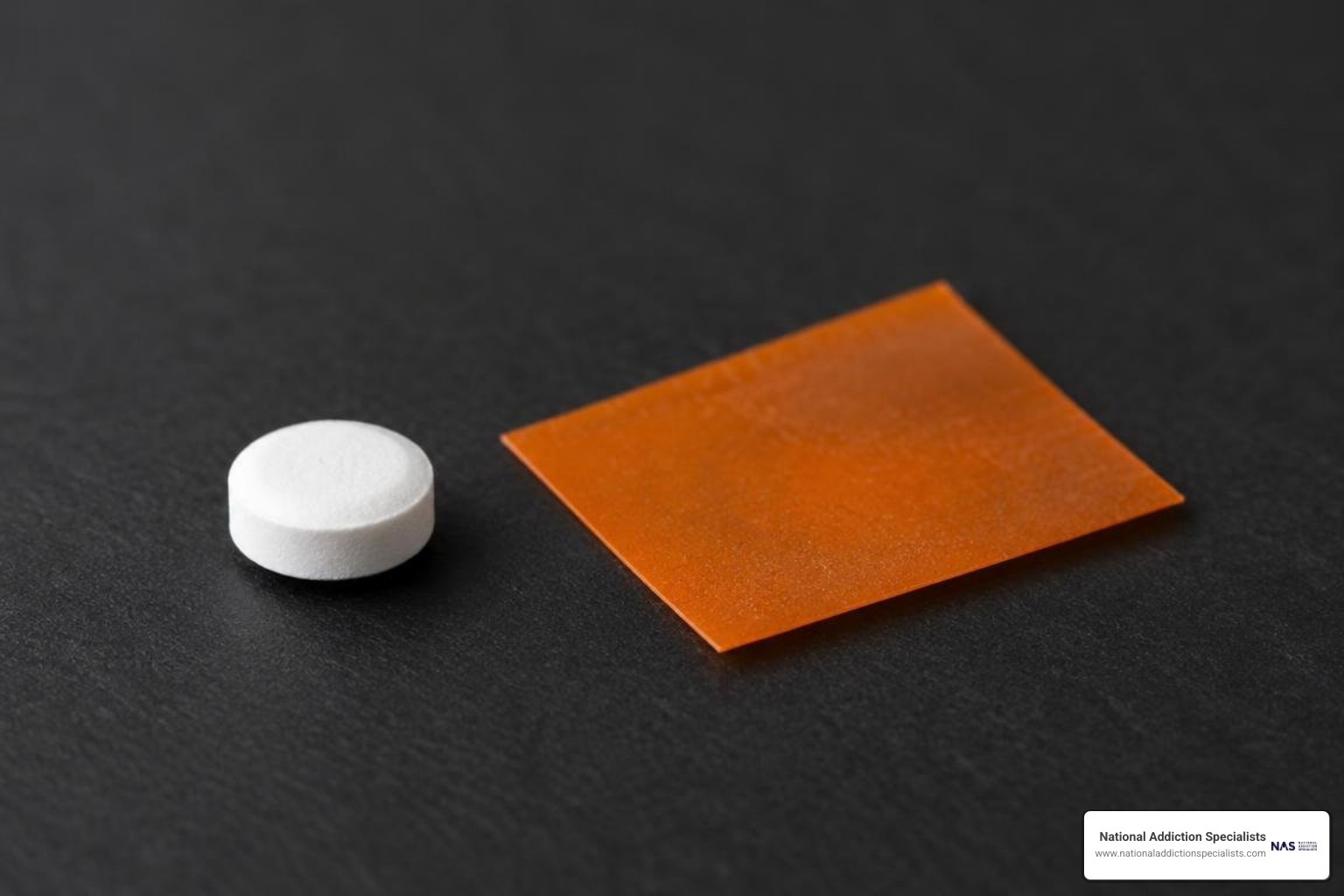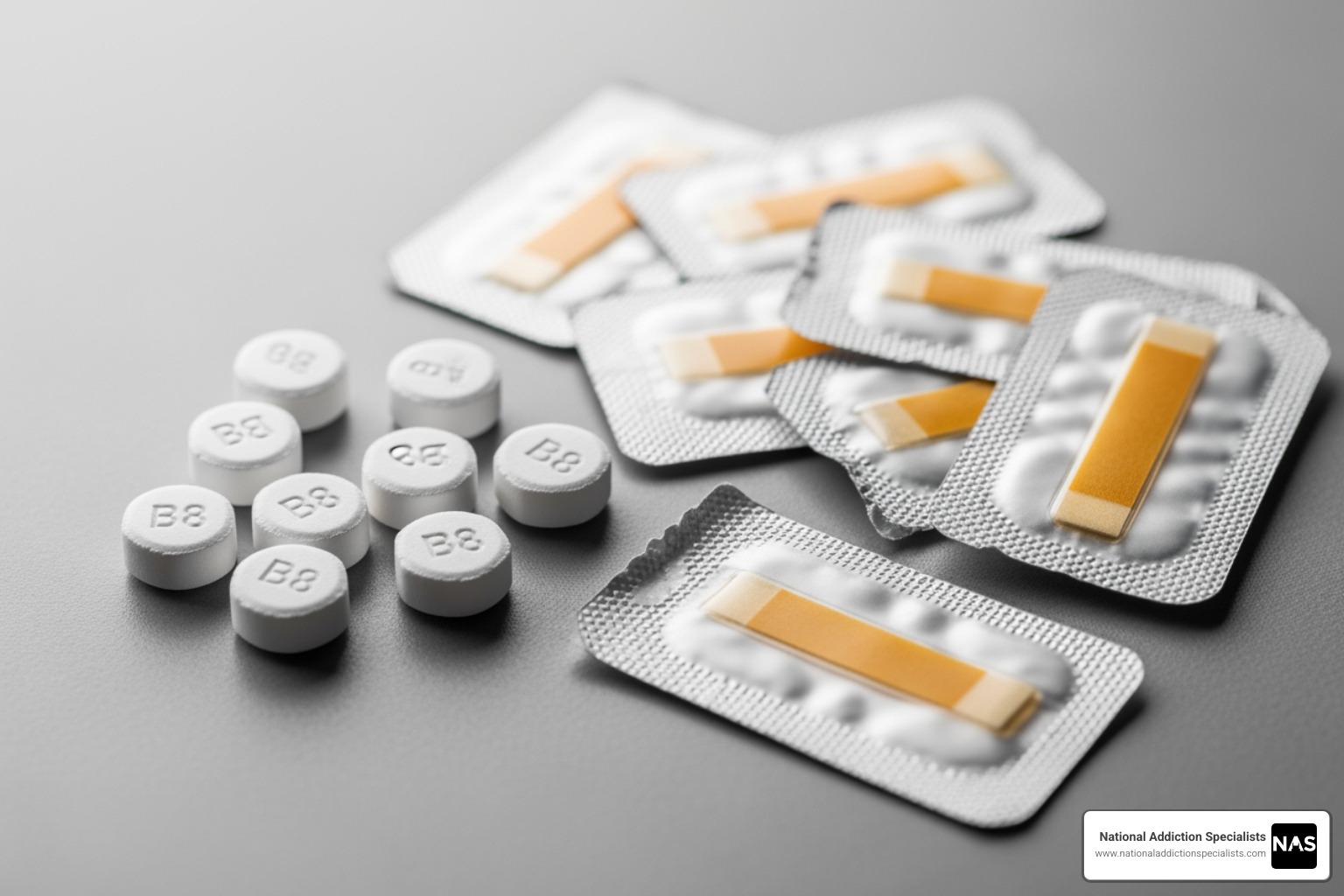
Beyond the High: Why Subutex and Suboxone Aren’t for Recreational Use
Understanding Medications vs. Misuse: The Truth About Buprenorphine
The topic of subutex vs suboxone abuse is critical for anyone using these medications for opioid addiction treatment. Both are powerful tools, but they have key differences in their potential for misuse.
Key Differences in Abuse Potential:
- Subutex (buprenorphine only): Higher misuse risk as it lacks an abuse deterrent. It can be crushed and injected for a mild opioid effect.
- Suboxone (buprenorphine + naloxone): Lower misuse risk. The naloxone causes immediate withdrawal symptoms if injected or snorted.
- Both Medications: As partial opioid agonists, they have a “ceiling effect” that limits euphoria compared to full opioids like heroin.
- Proper Use: When used as prescribed, both are safe, effective treatments that reduce cravings and prevent withdrawal without a significant high.
- Misuse Dangers: Injecting either medication risks vein damage, infections, and overdose, especially when mixed with alcohol or benzodiazepines.
Bottom line: These medications are for treatment, not recreation. Suboxone’s naloxone component makes it significantly harder to abuse.
Both Subutex and Suboxone contain buprenorphine, a partial opioid agonist that treats opioid use disorder (OUD) by reducing cravings and withdrawal symptoms. Unlike heroin or fentanyl, buprenorphine has a “ceiling effect,” making it safer and less euphoric. The main difference is that Suboxone adds naloxone, an opioid blocker that triggers immediate, unpleasant withdrawal if the medication is injected or snorted, deterring misuse.
While misuse does occur—prompting the DEA to reclassify buprenorphine to Schedule III—it’s often misunderstood. One study found that 64% of people using buprenorphine without a prescription were self-medicating because they couldn’t access or afford treatment. They were trying to manage withdrawal, not get high. This suggests diversion is often driven by a lack of access to care.
When used correctly in Medication-Assisted Treatment (MAT), Subutex and Suboxone are lifesaving, reducing overdose deaths by about 50%. MAT combines these medications with counseling to address the physical and psychological aspects of addiction.
I’m Dr. Chad Elkin, a board-certified addiction medicine physician and founder of National Addiction Specialists. I’ve spent years helping patients understand the realities of subutex vs suboxone abuse and guiding them toward safe recovery. Proper MAT transforms lives, and my goal is to clear up misinformation that creates barriers to care.
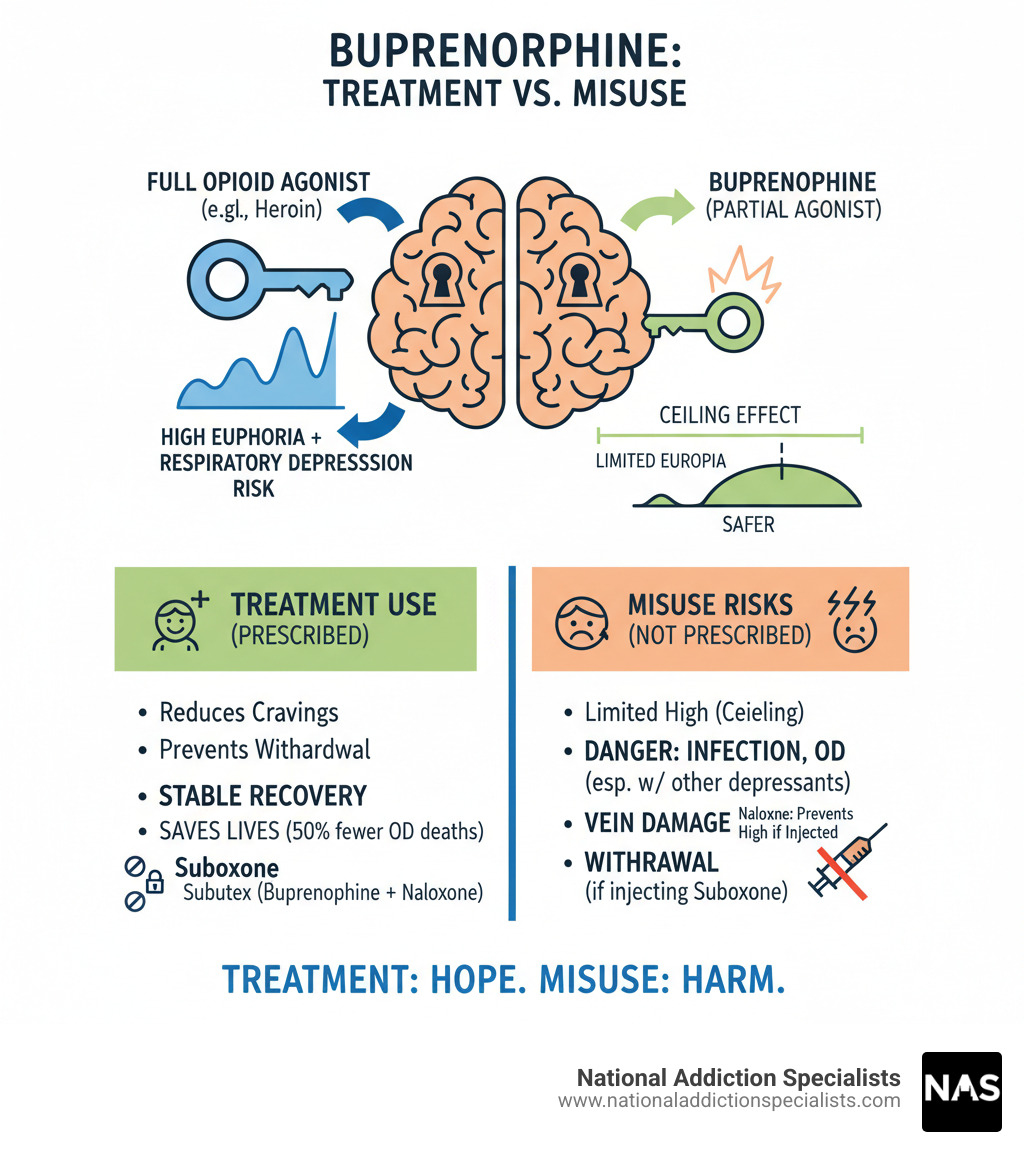
Quick subutex vs suboxone abuse definitions:
Subutex vs. Suboxone: What’s the Core Difference?
When exploring treatment for opioid use disorder, understanding the subutex vs suboxone abuse potential is key. The core distinction is simple: Subutex contains only buprenorphine, while Suboxone contains both buprenorphine and naloxone. This one-ingredient difference has major implications for safety and use.
Buprenorphine is a partial opioid agonist. It partially activates the same brain receptors as heroin or oxycodone, but without the intense rush. This effect is strong enough to stop cravings and withdrawal but has a “ceiling,” making it much safer than full opioids.
Naloxone is an opioid antagonist (an opioid blocker), known as the overdose-reversal drug Narcan. In Suboxone, it acts as an abuse-deterrent, a built-in security system against misuse.
For a deeper dive into how these two medications compare, check out our detailed guide on Suboxone vs. Subutex.
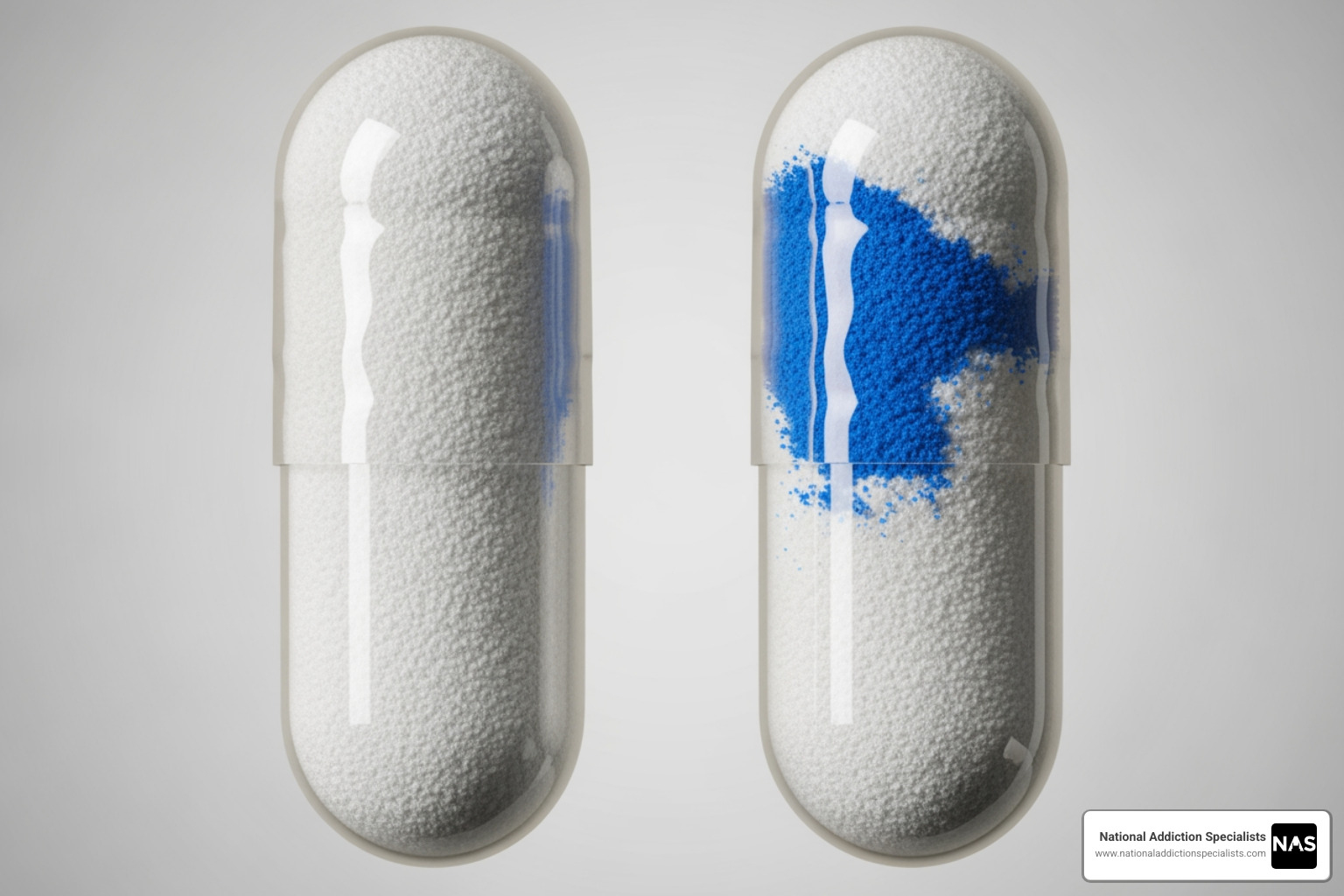
How Buprenorphine Works
Buprenorphine attaches to the brain’s opioid receptors, which have been hijacked by addiction. By only partially activating them, it satisfies the brain’s need just enough to prevent withdrawal symptoms and reduce cravings without causing a significant high.
Buprenorphine also has a ceiling effect: after a certain dose, taking more does not increase the opioid effects. This is a crucial safety feature that dramatically lowers the overdose risk compared to full opioids. It quiets the noise of addiction, giving you the mental space to focus on recovery.
Want to understand more about the science behind this treatment? Visit our guide on how Suboxone treatment works.
The Role of Naloxone in Suboxone
The naloxone in Suboxone is designed to discourage injection or snorting. When you take Suboxone as prescribed (dissolved under the tongue), the naloxone has low sublingual bioavailability, meaning very little enters your bloodstream. It remains inactive while the buprenorphine works.
However, if someone injects or snorts Suboxone, the naloxone has high intravenous bioavailability and enters the bloodstream rapidly. In an opioid-dependent person, this triggers immediate and severe precipitated withdrawal—intense nausea, sweating, anxiety, and discomfort.
This unpleasant experience strongly discourages injection. Studies show that people who tried injecting Suboxone described it as a “bad experience” they wouldn’t repeat. This protective feature is why Suboxone is preferred for maintenance treatment, offering an extra layer of safety against misuse. The FDA’s recent approval of an over-the-counter naloxone nasal spray further highlights the importance of this life-saving medication.
Understanding the Risks: A Look at Subutex vs Suboxone Abuse
While subutex vs suboxone abuse is a concern, the reality is complex. Many who use these drugs without a prescription are not seeking a high but are self-medicating to avoid withdrawal due to a lack of access to care. However, as Schedule III drugs, both have misuse potential. The greatest risks arise from trying to achieve euphoria by injecting or snorting them, or through polysubstance use—mixing them with alcohol or benzodiazepines, which dramatically increases overdose risk.
Buprenorphine’s euphoria potential is limited by its ceiling effect. While someone with no opioid tolerance might feel mild effects, a person with significant tolerance likely won’t feel a “high” at all. This is why diversion is often for self-treatment, not recreation.
Why Subutex Has a Higher Potential for Abuse
Subutex, a buprenorphine-only medication, has a higher misuse risk because it lacks the abuse deterrent found in Suboxone. Without naloxone, individuals could inject or snort Subutex to achieve a milder opioid high without triggering immediate withdrawal. This led to widespread misuse in places like Finland and contributed to the original brand-name Subutex being discontinued in the U.S. in 2011.
Generic buprenorphine-only products are still prescribed under careful supervision for specific cases, such as during pregnancy or for patients with a naloxone sensitivity. For more information about treatment approaches, visit our page on opioid addiction treatment.
Can You Get High From Suboxone?
Suboxone is designed to make getting high difficult and unpleasant. When taken sublingually as prescribed, it provides limited euphoria and is not a typical opioid high, thanks to its ceiling effect.
If someone tries to inject or snort it, the naloxone activates, triggering immediate and severe precipitated withdrawal symptoms like nausea, muscle aches, and intense anxiety. Research confirms this is a “bad experience” that serves as a powerful deterrent. While a person with no opioid tolerance might feel some effects, for those with opioid dependence, trying to misuse Suboxone is a recipe for misery, not euphoria. For concerns about what happens when these medications are misused, please refer to our information on overdosing on Suboxone.
Injection and Snorting: The Heightened Dangers of Subutex vs Suboxone Abuse
Injecting or snorting any medication not designed for it is extremely dangerous. The risks include:
- Severe Infections: Using non-sterile needles can cause skin abscesses and endocarditis, a life-threatening heart infection.
- Vein Damage: Repeated injections can lead to collapsed veins and chronic pain.
- Bloodborne Diseases: Sharing needles spreads HIV, Hepatitis B, and Hepatitis C.
- Precipitated Withdrawal (Suboxone): Injecting or snorting Suboxone causes immediate, severe withdrawal due to the naloxone.
- Increased Overdose Risk: The greatest danger is mixing buprenorphine with other central nervous system depressants like alcohol or benzodiazepines. This combination can cause fatal respiratory depression (breathing to slow or stop).
These medications are lifesaving tools when used as prescribed but become potentially deadly when misused.
Make an Appointment to Treat Addiction
Please don’t hesitate. Make an appointment today.
Proper Use in Medication-Assisted Treatment (MAT)
The discussion of subutex vs suboxone abuse must include their intended purpose: saving lives through Medication-Assisted Treatment (MAT). Used under medical supervision, these medications are powerful allies for recovery.

MAT is a comprehensive approach combining medication with counseling and behavioral therapies. The medication manages the physical side of addiction (cravings, withdrawal), while therapy addresses the psychological and social factors. Treatment involves an induction phase to start the medication safely and a maintenance phase for long-term stability, all under a provider’s care. This structured, personalized method is a proven path to recovery. For more information, explore our page on Medication Assisted Treatment.
Recommended Uses and Patient Populations
While Suboxone is the standard for most patients due to its safety features, buprenorphine-only formulations (like generic Subutex) are vital in specific cases:
- Initial Treatment Induction: Sometimes used to stabilize a patient before switching to Suboxone.
- Pregnant Individuals: Buprenorphine-only is the preferred choice during pregnancy to minimize any potential risk to the developing baby.
- Patients with Naloxone Sensitivity: A rare but important reason to use a buprenorphine-only product.
For most patients in long-term maintenance, Suboxone is the safer choice. We personalize treatment to fit each patient’s unique health needs. Learn more about the benefits of Suboxone treatment.
Common Side Effects and Risks
Both medications have potential side effects, though most are manageable. Common side effects include headache, nausea, constipation, drowsiness, and sweating. More serious risks like respiratory depression and liver problems are why medical supervision is critical.
The most severe risk is mixing buprenorphine with central nervous system depressants like alcohol or benzodiazepines. This combination can be fatal, causing severe respiratory depression. This is a critical danger we discuss with every patient. For more on this, see our page on the dangers of mixing Suboxone and alcohol.
Debunking Myths About Buprenorphine Treatment
Misinformation about buprenorphine creates barriers to care. Let’s clear up the biggest myths:
- Myth: “You’re just trading one addiction for another.” Reality: Buprenorphine is a legitimate medical treatment that normalizes brain chemistry, much like insulin for diabetes. It manages a chronic disease; it doesn’t create a new addiction. A Harvard Health article confirms this is a “stigmatizing” and false idea.
- Myth: “Suboxone is a short-term fix.” Reality: Opioid use disorder is a chronic condition. For many, long-term maintenance is the most effective strategy for preventing relapse. Treatment duration should be a decision between you and your doctor, not based on an arbitrary timeline.
- Myth: “People frequently abuse Suboxone.” Reality: Most diverted buprenorphine is used for self-treatment by people who can’t access care. The naloxone in Suboxone also makes it a poor choice for recreational misuse. The problem is a lack of access to treatment, not the medication itself.
Challenging these myths is key to helping more people find recovery. For more, see our page on myths about using Suboxone.
Make an Appointment to Treat Addiction
Please don’t hesitate. Make an appointment today.
Finding Safe and Effective Treatment
Finding the right treatment for opioid use disorder can be challenging due to stigma, cost, and lack of access. But effective, accessible treatment exists. The most successful approach combines medication like Suboxone with counseling and therapy to address the whole person. This comprehensive support system is essential for healing the physical, emotional, and psychological aspects of addiction.
You can learn more about accessible care on our page about online Suboxone doctors.
Why Professional Guidance is Non-Negotiable
Self-medicating or misusing powerful medications like Subutex and Suboxone is dangerous and can set back your recovery. Professional medical guidance is essential. A qualified addiction medicine physician provides:
- Personalized recovery plans custom to your unique history and goals.
- Accurate dosage management to control cravings and withdrawal safely.
- Monitoring for side effects and adjusting treatment as needed.
- Relapse prevention strategies and integration with counseling.
At National Addiction Specialists, we remove barriers to care by offering telehealth services for Suboxone treatment in Tennessee and Virginia. Get expert, confidential care from board-certified physicians from the privacy of your home. We accept both Medicaid and Medicare, making treatment more accessible. Your recovery journey matters, and we are here to provide the expert medical care and support that makes it possible.
To explore how our programs can support you, please visit our page on our Suboxone treatment programs.