Affordable Recovery: Comparing Subutex and Suboxone Costs
Understanding Your Medication Options for Recovery
Subutex vs Suboxone cost is a critical concern for anyone seeking treatment for opioid use disorder. Here’s what you need to know right away:
Quick Cost Comparison:
- Subutex (Generic Buprenorphine): $160-$450/month without insurance, $1-$25 copay with insurance
- Suboxone (Brand-Name): $200-$600/month without insurance
- Suboxone (Generic Buprenorphine/Naloxone): $72-$470/month without insurance, $1-$25 copay with insurance
- Key Difference: Generic buprenorphine/naloxone typically costs less than brand-name Suboxone and often less than Subutex
When you’re ready to start recovery, cost shouldn’t stand in your way. Both medications help reduce cravings and withdrawal symptoms, but their prices vary significantly based on whether you choose brand-name or generic versions, your insurance coverage, and where you fill your prescription.
Why the price difference matters: Suboxone contains two medications (buprenorphine plus naloxone to deter misuse), while Subutex contains only buprenorphine. Brand-name Suboxone film strips cost more than generic tablets. Subutex was discontinued in the U.S. in 2011, but generic buprenorphine tablets remain available.
I’m Chad Elkin, a board-certified addiction medicine physician and founder of National Addiction Specialists, and I’ve helped thousands of patients steer the Subutex vs Suboxone cost question to find affordable treatment that fits their budget and recovery needs. I’ll break down exactly what you’ll pay and how to save money on your medication.
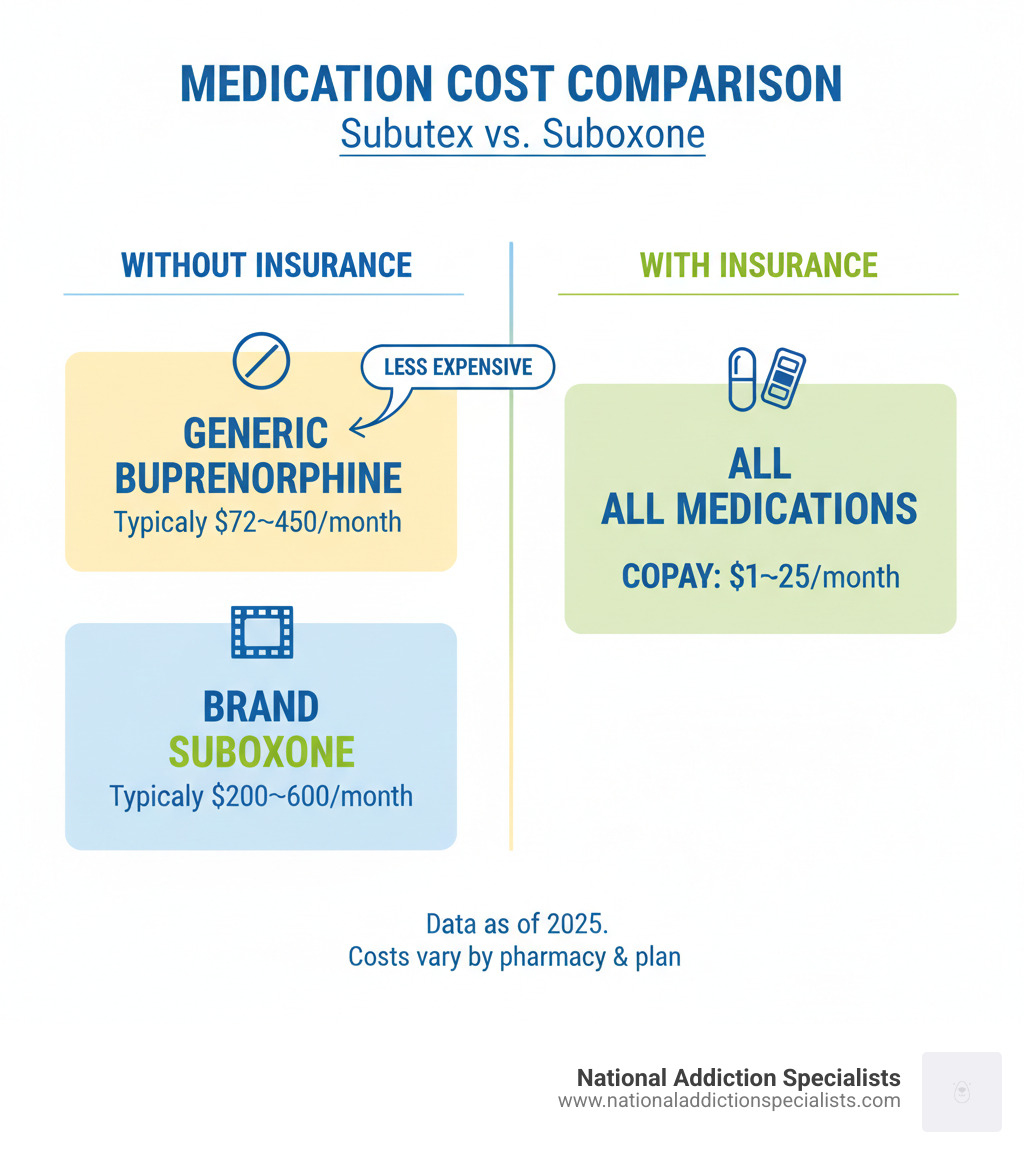
Subutex vs Suboxone cost basics:
Cash Price Breakdown: Subutex vs. Suboxone Cost Without Insurance
If you don’t have health insurance, understanding the out-of-pocket costs becomes even more important. The Subutex vs Suboxone cost can vary quite a bit depending on which medication you choose, and for many people starting their recovery journey, these numbers matter a lot.
Let me walk you through what you can expect to pay.
Average Monthly Cost of Subutex (Generic Buprenorphine)
When we talk about Subutex today, we’re really talking about generic buprenorphine sublingual tablets. The brand-name Subutex was discontinued back in 2011, but the generic versions work just the same and are widely available at pharmacies.
Without insurance, you’re looking at a monthly cost between $160 and $450 for generic buprenorphine. That’s a pretty wide range, I know. The actual price you’ll pay depends on several factors: which pharmacy you use, what dosage you’re prescribed, and how much your doctor recommends you take each day.
Here’s something helpful: pharmacy pricing varies significantly. I’ve seen patients pay very different amounts at different pharmacies in the same town. Some discount programs like GoodRx can bring the price down considerably—sometimes to around $21 for certain dosages, though this usually applies to lower doses or smaller quantities rather than a full month’s supply.
The dosage your doctor prescribes has a direct impact on price. Higher doses naturally cost more because you’re getting more medication. Most patients take between 8mg and 24mg daily, and your total monthly cost reflects that.
Average Monthly Cost of Suboxone (Brand and Generic)
Suboxone gets a bit more complicated because you have choices: brand-name or generic, and tablets or films. Let’s break it down.
Brand-name Suboxone (which comes as sublingual film strips) costs significantly more without insurance—typically $200 to $600 per month. That’s quite expensive, which is why many patients opt for generic versions instead.
The good news? Generic buprenorphine/naloxone is much more affordable. You can find monthly costs as low as $72 to $470, depending on whether you choose tablets or films and what dosage you need. Generic Suboxone films tend to run between $128 and $470 for a month’s supply, while generic tablets usually cost less.
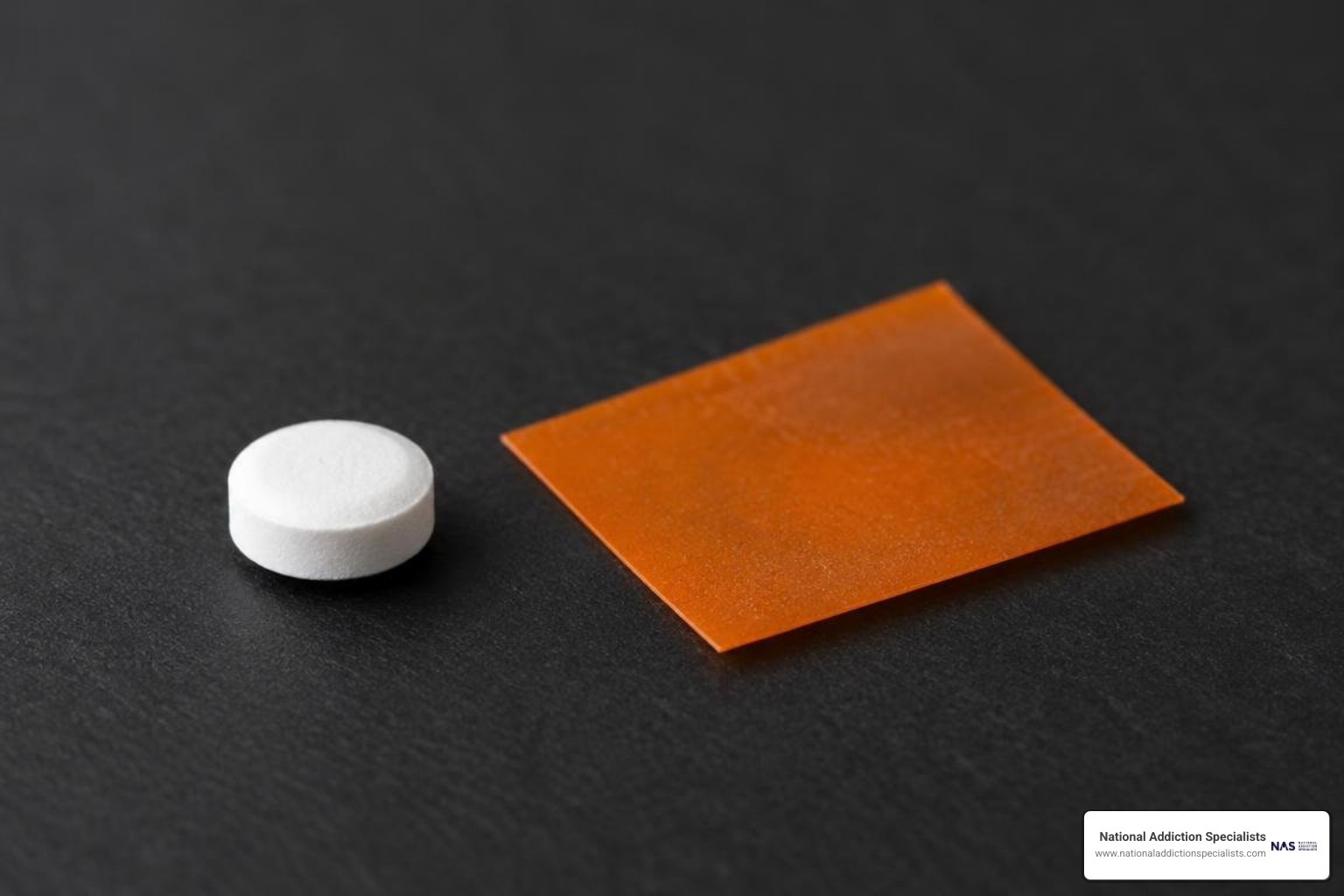
The difference between sublingual film and tablet formulations affects your wallet. Films are generally more expensive than tablets, even when comparing generics. Both work well—they just dissolve a bit differently under your tongue.
For a deeper dive into how these medications compare beyond just cost, check out our page on Suboxone vs Subutex.
How Dosage and Formulation Impact the Subutex vs Suboxone cost
Let’s get specific about how your prescription details affect what you’ll actually pay. Understanding this helps you have better conversations with your doctor about affordable options.
Higher dosages mean higher costs—that’s pretty straightforward. If you’re prescribed 16mg daily instead of 8mg, you’ll pay roughly twice as much. Your doctor will prescribe what you need for effective treatment, but it’s worth discussing if a lower dose might work for you.
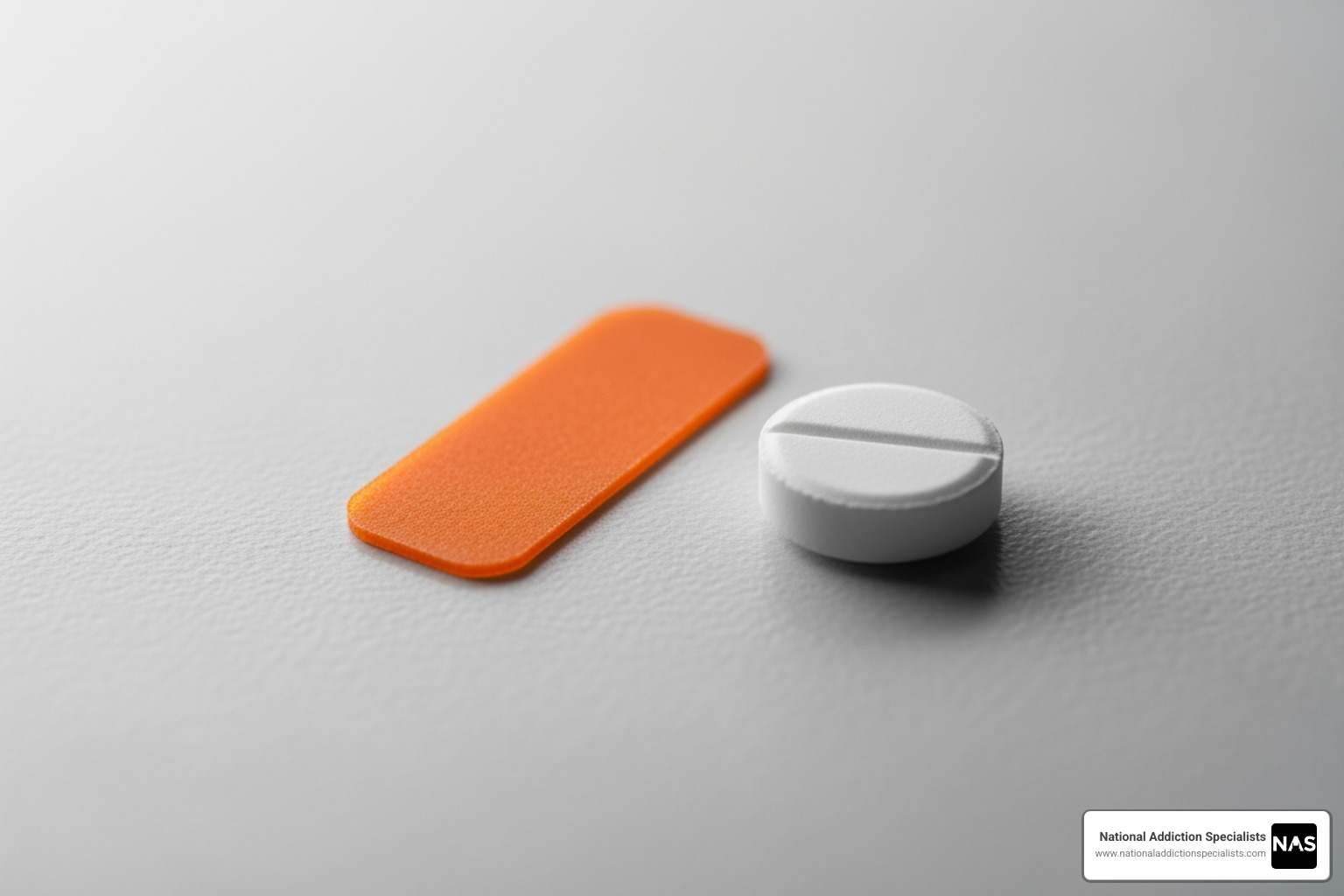
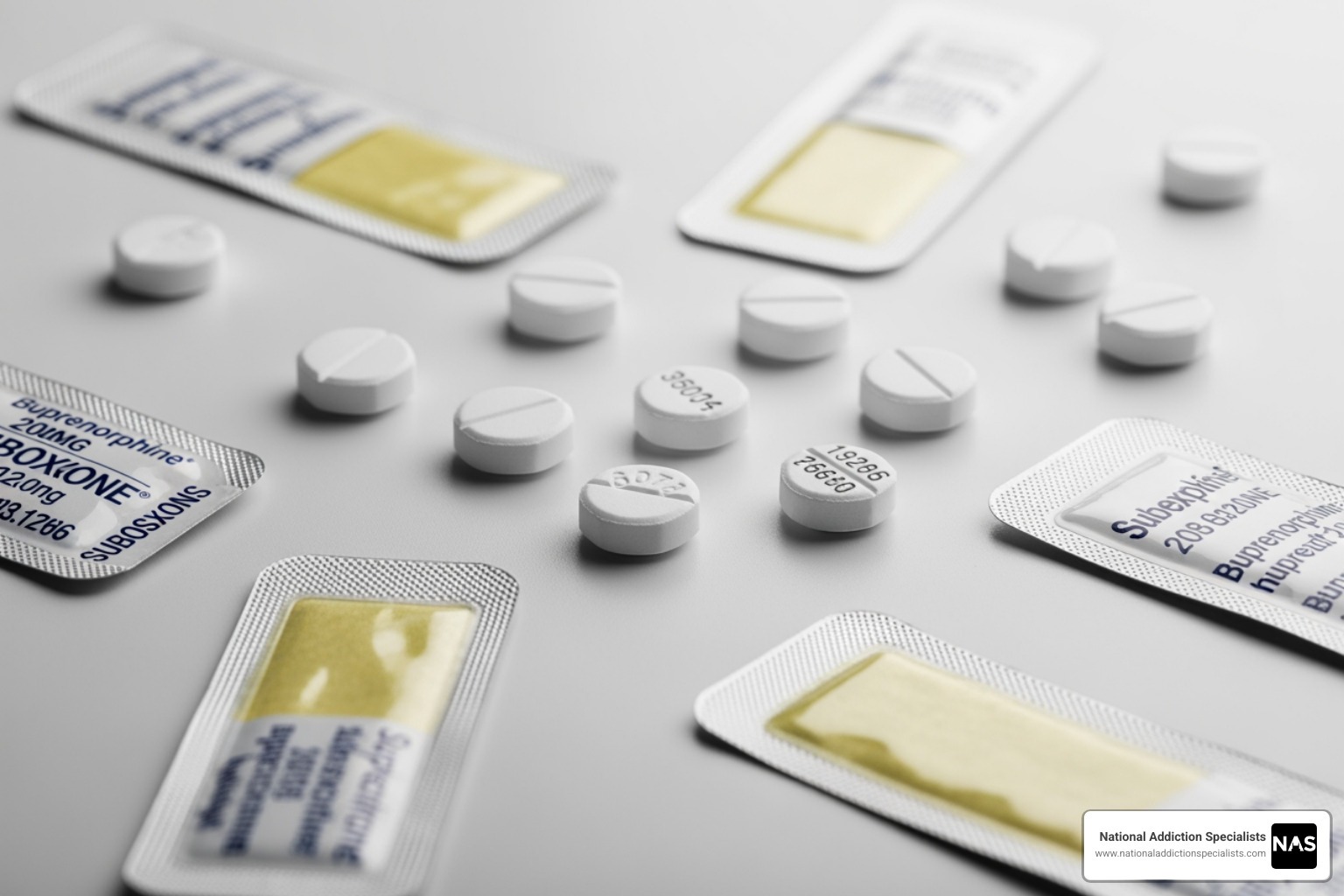
The tablet versus film decision makes a real difference in your monthly bill. Suboxone tablets (the generic buprenorphine/naloxone version) typically cost between $3 and $8 per unit without insurance. For lower daily doses, that translates to $90 to $240 monthly, while higher doses might run $360 to $480.
Suboxone film strips cost more. An 8mg strip might cost around $10, while a 16mg strip could be $20. If you’re taking medication daily, a 14-day supply could range from $60 to $250, putting your monthly cost somewhere between $360 and $600.
Some patients prefer films because of how they dissolve, while others find tablets work just fine and appreciate the cost savings. Patient preference matters, but so does your budget. There can also be slight absorption differences between the two formulations, though both are effective when used as prescribed.
Generic buprenorphine (what used to be called Subutex) comes only in tablet form, which is one reason it often costs less than brand-name Suboxone film.
The bottom line on Subutex vs Suboxone cost without insurance? Generic tablets—whether buprenorphine alone or buprenorphine/naloxone—are usually your most affordable option, with prices starting as low as $72 per month but potentially reaching $450 depending on your specific prescription.
The Impact of Insurance on Your Treatment Expenses
Here’s the good news: insurance can dramatically reduce the Subutex vs Suboxone cost you’ll actually pay. For most of our patients in Tennessee and Virginia, having insurance coverage transforms what could be a $200-$600 monthly expense into something far more manageable—often just $1 to $25 per month.
Understanding how your specific insurance plan covers these medications is essential to making your recovery journey affordable and sustainable.
Typical Coverage for Subutex and Suboxone
Most health insurance plans recognize medication-assisted treatment as medically necessary, which means they typically cover both generic buprenorphine (Subutex) and buprenorphine/naloxone (Suboxone). This includes Medicaid coverage, Medicare coverage, private insurance plans, and coverage through the Affordable Care Act (ACA).
If you have insurance, you’ll likely pay a copayment rather than the full cash price. These copays usually range from $1 to $25 per prescription, depending on your specific plan and whether you’re using generic or brand-name medication. For our Tennessee and Virginia patients with Medicaid, the out-of-pocket costs are often at the lower end of this range—sometimes as little as $1 to $4 per month.
The Affordable Care Act has been a game-changer here. It mandates that most insurance providers cover addiction treatment services, including MAT medications. This means whether you have private insurance through your employer or public programs like Medicaid or Medicare, there’s a strong likelihood your medication will be covered.
To understand exactly how we work with your insurance and what you can expect to pay, visit our More info about insurance and pricing page. Our team handles the details so you can focus on recovery.
Navigating Prior Authorization and Formularies
Insurance coverage is wonderful, but it sometimes comes with a bit of paperwork and patience. You might encounter prior authorization requirements or find your medication needs to be on your plan’s formulary.
Prior authorization simply means your insurance company wants to review and approve your prescription before they’ll cover it. It sounds bureaucratic (because it is), but it’s a routine step. Your doctor—that’s us at National Addiction Specialists—will provide documentation explaining why Suboxone or buprenorphine is medically necessary for your treatment. We handle this process regularly, and while it might add a few days to getting your prescription filled, it’s typically straightforward.
Insurance formularies are essentially lists of medications your insurance plan covers. Think of them as your plan’s “approved medication menu.” Most formularies include both generic buprenorphine and generic buprenorphine/naloxone, but they often have preferred drug lists that favor generic versions over brand-name options. This makes sense from a cost perspective—generic medications work just as well but cost significantly less.
You might also encounter step therapy requirements, where your insurance asks you to try a less expensive medication first before they’ll cover a pricier alternative. For example, they might prefer you start with generic buprenorphine/naloxone tablets before approving brand-name Suboxone film.
The key to navigating all of this? Communicating with your provider—and that’s where we come in. Our team at National Addiction Specialists works with insurance companies every day. We know which medications are typically covered, how to handle prior authorizations efficiently, and how to advocate for the treatment that’s right for you. You shouldn’t have to become an insurance expert to get the care you need.
Practical Strategies for Reducing Your Medication Costs
Let’s be honest—even with insurance, paying for medication month after month can feel like a heavy burden. But here’s the good news: there are real, practical ways to bring those costs down. At National Addiction Specialists, we’ve helped hundreds of patients in Tennessee and Virginia find strategies that make their recovery journey financially sustainable. You don’t have to choose between affording treatment and affording life.
Leveraging Generic Versions for Maximum Savings
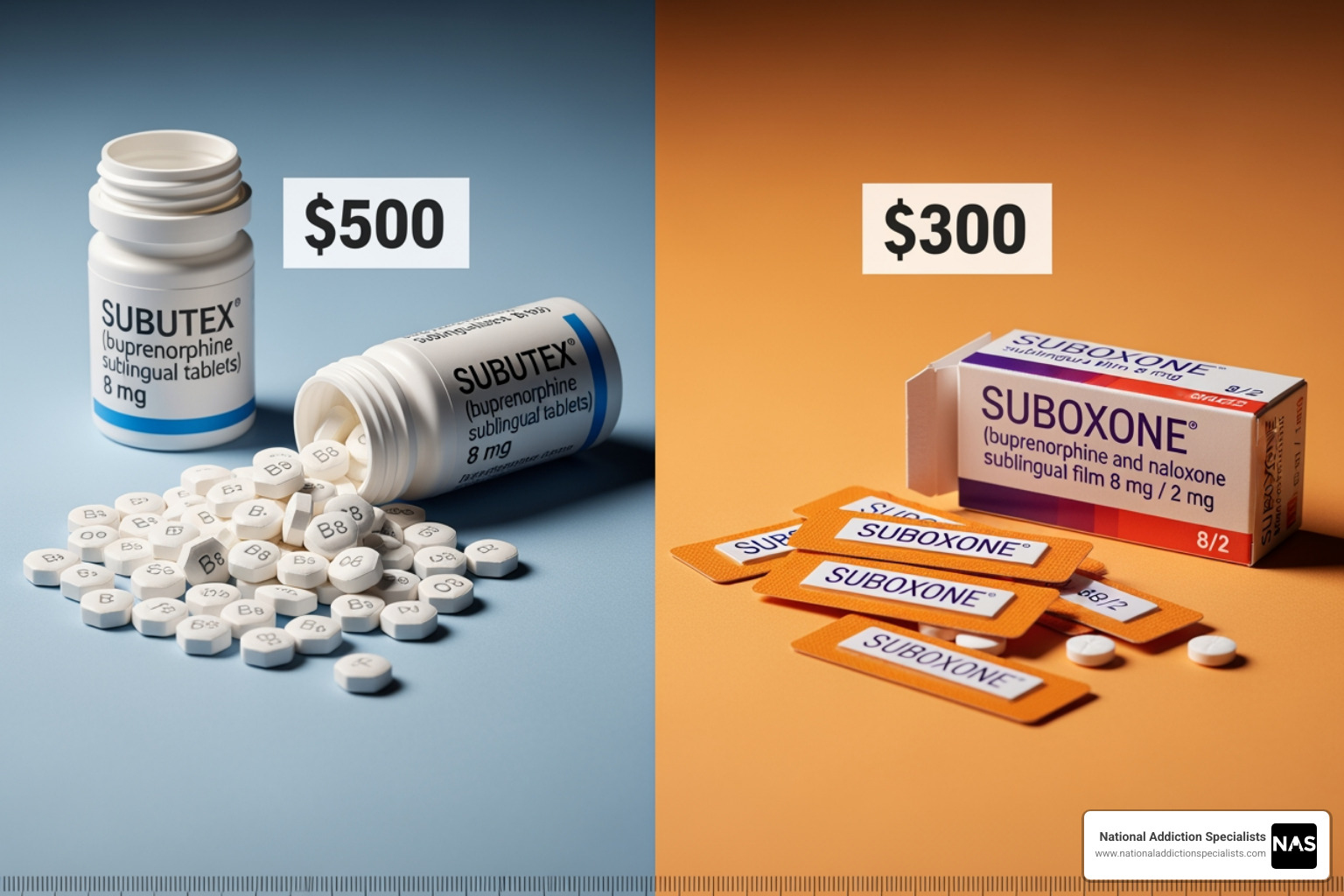
If you take away just one cost-saving tip from this article, let it be this: go generic whenever possible. Generic medications contain the exact same active ingredients as brand-name drugs, work just as effectively, and go through the same rigorous FDA approval process. The only real difference? The price tag.
Generic buprenorphine has been FDA-approved since October 2009. Even though brand-name Subutex was discontinued back in 2011, these generic sublingual tablets are still widely available and generally much more affordable than brand-name Suboxone. For many of our patients, this is the most cost-effective option.
Similarly, generic buprenorphine/naloxone (the generic version of Suboxone) has been FDA-approved since February 2013. These generic tablets—not the film strips—can cost as little as $72-$77 per month on average. That’s a significant savings compared to brand-name Suboxone film, which can run $500-$600 monthly without insurance.
The quality of your treatment doesn’t change when you switch to generic—only your out-of-pocket cost does. Talk with your provider about whether generic options are right for you. You can verify any FDA-approved generic medications using the FDA-approved generics information database if you want to double-check what’s available.
Finding Coupons and Patient Assistance Programs
Beyond choosing generic medications, there’s a whole ecosystem of savings programs designed to help people afford their prescriptions. You just need to know where to look.
Prescription discount cards like GoodRx, Optum Perks, and SingleCare can dramatically reduce the cash price you pay at the pharmacy. These services are free to use and can sometimes save you hundreds of dollars. GoodRx, for example, has helped many of our patients find the lowest prices at pharmacies in their area. Just show the coupon code at checkout.
Manufacturer savings programs are another valuable resource. The inSupport Copay Assistance Program specifically for Suboxone can cover up to $75 each month toward your copay if you have commercial insurance and meet eligibility requirements. Some manufacturer programs even offer savings for people paying cash. The catch? These programs typically exclude government insurance like Medicaid or Medicare, so always read the fine print.
For patients who are uninsured or have very low income, patient assistance programs (PAPs) can be life-changing. These programs, often run by pharmaceutical manufacturers, may provide free medication for up to a year for those who qualify. Helpful resources include NeedyMeds and the Medicine Assistance Tool, which let you search for programs based on your specific medication and financial situation.
Don’t feel embarrassed about using these resources—they exist precisely to help people like you access the treatment they need. Recovery shouldn’t be a luxury reserved for those who can easily afford it.
Considering Telemedicine for Overall Lower Treatment Costs
Here’s something many people don’t realize: the cost of treatment isn’t just about the medication itself. It’s also about getting to appointments, taking time off work, and all the other hidden expenses that add up over time. That’s where telemedicine becomes a game-changer for the Subutex vs Suboxone cost equation.
At National Addiction Specialists, we’ve watched telemedicine transform our patients’ lives—not just clinically, but financially. When you have your appointments from home, you’re saving on gas, vehicle wear and tear, and parking fees. For some of our rural patients in Tennessee and Virginia, that alone can mean $50-$100 in savings each month.
You’re also not losing wages because you don’t need to take time off work for appointments. A telemedicine visit can happen during your lunch break or before your shift starts. This flexibility means your treatment fits into your life instead of disrupting it.
Telemedicine consultation fees are often lower than traditional in-person visits, with smaller copayments for insured patients and more affordable rates for those paying cash. And beyond the dollars and cents, there’s something valuable about accessing expert care from the comfort and privacy of your own home. No waiting rooms, no judgment, no barriers.
This convenience isn’t just about saving money—it’s about making it easier to stick with your treatment long-term. When treatment is accessible and fits naturally into your routine, you’re more likely to stay on track. And staying on track means avoiding costly relapses and emergency room visits down the road.
Make an Appointment to Treat Addiction. Please don’t hesitate. Make an appointment today. https://www.nationaladdictionspecialists.com/new-patient-packet/
Broader Cost Comparison: Subutex and Suboxone in Context
To provide full context on the Subutex vs Suboxone cost question, it helps to see these medications side by side. While we focus on buprenorphine-based treatment at National Addiction Specialists, understanding the complete picture helps our patients in Tennessee and Virginia make informed decisions about their recovery journey.
The Detailed Subutex vs Suboxone Cost Comparison
Let’s bring all the cost information together in one clear comparison. Brand-name Subutex is no longer available in the U.S., so when we discuss “Subutex,” we’re referring to generic buprenorphine tablets.
| Medication Type | Average Monthly Cash Price (without insurance) | Typical Insurance Copay | Availability of Formulations |
|---|---|---|---|
| Subutex (Generic Buprenorphine) | $160 – $450 | $1 – $25 | Tablet |
| Suboxone (Brand-Name) | $200 – $600 | $1 – $25 | Film |
| Suboxone (Generic Buprenorphine/Naloxone) | $72 – $470 | $1 – $25 | Tablet, Film |
This table tells an important story: generic buprenorphine/naloxone (generic Suboxone) often offers the best value for cash-paying patients, with monthly costs starting as low as $72. Meanwhile, brand-name Suboxone film sits at the higher end of the price spectrum. The good news? If you have insurance, your copay is typically similar regardless of which medication you choose.
When we look at how these medications fit into the broader landscape of medication-assisted treatment, the value becomes even clearer. Extended-release injection options like Sublocade can cost around $550 per month, while implants like Probuphine may run about $249 monthly. Methadone costs vary widely—from $27 to $271 or more per month, depending on dosage and clinic fees. Naltrexone tablets might cost around $85 monthly. This context shows that oral buprenorphine medications are often among the most economical MAT options available.
The long-term cost picture is equally important to consider. Consistent adherence to your medication—whether it’s generic buprenorphine or generic buprenorphine/naloxone—can prevent expensive relapses, emergency room visits, and hospital stays. As you progress in recovery and stabilize, your doctor might be able to adjust your dosage, potentially lowering your monthly costs. Of course, any dosage changes should always happen under medical supervision.
It’s also worth noting that Suboxone’s naloxone component serves as a deterrent to misuse if the medication is injected, which could potentially reduce long-term costs associated with complications from intravenous drug use. While medication costs matter, MAT works best when combined with counseling and behavioral therapy. These additional services are an investment in your long-term recovery.
The availability of generic versions has been a game-changer for affordability. Generic buprenorphine has been FDA-approved since October 2009, and generic buprenorphine/naloxone tablets have been available since February 2013. These generics have steadily made essential addiction treatment more accessible and affordable for our patients throughout Tennessee and Virginia. While the original manufacturer discontinued brand-name Subutex in the U.S. in 2011, the robust generic market ensures that effective, affordable treatment remains within reach.
Understanding the Subutex vs Suboxone cost landscape empowers you to make the best decision for your recovery journey and your budget. The right medication is the one that fits your medical needs, your financial situation, and your long-term recovery goals.
Your Path to Affordable and Accessible Recovery
Understanding the Subutex vs Suboxone cost is just the beginning of your recovery journey. As we’ve explored throughout this article, the price you’ll pay depends on several key factors: whether you choose brand-name or generic medication, your insurance coverage, the dosage and formulation your doctor prescribes, and which cost-saving strategies you employ.
The good news? Treatment is more accessible than ever. Generic buprenorphine and generic buprenorphine/naloxone have made medication-assisted treatment affordable for many patients, with monthly costs as low as $72 with discount programs or just $1-$25 with insurance. The strategies we’ve discussed—choosing generics, using discount cards like GoodRx, exploring patient assistance programs, and considering telemedicine—can dramatically reduce your out-of-pocket expenses.

At National Addiction Specialists, we’re committed to making sure financial concerns don’t stand between you and recovery. We specialize in providing convenient, confidential telemedicine-based Suboxone treatment to patients throughout Tennessee and Virginia. Our approach means you can access expert care from the comfort and privacy of your own home, saving you time, travel expenses, and the stress of scheduling around work or family obligations.
We accept both Medicaid and Medicare, and we’ll work with you to steer insurance coverage, prior authorizations, and cost-saving options. Our expert providers understand that every patient’s situation is unique, and we’ll help you find a treatment plan that fits both your medical needs and your budget.
The long-term value of recovery extends far beyond the monthly medication cost. Freedom from opioid use disorder means regaining control of your life, rebuilding relationships, returning to work or school, and avoiding the devastating health and financial consequences of active addiction. When you consider the cost of emergency room visits, hospitalizations, lost productivity, and the immeasurable toll on your wellbeing and your loved ones, investing in treatment becomes not just affordable—it becomes essential.
Your recovery journey doesn’t have to wait. We’re here to guide you through every step, from your first consultation to achieving lasting sobriety through personalized medication-assisted treatment and counseling support.
Make an Appointment to Treat Addiction. Please don’t hesitate. Make an appointment today. https://www.nationaladdictionspecialists.com/new-patient-packet/
This article was medically reviewed by:
Chad Elkin, MD, DFASAM is a board-certified addiction medicine physician, founder, and Chief Medical Officer of National Addiction Specialists, dedicated to treating substance use disorders. A Distinguished Fellow of the American Society of Addiction Medicine (ASAM), Dr Elkin currently serves as President of the Tennessee Society of Addiction Medicine (TNSAM) and has held various leadership roles within the organization. Dr Elkin chairs ASAM’s Health Technology Subcommittee and is an active member of its Practice Management and Regulatory Affairs Committee, State Advocacy and Legislative Affairs Committee, and other committees. He also serves on the planning committee for the Vanderbilt Mid-South Addiction Conference. Committed to advancing evidence-based policy, Dr Elkin is Chairman of the Tennessee Association of Alcohol, Drug, & Other Addiction Services (TAADAS) Addiction Medicine Council, which collaborates with the TN Department of Mental Health & Substance Abuse Services (TDMHSAS). He has contributed to numerous local, state, and national task forces, helping develop professional guidelines, policies, and laws that align with best practices in addiction medicine. His work focuses on reducing addiction-related harm, combating stigma, and ensuring access to effective treatment. Passionate about the field of addiction medicine, he remains dedicated to shaping policy and enhancing patient care.
Suboxone® and Subutex® are a registered trademark of Indivior UK Limited. Any mention and reference of Suboxone® and Subutex® in this website is for informational purposes only and is not an endorsement or sponsorship by Indivior UK Limited.