Substance Abuse Disorder and How to Kick Its Butt
What Is Substance Abuse Disorder? A Quick, Clear Answer
Substance abuse disorder — more precisely called substance use disorder (SUD) — is a chronic brain disease where a person cannot control their use of a substance, even when it causes serious harm to their health, relationships, or daily life.
Here’s what you need to know at a glance:
| Key Fact | Detail |
|---|---|
| What it is | A chronic, treatable brain disease — not a moral failing |
| Who it affects | More than 1 in 6 Americans aged 12+ (2022 data) |
| How it’s diagnosed | 2 or more of 11 DSM-5 criteria within 12 months |
| Severity levels | Mild (2-3 symptoms), Moderate (4-5), Severe (6+) |
| Is recovery possible? | Yes — with the right treatment and support |
SUD can involve alcohol, opioids, stimulants, cannabis, tobacco, or other substances. It exists on a spectrum — from mild patterns of misuse all the way to severe addiction that takes over every part of a person’s life.
The science is clear: this is a disease, not a character flaw. Repeated substance use physically changes the brain’s reward system, making it harder and harder to stop — even when someone desperately wants to.
And here’s the most important thing to know: recovery is possible. Millions of people have reclaimed their lives with the right support.
I’m Chad Elkin, MD — board-certified in Addiction Medicine and founder of National Addiction Specialists — and I’ve spent my career helping patients overcome substance abuse disorder through evidence-based, compassionate care. In this guide, I’ll walk you through everything you need to know, from understanding the condition to finding a path forward.
Substance abuse disorder terms to remember:
Understanding Substance Abuse Disorder: Definition and Severity
To truly understand substance abuse disorder, we must look past the outdated stereotypes. For centuries, society viewed addiction as a moral failing or a simple lack of willpower. Modern neuroscience has completely dismantled that myth.
As detailed in the comprehensive Substance use disorders: a comprehensive update of classification, epidemiology, neurobiology, clinical aspects, treatment and prevention, repeated exposure to addictive substances triggers profound biological changes in the brain.
When a person consumes an addictive substance, it floods the brain’s reward system with dopamine—specifically targeting the nucleus accumbens. The dopamine surges caused by drugs or alcohol are far larger and last much longer than those produced by natural rewards like food or social connection.
Over time, the brain adapts to these overwhelming surges by reducing its natural dopamine production and stripping away dopamine receptors. This neurochemical shift fundamentally alters the brain pathways responsible for:
- Judgment and decision-making
- Learning and memory
- Behavioral control and impulse management
As a result, what began as a voluntary choice becomes a compulsive drive. The brain starts to treat the substance as necessary for survival, making it incredibly difficult to stop without professional help. This is the core of the chronic disease model of addiction.
Diagnostic Criteria for Substance Abuse Disorder
In clinical settings, we do not diagnose someone based on assumptions. We rely on standardized, evidence-based tools. The Diagnostic and Statistical Manual of Mental Disorders (DSM-5) outlines 11 specific symptoms used to identify and assess a substance abuse disorder.
These symptoms are thoroughly discussed in our Patient Education resources and generally fall into four main categories:
- Impaired Control:
- Taking the substance in larger amounts or over a longer period than intended.
- Expressing a persistent desire to cut down or regulate use, accompanied by multiple unsuccessful attempts.
- Spending a significant amount of time obtaining, using, or recovering from the substance’s effects.
- Experiencing intense cravings or strong urges to use.
- Social Impairment:
- Failing to fulfill major obligations at work, school, or home.
- Continuing use despite persistent or recurrent social or interpersonal problems caused or worsened by the substance.
- Giving up or reducing important social, occupational, or recreational activities because of substance use.
- Risky Use:
- Using the substance repeatedly in physically hazardous situations (such as driving under the influence).
- Continuing use despite knowing that a persistent physical or psychological problem is likely caused or worsened by the substance.
- Pharmacological Criteria:
- Tolerance: Needing significantly increased amounts of the substance to achieve intoxication or the desired effect, or experiencing a markedly diminished effect with continued use of the same amount.
- Withdrawal: Experiencing characteristic physical and psychological withdrawal symptoms when stopping use, or taking the substance to relieve or avoid these symptoms.
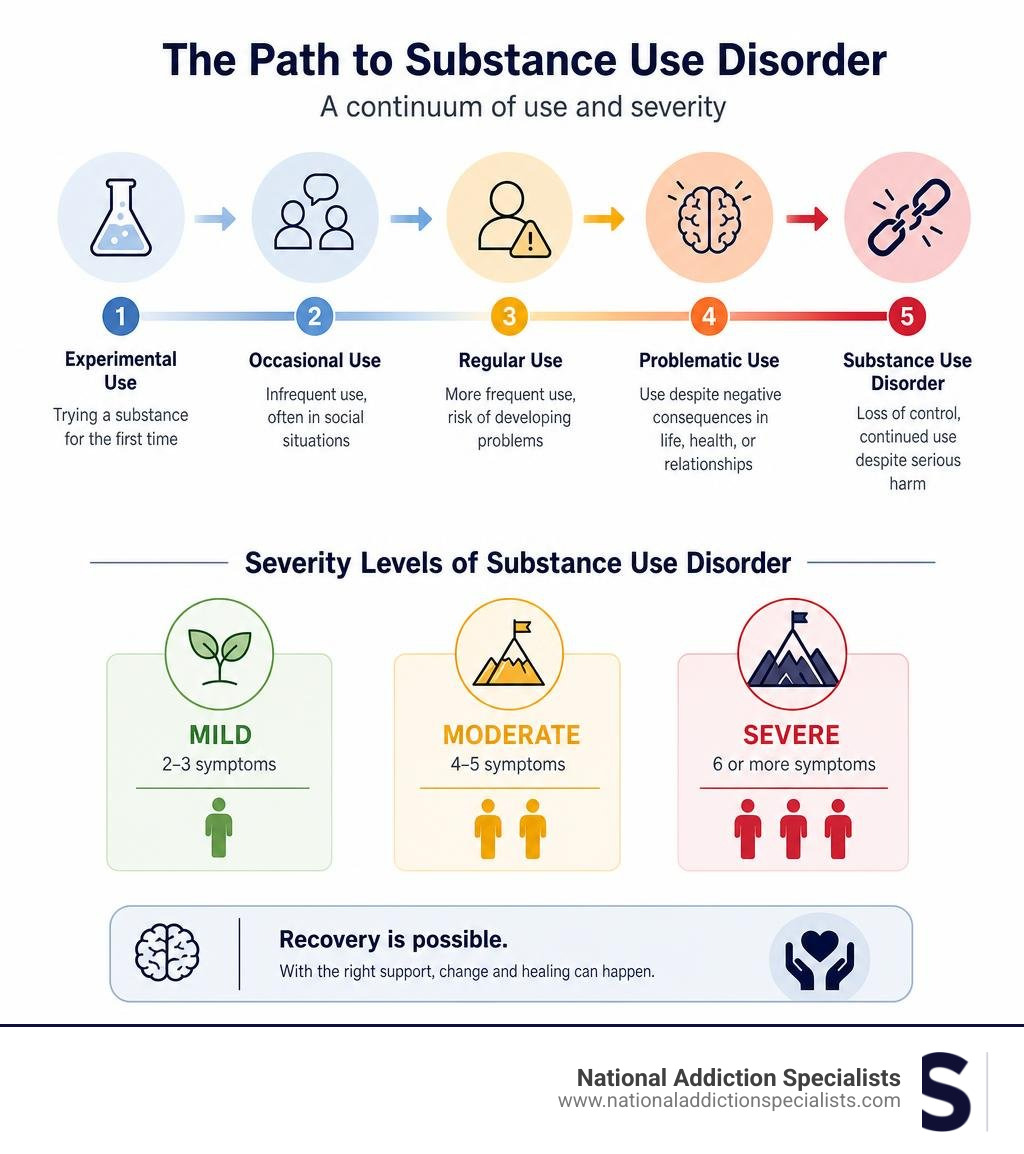
Classifying Severity: Mild, Moderate, and Severe
Because substance abuse disorder is a spectrum, we classify the severity of the condition based on how many of the 11 DSM-5 criteria a person meets within a 12-month period. According to the Substance Use Disorders – Psychiatry – MSD Manual Professional Edition, the severity levels are defined as follows:
- Mild: Meeting 2 to 3 criteria. At this stage, a person may still maintain their job and relationships, but risky patterns and impaired control are beginning to emerge.
- Moderate: Meeting 4 to 5 criteria. The negative consequences become more visible, and daily functioning begins to suffer.
- Severe: Meeting 6 or more criteria. This is what is traditionally referred to as severe addiction. The substance dominates the individual’s thoughts, behaviors, and daily life, often resulting in severe physical, mental, and social consequences.
The Spectrum of Substances: Types and Risks
Not all substances affect the body and brain in the same way. Different drug classes carry unique physiological risks, withdrawal profiles, and potentials for addiction.
| Substance Class | Common Examples | Primary Risks | Addiction Potential |
|---|---|---|---|
| Opioids | Heroin, Fentanyl, Oxycodone | Respiratory depression, fatal overdose, rapid physical dependence | Extremely High |
| Alcohol | Beer, Wine, Spirits | Liver disease, cardiovascular issues, severe withdrawal (delirium tremens) | High |
| Stimulants | Cocaine, Methamphetamine | Heart attack, stroke, psychosis, severe cognitive impairment | Extremely High |
| Cannabis | Marijuana, THC concentrates | Cognitive dampening, cyclic vomiting syndrome, mental health exacerbation | Moderate |
| Tobacco/Nicotine | Cigarettes, Vapes | Lung cancer, chronic obstructive pulmonary disease (COPD), stroke | Extremely High |
Opioids and the Fentanyl Crisis
The rise of synthetic opioids, most notably fentanyl, has completely altered the landscape of drug safety in the United States. Fentanyl is up to 50 times more potent than heroin and 100 times more potent than morphine. Because it is cheap to manufacture, it is frequently mixed into other illicit drugs—including counterfeit prescription pills, cocaine, and methamphetamine—often without the user’s knowledge.
This contamination has caused overdose rates to skyrocket. In 2021, US overdose deaths exceeded 107,000, with synthetic opioids like fentanyl contributing to the vast majority of these fatalities. Death rates from synthetic opioids increased an astonishing 22-fold between 2002 and 2017.
Understanding Opioid Addiction Symptoms and knowing how to access an Opioid Addiction Recovery Guide 2025 are vital steps in saving lives. Because opioid withdrawal can be incredibly painful and cravings are physical, specialized medical treatment is highly recommended to safely navigate recovery.
Alcohol and Tobacco: The Leading Preventable Harms
While illicit drugs capture many headlines, legal substances continue to cause the greatest public health burden.
Tobacco remains the leading cause of preventable death in the United States, claiming more than 480,000 lives each year. Despite a general decline in smoking rates, nicotine addiction remains incredibly powerful, particularly with the rise of modern e-cigarettes and vaping among younger demographics.
Alcohol use disorder (AUD) is the most common type of substance abuse disorder in the US. Excessive alcohol consumption is responsible for the loss of over 88,000 lives annually in the United States, and it contributed to an estimated 3 million deaths globally in 2016. Recognizing the Signs of Alcohol Addiction—such as drinking to avoid withdrawal shakes, neglecting obligations, or experiencing frequent blackouts—is critical for early intervention before irreversible organ damage occurs.
Recognizing the Warning Signs and Symptoms
SUD rarely develops overnight. It typically progresses through stages: experimental use, regular use, risky use, and finally, severe dependency. Recognizing the warning signs early can make a massive difference in treatment outcomes.

Behavioral and Social Red Flags
When someone is struggling with a substance abuse disorder, their behaviors and priorities shift. If you are concerned about a friend, family member, or yourself, look out for these common Signs of Drug Addiction in Adults:
- Neglecting Responsibilities: Skipping work or school, experiencing a sudden drop in performance, or ignoring household duties.
- Relationship Strain: Uncharacteristic arguments with loved ones, defensive behavior when questioned about substance use, or hanging out with an entirely new social circle.
- Financial Instability: Borrowing money frequently, experiencing unexplained financial crises, or valuable items suddenly going missing.
- Secretive Behavior: Going out of the way to hide habits, locking doors, or lying about whereabouts.
If these behavioral patterns sound familiar, it may be time to learn more about the nature of Drug Addiction and how to find help.
Physical and Psychological Symptoms
The physical and psychological toll of a substance abuse disorder can be profound. Depending on the substance, physical signs might include sudden weight changes, bloodshot eyes, disrupted sleep patterns, or a lack of personal hygiene.
Psychologically, the changes can be even more disruptive:
- Severe Mood Swings: Rapid shifts from irritability or anger to extreme euphoria.
- Anxiety and Paranoia: Heightened fear, restlessness, or unprovoked suspicion of others.
- Cognitive Decline: Difficulty concentrating, memory lapses, or slowed speech.
Furthermore, there is a deep connection between Suboxone and Mental Health. Many individuals use substances to self-medicate underlying, untreated mental health conditions like depression, PTSD, or anxiety, creating a complex cycle where each condition worsens the other.
Root Causes: Why Do People Develop Addiction?
There is no single “addictive personality” or single cause of substance abuse disorder. Instead, addiction develops through a complex interplay of biological, psychological, and social factors. This is known as the biopsychosocial model of addiction.
As highlighted in the Substance Use Disorder – Causes, Symptoms, Treatment & Help | SAMHSA resource, anyone can develop an SUD, regardless of their background, income, or strength of character.
Biological and Genetic Risk Factors
Biology plays a major role in a person’s vulnerability to addiction. Research shows that genetics account for approximately 40% to 60% of a person’s risk of developing a substance abuse disorder.
Some people are born with genetic variations that affect how their brains process dopamine or how their bodies metabolize specific substances. For instance, someone who naturally experiences a highly intense pleasurable response to a substance, or conversely, someone who has a high natural tolerance to its negative effects (like alcohol-induced nausea), is statistically more likely to repeat the behavior and develop a disorder.
Psychological and Social Determinants
Our environment and life experiences shape how we cope with stress. According to the Substance use disorder: MedlinePlus Medical Encyclopedia, key psychological and social risk factors include:
- Adverse Childhood Experiences (ACEs): Experiencing trauma, abuse, neglect, or household dysfunction during childhood significantly increases the risk of later substance misuse.
- Co-occurring Mental Health Conditions: Conditions like ADHD, depression, bipolar disorder, and PTSD make individuals more vulnerable to using substances as a coping mechanism.
- Peer Influence and Early Exposure: Using substances at an early age—when the brain’s prefrontal cortex is still developing—greatly increases the likelihood of developing a severe SUD later in life.
- Social Stressors: Poverty, lack of economic opportunity, chronic stress, and systemic trauma can all drive individuals to seek temporary emotional escape.
Treatment Pathways: How to Kick Its Butt
If you or a loved one is battling a substance abuse disorder, we want you to hear this loud and clear: treatment works, and recovery is entirely possible.
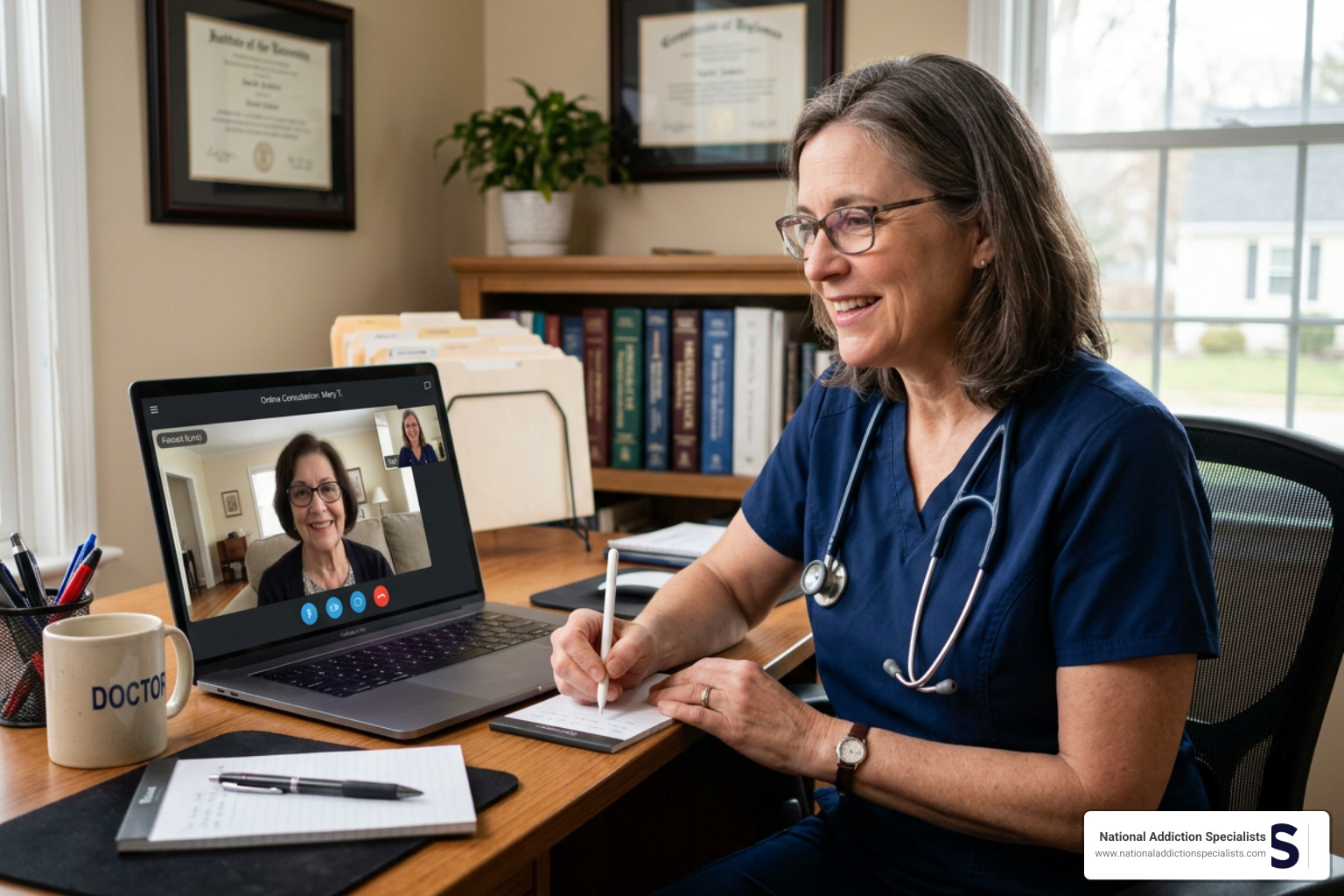
Because SUD is a complex disease, effective treatment must address more than just the physical use of a drug. It must address the whole person. Comprehensive Addiction Treatment Services typically combine medical support with behavioral therapies to build a foundation for long-term health.
Overcoming Substance Abuse Disorder: Evidence-Based Treatments
For many substances, especially opioids and alcohol, trying to quit “cold turkey” can be dangerous and is highly associated with rapid relapse. The gold standard for treating moderate-to-severe opioid use disorder is Medication-Assisted Treatment (MAT).
MAT combines FDA-approved medications with counseling and behavioral therapies. For opioid addiction, medications like Suboxone (a combination of buprenorphine and naloxone) work by:
- Binding to the brain’s opioid receptors to satisfy physical cravings.
- Preventing severe withdrawal symptoms.
- Blocking the “high” of other opioids if a relapse occurs.
We encourage you to explore our Medication-Assisted Treatment for Opioid Addiction page and read through our Suboxone Treatment FAQ to learn how these treatments stabilize brain chemistry so you can focus on rebuilding your life.
Relapse Prevention and Long-Term Recovery
Recovery is a journey, not a destination. Because SUD is a chronic condition, relapses can happen—and they should be viewed as a signal to adjust the treatment plan, not as a failure.
Building a resilient recovery plan involves:
- Behavioral Therapy: Approaches like Cognitive Behavioral Therapy (CBT) help individuals identify their personal triggers and develop healthy coping mechanisms.
- Support Networks: Engaging with peer support groups like SMART Recovery or 12-step programs provides vital community encouragement.
- Lifestyle Adjustments: Prioritizing sleep, nutrition, exercise, and stress-reduction techniques like meditation.
Check out our guide on Tips to Prevent Addiction Relapse to learn how to build a daily routine that supports lasting Addiction Recovery.
Frequently Asked Questions about Substance Use
What is the difference between substance abuse and substance use disorder?
In the past, terms like “substance abuse” and “substance dependence” were used to distinguish between casual misuse and physical addiction. However, these terms often carried heavy social stigma and clinical inaccuracy.
With the release of the DSM-5, the medical community shifted to the unified term substance use disorder (SUD). This term recognizes that substance misuse exists on a single, continuous spectrum of severity (mild, moderate, or severe) rather than being two separate moral or physical categories.
Can substance use disorder be cured?
While there is no “cure” that permanently erases the biological vulnerability to addiction, SUD can be highly successfully managed, much like other chronic medical conditions such as diabetes, asthma, or hypertension. Through a combination of medication, behavioral therapy, and ongoing lifestyle support, individuals can achieve long-term remission and live incredibly fulfilling, healthy lives.
How can I help a loved one with a substance use disorder?
Helping a loved one starts with empathy, open communication, and education. Avoid lecturing, shaming, or using ultimatums, as these often drive individuals further into isolation. Instead, express your concern using specific, loving “I” statements (e.g., “I love you, and I am worried about how tired you have seemed lately”).
Encourage them to speak with a professional, and offer to help them research treatment options. If they are ready to take the next step, you can assist them by filling out our Addiction Referral Form to connect with our care team.
Conclusion
Taking the first step toward recovery can feel overwhelming, but you do not have to walk this path alone.
At National Addiction Specialists, we are dedicated to breaking down the barriers to life-saving care. We provide telemedicine-based Suboxone treatment for opioid addiction, allowing you to receive personalized, expert recovery plans from the safety, comfort, and privacy of your own home.
We serve patients across Tennessee (including Brentwood) and Virginia (including Virginia Beach). Our unique virtual care model ensures that your treatment remains completely convenient and confidential. To make care as accessible as possible, we proudly accept both Medicaid and Medicare.
To learn more about how our virtual program works, read our Online Addiction Services Complete Guide and review our Insurance and Pricing page. Your new beginning is just a phone call or click away.
Make an Appointment to Treat Addiction
Please don’t hesitate. Make an appointment today. Make an Appointment
This article was medically reviewed by: Chad Elkin, MD, DFASAM is a board-certified addiction medicine physician, founder, and Chief Medical Officer of National Addiction Specialists, dedicated to treating substance use disorders. A Distinguished Fellow of the American Society of Addiction Medicine (ASAM), Dr Elkin currently serves as President of the Tennessee Society of Addiction Medicine (TNSAM) and has held various leadership roles within the organization. Dr Elkin chairs ASAM’s Health Technology Subcommittee and is an active member of its Practice Management and Regulatory Affairs Committee, State Advocacy and Legislative Affairs Committee, and other committees. He also serves on the planning committee for the Vanderbilt Mid-South Addiction Conference. Committed to advancing evidence-based policy, Dr Elkin is Chairman of the Tennessee Association of Alcohol, Drug, & Other Addiction Services (TAADAS) Addiction Medicine Council, which collaborates with the TN Department of Mental Health & Substance Abuse Services (TDMHSAS). He has contributed to numerous local, state, and national task forces, helping develop professional guidelines, policies, and laws that align with best practices in addiction medicine. His work focuses on reducing addiction-related harm, combating stigma, and ensuring access to effective treatment. Passionate about the field of addiction medicine, he remains dedicated to shaping policy and enhancing patient care.
Suboxone® and Subutex® are a registered trademark of Indivior UK Limited. Any mention and reference of Suboxone® and Subutex® in this website is for informational purposes only and is not an endorsement or sponsorship by Indivior UK Limited.