Gabapentin & Suboxone Withdrawal: Your Guide to Restful Recovery
Navigating Suboxone Withdrawal for Better Sleep
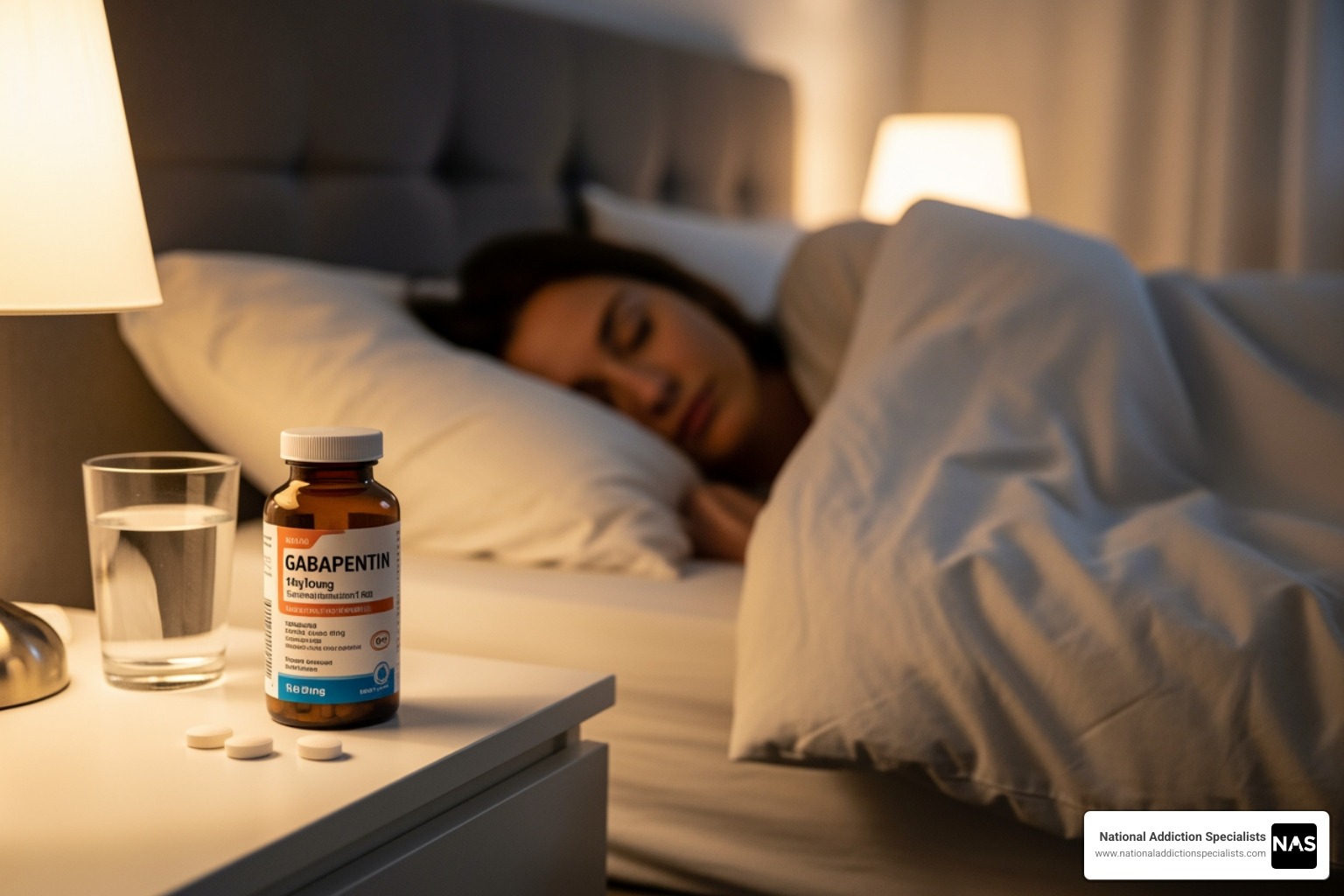
When facing opioid recovery, many seek effective ways to manage withdrawal. Gabapentin for Suboxone withdrawal and sleep has emerged as a potential adjunctive treatment.
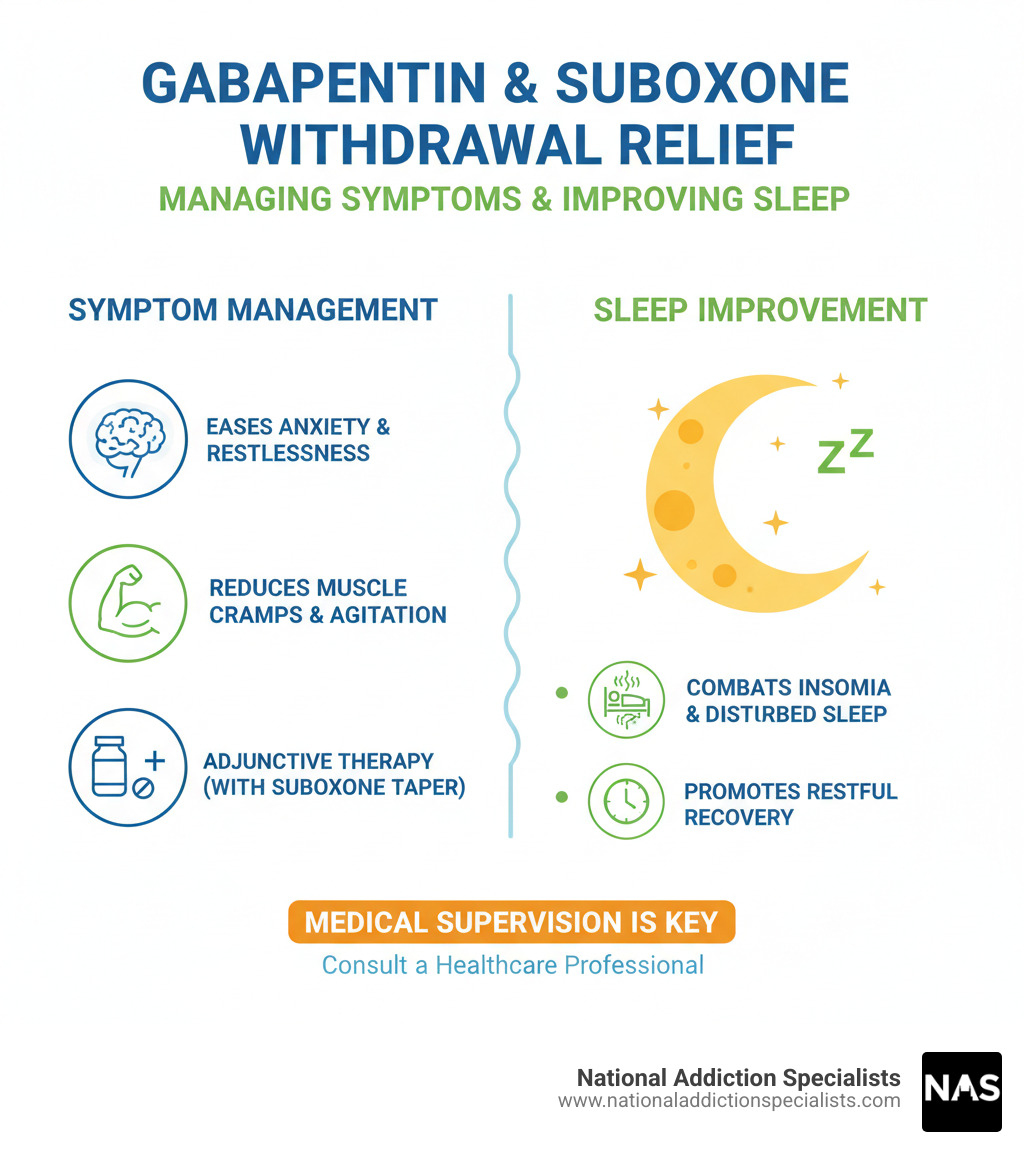
Here’s a quick look at how gabapentin can help:
- Manages Symptoms: Eases anxiety, restlessness, muscle cramps, and agitation.
- Improves Sleep: Addresses insomnia and other sleep disturbances.
- Calms the Nervous System: Reduces physical discomfort and mental unease by calming overactive nerve signals.
- Adjunctive Therapy: Used as a supportive medication alongside a supervised Suboxone taper, not a standalone treatment.
- Medical Supervision is Key: Must be used under a healthcare professional’s guidance due to potential risks.
Suboxone withdrawal is incredibly challenging, with symptoms like anxiety, restlessness, and severe insomnia that can lead to relapse. Gabapentin offers hope by targeting these distressing symptoms.
This guide explores how gabapentin works, its benefits for withdrawal symptoms and sleep, and key safety considerations, helping you steer this period comfortably with medical guidance.
This guide is brought to you by Dr. Chad Elkin, a leading expert in addiction medicine. With experience using medications like gabapentin for Suboxone withdrawal and sleep, Dr. Elkin is dedicated to improving patient outcomes.
The Challenge of Suboxone Withdrawal
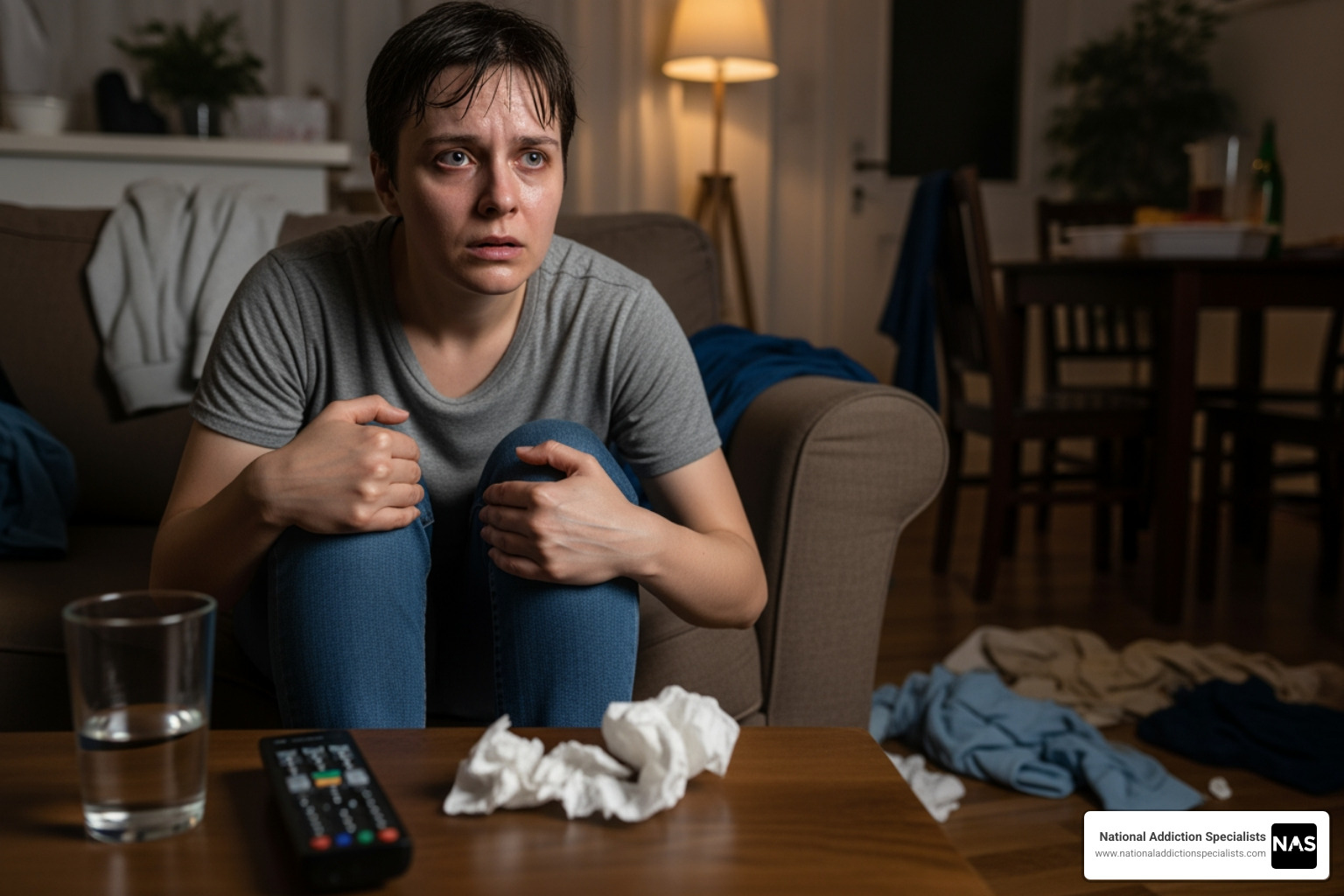
Tapering off Suboxone is a huge step toward lasting recovery, but this path often brings the challenge of withdrawal. Our bodies adapt to Suboxone, so when you reduce or stop the medication, your system reacts to the change. This can lead to a range of uncomfortable physical and mental symptoms.
What is Suboxone and Why Does Withdrawal Occur?
Suboxone is a key part of Medication-Assisted Treatment (MAT) for opioid use disorder, combining buprenorphine and naloxone. Buprenorphine, a partial opioid agonist, activates opioid receptors enough to reduce cravings and prevent severe withdrawal without producing a significant “high.” Naloxone is included to deter misuse.
Withdrawal occurs because your brain, accustomed to buprenorphine, needs time to rebalance after the medication is reduced or stopped. This adjustment period is natural but can be unpleasant. These symptoms indicate physical dependence—the body’s adaptation to a substance—which is different from addiction, a behavioral disorder involving compulsive drug use despite harmful consequences.
Common Symptoms of Suboxone Withdrawal
Suboxone withdrawal is often less intense than withdrawal from full opioids but can still be challenging. Symptoms vary based on dosage, duration of use, and individual body chemistry.
Some of the common symptoms people experience during Suboxone withdrawal include:
- Muscle cramps and body aches: That deep, uncomfortable soreness.
- Nausea and vomiting: Feeling sick to your stomach.
- Diarrhea and abdominal pain: Digestive issues can be common.
- Agitation and irritability: Feeling restless and easily annoyed.
- Severe sleep disturbances: This often includes insomnia, making it very hard to get restful sleep.
- Anxiety and panic attacks: Feelings of worry or sudden, intense fear.
- Depression and mood swings: Your emotions can feel all over the place.
- Restless Legs Syndrome (RLS): An overwhelming urge to move your legs, especially at night.
- Excessive yawning: Frequent, uncontrollable yawning.
- Watery eyes and runny nose: Like having a bad cold.
- Sweating and chills: Feeling hot and cold at the same time.
- Intense cravings for opioids: A strong desire to use opioids again.
These symptoms make the withdrawal period incredibly tough. This is where options like using gabapentin for Suboxone withdrawal and sleep can offer support, under proper medical guidance. For more detailed information on managing these symptoms and understanding treatment options, we encourage you to visit our page on opioid use disorder treatment.
If you’re struggling with Suboxone withdrawal symptoms, our team at National Addiction Specialists is here to help you steer this process safely.
Make an Appointment to Treat Addiction Please don’t hesitate. Make an appointment today. Make an Appointment to Treat Addiction
Understanding Gabapentin: A Tool for Comfort
During Suboxone withdrawal, gabapentin can be a valuable tool for easing discomfort.
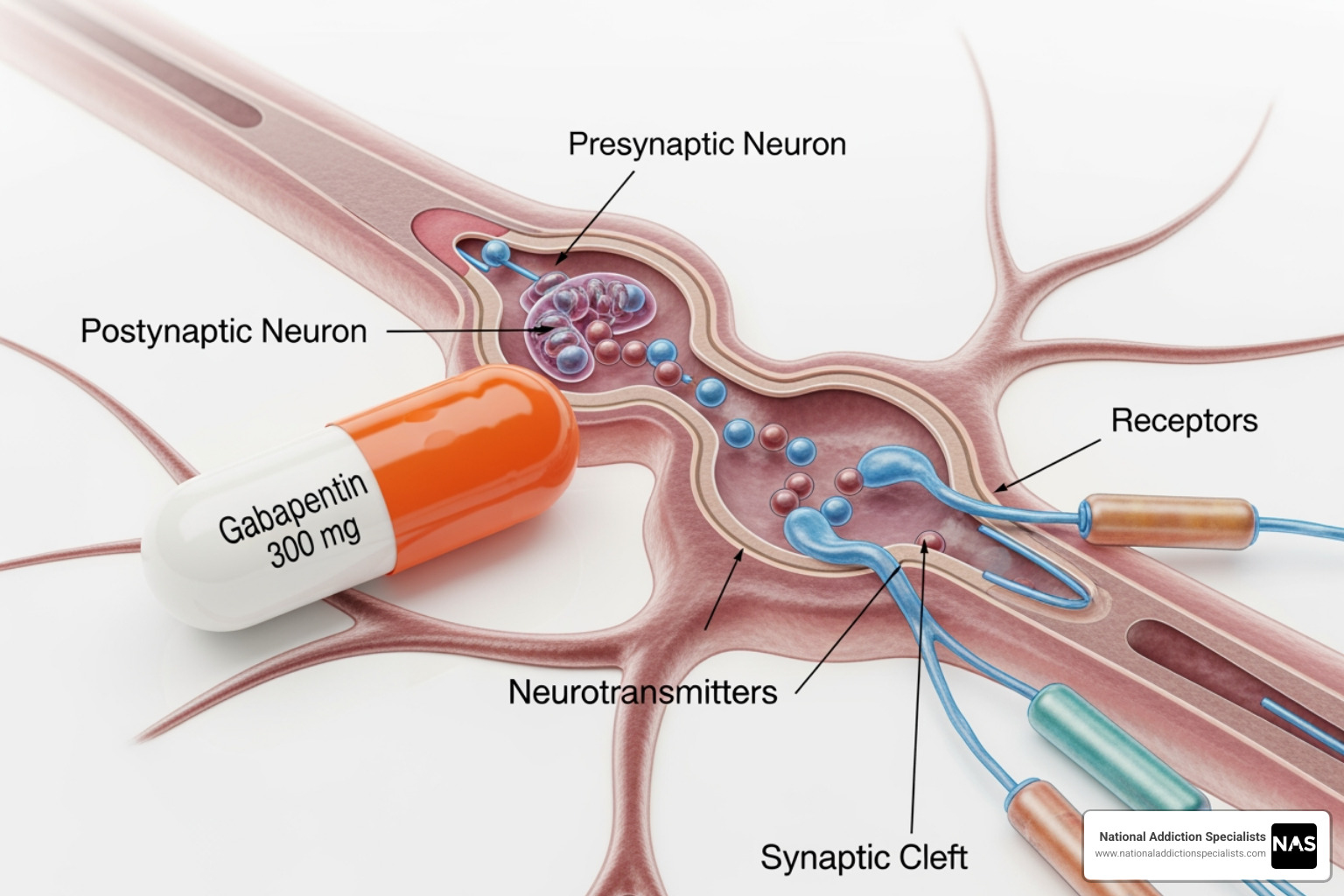
Gabapentin is an anticonvulsant medication originally developed to prevent seizures. Doctors later found it effective for calming overactive nerve signals. The FDA has approved it for treating nerve pain (postherpetic neuralgia) and restless legs syndrome. It helps calm an overactive nervous system, which is common during withdrawal.
Gabapentin is useful for gabapentin for suboxone withdrawal and sleep because it mimics some effects of GABA, the brain’s natural calming neurotransmitter. Its calming properties can provide significant relief when the nervous system is in overdrive during withdrawal.
How Gabapentin Works in the Brain
Gabapentin works by binding to voltage-gated calcium channels on nerve cells, which reduces the release of excitatory neurotransmitters—the chemical messengers that cause nerves to fire. During Suboxone withdrawal, neurons become hyperexcited. Gabapentin helps by calming hyperexcited neurons, bringing the nervous system back into balance.
This mechanism is why gabapentin is effective for neuropathic pain and seizure control. The same principle applies during withdrawal, as overstimulated nerves send distress signals that cause anxiety, muscle cramps, and restlessness. By reducing neurotransmitter release, gabapentin can lessen these sensations. For more details on its mechanism, you can read about Gabapentin’s mechanism at the University of Michigan Medicine.
Primary and Off-Label Uses of Gabapentin
Gabapentin has several FDA-approved uses, including epilepsy (to help control partial seizures) and postherpetic neuralgia (nerve pain after shingles). It is also approved for restless legs syndrome (RLS), a common and disruptive withdrawal symptom. Gabapentin’s ability to calm the urge to move the legs makes it particularly helpful for improving sleep during withdrawal.
Doctors also prescribe gabapentin off-label for diabetic neuropathy and fibromyalgia. In all these uses, gabapentin works by calming overactive nerves.
It is not a one-size-fits-all solution and must always be used under medical supervision. At National Addiction Specialists, we carefully evaluate if gabapentin is appropriate for an individual’s withdrawal symptoms and recovery plan.
Using Gabapentin for Suboxone Withdrawal and Sleep
Suboxone withdrawal can be overwhelming, with persistent discomfort, anxiety, and sleepless nights. Gabapentin can offer meaningful support during this time. At National Addiction Specialists, we are committed to making your recovery as comfortable as possible, which may include incorporating adjunctive medications like gabapentin for Suboxone withdrawal and sleep into your personalized treatment plan.
Research on gabapentin for opioid withdrawal is evolving. Early clinical trials, including a randomized, placebo-controlled pilot trial, suggested gabapentin could reduce withdrawal symptoms and illicit opioid use during buprenorphine detoxification. However, more recent studies have shown mixed results, with some finding little difference between gabapentin and a placebo. This highlights that responses are individual, reinforcing the need for a personalized medical assessment rather than a one-size-fits-all approach to care.
How Gabapentin Eases Specific Withdrawal Symptoms
Gabapentin’s nerve-calming effects can address several distressing withdrawal symptoms at once.
- Anxiety reduction: By modulating overactive nerve signals, gabapentin can soothe the heightened anxiety and panic that accompany withdrawal, making the constant “on-edge” feeling more manageable.
- Muscle cramps and body aches: It addresses the neuropathic pain component of withdrawal, making physical discomfort more tolerable and freeing up energy for recovery.
- Calming restlessness: Gabapentin can significantly reduce akathisia—the inner restlessness and inability to sit still—bringing a much-needed sense of calm.
- Tremors and mood: It can also help mitigate tremors. By reducing overall distress and improving sleep, gabapentin can indirectly lead to better mood regulation and less irritability.
Using Gabapentin for Suboxone Withdrawal and Sleep Disturbances
Sleep disturbances during Suboxone withdrawal can be devastating, impacting well-being and increasing relapse risk. This is where gabapentin for Suboxone withdrawal and sleep can make a real difference.
- Insomnia relief: Research shows gabapentin increases slow-wave sleep. Its calming effect on an overactive nervous system can help you achieve the restorative sleep needed for healing.
- Managing Restless Legs Syndrome (RLS): RLS can make sleep impossible during withdrawal. As an FDA-approved treatment for RLS, gabapentin can calm these uncomfortable sensations and dramatically improve sleep quality.
By addressing anxiety and RLS, gabapentin helps create the conditions needed for rest. Better sleep reduces fatigue, improves mood, and strengthens your ability to cope, creating a positive cycle of healing. Gabapentin can help stabilize the severe sleep disruption common in withdrawal, providing crucial rest during recovery.
What is the Recommended Dosage of Gabapentin for Suboxone Withdrawal?
There is no standard dosage of gabapentin for Suboxone withdrawal. Its use for withdrawal is off-label and must be determined by a qualified medical professional based on your unique situation.
At National Addiction Specialists, our providers in Tennessee and Virginia assess your individual needs, medical history, and symptom severity to determine an appropriate dosage and personalized tapering schedule. This individualized approach ensures your safety and maximizes benefits.
Typically, gabapentin is started at a low dose and increased as needed under close medical supervision. Crucially, gabapentin should not be stopped abruptly, as it can cause its own withdrawal syndrome. A gradual taper is essential.
If you’re considering gabapentin to manage Suboxone withdrawal, please reach out to us for expert guidance and support.
Make an Appointment to Treat Addiction
Safety, Risks, and Important Considerations
While gabapentin can be a helpful tool for Suboxone withdrawal and sleep, it’s crucial to understand the risks. At National Addiction Specialists, your safety is our main concern. Using gabapentin for withdrawal must always be done under a doctor’s guidance. Self-medicating is risky and can lead to unexpected side effects or complications during the already challenging withdrawal process.
Potential Side Effects and Gabapentin Withdrawal Syndrome
Gabapentin can cause side effects, though most people tolerate it well. Common side effects include dizziness, drowsiness, fatigue, and coordination issues. Less common effects include flu-like symptoms or fluid retention. Tell your healthcare provider about any concerning side effects.
Physical dependence on gabapentin can occur, especially with long-term or high-dose use. Stopping it abruptly can cause a withdrawal syndrome with symptoms like anxiety, insomnia, nausea, pain, and sweating. In rare cases, seizures can occur. To prevent this, gabapentin must be stopped gradually on a tapering schedule set by your doctor. For more information, see this Research on Gabapentin withdrawal symptoms.
The Dangers of Combining Gabapentin with Other Substances
Mixing gabapentin with other central nervous system depressants is extremely dangerous.
- Opioids: Combining gabapentin with opioids, including buprenorphine (in Suboxone), significantly increases the risk of respiratory depression (slowed or stopped breathing), severe sedation, coma, and fatal overdose. The FDA has issued strong warnings about this risk, which is higher for older individuals, those with breathing problems, or a history of substance use.
- Alcohol: Mixing gabapentin with alcohol increases dizziness and drowsiness, impairs coordination, and raises overdose risk.
- Benzodiazepines: Combining with drugs like Xanax or Valium can cause increased sedation and breathing problems.
Our providers in Tennessee and Virginia carefully review all medications and substance use history to ensure your safety. Read the FDA warning on combining gabapentinoids and opioids for more details.
Is Gabapentin a Controlled Substance?
The legal status of gabapentin varies by state. While not federally controlled, growing concerns about misuse have led many states to classify it as a Schedule V controlled substance, meaning it has a lower potential for abuse but is still monitored. This highlights the potential for misuse and diversion, especially among those with a history of substance use.
Because of this, medical supervision is essential when using gabapentin for Suboxone withdrawal and sleep. Our team at National Addiction Specialists prescribes and monitors gabapentin responsibly through our telemedicine programs in Tennessee and Virginia. For more on this topic, see this Systematic review on Gabapentin misuse, abuse, and diversion.
Frequently Asked Questions about Gabapentin and Suboxone Withdrawal
We know you have questions, and we’re here to provide clear, straightforward answers. Here are some of the most common inquiries we receive regarding gabapentin for Suboxone withdrawal and sleep.
Can I use leftover gabapentin for my withdrawal symptoms?
No. Using leftover gabapentin or any unprescribed medication is dangerous. The risks of self-medicating include incorrect dosage, unmonitored side effects, dangerous drug interactions (like respiratory depression when mixed with opioids), and misdiagnosing your symptoms. Always consult a medical professional. Our providers at National Addiction Specialists in Tennessee and Virginia can assess your situation and create a safe, effective treatment plan.
What are some non-medication alternatives for Suboxone withdrawal?
Yes, several non-medication strategies can provide relief and complement medical treatment. These holistic approaches support your overall well-being:
- Massage Therapy: Reduces stress and muscle pain.
- Acupuncture: May relieve cravings and withdrawal pain.
- Nutritional Support: Healthy meals and proper hydration are crucial.
- Gentle Exercise: Walking or stretching can boost mood, reduce restlessness, and improve sleep.
- Mindfulness and Meditation: Deep breathing and meditation help manage anxiety and stress.
These can be integrated into your recovery plan with guidance from our team through services like our virtual addiction counseling.
How long does the acute phase of Suboxone withdrawal typically last?
The acute phase of Suboxone withdrawal typically lasts 7 to 14 days, but this varies. The duration and intensity depend on your Suboxone dosage and duration of use, individual metabolism, overall health, and the speed of your taper. A slow, medically supervised taper can significantly reduce acute symptoms.
Be aware of Post-Acute Withdrawal Syndrome (PAWS), where psychological symptoms like fatigue, anxiety, and mood swings can linger for weeks or months. Our telemedicine services and online addiction counseling are designed to support you through both acute withdrawal and PAWS.
Your Path to a Restful Recovery
Suboxone withdrawal is a challenging but courageous step toward freedom from opioid dependence. Managing discomfort, especially sleep disturbances, is crucial. Gabapentin for Suboxone withdrawal and sleep can be a valuable ally, offering relief from anxiety, restlessness, muscle aches, and insomnia.
However, gabapentin is not a magic solution and requires professional medical supervision. Due to potential side effects, dependence, and drug interactions, it must be part of a carefully monitored treatment plan. It is a tool for comfort during withdrawal, not a cure for addiction.
Lasting recovery requires comprehensive support, including counseling and ongoing medical care. At National Addiction Specialists, we walk alongside you through every phase of recovery, offering personalized care. Our telemedicine services in Tennessee and Virginia provide confidential Suboxone treatment, virtual counseling, and support from home. We accept Medicaid and Medicare to make quality care accessible.
If you are struggling with Suboxone withdrawal, we are here to help. You don’t have to face this alone.
Make an Appointment to Treat Addiction Please don’t hesitate. Make an appointment today. Make an Appointment to Treat Addiction
This article was medically reviewed by: Chad Elkin, MD, DFASAM is a board-certified addiction medicine physician, founder, and Chief Medical Officer of National Addiction Specialists, dedicated to treating substance use disorders. A Distinguished Fellow of the American Society of Addiction Medicine (ASAM), Dr Elkin currently serves as President of the Tennessee Society of Addiction Medicine (TNSAM) and has held various leadership roles within the organization. Dr Elkin chairs ASAM’s Health Technology Subcommittee and is an active member of its Practice Management and Regulatory Affairs Committee, State Advocacy and Legislative Affairs Committee, and other committees. He also serves on the planning committee for the Vanderbilt Mid-South Addiction Conference. Committed to advancing evidence-based policy, Dr Elkin is Chairman of the Tennessee Association of Alcohol, Drug, & Other Addiction Services (TAADAS) Addiction Medicine Council, which collaborates with the TN Department of Mental Health & Substance Abuse Services (TDMHSAS). He has contributed to numerous local, state, and national task forces, helping develop professional guidelines, policies, and laws that align with best practices in addiction medicine. His work focuses on reducing addiction-related harm, combating stigma, and ensuring access to effective treatment. Passionate about the field of addiction medicine, he remains dedicated to shaping policy and enhancing patient care.
Suboxone® and Subutex® are a registered trademark of Indivior UK Limited. Any mention and reference of Suboxone® and Subutex® in this website is for informational purposes only and is not an endorsement or sponsorship by Indivior UK Limited.