The Zzz’s and Suboxone: A Deep Dive into Sleep Problems Caused by Buprenorphine
Why Sleep Problems Matter When You’re Taking Suboxone
Suboxone and insomnia is a common concern for people in recovery from opioid use disorder. If you’re taking Suboxone (buprenorphine/naloxone) and struggling to sleep, you’re not alone.
Quick Answer:
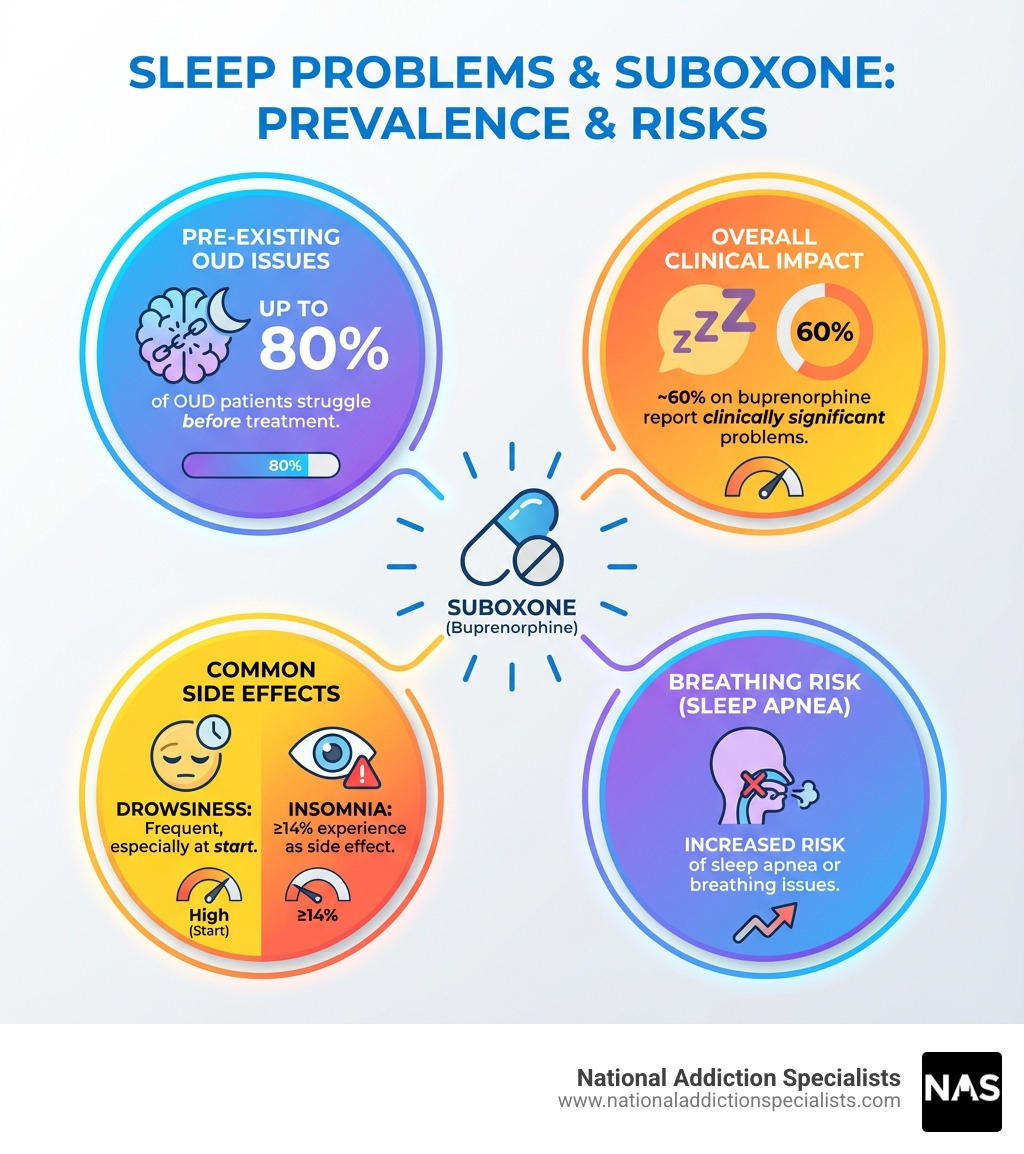
- Yes, Suboxone can cause insomnia. Research shows at least 14% of people taking Suboxone experience insomnia as a side effect.
- About 60% of patients on buprenorphine report clinically significant sleep problems.
- Suboxone can also cause drowsiness in some people, especially when first starting treatment.
- Sleep problems can affect your recovery. Poor sleep is linked to increased relapse risk and difficulty managing cravings.
- Help is available. Sleep issues can be managed through lifestyle changes, sleep aids, and working with your doctor.
Sleep is crucial for recovery. When you’re not sleeping well, everything else gets harder. Your mood suffers. Your ability to handle stress drops. Your cravings can increase. And as many as 80% of people with opioid use disorder already struggle with insomnia before starting treatment.
The relationship between Suboxone and sleep is complicated. Some people feel drowsy when they start taking it. Others develop insomnia that can last for weeks or months. Some experience sleep apnea or other breathing problems during sleep. Understanding what’s happening and knowing what to do about it can make a real difference in your recovery journey.
I’m Dr. Chad Elkin, a board-certified addiction medicine physician and founder of National Addiction Specialists. Over the years, I’ve helped hundreds of patients steer Suboxone and insomnia challenges, finding solutions that work for their unique situations. My goal is to help you understand what’s happening with your sleep and give you practical tools to improve it.
The Dual Impact of Suboxone on Your Sleep Cycle
When we talk about Suboxone, it’s a powerful medication designed to help us overcome opioid use disorder (OUD). It works by affecting the same brain receptors as other opioids, but in a partial way. This partial activation is what helps ease cravings and withdrawal symptoms without producing the same “high” as full opioids. However, this interaction with our brain’s opioid receptors can have a significant impact on our sleep.
Buprenorphine’s Paradoxical Effects
It might seem counterintuitive, but buprenorphine, the main active ingredient in Suboxone, can have seemingly opposite effects on sleep. For some, especially when first starting treatment, it can cause drowsiness or sedation. This is because, like other opioids, buprenorphine can act as a central nervous system depressant. It slows down brain activity, which might make us feel sleepy during the day. This initial drowsiness typically only lasts for a few days as our bodies adjust to the medication.
However, for a significant number of people, Suboxone can lead to insomnia – difficulty falling asleep or staying asleep. Systematic studies have revealed that insomnia is a significant side effect of using Suboxone, with one medical research placing its incidence at at least 14% of individuals who take Suboxone. This means that for more than one in ten of us, Suboxone can make our nights less restful.
This isn’t just a minor inconvenience; it’s a real challenge. Many individuals with OUD already struggle with sleep. In fact, as many as 80% of people with opioid use disorder (OUD) have insomnia. When we then introduce Suboxone, it can either alleviate some of the withdrawal-induced sleep problems or, paradoxically, exacerbate them or introduce new ones. Roughly 60% of participants in studies reported clinically significant insomnia symptoms while receiving buprenorphine for OUD. This high prevalence underscores the importance of addressing sleep when undergoing Suboxone treatment.
Our team at National Addiction Specialists understands that managing these side effects is crucial for a successful recovery. We’re here to help you steer these challenges. For more information on what to expect when starting Suboxone, including common side effects, please visit our page on Suboxone side effects.
How Suboxone Affects Sleep Quality and Architecture
Beyond just making us feel drowsy or wide awake, Suboxone can also fundamentally change how our sleep works. This is known as affecting “sleep architecture” – the pattern of sleep stages we cycle through each night.
Normally, a healthy night’s sleep involves cycling through different stages: light sleep, deep sleep (also known as slow-wave sleep), and REM (Rapid Eye Movement) sleep, which is when most dreaming occurs. Opioids, including buprenorphine, can disrupt this natural flow.
Research, including a study published in 2012, has suggested that buprenorphine can reduce both REM and non-rapid eye movement (NREM) sleep cycles. This means we spend less time in these crucial restorative stages. It can also increase “sleep latency,” which is the time it takes us to fall asleep after getting into bed. The results from this study in rats indicate that buprenorphine can reduce the overall quality of sleep, even if we feel like we’re getting enough hours in bed. You can read more about this research here: Research on buprenorphine and sleep cycles.
Another significant concern is sleep-disordered breathing. This includes conditions like sleep apnea, where our breathing repeatedly stops and starts during sleep. Opioids are central nervous system depressants, and they can suppress the respiratory drive, making us more susceptible to breathing problems during sleep. A 2013 study found that 63% of participants taking buprenorphine/naloxone as their maintenance medicine for OUD treatment had at least mild disordered breathing. If you already have sleep apnea, being on Suboxone might make this condition worse. It’s vital to discuss any history of sleep apnea or new breathing issues with your doctor.
The Connection Between Suboxone and Insomnia
So, why exactly does Suboxone sometimes keep us awake when it’s also a central nervous system depressant? It’s a complex interplay of factors involving our brain chemistry and the body’s adjustment to recovery.
Suboxone works by interacting with the opioid receptors in our brain. While this helps manage withdrawal and cravings, it also affects other neurotransmitter systems that regulate sleep and wakefulness. One key system is the orexin neurotransmitter system. Orexin is responsible for promoting wakefulness. Opioids can directly affect this system, and in some individuals, the partial agonism of buprenorphine might lead to an overactive orexin system, making it difficult to fall or stay asleep. It’s like our brain gets confused, struggling to settle into a restful state.
It’s also important to differentiate Suboxone-induced insomnia from withdrawal-related insomnia. When we stop using full opioids, our bodies go through a significant adjustment period. Insomnia is a classic symptom of opioid withdrawal. So, sometimes, the sleep problems we experience on Suboxone might be a residual effect of our bodies still healing from past opioid use, rather than solely a side effect of the medication itself. However, if insomnia persists or worsens after the initial withdrawal phase, it’s more likely related to the Suboxone itself or other underlying issues. For more details on what happens during withdrawal, visit our page on Suboxone withdrawal.
Risks of Unmanaged Insomnia During Recovery
We know that sleep is vital for overall health, but for someone in recovery from OUD, quality sleep is absolutely essential. Unmanaged Suboxone and insomnia can pose serious risks to our recovery journey:
- Impact on mental health: Insomnia is closely linked to psychiatric comorbidities like depression, anxiety, and post-traumatic stress. If we’re not sleeping well, our mood can plummet, anxiety can skyrocket, and it becomes much harder to manage the emotional challenges of recovery. Poor sleep can amplify feelings of stress and make us less resilient.
- Increased relapse risk: Quality sleep is a cornerstone of stability in recovery. When we’re sleep-deprived, our judgment is impaired, our impulse control weakens, and our ability to cope with stress and cravings decreases. This significantly increases the risk of relapse. As SAMHSA points out, sleep disruption can severely impact an individual’s ability to remain in treatment and maintain sobriety.
- Impaired cognitive function: Sleep deprivation makes it harder to think clearly, concentrate, and make good decisions. This can affect our ability to engage in therapy, attend appointments, and manage daily responsibilities. It can even make it unsafe to perform tasks like driving or operating machinery.
- The importance of quality sleep for recovery: Sleep allows our brains to process emotions, consolidate memories, and restore vital functions. It helps regulate our hormones, including those related to stress and appetite. Without it, the healing process—both physical and psychological—is severely hampered. Prioritizing sleep is not a luxury; it’s a fundamental part of successful and sustainable recovery.
The Substance Abuse and Mental Health Services Administration (SAMHSA) emphasizes the critical role of sleep in recovery. They highlight that treatment programs for OUD should consider the impact of insomnia or sleep disruption on the ability of individuals to remain in treatment. You can read their insights here: SAMHSA on sleep problems in recovery.
Safety First: Drowsiness, Overdose, and Drug Interactions

While we’ve discussed how Suboxone can cause insomnia, it’s equally important to address the other end of the spectrum: drowsiness and the critical distinction between normal sedation and a dangerous overdose. Suboxone is generally safer than full opioids in terms of respiratory depression due to its “ceiling effect,” meaning that at higher doses, it doesn’t cause increasing respiratory depression. However, this ceiling can be bypassed, especially when combined with other central nervous system (CNS) depressants. This is why recognizing the signs of an overdose and understanding dangerous drug interactions is paramount.
Differentiating Normal Drowsiness from Overdose
It’s normal to feel a bit tired or sedated after taking Suboxone, especially when you’re first starting treatment or if your dose has recently been adjusted. This “normal drowsiness” is usually mild, and while it might make you feel less alert, you should still be able to wake up easily and engage in conversation. You might feel a bit sluggish, but your breathing will be regular, and your pupils will react normally to light.
However, distinguishing this from a Suboxone overdose is crucial. An overdose is a medical emergency that requires immediate attention. Here are the critical signs to watch for:
- Extreme sleepiness or inability to wake up: This isn’t just feeling tired; it’s being unresponsive or very difficult to rouse.
- Slowed or stopped breathing: This is the most dangerous symptom. Breathing might be shallow, irregular, or stop altogether. The person’s lips or fingernails might turn blue or purplish.
- Pinpoint pupils: Your pupils will be very small, like the head of a pin.
- Clammy skin: The skin may feel cold and damp.
- Blue lips or fingernails: This indicates a lack of oxygen.
Emergency steps for suspected overdose: If you suspect someone is experiencing a Suboxone overdose, call 911 immediately. Administer naloxone (Narcan) if available and trained to do so. Stay with the person until emergency medical help arrives.
Dangerous Combinations: Substances to Avoid
The risk of life-threatening respiratory depression significantly increases when Suboxone is combined with other substances that also depress the central nervous system. It’s like having two snooze buttons for your brain, and pushing both can lead to a dangerous shutdown.
Here are the substances that should be strictly avoided or used with extreme caution and under strict medical supervision while taking Suboxone:
- Benzodiazepines (e.g., Xanax, Valium, Klonopin): This combination is particularly dangerous and can lead to profound sedation, respiratory depression, coma, and death. If you are prescribed benzodiazepines, it is crucial to discuss this with your National Addiction Specialists provider immediately. Our providers in Tennessee and Virginia will work with you to find safer alternatives or manage your medications to minimize risk.
- Alcohol: Like benzodiazepines, alcohol is a CNS depressant. Combining it with Suboxone dramatically increases the risk of respiratory depression and overdose. We strongly advise against consuming alcohol while on Suboxone treatment.
- Z-drugs (e.g., Ambien, Lunesta): These prescription sleep medications also act as CNS depressants and can have similar dangerous interactions with Suboxone as benzodiazepines.
- Other CNS depressants: This broad category includes many prescription pain medications (especially full opioids), muscle relaxants, tranquilizers, and some antihistamines that cause drowsiness. Always inform your provider about ALL medications, supplements, and over-the-counter drugs you are taking.
The dangers of combining Suboxone with these substances cannot be overstated. Our goal at National Addiction Specialists is to provide comprehensive and safe medication-assisted treatment (MAT) that supports your recovery journey. Understanding these interactions is a critical part of that safety. Learn more about our approach to Medication Assisted Treatment.
Strategies for Managing Sleep Issues on Suboxone
Experiencing Suboxone and insomnia can be incredibly frustrating, but you don’t have to suffer in silence. Managing sleep issues effectively is a vital part of supporting your overall recovery and well-being. The key is to take a multi-faceted approach, combining lifestyle adjustments with appropriate medical guidance. Professional medical advice is key – always discuss any new strategies or sleep aids with your National Addiction Specialists provider before you start.
Lifestyle Changes and Better Sleep Hygiene
Sometimes, the simplest changes can make the biggest difference. Good “sleep hygiene” refers to a set of habits and practices that are conducive to sleeping well on a regular basis.
- Consistent sleep schedule: Try to go to bed and wake up at roughly the same time every day, even on weekends. This helps regulate your body’s natural sleep-wake cycle, your circadian rhythm.
- Relaxing bedtime routine: Create a wind-down routine that signals to your body it’s time for sleep. This could include a warm bath or shower, reading a book (not on a screen!), listening to calming music or guided meditation, or some light stretching.
- Limiting screens before bed: The blue light emitted from phones, tablets, and computers can interfere with melatonin production, a hormone essential for sleep. Try to avoid screens for at least an hour before bed.
- Diet and exercise tips:
- Avoiding caffeine and heavy meals: Limit caffeine intake, especially in the afternoon and evening. Avoid heavy or spicy meals close to bedtime, as they can cause indigestion. If you’re hungry, a light snack with carbohydrates and protein (like a small bowl of cereal with milk) can be helpful.
- Get regular exercise: Physical activity during the day can significantly improve sleep quality at night. However, avoid intense workouts too close to bedtime, as they can be stimulating.
- Creating a restful bedroom environment: Make your bedroom a sanctuary for sleep. Keep it dark, cool, and quiet. Consider blackout curtains, earplugs, or a white noise machine if needed.
For more comprehensive tips on improving your sleep, the CDC offers excellent resources on sleep hygiene.
Effective Sleep Aids and Therapies for Suboxone and Insomnia
When lifestyle changes aren’t quite enough, there are other options to explore, always under the guidance of your healthcare provider.
- Cognitive Behavioral Therapy for Insomnia (CBT-I): This isn’t a medicine; it’s a type of psychotherapy, or talk therapy, that teaches you skills to help improve your sleep. CBT-I is considered the gold standard for treating chronic insomnia and can be very effective, especially for people in recovery, as it doesn’t involve any drugs. It helps address the thoughts and behaviors that prevent you from sleeping well.
- Mindfulness and meditation: These practices can be incredibly powerful tools for managing stress and calming your mind before bed. Learning to be present and calm your mind through deep breathing exercises can be very effective for improving sleep. Many free apps and videos offer guided meditations specifically for sleep. Our team often recommends exploring meditation for addiction recovery as it supports both sleep and mental well-being.
- Safer medication options to discuss with a doctor: While many sleep medications are contraindicated with Suboxone, there are some safer alternatives that your provider might consider:
- Melatonin: This is a natural hormone your body makes to help control your sleep-wake cycle. You can also take it as a supplement. It’s gentle and non-addictive, and many people on Suboxone find it helpful for falling asleep.
- Trazodone: This is a prescription antidepressant that’s often used in low doses for sleep. It’s not a controlled substance and has a lower risk of misuse, making it a safer option for individuals taking Suboxone.
- Hydroxyzine: An antihistamine with sedative properties, hydroxyzine can also be prescribed for sleep or anxiety. It’s not a controlled substance and can be a suitable option for some.
- Magnesium supplements: Some individuals find magnesium helpful for muscle relaxation and improving sleep, especially if they experience restless legs.
- Valerian root: A herbal supplement, valerian root is sometimes used for sleep. However, always discuss herbal supplements with your doctor due to potential interactions.
When to Talk to Your Doctor About Suboxone and Insomnia
Your National Addiction Specialists provider in Tennessee or Virginia is your most valuable resource for managing Suboxone and insomnia. We encourage open and honest communication about any side effects or challenges you’re experiencing.
You should definitely talk to your doctor if:
- Sleep problems last more than a few weeks: While initial insomnia can be part of the adjustment, persistent sleep difficulties warrant a conversation.
- Insomnia interferes with your recovery, daily life, or mood: If poor sleep is making it harder to stay engaged in treatment, affecting your work or relationships, or causing significant emotional distress, it’s time to seek help.
- You’re considering any new supplements or medications for sleep: Never start any new over-the-counter or prescription sleep aids without consulting your provider. We need to ensure there are no dangerous interactions with your Suboxone or other medications.
- You suspect sleep apnea or other breathing issues: If you’re snoring loudly, waking up gasping, or feeling excessively tired during the day despite adequate sleep duration, these could be signs of sleep-disordered breathing that need to be evaluated.
We can help adjust your Suboxone dose, recommend safer sleep aids, or explore other underlying causes for your sleep issues. Your well-being is our priority, and we’re committed to finding solutions that support your restful sleep and successful recovery.
Make an Appointment to Treat Addiction Please don’t hesitate. Make an appointment today. Make an Appointment to Treat Addiction
Conclusion: Achieving Restful Sleep and Lasting Recovery
The journey through recovery from opioid use disorder is profound, and managing challenges like Suboxone and insomnia is a significant part of that path. We’ve explored how Suboxone, while a lifesaver for many, can paradoxically cause both drowsiness and insomnia, affecting sleep quality and architecture. We’ve highlighted the serious risks that unmanaged sleep problems pose to your recovery, from increased relapse risk to impaired mental and cognitive function. Crucially, we’ve emphasized the importance of distinguishing normal drowsiness from the signs of an overdose and the absolute necessity of avoiding dangerous drug combinations.
But most importantly, we’ve armed you with strategies. From foundational lifestyle changes and robust sleep hygiene practices to exploring safer sleep aids and therapeutic interventions like CBT-I, there are many avenues to pursue for better sleep. You are not alone in this, and help is always available.
At National Addiction Specialists, we are dedicated to providing convenient, confidential, and expert telemedicine care for your recovery journey in Tennessee and Virginia. Our team understands the complexities of Suboxone and insomnia and is ready to work with you to find personalized solutions. Don’t let sleep problems derail your progress. Reach out to us, communicate openly with your providers, and take proactive steps towards achieving the restful sleep you deserve and the lasting recovery you’re building.
Get started with our online Suboxone clinic today and let us support you on your path to a healthier, more rested, and fulfilling life.
This article was medically reviewed by: Chad Elkin, MD, DFASAM is a board-certified addiction medicine physician, founder, and Chief Medical Officer of National Addiction Specialists, dedicated to treating substance use disorders. A Distinguished Fellow of the American Society of Addiction Medicine (ASAM), Dr Elkin currently serves as President of the Tennessee Society of Addiction Medicine (TNSAM) and has held various leadership roles within the organization. Dr Elkin chairs ASAM’s Health Technology Subcommittee and is an active member of its Practice Management and Regulatory Affairs Committee, State Advocacy and Legislative Affairs Committee, and other committees. He also serves on the planning committee for the Vanderbilt Mid-South Addiction Conference. Committed to advancing evidence-based policy, Dr Elkin is Chairman of the Tennessee Association of Alcohol, Drug, & Other Addiction Services (TAADAS) Addiction Medicine Council, which collaborates with the TN Department of Mental Health & Substance Abuse Services (TDMHSAS). He has contributed to numerous local, state, and national task forces, helping develop professional guidelines, policies, and laws that align with best practices in addiction medicine. His work focuses on reducing addiction-related harm, combating stigma, and ensuring access to effective treatment.Passionate about the field of addiction medicine, he remains dedicated to shaping policy and enhancing patient care.
Suboxone® and Subutex® are a registered trademark of Indivior UK Limited. Any mention and reference of Suboxone® and Subutex® in this website is for informational purposes only and is not an endorsement or sponsorship by Indivior UK Limited.