Navigating Naloxone Withdrawal Without the Stress
What Naloxone Withdrawal Symptoms Actually Feel Like — and What to Do
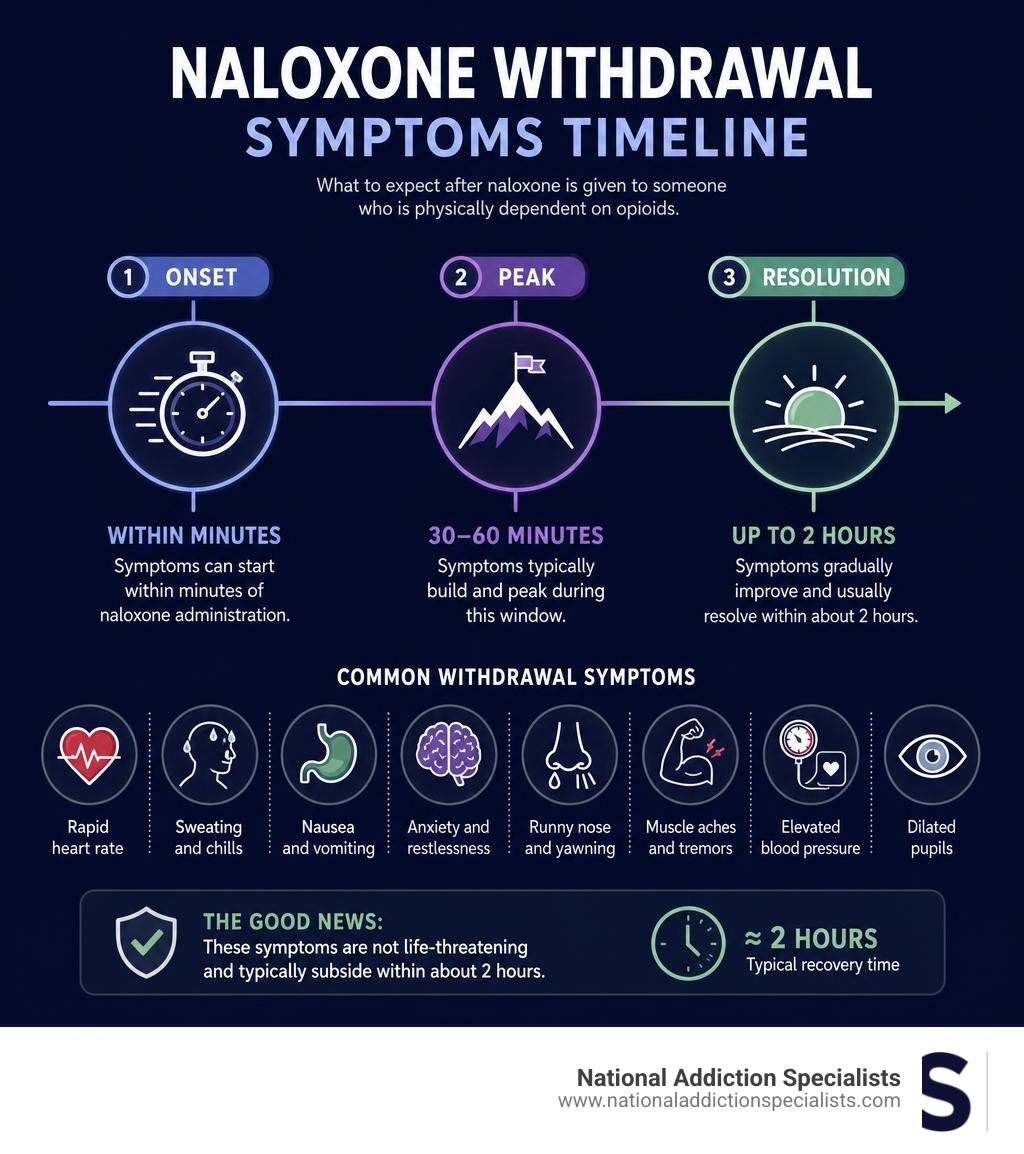
Naloxone withdrawal symptoms occur when naloxone is given to someone who is physically dependent on opioids. The drug rapidly blocks opioid receptors, which can trigger a sudden and uncomfortable withdrawal reaction.
Here is a quick overview of the most common symptoms:
- Rapid heart rate (tachycardia)
- Sweating and chills
- Nausea and vomiting
- Anxiety and restlessness
- Runny nose and yawning
- Muscle aches and tremors
- Elevated blood pressure
- Dilated pupils
The good news: these symptoms are not life-threatening and typically subside within about 2 hours after naloxone administration.
The intensity of symptoms depends on how much naloxone is given, how long someone has been using opioids, and which opioid they were taking. Someone on long-acting opioids like methadone may experience a different pattern than someone using short-acting opioids like heroin.
Understanding what is happening in your body — and why — can make the experience far less frightening.
I’m Chad Elkin, MD, board-certified in Addiction Medicine and founder of National Addiction Specialists, and I’ve spent years helping patients navigate the full spectrum of naloxone withdrawal symptoms in both emergency and treatment settings. In this guide, I’ll walk you through exactly what to expect, how symptoms are managed, and how to protect yourself or someone you love.
Know your Naloxone withdrawal symptoms terms:
What is Naloxone and How Does It Work?
To understand why naloxone withdrawal symptoms occur, it helps to look at how this lifesaving medication interacts with your brain. Naloxone is a pure opioid antagonist, meaning its sole job is to block opioids from attaching to receptors in the central nervous system.
When a person overdoses on an opioid—such as fentanyl, heroin, oxycodone, or morphine—their breathing slows down or stops completely. This happens because the opioids bind heavily to the mu-opioid receptors in the brain’s respiratory center. Enter naloxone.
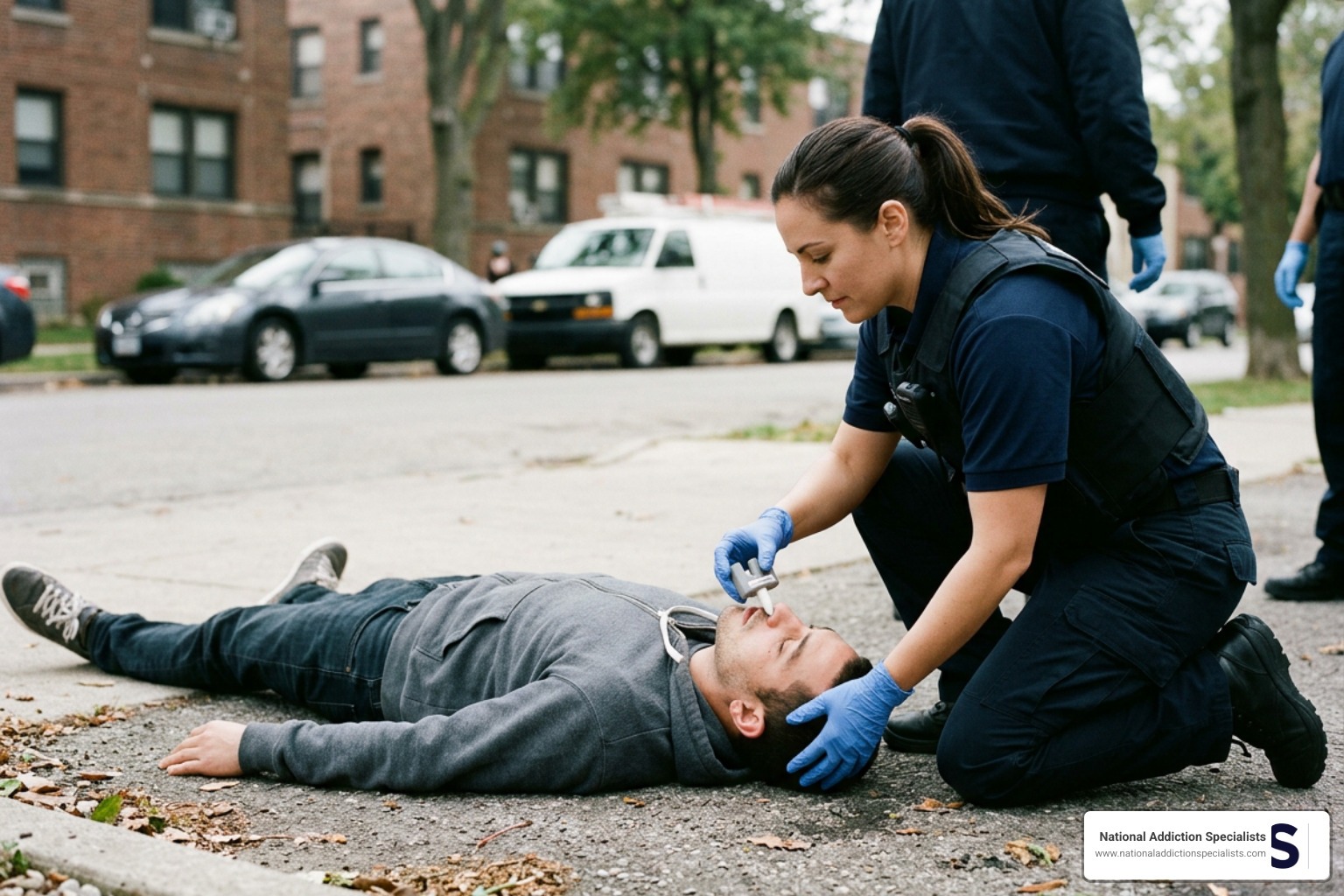
Naloxone has an incredibly high binding affinity for these same mu-opioid receptors—significantly higher than most opioids themselves. When administered via nasal spray or injection, naloxone acts like a molecular bouncer. It rushes into the brain, knocks the existing opioids off the receptors, and binds to them instead. Because naloxone has zero agonist activity (meaning it does not produce any “high” or pain relief of its own), it instantly reverses the sedative and respiratory-depressing effects of the overdose.
According to the NIDA DrugFacts on Naloxone, this action can quickly restore normal breathing to someone whose respiration has dangerously slowed or stopped. However, because it cleanses those receptors so rapidly, it also instantly strips away the opioid cushion that a dependent brain has grown to rely on, leading to sudden, precipitated withdrawal.
Understanding Naloxone Withdrawal Symptoms and Why They Occur
When naloxone removes opioids from the brain’s receptors in a matter of seconds, it triggers what clinicians call “precipitated withdrawal.” This is a sudden, highly concentrated version of the withdrawal symptoms someone might normally experience over several days when stopping opioids gradually.

The physiological epicenter of this reaction is a small area in the brainstem called the locus coeruleus. The locus coeruleus is responsible for producing noradrenaline (norepinephrine), the hormone that drives your body’s “fight-or-flight” response. Under normal conditions, opioids act as a chemical brake on the locus coeruleus, slowing down noradrenaline production. Over time, an opioid-dependent brain compensates by ramping up its baseline noradrenaline machinery to keep the body functioning normally despite the opioid “brake.”
When naloxone suddenly yanks that brake away, the locus coeruleus goes into overdrive. It floods the body with massive amounts of noradrenaline. This noradrenergic hyperactivity is the direct cause of the physical and psychological storm that follows. To learn more about the deep biological mechanics of this process, you can explore the Scientific research on opioid withdrawal pathophysiology.
Common Naloxone Withdrawal Symptoms in Opioid-Dependent Individuals
The sudden surge of noradrenaline acts like a massive adrenaline rush, causing a wide array of physical and emotional symptoms. If you or a loved one are trying to identify these signs, here is what typically manifests:
- Cardiovascular Hyperactivity: Rapid heart rate (tachycardia) and elevated blood pressure.
- Autonomic Nervous System Responses: Heavy sweating (diaphoresis), hot and cold flushes, goosebumps (piloerection), runny nose (rhinorrhea), sneezing, and frequent yawning.
- Gastrointestinal Distress: Severe stomach cramps, nausea, vomiting, and diarrhea.
- Neuromuscular and Psychological Symptoms: Intense restlessness, anxiety, irritability, shivering, tremors, dilated pupils (mydriasis), and generalized body aches.
For a comprehensive breakdown of these manifestations, we have compiled more details on opioid withdrawal symptoms to help you recognize exactly what is happening.
How Long Do Naloxone Withdrawal Symptoms Last?
Because naloxone-precipitated withdrawal is incredibly intense, the first question most people ask is, “How long will I feel like this?”
Fortunately, naloxone has a relatively short life span in the human body. According to the DailyMed Naloxone prescribing information, the mean serum half-life of naloxone in adults is approximately 64 minutes (ranging between 30 and 81 minutes).
Because the drug is metabolized by the liver and cleared quickly, the acute, severe naloxone withdrawal symptoms typically peak within minutes of administration and begin to subside within 30 to 45 minutes. In most cases, the precipitated withdrawal syndrome resolves completely in about 2 hours.
However, there is a critical clinical catch: many opioids have a much longer half-life than naloxone. While naloxone may wear off in under an hour, drugs like fentanyl, methadone, or sustained-release oxycodone can remain active in the body for 3 to 4 hours or longer. If the naloxone wears off while high concentrations of the opioid are still circulating, the patient is at risk of “re-sedation” or slipping back into an overdose. This is why emergency medical observation is absolutely vital after naloxone is administered.
Comparing Spontaneous vs. Naloxone-Precipitated Withdrawal
It is important to distinguish between spontaneous (natural) opioid withdrawal and naloxone-precipitated withdrawal. While they share the same underlying symptoms, their timeline, onset, and intensity are completely different.
Spontaneous withdrawal occurs when someone slowly stops taking opioids. The drugs gradually clear the system, and symptoms creep in over hours or days. Naloxone-precipitated withdrawal, on the other hand, is an immediate chemical shock to the system.
| Feature | Spontaneous Opioid Withdrawal | Naloxone-Precipitated Withdrawal |
|---|---|---|
| Onset of Symptoms | Gradual (6 to 12 hours for short-acting; 24 to 72 hours for long-acting) | Immediate (within 2 to 5 minutes of IV/nasal administration) |
| Peak Severity | Reached in 48 to 72 hours | Reached within 10 to 20 minutes |
| Overall Duration | 5 to 7 days (acute phase); weeks to months (protracted phase) | Typically 30 minutes to 2 hours (dependent on naloxone half-life) |
| Intensity | Mild to moderate, building gradually | Extremely intense, sudden, and overwhelming |
| Primary Cause | Natural clearance of opioid molecules from receptors | Active displacement of opioids by an antagonist |
Navigating these differences requires a careful approach. If you are looking for strategies to manage these transitions safely, read our Guide on managing opioid withdrawal safely.
Clinical Evidence on Dose-Dependent Naloxone Effects
Medical researchers have spent decades studying how different doses of naloxone affect the severity of withdrawal symptoms. This relationship is highly dose-dependent: larger doses of naloxone displace more opioid molecules, causing a more violent noradrenergic surge, whereas smaller, titrated doses can reverse respiratory depression with minimal withdrawal distress.
A landmark Double-blinded study on dose-dependent naloxone withdrawal evaluated opioid-dependent individuals to map out this exact response. Researchers found that intravenous naloxone caused a rapid, transient withdrawal reaction, with peak effects occurring within the first 20 minutes. Using the Subjective Opiate Withdrawal Scale (SOWS) and Objective Opiate Withdrawal Scale (OOWS), researchers verified that higher naloxone concentrations directly correlated with higher withdrawal scores. They also noted that pupil diameter changes served as an incredibly reliable, objective physiological marker of withdrawal severity.
This dose-response curve has major implications for modern medicine. For instance, combination tablets containing both an opioid and naloxone (like oxycodone/naloxone) are designed to prevent intravenous misuse. If taken orally as prescribed, the naloxone has very low bioavailability (only 0.9% to 2%) due to extensive first-pass metabolism in the liver. However, if a dependent individual attempts to crush and inject the tablet, the naloxone is fully absorbed, instantly precipitating severe withdrawal.
In one documented clinical case, a 55-year-old male stable on morphine and fentanyl was switched to an oral oxycodone/naloxone tablet. Within 30 minutes, he developed severe, moderate-velocity opioid withdrawal syndrome, scoring a 28 on the Clinical Opiate Withdrawal Scale (COWS). He exhibited violent behavior, restlessness, tachycardia (116 bpm), and hypertension (160/80 mmHg), requiring advanced clinical intervention to stabilize. This highlights that even low-bioavailability formulations can occasionally trigger significant distress in highly sensitive patients.
Risks, Complications, and Management Strategies
While naloxone withdrawal symptoms are generally not considered life-threatening, they are incredibly distressing and can occasionally lead to severe medical complications.
In patients with pre-existing cardiovascular conditions, the sudden, massive rush of adrenaline and noradrenaline can cause extreme hypertension, cardiac arrhythmias, pulmonary edema (fluid in the lungs), or even cardiac arrest. Additionally, severe, projectile vomiting combined with a semi-conscious state poses a major risk of aspiration pneumonia.
Because of these risks, clinical practice has evolved to manage precipitated withdrawal with highly sophisticated protocols. In emergency departments, if a patient exhibits extreme agitation or violent behavior due to naloxone, standard sedatives like benzodiazepines (midazolam) or propofol can sometimes cause paradoxical agitation or dangerous respiratory depression.
Instead, clinicians are increasingly turning to medications like dexmedetomidine, an alpha-2 adrenergic receptor agonist. Dexmedetomidine works by directly turning down the noradrenaline volume in the brain, rapidly reducing blood pressure, heart rate, and agitation without affecting the patient’s breathing.
For patients transitioning from active addiction to long-term recovery, medications like buprenorphine (a partial opioid agonist) are often used under medical supervision. Buprenorphine binds tightly to the mu-opioid receptors, providing enough stimulation to relieve severe withdrawal symptoms and cravings without producing a intense high.
According to a comprehensive Clinical review on precipitated withdrawal management, utilizing buprenorphine alongside supportive therapies (such as intravenous fluids, antiemetics, and clonidine) represents one of the safest and most effective pathways to stabilize patients experiencing precipitated withdrawal.
If you are considering detox or looking to understand how these medications can support your recovery, we encourage you to read our detailed Information on medically supervised withdrawal.
Frequently Asked Questions about Naloxone Withdrawal
Is naloxone-induced withdrawal life-threatening?
In the vast majority of cases, no. While the symptoms are uncomfortable and can feel overwhelming, they are self-limiting and typically resolve within 2 hours as the naloxone clears your system.
However, complications can arise from severe dehydration (due to persistent vomiting and diarrhea) or cardiovascular strain in individuals with underlying heart conditions. This is why supportive medical care, hydration, and clinical monitoring are always recommended.
Can opioid-naive individuals experience discomfort from naloxone?
Surprisingly, yes. While naloxone is primarily known for precipitating withdrawal in opioid-dependent individuals, clinical evidence shows it is not entirely benign in opioid-naive patients either.
A fascinating Study on naloxone safety in opioid-naive patients evaluated patients who were naive to opioids but had experienced methadone intoxication. When given a naloxone challenge, 70% of these patients reported physical discomfort lasting up to 4 hours. Symptoms included headaches (45%), nausea, agitation, abdominal pain, flushing, and in 10% of cases, severe panic attacks and a sensation of near-death. This suggests that naloxone can cause transient receptor discomfort and behavioral changes even without physical dependence.
How do clinicians minimize withdrawal when administering naloxone?
In non-emergency settings—or when an overdose patient is still breathing minimally—clinicians avoid giving large, sudden boluses of naloxone. Instead, they use titrated, incremental dosing (such as starting with 0.1 mg or 0.2 mg instead of a full 2.0 mg dose) administered slowly. This gentle approach allows them to restore adequate respiration and save the patient’s life without triggering a violent, agonizing precipitated withdrawal.
Conclusion
Naloxone is an absolute miracle of modern medicine, saving countless lives every single day across Tennessee and Virginia. While the prospect of experiencing naloxone withdrawal symptoms can be intimidating, knowing that these symptoms are temporary, manageable, and a natural byproduct of saving a life can take the fear out of the process.
At National Addiction Specialists, we understand that navigating the road to recovery can feel overwhelming. That is why we offer convenient, confidential, telemedicine-based Suboxone treatment from the comfort of your own home in Brentwood, TN, Virginia Beach, VA, and throughout both states.
Our expert, compassionate providers design personalized recovery plans tailored specifically to your life, accepting both Medicaid and Medicare to ensure that high-quality, evidence-based care is accessible to everyone. You do not have to face this journey alone.
Start your recovery journey with us today and take back control of your future.
Make an Appointment to Treat Addiction
Please don’t hesitate. Make an appointment today. Make an Appointment
This article was medically reviewed by: Chad Elkin, MD, DFASAM is a board-certified addiction medicine physician, founder, and Chief Medical Officer of National Addiction Specialists, dedicated to treating substance use disorders. A Distinguished Fellow of the American Society of Addiction Medicine (ASAM), Dr Elkin currently serves as President of the Tennessee Society of Addiction Medicine (TNSAM) and has held various leadership roles within the organization. Dr Elkin chairs ASAM’s Health Technology Subcommittee and is an active member of its Practice Management and Regulatory Affairs Committee, State Advocacy and Legislative Affairs Committee, and other committees. He also serves on the planning committee for the Vanderbilt Mid-South Addiction Conference. Committed to advancing evidence-based policy, Dr Elkin is Chairman of the Tennessee Association of Alcohol, Drug, & Other Addiction Services (TAADAS) Addiction Medicine Council, which collaborates with the TN Department of Mental Health & Substance Abuse Services (TDMHSAS). He has contributed to numerous local, state, and national task forces, helping develop professional guidelines, policies, and laws that align with best practices in addiction medicine. His work focuses on reducing addiction-related harm, combating stigma, and ensuring access to effective treatment. Passionate about the field of addiction medicine, he remains dedicated to shaping policy and enhancing patient care.
Suboxone® and Subutex® are a registered trademark of Indivior UK Limited. Any mention and reference of Suboxone® and Subutex® in this website is for informational purposes only and is not an endorsement or sponsorship by Indivior UK Limited.