Why Suboxone Works for Opiate Withdrawal and What to Expect
How Suboxone Helps Ease Opioid Withdrawal
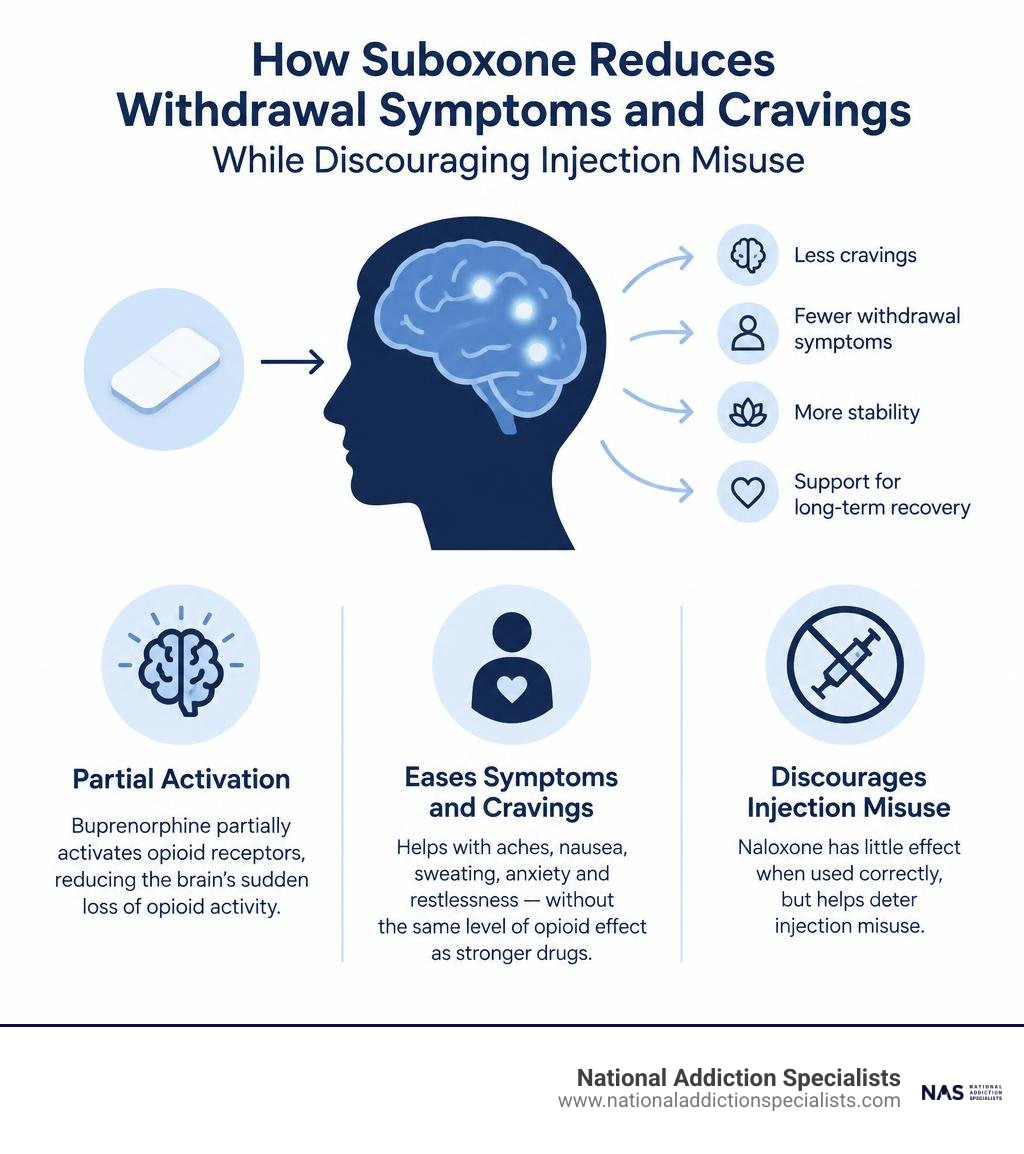
Suboxone helps with opioid withdrawal by reducing the brain’s sudden loss of opioid activity. Its main ingredient, buprenorphine, partially activates opioid receptors. This can ease cravings and symptoms such as aches, nausea, sweating, anxiety, and restlessness without producing the same level of opioid effect as drugs like fentanyl, heroin, or oxycodone.
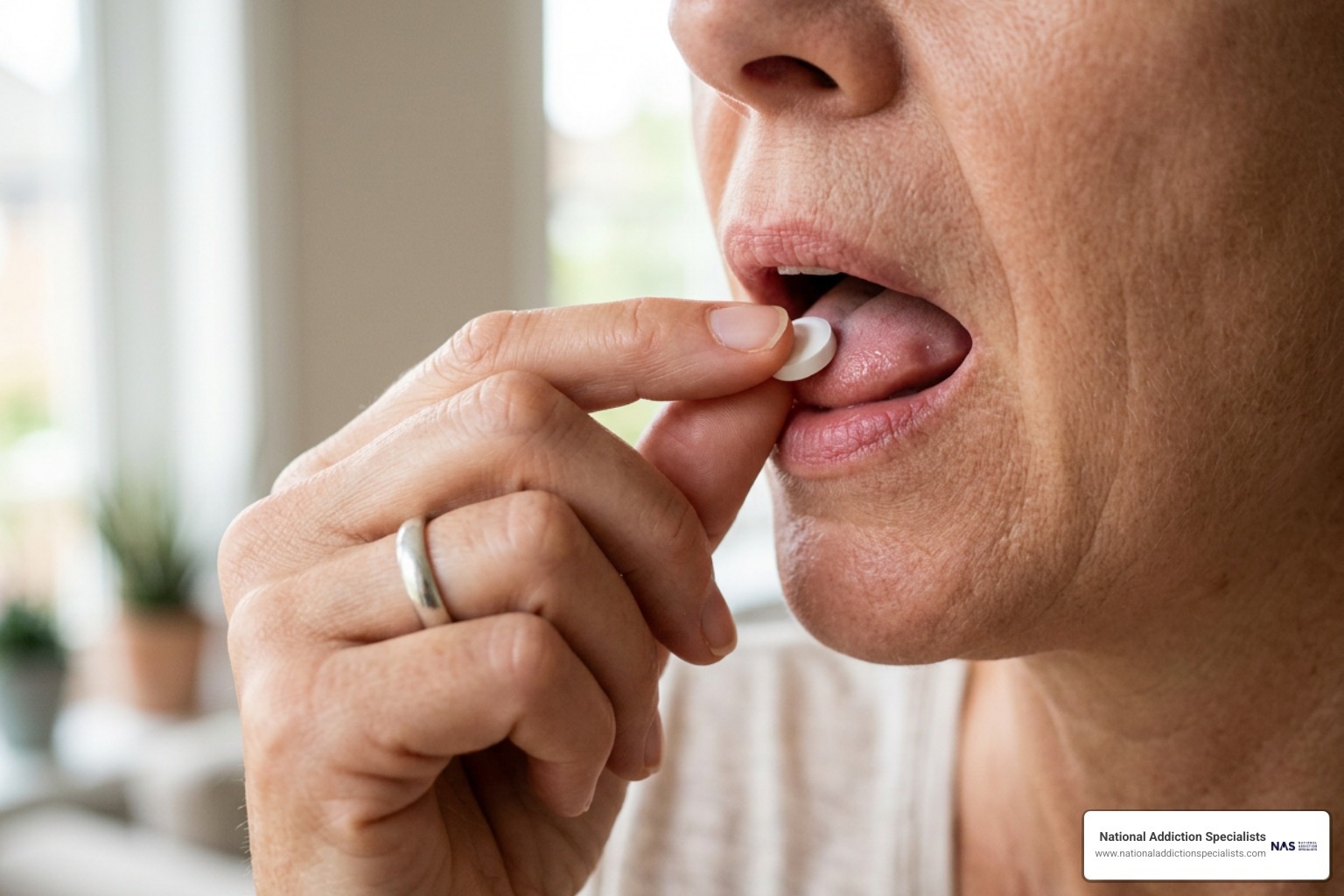
For the safest start, a clinician should begin Suboxone after clear, moderate withdrawal has started. Taking it too soon can trigger precipitated withdrawal, a rapid worsening of symptoms. When taken as prescribed under the tongue or inside the cheek, Suboxone can begin providing relief quickly, with fuller effects generally reached within one to three hours.
Suboxone also contains naloxone, which has little effect when the medicine is used correctly but helps discourage injection misuse. Treatment is not a one-size-fits-all detox plan. A qualified clinician can help choose the right timing, dose, and follow-up plan so withdrawal relief supports longer-term recovery.
I am Chad Elkin, MD, a board-certified addiction medicine and internal medicine physician and the founder and medical director of National Addiction Specialists. My work focuses on helping patients understand how does Suboxone help with withdrawals and access evidence-based treatment with privacy, flexibility, and medical support.
How does suboxone help with withdrawals vocab to learn:
How Does Suboxone Help with Withdrawals? The Science Behind Relief
Understanding what is Suboxone begins with breaking down how full opioid agonists affect the nervous system. Full agonists—such as oxycodone, hydrocodone, morphine, heroin, and illicit fentanyl—bind entirely to the mu-opioid receptors in the central nervous system. When someone develops physical dependence and suddenly stops using these substances, those receptors are abruptly left empty. This triggers an intense neurochemical rebound: severe muscle aches, sweating, diarrhea, severe nausea, autonomic instability, and overwhelming psychological cravings.
Suboxone alters this trajectory through its primary active component, buprenorphine. As a partial opioid agonist, buprenorphine binds tightly to those same mu-opioid receptors, activating them just enough to suppress distressing physical symptoms and diminish cravings without producing the potent euphoria associated with full agonists.
Furthermore, buprenorphine exhibits a distinct “ceiling effect.” Unlike full opioids, where higher doses lead to escalating euphoria and fatal respiratory depression, buprenorphine’s receptor activation plateaus at moderate-to-high doses. This intrinsic pharmacologic ceiling provides a vital safety margin against overdose, making it an optimal medication for outpatient recovery programs.
Pharmacology and Receptor Action: How Does Suboxone Help with Withdrawals?
The true power of buprenorphine lies in its unique receptor binding dynamics. It possesses a exceptionally high binding affinity for the mu-opioid receptor. In pharmacology, affinity refers to how strongly a molecule latches onto its target receptor. Buprenorphine binds so tightly that it outcompetes and displaces almost any other opioid present, essentially forming an impenetrable shield over the receptor site.
Once bound, its slow dissociation rate ensures prolonged receptor occupancy. In our clinical practice, we often refer to this prolonged stability as the Suboxone secret and what makes this medication work. Buprenorphine has a mean plasma elimination half-life of approximately 37 hours (ranging between 24 and 42 hours) and is roughly 96% protein-bound. This exceptionally long half-life prevents the erratic “peaks and valleys” in blood concentration that drive the cycle of intoxication and withdrawal, allowing patients to achieve stable, around-the-clock relief with once-daily dosing.

The Role of Naloxone and Abuse Deterrence
Suboxone is a fixed-ratio combination medication containing buprenorphine and naloxone in a 4:1 ratio (such as 8 mg buprenorphine to 2 mg naloxone, or 2 mg buprenorphine to 0.5 mg naloxone). Naloxone is a pure, potent opioid antagonist that blocks opioid receptors and reverses opioid effects.
Patients often wonder: If naloxone blocks opioids, why doesn’t it stop the buprenorphine from relieving my withdrawal?
The answer lies in bioavailability and route of administration:
- When taken sublingually or buccally (under the tongue or inside the cheek): Naloxone has negligible oral and sublingual bioavailability (less than a few percent). It passes harmlessly through the gastrointestinal tract and liver without reaching meaningful levels in the bloodstream. Consequently, the buprenorphine is absorbed smoothly through the oral mucosa, completely unhindered by the naloxone.
- If crushed and injected: Naloxone becomes virtually 100% bioavailable. In an injected state, the naloxone rapidly blocks opioid receptors, instantly precipitating severe withdrawal symptoms in an opioid-dependent individual.
Thus, naloxone acts purely as a built-in safety mechanism and abuse deterrent, designed to prevent intravenous misuse while allowing safe, therapeutic oral mucosal absorption.
The Suboxone Treatment Process: Induction, Dosing, and Transition
Embarking on recovery through how Suboxone treatment works involves a structured, medically supervised protocol divided into distinct phases: induction, stabilization, and long-term maintenance. According to the FDA-approved DailyMed Suboxone film prescribing information, careful patient evaluation is essential before initiating therapy.
Clinical teams evaluate withdrawal severity using validated scoring tools such as the Clinical Opiate Withdrawal Scale (COWS). The COWS objectively measures 11 common signs and symptoms, including resting pulse rate, pupil size, sweating, bone or joint aches, tremors, and gastrointestinal distress.
Induction Phase: How Does Suboxone Help with Withdrawals During Early Detox?
The induction phase is the transition window where a patient takes their initial doses of Suboxone to replace full agonists. Timing is the single most critical factor during induction. Because buprenorphine has an exceptionally high binding affinity, administering it while full agonists (like heroin, oxycodone, or methadone) are still actively occupying mu-opioid receptors will cause buprenorphine to forcefully knock those agonists off the receptors. Because buprenorphine provides only partial activation compared to the full activation of the displaced opioid, the sudden drop in receptor stimulation triggers rapid, severe precipitated withdrawal.
To avoid this complication, clinicians require patients to be in clear, mild-to-moderate withdrawal (typically a COWS score of 12 or higher) before taking their first dose:
- Short-Acting Opioids (e.g., heroin, oxycodone, hydrocodone): Patients must generally wait at least 12 to 24 hours after their last use.
- Long-Acting Opioids (e.g., methadone): Patients must typically taper down to 30 mg of methadone daily or less and wait a minimum of 24 to 72 hours before starting induction.
- Illicit Fentanyl: Because illicit fentanyl is highly lipophilic (stored in body fat) and clears unpredictably, extended clearance times or specialized micro-induction strategies are frequently used.
A standard induction begins with an initial dose of 2 mg/0.5 mg to 4 mg/1 mg of buprenorphine/naloxone. Patients are observed over the next 1 to 2 hours. If withdrawal symptoms steadily improve and no signs of precipitated withdrawal emerge, additional 2 mg or 4 mg increments can be administered, typically up to a total day-one dose of 8 mg/2 mg.
Make an Appointment to Treat Addiction Please don’t hesitate. Make an appointment today.
For a deeper look at avoiding complications during induction, read our dedicated guide on understanding Suboxone precipitated withdrawal and how to manage it.
Maintenance Dosing and Long-Term Stabilization
Once withdrawal symptoms are successfully suppressed during the initial days of treatment, the patient enters the maintenance phase. The primary goals during maintenance are to eliminate physical cravings, block the euphoric effects of any illicit full agonists, normalize brain neurochemistry, and support long-term retention in psychosocial rehabilitation.
The standard target maintenance dose of Suboxone is 16 mg/4 mg per day, administered as a single daily dose or split into two doses. Depending on unique metabolic rates, body chemistry, and clinical response, the typical therapeutic maintenance range spans from 4 mg/1 mg to 24 mg/6 mg per day. Doses above 24 mg daily generally yield no additional clinical benefit due to the ceiling effect on receptor occupancy.
Clinical trial evidence overwhelmingly supports the efficacy of buprenorphine/naloxone maintenance:
- In a landmark 4-week randomized clinical trial, participants receiving Suboxone had significantly fewer opioid-positive urine toxicology screens compared to those on a placebo.
- In an extended 17-week study, patients maintained on buprenorphine/naloxone demonstrated markedly lower illicit opioid use and significantly higher retention rates in outpatient addiction recovery therapy.
Utilizing Suboxone for opioid addiction provides the physiological stability individuals need to rebuild their personal, professional, and social lives.
Administration Guidelines, Side Effects, and Safety Warnings
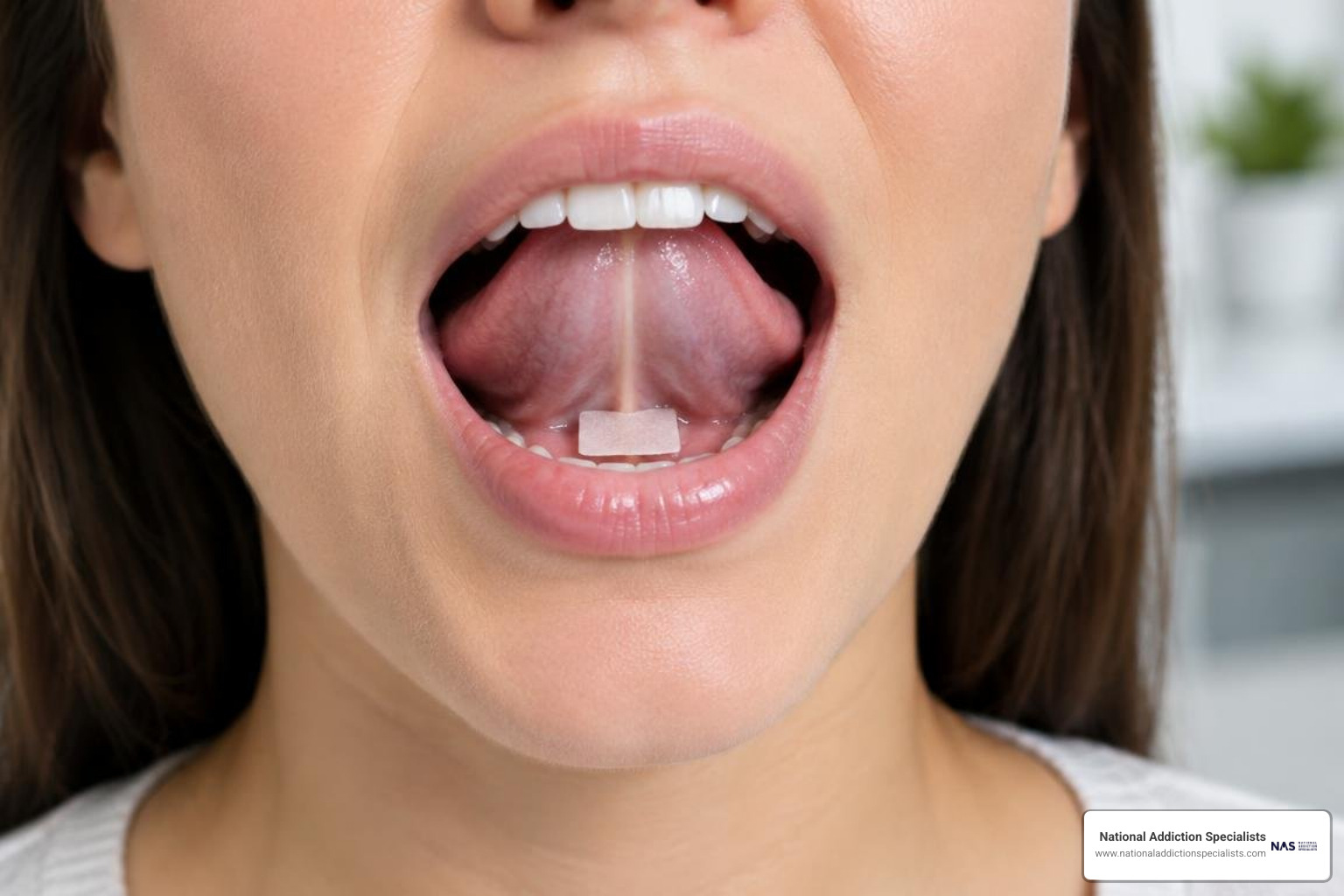
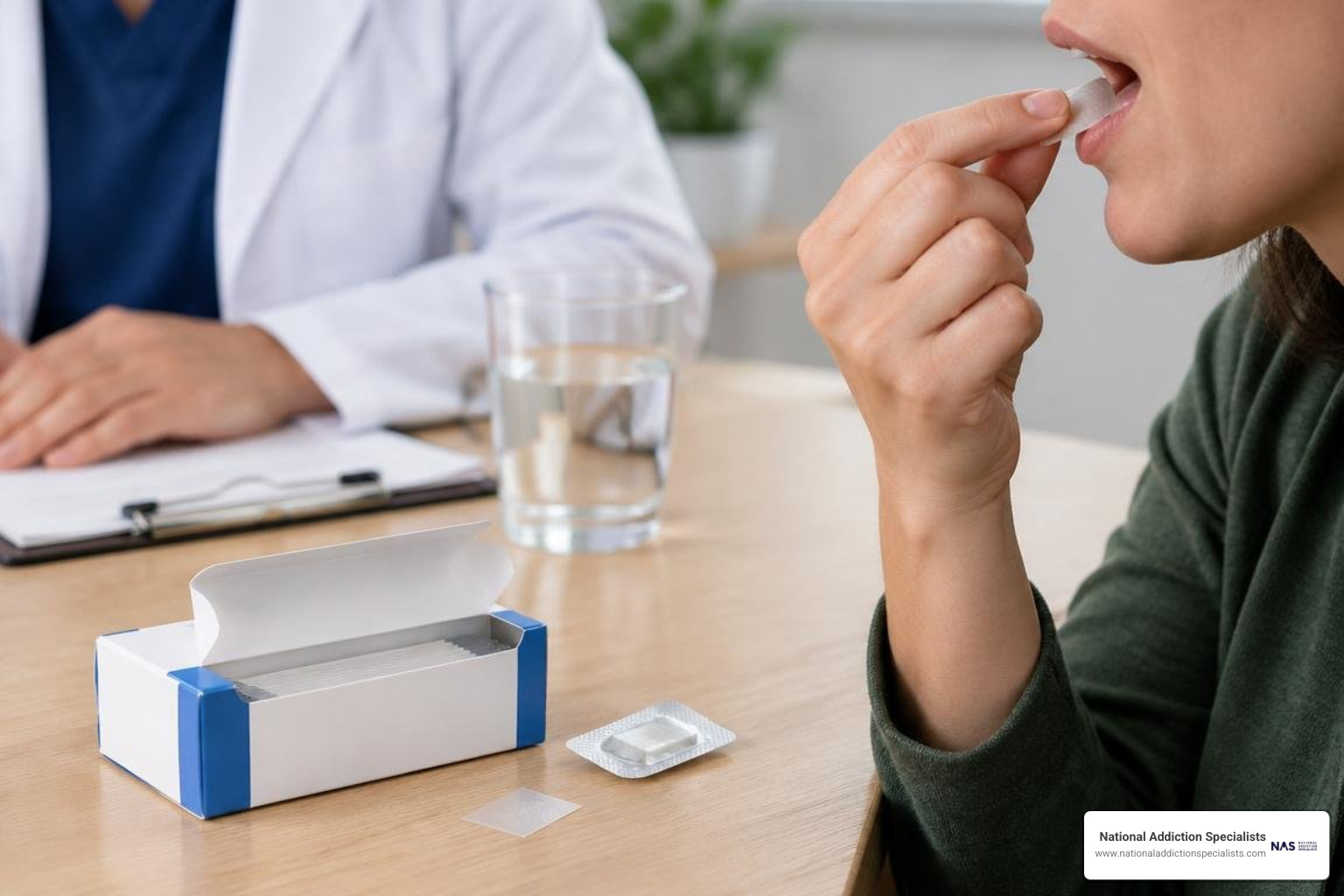
Suboxone is formulated as a sublingual film or sublingual tablet. It is not absorbed when swallowed because gastric acids break it down, and extensive first-pass liver metabolism destroys the buprenorphine. As outlined in the DailyMed Suboxone tablet label, following exact administration steps is crucial for optimal bioavailability:
- Hydrate: Drink a sip of water to moisten the mouth before placement, ensuring the film or tablet adheres smoothly.
- Placement: Place the sublingual tablet or film under the tongue, near the base on either the left or right side. If using buccal film administration, place it firmly against the inside of the cheek.
- Dissolution: Keep the medication in place until it completely dissolves (typically 5 to 10 minutes). Do not chew, swallow, cut, or move the film around with your tongue.
- Avoid Eating and Drinking: Do not drink liquids, consume food, or talk while the medication is dissolving to ensure complete mucosal absorption.
- Oral Hygiene Protocol: Because acidic medications can affect dental enamel over time, rinse your mouth gently with water once the medicine has fully dissolved and swallow the rinse. Wait at least 60 minutes after taking Suboxone before brushing your teeth to protect tooth surfaces.
Common and Severe Side Effects
While Suboxone is well-tolerated by most patients, it can cause adverse reactions. Providers and patients should actively monitor these symptoms:
- Common Side Effects:
- Oral hypoesthesia (numbness or tingling in the mouth)
- Headache and dizziness
- Nausea, vomiting, and constipation
- Insomnia and fatigue
- Excessive sweating (diaphoresis)
- Mouth irritation or redness at the application site
- Severe Adverse Effects:
- Hepatotoxicity: Rare cases of elevated liver enzymes, hepatitis, and hepatic failure have been reported. Liver function tests (LFTs) should be evaluated periodically, especially in patients with pre-existing viral hepatitis or liver impairment.
- Dental Complications: Severe dental decay, cavities, oral infections, and tooth loss have been linked to buprenorphine sublingual products. Routine dental care and following oral rinse guidelines mitigate this risk.
- Allergic Hypersensitivity: Symptoms include rash, hives, swelling of the lips or tongue, and anaphylaxis.
- Adrenal Insufficiency: Prolonged opioid use can occasionally suppress cortisol production, leading to chronic weakness, nausea, and low blood pressure.
Critical Warnings and Drug Interactions
The FDA highlights several major safety precautions for patients taking Suboxone:
- Concomitant Central Nervous System (CNS) Depressants: Combining Suboxone with benzodiazepines (e.g., Xanax, Valium, Klonopin), sedatives, tranquilizers, or alcohol significantly escalates the risk of profound sedation, severe respiratory depression, coma, and fatal overdose. Patients must disclose all prescription sedatives to their provider.
- CYP3A4 Inhibitors and Inducers: Buprenorphine is metabolized primarily by the cytochrome P450 3A4 enzyme system in the liver. Potent CYP3A4 inhibitors (e.g., ketoconazole, erythromycin, certain protease inhibitors) can elevate buprenorphine blood concentrations, while inducers (e.g., rifampin, carbamazepine) can lower them, potentially triggering withdrawal.
- Accidental Pediatric Ingestion: Even a partial dose of Suboxone can be fatal to a child. Always store medications safely in child-resistant packaging and locked lockboxes.
- Abrupt Cessation: Never discontinue Suboxone suddenly. Although its long half-life produces a milder withdrawal profile than full agonists, abruptly stopping will trigger Suboxone withdrawal symptoms. Always taper gradually under medical supervision.
Key Benefits of Suboxone for Opioid Withdrawal and Recovery
Suboxone (buprenorphine/naloxone) provides a unique set of clinical advantages that make it an effective foundation for treating opioid use disorder and managing acute withdrawal symptoms:
- Ceiling Effect for Enhanced Safety: Because buprenorphine is a partial opioid agonist, its effects plateau at moderate-to-high doses. This intrinsic pharmacologic ceiling provides a vital safety margin against respiratory depression and overdose.
- Rapid Withdrawal and Craving Relief: Systemic mucosal absorption allows buprenorphine to engage mu-opioid receptors promptly, bringing noticeable symptom reduction within 30 to 45 minutes and peak relief within one to three hours.
- Built-In Abuse Deterrence: The addition of naloxone in a 4:1 ratio helps discourage misuse via injection while remaining inactive when taken sublingually or buccally as directed.
- Convenient Telemedicine Access: Suboxone can be prescribed through outpatient telehealth appointments, allowing patients to begin and maintain their recovery from the comfort and privacy of home.
National Addiction Specialists offers Suboxone treatment through convenient telemedicine, allowing patients to receive comprehensive, confidential care tailored to their recovery journey.
Frequently Asked Questions About Suboxone and Withdrawal
How quickly does Suboxone relieve withdrawal symptoms?
Suboxone begins dissolving within minutes, and systemic absorption through the sublingual tissue allows buprenorphine to enter the bloodstream directly. Most patients notice an initial reduction in restlessness, muscle aches, and chills within 30 to 45 minutes, with peak clinical relief of acute opioid withdrawal occurring within 1 to 3 hours after administration.
Can Suboxone cause precipitated withdrawal?
Yes, if taken prematurely. If Suboxone is administered while full opioid agonists are still actively bound to mu-opioid receptors, the high-affinity buprenorphine will rapidly displace those full agonists, triggering acute severe withdrawal symptoms. To avoid precipitated withdrawal, patients must follow clinical guidance and wait until objective, moderate withdrawal symptoms appear before taking their first dose.
How long do patients typically stay on Suboxone?
The duration of Suboxone therapy is completely individualized. Some patients use Suboxone for short-term stabilization over several months, while many remain on maintenance therapy for years. Clinical research demonstrates that longer-term maintenance therapy substantially reduces the risk of relapse, fatal overdose, and infectious disease transmission. Discontinuation should always be a collaborative decision between patient and doctor, achieved via a slow, gradual taper.
Conclusion: Taking the Next Step in Opioid Recovery
Opioid withdrawal can feel like an insurmountable barrier, but you do not have to endure it alone or without medical support. By leveraging the science of partial mu-opioid receptor activation, Suboxone effectively neutralizes physical pain and cravings, providing a safe, stable foundation for sustained sobriety.
At National Addiction Specialists, we deliver comprehensive, compassionate, outpatient telemedicine care tailored to your life. Our board-certified physicians specialize in evidence-based medication-assisted treatment and counseling, serving patients across Tennessee and Virginia from the comfort, privacy, and safety of home. We accept both Medicaid and Medicare, removing financial hurdles so you can focus entirely on healing.
Explore the complete guide to Suboxone treatment options and take the first step toward lasting health and freedom today.
Suboxone® and Subutex® are a registered trademark of Indivior UK Limited. Any mention and reference of Suboxone® and Subutex® in this website is for informational purposes only and is not an endorsement or sponsorship by Indivior UK Limited.
This article was medically reviewed by: Chad Elkin, MD, DFASAM is a board-certified addiction medicine physician, founder, and Chief Medical Officer of National Addiction Specialists, dedicated to treating substance use disorders. A Distinguished Fellow of the American Society of Addiction Medicine (ASAM), Dr Elkin currently serves as President of the Tennessee Society of Addiction Medicine (TNSAM) and has held various leadership roles within the organization. Dr Elkin chairs ASAM’s Health Technology Subcommittee and is an active member of its Practice Management and Regulatory Affairs Committee, State Advocacy and Legislative Affairs Committee, and other committees. He also serves on the planning committee for the Vanderbilt Mid-South Addiction Conference. Committed to advancing evidence-based policy, Dr Elkin is Chairman of the Tennessee Association of Alcohol, Drug, & Other Addiction Services (TAADAS) Addiction Medicine Council, which collaborates with the TN Department of Mental Health & Substance Abuse Services (TDMHSAS). He has contributed to numerous local, state, and national task forces, helping develop professional guidelines, policies, and laws that align with best practices in addiction medicine. His work focuses on reducing addiction-related harm, combating stigma, and ensuring access to effective treatment.Passionate about the field of addiction medicine, he remains dedicated to shaping policy and enhancing patient care.