Your Recovery Roadmap: What to Expect in Opioid Addiction Healing
The Journey to a New Beginning
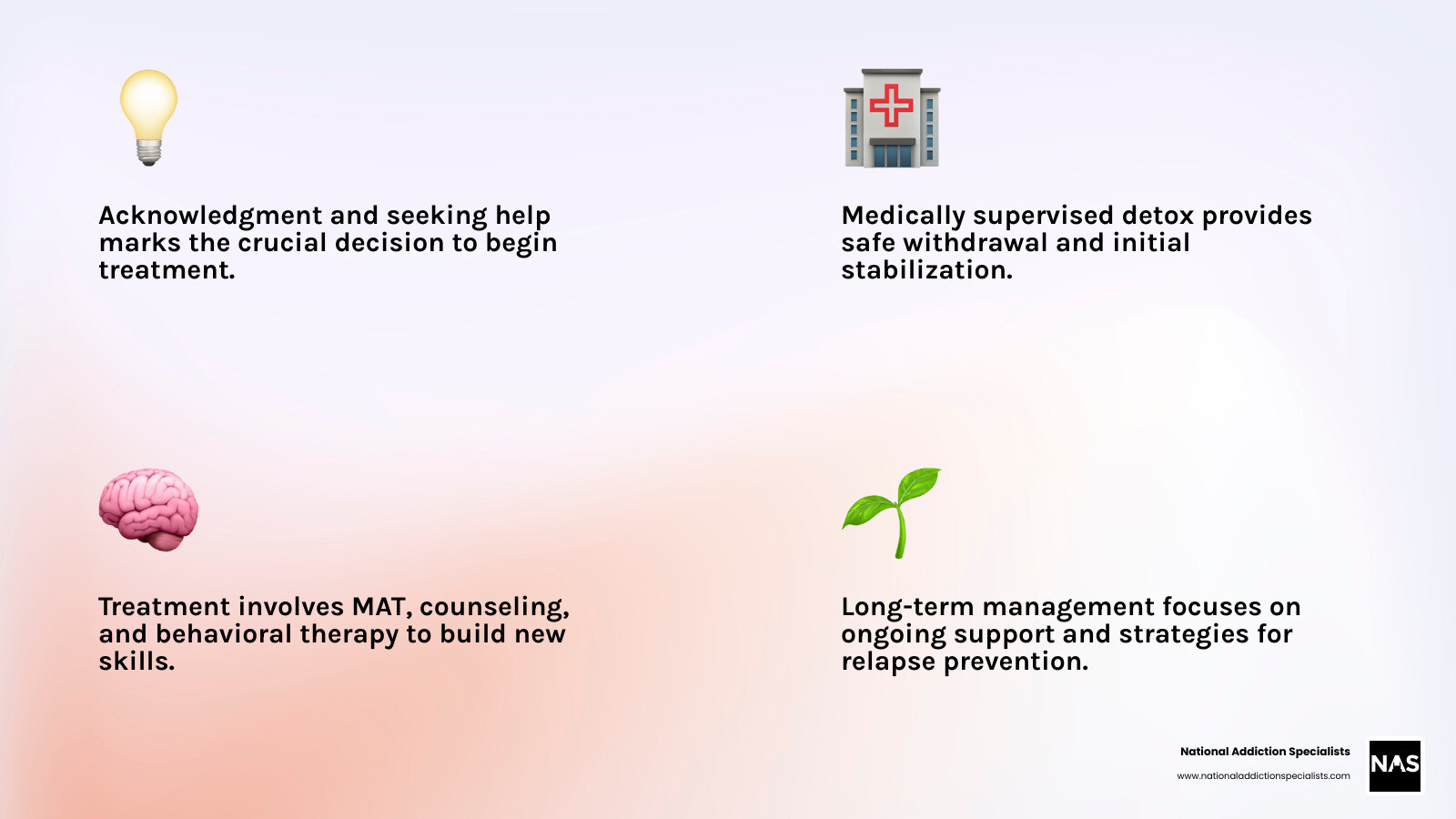
What does recovery from opioid addiction involve is a question millions of Americans face as they struggle with this chronic but treatable condition. Recovery from opioid addiction involves a comprehensive approach that includes medically supervised detox, medication-assisted treatment (MAT), behavioral therapies, and ongoing support systems designed to help individuals regain control of their lives.
The core components of opioid addiction recovery include:
- Medical Detoxification – Safe withdrawal under medical supervision
- Medication-Assisted Treatment (MAT) – Using medications like buprenorphine to reduce cravings
- Behavioral Therapy – Counseling to address underlying causes and build coping skills
- Support Systems – Peer groups, family support, and community resources
- Long-term Management – Relapse prevention and ongoing care
The path to recovery isn’t just about stopping drug use. It’s about returning to productive functioning in your family, workplace, and community. Research shows that half of patients who completed 12 months of treatment maintained sustained abstinence, with employment rates doubling and depression rates dropping significantly.
Recovery is possible, but it requires understanding that opioid addiction is a chronic disease – similar to diabetes or heart disease. Like these conditions, it can be managed effectively with the right treatment approach.
I’m Dr. Chad Elkin, a board-certified addiction medicine physician who has dedicated my career to understanding what does recovery from opioid addiction involve through evidence-based treatment approaches. As founder of National Addiction Specialists, I’ve helped thousands of patients steer their recovery journey using comprehensive telehealth services that make treatment accessible and private.
What does recovery from opioid addiction involve terms you need:
Understanding Opioid Use Disorder: The First Step to Healing
Before we can fully understand what does recovery from opioid addiction involve, we need to grasp what we’re actually dealing with. Opioid Use Disorder (OUD), commonly called opioid addiction, isn’t what many people think it is.
It’s not a moral failing or a lack of willpower. OUD is a chronic disease that fundamentally changes how your brain works. When someone uses opioids repeatedly, these powerful drugs hijack the brain’s reward system, creating intense physical and psychological dependence that makes stopping incredibly difficult without proper help.
The science is clear: opioids alter brain chemistry in profound ways. As tolerance develops, people need higher and higher doses to feel the same effects. This dangerous cycle dramatically increases the risk of overdose. Understanding The Science Behind Opioid Addiction helps us see why compassionate, medical treatment is so essential.
Recognizing the Signs and Symptoms of Opioid Addiction
Spotting the warning signs early can literally save a life. OUD affects every aspect of a person’s existence – their body, behavior, and emotional well-being.
Physical signs are often the most visible. You might notice drowsiness or someone nodding off at inappropriate times. Their pupils may look like tiny pinpoints, even in dim light. Nausea, vomiting, and chronic constipation are common. When they can’t access opioids, flu-like symptoms appear – runny nose, watery eyes, body aches, and disrupted sleep patterns. Personal hygiene often suffers too.
Behavioral changes can be heartbreaking to watch. Someone who was once reliable starts missing work or school. They become secretive, lying about their activities or whereabouts. Money problems emerge as drug costs mount. They might isolate themselves from family and friends, or even engage in illegal activities to obtain pills. “Doctor shopping” – visiting multiple physicians to get prescriptions – becomes a desperate routine.
The psychological symptoms are equally devastating. Intense cravings dominate their thoughts – overwhelming urges that feel impossible to resist. Mood swings, irritability, and agitation become the norm. Depression and anxiety often worsen. Activities they once loved hold no interest anymore. Perhaps most tragically, they desperately want to stop but simply can’t manage it alone.
When physical dependence sets in, withdrawal symptoms like severe cravings and sweating appear whenever they try to quit. While someone can become physically dependent on opioids without addiction (like cancer patients managing pain), experiencing euphoria from these medications signals a dangerous vulnerability to addiction.
The Causes, Risk Factors, and Long-Term Health Impacts of OUD
Why do some people develop addiction while others don’t? It’s one of the most important questions families ask, and the answer isn’t simple.
Genetics play a significant role – if addiction runs in your family, your risk is higher. Environmental factors matter too, including social pressures, lack of support systems, or early exposure to drug use. Sadly, prescription practices have fueled much of today’s crisis, with many people first encountering opioids through legitimate pain treatment.
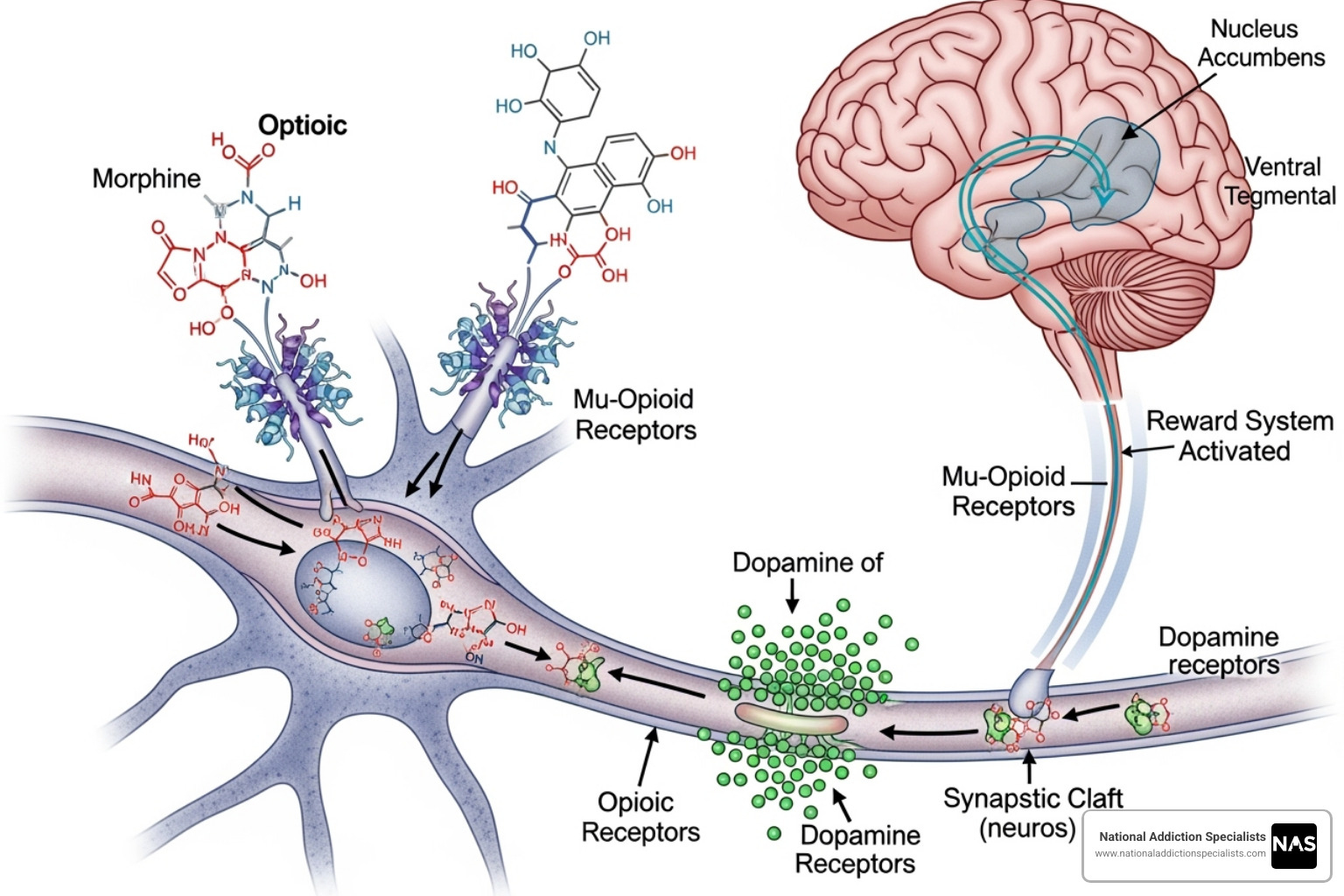
Even when taken exactly as prescribed, some individuals face significant risk because opioids fundamentally alter brain chemistry and create tolerance. Teenagers are especially vulnerable since their prefrontal cortex is still developing, making them more susceptible to peer pressure and risky decisions.
The long-term health consequences of untreated OUD extend far beyond the immediate overdose risk. Respiratory depression – slowed or stopped breathing – remains the primary cause of overdose deaths. Injection drug use can lead to serious heart infections like endocarditis. Liver damage occurs with prolonged use of certain prescription opioids.
Chronic constipation affects nearly everyone with long-term opioid use. Hormonal imbalances develop, causing decreased libido and other endocrine problems. Mental health complications often worsen, with depression and anxiety becoming more severe alongside the addiction.
The numbers tell a sobering story. From 1999 to 2020, over 800,000 Americans died from drug overdoses. The opioid crisis has become so severe that it’s actually decreased U.S. life expectancy in recent years.
But here’s what gives me hope: recovery is absolutely possible. Understanding that OUD is a chronic disease helps us approach it the right way – with medical treatment, compassion, and evidence-based care. When we know what we’re facing, we can fight it effectively.
The Core Components: What Does Recovery from Opioid Addiction Involve?
What does recovery from opioid addiction involve? It’s a comprehensive journey that combines medical expertise, emotional support, and personalized care. Think of it like building a house – you need a solid foundation, strong walls, and ongoing maintenance to keep everything stable.
Recovery isn’t a one-size-fits-all process. That’s why Opioid Addiction Treatment focuses on creating personalized treatment plans that address your unique situation, challenges, and goals. Some people need intensive medical support, while others benefit more from behavioral therapy. Most successful recovery stories involve a combination of both.

The beauty of modern addiction treatment is that it can meet you where you are. Whether you’re ready to start your journey from home through telemedicine or need in-person support, comprehensive care adapts to your life, not the other way around.
Starting with Safe Withdrawal: Medically Supervised Detox
Let’s be honest – withdrawal from opioids feels terrible. Your body has become dependent on these substances, and when you stop using them, it protests loudly. This is where medically supervised detox becomes your first lifeline.
Unlike what you might see in movies, going “cold turkey” alone isn’t just uncomfortable – it’s often unsuccessful and potentially dangerous. The term “cold turkey” actually comes from the cold flashes and goosebumps that are common Opioid Withdrawal Symptoms. You might also experience severe muscle and bone pain, nausea and vomiting, uncontrollable leg movements, and intense anxiety.
Here’s the good news: medical professionals can make this process much more manageable. During a medically supervised detox, which typically lasts 5-12 days, you’re not fighting these symptoms alone. Healthcare providers monitor your vital signs, provide medications to ease discomfort, and ensure you stay safe throughout the process.
This isn’t about “toughing it out” – it’s about giving your body the support it needs to stabilize. Think of detox as clearing the slate so you can focus on the real work of recovery ahead.
The Gold Standard: Medication-Assisted Treatment (MAT) with Buprenorphine-Based Options
Here’s where science meets compassion. Medication-Assisted Treatment (MAT) is considered the gold standard because it recognizes a simple truth: addiction changes your brain chemistry, so effective treatment often needs to address those changes medically.
MAT isn’t about replacing one addiction with another – that’s a harmful myth. Instead, it’s about using FDA-approved medications alongside counseling and behavioral therapies to help normalize brain function, reduce cravings, and prevent withdrawal symptoms.
The star player in MAT is buprenorphine, often combined with naloxone in medications like Suboxone. As a partial opioid agonist, buprenorphine is fascinating – it activates the same brain receptors as other opioids but only partially. This means it reduces cravings and withdrawal symptoms without producing the dangerous highs that fuel addiction.
What makes buprenorphine particularly valuable is its accessibility. Unlike methadone, which requires daily visits to specialized clinics, buprenorphine can be prescribed by certified doctors and taken at home. This makes it perfect for telemedicine treatment, allowing you to receive care privately and conveniently. Our page on Benefits of Suboxone Treatment for Opioid Addiction explores this in more detail.
Naltrexone offers a different approach as an opioid antagonist. It blocks opioid receptors completely, so if you try to use opioids while taking naltrexone, you won’t feel any effects. It’s available as daily pills or monthly injections, but requires you to be opioid-free for 7-10 days before starting.
Scientific research on Buprenorphine treatment effectiveness consistently shows that people who receive MAT are more likely to stay in treatment, less likely to overdose, and more successful in rebuilding their lives.
For detailed information about Medication-Assisted Treatment for Opioid Addiction, you can explore how these medications work in practice.
| Feature | Buprenorphine (e.g., Suboxone) | Naltrexone |
|---|---|---|
| Mechanism | Partial opioid agonist – reduces cravings and withdrawal without euphoria | Opioid antagonist – blocks all opioid effects |
| Administration | Sublingual films/tablets or long-acting injections; can be prescribed by certified doctors | Daily oral pills or monthly injections (Vivitrol) |
| Setting | Can be taken at home; ideal for telemedicine treatment | Can be taken at home but requires complete detox first |
Building Coping Skills with Behavioral Therapy
Medication helps stabilize your brain chemistry, but behavioral therapy helps you rebuild your life. This is where you learn new ways to handle stress, relationships, and the challenges that may have contributed to your addiction in the first place.
Cognitive-Behavioral Therapy (CBT) is like having a personal trainer for your thoughts. It helps you identify negative thinking patterns and replace them with healthier ones. If you’ve been telling yourself “I’m worthless” or “I’ll never get better,” CBT teaches you to challenge these thoughts and develop more realistic, hopeful perspectives.
Motivational Interviewing (MI) takes a different approach. Instead of telling you what to do, it helps you find your own reasons for change. This technique recognizes that lasting recovery comes from internal motivation, not external pressure.
Family therapy acknowledges that addiction affects everyone around you. It helps repair damaged relationships and teaches your loved ones how to support your recovery without enabling unhealthy behaviors.
Many people with opioid addiction also struggle with co-occurring disorders like depression, anxiety, or trauma. Effective behavioral therapy addresses these underlying issues, not just the addiction itself. After all, if you’re self-medicating untreated depression with opioids, you need treatment for both conditions to succeed.
The goal isn’t just to stop using opioids – it’s to develop healthy coping skills that help you handle life’s ups and downs without turning to substances. Our Counseling for Opioid Addiction services focus on building these essential life skills.
Make an Appointment to Treat Addiction
Please don’t hesitate. Make an appointment today.
The Journey to New Beginning
What does recovery from opioid addiction involve is a question millions of Americans face as they struggle with this chronic but treatable condition. Recovery from opioid addiction involves a comprehensive approach that includes medically supervised detox, medication-assisted treatment (MAT), behavioral therapies, and ongoing support systems designed to help individuals regain control of their lives.
The core components of opioid addiction recovery include:
- Medical Detoxification – Safe withdrawal under medical supervision
- Medication-Assisted Treatment (MAT) – Using medications like buprenorphine to reduce cravings
- Behavioral Therapy – Counseling to address underlying causes and build coping skills
- Support Systems – Peer groups, family support, and community resources
- Long-term Management – Relapse prevention and ongoing care
The path to recovery isn’t just about stopping drug use. It’s about returning to productive functioning in your family, workplace, and community. Research shows that half of patients who completed 12 months of treatment maintained sustained abstinence, with employment rates doubling and depression rates dropping significantly.
Recovery is possible, but it requires understanding that opioid addiction is a chronic disease – similar to diabetes or heart disease. Like these conditions, it can be managed effectively with the right treatment approach.
I’m Dr. Chad Elkin, a board-certified addiction medicine physician who has dedicated my career to understanding what does recovery from opioid addiction involve through evidence-based treatment approaches. As founder of National Addiction Specialists, I’ve helped thousands of patients steer their recovery journey using comprehensive telehealth services that make treatment accessible and private.
What does recovery from opioid addiction involve terms you need:
Understanding Opioid Use Disorder: The First Step to Healing
Opioid Use Disorder (OUD), often referred to as opioid addiction, is a complex illness characterized by the compulsive use of opioid drugs despite negative consequences. It’s not a moral failing; it’s a chronic disease that profoundly affects brain chemistry, leading to physical and psychological dependence. When someone develops a tolerance to opioids, they need higher doses to achieve the same effect, increasing the risk of overdose. Our understanding of The Science Behind Opioid Addiction tells us that these changes in the brain’s reward system make it incredibly difficult to stop using opioids without help.
Recognizing the Signs and Symptoms of Opioid Addiction
Identifying the signs and symptoms of OUD is crucial for seeking timely help. These can manifest across physical, behavioral, and psychological aspects of a person’s life.
Physical signs might include:
- Drowsiness or sedation
- Pinpoint pupils
- Nausea or vomiting
- Constipation
- Changes in sleep patterns
- Flu-like symptoms (runny nose, watery eyes, body aches) when not using
- Poor hygiene
Behavioral changes can involve:
- Increasingly heavy, frequent, or risky use despite problems
- Neglecting responsibilities at work, school, or home
- Secretive behavior or lying about drug use
- Isolation from friends and family
- Financial difficulties due to drug costs
- Engaging in illegal activities to obtain opioids
- Doctor shopping to get multiple prescriptions
Psychological symptoms often include:
- Intense cravings—overwhelming urges to take the drug
- Mood swings, irritability, or agitation
- Anxiety or depression
- Loss of interest in previously enjoyed activities
- Inability to stop or cut down on opioid use, even when desired
When someone experiences physical dependence, they will exhibit withdrawal symptoms like severe cravings and sweating when they try to stop using. While physical dependence can occur without addiction (e.g., in cancer patients managing chronic pain), experiencing euphoria after taking opioids can be a warning sign of vulnerability to addiction.
The Causes, Risk Factors, and Long-Term Health Impacts of OUD
What causes addiction to opioids? It’s a question with no single answer, as it’s a complex interplay of various factors. While we don’t yet fully understand why some people become addicted and others don’t, several elements contribute to the risk.
Genetic predisposition plays a role; a family history of addiction can increase vulnerability. Environmental factors such as social pressures, lack of support, or exposure to drug use can also be significant. Sadly, past prescription practices have also contributed to the crisis, with many individuals initially exposed to opioids through legitimate pain prescriptions. Even when prescribed and taken correctly, some individuals are at significant risk of developing opioid addiction due to how opioids alter brain chemistry and cause tolerance. Teenagers, in particular, are susceptible due to their less developed prefrontal cortex, making them more vulnerable to peer pressure and risky behavior.
The long-term health risks associated with opioid use disorder are severe and far-reaching. Beyond the immediate danger of overdose, chronic opioid use can lead to:
- Respiratory depression: Slowed or stopped breathing, a primary cause of overdose deaths.
- Cardiovascular problems: Including heart infections (endocarditis) from injection drug use.
- Liver damage: Especially with prolonged use of certain prescription opioids.
- Gastrointestinal issues: Chronic constipation is common.
- Hormonal imbalances: Leading to decreased libido and other endocrine problems.
- Mental health complications: Worsening depression, anxiety, and other co-occurring disorders.
The opioid crisis has had a devastating impact. From 1999 to 2020, over 800,000 Americans died from drug overdoses, and increasing rates of drug addiction have contributed to recent decreases in U.S. life expectancy.
The Core Components: What Does Recovery from Opioid Addiction Involve?
What does recovery from opioid addiction involve? It’s a journey, not a destination, and it’s built upon a foundation of comprehensive care. No two recovery paths are identical, which is why Opioid Addiction Treatment must be custom to the individual. Our approach emphasizes personalized treatment plans that combine medical, psychological, and social support to address the unique needs of each person.
Starting with Safe Withdrawal: Medically Supervised Detox
The first critical step in overcoming opioid dependence is often detoxification, or detox. This is the process of safely eliminating opioids and their toxins from the body. While opioid withdrawal is rarely life-threatening (unlike alcohol or benzodiazepine withdrawal), it can be incredibly uncomfortable and painful, making it very difficult for individuals to stop “cold turkey” on their own.
Common Opioid Withdrawal Symptoms include:
- Severe cravings
- Muscle and bone pain
- Nausea, vomiting, and diarrhea
- Cold flashes with goosebumps (“cold turkey” is named for this!)
- Uncontrollable leg movements
- Sleep problems
- Anxiety and agitation
A medically supervised detox, typically lasting 5-12 days, is crucial. It ensures that medical professionals are present to monitor symptoms, provide medications to ease discomfort, and help prevent complications. This safe and supportive environment helps stabilize both the body and mind, preparing the individual for the next stages of treatment.
The Gold Standard: Medication-Assisted Treatment (MAT) with Buprenorphine-Based Options
Medication-Assisted Treatment (MAT) is considered the gold standard for opioid addiction recovery, combining FDA-approved medications with counseling and behavioral therapies. MAT is based on the understanding that addiction is a chronic disease that affects brain chemistry. These medications help normalize brain chemistry, relieve cravings, and prevent withdrawal symptoms, significantly improving treatment retention and outcomes.
The primary medications used in MAT for OUD are:
Buprenorphine (often combined with Naloxone, as in Suboxone):
- Mechanism: A partial opioid agonist, meaning it activates opioid receptors in the brain but to a lesser degree than full agonists like heroin or prescription opioids. This reduces cravings and withdrawal symptoms without producing the same euphoric “high.” The naloxone component helps prevent misuse.
- Administration: Typically taken as a sublingual film or tablet, but also available as long-acting injectables (like Sublocade). Can be prescribed by certified doctors and can be taken outside of a specialized clinic, making it highly accessible through telemedicine.
- Benefits: Reduces withdrawal symptoms and cravings, lowers the risk of overdose, improves treatment retention, and allows individuals to regain stability. Our internal page on Benefits of Suboxone Treatment for Opioid Addiction provides more details. Scientific research has consistently shown the effectiveness of buprenorphine treatment. For example, a 12-month observational study on long-acting buprenorphine treatment revealed sustained abstinence rates of 50.8% and significantly higher rates (75.3%) for those receiving 12 months of treatment compared to shorter durations. You can explore more about this research here: Scientific research on Buprenorphine treatment effectiveness.
Methadone:
- Mechanism: A full opioid agonist that also activates opioid receptors, but its slow action helps reduce cravings and withdrawal symptoms without causing euphoria when taken as prescribed.
- Administration: Administered daily in a liquid form, exclusively through certified Opioid Treatment Programs (OTPs) under strict federal regulations.
- Benefits: Highly effective at reducing cravings and blocking the effects of other opioids, it has been shown to decrease overdose deaths.
Naltrexone:
- Mechanism: An opioid antagonist, meaning it blocks opioid receptors in the brain. If someone uses opioids while on Naltrexone, they won’t feel the euphoric effects, preventing the reinforcement of drug use.
- Administration: Available as a daily oral pill or a monthly injectable (Vivitrol).
- Benefits: Prevents relapse by blocking opioid effects. It’s important that individuals are opioid-free for 7-10 days before starting Naltrexone to avoid precipitated withdrawal.
Here’s a quick comparison:
\| Feature | Buprenorphine (e.g., Suboxone) | Naltrexone | \| :—————- | :—————————————————————————————————————————————————————————————————————————————————————————————————————————————————————————————————————————————————————————————————————————————————————————————————————————————————————————————————————————————————————————————————————————————————————————————————————————————————————————————————————————————————————————————————————————————————————————————————————————————————————————————————————————————————————————————————————————————————————————————————————————————————————————————————————————————————————————————————————————————————————————————————————————————————————————————————————————————————————————————————————————————————————————————————————————————————————————————————————————————————————————————————————————————————————————————————————————————————————————————————————————————————————————————————————————————————————————————————————————————————————————————————————————————————————————————————————————————————————————————————————————————————————————————————————————————————————————————————————————————————————————————————————————————————————————————————————————————————————————————————————————————————————————————————————————————————————————————————————————————————————————————————————————————————————————————————————————————————————————————————————————————————————————————————————————————————————————————————————————————————————————————————————————————————————————————————————————————————————————————————————————————————————————————————————————————————————————————————————————————————————————————————————————————————————————————————————————————————————————————————————————————————————————————————————————————————————————————————————————————————————————————————————————————————————————————————————————————————————————————————————————————————————————————————————————————————————————————————————————————————————————————————————————————————————————————————————————————————————————————————————————————————————————————————————————————————————————————————————————————————————————————————————————————————————————————————————————————————————————————————————————————————————————————————————————————————————————————————————————————————————————————————————————————————————————————————————————————————————————————————————————————————————————————————————————————————————————————————————————————————————————————————————————————————————————————————————————————————————————————————————————————————————————————————————————————————————————————————————————————————————————————————————————————————————————————————————————————————————————————————————————————————————————————————————————————————————————————————————————————————————————————————————————————————————————————————————————————————————————————————————————————————————————————————————————————————————————————————————————————————————————————————————————————————————————————————————————————————————————————————————————————————————————————————————————————————————————————————————————————————————————————————————————————————————————————————————————————————————————————————————————————————————————————————————————————————————————————————————————————————————————————————————————————————————————————————————————————————————————————————————————————————————————————————————————————————————————————————————————————————————————————————————————————————————————————————————————————————————————————————————————————————————————————————————————————————————————————————————————————————————————————————————————————————————————————————————————————————————————————————————————————————————————————————————————————————————————————————————————————————————————————————————————————————————————————————————————————————————————————————————————————————————————————————————————————————————————————————————————————————————————————————————————————————————————————————————————————————————————————————————————————————————————————————————————————————————————————————————————————————————————————————————————————————————————————————————————————————————————————————————————————————————————————————————————————————————————————————————————————————————————————————————————————————————————————————————————————————————————————————————————————————————————————————————————————————————————————————————————————————————————————————————————————————————————————————————————————————————————————————————————————————————————————————————————————————————————————————————————————————————————————————————————————————————————————————————————————————————————————————————————————————————————————————————————————————————————————————————————————————————————————————————————————————————————————————————————————————————————————————————————————————————————————————————————————————————————————————————————————————————————————————————————————————————————————————————————————————————————————————————————————————————————————————————————————————————————————————————————————————————————————————————————————————————————————————————————————————————————————————————————————————————————————————————————————————————————————————————————————————————————————————————————————————————————————————————————————————————————————————————————————————————————————————————————————————————————————————————————————————————————————————————————————————————————————————————————————————————————————————————————————————————————————————————————————————————————————————————————————————————————————————————————————————————————————————————————————————————————————————————————————————————————————————————————————————————————————————————————————————————————————————————————————————————————————————————————————————————————————————————————————————————————————————————————————————————————————————————————————————————————————————————————————————————————————————————————————————————————————————————————————————————————————————————————————————————————————————————————————————————————————————————————————————————————————————————————————————————————————————————————————————————————————————————————————————————————————————————————————————————————————————————————————————————————————————————————————————————————————————————————————————————————————————————————————————————————————————————————————————————————————————————————————————————————————————————————————————————————————————————————————————————————————————————————————————————————————————————————————————————————————————————————————————————————————————————————————————————————————————————————————————————————————————————————————————————————————————————————————————————————————————————————————————————————————————————————————————————————————————————————————————————————————————————————————————————————————————————————————————————————————————————————————————————————————————————————————————————————————————————————————————————————————————————————————————————————————————————————————————————————————————————————————————————————————————————————————————————————————————————————————————————————————————————————————————————————————————————————————————————————————————————————————————————————————————————————————————————————————————————————————————————————————————————————————————————————————————————————————————————————————————————————————————————————————————————————————————————————————————————————————————————————————————————————————————————————————————————————————————————————————————————————————————————————————————————————————————————————————————————————————————————————————————————————————————————————————————————————————————————————————————————————————————————————————————————————————————————————————————————————————————————————————————————————————————————————————————————————————————————————————————————————————————————————————————————————————————————————————————————————————————————————————————————————————————————————————————————————————————————————————————————————————————————————————————————————————————————————————————————————————————————————————————————————————————————————————————————————————————————————————————————————————————————————————————————————————————————————————————————————————————————————————————————————————————————————————————————————————————————————————————————————————————————————————————————————————————————————————————————————————————————————————————————————————————————————————————————————————————————————————————————————————————————————————————————————————————————————————————————————————————————————————————————————————————————————————————————————————————————————————————————————————————————————————————————————————————————————————————————————————————————————————————————————————————————————————————————————————————————————————————————————————————————————————————————————————————————————————————————————————————————————————————————————————————————————————————————————————————————————————————————————————————————————————————————————————————————————————————————————————————————————————————————————————————————————————————————————————————————————————————————————————————————————————————————————————————————————————————————————————————————————————————————————————————————————————————————————————————————————————————————————————————————————————————————————————————————————————————————————————————————————————————————————————————————————————————————————————————————————————————————————————————————————————————————————————————————————————————————————————————————————————————————————————————————————————————————————————————————————————————————————————————————————————————————————————————————————————————————————————————————————————————————————————————————————————————————————————————————————————————————————————————————————————————————————————————————————————————————————————————————————————————————————————————————————————————————————————————————————————————————————————————————————————————————————————————————————————————————————————————————————————————————————————————————————————————————————————————————————————————————————————————————————————————————————————————————————————————————————————————————————————————————————————————————————————————————————————————————————————————————————————————————————————————————————————————————————————————————————————————————————————————————————————————————————————————————————————————————————————————————————————————————————————————————————————————————————————————————————————————————————————————————————————————————————————————————————————————————————————————————————————————————————————————————————————————————————————————————————————————————————————————————————————————————————————————————————————————————————————————————————————————————————————————————————————————————————————————————————————————————————————————————————————————————————————————————————————————————————————————————————————————————————————————————————————————————————————————————————————————————————————————————————————————————————————————————————————————————————————————————————————————————————————————————————————————————————————————————————————————————————————————————————————————————————————————————————————————————————————————————————————————————————————————————————————————————————————————————————————————————————————————————————————————————————————————————————————————————————————————————————————————————————————————————————————————————————————————————————————————————————————————————————————————————————————————————————————————————————————————————————————————————————————————————————————————————————————————————————————————————————————————————————————————————————————————————————————————————————————————————————————————————————————————————————————————————————————————————————————————————————————————————————————————————————————————————————————————————————————————————————————————————————————————————————————————————————————————————————————————————————————————————————————————————————————————————————————————————————————————————————————————————————————————————————————————————————————————————————————————————————————————————————————————————————————————————————————————————————————————————————————————————————————————————————————————————————————————————————————————————————————————————————————————————————————————————————————————————————————————————————————————————————————————————————————————————————————————————————————————————————————————————————————————————————————————————————————————————————————————————————————————————————————————————————————————————————————————————————————————————————————————————————————————————————————————————————————————————————————————————————————————————————————————————————————————————————————————————————————————————————————————————————————————————————————————————————————————————————————————————————————————————————————————————————————————————————————————————————————————————————————————————————————————————————————————————————————————————————————————————————————————————————————————————————————————————————————————————————————————————————————————————————————————————————————————————————————————————————————————————————————————————————————————————————————————————————————————————————————————————————————————————————————————————————————————————————————————————————————————————————————————————————————————————————————————————————————————————————————————————————————————————————————————————————————————————————————————————————————————————————————————————————————————————————————————————————————————————————————————————————————————————————————————————————————————————————————————————————————————————————————————————————————————————————————————————————————————————————————————————————————————————————————————————————————————————————————————————————————————————————————————————————————————————————————————————————————————————————————————————————————————————————————————————————————————————————————————————————————————————————————————————————————————————————————————————————————————————————————————————————————————————————————————————————————————————————————————————————————————————————————————————————————————————————————————————————————————————————————————————————————————————————————————————————————————————————————————————————————————————————————————————————————————————————————————————————————————————————————————————————————————————————————————————————————————————————————————————————————————————————————————————————————————————————————————————————————————————————————————————————————————————————————————————————————————————————————————————————————————————————————————————————————————————————————————————————————————————————————————————————————————————————————————————————————————————————————————————————————————————————————————————————————————————————————————————————————————————————————————————————————————————————————————————————————————————————————————————————————————————————————————————————————————————————————————————————————————————————————————————————————————————————————————————————————————————————————————————————————————————————————————————————————————————————————————————————————————————————————————————————————————————————————————————————————————————————————————————————————————————————————————————————————————————————————————————————————————————————————————————————————————————————————————————————————————————————————————————————————————————————————————————————————————————————————————————————————————————————————————————————————————————————————————————————————————————————————————————————————————————————————————————————————————————————————————————————————————————————————————————————————————————————————————————————————————————————————————————————————————————————————————————————————————————————————————————————————————————————————————————————————————————————————————————————————————————————————————————————————————————————————————————————————————————————————————————————————————————————————————————————————————————————————————————————————————————————————————————————————————————————————————————————————————————————————————————————————————————————————————————————————————————————————————————————————————————————————————————————————————————————————————————————————————————————————————————————————————————————————————————————————————————————————————————————————————————————————————————————————————————————————————————————————————————————————————————————————————————————————————————————————————————————————————————————————————————————————————————————————————————————————————————————————————————————————————————————————————————————————————————————————————————————————————————————————————————————————————————————————————————————————————————————————————————————————————————————————————————————————————————————————————————————————————————————————————————————————————————————————————————————————————————————————————————————————————————————————————————————————————————————————————————————————————————————————————————————————————————————————————————————————————————————————————————————————————————————————————————————————————————————————————————————————————————————————————————————————————————————————————————————————————————————————————————————————————————————————————————————————————————————————————————————————————————————————————————————————————————————————————————————————————————————————————————————————————————————————————————————————————————————————————————————————————————————————————————————————————————————————————————————————————————————————————————————————————————————————————————————————————————————————————————————————————————————————————————————————————————————————————————————————————————————————————————————————————————————————————————————————————————————————————————————————————————————————————————————————————————————————————————————————————————————————————————————————————————————————————————————————————————————————————————————————————————————————————————————————————————————————————————————————————————————————————————————————————————————————————————————————————————————————————————————————————————————————————————————————————————————————————————————————————————————————————————————————————————————————————————————————————————————————————————————————————————————————————————————————————————————————————————————————————————————————————————————————————————————————————————————————————————————————————————————————————————————————————————————————————————————————————————————————————————————————————————————————————————————————————————————————————————————————————————————————————————————————————————————————————————————————————————————————————————————————————————————————————————————————————————————————————————————————————————————————————————————————————————————————————————————————————————————————————————————————————————————————————————————————————————————————————————————————————————————————————————————————————————————————————————————————————————————————————————————————————————————————————————————————————————————————————————————————————————————————————————————————————————————————————————————————————————————————————————————————————————————————————————————————————————————————————————————————————————————————————————————————————————————————————————————————————————————————————————————————————————————————————————————————————————————————————————————————————————————————————————————————————————————————————————————————————————————————————————————————————————————————————————————————————————————————————————————————————————————————————————————————————————————————————————————————————————————————————————————————————————————————————————————————————————————————————————————————————————————————————————————————————————————————————————————————————————————————————————————————————————————————————————————————————————————————————————————————————————————————————————————————————————————————————————————————————————————————————————————————————————————————————————————————————————————————————————————————————————————————————————————————————————————————————————————————————————————————————————————————————————————————————————————————————————————————————————————————————————————————————————————————————————————————————————————————————————————————————————————————————————————————————————————————————————————————————————————————————————————————————————————————————————————————————————————————————————————————————————————————————————————————————————————————————————————————————————————————————————————————————————————————————————————————————————————————————————————————————————————————————————————————————————————————————————————————————————————————————————————————————————————————————————————————————————————————————————————————————————————————————————————————————————————————————————————————————————————————————————————————————————————————————————————————————————————————————————————————————————————————————————————————————————————————————————————————————————————————————————————————————————————————————————————————————————————————————————————————————————————————————————————————————————————————————————————————————————————————————————————————————————————————————————————————————————————————————————————————————————————————————————————————————————————————————————————————————————————————————————————————————————————————————————————————————————————————————————————————————————————————————————————————————————————————————————————————————————————————————————————————————————————————————————————————————————————————————————————————————————————————————————————————————————————————————————————————————————————————————————————————————————————————————————————————————————————————————————————————————————————————————————————————————————————————————————————————————————————————————————————————————————————————————————————————————————————————————————————————————————————————————————————————————————————————————————————————————————————————————————————————————————————————————————————————————————————————————————————————————————————————————————————————————————————————————————————————————————————————————————————————————————————————————————————————————————————————————————————————————————————————————————————————————————————————————————————————————————————————————————————————————————————————————————————————————————————————————————————————————————————————————————————————————————————————————————————————————————————————————————————————————————————————————————————————————————————————————————————————————————————————————————————————————————————————————————————————————————————————————————————————————————————————————————————————————————————————————————————————————————————————————————————————————————————————————————————————————————————————————————————————————————————————————————————————————————————————————————————————————————————————————————————————————————————————————————————————————————————————————————————————————————————————————————————————————————————————————————————————————————————————————————————————————————————————————————————————————————————————————————————————————————————————————————————————————————————————————————————————————————————————————————————————————————————————————————————————————————————————————————————————————————————————————————————————————————————————————————————————————————————————————————————————————————————————————————————————————————————————————————————————————————————————————————————————————————————————————————————————————————————————————————————————————————————————————————————————————————————————————————————————————————————————————————————————————————————————————————————————————————————————————————————————————————————————————————————————————————————————————————————————————————————————————————————————————————————————————————————————————————————————————————————————————————————————————————————————————————————————————————————————————————————————————————————————————————————————————————————————————————————————————————————————————————————————————————————————————————————————————————————————————————————————————————————————————————————————————————————————————————————————————————————————————————————————————————————————————————————————————————————————————————————————————————————————————————————————————————————————————————————————————————————————————————————————————————————————————————————————————————————————————————————————————————————————————————————————————————————————————————————————————————————————————————————————————————————————————————————————————————————————————————————————————————————————————————————————————————————————————————————————————————————————————————————————————————————————————————————————————————————————————————————————————————————————————————————————————————————————————————————————————————————————————————————————————————————————————————————————————————————————————————————————————————————————————————————————————————————————————————————————————————————————————————————————————————————————————————————————————————————————————————————————————————————————————————————————————————————————————————————————————————————————————————————————————————————————————————————————————————————————————————————————————————————————————————————————————————————————————————————————————————————————————————————————————————————————————————————————————————————————————————————————————————————————————————————————————————————————————————————————————————————————————————————————————————————————————————————————————————————————————————————————————————————————————————————————————————————————————————————————————————————————————————————————————————————————————————————————————————————————————————————————————————————————————————————————————————————————————————————————————————————————————————————————————————————————————————————————————————————————————————————————————————————————————————————————————————————————————————————————————————————————————————————————————————————————————————————————————————————————————————————————————————————————————————————————————————————————————————————————————————————————————————————————————————————————————————————————————————————————————————————————————————————————————————————————————————————————————————————————————————————————————————————————————————————————————————————————————————————————————————————————————————————————————————————————————————————————————————————————————————————————————————————————————————————————————————————————————————————————————————————————————————————————————————————————————————————————————————————————————————————————————————————————————————————————————————————————————————————————————————————————————————————————————————————————————————————————————————————————————————————————————————————————————————————————————————————————————————————————————————————————————————————————————————————————————————————————————————————————————————————————————————————————————————————————————————————————————————————————————————————————————————————————————————————————————————————————————————————————————————————————————————————————————————————————————————————————————————————————————————————————————————————————————————————————————————————————————————————————————————————————————————————————————————————————————————————————————————————————————————————————————————————————————————————————————————————————————————————————————————————————————————————————————————————————————————————————————————————————————————————————————————————————————————————————————————————————————————————————————————————————————————————————————————————————————————————————————————————————————————————————————————————————————————————————————————————————————————————————————————————————————————————————————————————————————————————————————————————————————————————————————————————————————————————————————————————————————————————————————————————————————————————————————————————————————————————————————————————————————————————————————————————————————————————————————————————————————————————————————————————————————————————————————————————————————————————————————————————————————————————————————————————————————————————————————————————————————————————————————————————————————————————————————————————————————————————————————————————————————————————————————————————————————————————————————————————————————————————————————————————————————————————————————————————————————————————————————————————————————————————————————————————————————————————————————————————————————————————————————————————————————————————————————————————————————————————————————————————————————————————————————————————————————————————————————————————————————————————————————————————————————————————————————————————————————————————————————————————————————————————————————————————————————————————————————————————————————————————————————————————————————————————————————————————————————————————————————————————————————————————————————————————————————————————————————————————————————————————————————————————————————————————————————————————————————————————————————————————————————————————————————————————————————————————————————————————————————————————————————————————————————————————————————————————————————————————————————————————————————————————————————————————————————————————————————————————————————————————————————————————————————————————————————————————————————————————————————————-