The Best Home Remedies for Suboxone Withdrawals
What Actually Helps With Suboxone Withdrawal at Home
If you’re looking for home remedies for Suboxone withdrawals, here are the most effective options backed by medical evidence:
Quick Answer: Best Home Remedies for Suboxone Withdrawals
- Stay hydrated — Drink 8-10 glasses of water daily; use electrolyte drinks like Pedialyte to replace lost minerals
- Eat light, nourishing food — Follow the BRAT diet (Bananas, Rice, Applesauce, Toast) when nausea is bad
- Take warm Epsom salt baths — Helps ease muscle aches and restlessness
- Use OTC medications — Ibuprofen for body aches, loperamide for diarrhea, diphenhydramine for sleep
- Get gentle movement — Short walks or light yoga support mood and energy
- Practice mindfulness — Deep breathing, meditation, and journaling reduce anxiety and cravings
- Prioritize sleep hygiene — Stick to a consistent sleep schedule and limit screen time at night
- Lean on support — Attend a support group or check in with a trusted person daily
Important: Home remedies work best alongside — not instead of — medical supervision. A doctor-guided taper is the safest way to stop Suboxone.
Deciding to stop Suboxone is a major step. It takes courage. But withdrawal symptoms — the muscle aches, the sleepless nights, the anxiety — can make it feel nearly impossible to push through without help.
The good news? There are practical, accessible things you can do at home to ease the discomfort. And when combined with proper medical guidance, they can make a real difference.
This guide covers what works, what to avoid, and when it’s time to call a doctor.
I’m Chad Elkin, MD — board-certified in Addiction Medicine and founder of National Addiction Specialists — and I’ve helped hundreds of patients navigate home remedies for Suboxone withdrawals alongside medically supervised tapering programs. I’ll walk you through the safest, most effective strategies so you can approach withdrawal with a clear plan.
This article was medically reviewed by:
Chad Elkin, MD, DFASAM is a board-certified addiction medicine physician, founder, and Chief Medical Officer of National Addiction Specialists, dedicated to treating substance use disorders. A Distinguished Fellow of the American Society of Addiction Medicine (ASAM), Dr. Elkin currently serves as President of the Tennessee Society of Addiction Medicine (TNSAM) and has held various leadership roles within the organization. Dr. Elkin chairs ASAM’s Health Technology Subcommittee and is an active member of its Practice Management and Regulatory Affairs Committee, State Advocacy and Legislative Affairs Committee, and other committees. He also serves on the planning committee for the Vanderbilt Mid-South Addiction Conference. Committed to advancing evidence-based policy, Dr. Elkin is Chairman of the Tennessee Association of Alcohol, Drug, & Other Addiction Services (TAADAS) Addiction Medicine Council, which collaborates with the TN Department of Mental Health & Substance Abuse Services (TDMHSAS). He has contributed to numerous local, state, and national task forces, helping develop professional guidelines, policies, and laws that align with best practices in addiction medicine. His work focuses on reducing addiction-related harm, combating stigma, and ensuring access to effective treatment. Passionate about the field of addiction medicine, he remains dedicated to shaping policy and enhancing patient care.
Suboxone® and Subutex® are registered trademarks of Indivior UK Limited. Any mention and reference of Suboxone® and Subutex® in this website is for informational purposes only and is not an endorsement or sponsorship by Indivior UK Limited.
Quick home remedies for suboxone withdrawals definitions:
Understanding Suboxone Withdrawal: Symptoms and Timeline
To effectively manage Suboxone withdrawal, we must first understand what our bodies are dealing with. Suboxone is a combination medication containing buprenorphine (a partial opioid agonist) and naloxone (an opioid antagonist). It is a highly effective tool for treating opioid use disorder, but because buprenorphine binds to the brain’s opioid receptors, stopping it suddenly triggers a withdrawal response.
Unlike short-acting opioids like heroin or prescription painkillers, buprenorphine has an exceptionally long half-life of up to 42 hours. This means the medication leaves the body very slowly. While this long half-life prevents the intense “highs and lows” of shorter-acting drugs, it also means that withdrawal symptoms take longer to begin and persist for a longer duration.
Physical and Psychological Symptoms of Suboxone Detox
When the body begins to clear buprenorphine, it reacts to the sudden absence of the chemical. The symptoms can be divided into physical and psychological experiences, both of which can feel overwhelming without proper preparation.
Physical Symptoms:
- Gastrointestinal Distress: Nausea, vomiting, abdominal cramps, and severe diarrhea.
- Flu-like Discomfort: Hot and cold sweats, chills, goosebumps (piloerection), runny nose, and constant tearing eyes.
- Muscle and Joint Pain: Deep muscle aches, lower back pain, and severe muscle cramps.
- Restlessness and Fatigue: An inability to sit still combined with profound, heavy physical exhaustion.
Psychological Symptoms:
- Severe Anxiety and Irritability: Feeling constantly on edge, jittery, or angry.
- Insomnia: Great difficulty falling or staying asleep, often worsened by restless legs.
- Depression and Flat Mood: A lack of motivation, feeling “gray,” or struggling to find joy in daily activities.
- Intense Cravings: A powerful psychological pull to use opioids to make the discomfort stop.
For a deeper dive into what to expect during this process, read our comprehensive guide on Suboxone withdrawal symptoms and explore our general Suboxone withdrawal overview.
The Suboxone Withdrawal Timeline
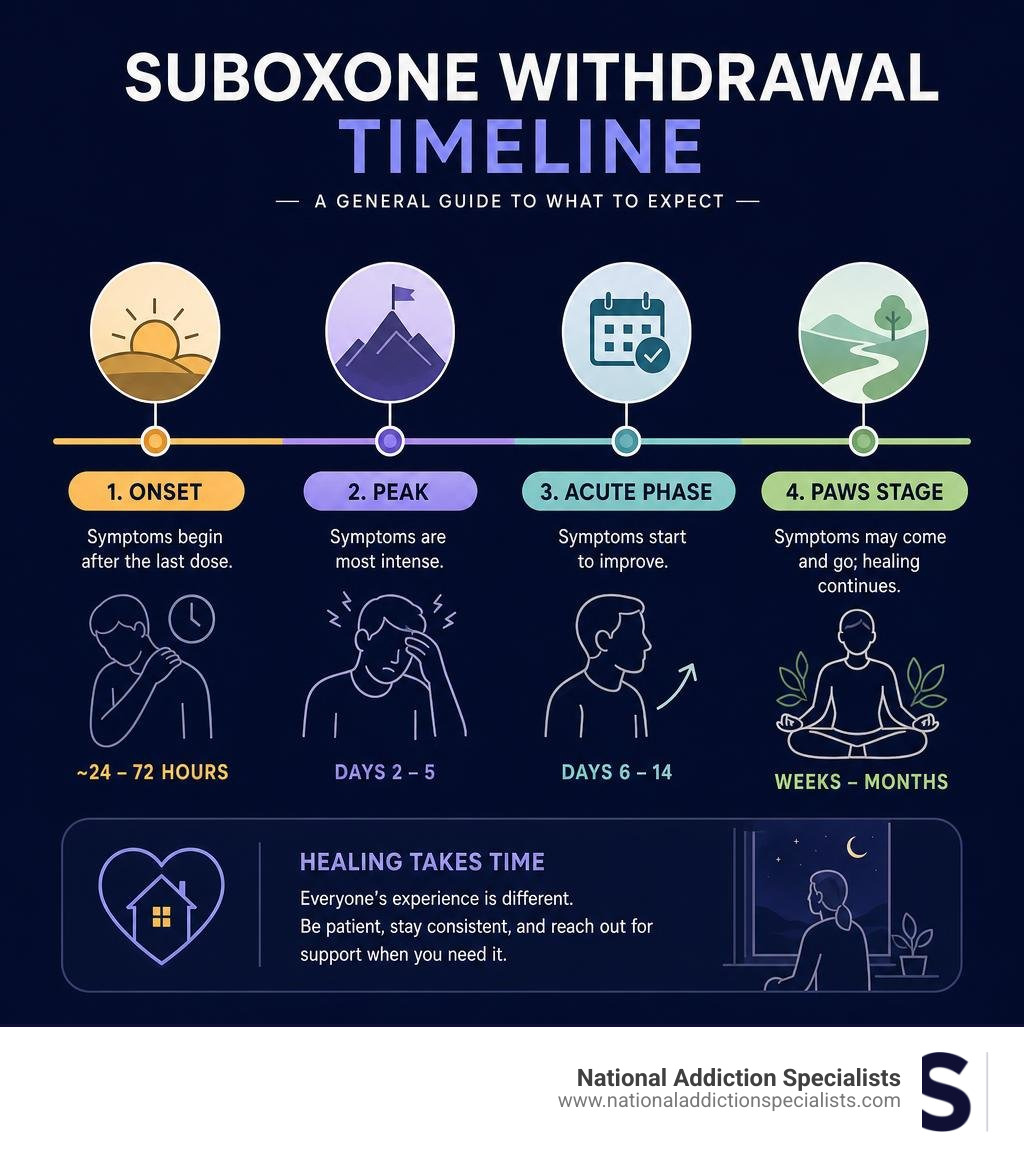
Because of buprenorphine’s long half-life, the withdrawal timeline is more of a marathon than a sprint.
- Days 1–3 (Onset): Early physical and psychological symptoms typically begin 12 to 48 hours after the last dose. You may start to feel anxious, restless, and experience mild sweating or yawning.
- Days 3–5 (The Peak): Physical symptoms usually peak during this window. This is when muscle aches, chills, nausea, and diarrhea are at their most intense.
- Days 7–10 (Acute Subsiding): Physical symptoms begin to gradually fade, though fatigue, mild stomach upset, and insomnia may persist.
- Weeks 2–4 (The Psychological Phase): While the physical flu-like symptoms are mostly gone, psychological symptoms like depression, mood swings, and cravings take center stage as the brain’s dopamine pathways slowly recalibrate.
- Months 1–6+ (Post-Acute Withdrawal Syndrome – PAWS): Some individuals experience protracted withdrawal symptoms, such as intermittent anxiety, sleep disturbances, and cravings, which can last for several months.
To help you prepare your schedule and mindset, check out our detailed breakdown of the Suboxone withdrawal duration.
The Best Home Remedies for Suboxone Withdrawals

When navigating detox, having a toolkit of comfort measures can significantly ease your physical and mental distress. Implementing home remedies for Suboxone withdrawals is about creating a supportive environment where your body can heal.
One of the most effective physical remedies is taking warm baths with Epsom salts. The warm water relaxes tight, aching muscles, while the magnesium in Epsom salts is absorbed through the skin, helping to ease muscle spasms and calm a restless nervous system.
Additionally, distraction techniques are highly underrated. When you are in pain, your brain tends to hyper-focus on the discomfort. Watching engaging movies, playing video games, reading, or talking to a loved one can provide a small but crucial mental break from the physical symptoms.
For more natural relief tips, you can read about natural remedies for easing withdrawal and explore home remedies to survive opiate withdrawal.
Hydration and Nutrition as Home Remedies for Suboxone Withdrawals
Your digestive system takes a heavy hit during withdrawal, making hydration and nutrition absolute priorities.
- Prioritize Hydration: Diarrhea and sweating can quickly drain your body of fluids and essential minerals, leading to severe dehydration. Aim to drink 8 to 10 glasses of water daily. Supplement this with electrolyte-rich drinks like Pedialyte, coconut water, or sports drinks to replace lost sodium and potassium.
- Follow the BRAT Diet: When nausea and vomiting make eating difficult, do not force heavy meals. Stick to the BRAT diet: Bananas, Rice, Applesauce, and Toast. These foods are bland, easy on the stomach, and help bind your digestive tract to reduce diarrhea.
- Avoid Caffeine and Sugar: While it might be tempting to reach for an energy drink or sugary snack to combat withdrawal fatigue, avoid them. Caffeine can worsen your anxiety, trigger muscle jitters, and ruin any chance of sleep. High-sugar foods can cause rapid blood sugar crashes, making your mood swings and fatigue even worse.
Lifestyle Changes and Coping Strategies for Cravings
The mental battle of withdrawal requires just as much attention as the physical one. Simple lifestyle adjustments can help you manage psychological cravings and rebuild your mental resilience.
- Practice Strict Sleep Hygiene: Insomnia is one of the most frustrating parts of detox. Create a calm sleeping environment by keeping your room dark and cool. Limit screen time (phones, TVs, computers) for at least an hour before bed, as blue light disrupts melatonin production.
- Incorporate Light Exercise: When your energy is low, exercise might be the last thing you want to do. However, a gentle 15-minute walk or light yoga can stimulate the release of natural endorphins—the brain’s feel-good chemicals. Think of gentle movement as a natural, healthy dopamine boost.
- Mindfulness and Deep Breathing: When anxiety spikes or a intense craving hits, practice deep breathing. Inhale deeply through your nose for four seconds, hold for four, and exhale slowly through your mouth for four. This simple practice signals your nervous system to calm down.
- Journaling and Support Groups: Writing down your feelings can help you process the emotional roller coaster of recovery. Additionally, staying connected with a support group or a trusted friend ensures you do not feel isolated.
Over-the-Counter Medications and Natural Supplements
While lifestyle changes form the foundation of comfort, over-the-counter (OTC) medications and targeted supplements can help manage specific, stubborn withdrawal symptoms.
| OTC Medication / Supplement | Target Withdrawal Symptom | Recommended Use / Action |
|---|---|---|
| Ibuprofen | Muscle aches, joint pain, headaches | Take up to 800mg every 6 hours (with food) for severe aches |
| Acetaminophen | General pain, mild fever | Take up to 1000mg every 4 to 6 hours for pain relief |
| Loperamide | Diarrhea, loose stools | Use strictly as directed on the box to treat loose stools |
| Diphenhydramine | Insomnia, watery eyes | Take at bedtime to assist with sleep |
| Magnesium & Calcium | Muscle cramps, anxiety, restless legs | Take daily to support muscle relaxation and calm nerves |
| Vitamin E | Skin health, cellular repair | Take 100–400 IU daily to support healing |
| Passion Flower | Anxiety, nervousness, mild stomach aches | Use as a natural herbal tea or supplement to ease tension |
For a comprehensive medical guide on these options, read about medications for Suboxone withdrawal.
Safe OTC Medications and Supplements for Relief
When using over-the-counter options, always follow dosing guidelines carefully and consult with a healthcare professional, especially if you have underlying health conditions.
- Pain Relief: NSAIDs like ibuprofen are highly effective at reducing the inflammatory muscle and joint pain associated with withdrawal. Acetaminophen can be rotated or used alongside it for general pain relief.
- Gastrointestinal Control: Loperamide can help control diarrhea, but it must be used with caution. Never exceed the recommended dose on the package, as extremely high doses of loperamide can be dangerous to the heart.
- Sleep and Allergy Symptoms: Antihistamines like diphenhydramine (Benadryl) can help dry up a runny nose and watery eyes while encouraging sleep.
- Natural Calmative Supplements: Magnesium and calcium work together to support healthy muscle function, which can reduce the severity of leg cramps and restless legs. Passion flower is a widely recognized natural remedy that can help ease nervous tension and mild anxiety during detox.
For more details on managing these symptoms safely, check out these home remedies for opiate withdrawal.
Supplements to Avoid During Suboxone Detox
Just because a supplement is labeled “natural” does not mean it is safe to use during Suboxone withdrawal. Some substances carry high risks of liver damage, dangerous drug interactions, or cross-addiction.
- Kava: While kava is sometimes used for anxiety relief, it carries a well-documented risk of severe liver damage, especially when used in high doses or combined with other substances. We strongly advise avoiding it during detox when your body is already under stress.
- Untested Herbal Blends: Avoid complex herbal mixtures purchased online that promise “miracle cures” for withdrawal. These are often unregulated and may contain hidden ingredients that can worsen your symptoms.
- Kratom and 7-OH (7-hydroxymitragynine): Some people turn to kratom or 7-OH to ease opioid withdrawal. This is highly dangerous. Kratom acts on the same mu-opioid receptors as traditional opioids, meaning using it simply replaces one addiction with another. It carries a high risk of cross-addiction, severe side effects, and can cause its own intense withdrawal syndrome.
The Risks of Unsupervised Home Detox vs. Medical Tapering

While home remedies for Suboxone withdrawals are excellent tools for managing discomfort, attempting to detox “cold turkey” at home without medical supervision is highly risky and rarely successful.
A medically supervised taper is the gold standard for stopping Suboxone. During a professional taper, a doctor gradually reduces your dosage over several weeks or months (often reducing the dose by no more than 5% to 10% every 2 to 3 weeks). This “low and slow” approach allows your brain and body to adjust gradually, minimizing withdrawal symptoms and drastically reducing the urge to relapse.
For a deeper look into why professional support makes a difference, read our Suboxone withdrawal relief guide and explore opiate withdrawal at home.
Why Unsupervised Home Remedies for Suboxone Withdrawals Can Be Risky
Attempting to manage Suboxone withdrawal entirely on your own carries several significant dangers:
- High Relapse Risk: The sheer exhaustion, pain, and psychological cravings of unmanaged withdrawal often drive individuals to relapse.
- Accidental Overdose: If a relapse occurs after a period of abstinence, your body’s tolerance to opioids will have dropped. Taking your previous dose of opioids during a relapse can easily result in a fatal overdose.
- Severe Dehydration: Constant vomiting and diarrhea can lead to a dangerous loss of fluids, causing electrolyte imbalances that put severe strain on your heart and kidneys.
- Mental Health Emergencies: The intense anxiety, depression, and lack of sleep during withdrawal can trigger severe mental health crises, including suicidal ideation.
When to Seek Professional Medical Help
You should never hesitate to reach out for professional medical help. Seek immediate medical attention if you or a loved one experiences any of the following during detox:
- Severe, continuous vomiting that makes it impossible to keep fluids down for more than 24 hours.
- Signs of severe dehydration, such as extreme dizziness, confusion, a rapid heart rate, or dark-colored urine.
- Hallucinations, extreme confusion, or severe panic attacks.
- Any thoughts of self-harm or suicide.
- Pre-existing medical conditions, such as heart disease, high blood pressure, or diabetes, which can be dangerously aggravated by the physical stress of withdrawal.
Frequently Asked Questions about Suboxone Withdrawal
Is it safe to stop Suboxone cold turkey?
No, we do not recommend stopping Suboxone cold turkey. While opioid withdrawal is rarely directly life-threatening, stopping abruptly causes a massive shock to your central nervous system. The resulting physical and emotional pain is highly intense, which dramatically increases your risk of relapsing. A gradual, medically supervised taper is much safer, far more comfortable, and leads to much better long-term recovery outcomes.
How long does Suboxone withdrawal typically last?
The acute physical phase of Suboxone withdrawal typically lasts about 7 to 10 days, with the most uncomfortable physical symptoms peaking around day 3 or 4. However, because of buprenorphine’s long half-life, psychological symptoms like depression, sleep disturbances, anxiety, and cravings can persist for several weeks or even months (PAWS).
Can I manage Suboxone withdrawal at home?
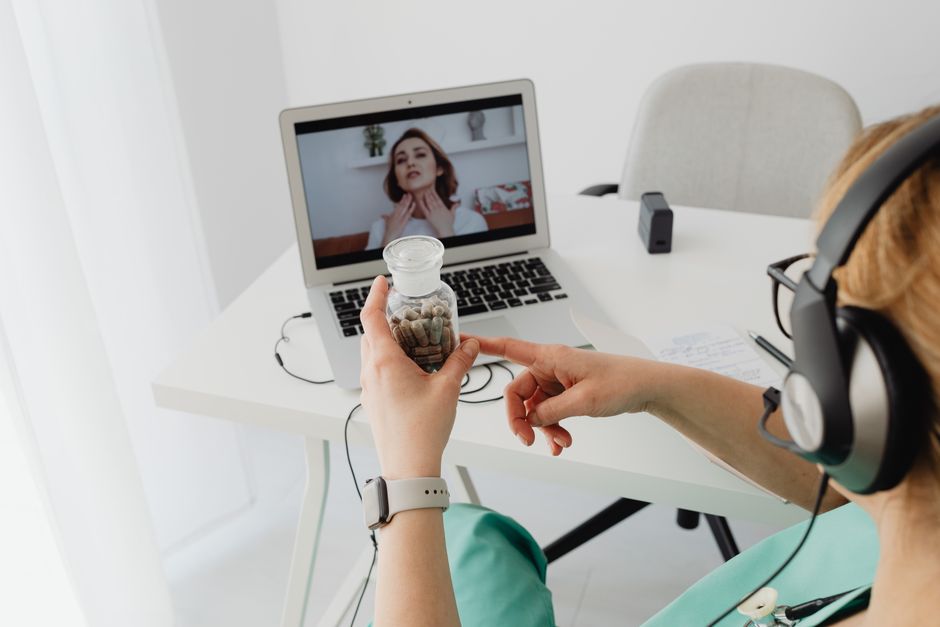
Yes, many people successfully manage their Suboxone transition from the comfort of their own home, but it should always be done under the “remote” guidance of a medical professional. Telemedicine-based addiction treatment allows you to receive a personalized, professional tapering plan, prescription comfort medications (like clonidine or Lucemyra), and regular check-ins with an expert provider while staying in your own home.
Conclusion
Taking the step to taper off Suboxone is a significant milestone in your recovery journey, and you deserve to go through it with the highest level of comfort, safety, and respect. While home remedies for Suboxone withdrawals—like staying hydrated, taking warm Epsom salt baths, and using safe OTC medications—are wonderful tools to ease your discomfort, they should always be paired with professional medical care.
At National Addiction Specialists, we provide telemedicine-based Suboxone treatment and personalized recovery tapering plans from the comfort and privacy of your home. We specialize in convenient, confidential medication-assisted treatment and counseling, serving patients across Tennessee and Virginia (including Brentwood, TN, and Virginia Beach, VA). Best of all, we accept Medicare and Medicaid, making expert care highly accessible.
If you are ready to take the next step in your recovery journey, we are here to support you every step of the way. Learn more about our opioid withdrawal treatment and connect with us today.
Make an Appointment to Treat Addiction
Please don’t hesitate. Make an appointment today.
https://www.nationaladdictionspecialists.com/new-patient-packet/
This article was medically reviewed by:
Chad Elkin, MD, DFASAM is a board-certified addiction medicine physician, founder, and Chief Medical Officer of National Addiction Specialists, dedicated to treating substance use disorders. A Distinguished Fellow of the American Society of Addiction Medicine (ASAM), Dr. Elkin currently serves as President of the Tennessee Society of Addiction Medicine (TNSAM) and has held various leadership roles within the organization. Dr. Elkin chairs ASAM’s Health Technology Subcommittee and is an active member of its Practice Management and Regulatory Affairs Committee, State Advocacy and Legislative Affairs Committee, and other committees. He also serves on the planning committee for the Vanderbilt Mid-South Addiction Conference. Committed to advancing evidence-based policy, Dr. Elkin is Chairman of the Tennessee Association of Alcohol, Drug, & Other Addiction Services (TAADAS) Addiction Medicine Council, which collaborates with the TN Department of Mental Health & Substance Abuse Services (TDMHSAS). He has contributed to numerous local, state, and national task forces, helping develop professional guidelines, policies, and laws that align with best practices in addiction medicine. His work focuses on reducing addiction-related harm, combating stigma, and ensuring access to effective treatment. Passionate about the field of addiction medicine, he remains dedicated to shaping policy and enhancing patient care.
Suboxone® and Subutex® are registered trademarks of Indivior UK Limited. Any mention and reference of Suboxone® and Subutex® in this website is for informational purposes only and is not an endorsement or sponsorship by Indivior UK Limited.