When Suboxone Withdrawal Gets You Down: Coping with Depression
The Unseen Challenge of Suboxone Withdrawal
Suboxone withdrawal depression is a common psychological symptom that occurs when stopping or reducing Suboxone, typically peaking after the second week and potentially lasting for weeks or months. It happens because your brain needs time to restart its natural production of mood-regulating chemicals after long-term Suboxone use. While challenging, this form of depression is temporary and manageable with the right support and strategies.
Key Facts About Suboxone Withdrawal Depression:
- When it starts: Depression often becomes the dominant symptom after the first two weeks of withdrawal
- How long it lasts: Acute depression typically peaks around week 2-4, but some psychological symptoms can persist for months as part of Post-Acute Withdrawal Syndrome (PAWS)
- Why it happens: Your brain adapted to Suboxone’s presence and needs time to rebalance dopamine and natural endorphin production
- What makes it different: Unlike clinical depression, withdrawal depression is directly linked to stopping the medication and gradually improves with continued sobriety
- Most important: This depression is treatable and temporary—you don’t have to suffer through it alone
Suboxone has helped countless people break free from opioid addiction. It’s a powerful recovery tool that reduces cravings and prevents withdrawal from other opioids. But here’s what many people don’t expect: the journey to stop taking Suboxone itself can be emotionally challenging.
The physical symptoms—muscle aches, nausea, insomnia—are what most people prepare for. But the psychological problems, especially depression, often catch people off guard. After one month of stopping Suboxone, many people still experience intense cravings and persistent low mood. This marks a delicate period with high potential for relapse.
The good news? This depression is not permanent, and you have more control over it than you might think. Understanding why it happens and having practical strategies makes all the difference between struggling alone and moving forward with confidence.
I’m Dr. Chad Elkin, a board-certified addiction medicine physician and founder of National Addiction Specialists. Through years of helping patients steer Suboxone withdrawal depression via accessible telehealth treatment, I’ve seen how the right support transforms this challenging phase into a manageable step toward lasting recovery. Let’s explore how you can get through this.
Relevant articles related to Suboxone withdrawal depression:
What is Suboxone and Why Does Withdrawal Cause Depression?
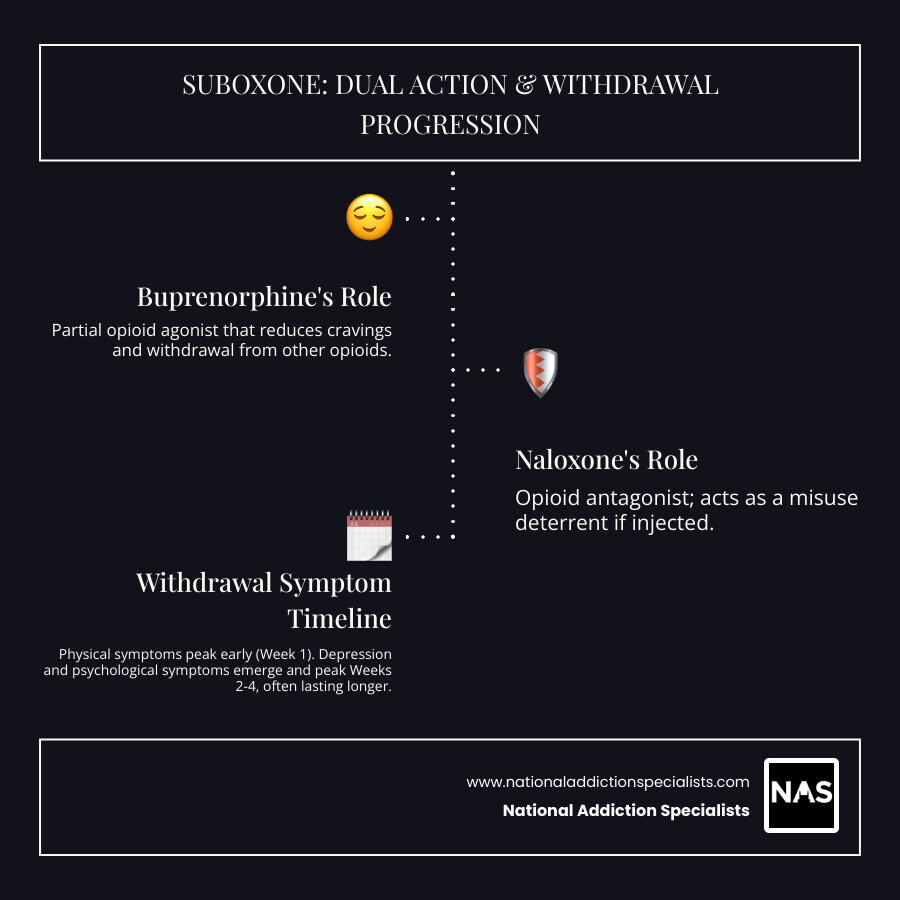
Suboxone is an FDA-approved medication used in medication-assisted treatment (MAT) for opioid use disorder (OUD). It’s a combination of two active ingredients: buprenorphine and naloxone. Buprenorphine is a partial opioid agonist, meaning it activates opioid receptors in the brain, but to a lesser extent than full agonists like heroin or fentanyl. This partial activation helps reduce cravings and prevent severe withdrawal symptoms without producing the intense euphoria associated with other opioids. Naloxone, on the other hand, is an opioid antagonist. It’s added to Suboxone to deter misuse; if someone attempts to crush and inject Suboxone, the naloxone component can block the effects of opioids and precipitate immediate withdrawal symptoms, promoting safer use of the drug.
The reason Suboxone withdrawal depression occurs lies in how our brain adapts to the medication. When you regularly use an opioid, even a partial agonist like buprenorphine, your brain’s chemistry adjusts to its presence. This leads to physical dependence, where your body starts to rely on the substance to feel and function “normally.” The brain’s natural production of “feel-good” chemicals like dopamine and endorphins decreases because the external opioid is doing their job. When Suboxone is reduced or stopped, particularly if it’s done too quickly, your brain suddenly lacks that external stimulation and hasn’t yet restarted its natural production at full capacity. This creates a chemical imbalance, leading to a significant drop in mood and energy—what we experience as depression. It’s a temporary re-calibration process as your brain works to re-establish its natural neurochemical balance. Understanding the science behind opioid addiction helps clarify this complex process.
The Brain’s Adjustment Period
Our brains naturally strive for a state of balance, known as homeostasis. When opioid receptors are consistently stimulated by Suboxone, the brain adapts by downregulating its own opioid system and reducing the production of natural endorphins. This is a protective mechanism, but it means that when Suboxone is removed, the brain is temporarily left with fewer natural mood-boosting chemicals and a system that’s not yet ready to produce them efficiently. It’s like turning off a faucet that’s been running for a long time; it takes a moment for the pipes to adjust and for the natural water flow to resume. This adjustment period is crucial, and it’s why we emphasize that Suboxone withdrawal depression is usually a temporary phase. You can learn more about how Suboxone affects your mood during treatment.
Suboxone’s Long Half-Life and Its Impact
A key factor influencing the duration and intensity of Suboxone withdrawal, including depression, is its long half-life. The half-life of a drug refers to the time it takes for half of the substance to be eliminated from the body. Suboxone has an extended half-life, typically ranging from 24 to 42 hours. This means it stays in your system much longer than many other opioids. While this extended duration is beneficial during treatment for providing steady relief from cravings, it can make detox more challenging.
Because Suboxone leaves the body slowly, withdrawal symptoms tend to come on more gradually but can last significantly longer. This protracted withdrawal can extend the period of mood instability and depression, making it a persistent challenge for individuals. Understanding the Suboxone withdrawal timeline is crucial for managing expectations and preparing for this extended phase.
The Experience of Suboxone Withdrawal Depression: Symptoms & Timeline

When we talk about Suboxone withdrawal depression, it’s important to distinguish it from clinical depression. While the symptoms can overlap, withdrawal depression is directly linked to the physiological response of stopping Suboxone. It’s generally a temporary state, unlike chronic clinical depression which may have diverse causes. A hallmark of withdrawal depression is often anhedonia—the inability to feel pleasure from activities that were once enjoyable. Compared to withdrawal from other opioids, Suboxone withdrawal tends to have less intense physical symptoms but a more prolonged and pronounced psychological phase, where depression can truly take center stage.
Specific Symptoms of Depression During Withdrawal
The symptoms of Suboxone withdrawal depression can be debilitating and include a range of emotional and physical manifestations. These might include:
- Persistent sadness or empty mood: A pervasive feeling of gloom that doesn’t seem to lift.
- Loss of interest or pleasure (anhedonia): A disinterest in hobbies, social activities, or anything that once brought joy.
- Fatigue and low energy: Feeling constantly tired, even after adequate sleep, making daily tasks feel overwhelming.
- Feelings of hopelessness and worthlessness: A sense that things won’t get better, or that you are not good enough.
- Irritability and agitation: Feeling easily annoyed, restless, or having a short temper.
- Difficulty concentrating: Struggling to focus on tasks, remember things, or make decisions.
- Sleep disturbances: This can manifest as insomnia (difficulty falling or staying asleep) or hypersomnia (oversleeping, but still feeling unrested).
- Changes in appetite: Either a significant decrease in appetite or, less commonly, an increase.
- Suicidal thoughts: Unfortunately, these unpleasant feelings may occur. If you or someone you know is experiencing thoughts of self-harm or suicide, it is crucial to seek immediate help. Please reach out to a crisis hotline or medical professional right away.
It’s vital to recognize these signs and understand that they are part of the withdrawal process. For a broader understanding of physical and psychological symptoms during this time, you can learn more about withdrawal symptoms.
How Long Does Suboxone Withdrawal Depression Last?
The duration of Suboxone withdrawal depression can vary significantly from person to person, but we can outline a general timeline. In the acute phase of withdrawal, which typically lasts the first week or two, physical symptoms are often most prominent. However, as the physical discomfort begins to subside, psychological symptoms, especially depression, often intensify.
Statistics show that after the second week, depression frequently becomes the biggest symptom. After one month, users are likely still experiencing intense cravings and depression. While the worst of the acute withdrawal symptoms may be behind you, psychological symptoms like anxiety, depression, and insomnia can continue past the first month and linger for weeks or even months. This is often referred to as Post-Acute Withdrawal Syndrome (PAWS). The good news is that these symptoms typically resolve with continued sobriety and comprehensive support. What to expect from PAWS is a common concern, and understanding its prolonged nature is key to sustained recovery.
Factors Influencing Severity and Duration
Several factors can influence how severe and long-lasting Suboxone withdrawal depression might be. These include:
- Dosage and duration of Suboxone use: Higher doses and longer periods of use typically lead to more pronounced and prolonged withdrawal symptoms, including depression.
- Tapering speed vs. “cold turkey”: Stopping Suboxone abruptly (“cold turkey”) almost always results in more severe and immediate withdrawal symptoms compared to a medically supervised, gradual tapering plan.
- Individual metabolism and genetics: Everyone’s body processes medication differently, which can affect how quickly Suboxone leaves the system and how withdrawal is experienced.
- Co-occurring mental health conditions: Individuals with a pre-existing history of depression, anxiety, or other mental health disorders may experience more severe or prolonged depressive symptoms during withdrawal.
- Polysubstance use: If other substances were used alongside Suboxone, the withdrawal process can become more complicated and intense.
- Level of social support: A strong support system can significantly buffer the psychological impact of withdrawal, while isolation can exacerbate feelings of depression.
We strongly advocate for a medically supervised tapering schedule, as it allows your brain and body to adjust gradually, significantly reducing the severity of withdrawal symptoms, including depression. How tapering can help is a critical aspect of safe Suboxone cessation.
Effective Strategies for Managing Depression During Suboxone Withdrawal
Navigating Suboxone withdrawal depression requires a proactive approach, combining self-care with professional support. Building a “recovery toolkit” filled with coping mechanisms and healthy habits can make a significant difference. Establishing routine and structure during this period provides a sense of stability when emotions feel overwhelming.

The Power of Lifestyle Changes
Simple, consistent lifestyle adjustments can be powerful allies in combating withdrawal depression.
Exercise: Moving your body is one of the best natural mood boosters. Studies have shown that exercise boosts endorphins, the brain’s “feel-good” chemicals. Even starting with gentle activities like walking in nature or light stretching can make a profound difference. It provides a healthy outlet for stress and helps regulate sleep.
Nutrition: What we eat directly impacts our brain health and mood. During withdrawal, your body is working overtime, so nourishing it with whole, unprocessed foods is crucial. The gut-brain connection is real; a healthy gut microbiome can support mood stability. Focus on lean proteins, fruits, vegetables, and healthy fats. Stay well-hydrated by drinking plenty of water throughout the day. The importance of proper nutrition during withdrawal cannot be overstated.
Sleep Hygiene: Sleep disturbances, including insomnia, are common during withdrawal and can worsen depression. Establishing a consistent sleep schedule, creating a relaxing bedtime routine (e.g., warm bath, reading, avoiding screens), and ensuring your sleep environment is dark and quiet can improve sleep quality.
Mood-Boosting Foods for Recovery:
- Omega-3 rich foods (fatty fish, flax seeds, walnuts)
- Tryptophan-rich foods (turkey, eggs, cheese, nuts)
- Antioxidant-rich fruits and vegetables (berries, leafy greens)
- Fermented foods (yogurt, kimchi) for gut health
Building a Robust Support System
You don’t have to face Suboxone withdrawal depression alone. A strong support system is invaluable. This includes:
- Family and friends: Lean on trusted loved ones who understand your journey. Their emotional support can provide comfort and remind you that you’re cared for.
- Peer support groups: Connecting with others who have similar experiences can be incredibly validating. The shared experience and mutual encouragement found in groups like 12-Step programs such as AA/NA offer a unique sense of community and accountability.
- Honest communication: Being open about your struggles with your support network allows them to help you more effectively.
Recovery is a team effort. How to support a loved one in recovery is just as important as knowing how to ask for help.
Psychological Coping Strategies
Beyond lifestyle changes, developing psychological coping strategies can equip you to manage the emotional rollercoaster of withdrawal.
- Mindfulness and meditation: These practices can help you stay present, observe difficult emotions without judgment, and reduce feelings of overwhelm. Meditation for addiction recovery offers tools to calm the mind.
- Journaling: Writing down your thoughts and feelings can be a powerful way to process emotions, identify triggers, and gain perspective.
- Setting small, achievable daily goals: Breaking down tasks into manageable steps can prevent feelings of being overwhelmed and provide a sense of accomplishment. Celebrate every small victory!
- Engaging in hobbies and creative outlets: Refinding old passions or exploring new ones can provide distraction, purpose, and a healthy way to express yourself.
These strategies, when practiced consistently, can help you build resilience and steer the challenges of Suboxone withdrawal depression with greater ease.
Make an Appointment to Treat Addiction Please don’t hesitate. Make an appointment today. https://www.nationaladdictionspecialists.com/new-patient-packet/
When and How to Seek Professional Help for Lasting Recovery
While self-care and support systems are crucial, there are times when professional help is not just beneficial, but essential. Recognizing when self-care isn’t enough and seeking expert guidance can prevent prolonged suffering and significantly reduce the risk of relapse. Untreated Suboxone withdrawal depression can undermine all your efforts toward long-term recovery.
The Role of Medical Detox and Tapering
Attempting to detox from Suboxone without medical supervision, especially by quitting “cold turkey,” is not recommended. It can be physically uncomfortable, emotionally overwhelming, and carries a high risk of relapse. This is where medical detox plays a critical role.
Medical supervision during detox ensures your safety and comfort. Our expert providers in Tennessee and Virginia can create a personalized, gradual tapering plan for Suboxone, which is the gold standard for minimizing withdrawal severity, including depression. They can also prescribe non-addictive comfort medications to alleviate physical symptoms like nausea, muscle aches, and insomnia, which in turn reduces overall stress and makes it easier to cope with the emotional challenges. This controlled environment allows your brain and body to slowly re-establish their natural balance. The benefits of Medication-Assisted Treatment extend to this crucial tapering phase.
How Therapy and Counseling Address Suboxone Withdrawal Depression
Therapy and counseling are indispensable tools for addressing Suboxone withdrawal depression and achieving lasting recovery. Through various therapeutic modalities, individuals can:
- Cognitive Behavioral Therapy (CBT): Helps identify and challenge negative thought patterns that contribute to depression, replacing them with more positive and realistic ones.
- Dialectical Behavior Therapy (DBT): Focuses on emotional regulation, distress tolerance, and interpersonal effectiveness, providing practical skills to manage intense emotions during withdrawal.
- Identify triggers: Learn what situations, people, or feelings might trigger cravings or depressive episodes.
- Develop healthy coping skills: Acquire new strategies for dealing with stress, cravings, and emotional pain without resorting to substance use.
- Address underlying issues: Explore any co-occurring mental health conditions or past traumas that may have contributed to addiction and are now exacerbating depression.
The importance of counseling and therapy in Suboxone treatment cannot be overstated. It provides the psychological framework necessary to build a stable, sober life. Telemedicine-based counseling services, like those we offer in Tennessee and Virginia, provide convenient and confidential access to this vital support.
When to Seek Immediate Help
While Suboxone withdrawal depression is often temporary, there are clear signs that indicate a need for immediate professional intervention:
- Signs of severe depression: If your depressive symptoms are overwhelming and interfere significantly with your ability to function daily (e.g., inability to get out of bed, neglecting personal hygiene, severe social isolation).
- Any suicidal thoughts or self-harm urges: If you are having thoughts of harming yourself or ending your life, seek help immediately. This is a medical emergency.
- Inability to function in daily life: If you are unable to eat, sleep, or care for yourself due due to the severity of your depression.
In such situations, please do not hesitate. Contact a medical professional, mental health crisis line, or emergency services immediately. The National Suicide Prevention Lifeline is available 24/7 by calling or texting 988. For ongoing support, online addiction counseling options can provide accessible and timely help.
Frequently Asked Questions about Suboxone Withdrawal Depression
Is the depression from Suboxone withdrawal permanent?
No, for most people, Suboxone withdrawal depression is a temporary phase related to the brain re-regulating its natural chemistry. It is a common component of Post-Acute Withdrawal Syndrome (PAWS) and typically resolves with continued sobriety, lifestyle adjustments, and appropriate support. While it can last weeks or even months, it gradually diminishes over time. Professional treatment, including therapy and a medically supervised taper, can significantly help manage symptoms and prevent it from developing into a long-term issue.
Can I manage Suboxone withdrawal depression at home without a doctor?
While incorporating lifestyle changes and building a strong support system at home are beneficial, attempting to manage significant Suboxone withdrawal depression on your own, especially without medical guidance, is risky. The severity of symptoms can be emotionally overwhelming, and it significantly increases the chance of relapse. A medical professional can provide a safe and personalized tapering plan, prescribe comfort medications, and offer essential emotional support. This expert guidance is readily accessible through telehealth Suboxone treatment services, making professional care convenient and confidential.
How is Suboxone withdrawal depression different from regular clinical depression?
The primary difference lies in the cause and context. Suboxone withdrawal depression is directly triggered by the cessation or reduction of the medication, leading to a temporary neurochemical imbalance as the brain adjusts. It is a physiological response to the absence of the drug. Clinical depression, on the other hand, is a diagnosed mental health condition that can stem from a variety of factors, including genetics, environment, trauma, or other psychological stressors, independent of substance withdrawal. While the symptoms can be very similar, withdrawal depression is expected to improve as the brain re-establishes its natural balance. However, withdrawal can sometimes unmask or worsen an underlying clinical depressive disorder, making professional evaluation crucial.
Take the First Step Towards a Brighter Recovery
It’s clear that Suboxone withdrawal depression is a real and challenging part of the recovery journey. But we want to emphasize a crucial message: it is a temporary phase, and recovery is absolutely possible with the right strategies and support. You don’t have to steer this complex emotional landscape alone.
At National Addiction Specialists, we believe in empowering you with hope and practical solutions. Our telemedicine-based Suboxone treatment offers convenient, confidential, and expert care right from your home in Tennessee or Virginia. We specialize in medication-assisted treatment combined with comprehensive counseling, offering personalized recovery plans custom to your unique needs. Don’t let the fear of withdrawal depression hold you back from achieving lasting sobriety.
Start your Suboxone withdrawal treatment journey with us and take the first step towards a healthier, happier you.
This article was medically reviewed by: Chad Elkin, MD, DFASAM is a board-certified addiction medicine physician, founder, and Chief Medical Officer of National Addiction Specialists, dedicated to treating substance use disorders. A Distinguished Fellow of the American Society of Addiction Medicine (ASAM), Dr Elkin currently serves as President of the Tennessee Society of Addiction Medicine (TNSAM) and has held various leadership roles within the organization. Dr Elkin chairs ASAM’s Health Technology Subcommittee and is an active member of its Practice Management and Regulatory Affairs Committee, State Advocacy and Legislative Affairs Committee, and other committees. He also serves on the planning committee for the Vanderbilt Mid-South Addiction Conference. Committed to advancing evidence-based policy, Dr Elkin is Chairman of the Tennessee Association of Alcohol, Drug, & Other Addiction Services (TAADAS) Addiction Medicine Council, which collaborates with the TN Department of Mental Health & Substance Abuse Services (TDMHSAS). He has contributed to numerous local, state, and national task forces, helping develop professional guidelines, policies, and laws that align with best practices in addiction medicine. His work focuses on reducing addiction-related harm, combating stigma, and ensuring access to effective treatment.Passionate about the field of addiction medicine, he remains dedicated to shaping policy and enhancing patient care.
Suboxone® and Subutex® are a registered trademark of Indivior UK Limited. Any mention and reference of Suboxone® and Subutex® in this website is for informational purposes only and is not an endorsement or sponsorship by Indivior UK Limited.