Ready for Change? Explore Top Addiction Treatment Programs
Understanding Addiction and the Path to Recovery
Addiction treatment is a proven approach to managing substance use disorders (SUDs), combining medical care, behavioral therapies, and ongoing support to help people regain control of their lives. Research shows that addiction is a treatable chronic disease—not a moral failing—and that recovery is possible with the right support and resources.
Quick Overview: Key Facts About Addiction Treatment
- Addiction is treatable: While there’s no cure, treatment helps manage the disease like other chronic conditions (diabetes, heart disease)
- Multiple options exist: Detox, inpatient programs, outpatient care, medication-assisted treatment (MAT), and therapy
- Success is achievable: Treatment enables people to stop drug use and resume productive lives
- No single approach fits all: Effective treatment is personalized to each person’s needs
- Relapse doesn’t mean failure: Similar to other chronic diseases, relapse rates are comparable and indicate a need to adjust treatment
The scope of the challenge is significant. In 2022, more than one in six Americans aged 12 or older experienced a substance use disorder. Yet stigma and misunderstanding still prevent many people from seeking help.
The good news? You don’t have to face this alone.
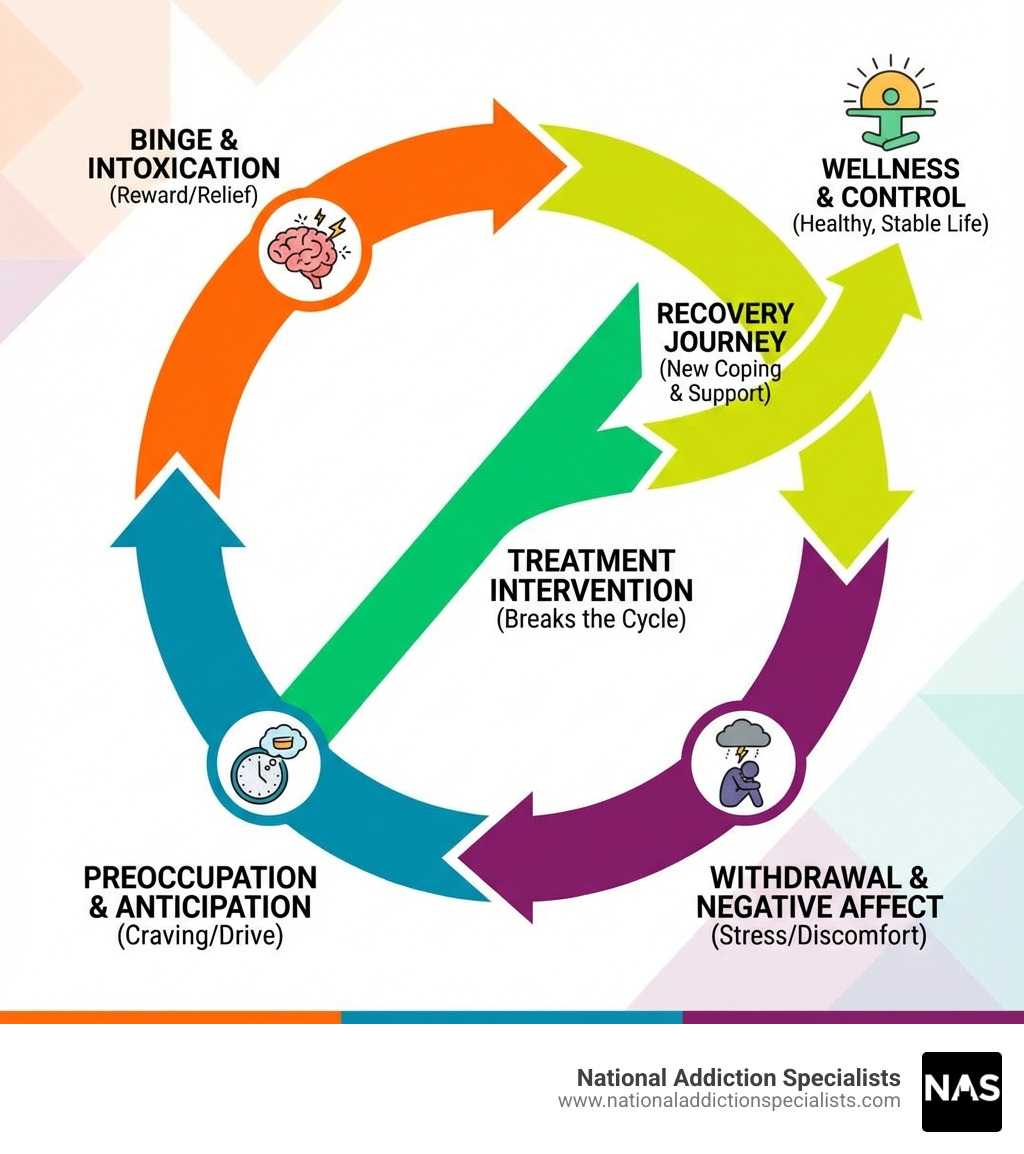
Modern addiction treatment recognizes that SUDs are chronic brain diseases affecting motivation, reward, learning, and self-control. Treatment addresses not just the substance use itself, but the whole person—including medical needs, mental health, family relationships, and life circumstances.
Whether you’re struggling with opioid addiction, alcohol dependence, or other substances, evidence-based treatment can help you break the cycle and build a healthier future.
I’m Dr. Chad Elkin, a board-certified addiction medicine physician and founder of National Addiction Specialists, where I’ve dedicated my career to providing accessible addiction treatment through innovative telemedicine approaches. My experience leading state and national addiction medicine initiatives has shown me that reducing barriers to care—like stigma, transportation, and privacy concerns—is essential to helping people start their recovery journey.
Learn more about addiction treatment:
The Principles of Effective Addiction Treatment
When we talk about addiction treatment, it’s crucial to understand what it entails and what it can realistically achieve. One of the most important takeaways from decades of research is that addiction is a complex, but treatable, chronic disease. It’s not a moral failing or a lack of willpower; it’s a condition that profoundly affects brain function and behavior.
Can Addiction Be Treated Successfully?
Yes, absolutely. Addiction is a treatable disorder. Research into the science of addiction and the treatment of substance use disorders has led to the development of research-based methods that genuinely help people stop using drugs and resume productive lives. This process is often referred to as being in recovery.
However, clarify that while addiction can be treated successfully, it cannot be “cured” in the traditional sense. Just like treatment for other chronic diseases such as heart disease or asthma, addiction treatment is not a one-time fix. Instead, it’s a way of managing a long-term condition. Treatment empowers individuals to counteract addiction’s disruptive effects on their brain and behavior, enabling them to regain control of their lives. The goal is long-term management and sustained recovery, allowing individuals to live fulfilling lives free from compulsive substance use.
What Are the Principles of Effective Addiction Treatment?
Effective addiction treatment is guided by several core principles that emphasize a holistic, individualized, and ongoing approach. These principles, backed by extensive research, form the foundation of successful recovery programs:
-
No Single Treatment Is Appropriate for Everyone: Each individual’s journey with addiction is unique. Their drug use patterns, the presence of co-occurring mental health conditions, their social environment, and personal circumstances all play a role. Therefore, effective treatment must be custom to address each patient’s specific drug use patterns and related problems. What works for one person in Tennessee might not be the best fit for another in Virginia.
-
Treatment Needs to Be Readily Available: When someone is ready to seek help, access to care should be immediate. Delays can lead to lost opportunities and tragic outcomes. This principle underscores the importance of accessible services, including those offered conveniently through telemedicine, which can bridge geographical and logistical gaps.
-
Effective Treatment Attends to Multiple Needs of the Individual: Addiction rarely exists in a vacuum. Successful programs address not only the drug use itself but also any co-occurring medical, psychological, social, vocational, and legal problems. A comprehensive approach looks at the “whole person,” understanding that various factors contribute to the addiction and need to be addressed for lasting recovery.
-
Remaining in Treatment for an Adequate Period Is Critical: The duration of treatment significantly impacts its effectiveness. Research shows that most individuals need at least three months in treatment to achieve significant reductions in or cessation of drug use. Longer durations often lead to better outcomes. This isn’t about arbitrary timelines but about allowing sufficient time for the brain to heal, for new coping mechanisms to be learned, and for stable behavioral changes to take root. For instance, methadone maintenance, a form of medication-assisted treatment, often requires a minimum of 12 months, with many individuals benefiting for several years.
-
Behavioral Therapies Are a Common and Effective Form of Treatment: Counseling, whether individual, group, or family-based, helps patients modify their attitudes and behaviors related to drug use. These therapies teach vital skills for coping with cravings, avoiding triggers, and managing stress.
-
Medications Are an Important Element of Treatment: Especially when combined with behavioral therapies, medications can be crucial for many types of addiction, particularly opioid use disorder. They can help manage withdrawal symptoms, reduce cravings, and prevent relapse, allowing individuals to engage more fully in counseling and recovery activities.
-
Treatment Plans Must Be Continually Assessed and Modified: As an individual’s needs evolve during recovery, their treatment plan should be adjusted accordingly. Continuous monitoring of drug use, along with regular assessments of overall well-being, helps identify potential relapses or changing needs, ensuring the treatment remains relevant and effective.
These principles highlight that addiction treatment is a dynamic, personalized journey. It requires a compassionate, evidence-based approach that acknowledges the complexity of the disease and supports the individual every step of the way.
For a deeper dive into these guidelines, we recommend reviewing the Principles of Drug Addiction Treatment: A Research-Based Guide (Third Edition).
Understanding the signs of addiction is often the first step toward seeking help. You can learn more info about the signs of drug addiction to better recognize when it’s time for intervention.
A Comprehensive Guide to Addiction Treatment Options
Addiction treatment comes in many forms, reflecting the diverse needs of individuals seeking recovery. There’s no one-size-fits-all solution, but rather a spectrum of services designed to meet people at different stages of their journey and with varying levels of support required.

Levels of Care: From Detox to Outpatient Programs
The journey through addiction treatment often involves different levels of care, each providing a specific intensity of support and structure:
-
Residential Withdrawal Management (Detox): Often the first step, especially for those with physical dependence, residential withdrawal management (commonly known as detox) provides a safe, medically supervised environment to remove substances from the body. During detox, individuals are monitored to ensure they safely get a substance “out of their system.” This process can be supported with or without medical interventions, depending on the substance and severity of withdrawal. For example, withdrawal from opioids can be uncomfortable and potentially dangerous without medical oversight. Our team understands the challenges of opioid withdrawal symptoms and the critical need for safe management. Detox alone is rarely sufficient for long-term recovery; it’s a crucial first step, but it must be followed by further treatment.
-
Inpatient/Residential Treatment: This is a more intensive form of addiction treatment where an individual lives at a treatment facility 24 hours a day. These programs can range from 21 days to several months, providing a structured, substance-free environment. Residential programs typically offer a comprehensive suite of services, including group counseling, individual counseling, case management support, and often family counseling. This immersive setting allows individuals to focus entirely on their recovery, away from the triggers and stresses of their everyday lives.
-
Outpatient Programs: For individuals who have a strong support system at home, less severe addiction, or who have completed an inpatient program, outpatient treatment offers flexibility. These programs provide many of the same effective treatments and therapies as inpatient care, but allow patients to live at home. They attend scheduled sessions at a facility—which can be a few hours a week or several hours a day (known as Day Treatment). Outpatient care enables individuals to maintain their work, school, or family commitments while actively engaging in their recovery.
-
Sober Living Homes: These facilities serve as a bridge between intensive inpatient treatment and fully independent living. Sober living homes offer a structured, supportive, and substance-free environment where individuals can reinforce the skills learned in treatment. They provide a community of peers in recovery, promoting accountability and continued growth before returning to their everyday lives.
The Role of Behavioral Therapies in Addiction Treatment
Behavioral therapies are cornerstones of effective addiction treatment, helping individuals understand the roots of their substance use and develop healthier coping strategies. These therapies aim to modify attitudes and behaviors related to drug use, increase healthy life skills, and improve the effectiveness of medications.
-
Cognitive-Behavioral Therapy (CBT): CBT is a widely used therapy that helps individuals identify and change problematic thoughts, feelings, and behaviors that contribute to substance use. It teaches skills to recognize triggers, cope with cravings, and prevent relapse. For example, a person might learn to identify stress as a trigger for substance use and then develop alternative, healthy ways to manage that stress.
-
Group Therapy: Group therapy provides a powerful platform for peer support and shared experiences. In a group setting, individuals can learn from others, practice new social skills, and gain a sense of community, reducing feelings of isolation and shame. It’s a safe space to discuss challenges and celebrate successes with those who truly understand.
-
Family Counseling: Addiction affects the entire family system. Family counseling involves loved ones in the treatment process, improving communication, repairing relationships, and helping family members understand addiction. This support can be crucial for an individual’s recovery and for the well-being of the family as a whole.
-
Motivational Improvement Therapy (MET): MET helps individuals resolve ambivalence about engaging in addiction treatment and stopping drug use. It aims to evoke rapid and internally motivated change, building confidence and commitment to recovery.
Our counseling program is designed to integrate these effective behavioral therapies, offering comprehensive support for your recovery journey. You can learn more info about our counseling program.
Pharmacological Approaches and Medication-Assisted Treatment (MAT)
For many types of substance use disorders, particularly opioid use disorder, medications play a critical role in addiction treatment.
-
Medication-Assisted Treatment (MAT) Definition: MAT is an evidence-based approach that combines FDA-approved medications with counseling and behavioral therapies. It’s designed to treat substance use disorders comprehensively, addressing both the physical and psychological aspects of addiction.
-
How MAT Works: MAT works by reducing cravings and managing withdrawal symptoms, which are often major barriers to recovery. By stabilizing the body and brain, medications allow individuals to engage more effectively in therapy and focus on developing long-term coping skills without the overwhelming pull of cravings or the discomfort of withdrawal. This approach significantly improves treatment outcomes, reduces illicit drug use, and lowers the risk of overdose.
-
Opioid Addiction Medications: For opioid use disorder, several medications are highly effective:
- Buprenorphine: Often combined with naloxone (e.g., Suboxone), buprenorphine helps reduce opioid cravings and withdrawal symptoms without producing the same “high” as other opioids. It can be prescribed in an outpatient setting, making it highly accessible.
- Methadone: A long-acting opioid agonist, methadone is administered in highly regulated clinics. It eliminates withdrawal symptoms and cravings, allowing individuals to function normally. For some, if Suboxone isn’t strong enough, methadone can be a vital alternative.
- Naltrexone: This medication blocks the euphoric and sedative effects of opioids, preventing relapse. It can be administered daily orally or as a monthly injectable.
A common misconception is that MAT is simply “replacing one addiction with another.” However, this is not true. Medications like buprenorphine and methadone are prescribed under monitored, controlled conditions. They have gradual onsets, produce stable drug levels, and do not cause the “rush” or severe behavioral disruption associated with illicit opioid use. They stabilize brain chemistry, allowing individuals to heal and regain control.
We believe strongly in the power of MAT to support recovery. You can find more info about Medication Assisted Treatment and dig into more info about Suboxone treatment. For a detailed understanding of this specific medication, explore What is Suboxone?.
Make an Appointment to Treat Addiction
Please don’t hesitate. Make an appointment today.
Navigating the Long-Term Recovery Journey
Recovery from addiction is not a destination but a continuous journey. It involves ongoing commitment, support, and adaptation. Understanding the long-term aspects of addiction treatment is key to building resilience and maintaining a fulfilling life in recovery.

The Importance of Holistic and Specialized Care
Effective addiction treatment recognizes that a person is more than their substance use. It accepts a holistic approach, addressing all aspects of an individual’s well-being to foster comprehensive healing.
-
Co-occurring Mental Health Issues; Dual Diagnosis: A significant number of individuals struggling with addiction also experience co-occurring mental health disorders, such as depression, anxiety, ADHD, or PTSD. In fact, as many as 6 in 10 people with an illicit substance use disorder also suffer from another mental illness. When these conditions exist together, they can complicate treatment, with one making the other harder to manage. The best approach is integrated treatment, where both the substance use disorder and the mental health condition are addressed simultaneously and in a coordinated manner. This ensures that underlying issues contributing to addiction are not overlooked.
-
Treating the Whole Person: Beyond mental health, comprehensive addiction treatment considers an individual’s medical, social, occupational, family, and legal needs. For instance, addressing chronic pain, helping someone find stable employment, mending family relationships, or navigating legal challenges are all integral to sustained recovery. Our goal is to support individuals in building a stable and healthy foundation for their lives.
-
Specific Approaches for Adolescents: Adolescents and young adults have unique needs in addiction treatment because their brains are still developing, particularly the areas responsible for decision-making, judgment, and self-control. Treatment programs custom to their developmental stage are crucial. These often involve family members or other caregivers in the treatment process, recognizing the significant influence of family dynamics. Behavioral therapies like CBT and contingency management can be adapted for younger populations, and for adolescents aged 16 and over with opioid use disorder, buprenorphine has been approved as a medication-assisted treatment option.
Understanding Relapse and Building Resilience
Relapse is a challenging but often common part of the recovery process. Relapse does not mean treatment has failed; rather, it’s an indication that the treatment plan needs to be re-evaluated and adjusted.
-
Relapse Is Not Failure: Addiction is a chronic disease, much like diabetes, asthma, or hypertension. For any chronic illness, adherence to treatment plans can fluctuate, and periods of symptom recurrence (relapse) are possible. If a person with diabetes stops taking their insulin, their blood sugar will rise. Similarly, if someone in recovery stops following their addiction treatment plan, they are more likely to relapse. This doesn’t mean they’ve failed; it means their chronic disease requires renewed attention and perhaps a modified strategy.
-
Relapse Rates vs. Other Chronic Illnesses: The relapse rates for substance use disorders are comparable to those for other chronic medical illnesses. This perspective helps reduce the shame and stigma often associated with relapse, normalizing it as a potential part of a chronic disease.
-
Modifying the Treatment Plan; Relapse Prevention Strategies: When relapse occurs, it serves as a signal to speak with a doctor or treatment provider to resume, modify, or try a new treatment approach. Effective relapse prevention involves identifying triggers, developing coping mechanisms, building a strong support network, and continuously engaging in recovery activities. It’s about learning from setbacks and strengthening one’s resolve.
For proactive strategies and guidance, explore our tips to prevent addiction relapse.
The Power of Community and Support Systems
No one should have to steer recovery alone. Community and support systems are invaluable assets in the long-term journey of addiction treatment and maintaining sobriety.
-
Peer-Based Support: Self-help groups, such as 12-step programs like Alcoholics Anonymous (AA) and Narcotics Anonymous (NA), provide a free, peer-based treatment program. Participants follow a set of steps with the goal of abstaining from their substance of choice. These groups offer a powerful sense of belonging and understanding, connecting individuals with others who share similar experiences. The shared narratives and collective wisdom can be incredibly motivating and affirming.
-
Family and Friends Support: The involvement of family and friends can be a critical factor in motivating individuals to enter and stay in treatment. Support groups like Al-Anon and Nar-Anon offer resources for the loved ones of individuals with addiction, helping them understand the disease, set healthy boundaries, and cope with the impact of addiction on their own lives. When family and friends are educated and supportive, they can create a more conducive environment for recovery. Learn how to support someone in recovery.
-
Decreasing Shame and Isolation: Addiction thrives in isolation and is often fueled by shame. Engaging in supportive communities, whether through formal therapy groups or peer-led programs, helps to break down these barriers. Sharing experiences openly can significantly decrease feelings of shame and isolation, which are powerful relapse triggers. The realization that one is not alone, and that many have walked a similar path to recovery, is a profound source of strength.
How to Find Addiction Treatment and Support
Finding the right addiction treatment and support services is a crucial step towards recovery. With numerous options available, knowing where to look can make all the difference.
National and Local Resources
Whether you’re in Tennessee or Virginia, there are resources available to help you find the support you need:
-
SAMHSA Behavioral Health Treatment Services Locator: The Substance Abuse and Mental Health Services Administration (SAMHSA) offers a comprehensive Behavioral Health Treatment Services Locator. This national tool allows you to search for facilities by location, type of service, and payment options, making it an excellent starting point for anyone seeking help.
-
988 Suicide & Crisis Lifeline: For immediate crisis support, the 988 Suicide & Crisis Lifeline is available 24/7 by calling or texting 988. This service can provide immediate support and connect individuals to local resources for mental health and substance use crises.
-
State-Specific Resources: While we are focusing on Tennessee and Virginia, many states offer their own directories and helplines. These can be found through state departments of health or mental health services. For example, in Tennessee and Virginia, you can search for local addiction specialists directly through our website to find addiction specialists near you.
The Rise of Telemedicine in Addiction Treatment
One of the most significant advancements in addiction treatment has been the rise of telemedicine, particularly for medication-assisted treatment (MAT). This innovation has dramatically increased accessibility and convenience, especially for those in rural areas or with limited mobility.
-
Convenience and Accessibility: Telemedicine allows individuals to receive expert care, including prescriptions and counseling, from the comfort and privacy of their own homes. This eliminates the need for travel, reduces wait times, and integrates treatment seamlessly into daily life. For individuals in Tennessee and Virginia, this means access to specialized care without geographical barriers.
-
Confidential Care from Home: Many individuals face social stigma associated with seeking addiction treatment. Telemedicine provides a discreet option, allowing them to engage in therapy and receive medication without the anxiety of being seen at a physical clinic. This improved privacy can be a powerful motivator for starting and staying in treatment.
-
Overcoming Transportation Barriers: Transportation can be a major hurdle for many seeking treatment, especially for regular appointments. Telemedicine removes this barrier entirely, ensuring consistent access to care.
Our practice specializes in providing convenient and confidential telemedicine-based Suboxone treatment for opioid addiction across Tennessee and Virginia. You can learn more info about online Suboxone doctors and find the benefits of telemedicine treatment for your recovery journey.
Conclusion: Your Path to a Healthier Future Starts Now
The journey to recovery from addiction is deeply personal, yet it’s a path you don’t have to walk alone. We’ve explored how addiction treatment is a treatable, chronic disease, not a moral failing, and that with the right support, recovery is not just possible—it’s achievable.
We’ve seen that there are diverse treatment options, from intensive residential care to flexible outpatient programs, and that effective treatment is always personalized to your unique needs. Behavioral therapies help you reframe your thoughts and behaviors, while cutting-edge pharmacological approaches like Medication-Assisted Treatment (MAT) provide crucial support for managing cravings and withdrawal.
Relapse is a setback, not a failure, and community support is a powerful tool for resilience. Finding help is easier than ever with national resources and the growing accessibility of telemedicine.
At National Addiction Specialists, we are committed to providing convenient, confidential, and effective telemedicine-based Suboxone treatment for opioid addiction to individuals in Tennessee and Virginia. Our personalized recovery plans, combined with expert medical and counseling support, are designed to help you regain control and build a healthier future.
Your path to change can start today. Don’t let distance, stigma, or past struggles hold you back.
Schedule your addiction treatment today
This article was medically reviewed by:
Chad Elkin, MD, DFASAM is a board-certified addiction medicine physician, founder, and Chief Medical Officer of National Addiction Specialists, dedicated to treating substance use disorders. A Distinguished Fellow of the American Society of Addiction Medicine (ASAM), Dr Elkin currently serves as President of the Tennessee Society of Addiction Medicine (TNSAM) and has held various leadership roles within the organization. Dr Elkin chairs ASAM’s Health Technology Subcommittee and is an active member of its Practice Management and Regulatory Affairs Committee, State Advocacy and Legislative Affairs Committee, and other committees. He also serves on the planning committee for the Vanderbilt Mid-South Addiction Conference. Committed to advancing evidence-based policy, Dr Elkin is Chairman of the Tennessee Association of Alcohol, Drug, & Other Addiction Services (TAADAS) Addiction Medicine Council, which collaborates with the TN Department of Mental Health & Substance Abuse Services (TDMHSAS). He has contributed to numerous local, state, and national task forces, helping develop professional guidelines, policies, and laws that align with best practices in addiction medicine. His work focuses on reducing addiction-related harm, combating stigma, and ensuring access to effective treatment.Passionate about the field of addiction medicine, he remains dedicated to shaping policy and enhancing patient care.
Suboxone® and Subutex® are a registered trademark of Indivior UK Limited. Any mention and reference of Suboxone® and Subutex® in this website is for informational purposes only and is not an endorsement or sponsorship by Indivior UK Limited.