

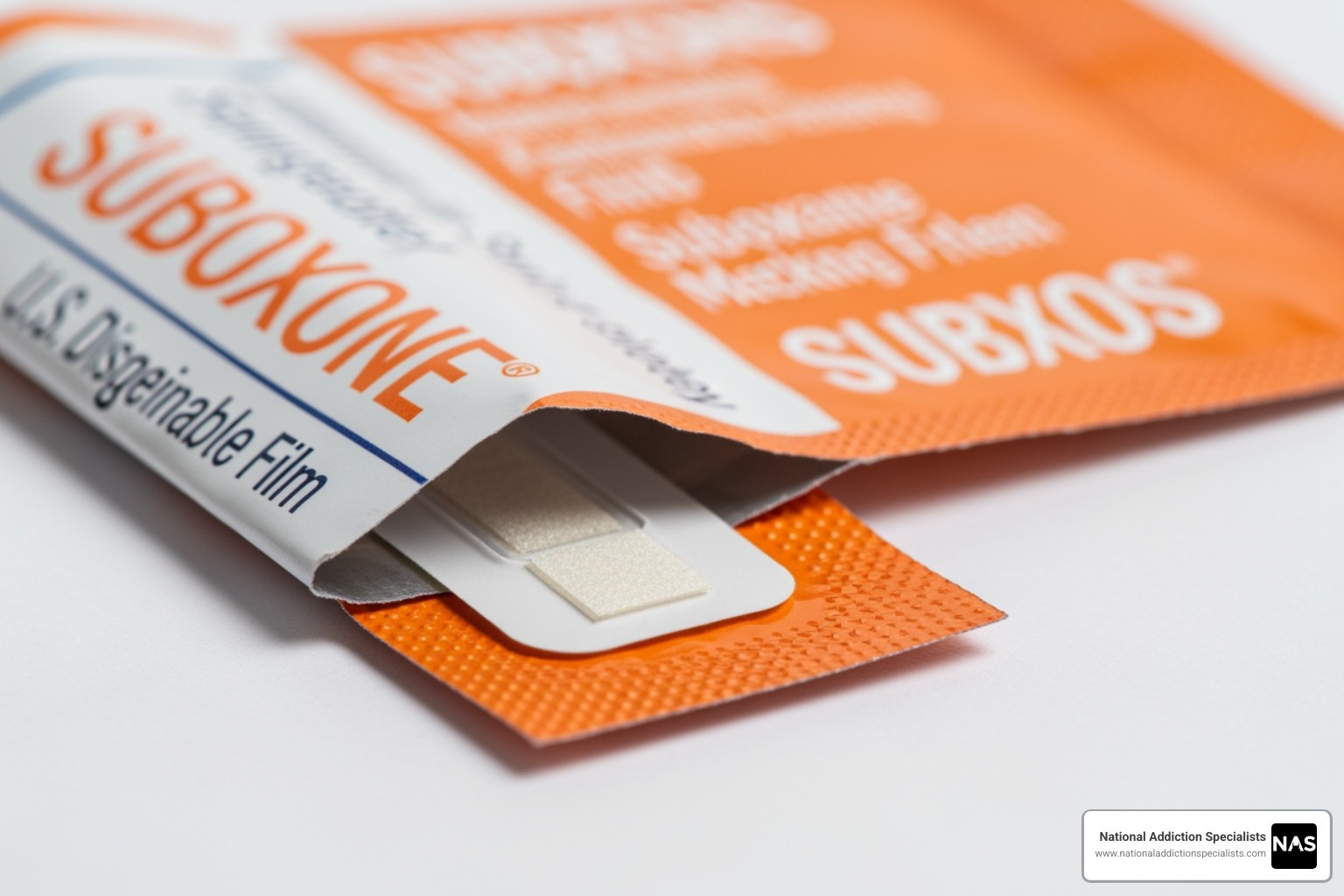
What Are the Long Term Side Effects From Suboxone?
The long term side effects from Suboxone are a top concern for anyone using this medication to manage opioid use disorder (OUD). Here is a quick summary:
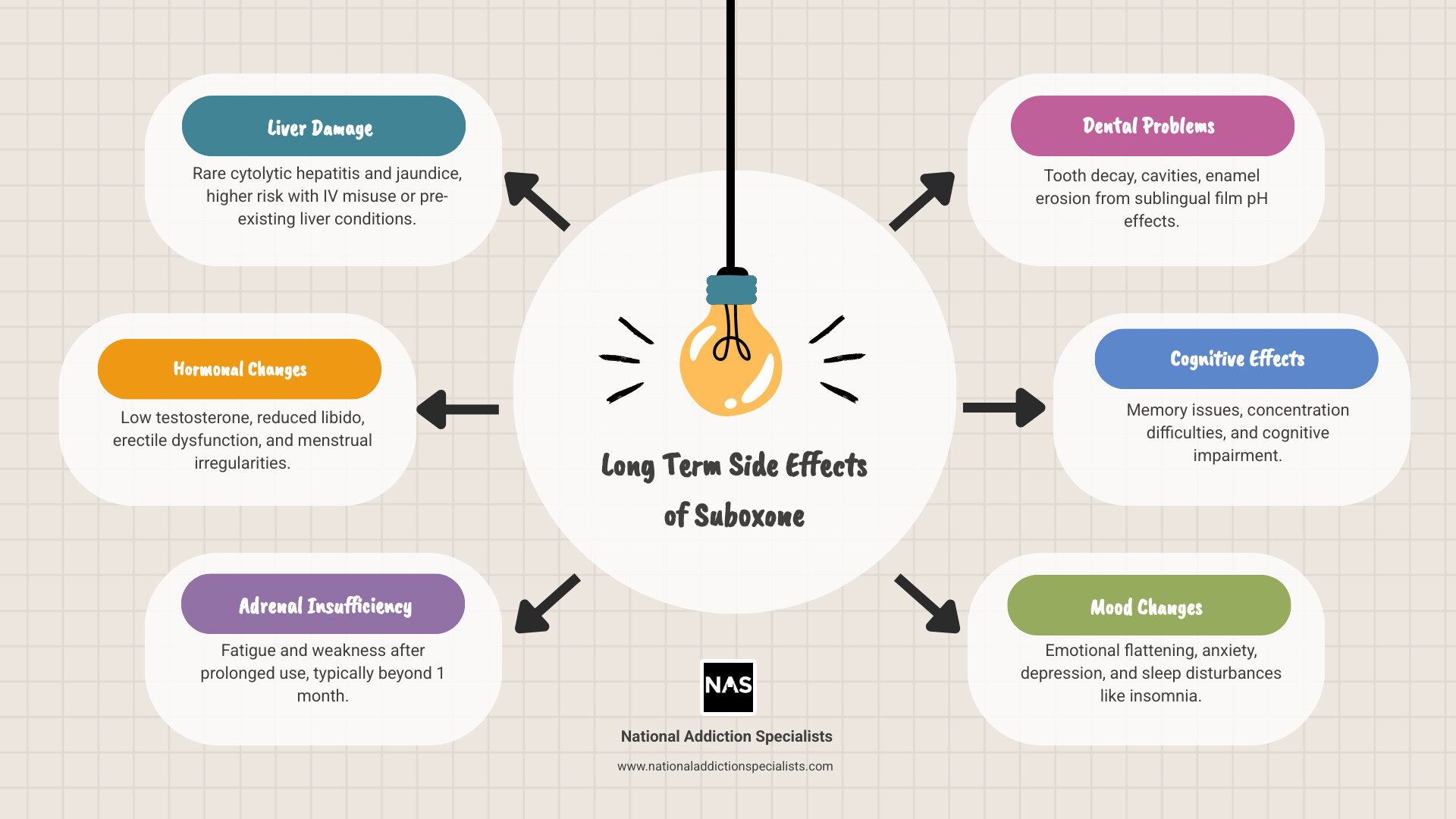
Long-term side effects of Suboxone include:
| Side Effect | Details |
|---|---|
| Liver damage | Rare but possible; risk increases with IV misuse or pre-existing liver disease |
| Hormonal changes | Low testosterone, reduced libido, erectile dysfunction, menstrual changes |
| Adrenal insufficiency | More common after more than 1 month of use |
| Dental problems | Tooth decay, cavities, enamel erosion from sublingual use |
| Cognitive effects | Memory issues, difficulty concentrating |
| Physical dependence | Withdrawal symptoms if stopped abruptly |
| Mood changes | Emotional flattening, anxiety, depression |
| Chronic constipation | Ongoing gastrointestinal effects |
| Sleep disturbances | Insomnia and sleep apnea |
Suboxone combines two medications: buprenorphine, a partial opioid agonist, and naloxone, an opioid blocker. Together, they reduce cravings and withdrawal symptoms without producing the intense high of full opioid agonists.
For millions of people recovering from opioid addiction, Suboxone has been life-changing. But like any medication used over months or years, it comes with a specific set of risks worth understanding clearly.
This guide breaks down what the research actually says — so you can have an informed conversation with your doctor and make the best decision for your recovery.
I’m Dr. Chad Elkin, board-certified in Addiction Medicine and founder of National Addiction Specialists, and I’ve worked with hundreds of patients navigating the long term side effects from Suboxone as part of their opioid use disorder treatment. Understanding these risks is central to the personalized, evidence-based care I provide every day.
This article was medically reviewed by:
Chad Elkin, MD, DFASAM is a board-certified addiction medicine physician, founder, and Chief Medical Officer of National Addiction Specialists, dedicated to treating substance use disorders. A Distinguished Fellow of the American Society of Addiction Medicine (ASAM), Dr. Elkin currently serves as President of the Tennessee Society of Addiction Medicine (TNSAM) and has held various leadership roles within the organization. Dr. Elkin chairs ASAM’s Health Technology Subcommittee and is an active member of its Practice Management and Regulatory Affairs Committee, State Advocacy and Legislative Affairs Committee, and other committees. He also serves on the planning committee for the Vanderbilt Mid-South Addiction Conference. Committed to advancing evidence-based policy, Dr. Elkin is Chairman of the Tennessee Association of Alcohol, Drug, & Other Addiction Services (TAADAS) Addiction Medicine Council, which collaborates with the TN Department of Mental Health & Substance Abuse Services (TDMHSAS). He has contributed to numerous local, state, and national task forces, helping develop professional guidelines, policies, and laws that align with best practices in addiction medicine. His work focuses on reducing addiction-related harm, combating stigma, and ensuring access to effective treatment. Passionate about the field of addiction medicine, he remains dedicated to shaping policy and enhancing patient care.
Suboxone® and Subutex® are a registered trademark of Indivior UK Limited. Any mention and reference of Suboxone® and Subutex® in this website is for informational purposes only and is not an endorsement or sponsorship by Indivior UK Limited.
Introduction
When we discuss Medication-Assisted Treatment (MAT), Suboxone is often the “gold standard.” It works by binding to the same receptors in the brain as heroin or oxycodone, but because it is a partial agonist, it has a “ceiling effect.” This means that after a certain dose, its effects plateau, significantly reducing the risk of respiratory depression and overdose compared to full opioids.
The naloxone component is an “insurance policy” against misuse. If the medication is taken as directed (dissolved under the tongue), very little naloxone enters the bloodstream. However, if someone attempts to crush and inject the film to get high, the naloxone activates, potentially triggering immediate and severe withdrawal.
While this mechanism is brilliant for stabilization, many patients in Tennessee and Virginia ask us: “What happens if I stay on this for years?” To answer that, we have to look at both the common hurdles and the deeper physical changes that can occur over time.
Common Short-Term vs. Long Term Side Effects From Suboxone

Starting Suboxone can feel like a rollercoaster. In the first few weeks, your body is adjusting to a new chemical balance. It is important to distinguish between these early “adjustment” symptoms and the chronic issues that might develop during maintenance.
Short-Term Side Effects
During the induction and stabilization phases, many patients experience:
- Headaches: Reported by approximately 36.4% of users in clinical trials.
- Nausea and Vomiting: Affecting about 15% of patients initially.
- Insomnia: Roughly 14% of people struggle with sleep early on.
- Sweating (Hyperhidrosis): A common complaint for about 14% of users.
Long-Term Side Effects
As treatment continues into months or years, the focus shifts. While some short-term effects like constipation may persist, other issues like hormonal shifts or dental erosion become more prominent. For a deeper dive into these initial stages, you can read our guide on what to expect with Suboxone side effects.
| Symptom Category | Acute (Short-Term) | Chronic (Long-Term) |
|---|---|---|
| Gastrointestinal | Nausea, Abdominal Pain | Chronic Constipation |
| Neurological | Headaches, Dizziness | Cognitive “Fog,” Memory Issues |
| Endocrine | None typically reported | Low Testosterone, Adrenal Fatigue |
| Oral Health | Mouth irritation | Tooth decay, Enamel loss |
According to Buprenorphine clinical safety data, most side effects are manageable, but they do require consistent monitoring by an addiction specialist.
Physical Health Risks of Prolonged Maintenance Therapy
Prolonged use of any opioid-based medication affects multiple systems in the body. While the benefits of staying off illicit drugs are massive, we must keep an eye on these specific areas.
Liver Function and Hepatotoxicity
One of the most discussed long term side effects from Suboxone is liver health. Clinical data suggests that buprenorphine is generally safe for the liver, but rare cases of cytolytic hepatitis and jaundice have been reported. This risk is significantly higher for individuals with pre-existing Hepatitis C or those who misuse the medication via injection. We recommend regular liver function tests (LFTs) to ensure your liver is processing the medication safely. You can learn more about the long-term effects of Suboxone use on our dedicated page.
Hormonal Changes and Adrenal Insufficiency
Chronic opioid use can “dampen” the endocrine system. This often leads to:
- Androgen Deficiency: In men, this manifests as low testosterone, which can cause fatigue, muscle loss, and depression.
- Sexual Health Issues: Decreased libido and erectile dysfunction are common. We’ve detailed the impact of Suboxone on sexual health to help patients navigate these sensitive topics.
- Adrenal Insufficiency: This occurs when the body doesn’t produce enough cortisol, leading to chronic exhaustion and low blood pressure.
Hyperalgesia and Sleep Apnea
Ironically, long-term opioid use can sometimes make you more sensitive to pain, a condition called hyperalgesia. Additionally, Suboxone can contribute to sleep-disordered breathing, including central sleep apnea, by affecting the brain’s drive to breathe during sleep.
Dental Health and Long Term Side Effects From Suboxone
In 2022, the FDA issued a warning regarding dental issues associated with buprenorphine medications dissolved in the mouth. Because Suboxone is acidic, it can temporarily lower the pH level in your mouth, leading to:
- Enamel Erosion: The protective layer of your teeth wears down.
- Cavities and Abscesses: Increased risk of decay even in patients with no prior dental history.
- Tooth Loss: In severe cases, prolonged exposure can lead to fractures or the need for extractions.
Prevention Tips:
- Rinse with water after the medication has completely dissolved.
- Wait at least one hour before brushing your teeth to avoid scrubbing the softened enamel.
- Schedule regular dental checkups and inform your dentist that you are on Suboxone.
Psychological and Cognitive Impacts
Recovery isn’t just about the body; it’s about the mind. While Suboxone provides the stability needed to rebuild a life, some patients report subtle psychological shifts after years of use.
Emotional Flattening
Some individuals describe a “flattened aspect,” where they feel less intense joy but also less intense sadness. While this can prevent the “highs and lows” that lead to relapse, it can also feel like a loss of emotional vibrancy. Understanding how Suboxone affects your mood is a key part of our counseling sessions at National Addiction Specialists.
Cognitive Function
There are reports of long-term users experiencing “brain fog,” minor memory lapses, or difficulty concentrating. While research is ongoing, many experts believe these effects are mild compared to the cognitive damage caused by active addiction to illicit opioids.
Social and Financial Impact
The stigma of being on “replacement therapy” can take a psychological toll. Some patients feel they are “not truly clean,” which is a harmful misconception. Furthermore, the long-term cost of medication and the need for monthly appointments can be a financial burden, though National Addiction Specialists accepts Medicaid and Medicare to help alleviate this.
Make an Appointment to Treat Addiction
Managing Physical Dependence and Tapering Protocols
It is vital to understand the difference between addiction and physical dependence.
- Addiction is the compulsive use of a drug despite harmful consequences.
- Physical dependence is a state where the body has adapted to a drug and experiences withdrawal if it is removed.
Most long-term Suboxone users are physically dependent. If you stop “cold turkey,” you will experience significant withdrawal symptoms, including muscle aches, diarrhea, anxiety, and intense cravings. These symptoms usually peak around day three or four and can last for several weeks.
The Tapering Process
When a patient feels ready to stop, we use a gradual tapering schedule. This involves slowly reducing the dose over weeks or months to allow the brain’s receptors to adjust.
- Medical Supervision: Never attempt to taper alone.
- Relapse Prevention: The risk of overdose is highest after a period of abstinence because your tolerance has dropped.
- Support: Combining a taper with behavioral therapy increases the chance of success.
For a detailed roadmap, see our Suboxone withdrawal guide and our expert advice on how to taper off Suboxone. You can also find resources in the SAMHSA Opioid Overdose Prevention Toolkit.
Frequently Asked Questions about Suboxone Side Effects
Does Suboxone cause permanent liver damage?
For most people, no. Liver enzyme elevations are usually transient and return to normal if the medication is adjusted. Permanent damage is extremely rare and typically involves other factors like heavy alcohol use or untreated Hepatitis C.
Can Suboxone affect my teeth long-term?
Yes, but the risk can be mitigated. By practicing good oral hygiene and rinsing your mouth after each dose, you can protect your enamel. Regular dental visits are a must for anyone on long-term maintenance.
Is it safe to stay on Suboxone for life?
Many experts, including those at the American Society of Addiction Medicine (ASAM), state that indefinite use is safe and often preferable to the high risk of relapse and fatal overdose associated with stopping. The decision should be based on your individual recovery goals and health status.
Conclusion
At National Addiction Specialists, we believe that the long term side effects from Suboxone are manageable “trade-offs” for the life-saving benefits the medication provides. Our telemedicine-based approach allows us to provide confidential, expert care to patients across Tennessee and Virginia, ensuring that your maintenance therapy is closely monitored for both safety and efficacy.
Recovery is a marathon, not a sprint. Whether you are wondering how long you should stay on Suboxone or you are ready to begin your journey, we are here to provide a personalized plan that fits your life.
Sustained recovery is possible from the comfort of your own home. Let us help you navigate the complexities of treatment with the care and expertise you deserve.
Make an Appointment to Treat Addiction Please don’t hesitate. Make an appointment today. https://www.nationaladdictionspecialists.com/new-patient-packet/
This article was medically reviewed by: Chad Elkin, MD, DFASAM is a board-certified addiction medicine physician, founder, and Chief Medical Officer of National Addiction Specialists, dedicated to treating substance use disorders. A Distinguished Fellow of the American Society of Addiction Medicine (ASAM), Dr Elkin currently serves as President of the Tennessee Society of Addiction Medicine (TNSAM) and has held various leadership roles within the organization. Dr Elkin chairs ASAM’s Health Technology Subcommittee and is an active member of its Practice Management and Regulatory Affairs Committee, State Advocacy and Legislative Affairs Committee, and other committees. He also serves on the planning committee for the Vanderbilt Mid-South Addiction Conference. Committed to advancing evidence-based policy, Dr Elkin is Chairman of the Tennessee Association of Alcohol, Drug, & Other Addiction Services (TAADAS) Addiction Medicine Council, which collaborates with the TN Department of Mental Health & Substance Abuse Services (TDMHSAS). He has contributed to numerous local, state, and national task forces, helping develop professional guidelines, policies, and laws that align with best practices in addiction medicine. His work focuses on reducing addiction-related harm, combating stigma, and ensuring access to effective treatment. Passionate about the field of addiction medicine, he remains dedicated to shaping policy and enhancing patient care.
Suboxone® and Subutex® are a registered trademark of Indivior UK Limited. Any mention and reference of Suboxone® and Subutex® in this website is for informational purposes only and is not an endorsement or sponsorship by Indivior UK Limited.