Can You Die from Suboxone Withdrawal? Safety Tips and Truths
Understanding the Risks: Can Suboxone Withdrawal Cause Death Directly?
When evaluating can suboxone withdrawal cause death, we must look closely at buprenorphine pharmacology. Suboxone is composed of buprenorphine (a partial opioid agonist) and naloxone (an opioid antagonist). Because buprenorphine is only a partial agonist, it exhibits a “ceiling effect” on respiratory depression. This pharmacological feature makes Suboxone dramatically safer than full opioid agonists like heroin, fentanyl, or methadone during active use.
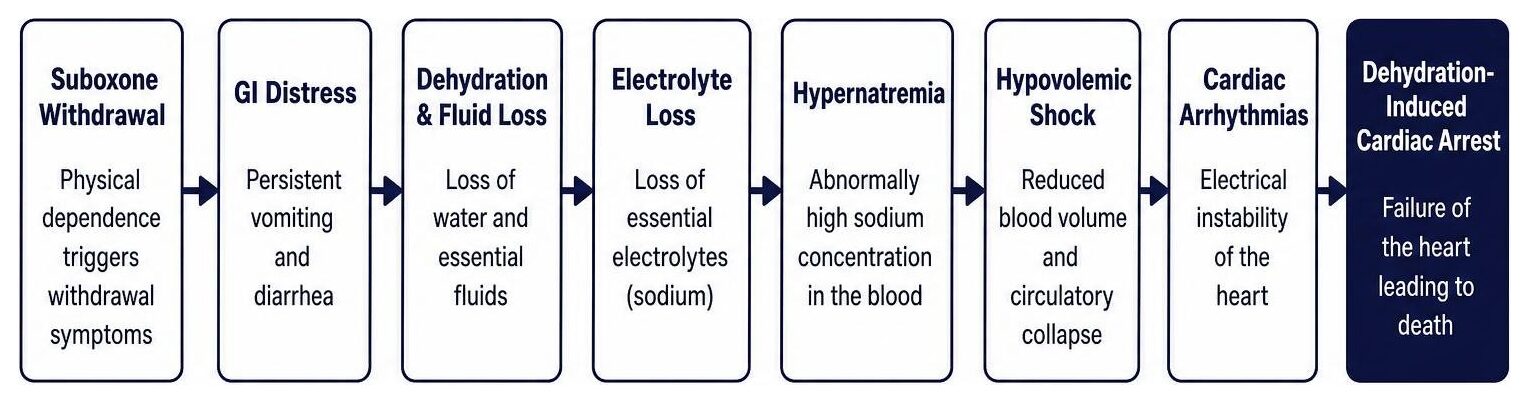
However, when someone suddenly stops taking Suboxone, physical dependence triggers a distinct physiological withdrawal syndrome. On its own, uncomplicated opioid withdrawal is rarely a direct cause of death. Instead, the primary physical threat comes from secondary complications—specifically severe fluid loss caused by persistent vomiting and diarrhea.
When gastrointestinal distress goes unchecked, the human body rapidly loses essential fluids and electrolytes. This fluid loss can trigger hypernatremia (an abnormally high concentration of sodium in the blood). Without proper intervention, severe hypernatremia leads to hypovolemic shock, cardiac arrhythmias, and ultimately dehydration-induced cardiac arrest.
Scientific research on withdrawal mortality demonstrates that while opioid withdrawal is historically viewed as merely uncomfortable, severe physiological complications can turn it fatal if clinical care is absent. Managing these physical reactions requires recognizing the full range of physical responses outlined in our comprehensive Suboxone withdrawal symptoms list.

Direct Complications vs. Post-Detox Relapse Overdose
While direct physical complications from fluid loss present real danger, the absolute highest mortality risk associated with Suboxone withdrawal is nonfatal or fatal relapse overdose.
Many individuals undergo rapid detox programs, believing that a quick taper off buprenorphine over 3 to 7 days is the fastest route to recovery. Unfortunately, rapid tapers come with severe clinical drawbacks. According to official guidelines in the SUBOXONE Medication Guide, abruptly stopping or rapidly tapering Suboxone causes intense physical cravings and discomfort, driving many back to illicit full agonists.
Loss of Tolerance: Can Suboxone Withdrawal Cause Death Through Relapse?
During long-term medication-assisted treatment (MAT), your body adapts to a baseline level of opioids. When you taper off or stop Suboxone, your brain’s physiological opioid tolerance drops significantly within days to weeks.
If a person relapses after stopping Suboxone, they often take the same dose of illicit opioids (such as heroin or fentanyl) that they previously used. Because their physiological tolerance has evaporated, that dose triggers acute respiratory depression, anoxic brain injury, and fatal overdose.
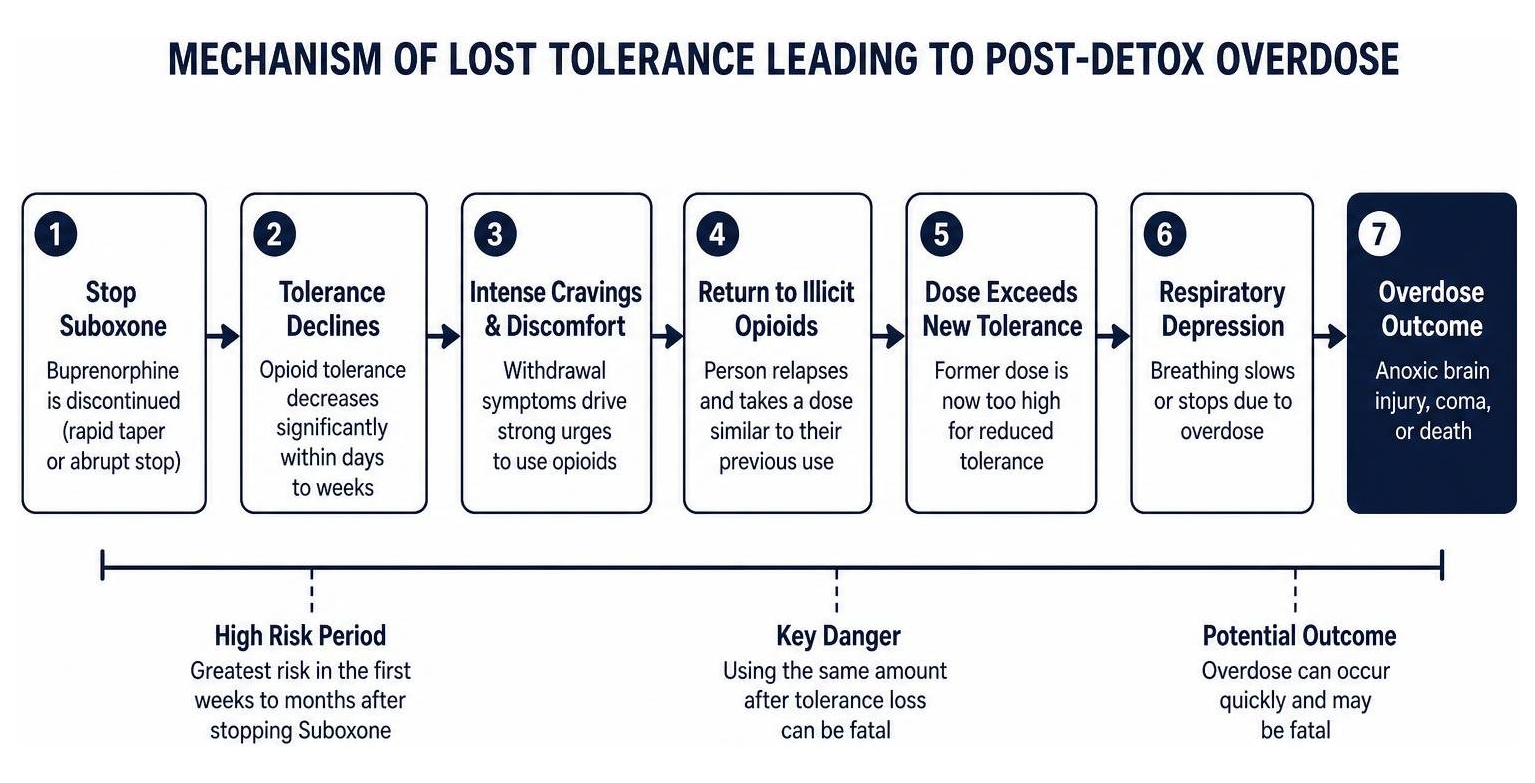
A notable Study on rapid taper overdose risks highlighted a tragic case where a 28-year-old patient underwent a 4-day buprenorphine/naloxone taper. Just three weeks post-discharge, after losing opioid tolerance, the patient relapsed and suffered a fatal overdose. Clinical data shows that short-term tapers (lasting under 12 weeks) are 6.7 times less likely to succeed than long-term tapers lasting over 52 weeks. For a safe tapering approach, review our Suboxone withdrawal after taper guide.
High-Risk Environments: Can Suboxone Withdrawal Cause Death in Unmonitored Settings?
The danger of withdrawal compounds dramatically in unmonitored settings, such as custodial or institutional environments. Historically, many US correctional facilities forced incoming individuals to go through abrupt, unmanaged detoxification rather than continuing maintenance therapy.
Data on custodial deaths reveals the severe reality of forced withdrawal:
- Between 2013 and 2016, at least 10 deaths due to opioid withdrawal complications were documented in US jails.
- Only approximately 25% of US jails provided drug or alcohol detoxification services during that period.
- Research indicates that continuing methadone or buprenorphine maintenance in custody reduces the 10-year risk of death by 93% compared to forced abrupt withdrawal.
As detailed in the official Suboxone prescribing information, maintaining stability on prescribed medication is essential to prevent severe physical distress and loss of life.
Medical Management, Tapering Guidelines, and Prevention
Preventing life-threatening complications during Suboxone withdrawal requires evidence-based medical management rather than rapid detox. Long-term maintenance therapy combined with gradual, clinical tapering yields the highest success rate while minimizing physical harm.
Key medical interventions during withdrawal management include:
- Intravenous Rehydration Protocols: Replacing lost fluids and electrolytes to stabilize sodium levels and protect cardiac function.
- Supportive Pharmacotherapy: Utilizing non-opioid comfort medications (such as clonidine, antiemetics, and antidiarrheals) to control acute gastrointestinal distress.
- Take-Home Naloxone Distribution: Equipping every patient with naloxone nasal spray to reverse potential accidental overdoses if a relapse occurs post-taper.
- Continued Outpatient MAT Connections: Ensuring uninterrupted access to care rather than treating detox as a standalone solution.
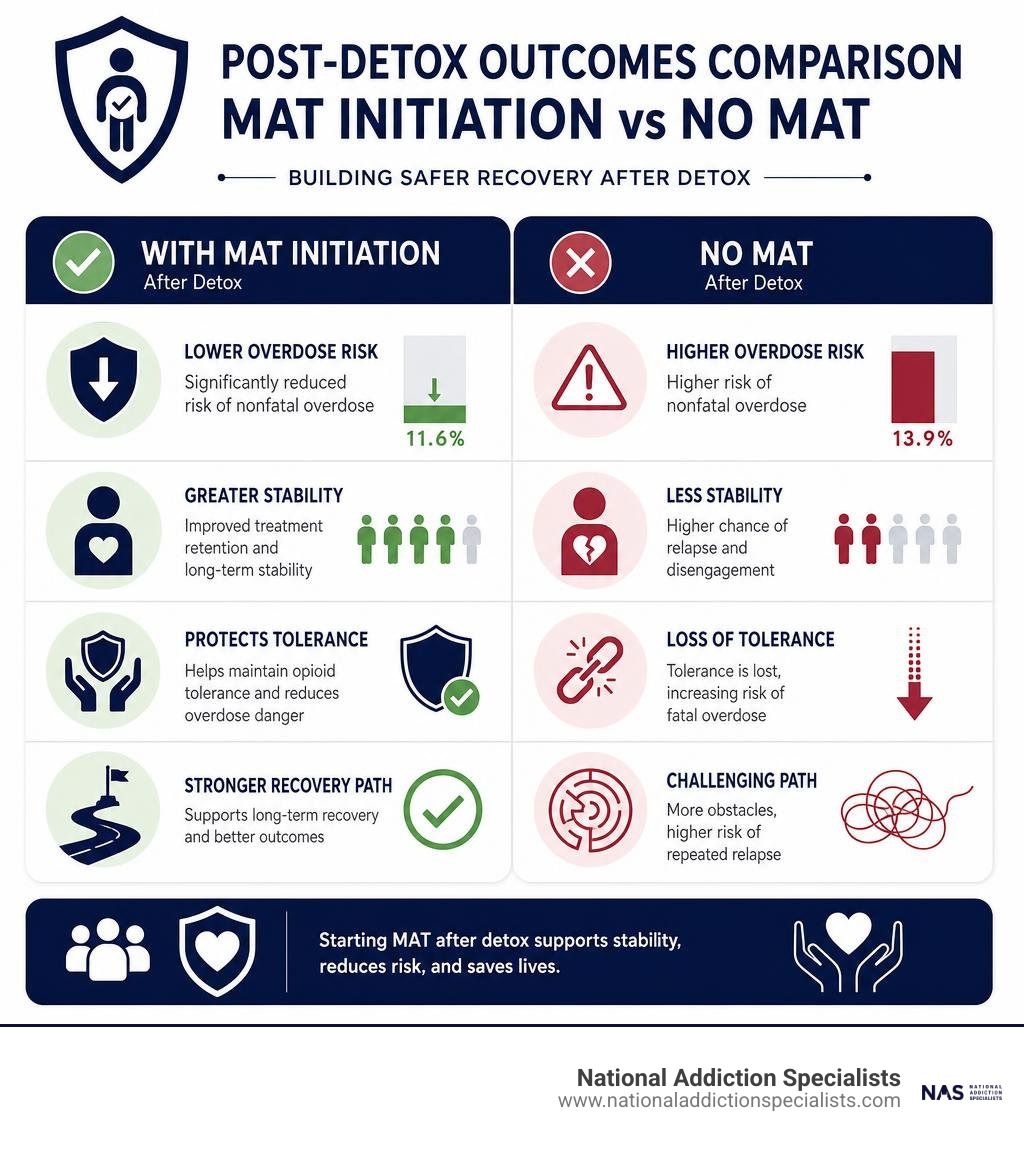
A landmark Study on post-detox overdose prevention analyzing over 36,000 adults discharged from detoxification facilities revealed that initiating Suboxone post-detox significantly reduced nonfatal overdose risks compared to non-agonist approaches. Specifically, at 24 weeks post-detox, the risk of nonfatal overdose was 11.6% for those on buprenorphine-naloxone compared to 13.9% for extended-release naltrexone.
If you are currently experiencing physical discomfort during a medication adjustment, explore our tips in The Ultimate Guide to Suboxone Withdrawal Relief.

Make an Appointment to Treat Addiction Please don’t hesitate. Make an appointment today.
Suboxone Withdrawal Timeline and Emergency Warning Signs
Suboxone’s long half-life (24 to 60 hours) means withdrawal symptoms develop much more slowly than short-acting opioids like heroin or oxycodone. Understanding this timeline helps patients identify potential emergency red flags.
| Stage | Timeframe | Common Symptoms | Clinical Risk Level |
|---|---|---|---|
| Early Onset | 24–72 Hours | Mild anxiety, restlessness, watery eyes, yawning, sweating | Low |
| Peak Phase | Days 3–7 | Nausea, persistent vomiting, severe diarrhea, abdominal cramps, muscle aches | High (Dehydration Risk) |
| Acute Subsidence | Days 8–14 | Chills, goosebumps, insomnia, reduced physical fatigue | Moderate |
| Post-Acute (PAWS) | Weeks 2–8+ | Depression, anxiety, sleep disturbances, drug cravings | High (Relapse Risk) |
For a step-by-step breakdown of what to expect, visit our Suboxone withdrawal timeline guide.

When to Seek Emergency Medical Attention
If you or a loved one experience any of the following warning signs during withdrawal, seek immediate emergency medical care:
- Inability to keep fluids down for more than 24 hours due to uncontrollable vomiting.
- Signs of severe dehydration: extreme thirst, dark urine, dizziness upon standing, or confusion.
- Rapid or irregular heartbeat (cardiac arrhythmia).
- Severe mental confusion, hallucinations, or extreme lethargy.
- Any return to illicit drug use following a period of abstinence.
Frequently Asked Questions about Suboxone Withdrawal Safety
What is the main difference between heroin withdrawal and Suboxone withdrawal?
Heroin is a full opioid agonist with a short half-life, causing acute withdrawal symptoms that hit rapidly within 8–12 hours and peak around days 2–3. Suboxone contains buprenorphine, a partial opioid agonist with a long half-life. Suboxone withdrawal onset is delayed (24–72 hours), peaks later, and produces milder physical intensity due to its ceiling effect, though symptoms can last longer overall.
Why are rapid tapers dangerous for patients on Suboxone?
Rapid tapers over a few days have extremely low success rates (20–40% short-term abstinence). They cause intense withdrawal distress and rapidly strip away opioid tolerance. If a patient relapses shortly after a rapid taper, their lower tolerance puts them at an extremely high risk for fatal respiratory depression and overdose.
When should someone seeking Suboxone detox seek emergency care?
Emergency medical care is required if a person develops persistent vomiting or diarrhea that prevents fluid retention for over 24 hours, experiences signs of severe dehydration or hypernatremia (such as confusion, fainting, or dry mouth), exhibits heart palpitations, or demonstrates signs of accidental overdose following a relapse.
Conclusion
So, can suboxone withdrawal cause death? While buprenorphine’s partial agonist biology protects against direct fatal toxicity during withdrawal, severe physical complications like dehydration and loss-of-tolerance overdose after a rapid taper are genuine, life-threatening risks.
At National Addiction Specialists, we believe no one should face recovery alone or through risky, unmonitored detox. Operating across Tennessee and Virginia (including Brentwood, TN, and Virginia Beach, VA), our board-certified addiction medicine team provides convenient, confidential telemedicine-based Suboxone treatment. We accept Medicaid and Medicare, helping you safely maintain your recovery or navigate a personalized, medically supervised taper from the comfort of your home.
Explore our Complete Guide to Suboxone Treatment Options or reach out to our team today to take the next safe step in your journey.
This article was medically reviewed by: Chad Elkin, MD, DFASAM is a board-certified addiction medicine physician, founder, and Chief Medical Officer of National Addiction Specialists, dedicated to treating substance use disorders. A Distinguished Fellow of the American Society of Addiction Medicine (ASAM), Dr Elkin currently serves as President of the Tennessee Society of Addiction Medicine (TNSAM) and has held various leadership roles within the organization. Dr Elkin chairs ASAM’s Health Technology Subcommittee and is an active member of its Practice Management and Regulatory Affairs Committee, State Advocacy and Legislative Affairs Committee, and other committees. He also serves on the planning committee for the Vanderbilt Mid-South Addiction Conference. Committed to advancing evidence-based policy, Dr Elkin is Chairman of the Tennessee Association of Alcohol, Drug, & Other Addiction Services (TAADAS) Addiction Medicine Council, which collaborates with the TN Department of Mental Health & Substance Abuse Services (TDMHSAS). He has contributed to numerous local, state, and national task forces, helping develop professional guidelines, policies, and laws that align with best practices in addiction medicine. His work focuses on reducing addiction-related harm, combating stigma, and ensuring access to effective treatment.Passionate about the field of addiction medicine, he remains dedicated to shaping policy and enhancing patient care.
Suboxone® and Subutex® are a registered trademark of Indivior UK Limited. Any mention and reference of Suboxone® and Subutex® in this website is for informational purposes only and is not an endorsement or sponsorship by Indivior UK Limited.