Beyond the Buzz: A Look at Effective Opioid Addiction Medications
Effective Opioid Addiction Medication Can Support Recovery
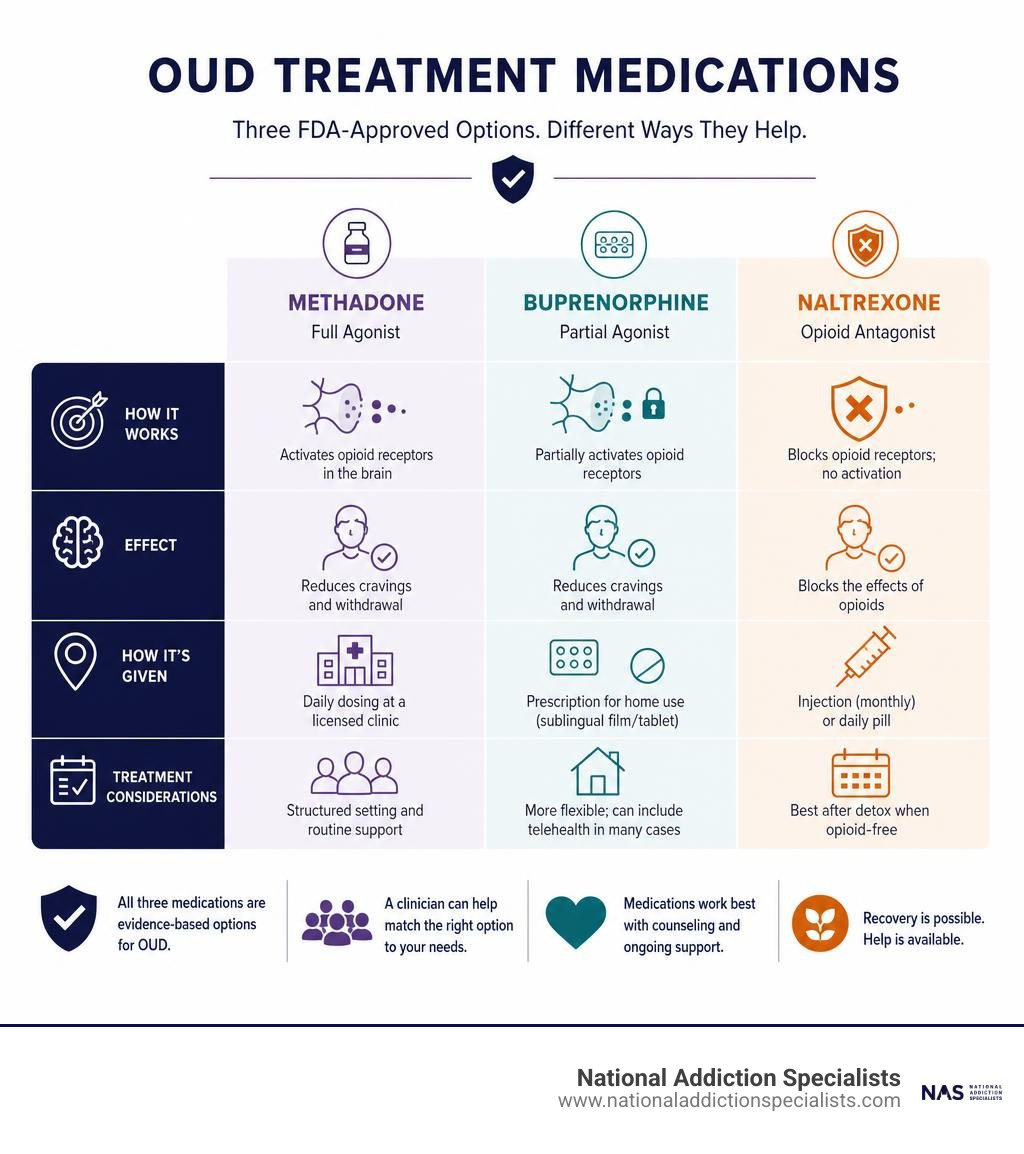
Opioid addiction medication is an evidence-based treatment for opioid use disorder (OUD). The three FDA-approved options are methadone, buprenorphine, and naltrexone. They work in different ways to reduce cravings, prevent withdrawal, or block opioid effects. A qualified clinician can help match the medication, format, and level of support to your needs.
These medications are not a moral shortcut or a replacement addiction. They are medical treatment for a chronic, treatable condition. When taken as prescribed, medications for opioid use disorder can help people stay in treatment and lower the risk of fatal overdose and infections linked to injection drug use, including HIV and hepatitis C.
Access still falls far short of need: fewer than 1 in 5 people with OUD receive these medications. Yet care may be available through an opioid treatment program, a local medical practice, or, when appropriate and legally available, telehealth. Recovery does not have to require putting work, family, or privacy aside.
I am Chad Elkin, MD, founder and medical director of National Addiction Specialists, board certified in Addiction Medicine and Internal Medicine. My work in opioid addiction medication focuses on lowering mortality and removing barriers to compassionate, convenient, evidence-based care.
Opioid addiction medication vocab explained:
Understanding How Pharmacotherapy Treats Opioid Use Disorder
Opioid use disorder is a complex, chronic brain disorder characterized by neurochemical changes in the central nervous system. When someone uses opioids repeatedly—whether prescription pain relievers, heroin, or illicit fentanyl—the brain adjusts its natural reward circuits and mu-opioid receptor density. Attempting to stop abruptly leads to painful withdrawal symptoms and intense physical cravings.
Understanding how does medication-assisted treatment work is the foundation of modern addiction medicine. Pharmacotherapy stabilizes brain chemistry, alleviates painful withdrawal, and shields individuals from the cycle of euphoria and physical crash. Just as insulin manages diabetes or antihypertensives manage blood pressure, medications for opioid use disorder (MOUD) treat the underlying biological drivers of the condition.
How an Opioid Addiction Medication Works in the Brain
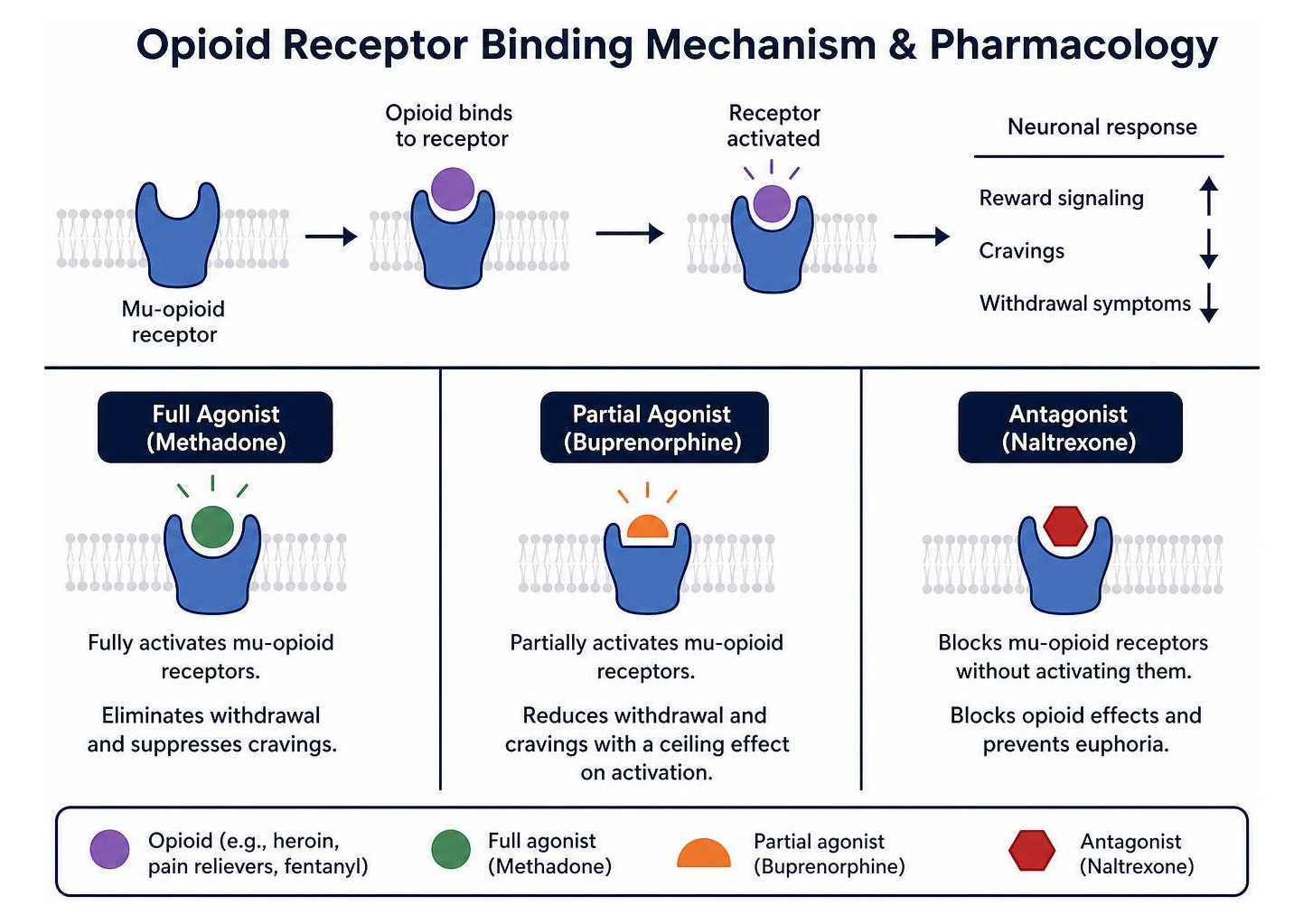
Medications for opioid addiction interact with mu-opioid receptors in three distinct ways:
- Full Agonists (e.g., Methadone): Fully activate mu-opioid receptors, eliminating withdrawal and suppressing drug cravings. When taken at stable therapeutic doses under medical oversight, full agonists do not produce intoxication in opioid-tolerant individuals.
- Partial Agonists (e.g., Buprenorphine): Bind tightly to the mu-opioid receptor but only partially activate it. Buprenorphine displays a pharmacological “ceiling effect” for respiratory depression, meaning that increasing doses beyond a certain point does not increase respiratory suppression, resulting in a favorable safety profile.
- Antagonists (e.g., Naltrexone): Fully occupy mu-opioid receptors without activating them, creating a physical barrier that prevents other opioids from producing euphoria or pain relief.
Through these mechanisms, pharmacotherapy calms overactive neurological circuits, restores baseline physiological functioning, and allows patients to rebuild their daily routines.
Clinical Benefits: Overdose Mortality Reduction and Infectious Disease Prevention
The clinical impact of MOUD goes beyond symptom relief; it is a vital harm-reduction intervention. It is estimated that over 6.1 million people aged 12 or older have an opioid use disorder, and in 2023, more than 150 people died every day on average from opioid overdose in the U.S. Providing access to evidence-based pharmacotherapy reduces all-cause and overdose-related mortality by 50% or more.
Stabilizing individuals on medications reduces illicit opioid use and injection-related behaviors, directly decreasing the transmission of bloodborne pathogens like HIV and Hepatitis C. As highlighted in the Opioid Use Disorder – How Veterans Can Get Help – Mental Health clinical resources, consistent pharmacotherapy fosters long-term health stabilization, improves quality of life, and promotes recovery across diverse patient populations.
Comparing Every FDA-Approved Opioid Addiction Medication
Finding the right clinical approach involves understanding the available medication-assisted treatment options. The FDA has approved three primary medications to treat opioid use disorder: methadone, buprenorphine, and naltrexone. Non-opioid medications like lofexidine are also approved specifically to manage withdrawal symptoms during acute detoxification.
| Medication | Mechanism | Route of Administration | Setting / Access | Overdose Safety Profile |
|---|---|---|---|---|
| Methadone | Full Mu-Opioid Agonist | Oral liquid concentrate, oral tablets | Certified Opioid Treatment Programs (OTPs); daily clinic attendance initially | Strict clinical supervision required; no pharmacological ceiling effect |
| Buprenorphine | Partial Mu-Opioid Agonist | Sublingual film, sublingual tablet, long-acting monthly injection | Prescribed via office-based providers or telehealth; dispensed at local pharmacies | High safety profile due to receptor ceiling effect; lower overdose risk |
| Naltrexone | Mu-Opioid Antagonist | Monthly extended-release intramuscular injection, daily oral tablet | Outpatient medical practices; pharmacy pickup | Non-addictive; requires 7–14 days of complete opioid detoxification prior to start |
Methadone: Full Agonist Treatment and Clinic Protocols
Methadone is a long-acting full opioid agonist that has been used for decades to treat severe opioid addiction. Because it activates mu-opioid receptors completely, it is effective at controlling cravings and withdrawal even in individuals with heavy, long-term tolerance.
Under federal regulations, methadone for OUD must be dispensed through certified Opioid Treatment Programs (OTPs). Patients typically visit a clinic daily to receive their liquid dose, earning take-home doses as they demonstrate clinical stability. While this structured environment benefits individuals who need daily accountability, the requirement for daily clinic visits can present logistical hurdles for people with inflexible work hours, caregiving duties, or limited transportation.
Buprenorphine Formulations: Sublingual Films, Tablets, and Long-Acting Injectables
Buprenorphine is a partial mu-opioid agonist that revolutionized addiction treatment by allowing care outside specialized clinic settings. Because of its high binding affinity, buprenorphine occupies opioid receptors firmly and stays active for 24 to 36 hours.
Several FDA-approved buprenorphine formulations are available:
- Buprenorphine/Naloxone Sublingual Films: As detailed in the DailyMed – SUBOXONE- buprenorphine hydrochloride, naloxone hydrochloride film, soluble prescribing label, naloxone is added as an abuse deterrent. When taken sublingually, naloxone has poor bioavailability and does not block buprenorphine; however, if injected, naloxone triggers rapid withdrawal.
- Buprenorphine/Naloxone Sublingual Tablets: The official DailyMed – BUPRENORPHINE HYDROCHLORIDE AND NALOXONE HYDROCHLORIDE DIHYDRATE tablet label outlines generic tablet options, offering a bioequivalent alternative to films for maintenance therapy.
- High-Bioavailability Formulations: According to the DailyMed – ZUBSOLV- buprenorphine hydrochloride and naloxone hydrochloride tablet, orally disintegrating monograph, products like Zubsolv provide higher mucosal bioavailability, allowing for lower milligram dosing (e.g., 5.7 mg Zubsolv provides equivalent buprenorphine exposure to an 8 mg Suboxone dose) with a rapid median dissolve time of roughly 5 minutes.
- Buprenorphine Monotherapy Tablets: Outlined in the DailyMed – BUPRENORPHINE tablet and Buprenorphine (BUPRENORPHINE HYDROCHLORIDE) DailyMed… – FDA.report documentation, single-agent formulations without naloxone are used during initial clinical induction or when naloxone sensitivity exists.
- Long-Acting Injectables: Extended-release buprenorphine injections (such as Sublocade and Brixadi) provide continuous, slow-release therapeutic levels over weekly or monthly intervals, removing the burden of daily self-administration.
- Investigational Long-Acting Therapies: Research from institutions like Virginia Commonwealth University is evaluating biodegradable microparticle formulations, such as monthly nor-LAAM, designed to sustain therapeutic plasma levels and offer new extended-interval options for the future.
Understanding the balance between buprenorphine and naloxone empowers patients to make informed choices that fit their daily lives.
Naltrexone: Non-Addictive Opioid Antagonist Therapy
Naltrexone is a non-narcotic, non-addictive mu-opioid receptor antagonist available as a daily oral tablet or a monthly extended-release intramuscular injection (Vivitrol). Because naltrexone blocks opioid receptors without activating them, it produces no physical dependence, sedation, or withdrawal upon discontinuation.
However, initiating naltrexone requires a mandatory 7-to-14-day complete detoxification period free from all opioids. If taken while opioids remain in the body, naltrexone precipitates immediate, severe withdrawal. Additionally, because antagonist therapy reduces opioid tolerance, patients who discontinue naltrexone and return to opioid use face a significantly heightened risk of fatal overdose if they consume doses they previously tolerated.
Overcoming Access Barriers and Clinical Safety Protocols
Despite the proven benefits of MOUD, systemic barriers—such as social stigma, regulatory hurdles, and limited provider availability—often delay care. Navigating treatment requires finding the right opiate withdrawal medicine for you with the guidance of experienced medical professionals who maintain strict privacy, compassionate communication, and thorough compliance with state clinical regulations, such as 18VAC85-21-170. Medical records for opioid addiction treatment. .
Safety of Opioid Addiction Medication During Pregnancy and Breastfeeding
Managing opioid use disorder during pregnancy is critical for protecting both parent and child. Untreated opioid use disorder can lead to unpredictable cycles of intoxication and withdrawal, increasing the risk of fetal distress, placental abruption, preterm labor, and low birth weight.
MOUD using buprenorphine or methadone is the standard of care for pregnant individuals. Clinical evidence demonstrates that maintaining steady therapeutic levels reduces illicit drug exposure and stabilizes the uterine environment. While neonates may experience Neonatal Opioid Withdrawal Syndrome (NOWS)—a treatable, expected condition managed in clinical nursery settings—the outcomes are significantly better than the risks of untreated maternal opioid use. Buprenorphine and methadone are also compatible with breastfeeding under medical guidance, providing comforting benefits and small therapeutic amounts of medication that can ease infant transition.
Drug Interactions, Overdose Reversal Agents, and Dental Health Safeguards
Safety protocols are essential when taking buprenorphine or other MOUD:
- Central Nervous System Depressants: Co-administering buprenorphine with benzodiazepines, sedatives, or alcohol elevates the risk of severe central nervous system and respiratory depression. However, according to FDA prescribing guidelines, treatment for opioid use disorder should not be categorically denied to individuals taking benzodiazepines; instead, providers coordinate care, adjust dosing, and implement monitoring strategies.
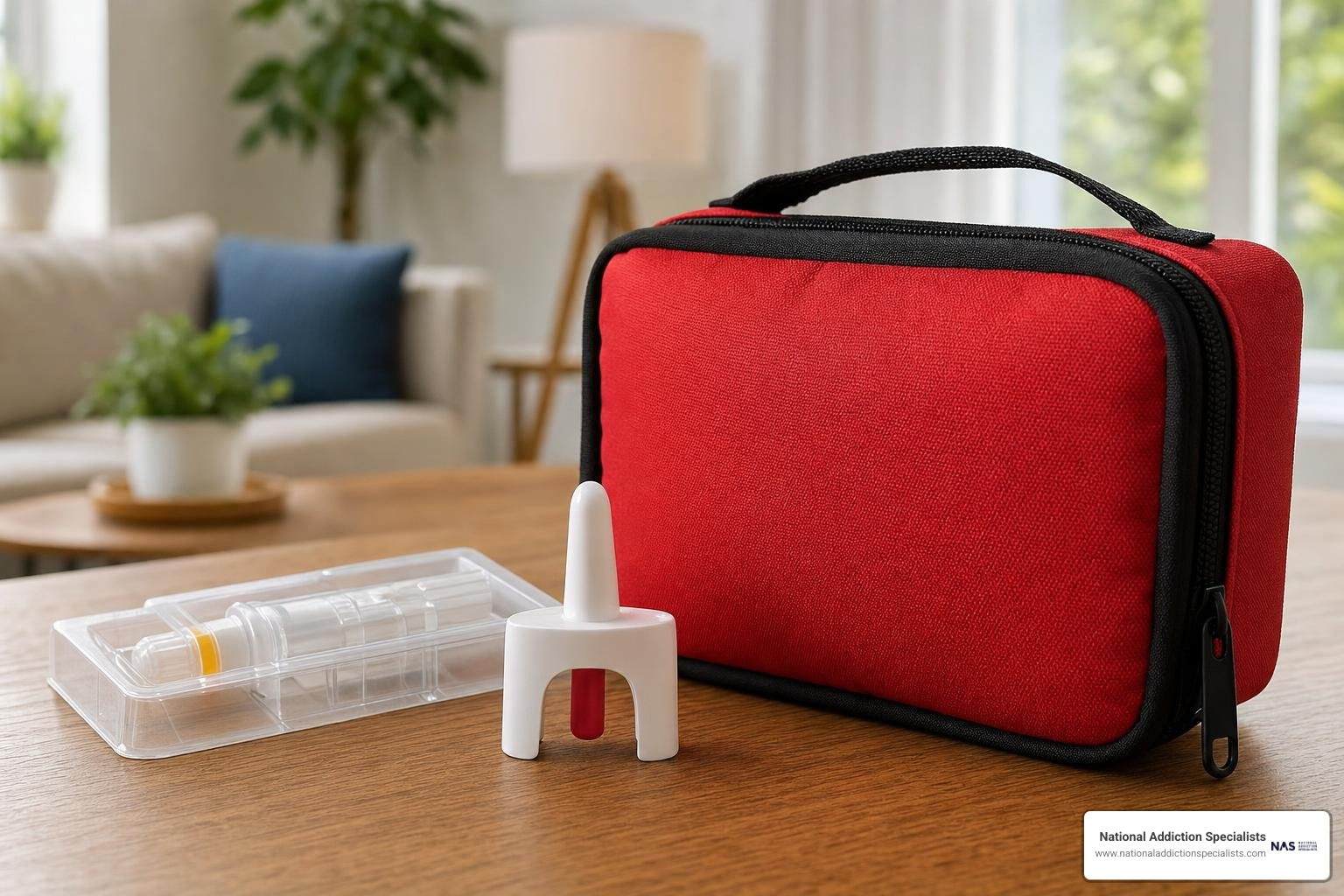
- Overdose Reversal Access: Prescribers routinely co-prescribe or recommend that patients maintain access to emergency opioid overdose reversal agents, such as naloxone (Narcan) or nalmefene. Because buprenorphine binds tightly to receptors, reversing an overdose involving buprenorphine combined with other depressants may require repeated or higher doses of naloxone.
- Dental Health Safeguards: Transmucosal buprenorphine products can affect oral health if proper dental hygiene is not observed. FDA labeling recommends that after the sublingual film or tablet completely dissolves, patients take a sip of water, swish it gently around their teeth and gums, and swallow. Patients should wait at least 60 minutes after the tablet or film dissolves before brushing their teeth to protect enamel.
Expanding Access: Telehealth Prescribing and X-Waiver Deregulation
Federal regulatory changes have improved access to care. The elimination of the federal “X-Waiver” requirement allows any clinician with a standard DEA registration to prescribe buprenorphine for opioid use disorder. This policy integrates addiction medicine into broader primary care and telemedicine environments.
Through secure telemedicine, patients across Tennessee and Virginia can access evaluation, personalized buprenorphine treatment plans, and continuous clinical support from home. This approach reduces geographic, transportation, and scheduling barriers to evidence-based care.
Make an Appointment to Treat Addiction. Please don’t hesitate. Make an appointment today.
Integrating Psychosocial Support and Dispelling Common MAT Myths
Pharmacotherapy stabilizes the neurobiology of opioid use disorder, while comprehensive recovery involves rebuilding daily routines, relationships, and emotional well-being.
The Critical Role of Counseling and Behavioral Support in Recovery
Evidence-based recovery is supported by pairing medications with behavioral therapies. Modalities such as Cognitive Behavioral Therapy (CBT), motivational interviewing, and contingency management help individuals identify triggers, develop healthy coping mechanisms, and address underlying trauma or co-occurring anxiety and depression. Integrating behavioral health into a complete plan for medication-assisted treatment for opioid addiction provides well-rounded, compassionate support throughout the recovery journey.

Debunking MAT Misconceptions: Treating Chronic Illness vs. Substituting Drugs
A common misconception is that using medications like buprenorphine or methadone is simply “trading one drug for another.” This confusion stems from misunderstanding the difference between physical dependence and addiction:
- Addiction (Opioid Use Disorder): A compulsive, destructive behavioral pattern characterized by loss of control, cravings, risky use, and functional impairment despite negative consequences.
- Physical Dependence: An expected physiological adaptation to a daily medication, where the body adjusts to the presence of a compound (similar to blood pressure medications or insulin).
When taking prescribed buprenorphine or methadone, patients do not experience cyclical intoxication or cognitive impairment. Instead, their brain chemistry stabilizes, cravings subside, and they can focus on work, family, and personal goals. As emphasized across public health initiatives and regional health systems, including resources from the Opioids clinical alliance, MOUD is evidence-based medicine that saves lives.
Frequently Asked Questions About Opioid Use Disorder Medications
What is the difference between Suboxone and Subutex?
The primary difference lies in the ingredients. Subutex contains only buprenorphine, whereas Suboxone contains both buprenorphine and naloxone. When exploring Subutex vs Suboxone, naloxone is included specifically to deter misuse: it remains inactive when dissolved under the tongue, but precipitates withdrawal if crushed and injected. Suboxone is preferred for maintenance therapy, while buprenorphine monotherapy is used during pregnancy or in patients with documented naloxone sensitivities.
How soon after using opioids can buprenorphine treatment begin?
Buprenorphine induction must begin only after an individual exhibits objective signs of mild-to-moderate withdrawal, scored using tools like the Clinical Opiate Withdrawal Scale (COWS). For short-acting opioids (like heroin or immediate-release oxycodone), this typically requires waiting at least 6 to 12 hours after the last use. For long-acting opioids or illicit fentanyl, which can linger in fat stores, induction protocols are carefully managed by a clinician to prevent precipitated withdrawal.
Are medications for opioid use disorder safe for long-term maintenance?
Yes. Opioid use disorder is a chronic condition, and there is no predetermined time limit on treatment duration. Many individuals maintain stability on buprenorphine or methadone for months, years, or indefinitely. Discontinuation should always be a gradual, medically supervised decision tailored to the individual’s long-term recovery goals.
Conclusion
Opioid use disorder is a treatable medical condition, not a moral failure. With modern medications like buprenorphine, methadone, and naltrexone, individuals can break free from the cycle of cravings and withdrawal, significantly reduce the risk of overdose, and reclaim stability in their daily lives.
At National Addiction Specialists, our goal is to eliminate barriers to evidence-based care by delivering compassionate, confidential, telemedicine-based Suboxone treatment across Tennessee and Virginia. With support from expert addiction medicine providers, flexible scheduling, and acceptance of Medicare and Medicaid, compassionate recovery is within reach.
Ready to take the next step in your health journey? Learn more about our practice and explore convenient care by visiting our new patient resources.
Medical Review
This article was medically reviewed by: Chad Elkin, MD, DFASAM is a board-certified addiction medicine physician, founder, and Chief Medical Officer of National Addiction Specialists, dedicated to treating substance use disorders. A Distinguished Fellow of the American Society of Addiction Medicine (ASAM), Dr Elkin currently serves as President of the Tennessee Society of Addiction Medicine (TNSAM) and has held various leadership roles within the organization. Dr Elkin chairs ASAM’s Health Technology Subcommittee and is an active member of its Practice Management and Regulatory Affairs Committee, State Advocacy and Legislative Affairs Committee, and other committees. Committed to advancing evidence-based policy, Dr Elkin is Chairman of the Tennessee Association of Alcohol, Drug, & Other Addiction Services (TAADAS) Addiction Medicine Council, which collaborates with the TN Department of Mental Health & Substance Abuse Services (TDMHSAS). He has contributed to numerous local, state, and national task forces, helping develop professional guidelines, policies, and laws that align with best practices in addiction medicine. He also serves on the planning committee for the Vanderbilt Mid-South Addiction Conference. His work focuses on reducing addiction-related harm, combating stigma, and ensuring access to effective treatment. Passionate about the field of addiction medicine, he remains dedicated to shaping policy and enhancing patient care.
Suboxone® and Subutex® are a registered trademark of Indivior UK Limited. Any mention and reference of Suboxone® and Subutex® in this website is for informational purposes only and is not an endorsement or sponsorship by Indivior UK Limited.