The Best Home Remedies to Survive Opiate Withdrawal
What You Need to Know About Home Remedies for Opiate Withdrawal
Home remedies for opiate withdrawal can help ease discomfort during detox — but they work best alongside professional medical support, not instead of it.
Here is a quick overview of the most commonly used options:
| Symptom | Home Remedy |
|---|---|
| Diarrhea | Loperamide (Imodium) |
| Nausea | Meclizine or Dramamine |
| Muscle aches | Ibuprofen or acetaminophen |
| Restlessness/insomnia | Benadryl (short-term), melatonin |
| Anxiety | Passionflower tea, deep breathing |
| Dehydration | Water, Pedialyte, electrolyte drinks |
| Muscle cramps | Magnesium, calcium, bananas |
| Stress | Ashwagandha, light exercise, meditation |
Opiate withdrawal is one of the most physically and emotionally draining experiences a person can go through. Extended opiate use changes how nerve cells in the brain function — the body becomes dependent on the drug just to feel normal. When the drug is removed, the system essentially goes into overdrive.
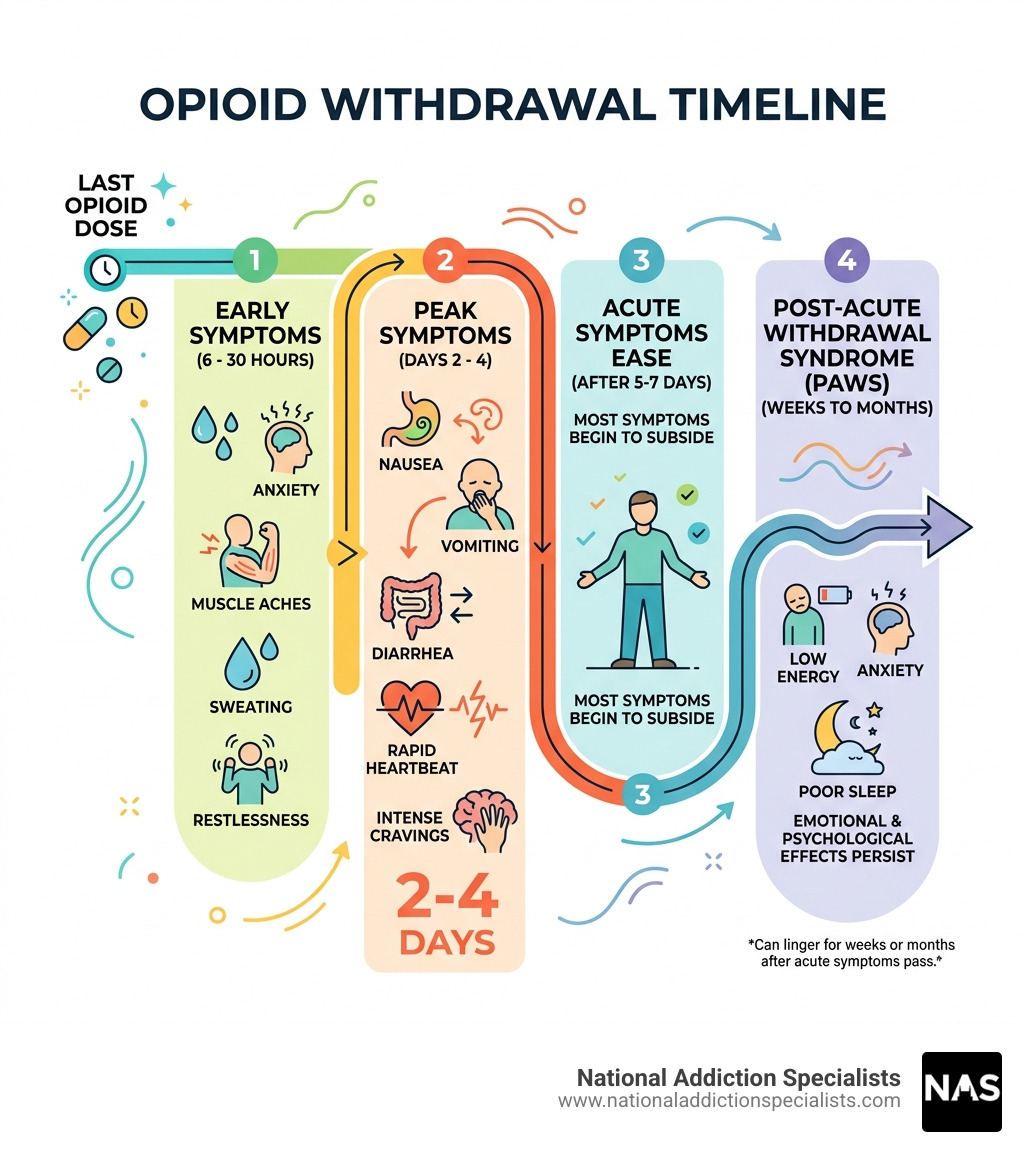
Withdrawal typically unfolds in two phases:
- Early phase — begins 6 to 12 hours after the last dose of a short-acting opioid (up to 30 hours for long-acting opioids). Symptoms include anxiety, muscle aches, sweating, and restlessness.
- Peak phase — hits hardest around days 2 to 4, bringing nausea, vomiting, diarrhea, rapid heartbeat, and intense cravings.
Most acute symptoms begin to ease after 5 to 7 days. But emotional effects — like low energy, anxiety, and poor sleep — can linger for weeks or even months in what is known as post-acute withdrawal syndrome (PAWS).
As of April 2026, more people than ever are looking for ways to manage withdrawal discomfort at home, often due to concerns about privacy, stigma, or access to care. This guide is here to help — with practical, evidence-informed options, and honest guidance on when home remedies are not enough.
I’m Dr. Chad Elkin, board-certified in Addiction Medicine and founder of National Addiction Specialists, where I’ve helped thousands of patients navigate opioid dependence — including understanding which home remedies for opiate withdrawal can provide real relief and which ones carry hidden risks. In the sections below, I’ll walk you through what actually works, what to avoid, and when it’s time to call in professional support.
Similar topics to home remedies for opiate withdrawal:
Understanding the Opiate Withdrawal Timeline and Symptoms

When we talk about recovering from opioid dependence, the first thing we must address is the “clock.” Your body has been conditioned to expect a certain level of chemicals. When those levels drop, the brain’s “alarm system” goes off. The timing of this alarm depends heavily on what substance you were using.
For short-acting opioids (like heroin or immediate-release painkillers), symptoms usually kick in within 6 to 12 hours. For long-acting opioids (like methadone or certain extended-release prescriptions), it can take up to 30 hours before you feel the first wave of discomfort.
The opioid withdrawal timeline generally follows this path:
- Days 1-2: Early symptoms like watery eyes, runny nose, and heavy yawning begin.
- Days 2-4: This is the “peak.” You might feel like you have the worst flu of your life.
- Days 5-7: Physical symptoms start to subside, but the mental battle often intensifies.
Physical vs. Psychological Effects
It is important to understand that withdrawal symptoms aren’t just “in your head,” but they certainly affect your head. Physically, you may deal with opioid withdrawal symptoms like bone-deep muscle aches, sweating, and gastrointestinal distress.
Psychologically, the impact can be just as heavy. Anxiety, agitation, and a profound sense of “doom” are common. This is why many people find drug withdrawal symptoms so difficult to manage without help. Your brain is essentially screaming for the drug to stop the discomfort, which is why cravings are so powerful during this window.
Essential Home Remedies for Opiate Withdrawal
If you are preparing for this journey at home, your environment is your sanctuary. We recommend creating a “nest.” Think soft blankets, extra sheets (because you will sweat), a fan for temperature control, and plenty of distractions like movies or books. Staying occupied is one of the best home remedies for opiate withdrawal because it keeps your mind from hyper-focusing on the pain.
Hydration is your absolute priority. When you are dealing with vomiting or diarrhea, you lose fluids and essential minerals rapidly. We suggest keeping a stock of electrolyte drinks like Pedialyte or Gatorade. Aim for at least 2 to 3 liters of fluid a day to avoid the dangerous complications of dehydration.
Over-the-Counter Home Remedies for Opiate Withdrawal
Many people are surprised to learn that common medicine cabinet staples can be effective home remedies for opiate withdrawal. While they won’t stop the withdrawal entirely, they can make the symptoms more tolerable.
| Medication | Target Symptom | Precautions |
|---|---|---|
| Loperamide (Imodium) | Diarrhea | Use only as directed; high doses can be cardiotoxic. |
| Meclizine / Dramamine | Nausea & Dizziness | Can cause drowsiness. |
| Ibuprofen / Naproxen | Muscle Aches & Fever | Take with food to protect your stomach. |
| Diphenhydramine (Benadryl) | Restlessness / Sleep | Only for short-term use; can sometimes worsen “restless legs.” |
| Antacids (Mylanta/Maalox) | Stomach Upset | Helps with the “acid stomach” feeling. |
When using these opioid withdrawal aids, always follow the label instructions. More is not better, and exceeding recommended doses can lead to separate medical emergencies.
Natural Supplements and Home Remedies for Opiate Withdrawal
In addition to OTC meds, several natural opioid withdrawal medications, remedies, and supplements are often used to support the body’s recovery:
- Passionflower: Often used in herbal tea, this may help with the intense anxiety and nervousness associated with detox.
- Ashwagandha: An adaptogen that helps the body manage stress and may support better sleep.
- Vitamin E: Research suggests Vitamin E can act as an antioxidant to minimize damage from free radicals and may even help repair skin damaged by injection use.
- Calcium and Magnesium: These minerals are vital for relaxing the central nervous system. They can be very helpful for those “leg twitches” and muscle cramps that make it impossible to get comfortable.
- Milk Thistle: Some use this to support liver health as the body processes out toxins.
According to a systematic review on herbal therapy, some Chinese herbal medicines like Tai-Kang-Ning have shown promise in managing symptoms, sometimes even performing similarly to non-opioid prescription meds like clonidine.
Lifestyle Changes to Support Detox at Home
Detox is a whole-body event. What you put into your body—and how you move it—can change the intensity of your experience. We often emphasize the importance of nutrition in addiction recovery. Your body is working overtime to repair itself, so it needs fuel.
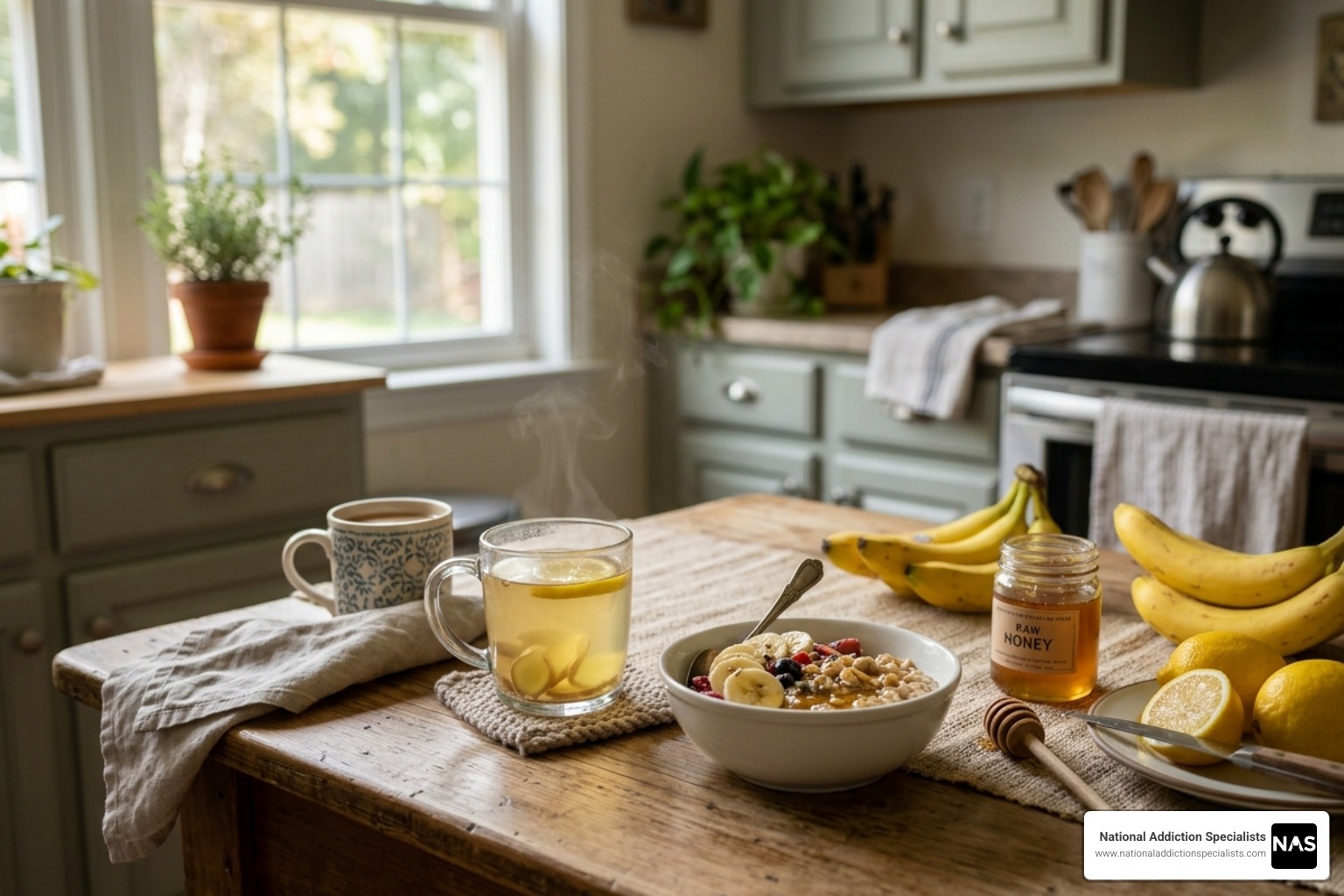
Focus on bland, easy-to-digest foods initially (like the BRAT diet: bananas, rice, applesauce, toast). As you feel better, incorporate leafy greens, lean proteins, and healthy fats. Some patients find that eating small amounts of dark chocolate can provide a tiny, natural endorphin boost when they need it most.
The Role of Exercise and Mindfulness
It might be the last thing you want to do, but light movement is one of the most powerful home remedies for opiate withdrawal. Exercise is “nature’s free therapy.” It releases endorphins—the body’s natural painkillers—which are in short supply during detox. Even a 5-minute walk around the block can help.
Mindfulness and meditation for addiction recovery are also game-changers. Techniques like “body scanning” or deep breathing can help you ride out a wave of anxiety without panicking. If you’re struggling with the “restless” feeling, try progressive muscle relaxation (tensing and then releasing each muscle group starting from your toes).
While most of our focus here is on opioids, we’ve seen that exercise for alcohol addiction recovery follows similar principles—movement helps reset the brain’s chemistry.
Significant Risks and Dangers of Unsupervised Withdrawal
While at-home addiction recovery is a common goal, we must be honest about the risks. Opiate withdrawal is rarely fatal on its own, but the complications can be. The biggest physical threat is severe dehydration. If you cannot keep any fluids down for more than 12 hours, you are in a dangerous zone.
There is also the risk of relapse. When the pain becomes “too much,” the urge to use just to make it stop is overwhelming. This is where the highest danger lies: after a few days of detox, your tolerance drops. If you relapse and take your “usual” dose, it could result in a fatal overdose because your body can no longer handle that amount.
Why Kratom is Not Recommended
You may see Kratom mentioned online as one of the “miracle” home remedies for opiate withdrawal. We strongly advise against this. Kratom is largely unregulated, meaning you never truly know the potency or purity of what you are taking.
More importantly, Kratom acts on the same opioid receptors in the brain. Using it to “treat” withdrawal is often just replacing one addiction with another. It carries risks of respiratory suppression, seizures, and liver damage. In April 2026, medical consensus remains clear: Kratom is not a safe or effective tool for recovery.
When to Seek Professional Medical Help
There is no shame in needing help. In fact, seeking medical supervision is the bravest thing you can do for your long-term health. You should call a doctor or seek emergency care if you experience:
- Extreme thirst, dry mouth, or inability to urinate (signs of severe dehydration).
- A fever higher than 101°F.
- Confusion or hallucinations.
- Thoughts of self-harm or suicide.
- Pre-existing conditions like heart disease or diabetes that are being aggravated.
At National Addiction Specialists, we provide a safer alternative to going it alone. We offer telemedicine-based Suboxone treatment, which allows you to receive expert care from the comfort of your home in Tennessee or Virginia.
Does Suboxone help with withdrawal symptoms? Absolutely. It is a cornerstone of Medication-Assisted Treatment (MAT). By understanding what is Suboxone, you’ll see it’s designed to stabilize the brain, stop cravings, and prevent the “rollercoaster” of withdrawal. We also provide Suboxone withdrawal treatment for those looking to eventually taper off Suboxone safely under a doctor’s eye.
Make an Appointment to Treat Addiction Please don’t hesitate. Make an appointment today. https://www.nationaladdictionspecialists.com/new-patient-packet/
Frequently Asked Questions about Home Remedies
Can I safely detox from opiates entirely on my own?
While many people attempt it, “cold turkey” detox at home has a very high failure rate due to the intensity of symptoms and cravings. It is medically safer and much more effective to use a supervised program that includes addiction recovery strategies and medication like Suboxone.
What is the most effective natural remedy for withdrawal anxiety?
Passionflower and ashwagandha are popular, but the most effective “natural” tool is often deep, controlled breathing and staying hydrated. However, for moderate to severe anxiety, medical intervention is usually necessary to prevent relapse.
How long do the physical symptoms of withdrawal typically last?
The acute physical stage (the “flu-like” symptoms) usually lasts 5 to 7 days. However, you may feel “off” or experience Suboxone withdrawal or general opioid lingering effects (PAWS) for several weeks.
Conclusion
The journey to sobriety is a marathon, not a sprint. While home remedies for opiate withdrawal like hydration, OTC meds, and vitamins can provide a layer of comfort, they are often just one piece of the puzzle.
True, long-term recovery usually requires a combination of medical support, lifestyle changes, and a strong support system. Whether you are in Brentwood, TN, or Virginia Beach, VA, you don’t have to do this alone. We are here to provide the confidential, expert care you need to take your life back.
This article was medically reviewed by: Chad Elkin, MD, DFASAM is a board-certified addiction medicine physician, founder, and Chief Medical Officer of National Addiction Specialists, dedicated to treating substance use disorders. A Distinguished Fellow of the American Society of Addiction Medicine (ASAM), Dr Elkin currently serves as President of the Tennessee Society of Addiction Medicine (TNSAM) and has held various leadership roles within the organization. Dr Elkin chairs ASAM’s Health Technology Subcommittee and is an active member of its Practice Management and Regulatory Affairs Committee, State Advocacy and Legislative Affairs Committee, and other committees. He also serves on the planning committee for the Vanderbilt Mid-South Addiction Conference. Committed to advancing evidence-based policy, Dr Elkin is Chairman of the Tennessee Association of Alcohol, Drug, & Other Addiction Services (TAADAS) Addiction Medicine Council, which collaborates with the TN Department of Mental Health & Substance Abuse Services (TDMHSAS). He has contributed to numerous local, state, and national task forces, helping develop professional guidelines, policies, and laws that align with best practices in addiction medicine. His work focuses on reducing addiction-related harm, combating stigma, and ensuring access to effective treatment. Passionate about the field of addiction medicine, he remains dedicated to shaping policy and enhancing patient care.
Suboxone® and Subutex® are a registered trademark of Indivior UK Limited. Any mention and reference of Suboxone® and Subutex® in this website is for informational purposes only and is not an endorsement or sponsorship by Indivior UK Limited.