How to Treat Depression Without Leaving Your Living Room
How Common Is Depression — and Can You Really Manage It From Home?
Depression treatment at home is possible for many people with mild to moderate symptoms, using a combination of evidence-based strategies. Here’s a quick overview of what works:
- Exercise at least 2.5 hours per week to reduce symptoms
- Cognitive behavioral therapy (CBT) skills like thought challenging and behavioral activation
- Mediterranean-style diet to support brain health
- Consistent sleep schedule to stabilize mood
- Mindfulness meditation to catch early warning signs
- Social connection to reduce isolation
- Natural supplements (with caution and medical guidance)
Always seek professional help if symptoms are severe, persistent, or include thoughts of self-harm.
Depression is more common than most people realize. At any given moment, more than 4% of adults are living with it. Over a lifetime, that number climbs above 15%. In 2017 alone, 7.1% of adults and 13.3% of adolescents met the criteria for major depressive disorder in a 12-month period.
Yet most people never get treatment.
Barriers like stigma, cost, time, and access stop many from walking into a clinic. That’s why home-based strategies matter — not as a replacement for professional care, but as a real, evidence-backed first line of support.
The good news? Research shows that home-based psychological interventions, especially when combined with regular exercise, can significantly reduce depression symptoms and even lead to full remission in some cases.
I’m Chad Elkin, MD, founder and Medical Director of National Addiction Specialists. In my work treating co-occurring addiction and mental health conditions — including depression treatment at home through telehealth — I’ve seen how practical, structured home-based strategies can make a meaningful difference in patients’ lives. This guide brings together the best of that evidence in one place.
Handy depression treatment at home terms:
Evidence-Based Strategies for Depression Treatment at Home

When we talk about managing depression at home, we aren’t suggesting you simply “tough it out” or wait for a bad mood to pass. Clinical depression is a complex medical condition that alters brain chemistry, energy levels, and thought patterns. Fortunately, science shows that we can actively alter these patterns using structured, non-pharmacological techniques.
A comprehensive Scientific research on home-based non-pharmacological interventions published in a systematic review and network meta-analysis of randomized controlled trials demonstrated that home-based psychological interventions can dramatically lower depression scores and raise remission rates. When people combined home-based psychological care with structured exercise, they achieved the highest probability of complete remission.
To make these interventions work, we rely on two primary pillars of Cognitive Behavioral Therapy (CBT) that anyone can learn to practice in their own living room: cognitive reframing and behavioral activation.
Cognitive Reframing and Thought Challenging
Depression acts like a pair of dark, distorted glasses. It alters how you view yourself, your current circumstances, and your future—a phenomenon psychologists call the “Negative Triad.” When you are depressed, unhelpful automatic thoughts like “I ruin everything” or “Things will never get better” feel like absolute, undeniable truths.
Cognitive reframing is the process of identifying these distortions and examining them objectively. By utilizing structured CBT coping strategies for depression, you can learn to pause when your mood drops and ask yourself a crucial question: “What was just going through my mind?”
Once you identify the automatic negative thought, you can challenge it using Socratic questioning:
- What is the evidence? What facts support this thought? What facts contradict it?
- Is there another perspective? How would I view this situation if I weren’t feeling depressed?
- What would I tell a friend? If someone I loved had this exact thought in this situation, what compassionate advice would I offer them?
- What is the actual impact? What is the worst-case, best-case, and most likely outcome?
By answering these questions, you slowly break down thinking errors like catastrophizing, mind reading, and all-or-nothing thinking, replacing them with balanced, evidence-based thoughts.
Behavioral Activation and Goal Setting
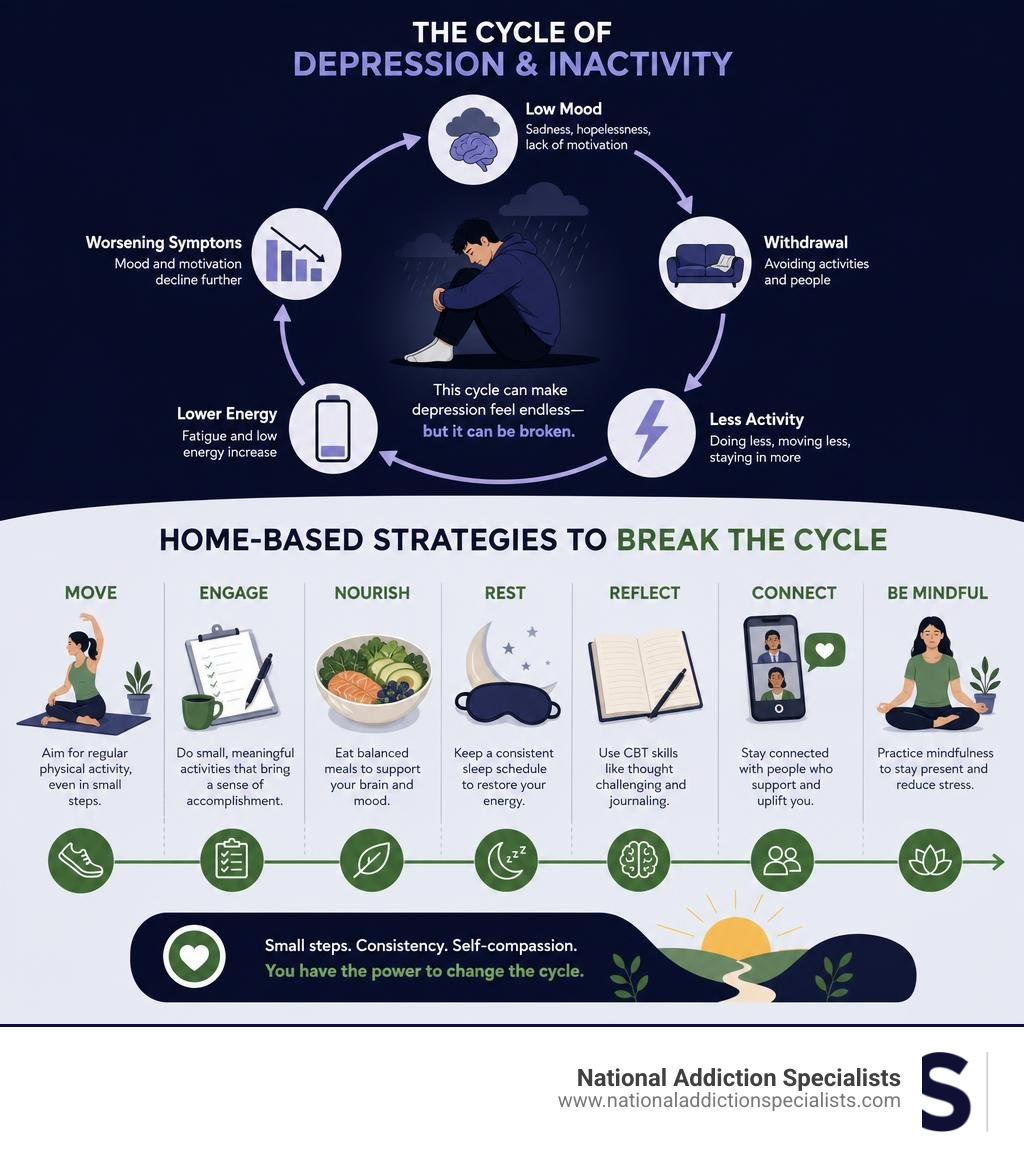
One of the cruelest aspects of depression is that it drains your energy and motivation, leading to behavioral withdrawal. You stop answering texts, leave chores undone, and stay in bed. This inactivity worsens your mood, creating a self-reinforcing downward spiral.
The golden rule of overcoming this cycle is simple but challenging: action must precede motivation. If you wait until you “feel like” doing something, you may wait forever.
To break the cycle, we use the principles outlined in the Self-Care Depression Program workbook. This approach encourages us to schedule small, manageable activities even when our energy is at zero.
- Identify four key areas of life: Social connections (friends/family), rewarding hobbies, basic self-care, and small daily duties.
- Set tiny, realistic goals: Instead of resolving to clean the entire house, set a goal to wash three dishes. Instead of committing to an hour-long phone call, send one brief text to a friend.
- Give yourself credit: When you are depressed, even minor tasks require immense effort. Document your small victories and consciously give yourself credit for completing them.
Lifestyle Modifications for Managing Mood Domestically

Our minds and bodies are deeply interconnected. Simple, structured adjustments to our daily physical habits can act as natural antidepressants, altering neurotransmitter activity and reducing systemic inflammation.
Exercise and Physical Movement
Physical movement is one of the most powerful, underutilized tools for mood regulation. Research indicates that completing 2.5 hours of moderate exercise each week can significantly relieve both depression and anxiety. When you exercise, your brain releases endorphins, dopamine, and serotonin—the chemicals responsible for regulating mood, pleasure, and stress.
If a full workout routine feels completely out of reach, start small. Gentle stretching, chair-based movements, or a brief walk around your living room are excellent starting points. Over time, you can build up to moderate-intensity aerobic exercise, which is highly beneficial. To understand how physical movement acts as a cornerstone for rebuilding mental health, read about the Benefits of exercise in recovery.
Nutritional Psychiatry and Diet
The food we consume directly influences our brain chemistry via the gut-brain axis. Diets high in refined sugars, processed foods, and trans fats can trigger systemic inflammation, which is closely linked to worsening depressive symptoms.
In contrast, a whole-foods approach—such as the Mediterranean diet—provides the essential building blocks for neurotransmitter production. In a notable 12-week study, one-third of the participants on a Mediterranean diet completely recovered from depression simply by changing their eating habits.
To support your mood, focus on:
- Fresh fruits and vegetables (rich in antioxidants)
- Lean proteins and legumes
- Healthy fats like olive oil, nuts, and avocados
- Omega-3 fatty acids found in wild-caught fish
Minimizing caffeine and avoiding alcohol is also critical, as both substances can destabilize sleep patterns and intensify anxiety. Discover more about how dietary choices shape brain recovery in our guide on the Importance of nutrition in mental health.
Mindfulness, Meditation, and Nature
Mindfulness-based cognitive therapy (MBCT) is highly recommended for preventing depressive relapse. Mindfulness doesn’t mean forcing yourself to “stop thinking.” Instead, it involves paying close, non-judgmental attention to the present moment. This practice helps you observe negative thoughts as passing mental events rather than absolute facts, allowing you to catch early signs of a depressive episode before it spirals.
Incorporating a daily meditation practice can ground your nervous system and reduce cortisol levels. You can learn more about these techniques in our article on Meditation for mental wellness.
Additionally, never underestimate the healing power of the outdoors. Spending time in green spaces, looking at plants, or simply opening your windows to let in natural sunlight can lower blood pressure and elevate your mood. Explore this concept further in our piece on the Power of nature and ecotherapy.
Evaluating Natural Supplements for Depression
Many people explore over-the-counter dietary supplements as part of their depression treatment at home. While some natural remedies show promise, it is vital to remember that “natural” does not automatically mean “safe.” Supplements are not monitored by the FDA in the same strict manner as prescription medications, and they can carry significant risks.
Comparing Common Dietary Supplements
Before adding any supplement to your routine, it is essential to understand its clinical efficacy, safety profile, and potential drug interactions.
| Supplement | Potential Benefits / Efficacy | Primary Safety Risks & Side Effects | Key Drug Interactions |
|---|---|---|---|
| St. John’s Wort | May help with mild to moderate depression; not FDA-approved in the U.S. | Can cause dry mouth, dizziness, gastrointestinal upset, and photosensitivity. | High Risk. Interacts dangerously with prescription antidepressants (risk of Serotonin Syndrome), birth control pills, blood thinners, chemotherapy, and HIV medications. |
| SAMe (S-adenosyl-L-methionine) | Synthetic form of a natural compound; some evidence suggests it may reduce symptoms. | Can trigger hypomania or mania in individuals with bipolar disorder; headache, insomnia. | Avoid combining with other pro-serotonergic drugs or prescription antidepressants. |
| Omega-3 Fatty Acids | Highly beneficial for brain health, reducing inflammation, and supporting overall mood. | Mild stomach upset, fishy aftertaste, or loose stools at high doses. | May have mild blood-thinning effects; use caution if taking blood thinners. |
| Saffron | Small studies suggest it may improve mood and have antioxidant properties. | Generally safe in culinary doses; high doses can cause dry mouth, anxiety, or dizziness. | Limited interaction data, but consult a physician before using therapeutic doses. |
| 5-HTP (5-Hydroxytryptophan) | Direct precursor to serotonin; some use it for sleep and mood support. | Risk of Serotonin Syndrome; nausea, heartburn, and gas. | Do not take alongside prescription SSRIs, SNRIs, or MAOIs. |
| DHEA (Dehydroepiandrosterone) | A hormone produced by the body; mixed and limited evidence for depression. | Can cause acne, hair loss, high blood pressure, and hormonal imbalances. Avoid if made from wild yam/soy without standardization. | Can interact with hormonal therapies and psychiatric medications. |
For a deeper dive into how clinical professionals view these options, consult the Mayo Clinic guide on depression treatments and supplements. Always consult with a healthcare professional before starting any new herbal regimen.
Building a Sustainable Daily Routine for Long-Term Wellness
When you are dealing with depression, a lack of structure can make the days feel like a blur. Establishing a predictable daily routine provides a sense of control and reduces the cognitive load of deciding what to do next.
Designing a Daily Routine for Depression Treatment at Home
A sustainable routine does not have to be rigid or demanding. Instead, view it as a gentle framework to support your well-being.
- Establish a consistent sleep-wake cycle: Go to bed and wake up at the same time every day, even on weekends. This stabilizes your circadian rhythm and improves sleep quality.
- Create simple morning rituals: Start your day with a small, achievable task, such as drinking a glass of water, stretching for two minutes, or getting washed and dressed before 10:00 AM.
- Keep a mood diary: Spend a few minutes journaling each evening. Note your mood, what activities you completed, and any automatic thoughts that arose. This helps you identify personal triggers and track your progress over time.
- Assemble a self-care box: Fill a physical box with comforting, accessible items for difficult days. This might include a favorite book, photos of loved ones, comforting tea, or a list of gentle coping strategies.
For a highly structured, evidence-based self-help framework developed by global health experts, you can explore the World Health Organization’s Psychological self-help interventions: delivering self-help for individuals, featuring Step-by-Step and Doing What Matters in Times of Stress: web annex: Step-by-Step: a self-help intervention for depression.
Addressing Co-Occurring Conditions and Substance Use
It is incredibly common for depression to coexist with other challenges, such as anxiety disorders or substance use. Often, individuals turn to alcohol or recreational drugs to self-medicate their low mood, unaware that these substances actually alter brain chemistry and worsen depressive symptoms over time.
At National Addiction Specialists, we specialize in helping individuals navigate these overlapping struggles from the comfort of home. Through our telemedicine services in Tennessee and Virginia, we integrate mental health support with specialized medical care. Learn more about how these challenges connect in our guide on Suboxone and mental health integration and find out How Suboxone helps with anxiety.
Medication-Assisted Treatment and Depression
For those recovering from opioid use disorder, untreated depressive symptoms can be a major trigger for relapse. Medication-Assisted Treatment (MAT) utilizing Suboxone helps stabilize brain chemistry, reduce cravings, and alleviate the physical distress of withdrawal, providing the mental clarity needed to practice daily coping skills.
To explore how structured clinical support can help you manage both recovery and mood stabilization, read about Suboxone for major depression and discover how to build a foundation for Addiction recovery at home.
Make an Appointment to Treat Addiction
Please don’t hesitate. Make an appointment today. Start Your Recovery Journey Today
When to Seek Professional Medical Help
While home-based self-care is a valuable foundation, it is not always enough. Depression is a serious medical condition, and there are times when professional clinical intervention is absolutely necessary.
You should seek professional medical help immediately if you experience any of the following “red flags”:
- Thoughts of suicide, self-harm, or death
- An inability to perform basic daily functions (such as eating, bathing, or sleeping)
- Severe symptoms that persist for more than two weeks without improvement
- Hallucinations, delusions, or extreme mood swings (from severe lows to intense euphoria)
- Using alcohol or drugs to cope with your emotions
If you are looking for convenient, confidential care, telemedicine offers a highly accessible path forward. To understand how remote clinical care works, explore our Virtual addiction and mental health treatment options.
When to Seek Professional Care Beyond Depression Treatment at Home
Professional care can take many forms, including psychiatric evaluations, medication management, and structured psychotherapy. Cognitive Behavioral Therapy (CBT) and interpersonal therapy are highly effective clinical treatments that can be delivered securely online.
If you are ready to speak with a professional, explore Online addiction and mental health counseling to connect with compassionate providers who understand your unique journey.
For local, specialized care options within our service areas, consider these reputable resources:
- Tennessee & Virginia: Residents can find targeted local support and licensed therapists through national directories like Psychology Today.
- Veterans: Those who have served can access dedicated, specialized mental health resources through Depression Treatments & Therapies for Veterans – Mental Health.
Frequently Asked Questions about Home-Based Depression Care
Can mild depression be cured entirely at home without medication?
For mild depression, practicing evidence-based self-care skills—such as behavioral activation, cognitive reframing, regular physical exercise, and maintaining a consistent daily routine—can be highly effective. Many people experience significant relief and even full remission using these strategies alone. However, “mild” depression can still be challenging to navigate, and it is always wise to consult a healthcare professional to ensure you have a safe, personalized plan.
What are the risks of taking St. John’s wort with prescription antidepressants?
Taking St. John’s wort alongside prescription antidepressants (such as SSRIs or SNRIs) is highly dangerous. It can lead to a life-threatening condition called Serotonin Syndrome, which occurs when there is too much serotonin in the brain. Symptoms include confusion, rapid heart rate, high blood pressure, dilated pupils, and muscle rigidity. St. John’s wort also speeds up how the liver processes other medications, making birth control pills, blood thinners, and other critical drugs far less effective.
How does a Mediterranean diet help improve depressive symptoms?
A Mediterranean diet supports mental health by targeting systemic inflammation and nurturing the gut-brain axis. Rich in antioxidants, healthy fats (like omega-3s), and essential nutrients, this dietary pattern provides the precise building blocks your brain needs to synthesize mood-regulating neurotransmitters like serotonin and dopamine. Clinical research has shown that transitioning to a Mediterranean diet can lead to a complete recovery from depression for up to one-third of participants.
Conclusion
Managing depression is a journey that requires patience, self-compassion, and a willingness to take small, consistent actions. By incorporating evidence-based cognitive strategies, structuring your daily routines, prioritizing movement and nutrition, and utilizing natural remedies with caution, you can build a strong foundation for mental wellness right from your living room.
At National Addiction Specialists, we are dedicated to helping individuals in Tennessee and Virginia reclaim their lives. Through our telemedicine-based services, we provide convenient, confidential, and compassionate care for co-occurring substance use and mental health struggles.
To learn more about our home-based treatment programs, visit our guide on Addiction treatment at home or explore the National Addiction Specialists home page. You do not have to carry this weight alone—reach out to us today to take your first step toward healing.
This article was medically reviewed by: Chad Elkin, MD, DFASAM is a board-certified addiction medicine physician, founder, and Chief Medical Officer of National Addiction Specialists, dedicated to treating substance use disorders. A Distinguished Fellow of the American Society of Addiction Medicine (ASAM), Dr Elkin currently serves as President of the Tennessee Society of Addiction Medicine (TNSAM) and has held various leadership roles within the organization. Dr Elkin chairs ASAM’s Health Technology Subcommittee and is an active member of its Practice Management and Regulatory Affairs Committee, State Advocacy and Legislative Affairs Committee, and other committees. He also serves on the planning committee for the Vanderbilt Mid-South Addiction Conference. Committed to advancing evidence-based policy, Dr Elkin is Chairman of the Tennessee Association of Alcohol, Drug, & Other Addiction Services (TAADAS) Addiction Medicine Council, which collaborates with the TN Department of Mental Health & Substance Abuse Services (TDMHSAS). He has contributed to numerous local, state, and national task forces, helping develop professional guidelines, policies, and laws that align with best practices in addiction medicine. His work focuses on reducing addiction-related harm, combating stigma, and ensuring access to effective treatment.Passionate about the field of addiction medicine, he remains dedicated to shaping policy and enhancing patient care.
Suboxone® and Subutex® are a registered trademark of Indivior UK Limited. Any mention and reference of Suboxone® and Subutex® in this website is for informational purposes only and is not an endorsement or sponsorship by Indivior UK Limited.