Tennessee MAT Guide: From Home Induction to Long-Term Recovery
Tennessee’s Opioid Crisis — and How MAT Can Help
Medication assisted treatment Tennessee residents can access combines FDA-approved medications with counseling to treat opioid and alcohol addiction — and it’s now available from home.
Here’s what you need to know at a glance:
| Question | Quick Answer |
|---|---|
| What is MAT? | A treatment approach using FDA-approved medications plus counseling to treat opioid or alcohol addiction |
| Which medications are used? | Buprenorphine (Suboxone®), naltrexone (Vivitrol), methadone, and acamprosate (Campral) |
| Can I start from home? | Yes — virtual MAT (TeleMAT) is available in Tennessee, including same-day appointments |
| Does TennCare cover it? | Yes — TennCare covers buprenorphine treatment through the BESMART program |
| How do I find a provider? | Use SAMHSA’s locator, Tennessee’s state directory, or contact National Addiction Specialists directly |
Tennessee was hit hard by the opioid crisis. In 2016 alone, 1,186 people died from opioid overdoses in the state — part of a national toll exceeding 42,000 deaths that year. Behind every one of those numbers is a family that lost someone.
The good news: MAT is one of the most effective tools available to treat opioid use disorder (OUD). It reduces overdose deaths, eases withdrawal, and helps people rebuild their lives — often without ever stepping into a clinic.
This guide walks you through everything: how MAT works, what Tennessee’s specific rules are, how to access care through TennCare or insurance, and how to start treatment from home.
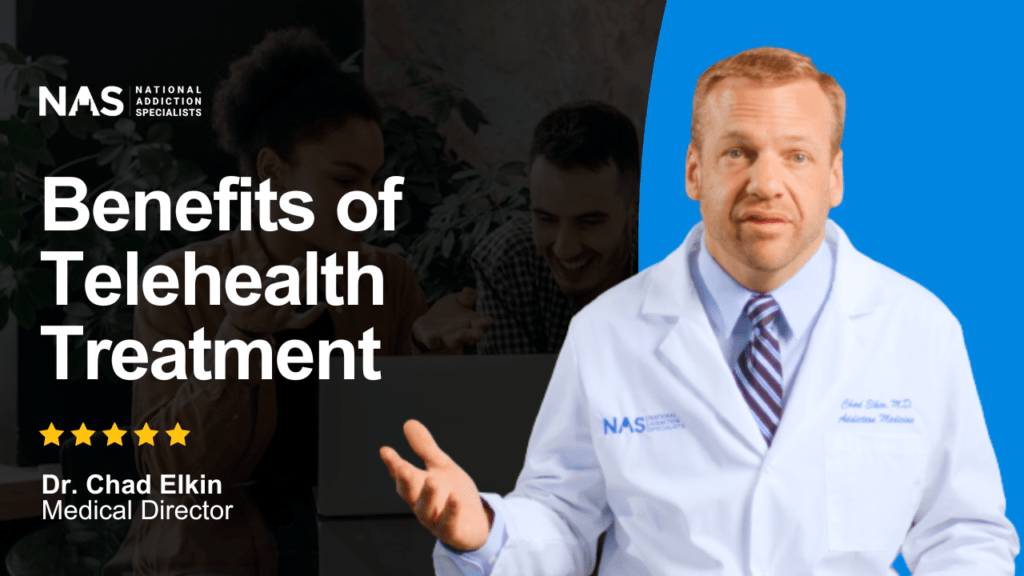
I’m Chad Elkin, MD — board-certified in Addiction Medicine and founder of National Addiction Specialists, where I’ve spent years shaping medication assisted treatment Tennessee policy and practice at both the state and national level, including serving as President of the Tennessee Society of Addiction Medicine (TNSAM). Whether you’re just starting to explore your options or ready to begin treatment today, this guide will give you clear, trustworthy answers.

Understanding Medication Assisted Treatment Tennessee

When we talk about medication assisted treatment Tennessee, we are talking about a “whole-patient” approach. It isn’t just about swapping one drug for another; it’s about using medicine to stabilize the brain so that counseling and therapy can actually work. Think of it like using insulin for diabetes—the medication manages the physical symptoms of a chronic disease so you can focus on living your life.
At its core, MAT uses FDA-approved medications to normalize brain chemistry. When someone struggles with opioid or alcohol use, the brain’s reward system is essentially hijacked. MAT helps by:
- Suppressing Cravings: Reducing that constant “background noise” of wanting to use.
- Relieving Withdrawal: Stopping the physical sickness that often leads to relapse.
- Blocking Euphoria: Preventing the “high” if a person does use, which breaks the cycle of reinforcement.
How Medication Assisted Treatment Works is deeply rooted in science. For example, research published in the BMJ shows a clinically significant mortality benefit for those using buprenorphine or methadone, meaning these medications literally save lives by reducing the risk of overdose.
Common Medications in Medication Assisted Treatment Tennessee
In Tennessee, we primarily use three types of medications for opioid and alcohol recovery. Each has its own strengths, and we help you choose the one that fits your lifestyle.
- Buprenorphine (Suboxone®): This is often the first choice for Medication Assisted Treatment Options. It is a “partial agonist,” meaning it activates opioid receptors just enough to stop withdrawal but has a “ceiling effect” that prevents the intense high and dangerous respiratory depression associated with full opioids like fentanyl or heroin.
- Naltrexone (Vivitrol®): This is an “antagonist.” It blocks opioid receptors completely. It’s available as a daily pill or a monthly injection (Vivitrol). It is also highly effective for alcohol use disorder.
- Acamprosate (Campral®): Specifically used for alcohol recovery, it helps the brain function normally again after long-term drinking has stopped.
| Feature | Buprenorphine (Suboxone) | Naltrexone (Vivitrol) |
|---|---|---|
| Type | Partial Agonist | Antagonist |
| Primary Use | Opioids | Opioids & Alcohol |
| Withdrawal Relief | Yes, highly effective | No (must be detoxed first) |
| Ceiling Effect | Yes, increases safety | N/A (blocks receptors) |
The Role of Counseling and Care Coordination
Medication provides the foundation, but the Medication Assisted Treatment Program is most effective when paired with psychosocial support. In Tennessee, we emphasize a coordinated care model. This includes:
- Individualized Treatment Plans: Created within the first 30 days and reviewed every six months to ensure the treatment still meets your needs.
- Behavioral Therapy: Helping you identify triggers and build new coping skills.
- Peer Support: You can Locate a Peer Recovery Support Specialist through state resources to connect with others who have been in your shoes.
- Drug Screening: Regular, random drug screens are a standard part of the process to ensure safety and accountability.
Tennessee State Guidelines and the BESMART Program
Tennessee takes the regulation of buprenorphine very seriously. To ensure patients receive high-quality care, the state developed the Tennessee Nonresidential Buprenorphine Treatment Guidelines. These rules provide a roadmap for providers and patients alike.
One key aspect of these guidelines is dosing. In Tennessee, the target range for buprenorphine is typically 4 mg to 16 mg per day. While 16 mg is the recommended maximum, state law allows for up to 24 mg per day if there is a clear clinical need and it is properly documented.
Monitoring the crisis is also a priority. The Tennessee Department of Health Drug Overdose Dashboard provides real-time data that helps us understand where resources are needed most.
Accessing the BESMART Network for TennCare Members
If you are a TennCare member, you have access to a specialized program called BESMART (Buprenorphine Enhanced Medication Assisted Recovery and Treatment). This program was designed to make it easier for members to get high-quality OUD treatment.
Tennessee Tenncare Suboxone Doctors who participate in the BESMART network offer:
- Streamlined Prior Authorization: Making it faster to get your prescription filled.
- Care Coordination: Helping you manage both your physical and mental health needs.
- Access to Specialists: While physicians lead the way, Tennessee law also allows Nurse Practitioners (NPs) and Physician Assistants (PAs) to prescribe buprenorphine under specific conditions. These providers are limited to a 100-patient cap in certain settings to ensure they can provide attentive care to everyone they serve.
The Evolution of Buprenorphine Prescribing: MAT and MATE Acts
For a long time, there were many “hoops” for doctors to jump through to prescribe buprenorphine. You might have heard of the “X-waiver.” This was a special federal requirement that limited how many doctors could treat addiction.
Thankfully, recent federal laws have changed the landscape:
- The MAT Act: This officially abolished the X-waiver. Now, any healthcare provider with a standard DEA registration can prescribe buprenorphine for OUD. This has drastically increased access to care across the country.
- The MATE Act: This law requires all prescribers to complete a one-time, eight-hour training on treating substance use disorders.
These changes are a huge step toward the destigmatization of addiction treatment. By making buprenorphine part of “mainstream” medicine, we are moving away from the idea that addiction is a moral failure and treating it as the medical condition it is. Is Medication Assisted Treatment Effective? Absolutely—and these federal changes make it easier for us to get that effective treatment to you.
Virtual Care and TeleMAT in Tennessee
One of the biggest breakthroughs in medication assisted treatment Tennessee offers is the rise of TeleMAT (Telehealth Medication-Assisted Treatment). At National Addiction Specialists, we have pioneered this approach to ensure that no matter where you live—from the streets of Nashville to the most rural parts of East Tennessee—you can get help.
Can MAT Suboxone Clinic Use Telehealth in State of Tennessee? Yes, and it is a game-changer. Virtual care allows for home induction, meaning you can start your first dose of Suboxone® in the comfort and privacy of your own home while staying in close contact with your medical team.
Our Medication Assisted Treatment Online program follows the same rigorous standards as in-person clinics. We are committed to high standards of care, ensuring safety and confidentiality through every step of your journey.
Benefits of Virtual Medication Assisted Treatment Tennessee
Why do so many people choose virtual care?
- No Transportation Barriers: You don’t have to worry about gas money, car trouble, or finding a ride to a clinic.
- Discreet Recovery: No sitting in a waiting room where you might run into someone you know. Your treatment is between you and your provider.
- Flexible Scheduling: We offer same-day appointments that fit into your busy life. Whether you are looking for a Suboxone Clinic Nashville Tennessee or a Suboxone Clinic Johnson City Tennessee, the “clinic” is now on your phone.
- Consistency: The Benefits of Medication Assisted Treatment are greatest when you stay consistent. Telehealth makes it much harder for life’s little obstacles to get in the way of your recovery.
Frequently Asked Questions about MAT in Tennessee
Does insurance like TennCare or Medicare cover MAT?
Yes. Most major insurance plans, including TennCare (Medicaid) and Medicare, provide coverage for MAT. This typically includes the cost of your doctor visits and your prescriptions. We also work with many commercial plans. You can view our Insurance and Pricing page for more details. We believe that financial barriers should never stand in the way of saving a life.
What are the phases of MAT treatment in Tennessee?
Recovery is a marathon, not a sprint. Our Beginners Guide to Medication Assisted Treatment breaks it down into three main phases:
- Induction: This is the first few days where we find the right dose to stop your withdrawal symptoms.
- Stabilization: Once you feel “normal” again, we focus on cravings and starting therapy.
- Maintenance: This is the long-term phase where you are doing well in life and simply using the medication to maintain that balance. Some people stay in this phase for months or years, while others eventually work toward tapering off the medication entirely.
How do I find a MAT provider in rural Tennessee?
If you live far from the major cities, Opioid Addiction Treatment Tennessee can feel out of reach. However, with TeleMAT, your location doesn’t matter. You can also use the SAMHSA treatment locator or Tennessee’s state directory to find local resources, but for many, a mobile-accessible program like ours is the fastest way to start.
Conclusion
Long-term recovery is possible. Whether you’ve struggled for months or decades, medication assisted treatment Tennessee providers like us are here to help you turn the page. We offer a personalized, compassionate approach that respects your privacy and your time.
At National Addiction Specialists, we believe in Medication Assisted Treatment Tennessee that meets you where you are. From your first virtual visit to your long-term recovery goals, we are with you every step of the way. Don’t let another day go by feeling trapped. Medication Assisted Treatment for Opioid Addiction works, and it can work for you.
Make an Appointment to Treat Addiction Please don’t hesitate. Make an appointment today. Make an Appointment
This article was medically reviewed by: Chad Elkin, MD, DFASAM is a board-certified addiction medicine physician, founder, and Chief Medical Officer of National Addiction Specialists, dedicated to treating substance use disorders. A Distinguished Fellow of the American Society of Addiction Medicine (ASAM), Dr Elkin currently serves as President of the Tennessee Society of Addiction Medicine (TNSAM) and has held various leadership roles within the organization. Dr Elkin chairs ASAM’s Health Technology Subcommittee and is an active member of its Practice Management and Regulatory Affairs Committee, State Advocacy and Legislative Affairs Committee, and other committees. He also serves on the planning committee for the Vanderbilt Mid-South Addiction Conference. Committed to advancing evidence-based policy, Dr Elkin is Chairman of the Tennessee Association of Alcohol, Drug, & Other Addiction Services (TAADAS) Addiction Medicine Council, which collaborates with the TN Department of Mental Health & Substance Abuse Services (TDMHSAS). He has contributed to numerous local, state, and national task forces, helping develop professional guidelines, policies, and laws that align with best practices in addiction medicine. His work focuses on reducing addiction-related harm, combating stigma, and ensuring access to effective treatment. Passionate about the field of addiction medicine, he remains dedicated to shaping policy and enhancing patient care.
Suboxone® and Subutex® are a registered trademark of Indivior UK Limited. Any mention and reference of Suboxone® and Subutex® in this website is for informational purposes only and is not an endorsement or sponsorship by Indivior UK Limited.