Why Your Recovery Deserves a Personalized Recovery Plan
A personalized recovery plan is a written, structured guide custom to your unique needs, triggers, and goals that outlines specific steps to support your recovery journey. Here’s what an effective personalized recovery plan includes:
- Comprehensive assessment of your substance use history, mental health, and social circumstances
- Identified triggers (emotional, environmental, social) with specific coping strategies
- SMART goals that are Specific, Measurable, Attainable, Relevant, and Time-Bound
- Support network including family, friends, sponsors, and healthcare professionals
- Relapse prevention strategies with warning signs and actionable steps
- Regular review and updates to adapt to your changing needs
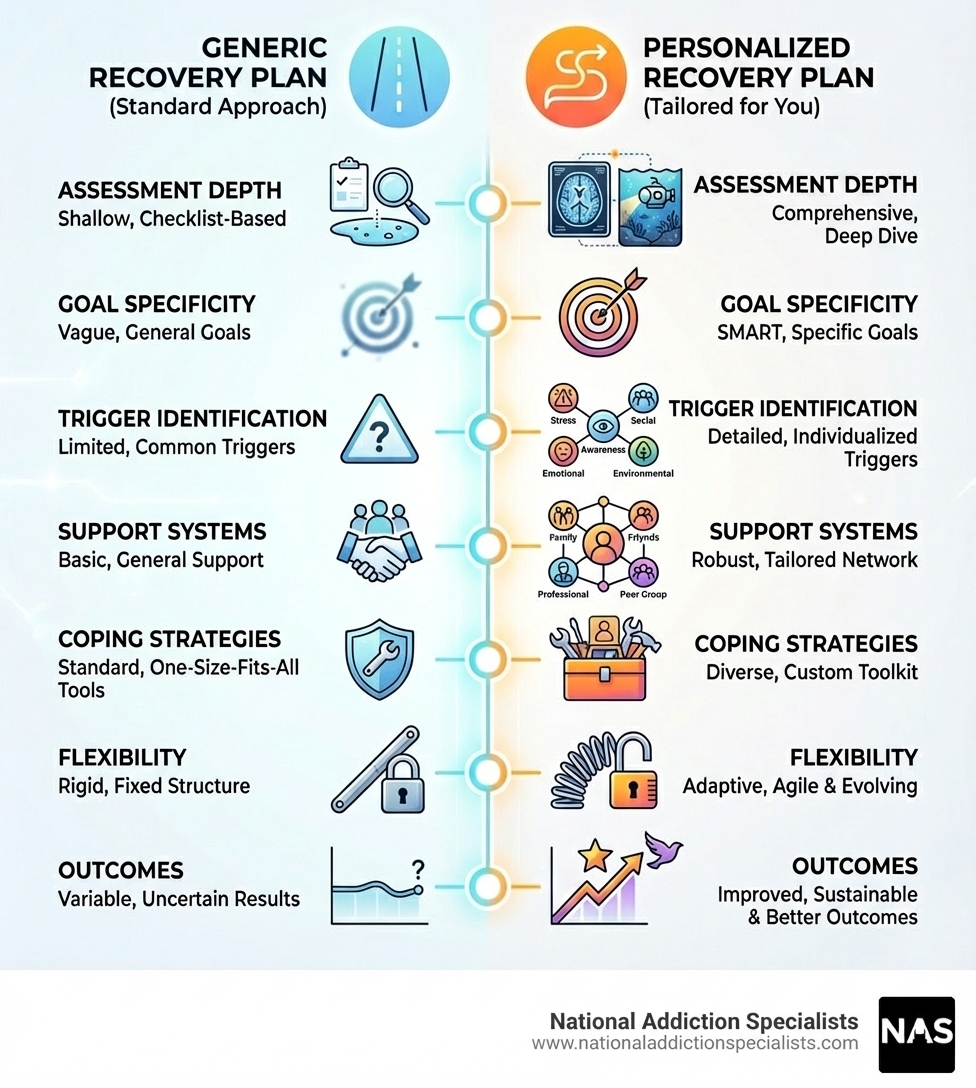
Recovery is not a one-size-fits-all journey. What works for one person may not work for another, which is why a generic approach often falls short. Research shows that personalized recovery plans are linked with better long-term outcomes and lower relapse rates. When you recognize the elements of your plan as directly applicable to your life, you’re more motivated to stick with it.
A personalized approach gives you ownership over your recovery. It considers your unique circumstances—your work schedule, family commitments, co-occurring mental health conditions, and personal strengths. This isn’t just about abstinence. It’s about building a self-directed life where you can reach your full potential across four key dimensions: Health, Home, Purpose, and Community, as defined by SAMHSA’s working definition of recovery.
The difference between a templated plan and a truly personalized one can be the difference between sustainable recovery and repeated setbacks. When a recovery plan is custom to your unique needs, abilities, and goals, you often see faster progress and improved outcomes.
I’m Dr. Chad Elkin, a board-certified addiction medicine physician and founder of National Addiction Specialists, where I’ve helped thousands develop effective personalized recovery plans through convenient telemedicine services. Over my career, I’ve seen how customized approaches transform recovery outcomes for individuals facing the same challenges you might be experiencing today.
Simple guide to Personalized recovery plan:
Why a Personalized Approach is Key to Lasting Recovery
In the field of addiction recovery, the journey is profoundly personal. A generic, templated recovery plan, while offering some structure, often misses the mark because it fails to account for the unique mix of an individual’s life. We know that effective addiction rehabilitation is grounded in evidence-based practices, but even these must be adapted to fit you.
The benefits of a personalized approach are numerous and impactful:
- Boosting Engagement and Adherence: A plan designed for you fosters ownership, making you more invested. This personal connection increases motivation and adherence.
- Improved Coping Mechanisms: Custom strategies address your specific triggers and vulnerabilities, leading to more relevant and effective coping skills for sustainable outcomes.
- Better Long-Term Outcomes: Studies show personalized plans lead to better long-term outcomes and lower relapse rates, helping you not just get sober, but thrive.
- Improved Overall Well-being: A holistic plan focuses on more than abstinence, encompassing your physical and mental health, social connections, and aspirations for a better quality of life.
- Addressing Co-Occurring Disorders: Personalization is crucial for addressing unique factors like co-occurring mental health conditions. Integrated treatment for both addiction and conditions like anxiety or depression is vital to prevent relapse.
- Fostering Self-Efficacy: Actively participating in creating your plan builds confidence and independence in managing your recovery journey.
At National Addiction Specialists, we accept the definition of recovery from mental disorders and/or substance use disorders as “a process of change through which individuals improve their health and wellness, live a self-directed life, and strive to reach their full potential.” This definition, provided by SAMHSA, highlights the importance of a person-driven approach. You are at the center of your recovery, and your plan should reflect that. By tailoring your strategies, we empower you, ensuring your treatment is relevant, engaging, and leads to truly sustainable outcomes.
The Core Components of Your Personalized Recovery Plan
A well-structured personalized recovery plan is like a blueprint for your future, built on several interconnected pillars that address every aspect of your well-being.

Comprehensive Assessment: The Foundation
Every effective plan begins with a thorough assessment. This isn’t just a formality; it’s about painting a complete picture of your substance use history, mental and physical health, social circumstances, and personal strengths. Our expert providers conduct these assessments to ensure no critical details are missed, forming the bedrock for a truly individualized approach.
Identifying Triggers and Crafting Coping Strategies
Understanding and managing your triggers is a critical element of your plan. Triggers are temptations that spark a craving for substance use. According to the National Institute on Drug Abuse, these can be emotional (stress, loneliness), environmental (certain places or sounds), or social (being around people who use substances). The HALT acronym (Hungry, Angry, Lonely, Tired) is a great reminder of common internal states that can increase risk.
Once identified, we help you craft effective coping strategies to manage cravings. These can include mindfulness, deep breathing exercises, journaling, or engaging in healthy hobbies and activities.
Setting SMART Goals for a Purpose-Driven Life
Your plan isn’t just about avoiding substances; it’s about building a fulfilling life. We use the SMART criteria to set goals that are Specific, Measurable, Attainable, Relevant, and Time-Bound.
These goals can span various aspects of your life:
- Health Goals: Improved nutrition, regular exercise, better sleep.
- Relationship Goals: Rebuilding trust with family, making new supportive friends.
- Career Goals: Finding employment or pursuing education.
- Personal Milestones: Celebrating sobriety, engaging in new hobbies.
Integrating Support Systems and Holistic Practices
No one recovers alone. A strong support system is a cornerstone of any successful plan. We encourage you to build a network of supportive family, friends, sponsors, and peers.
Beyond human connection, incorporating holistic practices addresses your mind, body, and spirit:
- Nutrition: A balanced diet fuels your body and brain, improving mood.
- Physical Activity: Exercise is a powerful stress reliever.
- Sleep Hygiene: Quality sleep is vital for managing stress.
- Mindfulness Practices: Yoga and meditation can reduce anxiety and improve self-awareness.
Building a Solid Relapse Prevention Strategy
This part of your plan is dedicated to preparing for high-risk situations. It’s about being proactive, not reactive.
- Identify High-Risk Situations: These are specific circumstances where you are most vulnerable. For example, common high-risk situations include work stress and social environments where substance use is prevalent.
- Recognize Warning Signs: Learn your personal warning signs—the thoughts, feelings, or behaviors that precede a craving.
- Outline Actionable Steps: For each risk, outline concrete steps, like calling a support person or leaving the situation.
- Create an Emergency Contact List: Keep a list of people you can call immediately when you’re struggling.
- Establish Healthy Routines: Stable daily routines provide structure and reduce opportunities for impulsive decisions.
Creating Your Plan: A Step-by-Step Guide
Developing your personalized recovery plan is an active process. It’s not something that’s done to you, but with you. Let’s walk through how we can build this essential roadmap together.

Step 1: Self-Assessment and Reflection
Before drafting your plan, take time for honest self-assessment. This reflection is the bedrock of a truly personalized plan. Consider your motivations for change, past barriers, and personal strengths. Ask yourself:
- What are my hopes and dreams for the future?
- What are the most important things I want to have in my life?
- What personal triggers put me at risk for using, and what situations have led to past struggles?
- What ways will I increase my self-care and overall well-being?
- Who are the most important people in my life who can help me in recovery?
- What are my biggest barriers to consistent practice or staying on track?
Step 2: Collaborating with Professionals on Your Personalized Recovery Plan
While self-reflection is vital, creating a robust plan is most effective when done with experienced professionals. At National Addiction Specialists, our team provides expert guidance using evidence-based practices.
- Expert Guidance: Our therapists and addiction specialists help you identify triggers, develop coping skills, and set realistic goals.
- Telemedicine Benefits: With our convenient telemedicine services in Tennessee and Virginia, you can access expert care from the privacy of your home, removing barriers like travel and scheduling conflicts.
- Motivational Interviewing: We use person-centered approaches to tap into your internal motivation for change, fostering confidence and personal ownership of your plan.
- Shared Decision-Making: We work with you, ensuring your preferences, values, and goals are integrated into your plan.
We accept Medicaid and Medicare, making expert care accessible. You can find more info about insurance and pricing for treatment on our website.
Step 3: Writing Down and Organizing Your Plan
Turning your thoughts into a tangible document makes your commitments more concrete and provides a clear roadmap. A written plan serves as a living contract with yourself that you can return to when motivation shifts.
Using a template can provide a helpful structure, ensuring you cover all critical areas. Organize your plan logically with sections for your assessment, triggers, goals, support network, and relapse prevention strategy. Keep your plan in an accessible place, whether it’s a physical binder or a secure document on your computer, so you can refer to it quickly during a crisis.
Step 4: Living Your Plan and Adapting Over Time
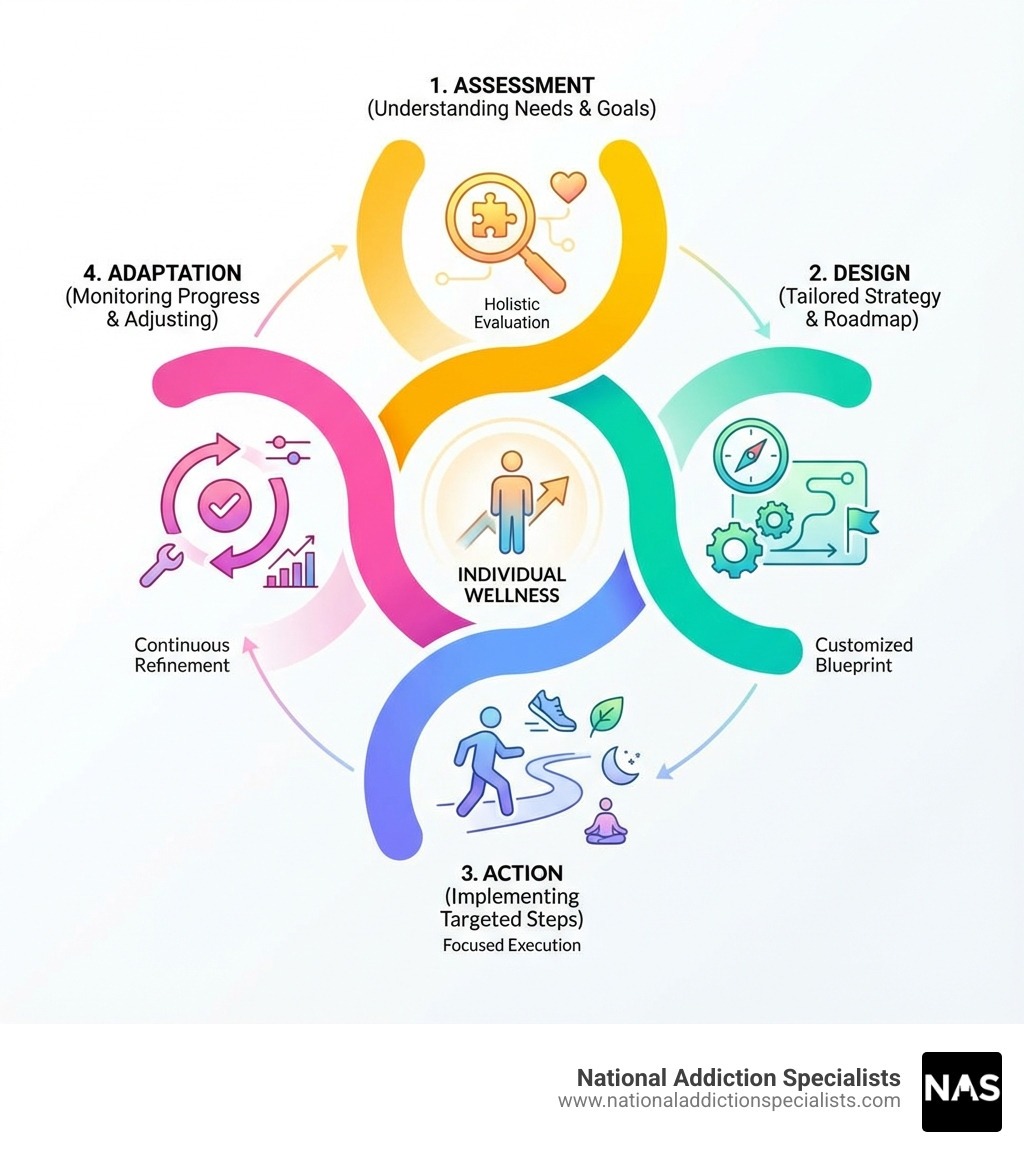
Your personalized recovery plan is a dynamic, living guide that should evolve as you do. Integrate it into your daily life by consistently practicing coping skills, working towards goals, and engaging your support system.
Life changes, and so should your plan. Schedule regular reviews with yourself and your provider to assess progress, identify new challenges, and celebrate successes. As you achieve objectives, update your plan with new goals. Acknowledge and celebrate your milestones, big and small, to fuel your motivation.
Make an Appointment to Treat Addiction
Please don’t hesitate. Make an appointment today.
Real-World Examples of Successful Plans
To truly understand the power of a personalized recovery plan, let’s look at how they manifest in real-world scenarios, especially with the integration of modern technology and comprehensive care.
Example Scenario: Overcoming Opioid Addiction with a Tech-Integrated Plan
Consider an individual in Tennessee battling opioid addiction whose primary triggers are work stress and certain social environments. Their personalized recovery plan, developed with a provider at National Addiction Specialists, could be designed to address these specific challenges:
- Cognitive-Behavioral Therapy (CBT): The person could engage in regular CBT sessions via telemedicine to learn coping strategies for their specific stressors.
- Medication-Assisted Treatment (MAT): The plan might include online Suboxone treatment to manage cravings and withdrawal symptoms, providing a stable foundation for recovery.
- Technology Integration: Incorporating a real-time monitoring device could help track progress and provide immediate feedback, reinforcing commitment.
- Fitness-Aligned Support: If the individual finds solace in physical activity, their plan could include connecting with fitness groups that promote a sober lifestyle.
This dynamic plan would adapt as the person learns new coping skills and their triggers evolve, improving their ability to manage stress without resorting to opioids.
Example Scenario: Addressing Co-Occurring Disorders
Another common scenario involves an individual, perhaps from Virginia Beach, struggling with both alcohol addiction and a co-occurring condition like anxiety or depression. A personalized plan would recognize the critical need to treat both conditions simultaneously.
- Integrated Treatment: The plan would integrate medication management for anxiety and depression with addiction therapy.
- Psychotherapy and Art Therapy: Telemedicine-based psychotherapy could explore the root causes of the mental health conditions. Art therapy might be recommended as a creative outlet for stress reduction.
- Mindfulness Practices: Incorporating daily mindfulness meditation and yoga could help reduce anxiety and improve emotional regulation.
- Regular Virtual Check-ins: Consistent virtual check-ins with a therapist would allow for continuous monitoring and adjustments to the treatment plan.
This type of personalized plan empowers the individual to manage their mental health proactively, strengthening their resilience against cravings and leading to sustained sobriety.
Frequently Asked Questions about Recovery Plans
We often hear common questions about personalized recovery plans. Let’s address some of them here to provide clarity and empower you on your journey.
What’s the difference between a personalized recovery plan and a relapse prevention plan?
A personalized recovery plan is a broad, holistic guide for your entire life in recovery. It encompasses all aspects of your well-being across the four SAMHSA dimensions: Health, Home, Purpose, and Community. It’s your complete roadmap to wellness.
A relapse prevention plan is a specific, critical component within that larger recovery plan. It is focused exclusively on identifying your triggers, recognizing warning signs, and outlining actionable steps to take when they appear. Its primary purpose is to proactively protect your sobriety.
In short, the recovery plan is the entire blueprint for your new life, while the relapse prevention plan is the specific security system to protect it.
How long should my recovery plan be?
There is no set length. The focus should be on creating a clear, actionable, and useful guide. Your plan should be detailed enough to cover all key components but concise enough that you can easily refer to it, especially during challenging moments. The goal isn’t length, but effectiveness and usability.
Can I create a personalized recovery plan on my own?
While you should take the lead in your recovery, creating a plan in collaboration with a professional is highly recommended for several reasons:
- Expertise: Addiction specialists bring knowledge of evidence-based practices and therapeutic techniques you might not know about.
- Objective Perspective: A professional can provide an objective viewpoint, helping you identify patterns or blind spots you might overlook.
- Comprehensive Assessment: Professionals are trained to conduct thorough assessments, ensuring all aspects of your health are considered.
- Accountability: Working with a professional provides an additional layer of accountability and support.
At National Addiction Specialists, we offer convenient telemedicine services in Tennessee and Virginia, making it easy to connect with an expert provider to help you craft a robust and effective personalized recovery plan. While your journey is your own, you don’t have to walk it alone.
Conclusion
Your journey to lasting recovery is a deeply personal adventure, and a personalized recovery plan is your most powerful tool. It’s a dynamic roadmap that empowers you to achieve long-term wellness. By embracing a personalized approach, you choose a path built for your unique needs, ensuring better outcomes and a more fulfilling, self-directed life.
At National Addiction Specialists, we are dedicated to providing expert guidance and convenient telemedicine services in Tennessee and Virginia to help you develop and implement your own personalized recovery plan. Our compassionate providers are ready to support you every step of the way.
Take the first step towards a healthier, more hopeful future. Start your recovery journey with us today.
This article was medically reviewed by:
Chad Elkin, MD, DFASAM is a board-certified addiction medicine physician, founder, and Chief Medical Officer of National Addiction Specialists, dedicated to treating substance use disorders. A Distinguished Fellow of the American Society of Addiction Medicine (ASAM), Dr Elkin currently serves as President of the Tennessee Society of Addiction Medicine (TNSAM) and has held various leadership roles within the organization. Dr Elkin chairs ASAM’s Health Technology Subcommittee and is an active member of its Practice Management and Regulatory Affairs Committee, State Advocacy and Legislative Affairs Committee, and other committees. He also serves on the planning committee for the Vanderbilt Mid-South Addiction Conference. Committed to advancing evidence-based policy, Dr Elkin is Chairman of the Tennessee Association of Alcohol, Drug, & Other Addiction Services (TAADAS) Addiction Medicine Council, which collaborates with the TN Department of Mental Health & Substance Abuse Services (TDMHSAS). He has contributed to numerous local, state, and national task forces, helping develop professional guidelines, policies, and laws that align with best practices in addiction medicine. His work focuses on reducing addiction-related harm, combating stigma, and ensuring access to effective treatment.Passionate about the field of addiction medicine, he remains dedicated to shaping policy and enhancing patient care.
Suboxone® and Subutex® are a registered trademark of Indivior UK Limited. Any mention and reference of Suboxone® and Subutex® in this website is for informational purposes only and is not an endorsement or sponsorship by Indivior UK Limited.