How to Manage Opioid Withdrawal Symptoms Safely
What Is Opioid Withdrawal Management — and What Can You Do About It?
Opioid withdrawal management is the medical process of safely reducing or eliminating withdrawal symptoms when someone who is physically dependent on opioids stops or cuts back their use.
Here is a quick overview of how it works:
- Seek medical supervision first — never stop opioids abruptly without a doctor’s guidance
- Get assessed — a clinician will measure your withdrawal severity using a scoring tool like the COWS scale
- Start medication — buprenorphine, clonidine, or methadone can significantly reduce symptoms
- Treat specific symptoms — nausea, diarrhea, anxiety, and insomnia each have targeted treatments
- Plan what comes next — withdrawal management alone is rarely enough; transitioning to longer-term medication for opioid use disorder (MOUD) is critical for lasting recovery
Opioids are powerful medications. When the body becomes dependent on them, stopping suddenly can trigger intense flu-like symptoms — sweating, muscle aches, nausea, anxiety, and severe cravings. While opioid withdrawal is rarely life-threatening, it is extremely uncomfortable and very difficult to manage alone.
The scale of the problem is significant. Approximately 15.6 million people worldwide use illicit opioids, and in 2016 alone, an estimated 11.5 million Americans misused opioid pain medications. From 2000 to 2015, roughly 500,000 people in the United States died from opioid overdoses. These numbers reflect a genuine public health crisis — one that demands safe, compassionate, evidence-based care.
The good news is that effective treatments exist. With the right medical support, withdrawal can be managed safely — and it can serve as the first step toward lasting recovery.
I’m Chad Elkin, MD, Founder and Medical Director of National Addiction Specialists, and I am board-certified in both Addiction Medicine and Internal Medicine. My clinical work has been focused on opioid withdrawal management and medication-assisted treatment, helping patients across Tennessee and Virginia access safe, flexible, and stigma-free care. In the sections below, I’ll walk you through everything you need to know — from what to expect during withdrawal to the medications and protocols that make the process safer.
Opioid withdrawal management further reading:
- Can Suboxone Help with Kratom Dependence
- can you withdraw from suboxone
- how long does suboxone withdrawal last
Understanding Opioid Withdrawal Syndrome and Timelines
To successfully manage opioid withdrawal, we must first look at what is happening inside the brain. Opioids work by binding to specific receptors, primarily the mu-opioid receptors. When opioids are consistently present, they suppress the activity of a key brain region called the locus coeruleus, which produces noradrenaline (norepinephrine). Noradrenaline is the chemical responsible for keeping us awake, alert, and regulating our blood pressure.
When opioids are suddenly removed, this suppression lifts, resulting in a state of noradrenergic hyperactivity. The locus coeruleus goes into overdrive, flooding the body with noradrenaline. This chemical surge is what triggers the classic, highly uncomfortable physical and psychological symptoms of withdrawal.
Whether you are stopping short-acting opioids or long-acting opioids, the underlying brain chemistry remains the same, though the timing and intensity of the symptoms will vary. For a deeper clinical look at these mechanics, you can read the StatPearls Clinical Reference on Opioid Withdrawal. Recognizing these early chemical shifts is the first step in identifying the onset of opioid withdrawal symptoms.
Clinical Manifestations and Severity Predictors
Opioid withdrawal is often described as a “very bad flu,” but it is far more complex. The symptoms are broad and affect multiple systems in the body. Clinicians look for a distinct cluster of signs to measure how far along the withdrawal process is:
- Autonomic Hyperactivity: This includes excessive sweating (diaphoresis), hot and cold flashes, shivering, rapid heart rate (tachycardia), and elevated blood pressure.
- Pupillary Dilation: The pupils become noticeably enlarged (mydriasis) as the sympathetic nervous system fires rapidly.
- Piloerection: Often referred to as “cold turkey,” this is the goosebumps and shivering that occur as the body struggles to regulate its temperature.
- Gastrointestinal Distress: Severe abdominal cramping, nausea, vomiting, and diarrhea are common and present a risk for dehydration.
- Muscle and Bone Aches: Deep, throbbing aches in the joints and back, often accompanied by involuntary muscle twitches or kicks.
- Craving Intensity: A profound, overwhelming psychological drive to consume opioids to stop the physical distress.
The severity of these symptoms is not the same for everyone. Key predictors of how intense your withdrawal will be include how regularly you used opioids, the overall dosage, and how long you have been dependent. For instance, using a high dose daily for more than six months is associated with much more intense withdrawal than short-term, intermittent use.
Short-Acting vs. Long-Acting Opioid Timelines
The timeline of your withdrawal is dictated by the half-life of the specific substance you were taking.
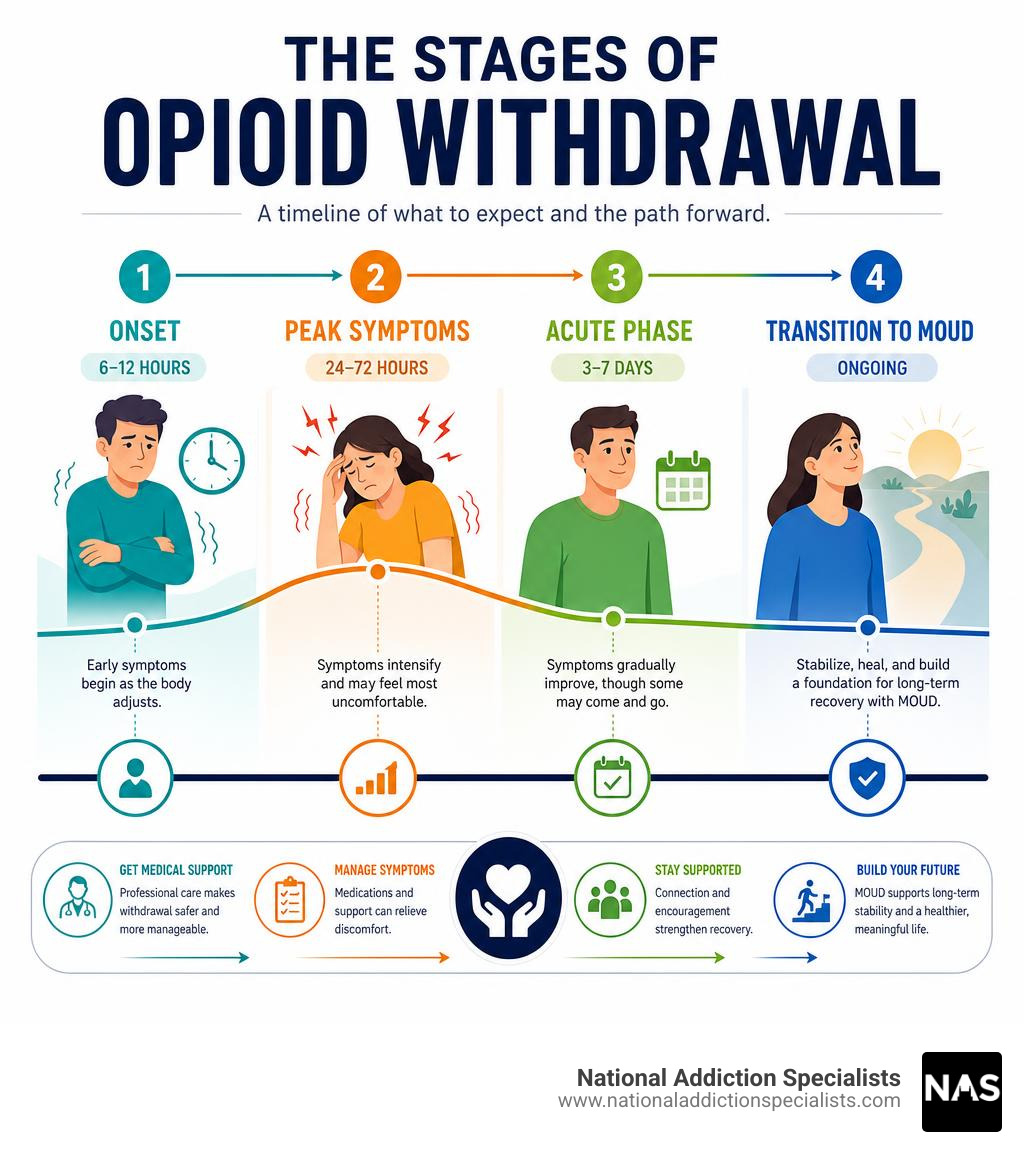
- Short-Acting Opioids (e.g., Heroin, Oxycodone, Fentanyl): Symptoms typically begin within 6 to 12 hours after the last dose. They reach their peak intensity within 24 to 48 hours and gradually begin to diminish over 3 to 5 days, usually resolving within a week.
- Long-Acting Opioids (e.g., Methadone, Slower-Release Prescription Opioids): Because these substances leave the body slowly, withdrawal symptoms may not start until 12 to 48 hours after the last dose. Symptoms peak much later — usually between days 3 and 7 — and the acute phase can drag on for 10 to 20 days.
- Fentanyl Considerations: Illicitly manufactured fentanyl is a short-acting opioid, but it is highly lipophilic (fat-soluble). This means it can build up in the body’s fat tissues over time, leading to unpredictable, delayed clearance. This makes the transition to certain treatment medications more complex.
Once the acute phase ends, many individuals experience a protracted withdrawal phase (often called Post-Acute Withdrawal Syndrome, or PAWS). This phase can last up to six months and is characterized by sleep disturbances, anxiety, irritability, and persistent cravings.
Indications and Settings for Medically Supervised Withdrawal
Medically supervised withdrawal, often called clinical detoxification, involves administering medications under professional care to minimize the severity of withdrawal symptoms. The principal purpose of this intervention is to help you safely and comfortably stop using opioids so you can successfully transition to long-term medication for opioid use disorder (MOUD).
To learn more about what this process looks like from start to finish, read everything you need to know about medically supervised withdrawal. You can also review the UpToDate Guide on Medically Supervised Withdrawal for detailed clinical insights on how these protocols are structured.
Clinical Settings for Opioid Withdrawal Management
Withdrawal management can take place in several settings, depending on your medical stability, support system, and substance use history.
- Inpatient and Residential Programs: Highly structured environments with 24-hour medical supervision. This setting is ideal for patients with high-dose dependencies, severe psychiatric comorbidities, or those lacking a stable environment at home.
- Outpatient and Telehealth-Based Programs: For many individuals, recovering in the comfort of their own home is the most practical option. Telehealth-based withdrawal management allows you to receive prescription medications, clinical check-ins, and emotional support without leaving your house.
- Clinical Assessment for Outpatient Safety: Before clearing you for outpatient care, we perform a thorough assessment. We check for stable vital signs, a supportive home environment, and the absence of severe medical complications. This ensures that managing your symptoms at home is a safe and viable path.
For established international standards on choosing the right care setting, the NICE Guidelines on Opioid Detoxification offer excellent guidance on matching patients to the appropriate level of care.
Contraindications and Special Populations
Certain populations require specialized, highly monitored care because standard withdrawal protocols can pose serious health risks.
- Pregnancy Risks: Pregnant women who are opioid-dependent should not undergo acute withdrawal. Doing so carries a high risk of miscarriage, fetal distress, or premature delivery. The medical standard of care is to transition the mother to stable opioid agonist therapy (like buprenorphine or methadone) to protect both mother and baby.
- Adolescents: Younger patients require tailored psychological support and family-centered care, as their brains are still developing and they are highly vulnerable to the social pressures of addiction.
- Polysubstance Use: If you are using opioids alongside alcohol or benzodiazepines, outpatient withdrawal is generally contraindicated. Alcohol and benzodiazepine withdrawal can cause life-threatening seizures and delirium, requiring intensive inpatient medical stabilization.
- Hepatic and Cardiovascular Issues: Patients with severe liver impairment or cardiovascular instability require careful dosing adjustments, especially when using medications that affect blood pressure or heart rate.
Pharmacological Interventions for Opioid Withdrawal Management
Left untreated, opioid withdrawal is so physically demanding that many people relapse simply to stop the pain. Fortunately, modern medicine provides highly effective pharmacological tools to manage these symptoms.
The two primary classes of medications used are opioid partial agonists (like buprenorphine) and non-opioid alpha-2 adrenergic agonists (like clonidine or lofexidine).
| Feature | Buprenorphine | Clonidine / Lofexidine |
|---|---|---|
| Medication Class | Opioid Partial Agonist | Alpha-2 Adrenergic Agonist |
| How It Works | Binds to mu-opioid receptors, partially activating them to stop cravings and physical symptoms. | Calms the overactive nervous system by blocking noradrenaline release. |
| Primary Benefits | Highly effective; eliminates up to 90% of withdrawal symptoms; reduces cravings. | Non-opioid; non-addictive; highly effective for sweating, anxiety, and rapid heart rate. |
| Common Side Effects | Headache, mild nausea, constipation. | Low blood pressure (hypotension), dizziness, dry mouth, drowsiness. |
| Prescribing Setting | Outpatient (via specialized providers/telehealth) or inpatient. | Outpatient or inpatient; requires blood pressure monitoring. |
To understand how non-opioid options can fit into a recovery plan, you can read about how clonidine helps you kick opiates.
Buprenorphine-Based Regimens
Buprenorphine is widely considered the gold standard for managing moderate-to-severe opioid withdrawal. Because it is a partial agonist, it binds tightly to the mu-opioid receptors but only activates them partially. This provides substantial relief from physical symptoms and cravings without producing the intense “high” associated with full agonists like heroin or oxycodone.
In a typical acute outpatient taper, buprenorphine is initiated once objective signs of withdrawal are present. A common schedule might start with 4 mg to 8 mg on Day 1, titrating up to stabilize symptoms, followed by a gradual reduction over 5 to 7 days before ceasing. However, because stopping buprenorphine after a brief detox often leads to a high rate of relapse, we typically recommend transitioning to long-term buprenorphine maintenance for sustained recovery.
Non-Opioid Alpha-2 Adrenergic Agonists
If buprenorphine is not appropriate or desired, alpha-2 adrenergic agonists are excellent non-opioid alternatives. These medications target the brain’s noradrenaline surge directly, calming the overactive sympathetic nervous system.
- Clonidine: Traditionally used for high blood pressure, clonidine is highly effective at reducing autonomic symptoms like sweating, hot/cold flashes, rapid heart rate, and severe anxiety. A standard protocol involves taking 0.1 mg to 0.2 mg every 4 to 6 hours.
- Lofexidine (Lucemyra): Approved by the FDA in 2018, lofexidine is the first non-opioid medication specifically designed for managing opioid withdrawal. It works similarly to clonidine but carries a lower risk of causing a sudden drop in blood pressure, making it a safer option for outpatient use.
Crucial Safety Note: Because these medications lower blood pressure, we must monitor your vitals closely. If your systolic blood pressure drops below 90 mmHg, or if your heart rate falls significantly, the medication must be withheld to prevent fainting and cardiovascular complications.
Monitoring Severity and Adjunctive Symptomatic Treatments
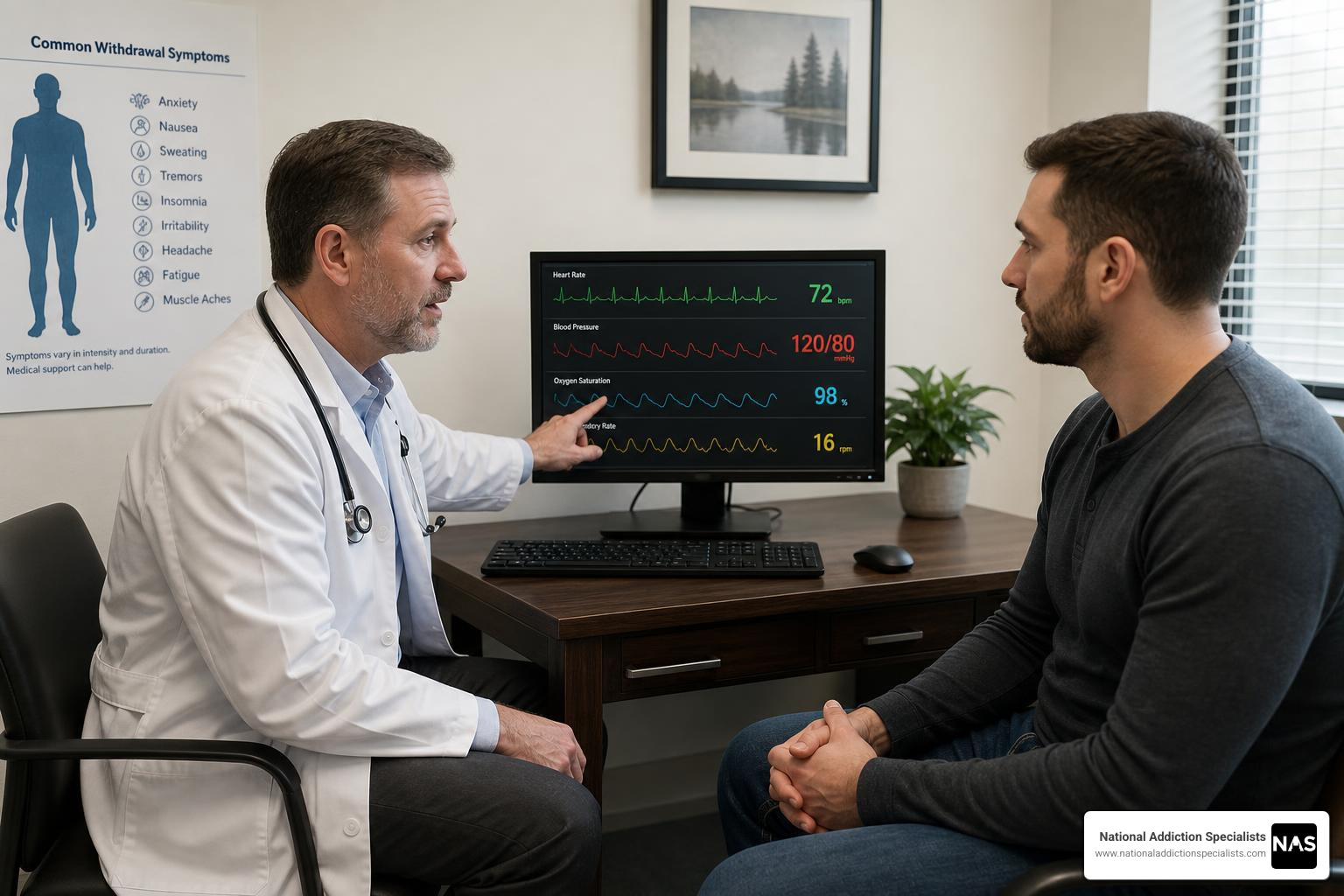
Effective opioid withdrawal management relies on continuous, objective monitoring. We do not rely solely on how a patient says they feel; we use validated clinical scales to measure physical signs. This ensures we administer the right medication at the right dose, keeping you as comfortable as possible.
Staying well-hydrated is also essential during this time. We recommend drinking 2 to 3 liters of water daily to replace fluids lost through sweating, vomiting, or diarrhea.
Monitoring Tools in Opioid Withdrawal Management
We primarily use two clinical scales to track the progression of withdrawal:
- Clinical Opioid Withdrawal Scale (COWS): This is an 11-item scale completed by a clinician. It measures both objective and subjective signs, including pulse rate, sweating, restlessness, pupil size, bone/joint aches, runny nose/watery eyes, gastrointestinal upset, tremor, yawning, anxiety/irritability, and goosebumps.
- Mild: Score of 5 to 12
- Moderate: Score of 13 to 24
- Moderately Severe: Score of 25 to 36
- Severe: Score greater than 37
- Short Opioid Withdrawal Scale (SOWS): A simpler, 10-item self-assessment scale that patients can complete themselves. It is highly useful in outpatient and telehealth settings to help us track your comfort levels remotely.
We typically wait until a patient has a COWS score of at least 12 (indicating moderate withdrawal) before administering the first dose of buprenorphine. Starting it too early can trigger a severe reaction known as precipitated withdrawal.
Symptomatic Relief for Nausea, Insomnia, and Anxiety
While primary medications like buprenorphine or clonidine do the heavy lifting, we often prescribe targeted, adjunctive medications to address specific, lingering symptoms:
- Nausea and Vomiting: Antiemetics like ondansetron (Zofran) or metoclopramide are highly effective at settling the stomach.
- Diarrhea: Over-the-counter or prescription antidiarrheals like loperamide (Imodium) help restore normal bowel function. Note: Loperamide must be taken strictly as directed, as high doses can be cardiotoxic.
- Muscle Aches and Pain: Scheduled doses of non-steroidal anti-inflammatory drugs (NSAIDs) like ibuprofen, or acetaminophen, help ease deep joint and muscle pain.
- Insomnia and Sleep Disturbances: Sleep is often highly disrupted during withdrawal. We may prescribe supportive medications to help restore a natural sleep cycle. To learn more about these options, read about using gabapentin for sleep.
Avoiding Precipitated Withdrawal During Buprenorphine Induction

One of the most challenging aspects of starting buprenorphine treatment is the risk of precipitated withdrawal. This is a sudden, highly intense onset of severe withdrawal symptoms that occurs if buprenorphine is taken while full agonist opioids are still active in your system.
To understand why this happens and how to prepare, you can read our guide on avoiding precipitated withdrawal.
The Mechanism of Precipitated Withdrawal
To understand this mechanism, imagine your brain’s mu-opioid receptors as parking spaces. When you are using a full agonist opioid (like heroin, oxycodone, or methadone), those parking spaces are completely filled, and the receptors are fully activated.
Buprenorphine has an exceptionally high binding affinity for these receptors — meaning it acts like a magnet, easily bumping other opioids out of their “parking spaces.” However, because buprenorphine is only a partial agonist, it does not activate the receptors as strongly as the full agonists did.
If you take buprenorphine while full agonists are still active on your receptors, the buprenorphine will instantly displace them, causing a sudden, dramatic drop in opioid activity. This triggers immediate, severe withdrawal symptoms.
To avoid this, we must wait until the full agonists have naturally cleared your receptors. We ensure you are in a state of moderate, active withdrawal (with a COWS score of 12 or higher and visible physical signs like enlarged pupils or goosebumps) before administering your first dose.
- Short-Acting Opioids: Wait at least 12 to 24 hours after your last dose.
- Long-Acting Opioids: Wait at least 36 to 48 hours after your last dose.
Induction Protocols: Standard, Micro, and Macro
Depending on your substance use history and the specific opioids involved, we utilize different induction methods:
- Standard Induction: This is the traditional approach. The patient stops using opioids, waits until they are in moderate withdrawal (COWS 12+), and then takes a standard starting dose of buprenorphine (usually 2 mg to 4 mg), which is titrated upward as symptoms resolve.
- Micro-Induction (The Bernese Method): This innovative approach is highly useful for individuals transitioning off long-acting opioids or illicit fentanyl. It involves taking miniscule, slowly increasing doses of buprenorphine over several days while continuing to use the full agonist opioid. This allows buprenorphine to slowly accumulate on the brain’s receptors without triggering a sudden displacement shock. Once a therapeutic dose of buprenorphine is reached, the full agonist is stopped safely.
- Macro-Induction: Typically utilized in emergency department settings, this involves administering larger, rapid doses of buprenorphine under close clinical supervision to quickly stabilize patients experiencing acute, severe withdrawal.
Transitioning to Long-Term Medication for Opioid Use Disorder (MOUD)
It is a common misconception that completing a 5-to-7-day detox program means the battle is won. In reality, supervised withdrawal alone does not result in sustained abstinence.
Opioid use disorder changes the brain’s pathways over time, and stopping opioids abruptly leaves the brain in a state of chemical imbalance. Without ongoing treatment, relapse rates following short-term detox are estimated to be over 80%. Furthermore, completing detox reduces your physical tolerance to opioids. If a relapse occurs, taking the same dose you used to take can easily result in a fatal overdose.
For long-term success, withdrawal management must be viewed as a bridge to medication for opioid use disorder (MOUD). MOUDs help stabilize brain chemistry, eliminate cravings, and block the effects of other opioids, allowing you to focus on rebuilding your life.
The primary long-term medications include:
- Buprenorphine (including Suboxone): A partial agonist that can be prescribed via telehealth and taken at home. It provides excellent stability and safety. If you are wondering how long this treatment should continue, read about how long to stay on Suboxone.
- Methadone: A full agonist that must be dispensed daily through highly structured, federally regulated Opioid Treatment Programs (OTPs).
- Naltrexone (Vivitrol): A non-opioid, monthly injectable antagonist that completely blocks opioid receptors. This option requires you to be entirely detoxified from all opioids for at least 7 to 10 days before your first injection.
Discharge Planning, Follow-Up, and Harm Reduction
The period immediately following withdrawal management is a time of high vulnerability. Because your physical tolerance has dropped, any return to drug use carries a severe risk of overdose.
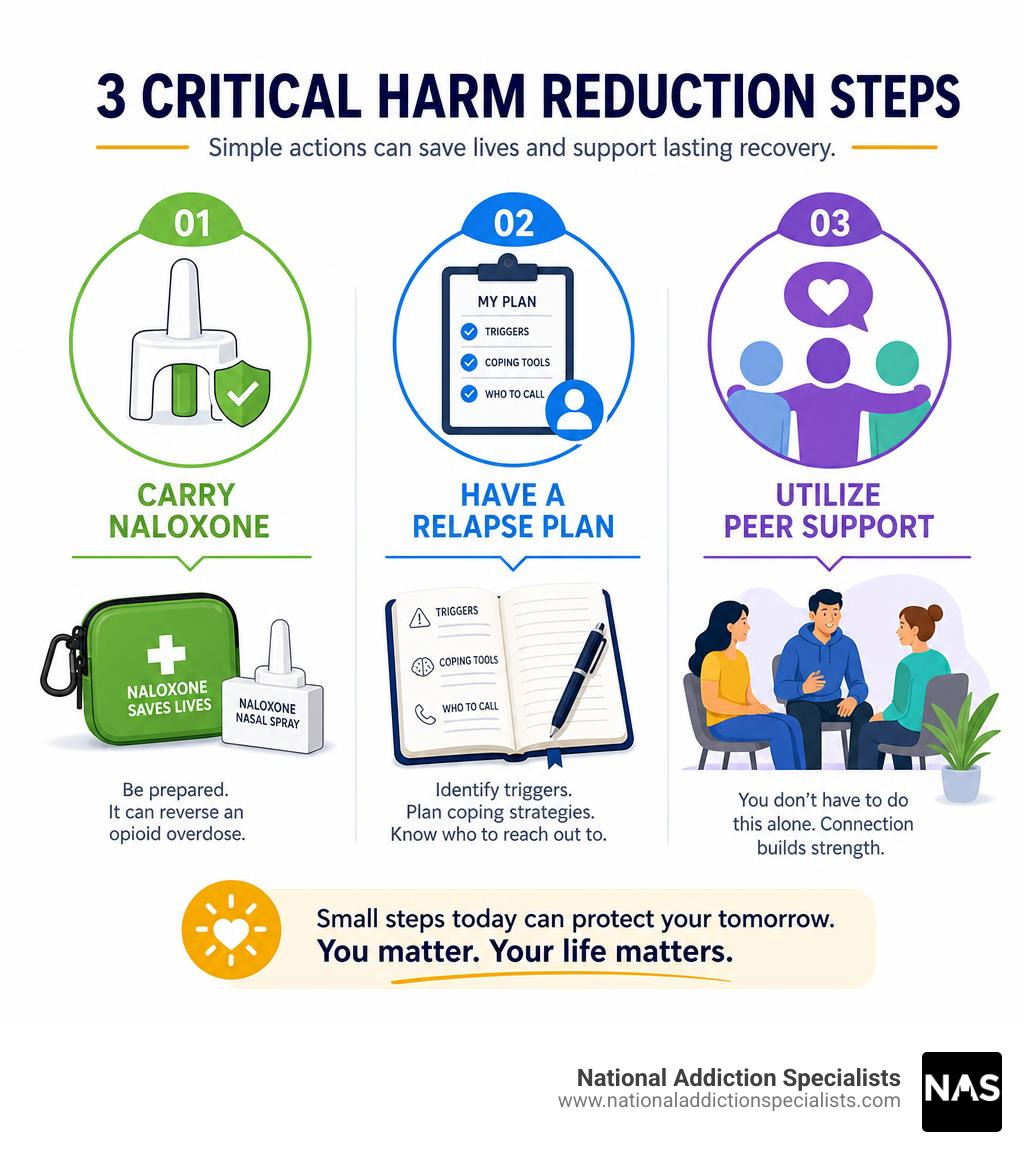
A comprehensive discharge plan is essential to keep you safe and supported:
- Naloxone (Narcan) Distribution: We ensure that every patient and their loved ones have access to naloxone, the life-saving nasal spray that can instantly reverse an opioid overdose.
- Relapse Prevention Planning: We work with you to identify your personal triggers — such as stress, specific environments, or social circles — and develop concrete coping strategies to handle them.
- Peer Support and Counseling: Connecting with community resources, such as 12-step programs, SMART Recovery, or individual therapy, provides the emotional scaffolding needed to navigate early recovery.
- Seamless Care Transitions: We coordinate your transition from acute withdrawal management directly into long-term outpatient care, ensuring there are no gaps in your medical support.
Frequently Asked Questions About Opioid Withdrawal Management
What is the difference between short-acting and long-acting opioid withdrawal?
Short-acting opioids (like heroin or immediate-release oxycodone) leave the body quickly. Withdrawal symptoms start rapidly (within 6 to 12 hours) and are highly intense but resolve within 5 to 7 days. Long-acting opioids (like methadone) leave the body slowly. Symptoms take longer to appear (12 to 48 hours), peak later, and can last for 2 to 3 weeks, requiring a more gradual, prolonged management plan.
How does clonidine help manage opioid withdrawal symptoms?
Clonidine is an alpha-2 adrenergic agonist. It works by calming the brain’s locus coeruleus, which goes into overdrive during withdrawal and floods the body with noradrenaline. By reducing this chemical surge, clonidine effectively relieves autonomic symptoms like sweating, shivering, rapid heart rate, and severe anxiety, without being an opioid itself.
Why is medically supervised detox alone insufficient for long-term recovery?
Detoxification only addresses the physical clearance of toxins from your system; it does not heal the long-term changes in brain chemistry caused by addiction. Without ongoing medication-assisted treatment (MOUD) and behavioral therapy to manage cravings and triggers, the risk of relapse is exceptionally high. Additionally, detox lowers your physical tolerance, making any relapse after detox highly dangerous and increasing the risk of a fatal overdose.
Conclusion
Overcoming opioid dependence is a journey that requires courage, patience, and the right medical support. Opioid withdrawal management is not something you have to endure alone, nor is it a process you should attempt without professional guidance. With modern, evidence-based medications and personalized care, withdrawal can be managed safely, comfortably, and confidentially from the comfort of your own home.
At National Addiction Specialists, we are dedicated to providing compassionate, telehealth-based Suboxone treatment for individuals across Tennessee and Virginia. Our expert medical team designs personalized recovery plans tailored to your unique needs, helping you transition smoothly from withdrawal to long-term stability. We accept both Medicaid and Medicare, ensuring that high-quality, life-saving care is accessible to those who need it most.
To learn more about your options and how we can support your recovery journey, explore the complete guide to Suboxone treatment options.
Make an Appointment to Treat Addiction
Please don’t hesitate. Make an appointment today.
https://www.nationaladdictionspecialists.com/new-patient-packet/
This article was medically reviewed by:
Chad Elkin, MD, DFASAM is a board-certified addiction medicine physician, founder, and Chief Medical Officer of National Addiction Specialists, dedicated to treating substance use disorders. A Distinguished Fellow of the American Society of Addiction Medicine (ASAM), Dr Elkin currently serves as President of the Tennessee Society of Addiction Medicine (TNSAM) and has held various leadership roles within the organization. Dr Elkin chairs ASAM’s Health Technology Subcommittee and is an active member of its Practice Management and Regulatory Affairs Committee, State Advocacy and Legislative Affairs Committee, and other committees. He also serves on the planning committee for the Vanderbilt Mid-South Addiction Conference. Committed to advancing evidence-based policy, Dr Elkin is Chairman of the Tennessee Association of Alcohol, Drug, & Other Addiction Services (TAADAS) Addiction Medicine Council, which collaborates with the TN Department of Mental Health & Substance Abuse Services (TDMHSAS). He has contributed to numerous local, state, and national task forces, helping develop professional guidelines, policies, and laws that align with best practices in addiction medicine. His work focuses on reducing addiction-related harm, combating stigma, and ensuring access to effective treatment. Passionate about the field of addiction medicine, he remains dedicated to shaping policy and enhancing patient care.
Suboxone® and Subutex® are a registered trademark of Indivior UK Limited. Any mention and reference of Suboxone® and Subutex® in this website is for informational purposes only and is not an endorsement or sponsorship by Indivior UK Limited.