The Real Cost of Suboxone Treatment Without Insurance
Understanding the Financial Reality of Opioid Addiction Treatment
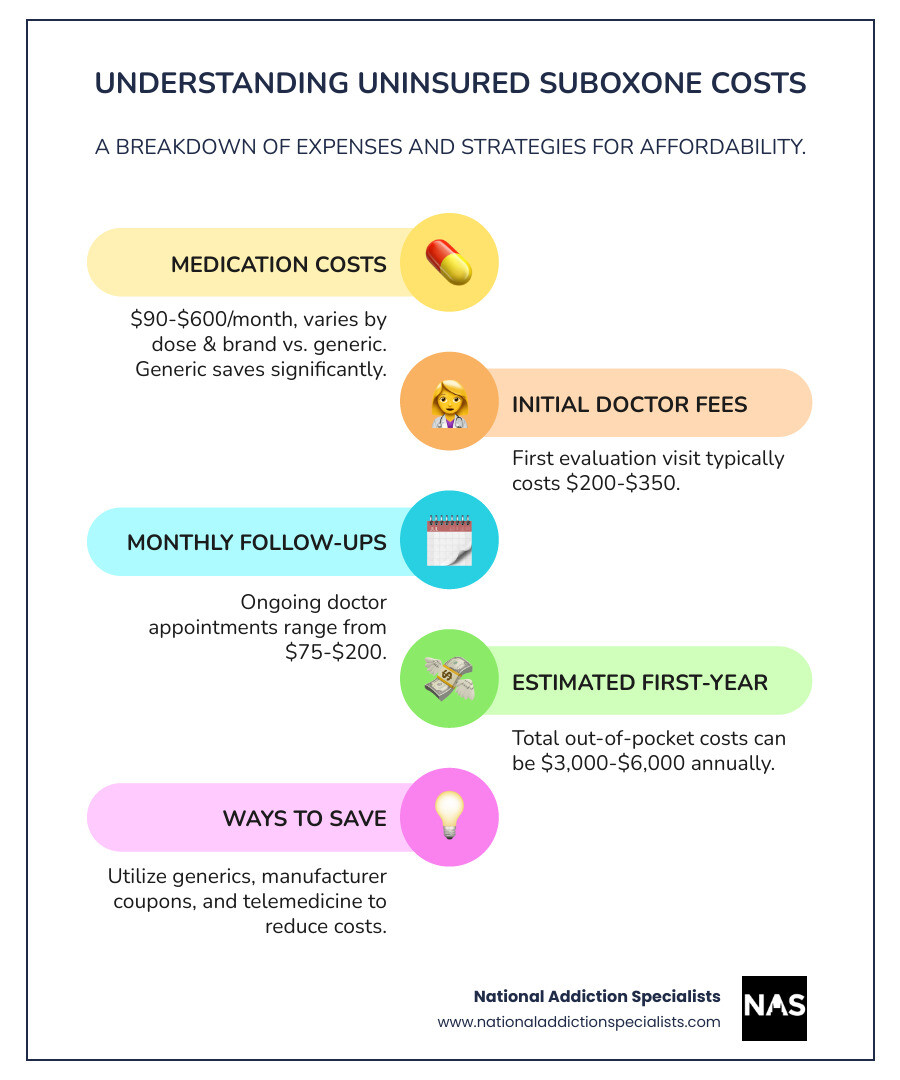
How much is suboxone treatment without insurance is a critical question for millions of Americans facing opioid addiction. Without insurance coverage, the total monthly cost typically ranges from $270 to $1,200, including both medication and doctor visits.
Quick Cost Breakdown:
- Medication alone: $90-$600 per month (depending on dose and brand vs generic)
- Initial doctor evaluation: $200-$350
- Monthly follow-up visits: $75-$200
- Total first-year costs: $3,000-$6,000
The financial burden of addiction treatment shouldn’t prevent anyone from getting help. While these costs may seem overwhelming, understanding the full picture helps you make informed decisions and find ways to reduce expenses.
Recovery is possible, even when paying out of pocket. Many patients successfully manage their treatment costs through generic medications, manufacturer discount programs, and telemedicine services that reduce visit fees.
As Chad Elkin, MD, founder and Medical Director of National Addiction Specialists, I’ve helped thousands of patients steer treatment costs and find affordable paths to recovery. My experience treating uninsured patients has shown me how understanding how much is suboxone treatment without insurance empowers people to take that crucial first step toward healing.
How much is suboxone treatment without insurance word guide:
- benefits of suboxone treatment
- how does suboxone treatment work
- how long does suboxone treatment last
How Much Is Suboxone Treatment Without Insurance?
When you’re wondering how much is suboxone treatment without insurance, you’re really looking at two main pieces: the medication itself and the medical care that comes with it. Both are essential for your recovery journey, and understanding each part helps you plan your budget better.
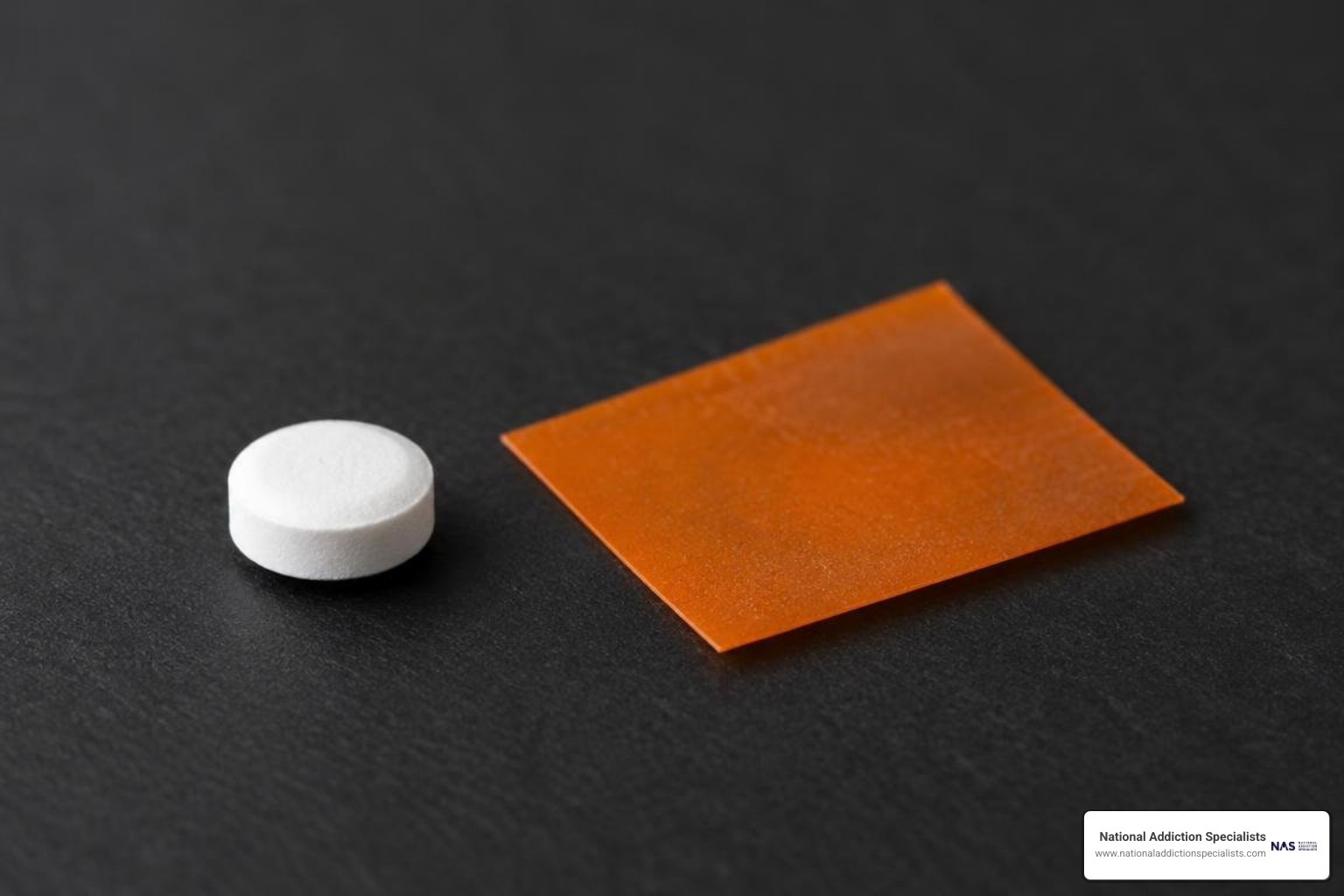
The price of Suboxone can vary quite a bit – kind of like how gas prices change from station to station. Your final cost depends on whether you choose brand-name Suboxone or generic buprenorphine-naloxone, what strength your doctor prescribes, and even which pharmacy you visit. The type you get (film strips versus tablets) also makes a difference in your wallet.
Brand-name Suboxone typically costs more than generic versions, but both contain the same active ingredients and work equally well. The strength of your dose matters too – higher doses cost more, but they’re often more cost-effective per milligram of medication.
Different pharmacies can have surprisingly different prices for the same medication. It’s worth calling around or using pharmacy websites to compare costs before filling your prescription. Some patients save $50 or more per month just by switching pharmacies.
If you’re interested in the bigger picture of medication costs, this scientific research on buprenorphine cost trends provides helpful insights into how prices have changed over time.
National Averages for “how much is suboxone treatment without insurance”
Here’s what you can expect to pay: a 30-day supply of Suboxone medication without insurance typically ranges from $90 to $600. That’s a pretty wide range, and your exact cost depends on your daily dose and whether you choose brand-name or generic.
If your doctor starts you on a lower dose – maybe one 2mg film per day – you’ll likely pay closer to $90-$168 for a month’s supply. But if you need a higher dose, like two 8mg films daily, your monthly medication cost could reach $480-$600.
The difference between 2mg and 8mg units is significant. While 8mg units cost more per pill or film, they’re usually more economical per milligram of medication. It’s like buying a family-size box of cereal – you pay more upfront but get better value overall.
Urban versus rural pricing can vary slightly, though the differences are usually small. Rural areas might have fewer pharmacy options, which can sometimes mean less price competition. However, many national pharmacy chains maintain consistent pricing across locations.
Cost by Formulation: Films vs Tablets and Strengths
Suboxone comes as either sublingual films (the strips that dissolve under your tongue) or sublingual tablets. Both work the same way, but their prices can be different.
Films tend to cost more than tablets, especially if you’re buying brand-name Suboxone. However, many patients prefer films because they dissolve faster and have a more pleasant taste than tablets.
Here’s what you might pay per unit: 2mg generic tablets cost around $3 each, while 8mg generic tablets run about $6-$8 each. Brand-name Suboxone films are pricier – about $5-$6 for 2mg films and $10-$12 for 8mg films.
Generic versions offer the biggest savings. Switching from brand-name films to generic tablets can cut your monthly costs in half or more. The medication works just as well – you’re just paying less for the same treatment.
| Formulation & Strength | Daily Dose | Approximate Monthly Cost (without insurance) |
|---|---|---|
| Generic Tablets (2mg-0.5mg) | 2mg (1 tablet) | $90 – $120 |
| Generic Tablets (8mg-2mg) | 8mg (1 tablet) | $180 – $240 |
| Generic Tablets (8mg-2mg) | 16mg (2 tablets) | $360 – $480 |
| Brand-name Films (2mg-0.5mg) | 2mg (1 film) | $150 – $180 |
| Brand-name Films (8mg-2mg) | 8mg (1 film) | $300 – $360 |
| Brand-name Films (8mg-2mg) | 16mg (2 films) | $600 – $720 |
As you can see, choosing generic can save you hundreds of dollars each month. For someone taking 16mg daily, switching from brand-name films to generic tablets could save over $2,000 per year. That’s money you can put toward other aspects of your recovery or just keeping up with daily life.
These are just the medication costs. Your total treatment expenses will also include doctor visits, which we’ll cover in the next section. But understanding these baseline costs helps you make informed decisions about your treatment options.
Breakdown of Costs Beyond the Prescription
When people ask how much is Suboxone treatment without insurance, they’re often surprised to learn that the medication is just one part of the total picture. Think of it like buying a car – the sticker price is important, but you also need to budget for insurance, gas, and maintenance to keep it running safely.
Effective Suboxone treatment involves regular medical supervision, monitoring, and support services that ensure your safety and maximize your chances of long-term recovery. These additional costs are investments in your health, not just extra expenses.
Initial & Monthly Visit Fees for how much is suboxone treatment without insurance
Your journey with Suboxone treatment typically involves three types of medical appointments, each with its own cost structure.
Initial evaluation visits are where everything begins. During this comprehensive appointment, a qualified doctor reviews your medical history, assesses your current situation, and determines if Suboxone is right for you. These thorough evaluations typically cost $200 to $350. While this might seem steep, this visit sets the foundation for your entire treatment plan.
Induction appointments come next, and they’re pretty special. This is when you take your first dose of Suboxone under medical supervision – either virtually or in-person. Your doctor monitors how you respond and makes sure the transition goes smoothly. Because this requires specialized attention and expertise, induction visits usually run $200 to $400.
Monthly follow-up visits become your routine once you’re stable on treatment. These appointments are where your doctor checks in on your progress, adjusts your dose if needed, and renews your prescription. The good news? These ongoing visits are more affordable, typically ranging from $75 to $200 per month. It’s like the difference between setting up a new phone plan versus your monthly bill – the setup costs more, but maintenance is manageable.
Hidden & Optional Expenses
Beyond the obvious costs of medication and doctor visits, several other expenses can sneak up on you when budgeting for how much is Suboxone treatment without insurance.
Lab work and drug screening are necessary parts of safe treatment. Your doctor needs to monitor your health and confirm that treatment is working as expected. These tests help catch any issues early and keep you on track.
Counseling and therapy represent one of the most valuable investments you can make in your recovery. While Suboxone handles the physical aspects of addiction, therapy addresses the emotional and behavioral patterns that contributed to substance use. Individual sessions might cost $50 to $200 without insurance, but many community programs offer sliding-scale fees or free group sessions.
Here’s where telemedicine becomes a game-changer for hidden costs. Traditional in-person appointments mean time off work, which can cost you wages. You’ve got transportation expenses – gas, parking, or public transit fees. If you have children, you might need childcare during appointments.
But when you choose telemedicine providers like National Addiction Specialists, these hidden costs disappear. You can attend your appointment from home during a lunch break, eliminating travel time and transportation costs. No need to find a babysitter or explain another medical absence to your boss. It’s pretty amazing how much these savings can add up over time.
The beauty of virtual care is that it makes recovery more accessible, not just more convenient. When treatment fits into your life instead of disrupting it, you’re more likely to stick with it long-term.
Smart Ways to Save on Uninsured Suboxone Care
The financial reality of how much is suboxone treatment without insurance doesn’t have to derail your recovery journey. We’ve worked with thousands of patients who’ve successfully managed their treatment costs, and we’re excited to share the strategies that work best.
Think of saving money on Suboxone treatment like building a toolkit – each strategy is another tool that helps make your recovery more affordable and sustainable.
Manufacturer & Pharmacy Programs
One of the most powerful money-saving tools comes directly from the companies that make these medications. Manufacturer assistance programs can dramatically reduce your monthly costs, sometimes bringing your medication down to just $10 per month.
The INSUPPORT card from Indivior is particularly helpful for brand-name Suboxone films. If you meet their income requirements, this program can save you hundreds of dollars each month. It’s worth spending a few minutes on their website or asking your doctor about eligibility.
Generic alternatives remain your best bet for long-term savings. Generic buprenorphine-naloxone works exactly the same as brand-name Suboxone – we’re talking about the same active ingredients, same effectiveness, just a different label. The savings can be substantial, often cutting your medication costs in half.
Prescription discount cards have become a game-changer for uninsured patients. These free programs can reduce your pharmacy costs significantly, and they’re incredibly easy to use. You simply show the discount card (or pull up the coupon on your phone) at the pharmacy counter. This scientific research on discount cards shows just how effective these programs can be.
Resources like NeedyMeds compile information about patient assistance programs, making it easier to find help that fits your situation. Many of our patients combine multiple discount strategies – using a manufacturer coupon along with a pharmacy discount card, for example.
Telemedicine = Lower Visit Costs
Here’s where things get really exciting. Telemedicine has revolutionized how we deliver Suboxone treatment, and the cost savings are remarkable.
Virtual MAT services typically charge lower fees than traditional in-person clinics. Without the overhead costs of maintaining a physical office, we can pass those savings directly to you. Our patients often save $50-$100 per visit compared to traditional clinic fees.
But the savings go beyond just lower appointment costs. Think about it – no gas money, no parking fees, no time off work, and no childcare arrangements. These “hidden” costs of traditional treatment can add up to hundreds of dollars each month.
Quick access through telemedicine also means you can start treatment faster, which is crucial for preventing relapse and getting your life back on track. For Tennessee and Virginia residents, we make it incredibly convenient to begin your recovery journey. More info about our services
Long-Term Budgeting & Dose Tapering
Smart patients think beyond just the monthly costs – they plan for the entire recovery journey. Long-term budgeting can reveal additional ways to save money while staying committed to your treatment.
90-day medication supplies often come with better per-unit pricing than monthly refills. Plus, you’ll make fewer trips to the pharmacy, saving time and transportation costs.
Dose tapering represents both a milestone in your recovery and a significant cost-saving opportunity. As you progress and stabilize, your doctor may work with you to gradually reduce your Suboxone dosage. This process requires careful provider guidance to ensure your safety and prevent withdrawal symptoms.

Slow reductions under medical supervision not only reduce your medication costs over time but also represent real progress in your recovery journey. We’ve seen patients successfully taper from higher doses to maintenance levels, cutting their monthly medication costs by 50% or more while maintaining their sobriety.
Community health clinics in some areas offer sliding-scale fees based on income, providing another avenue for affordable care. These programs vary by location, but they’re worth investigating if you need additional support.
The key is combining multiple strategies. A patient using generic medication, manufacturer discounts, telemedicine visits, and a gradual tapering plan can reduce their total treatment costs from over $1,000 per month to under $300 – making recovery accessible and sustainable.
Frequently Asked Questions About How Much Is Suboxone Treatment Without Insurance
We get these questions all the time, and honestly, they’re some of the most important ones you can ask. When you’re facing addiction and worrying about money, it’s natural to want clear, honest answers. Let’s tackle the big concerns we hear most often.
Is generic Suboxone as effective and cheaper?
Here’s the truth that might surprise you: generic buprenorphine-naloxone is absolutely just as effective as brand-name Suboxone – and yes, it’s significantly cheaper too!
The FDA doesn’t mess around when it comes to generic medications. They require that generic drugs contain exactly the same active ingredients in the same amounts as their brand-name versions. This means generic buprenorphine-naloxone works identically to Suboxone in your body. Same relief from cravings, same withdrawal prevention, same path to recovery.
The beautiful part? Generic versions typically cost 30-80% less than brand-name Suboxone. We’re talking about potential savings of hundreds of dollars every month. That’s money you can put toward other important things in your recovery journey, like counseling or just getting back on your feet financially.
When patients ask me about switching to generic, I always tell them it’s one of the smartest moves they can make to reduce how much is suboxone treatment without insurance costs without compromising their recovery one bit.
Are there free or sliding-scale programs if I’m uninsured?
While completely free Suboxone programs are pretty rare, there are definitely ways to get help paying for treatment. Think of it like a treasure hunt – the savings are out there, you just need to know where to look.
Manufacturer programs like the INSUPPORT card can bring your medication costs down to as little as $10 per month if you qualify. That’s a game-changer for most people’s budgets.
Community health centers are another fantastic option. These federally qualified health centers often offer sliding-scale fees based on what you can actually afford to pay. They’re designed specifically to help people who don’t have insurance or can’t afford traditional healthcare costs.
Many states and counties also have special funding for addiction treatment. It varies by location, but it’s worth calling your local health department to ask what’s available in your area.
The key is being upfront about your financial situation with healthcare providers. Most of us got into this field because we want to help people recover, not turn them away because of money. We’re usually pretty creative about finding solutions when we know what you’re dealing with.
How quickly can I start treatment and control costs?
This is where telemedicine really shines, and I get excited talking about it because it’s such a positive change for patients.
With telemedicine services, you can often have your first appointment within 24-48 hours of reaching out. Compare that to traditional clinics where you might wait weeks for an opening. When you’re struggling with opioid addiction, every day matters – both for your health and for your wallet.
Starting treatment quickly through telemedicine also means you’re controlling costs from day one. No gas money for appointments, no time off work, no parking fees or childcare costs. These “hidden” expenses add up fast with traditional treatment, but they disappear when you’re meeting with your doctor from home.
We can also help you find the most affordable pharmacy options right away, guide you toward generic medications, and walk you through discount programs during your very first visit. It’s like having a financial advisor and a doctor rolled into one appointment.
The speed and convenience of telemedicine means you’re not just getting help faster – you’re starting your journey toward recovery in the most cost-effective way possible.
Conclusion

Recovery from opioid addiction is absolutely within reach, even when you’re wondering how much is suboxone treatment without insurance. Yes, the costs can feel overwhelming at first glance – we’re talking about $270 to $1,200 per month when you include both medication and medical care. But here’s what I want you to remember: these numbers don’t have to be barriers to your healing.
Throughout this guide, we’ve shown you that recovery is truly affordable when you know where to look. Generic medications can cut your prescription costs in half. Manufacturer programs like INSUPPORT can bring your monthly medication cost down to just $10. Telemedicine services eliminate travel expenses while providing the same high-quality care you’d receive in person.
The financial investment in your recovery pays dividends that extend far beyond dollars and cents. When you’re free from opioid addiction, you’re not just saving money on treatment – you’re reclaiming your ability to work, to be present for your family, and to live the life you deserve.
At National Addiction Specialists, we believe that everyone deserves access to effective treatment, regardless of their insurance status. That’s why we offer convenient telemedicine MAT services for Tennessee and Virginia residents, with transparent pricing and personalized care plans that fit your unique situation and budget.
Your recovery journey doesn’t have to wait for perfect circumstances or unlimited funds. The most important step is simply taking that first one. Make an Appointment to Treat Addiction – we’re here to help you steer both your recovery and the financial aspects of treatment.
Please don’t hesitate. Make an appointment today. More info about our services
This article was medically reviewed by:
Chad Elkin, MD, DFASAM is a board-certified addiction medicine physician, founder, and Chief Medical Officer of National Addiction Specialists, dedicated to treating substance use disorders. A Distinguished Fellow of the American Society of Addiction Medicine (ASAM), Dr Elkin currently serves as President of the Tennessee Society of Addiction Medicine (TNSAM) and has held various leadership roles within the organization. Dr Elkin chairs ASAM’s Health Technology Subcommittee and is an active member of its Practice Management and Regulatory Affairs Committee, State Advocacy and Legislative Affairs Committee, and other committees. He also serves on the planning committee for the Vanderbilt Mid-South Addiction Conference. Committed to advancing evidence-based policy, Dr Elkin is Chairman of the Tennessee Association of Alcohol, Drug, & Other Addiction Services (TAADAS) Addiction Medicine Council, which collaborates with the TN Department of Mental Health & Substance Abuse Services (TDMHSAS). He has contributed to numerous local, state, and national task forces, helping develop professional guidelines, policies, and laws that align with best practices in addiction medicine. His work focuses on reducing addiction-related harm, combating stigma, and ensuring access to effective treatment. Passionate about the field of addiction medicine, he remains dedicated to shaping policy and enhancing patient care.
Suboxone® and Subutex® are a registered trademark of Indivior UK Limited. Any mention and reference of Suboxone® and Subutex® in this website is for informational purposes only and is not an endorsement or sponsorship by Indivior UK Limited.