Get Your Daily Dose of Delicious at Sub Doctors
Understanding Sub Doctors: Medical Subspecialists Who Provide Expert Care
Sub doctors, or medical subspecialists, are physicians who complete advanced training beyond their primary specialty to focus on a specific area of medicine. If you’re searching for specialized care—particularly for conditions like addiction, chronic pain, or complex medical needs—understanding what a sub doctor is can help you find the right expert for your situation.
Quick Answer: What Are Sub Doctors?
Sub doctors are physicians who:
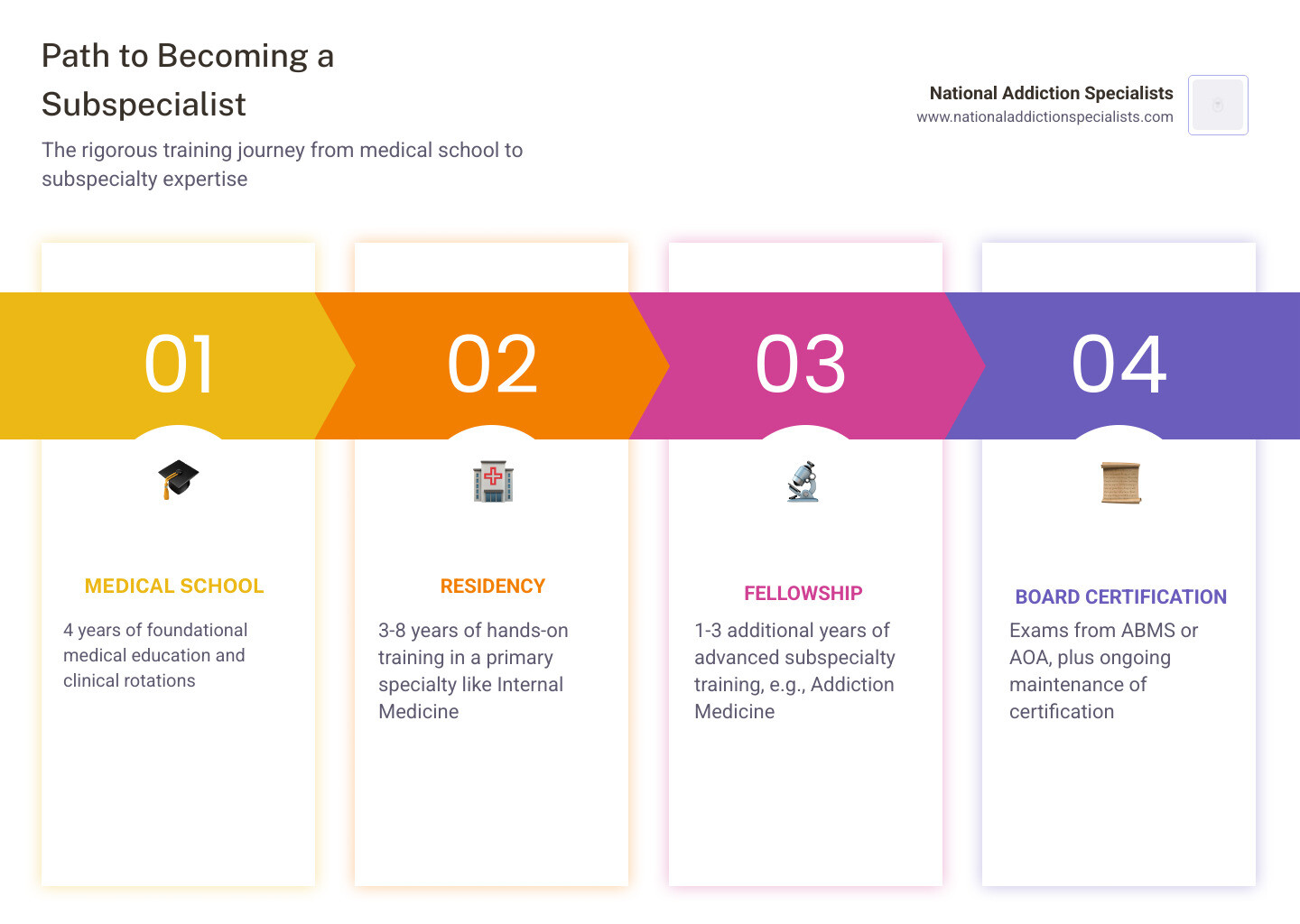
- Complete 3-8 years of residency in a primary specialty (like Internal Medicine or Family Medicine)
- Then complete 1-3 additional years of fellowship training in a subspecialty (like Addiction Medicine)
- Earn board certification from organizations like ABMS or AOA
- Focus their practice on a specific patient population or condition
- Provide advanced expertise beyond general practitioners
Common subspecialties include:
- Addiction Medicine
- Cardiology
- Gastroenterology
- Medical Toxicology
- Pain Medicine
The term “sub doctor” is shorthand for subspecialist—a physician with focused expertise in treating specific conditions. According to the American Board of Medical Specialties (ABMS), there are 24 member boards offering certifications in 27 primary specialties and 48 subspecialties. This specialized training means sub doctors bring deeper knowledge and experience to complex medical challenges.
For those struggling with substance use disorders, Addiction Medicine subspecialists (often called “sub doctors” in the recovery community) provide expert treatment including medication-assisted therapy, counseling coordination, and personalized recovery plans. These physicians complete rigorous training specifically in treating addiction and are certified to prescribe medications like Suboxone for opioid use disorder.
I’m Dr. Chad Elkin, a board-certified addiction medicine subspecialist and founder of National Addiction Specialists, where I’ve dedicated my career to treating substance use disorders and expanding access to care for sub doctors and patients nationwide. My work focuses on eliminating barriers to treatment through telemedicine-based addiction services.
Simple sub doctors glossary:
Understanding Medical Subspecialties and the Role of a Sub Doctor
When we talk about sub doctors, we are diving into a world of hyper-focused expertise. Think of a primary care physician as a master of all trades—the person who keeps the whole ship running. A subspecialist, however, is the person you call when a specific part of the engine needs a level of precision that only years of niche study can provide.
A medical subspecialty is a narrow field of professional focus within a broader medical specialty. For example, while Internal Medicine is a primary specialty, Cardiology (the study of the heart) is a subspecialty. The role of a subspecialty doctor is to provide Specialty and Subspecialty Certificates that prove they have met high clinical standards in that specific area.
This specialized patient care is essential because medical knowledge is expanding faster than any one person can keep up with. By focusing on a “slice” of medicine, sub doctors can stay at the absolute forefront of research, innovative treatments, and diagnostic techniques.
Defining the Subspecialist
What exactly makes a subspecialist different from your average Joe MD? It comes down to advanced training and focused practice. After a doctor finishes medical school and a residency, they don’t just stop. Those who want to become sub doctors enter a “fellowship.” This is a period of 1 to 3 years where they do nothing but eat, sleep, and breathe their chosen subspecialty.
At our Suboxone Clinic Tennessee, our providers are subspecialists in Addiction Medicine. This means they haven’t just read a pamphlet on recovery; they have undergone rigorous training to understand the neurobiology of addiction, the pharmacology of treatments like Suboxone, and the complex psychological factors that influence patient outcomes.
The Key Difference Between Specialty and Subspecialty
It can be confusing to distinguish between a primary specialty and a subspecialty. Here is a simple breakdown:
- Primary Specialty: This is the broad category. Think of it as the “major” in college. Examples include Pediatrics, Surgery, or Family Medicine.
- Subspecialty: This is the “minor” or the specific concentration. It requires a fellowship after the primary residency is completed.
| Primary Specialty | Subspecialty Example | Focus Area |
|---|---|---|
| Internal Medicine | Gastroenterology | Digestive system and liver |
| Pediatrics | Pediatric Dermatology | Skin conditions in children |
| Preventive Medicine | Addiction Medicine | Substance use disorders |
| Psychiatry | Addiction Psychiatry | Mental health and addiction |
If you are looking for a Suboxone Dr Near Me, you are likely looking for someone who has a primary specialty in something like Family Medicine or Psychiatry but has a subspecialty (or focused practice) in Addiction Medicine.
Training and Certification: How a Physician Becomes a Subspecialist
The road to becoming one of the sub doctors you see today is long, winding, and requires a lot of coffee. It starts with four years of medical school, followed by a residency program that lasts anywhere from three to eight years.
Once residency is complete, the doctor is “board eligible” in their primary specialty. But to become a subspecialist, they must then apply for a fellowship. In some regions, like the UK, this path involves becoming a Specialty registrar, a doctor in a training program working toward independent practice. In the US, the process is governed by the Accreditation Council for Graduate Medical Education (ACGME), which ensures that these programs meet strict educational standards.
Oversight Organizations: ABMS and AOA
There are two main bodies that oversee how a physician becomes a certified subspecialist in the United States:
- American Board of Medical Specialties (ABMS): This organization oversees 24 member boards. They are the “gold standard” for MDs (Allopathic physicians).
- American Osteopathic Association (AOA): This body certifies DOs (Osteopathic physicians). The AOA emphasizes “whole-person care,” and their Specialties and Subspecialties list includes 27 primary specialties and 48 subspecialties.
For patients, seeing a board-certified subspecialist means your doctor has passed rigorous exams and continues to engage in “maintenance of certification” to prove their clinical competency. This is especially important for Online Suboxone Doctors, as telemedicine requires a high level of expertise to manage care safely and effectively from a distance.
Typical Training Pathways
The training pathway is designed to build layers of expertise. After the “foundation years” of general medical education, doctors enter competitive entry programs for specialty training. According to Doctors: Specialty Training resources, the length of training varies significantly.
For instance, a surgeon might spend seven or more years in residency and fellowship, while an addiction medicine specialist might complete a three-year residency in Family Medicine followed by a one-year fellowship in Addiction Medicine. The goal is always the same: achieving a level of expertise that allows for the highest quality of patient care.
Navigating the Landscape of Medical Subspecialties
The world of sub doctors is incredibly diverse. While many people think of “specialists” as just cardiologists or neurologists, there are dozens of multidisciplinary fields that bridge the gap between different areas of medicine.
Take Addiction Medicine, for example. According to the Subspecialties – ABPM (American Board of Preventive Medicine), Addiction Medicine is concerned with the prevention, evaluation, diagnosis, and treatment of persons with the disease of addiction. It is a multidisciplinary field, meaning doctors from various backgrounds—like Internal Medicine, Pediatrics, or Emergency Medicine—can all become certified in it.
Other specialized fields include:
- Medical Toxicology: Experts in poisoning and chemical exposures.
- Pain Medicine: Focusing on chronic and acute pain management.
- Sleep Medicine: Treating disorders like sleep apnea and insomnia.
At National Addiction Specialists, our Telehealth Suboxone Doctors utilize this specialized knowledge to provide care that is not just convenient, but deeply rooted in the latest addiction science.
Advancements in Specialized Patient Care
Subspecialties contribute to medical knowledge by allowing doctors to participate in niche clinical research. When a doctor focuses solely on one area, they are more likely to notice patterns, participate in clinical trials, and develop innovative treatments.
This leads to “personalized recovery.” Instead of a one-size-fits-all approach, sub doctors can tailor treatment to a patient’s specific genetic makeup, lifestyle, and medical history. This is particularly true for Online Suboxone Doctors That Take Insurance, who must balance complex medical protocols with the practicalities of a patient’s daily life in Tennessee or Virginia.
Focused Practice Designations and New Developments
The medical field is always evolving. In March 2017, the ABMS approved a new concept called “Focused Practice Designation.” This recognizes physicians who focus a significant part of their practice on a specific area that might not yet be a full subspecialty.
New developments are also happening in healthcare administration and leadership. Some boards are now offering certifications for doctors who want to lead hospital systems or improve healthcare delivery. You can often find these specialized doctors on the GMC Specialist and GP registers or through the ABMS directory.
The Role of Locum Doctors and Temporary Specialists

Sometimes, a hospital or clinic has a gap in their specialized care. This is where locum doctors come in. A locum doctor is a fully qualified physician who temporarily covers a position.
According to Locum doctor titles explained, these are not “junior” doctors; they are often highly experienced specialists or sub doctors who choose to work on a contract basis. They might cover for a doctor on sick leave, or help manage a large workload in a busy Suboxone Clinic Nashville Tennessee.
Locum doctors are essential for:
- Ensuring continuity of care for patients.
- Reducing burnout among permanent staff.
- Providing specialized expertise in rural or underserved areas.
Whether permanent or locum, all sub doctors must be fully registered and regulated to ensure they meet the safety standards required to treat patients.
Frequently Asked Questions about Sub Doctors
What is a sub doctor in addiction medicine?
In the context of recovery, a sub doctor is an Addiction Medicine subspecialist. These physicians specialize in treating substance use disorders using evidence-based methods. They are experts in medication-assisted treatment (MAT), which involves using FDA-approved medications like Suboxone to reduce cravings and withdrawal symptoms. If you are looking for help in East Tennessee, our Suboxone Clinic Johnson City Tennessee is staffed by experts who understand the unique challenges of the opioid crisis in our region.
Finding sub doctors near me for recovery?
Finding the right expert shouldn’t be a struggle. With the rise of telemedicine, you can now access Suboxone Doctors Near Me That Accept Medicaid from the comfort of your home. National Addiction Specialists provides confidential, expert care to residents of Tennessee and Virginia. We focus on removing the stigma of addiction by providing a professional, medical environment for your recovery.
How do subspecialties contribute to medical knowledge?
Subspecialties are the “R&D” department of medicine. By narrowing their focus, these doctors can perform specialized diagnostics and clinical research that broader specialties might miss. This leads to improved health outcomes across the board. For example, Suboxone Doctor Reviews often highlight how a specialist’s deep understanding of withdrawal symptoms made a patient’s recovery journey much smoother than it would have been with a generalist.
Conclusion
Choosing the right doctor is one of the most important decisions you can make for your health. Whether you are dealing with a complex heart condition or seeking a path out of opioid addiction, sub doctors provide the specialized expertise needed to navigate these challenges.
At National Addiction Specialists, we believe that everyone deserves access to high-quality, specialized care. Our telemedicine-based Suboxone treatment offers personalized recovery plans that fit into your life, not the other way around. By connecting with Online Doctors Who Prescribe Suboxone, you are taking a brave step toward a healthier, more stable future.
We serve patients throughout Brentwood, TN, Virginia Beach, VA, and across the states of Tennessee and Virginia. Our mission is to provide convenient, confidential, and expert care that accepts Medicaid and Medicare, ensuring that financial barriers don’t stand in the way of your recovery.
Make an Appointment to Treat Addiction Please don’t hesitate. Make an appointment today. Make an Appointment
This article was medically reviewed by: Chad Elkin, MD, DFASAM is a board-certified addiction medicine physician, founder, and Chief Medical Officer of National Addiction Specialists, dedicated to treating substance use disorders. A Distinguished Fellow of the American Society of Addiction Medicine (ASAM), Dr Elkin currently serves as President of the Tennessee Society of Addiction Medicine (TNSAM) and has held various leadership roles within the organization. Dr Elkin chairs ASAM’s Health Technology Subcommittee and is an active member of its Practice Management and Regulatory Affairs Committee, State Advocacy and Legislative Affairs Committee, and other committees. He also serves on the planning committee for the Vanderbilt Mid-South Addiction Conference. Committed to advancing evidence-based policy, Dr Elkin is Chairman of the Tennessee Association of Alcohol, Drug, & Other Addiction Services (TAADAS) Addiction Medicine Council, which collaborates with the TN Department of Mental Health & Substance Abuse Services (TDMHSAS). He has contributed to numerous local, state, and national task forces, helping develop professional guidelines, policies, and laws that align with best practices in addiction medicine. His work focuses on reducing addiction-related harm, combating stigma, and ensuring access to effective treatment. Passionate about the field of addiction medicine, he remains dedicated to shaping policy and enhancing patient care.
Suboxone® and Subutex® are a registered trademark of Indivior UK Limited. Any mention and reference of Suboxone® and Subutex® in this website is for informational purposes only and is not an endorsement or sponsorship by Indivior UK Limited.