Gabapentin and Suboxone: Meds to Ease the Edge
Is Suboxone for Alcohol Withdrawal Actually Effective?
Suboxone for alcohol withdrawal is not an approved or recommended treatment. Here is a quick answer before we go deeper:
Quick Answer
- Suboxone is FDA-approved only for opioid use disorder (OUD) — not alcohol use disorder (AUD)
- Alcohol withdrawal works through GABA and glutamate pathways in the brain; Suboxone targets opioid receptors — a completely different system
- Suboxone will not relieve the core symptoms of alcohol withdrawal on its own
- Mixing Suboxone with alcohol is dangerous and can cause respiratory depression or death
- The evidence-based treatments for alcohol withdrawal are benzodiazepines (for acute detox) and naltrexone, acamprosate, or disulfiram (for long-term recovery)
That said, there are nuances worth understanding — especially if you or someone you care about is dealing with both opioid and alcohol dependence at the same time.
Alcohol misuse is a serious and widespread problem. Globally, it ranks as the seventh leading risk factor for both death and disability. In the United States alone, approximately 28.6 million adults had Alcohol Use Disorder in 2021 — and that number has been climbing. The stakes of choosing the wrong treatment approach are real.
I’m Chad Elkin, MD, Founder and Medical Director of National Addiction Specialists, board-certified in both Addiction Medicine and Internal Medicine. In my clinical work, I regularly see patients ask about Suboxone for alcohol withdrawal — often because they are already on it for opioid dependence and wonder if it can do double duty. This guide will give you a clear, evidence-based answer.
Suboxone for alcohol withdrawal terms simplified:
- alcohol withdrawal anxiety relief
- alcohol withdrawal headache duration
- severe alcohol withdrawal treatment
What is Suboxone and How Does It Work?
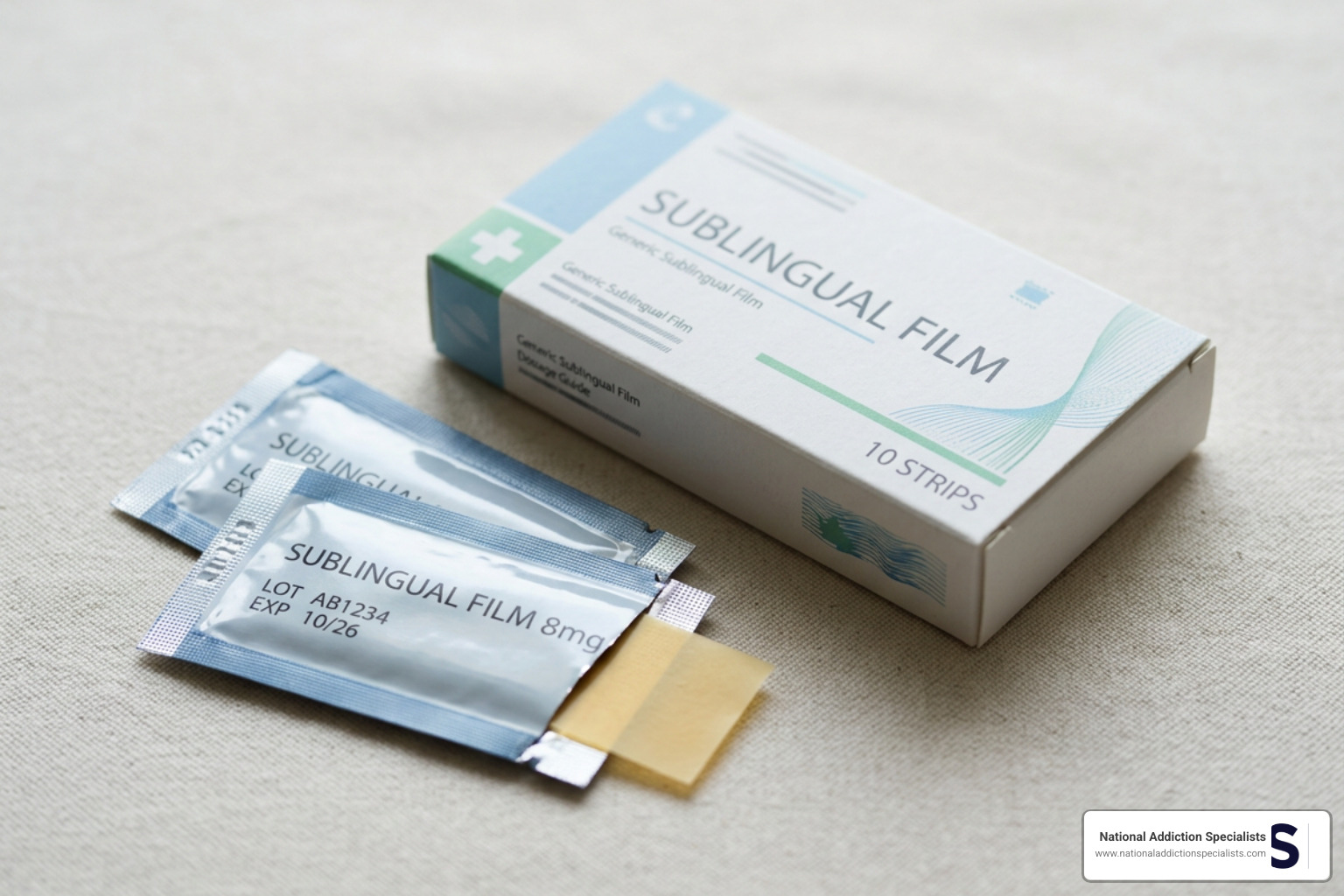
To understand why Suboxone is not a primary treatment for alcohol withdrawal, we first need to look at what Suboxone actually is. Suboxone is a prescription medication designed specifically to treat opioid use disorder (OUD). It is formulated as a sublingual film or tablet that dissolves under the tongue.
The medication is a combination of two active ingredients:
- Buprenorphine: A partial opioid agonist.
- Naloxone: An opioid antagonist.
Buprenorphine binds to the same mu-opioid receptors in the brain that are targeted by full opioids like heroin, oxycodone, or fentanyl. However, because it is only a partial agonist, it does not produce the same intense “high” or euphoria when taken as prescribed. Instead, it satisfies the brain’s physical dependence, keeping cravings and painful withdrawal symptoms at bay.
Furthermore, buprenorphine features a unique “ceiling effect.” This means that after a certain dosage, its effects plateaus. Taking more of the medication will not increase its respiratory-depressant or euphoric effects, making it significantly safer and less prone to fatal overdose than full opioids.
To learn more about how this medication is utilized in clinical settings, you can read More info on opioid addiction treatment.
The Role of Buprenorphine and Naloxone in Opioid Dependence
The pairing of buprenorphine and naloxone is a deliberate, highly effective design to deter misuse. While buprenorphine works on the mu-opioid receptors to prevent withdrawal and reduce cravings, naloxone acts as a safeguard.
Naloxone is an opioid antagonist (blocker). When Suboxone is taken correctly under the tongue, very little naloxone enters the bloodstream, allowing the buprenorphine to do its job. However, if someone attempts to crush and inject or snort the film to get high, the naloxone rapidly enters the bloodstream, blocks the opioid receptors, and precipitates immediate, severe withdrawal symptoms.
Because of its long-acting nature, Suboxone is typically prescribed for once-daily dosing. This stability helps individuals break the daily cycle of seeking and using illicit substances, allowing them to focus on rebuilding their lives.
Despite its safety profile, buprenorphine must still be managed carefully by medical professionals. Public health data indicates that emergency room visits due to the misuse of buprenorphine skyrocketed from about 4,400 cases in 2006 to over 21,000 in 2011, with the highest numbers seen in young adults aged 18 to 25. This underscores the absolute necessity of obtaining and taking this medication under strict, professional medical supervision.
Can You Use Suboxone for Alcohol Withdrawal?
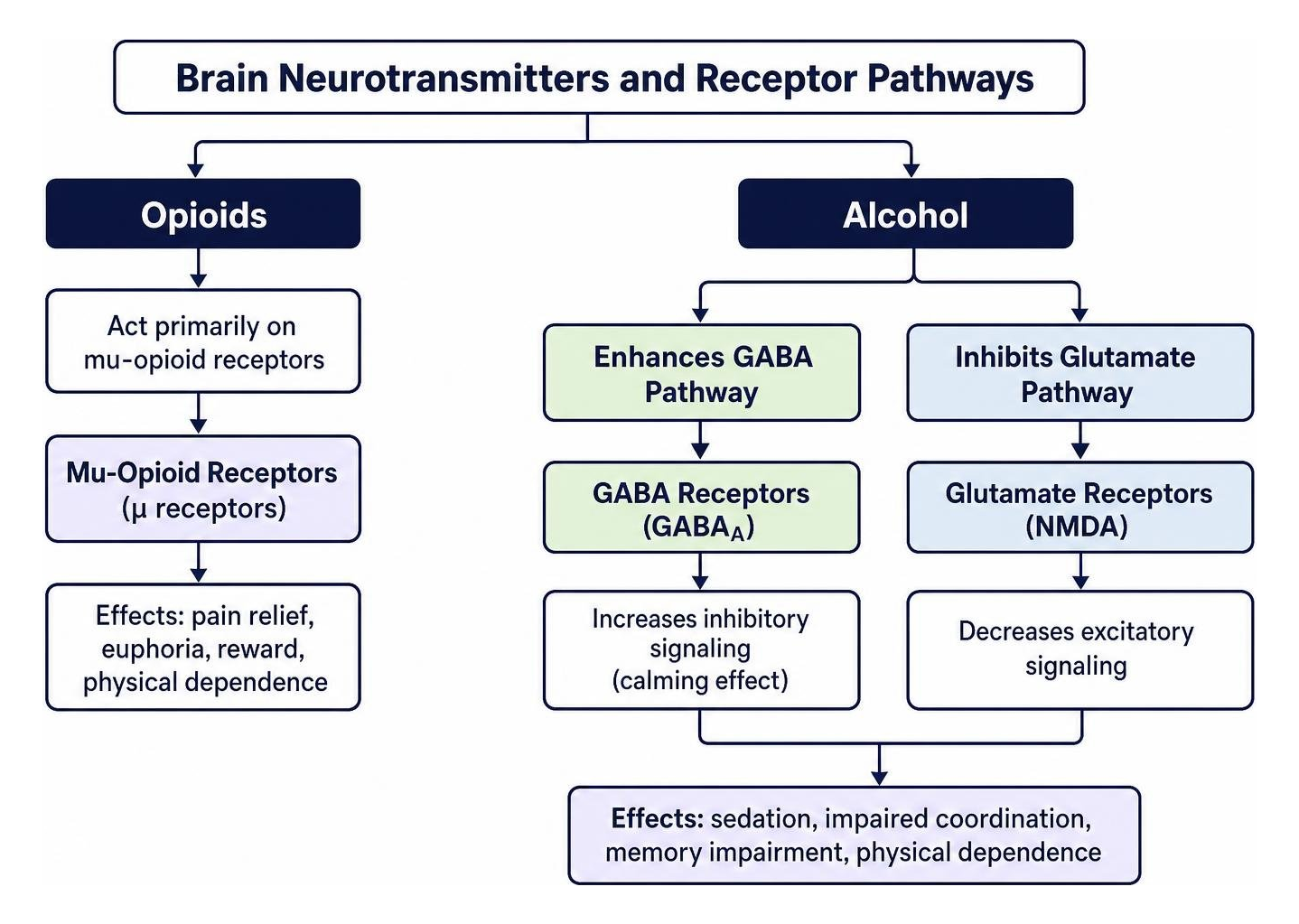
The short answer is no. You cannot use Suboxone as a direct treatment for alcohol withdrawal. To understand why, we have to look at the underlying neurobiology of addiction.
Opioids and alcohol affect entirely different systems in the brain:
- Opioids act primarily on the mu-opioid receptors.
- Alcohol acts primarily on the GABA (gamma-aminobutyric acid) and glutamate pathways.
Alcohol is a central nervous system depressant that enhances GABA (the brain’s primary inhibitory neurotransmitter, which calms things down) and suppresses glutamate (the brain’s primary excitatory neurotransmitter, which speeds things up). When someone drinks heavily over a long period, the brain adapts by turning down its natural GABA sensitivity and ramping up its glutamate receptors to keep the body functioning.
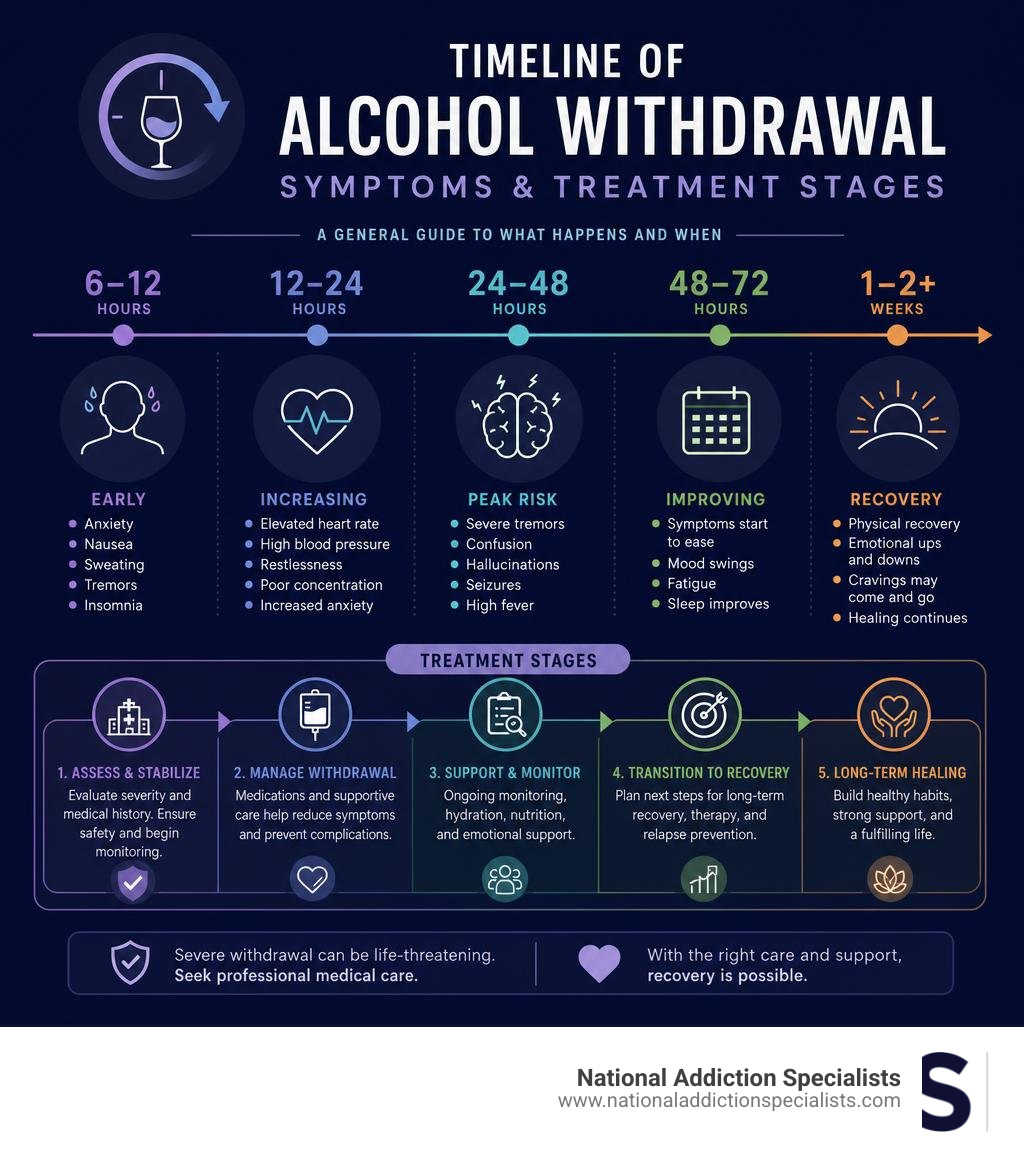
When alcohol is suddenly removed, the brain is left in a hyper-excited state. This sudden imbalance causes the classic symptoms of alcohol withdrawal: tremors, severe anxiety, sweating, rapid heart rate, and in severe cases, life-threatening seizures and delirium tremens (DTs).
Because Suboxone targets opioid receptors rather than GABA or glutamate pathways, it does nothing to correct this dangerous neurological imbalance. For a deeper breakdown of this concept, you can read the article Does Suboxone help with alcohol withdrawal?.
Why Suboxone for Alcohol Withdrawal is Not FDA-Approved
The Food and Drug Administration (FDA) has strict, evidence-based indications for medications. Suboxone is FDA-approved solely for the treatment of opioid use disorder. It has no approved indication for treating standalone alcohol withdrawal or alcohol use disorder.
Using Suboxone to treat alcohol detox is medically inappropriate because it lacks efficacy for alcohol-related symptoms. Attempting to use it as a standalone detox tool is incredibly dangerous; it will not stop the hyper-excitability of the central nervous system, leaving the patient fully exposed to the risk of severe seizures or cardiovascular collapse. You can read more about how this process unfolds in our guide on How alcohol withdrawal affects the body.
Off-Label Research on Suboxone for Alcohol Withdrawal
While Suboxone is not a treatment for alcohol withdrawal, researchers have investigated how buprenorphine (the main ingredient in Suboxone) interacts with alcohol consumption. Interestingly, animal studies have revealed that buprenorphine has a complex, “dualistic” effect on alcohol intake depending on the dosage:
- Low Doses: In animal models, low doses of buprenorphine actually increased alcohol consumption. This is believed to occur because low doses stimulate the mu-opioid receptors, which can enhance the rewarding, euphoric feelings associated with drinking.
- High Doses: Conversely, higher doses of buprenorphine have been shown to reduce alcohol drinking. This reduction is mediated by buprenorphine’s ability to activate the nociceptin/orphanin FQ (NOP) receptor system, which helps regulate stress and reward pathways.
While this pharmacological mechanism is fascinating, it has not translated into human clinical applications for treating standalone alcoholism. There is a lack of robust human clinical trials supporting this use, and the risks of using an opioid-based medication off-label for alcohol treatment generally outweigh any theoretical benefits.
In some European countries, other unique medications are used for this purpose. For example, research has explored Sodium Oxybate (SMO) as Part of Agonist Opioid Treatment in Alcohol–Heroin-Addicted Patients, demonstrating how target therapies can manage dual addictions. However, in the United States, we rely on distinct, FDA-approved pathways for alcohol recovery, which we explore in detail below. For more context on the ongoing research surrounding this topic, you can read Suboxone And Alcoholism: Exploring Its Role In Addiction Treatment | CyAlcohol.
Evidence-Based Treatments for Alcohol Withdrawal Syndrome (AWS)
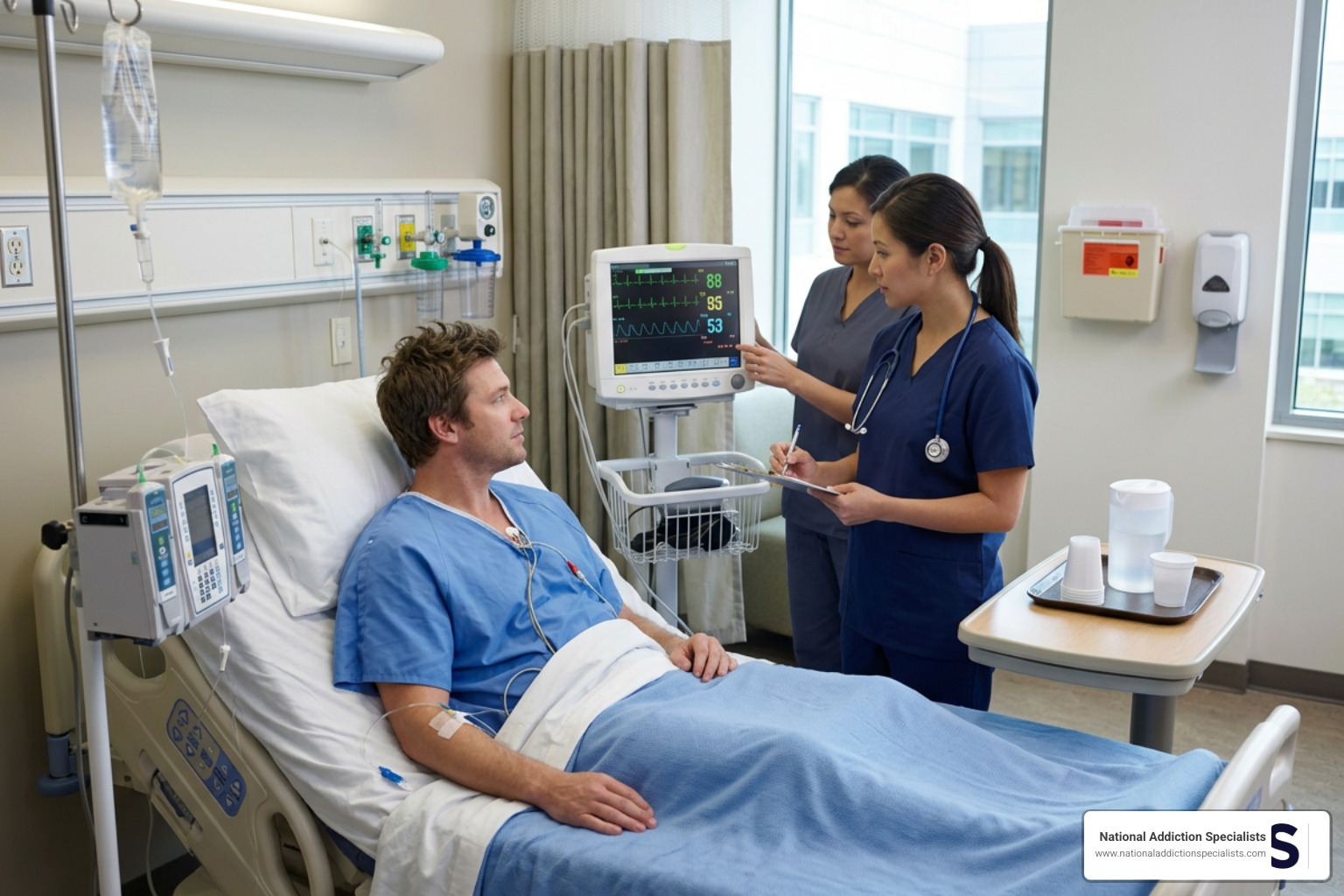
Because alcohol withdrawal can be physically dangerous—and in up to 5% of severe cases, fatal—it must be managed using established, evidence-based medical protocols. If you or a loved one is preparing to stop drinking, it is vital to know the warning signs and seek professional help.
For a comprehensive overview, please consult our resources on Understanding the signs of alcohol withdrawal and our step-by-step manual on Managing severe alcohol withdrawal.
Benzodiazepines and Gabapentin for Acute Detox
During the acute phase of detox (usually the first 3 to 7 days), the primary clinical goal is to keep the patient safe, comfortable, and seizure-free.
- Benzodiazepines: Medications like diazepam (Valium), lorazepam (Ativan), or chlordiazepoxide (Librium) are the gold standard for acute alcohol withdrawal. Because benzodiazepines act on the same GABA-A receptors as alcohol, they exhibit “cross-tolerance.” This allows doctors to safely substitute a controlled dose of a benzodiazepine for the missing alcohol, gradually tapering the dose down over several days to gently calm the nervous system and prevent seizures.
- Gabapentin: While not a first-line treatment for severe withdrawal, gabapentin is frequently used off-label as an adjunctive (supportive) therapy. It helps stabilize glutamate and GABA activity, making it highly effective at relieving mild withdrawal symptoms, reducing post-acute anxiety, and restoring normal sleep. You can read more about how withdrawal impacts sleep in our article on the Impact of withdrawal on sleep.
FDA-Approved Medications for Long-Term Alcohol Use Disorder
Once acute detoxification is complete, the focus shifts to preventing relapse and managing long-term cravings. The FDA has approved three specific medications for the long-term management of Alcohol Use Disorder (AUD):
| Medication | Brand Name | How It Works | Key Clinical Considerations |
|---|---|---|---|
| Naltrexone | ReVia, Vivitrol | Blocks mu-opioid receptors to reduce the pleasurable “buzz” of alcohol and curb cravings. Available as a daily pill or monthly injection. | Patient must be fully detoxed from opioids before starting to avoid sudden opioid withdrawal. |
| Acamprosate | Campral | Restores the balance between GABA and glutamate systems in a brain recovering from chronic alcohol use. | Taken three times daily; highly effective for maintaining abstinence in those who have already quit. |
| Disulfiram | Antabuse | Blocks the enzyme that metabolizes alcohol, causing an immediate build-up of acetaldehyde if any alcohol is consumed. | Causes severe vomiting, headache, and flushing if the patient drinks; serves as a strong psychological deterrent. |
To understand how chronic alcohol use alters the body over time and why these long-term therapies are so valuable, you can read about the Long-term effects of alcohol addiction.
The Dangers of Mixing Suboxone and Alcohol
One of the most critical safety warnings we give to our patients at National Addiction Specialists is this: never mix Suboxone and alcohol.
Both Suboxone (specifically the buprenorphine component) and alcohol are powerful central nervous system (CNS) depressants. When taken individually, they slow down brain activity, reduce anxiety, and cause mild sedation. When combined, however, they do not just add together—their effects multiply.
For a complete breakdown of why this combination is so hazardous, please read our dedicated guide on the Dangers of mixing Suboxone and alcohol.
Respiratory Depression and Central Nervous System Risks
The primary risk of combining these two substances is severe respiratory depression. This occurs when the brain’s respiratory center “forgets” to tell the lungs to breathe. The synergistic sedative effects of alcohol and buprenorphine can cause breathing rates to drop to dangerously low levels, potentially leading to hypoxia (lack of oxygen to the brain), coma, or death.
Additionally, both substances are metabolized by the liver, primarily utilizing the cytochrome P450 enzyme system. When the liver is forced to process both alcohol and Suboxone simultaneously, clearance rates can slow down, leading to toxic accumulations of both substances in the bloodstream. For more detailed pharmacological insights, you can review the Research on alcohol and Suboxone interactions.
Managing Co-Occurring Opioid and Alcohol Use Disorders
What happens when an individual struggles with a “dual diagnosis” of both opioid use disorder and alcohol use disorder? This scenario, known as polysubstance use, is incredibly common but requires highly coordinated, professional care.
In clinical practice, we must address these dependencies sequentially or through integrated care models:
- Address the Alcohol First: Because alcohol withdrawal carries an acute risk of life-threatening seizures, the physical detox from alcohol must be managed first, typically using benzodiazepines in a supervised setting.
- Stabilize the Opioid Use Disorder: Once the patient is safely through the acute stages of alcohol detox, we can introduce or stabilize their Suboxone therapy to manage their opioid addiction.
- Comprehensive Long-Term Support: Ongoing recovery must include behavioral therapy, peer support, and close medical monitoring to prevent the “see-saw” effect, where a patient stops using opioids only to increase their alcohol consumption, or vice versa.
Frequently Asked Questions About Alcohol Withdrawal
Does Suboxone help with alcohol cravings?
No, Suboxone does not directly reduce alcohol cravings. Suboxone acts on the brain’s opioid receptors to manage opioid cravings and withdrawal. Because alcohol cravings are primarily driven by different chemical pathways (such as GABA, glutamate, and dopamine), Suboxone is ineffective for this purpose. If you are struggling with alcohol cravings, FDA-approved medications like naltrexone or acamprosate are far more effective and clinically appropriate options.
What is the drug of choice for alcohol withdrawal?
The clinical drugs of choice for managing acute alcohol withdrawal are benzodiazepines, such as diazepam (Valium) or lorazepam (Ativan). These medications work on the GABA-A receptors in the brain, effectively mimicking the calming effects of alcohol to prevent severe withdrawal symptoms, extreme anxiety, and life-threatening seizures. They are safely tapered off under medical supervision once the acute withdrawal phase has passed.
Can you take Suboxone if you have recently consumed alcohol?
No, it is highly unsafe to take Suboxone if you have recently consumed alcohol. Because both are central nervous system depressants, combining them in your system dramatically increases the risk of severe sedation, profound respiratory suppression, coma, and accidental overdose. Always consult your healthcare provider to ensure your system is completely clear of alcohol before taking or adjusting your Suboxone medication.
Conclusion
At National Addiction Specialists, we believe that recovery should fit into your life, not disrupt it. We provide convenient, confidential, telemedicine-based Suboxone treatment for opioid use disorder, allowing you to access personalized recovery plans right from the comfort and safety of your home.
Our expert medical providers specialize in medication-assisted treatment (MAT) and comprehensive counseling, serving patients across Tennessee (including our Brentwood location) and Virginia (including our Virginia Beach location). We are proud to accept Medicaid and Medicare, ensuring that high-quality, compassionate addiction care is accessible to those who need it most.
If you or a loved one is ready to take the first step toward a healthier, substance-free future, we are here to help.
Start your recovery journey today
Make an Appointment to Treat Addiction Please don’t hesitate. Make an appointment today. Make an Appointment
This article was medically reviewed by: Chad Elkin, MD, DFASAM is a board-certified addiction medicine physician, founder, and Chief Medical Officer of National Addiction Specialists, dedicated to treating substance use disorders. A Distinguished Fellow of the American Society of Addiction Medicine (ASAM), Dr Elkin currently serves as President of the Tennessee Society of Addiction Medicine (TNSAM) and has held various leadership roles within the organization. Dr Elkin chairs ASAM’s Health Technology Subcommittee and is an active member of its Practice Management and Regulatory Affairs Committee, State Advocacy and Legislative Affairs Committee, and other committees. He also serves on the planning committee for the Vanderbilt Mid-South Addiction Conference. Committed to advancing evidence-based policy, Dr Elkin is Chairman of the Tennessee Association of Alcohol, Drug, & Other Addiction Services (TAADAS) Addiction Medicine Council, which collaborates with the TN Department of Mental Health & Substance Abuse Services (TDMHSAS). He has contributed to numerous local, state, and national task forces, helping develop professional guidelines, policies, and laws that align with best practices in addiction medicine. His work focuses on reducing addiction-related harm, combating stigma, and ensuring access to effective treatment. Passionate about the field of addiction medicine, he remains dedicated to shaping policy and enhancing patient care.
Suboxone® and Subutex® are a registered trademark of Indivior UK Limited. Any mention and reference of Suboxone® and Subutex® in this website is for informational purposes only and is not an endorsement or sponsorship by Indivior UK Limited.