From Hour 1 to Day 10: Your Alcohol Detox Roadmap
What to Expect: Alcohol Withdrawal Duration of Symptoms Hour by Hour
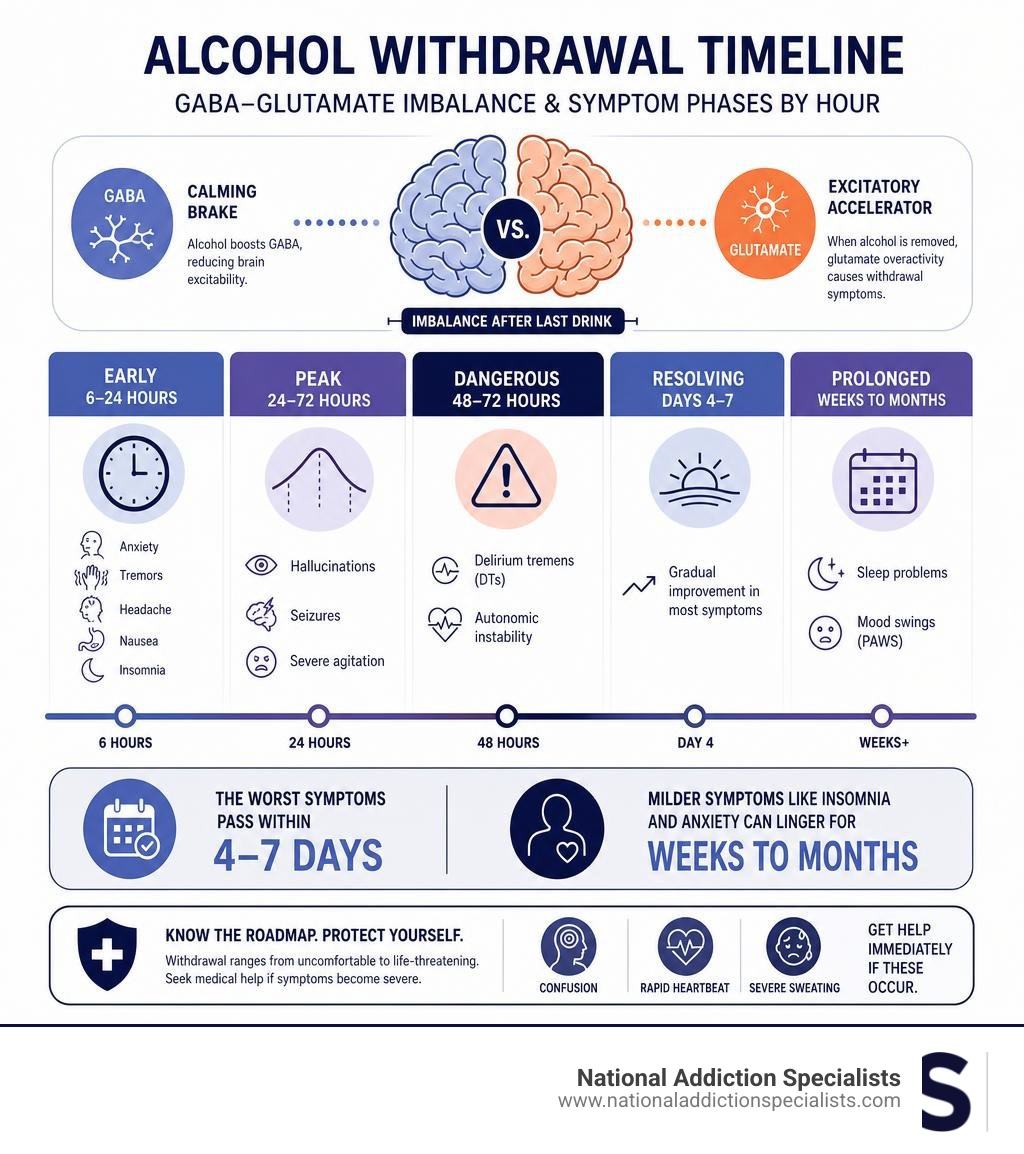
Understanding the alcohol withdrawal duration of symptoms is often the first thing people need before they can take action — so here is the short answer:
| Phase | Timeframe | Key Symptoms |
|---|---|---|
| Early | 6-24 hours after last drink | Anxiety, tremors, headache, nausea, insomnia |
| Peak | 24-72 hours after last drink | Hallucinations, seizures, severe agitation |
| Dangerous | 48-72 hours after last drink | Delirium tremens (DTs), autonomic instability |
| Resolving | Days 4-7 | Gradual improvement in most symptoms |
| Prolonged | Weeks to months | Sleep problems, mood swings (PAWS) |
For most people, the worst symptoms pass within 4 to 7 days. But for some, milder symptoms like insomnia and anxiety can linger for weeks or even months.
About 50% of people with alcohol use disorder experience withdrawal when they stop or significantly cut back on drinking. Most cases are manageable — but some can turn life-threatening without warning. That gap between “uncomfortable” and “dangerous” is why knowing the roadmap matters.
This guide walks you through the full timeline, from your first few hours after your last drink all the way through recovery — so you know what is normal, what is a red flag, and when to call for help.
I’m Chad Elkin, MD, board-certified in Addiction Medicine and founder of National Addiction Specialists, and I have spent years helping patients navigate the alcohol withdrawal duration of symptoms safely through evidence-based, medically supervised care. The timeline and risks you will read about here reflect both the clinical literature and what I see in practice every day.
Easy alcohol withdrawal duration of symptoms glossary:
- alcohol withdrawal anxiety relief
- alcohol withdrawal headache duration
- post acute alcohol withdrawal
The Science Behind Why Your Body Reacts to Quitting
To understand why the alcohol withdrawal duration of symptoms unfolds the way it does, we have to look at the delicate chemistry of the brain. Alcohol is a powerful central nervous system (CNS) depressant. When you drink regularly, your brain adapts to keep you functioning. It does this by altering two primary neurotransmitters: GABA (gamma-aminobutyric acid) and glutamate.
Think of GABA as the brain’s natural brake pedal and glutamate as the gas pedal. Because alcohol artificially enhances GABA (calming you down) and suppresses glutamate (slowing down brain activity), your brain has to compensate to keep you awake and responsive. Over time, it downregulates your natural GABA receptors and produces more glutamate receptors.
When you suddenly stop drinking, the artificial “brakes” are abruptly removed. Your brain is left with an abundance of gas pedals (glutamate) and very few working brakes (GABA). The result is a massive neurochemical rebound. Your central nervous system goes into overdrive, leading to the physical and psychological symptoms of withdrawal.
For a deeper dive into this chemical tug-of-war, you can read our guide on Why Your Body Throws a Tantrum When You Quit Drinking. This sudden hyper-excitability of the nervous system is the biological engine behind every symptom, from a mild hand tremor to life-threatening seizures. Researchers exploring the neurobiological mechanisms of alcohol withdrawal have documented how this profound imbalance directly causes the autonomic instability, anxiety, and physical discomfort experienced during detox.
The Complete Timeline and Alcohol Withdrawal Duration of Symptoms
Going through detox can feel like navigating an unpredictable storm. Fortunately, the human body follows a relatively structured pattern as it clears alcohol from its system and begins to restore balance.
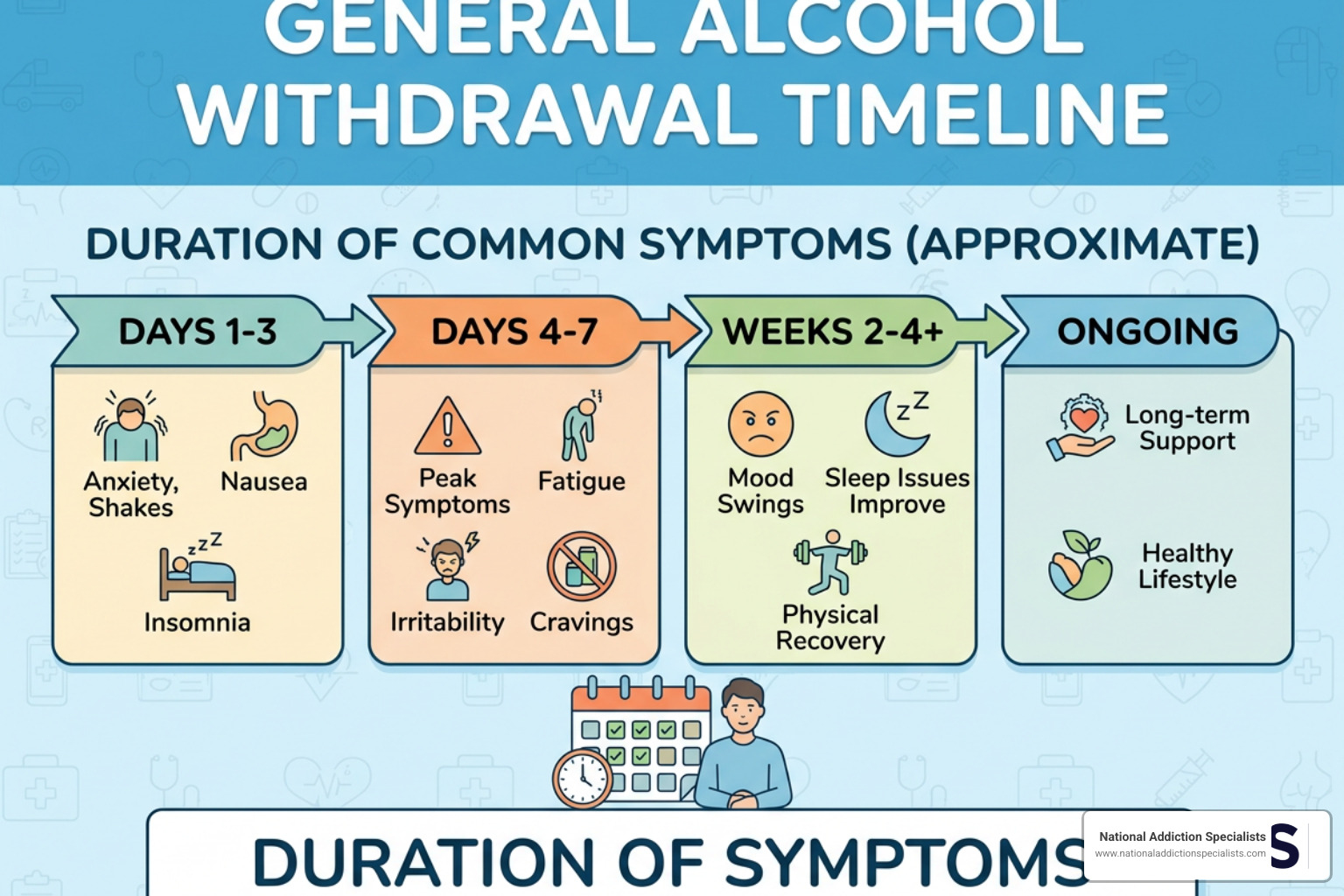
Understanding this sequence helps take the fear of the unknown out of the equation. Clinical studies on the clinical manifestations and course of alcohol withdrawal show that while every individual’s journey is unique, the physical and mental symptoms generally peak and resolve within predictable windows.
Early Stages: Hour 6 to 24
For most people, the first signs of withdrawal begin while there is still a small amount of alcohol in the bloodstream. Within 6 to 12 hours of your last drink, the initial wave of minor symptoms typically sets in.
You may experience:
- A mild to moderate tremor in your hands (“the shakes”)
- An increase in heart rate and blood pressure
- Mild sweating and a persistent headache
- Nausea, loss of appetite, or an upset stomach
- Insomnia and difficulty settling down
Alongside these physical sensations, psychological symptoms like irritability and intense anxiety are incredibly common. If you find yourself struggling with overwhelming worry during this phase, check out our resource on more info on post-drinking anxiety to understand how your brain chemistry is driving these feelings.
Peak Phase: Hour 24 to 72
The peak phase is where the alcohol withdrawal duration of symptoms becomes most intense. Between 24 and 72 hours after your last drink, the nervous system hyper-excitability reaches its maximum.
During this critical window, you are likely to experience autonomic hyperactivity, which manifests as heavy sweating, rapid breathing, a racing heart, and dilated pupils. For some, this phase also brings visual, auditory, or tactile hallucinations (known as alcohol hallucinosis). Unlike delirium tremens, people experiencing alcohol hallucinosis are usually aware that the hallucinations are not real, but they remain highly distressing.
According to the Cleveland Clinic’s overview of alcohol withdrawal symptoms and timeline, symptoms typically peak within this 24 to 72-hour window before beginning to gradually subside. However, this is also the period where the risk for severe complications, such as withdrawal seizures, is at its absolute highest.
Mild vs. Severe Cases: How Severity Impacts Timeline
The overall timeline and the specific alcohol withdrawal duration of symptoms you experience will depend heavily on the severity of your physical dependence. Clinicians categorize withdrawal into mild, moderate, and severe stages using validated tools like the Clinical Institute Withdrawal Assessment for Alcohol (CIWA-Ar) scale.
| Severity Category | CIWA-Ar Score | Typical Duration | Primary Symptoms | Recommended Care Setting |
|---|---|---|---|---|
| Mild | 8 or less | 3 to 5 days | Mild tremors, mild anxiety, headache, insomnia, stomach upset | Outpatient with daily check-ins or telehealth monitoring |
| Moderate | 9 to 15 | 5 to 7 days | Pronounced tremors, moderate anxiety, sweating, rapid heart rate, mild confusion | Close medical supervision, potentially outpatient with medication |
| Severe | Greater than 15 | 7 to 10+ days | Severe tremors, extreme agitation, hallucinations, seizures, Delirium Tremens (DTs) | Inpatient hospitalization or intensive care unit (ICU) |
Several factors influence which path your body will take. These include how long you have been drinking heavily, the daily volume of alcohol consumed, your age, your overall physical health, and whether you are using other substances.
Another critical factor is the “kindling effect.” This is a physiological phenomenon where successive episodes of withdrawal become progressively more severe. If you have gone through detox multiple times in the past, your brain becomes more sensitive to the process, lowering your seizure threshold and increasing the likelihood of severe symptoms. For a broader look at how this compares to other substances, you can review our overview of general drug withdrawal symptoms.
Mild Alcohol Withdrawal Duration of Symptoms
In mild cases, the withdrawal process is relatively short and straightforward. Symptoms usually begin to improve by day 4 or 5, and most physical discomfort is entirely gone by the end of the first week.
Because the risk of severe complications is low, individuals with mild withdrawal can often be safely monitored in an outpatient setting. This typically involves daily check-ins with a healthcare provider, either in person or via telemedicine, to monitor vital signs, assess symptoms, and ensure that recovery is progressing safely.
Severe Alcohol Withdrawal Duration of Symptoms
Severe cases of alcohol withdrawal follow a much more intense and prolonged timeline. Symptoms can easily persist for 10 days or longer, and the risk of life-threatening complications is high.
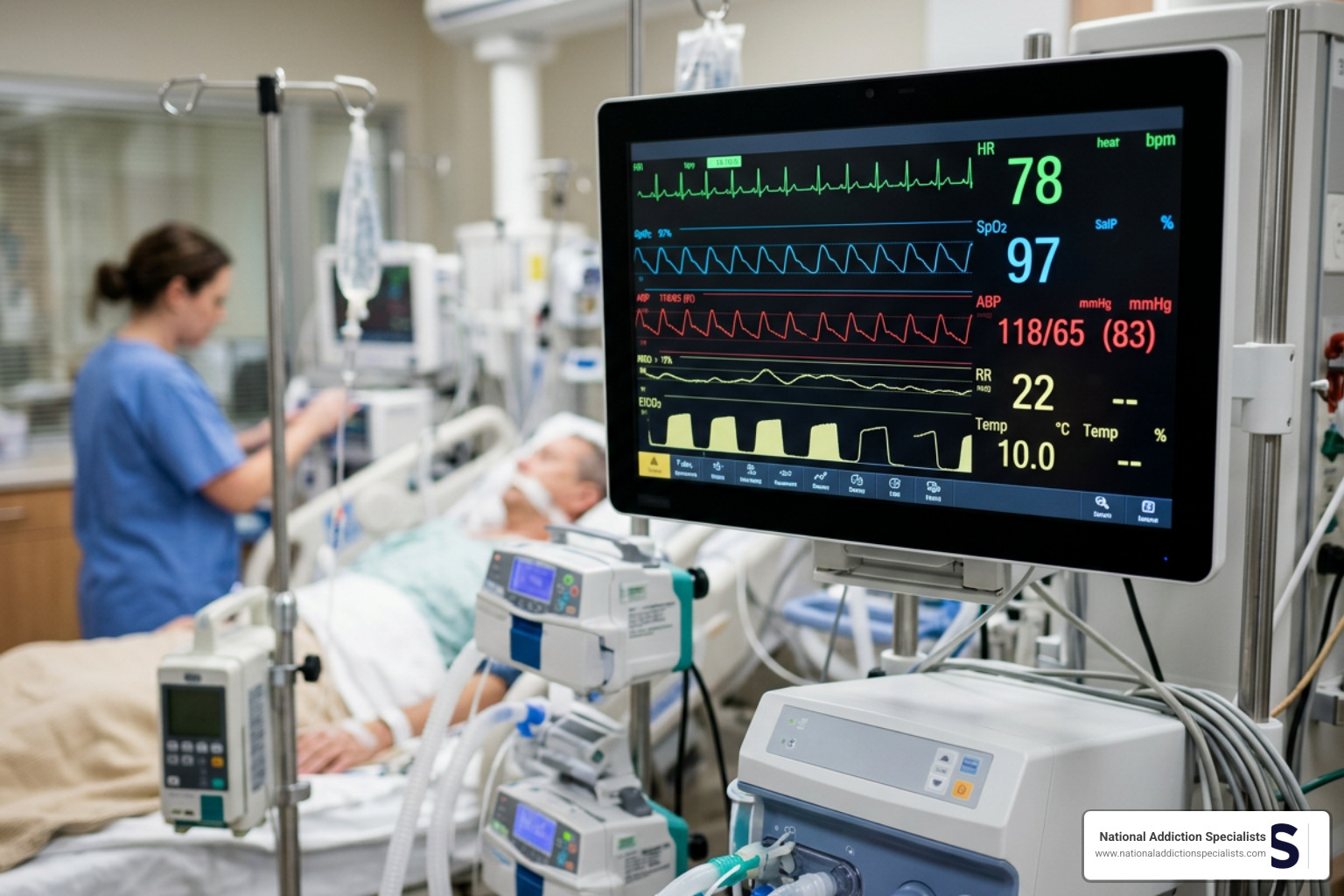
Because of these risks, severe withdrawal requires immediate inpatient admission or intensive care monitoring. In a hospital setting, medical teams can provide continuous intravenous fluids, monitor heart rhythms, and administer high-dose medications to keep the nervous system stable. If you or a loved one are preparing for this journey, please read A Guide to Surviving and Treating Severe Alcohol Withdrawal to learn more about how medical professionals keep patients safe during severe detox.
The Dangerous Peaks: Seizures and Delirium Tremens
While many withdrawal symptoms are simply uncomfortable, there are two major complications that represent true medical emergencies: withdrawal seizures and Delirium Tremens (DTs).
Withdrawal seizures typically occur between 12 and 48 hours after the last drink. These are usually generalized tonic-clonic (“grand mal”) seizures, and they can occur even in people who have no history of epilepsy. The risk is highest for those who have experienced withdrawal seizures in the past.
Delirium Tremens (DTs) is the most severe and dangerous form of alcohol withdrawal, occurring in about 3% to 5% of individuals who experience withdrawal. DTs typically emerge between 48 and 72 hours after the last drink, though they can sometimes start up to 5 days later.
Symptoms of Delirium Tremens include:
- Sudden, severe confusion and disorientation
- Vivid, terrifying hallucinations
- Extreme agitation and tremors
- Autonomic instability (dangerous spikes in blood pressure, heart rate, and body temperature)
- Excessive sweating and fever
Historically, DTs carried a mortality rate of up to 20%. Thanks to modern intensive care and advanced treatment protocols, that rate has dropped to around 1% to 5% in clinical settings. However, it remains a critical emergency. As detailed in the StatPearls clinical guide on alcohol withdrawal syndrome, rapid medical intervention is the single most important factor in preventing fatal outcomes from autonomic instability during DTs.
Medical Management and Safe Detox Strategies
Because of the unpredictable nature of the alcohol withdrawal duration of symptoms, professional medical management is always the safest approach to detox. Doctors use a combination of supportive care and targeted medications to ease discomfort, stabilize the central nervous system, and prevent severe complications.
The cornerstone of medical detox is benzodiazepine therapy. Medications like diazepam, chlordiazepoxide, or lorazepam act on the same GABA receptors as alcohol, effectively “tricking” the brain into thinking it is still receiving a depressant. This prevents the dangerous glutamate-driven overexcitation, dramatically lowering the risk of seizures and DTs.
In addition to sedatives, medical management involves:
- Intravenous or Oral Hydration: Correcting severe dehydration and balancing electrolytes like magnesium, potassium, and phosphate.
- High-Dose Thiamine (Vitamin B1) Administration: Heavy alcohol use severely depletes thiamine. Administering thiamine before any glucose is crucial to prevent Wernicke’s encephalopathy, a reversible but highly dangerous neurological disorder that can lead to permanent brain damage (Korsakoff’s syndrome).
- Comfort Medications: Using anti-nausea medications, mild pain relievers for headaches, and beta-blockers or clonidine to help stabilize blood pressure and heart rate.
The NICE clinical guidelines on acute alcohol withdrawal emphasize that structured, medically supervised protocols not only save lives but also significantly reduce the overall duration and severity of acute symptoms.
When to Seek Emergency Medical Care
If you or someone you know is attempting to cut back or stop drinking and experiences any of the following symptoms, seek emergency medical care immediately:
- A body temperature over 101°F (high fever)
- Extreme confusion, disorientation, or an inability to recognize familiar people or surroundings
- Seeing, hearing, or feeling things that are not there (hallucinations)
- Any seizure activity, even if it lasts only a few seconds
- Severe chest pain, irregular heartbeat, or extreme difficulty breathing
Make an Appointment to Treat Addiction
Please don’t hesitate. Make an appointment today. Click here to access our New Patient Packet and start your recovery journey.
Beyond the Acute Phase: Post-Acute Withdrawal Syndrome (PAWS)
While the physical symptoms of acute withdrawal usually resolve within a week, the brain’s healing process is far from complete. Many individuals experience a second phase of recovery known as Post-Acute Withdrawal Syndrome (PAWS), or protracted withdrawal.
PAWS occurs because the brain’s neurotransmitter systems take time to recalibrate after months or years of heavy alcohol use. Unlike the physical storm of acute detox, PAWS is primarily characterized by psychological and emotional symptoms.
Common symptoms of PAWS include:
- Persistent sleep disturbances and vivid dreams about drinking
- Frequent mood swings, irritability, and unprovoked anxiety
- Anhedonia (an inability to feel pleasure from everyday activities)
- Cognitive difficulties, such as poor concentration and memory lapses
- Fluctuating cravings for alcohol
PAWS symptoms can last for weeks, months, or in some cases, up to a year. They tend to come and go in waves, often triggered by stress, fatigue, or environmental cues. Understanding that PAWS is a normal, temporary part of the brain’s healing process is vital for long-term sobriety.
For a comprehensive guide on navigating this phase, explore our resources on Post-Acute Withdrawal Syndrome guide. Additionally, the Merck Manual on alcohol toxicity and withdrawal notes that managing these long-term emotional fluctuations with professional support is one of the most effective ways to prevent relapse during early recovery.
Frequently Asked Questions about Alcohol Withdrawal
How long does the worst part of alcohol withdrawal last?
For the vast majority of people, the most intense and uncomfortable part of alcohol withdrawal occurs during the peak phase, which takes place between 24 and 72 hours after the last drink. During this time, physical symptoms like tremors, sweating, rapid heart rate, and severe anxiety reach their height. After the 72-hour mark, these acute symptoms typically begin to show gradual, steady improvement, with most physical discomfort resolving by day 5 to 7.
Can you safely detox from alcohol at home?
Detoxing from alcohol at home is only safe for individuals with mild dependence who have been cleared by a healthcare professional. Because alcohol withdrawal can escalate from mild anxiety to life-threatening seizures or delirium tremens without warning, attempting to go “cold turkey” alone without medical supervision is highly discouraged. For residents in Tennessee and Virginia, telemedicine-based medical monitoring and professional support can provide a safe, structured way to navigate mild to moderate recovery from the comfort of home.
How does alcohol withdrawal compare to other substances?
Alcohol is one of the very few substances—alongside benzodiazepines—where the withdrawal process itself can be directly life-threatening due to severe central nervous system overstimulation. In contrast, while withdrawal from other substances can be incredibly painful and distressing, it rarely carries the same immediate risk of fatal seizures or severe cardiovascular collapse. You can read our detailed comparison on opioid withdrawal symptoms comparison to see how different substance withdrawal profiles impact the body.
Conclusion
Navigating the alcohol withdrawal duration of symptoms is a challenging but incredibly rewarding first step toward a healthier, alcohol-free life. While the timeline can feel intimidating, knowing what to expect and having professional medical support makes all the difference in ensuring your safety, comfort, and peace of mind.
At National Addiction Specialists, we are dedicated to helping individuals throughout Tennessee and Virginia reclaim their lives. Through our convenient, confidential telemedicine services, we provide personalized, expert care right from the comfort of your home. You do not have to walk this path alone.
If you or a loved one are ready to take that first step, we are here to support you every step of the way. Start your recovery journey with National Addiction Specialists today and discover a brighter, healthier future.
This article was medically reviewed by: Chad Elkin, MD, DFASAM is a board-certified addiction medicine physician, founder, and Chief Medical Officer of National Addiction Specialists, dedicated to treating substance use disorders. A Distinguished Fellow of the American Society of Addiction Medicine (ASAM), Dr Elkin currently serves as President of the Tennessee Society of Addiction Medicine (TNSAM) and has held various leadership roles within the organization. Dr Elkin chairs ASAM’s Health Technology Subcommittee and is an active member of its Practice Management and Regulatory Affairs Committee, State Advocacy and Legislative Affairs Committee, and other committees. He also serves on the planning committee for the Vanderbilt Mid-South Addiction Conference. Committed to advancing evidence-based policy, Dr Elkin is Chairman of the Tennessee Association of Alcohol, Drug, & Other Addiction Services (TAADAS) Addiction Medicine Council, which collaborates with the TN Department of Mental Health & Substance Abuse Services (TDMHSAS). He has contributed to numerous local, state, and national task forces, helping develop professional guidelines, policies, and laws that align with best practices in addiction medicine. His work focuses on reducing addiction-related harm, combating stigma, and ensuring access to effective treatment. Passionate about the field of addiction medicine, he remains dedicated to shaping policy and enhancing patient care.
Suboxone® and Subutex® are a registered trademark of Indivior UK Limited. Any mention and reference of Suboxone® and Subutex® in this website is for informational purposes only and is not an endorsement or sponsorship by Indivior UK Limited.