Everything You Should Know About Buprenorphine Hydrochloride Sublingual 2 mg and 8 mg
What Buprenorphine Hydrochloride Sublingual 8 mg Is — and Why It Matters
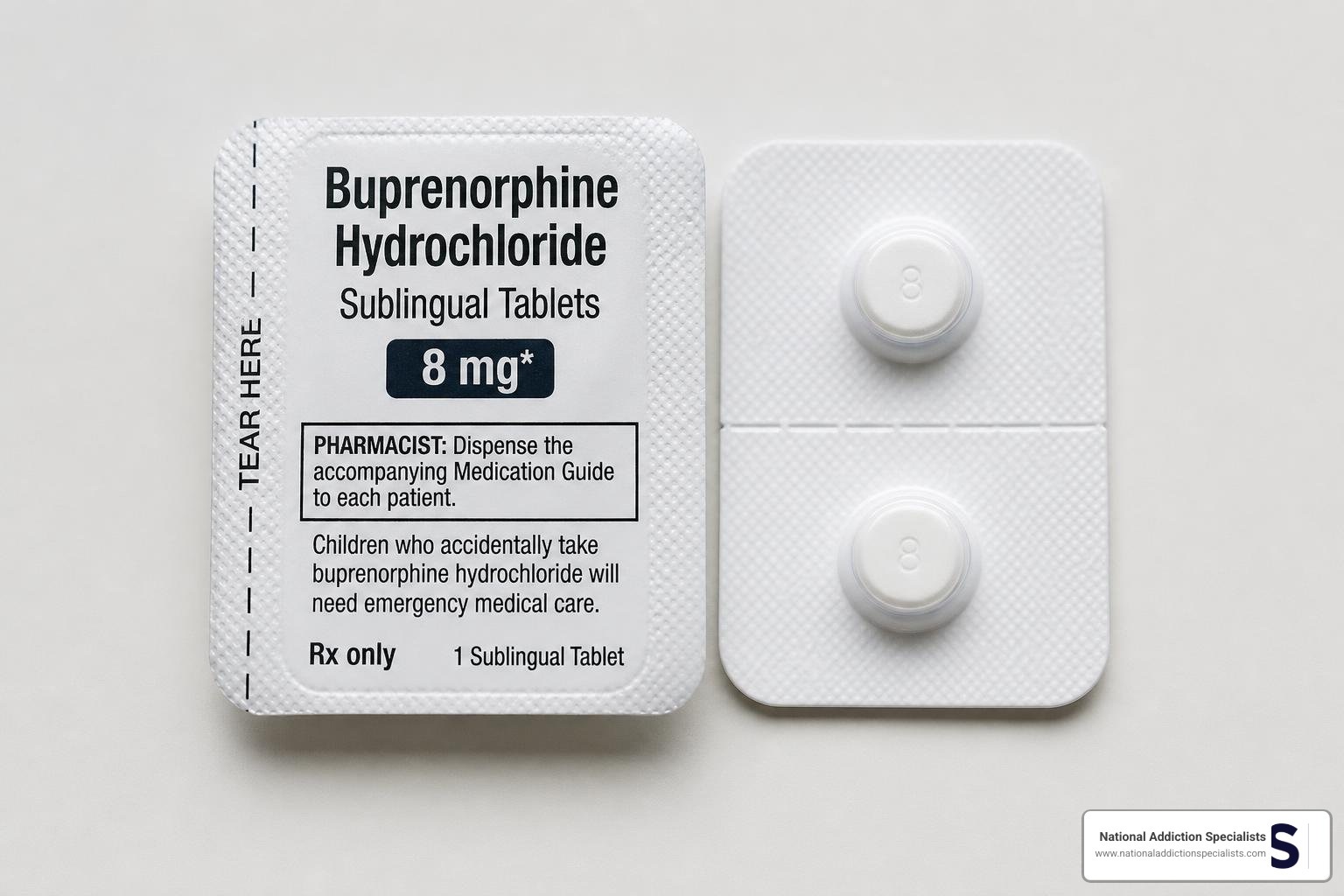
Buprenorphine hydrochloride sublingual 8 mg is a prescription tablet placed under the tongue to treat opioid use disorder (OUD) — helping reduce withdrawal symptoms and cravings as part of a full recovery plan.
Here’s what you need to know at a glance:
| Topic | Key Facts |
|---|---|
| What it is | A partial opioid agonist tablet dissolved under the tongue |
| What it treats | Opioid use disorder (OUD); also used for pain in other forms |
| How to take it | Place under tongue, dissolve fully in 5–10 minutes — don’t chew or swallow |
| Starting dose | Typically 0.8 mg to 4 mg on day 1; increased to target of 16 mg/day |
| Maximum dose | 24 mg per day |
| Controlled status | Schedule III controlled substance |
| How long it stays in your system | 5–8 days with a healthy liver; up to 12+ days with liver disease |
| Used alone or combined | Alone during induction; often switched to buprenorphine/naloxone for maintenance |
Opioid use disorder affects millions of people — and finding treatment that fits your life can feel overwhelming. The good news is that buprenorphine was the first OUD medication approved for prescribing in a regular doctor’s office, not just a specialty clinic. That means more people can get help without the barriers that once stood in the way.
This guide walks you through everything: how the medication works, how to take it safely, what side effects to watch for, and how it compares to other treatment options.
I’m Chad Elkin, MD — board-certified in Addiction Medicine and founder of National Addiction Specialists — and I’ve prescribed buprenorphine hydrochloride sublingual 8 mg to hundreds of patients across Tennessee and Virginia as part of comprehensive, telemedicine-based OUD treatment programs. Whether you’re just starting to explore your options or you’re already in treatment, this guide is designed to give you clear, trustworthy answers.
Buprenorphine hydrochloride sublingual 8 mg basics:
What is Buprenorphine Hydrochloride Sublingual 8 mg?
Buprenorphine hydrochloride sublingual 8 mg is a highly effective, FDA-approved medication designed specifically to help individuals recover from opioid dependence. Classified as a Schedule III controlled substance, it carries a lower potential for abuse and physical dependence than Schedule II opioids (such as oxycodone, fentanyl, or methadone).
Pharmacologically, it operates as a partial mu-opioid agonist and a kappa-opioid receptor antagonist. Each 8 mg sublingual tablet contains 8.62 mg of buprenorphine hydrochloride, which is chemically equivalent to exactly 8 mg of free buprenorphine. To learn more about its chemical structure and FDA guidelines, you can review the FDA prescribing information for buprenorphine hydrochloride 8mg or explore our comprehensive guide to buprenorphine HCL.
Understanding the Role of Buprenorphine Hydrochloride Sublingual 8 mg in Opioid Use Disorder
For individuals struggling with opioid addiction, the cycle of cravings and intense withdrawal symptoms can make long-term recovery feel nearly impossible. Buprenorphine serves as a cornerstone of Medication-Assisted Treatment (MAT), acting as an opioid substitution therapy.
By binding to the same brain receptors that full opioids do, it prevents the onset of severe withdrawal symptoms and quietens constant cravings. This stabilization allows patients to focus on healing, therapy, and rebuilding their lives. For a broader look at how this medication fits into a recovery plan, read our general overview of buprenorphine.
How Buprenorphine Works as a Partial Opioid Agonist
Unlike full opioid agonists (such as heroin, morphine, or methadone) which fully activate opioid receptors to produce intense euphoria and dangerous respiratory depression, buprenorphine is a partial agonist.
This partial activation means it binds tightly to the mu-opioid receptors but only activates them partially. It features a unique “ceiling effect”: after a certain dosage (typically around 16 mg to 24 mg), its opioid-like effects plateau. This ceiling effect significantly limits the risk of respiratory depression, making accidental overdose far less likely when taken as prescribed. To dive deeper into these neurological mechanisms, check out our resource on how buprenorphine works in the brain.
Dosing, Administration, and Dental Safety Guidelines

Taking buprenorphine hydrochloride sublingual 8 mg correctly is vital to ensure its safety and effectiveness. Because it must be absorbed directly through the mucous membranes under the tongue, proper sublingual administration technique is everything. For a detailed breakdown of dosing protocols, refer to our buprenorphine dosage complete guide.
Recommended Dosing for Buprenorphine Hydrochloride Sublingual 8 mg
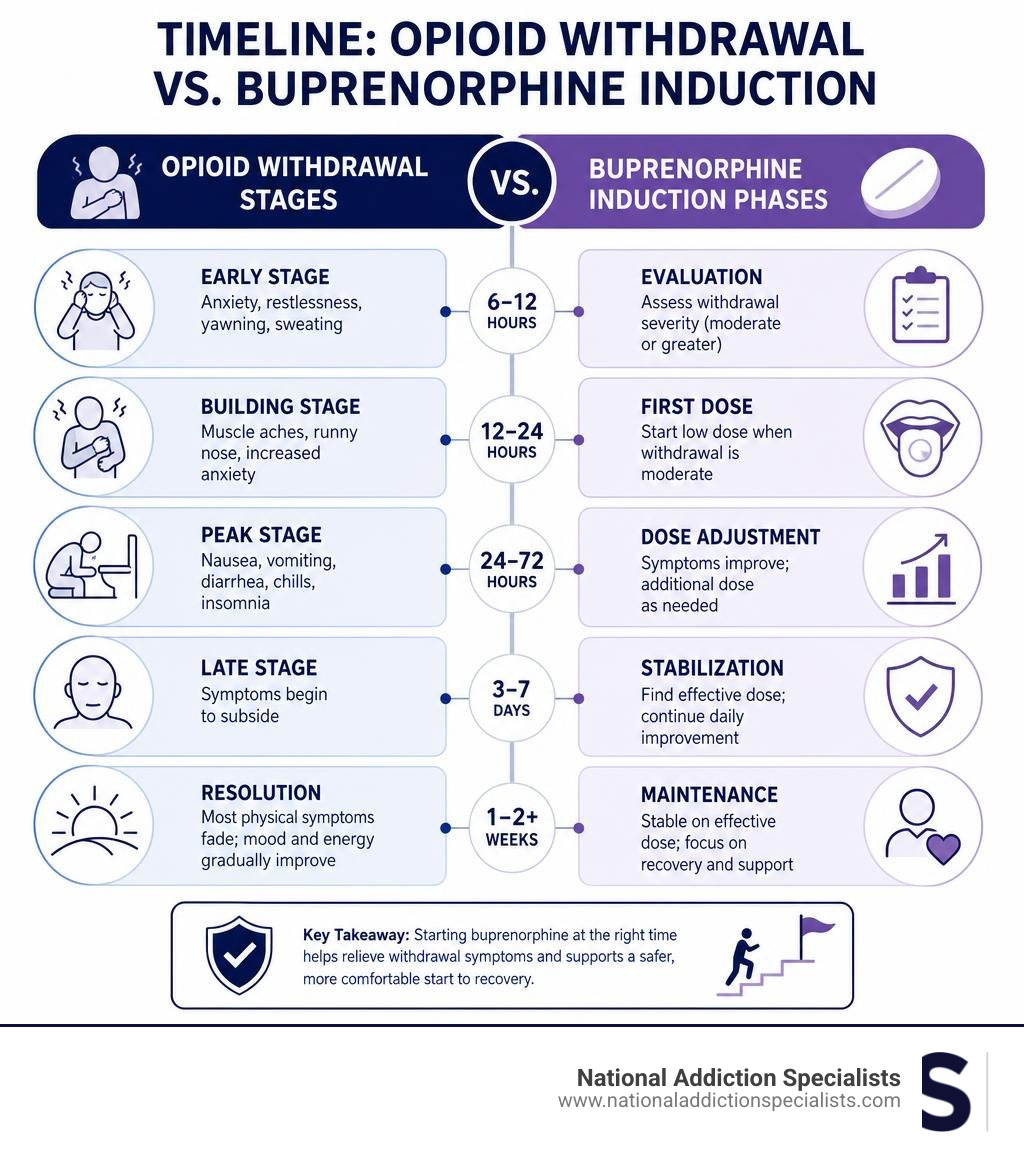
Dosing always begins under careful clinical supervision during the “induction phase.”
- Induction Phase: To avoid precipitating immediate, severe withdrawal, the first dose must only be taken when clear, objective signs of moderate opioid withdrawal are present (typically 4 to 24 hours after the last opioid use, depending on whether it was a short-acting or long-acting opioid). Initial doses usually start small, between 2 mg and 8 mg.
- Maintenance Phase: Once the patient is stabilized, the dose is titrated to a level that prevents cravings and withdrawal. The target maintenance dose is generally 16 mg daily, with a typical maintenance range of 4 mg to 24 mg per day. Clinical trials show that doses exceeding 24 mg daily offer no additional therapeutic benefit. You can read the formal clinical protocols in the clinical guidelines for buprenorphine 8 mg sublingual tablets.
Step-by-Step Sublingual Administration and Dental Care
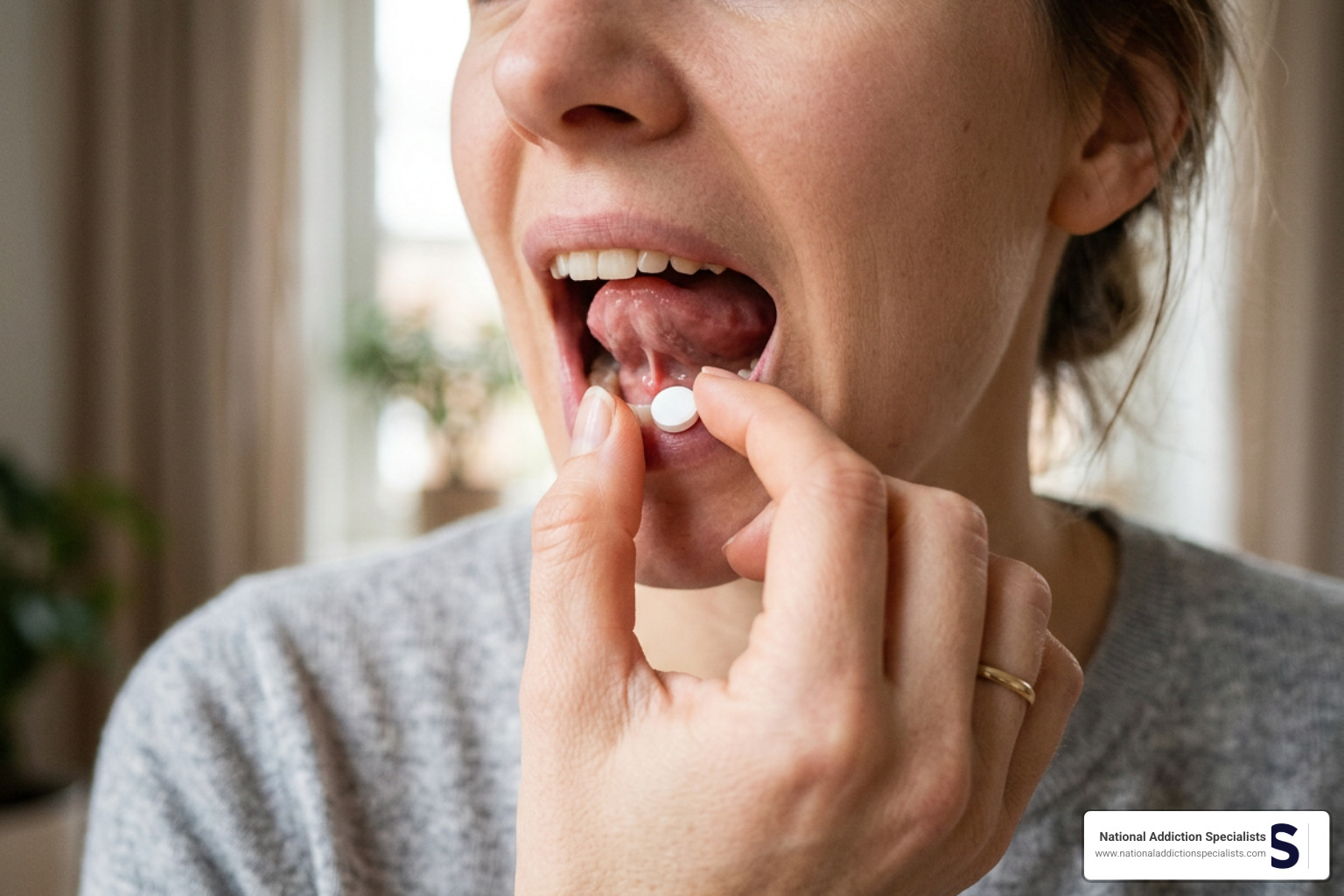
Sublingual tablets will not work if swallowed, chewed, or crushed because the digestive system breaks down the active ingredient before it can reach the bloodstream.
- Moisten Your Mouth: Sip a little water to moisten your mouth before taking the tablet.
- Place the Tablet: Put the 8 mg tablet directly under your tongue, to one side of the middle fold.
- Let It Dissolve: Keep the tablet in place for 5 to 10 minutes until it has dissolved completely. Do not talk, swallow your saliva, eat, or drink while it dissolves.
- The Post-Dissolution Rinse: Once the tablet has fully dissolved, take a sip of water, swish it gently around your teeth and gums, and then swallow. This helps rinse away any acidic residue.
- Protect Your Teeth: Do not brush your teeth for at least one hour after taking your dose to protect your tooth enamel. Regular dental visits are highly recommended during treatment.
For more patient-centered tips on daily administration, consult the Kaiser Permanente patient instructions for buprenorphine HCl 8 mg.
Side Effects, Warnings, and Drug Interactions
Like any prescription medication, buprenorphine hydrochloride sublingual 8 mg can cause side effects. Understanding these effects and knowing when to contact your provider is an essential part of a safe recovery journey.
Common and Serious Side Effects
Most side effects are mild and tend to improve as your body adjusts to the medication.
- Common Side Effects: Constipation, headaches, nausea, vomiting, sweating (hyperhidrosis), insomnia, and mild dizziness or drowsiness.
- Serious Side Effects: Though rare, serious risks include liver damage (hepatotoxicity), severe allergic reactions, QT interval prolongation (affecting heart rhythm), and severe respiratory depression.
Because of the risk of liver injury, we perform baseline liver function tests before starting therapy and monitor your liver health regularly throughout treatment. For an exhaustive list of potential reactions, see the patient information leaflet for buprenorphine 8 mg.
Key Contraindications and Dangerous Drug Interactions
Buprenorphine must be used with extreme caution alongside other substances.
- Benzodiazepines and Alcohol: Combining buprenorphine with benzodiazepines (such as Xanax or Valium), other central nervous system (CNS) depressants, or alcohol is highly dangerous and has resulted in severe respiratory failure, coma, and death.
- Enzyme Inhibitors and Inducers: Medications that inhibit the CYP3A4 enzyme (like ketoconazole) can increase buprenorphine levels in your blood, while CYP3A4 inducers (like rifampin) can decrease its effectiveness, potentially causing withdrawal symptoms.
- Contraindications: Buprenorphine is contraindicated in individuals with severe liver or respiratory insufficiency, acute alcoholism, or known hypersensitivity to the drug.
Treatment Duration and Comparing Medication Options
Determining how long to remain on buprenorphine is a highly personalized decision made between you and your provider. Many patients find that long-term maintenance therapy provides the stability they need to maintain continuous sobriety.
| Feature | Buprenorphine Monotherapy (e.g., Subutex) | Buprenorphine/Naloxone (e.g., Suboxone) |
|---|---|---|
| Active Ingredients | Buprenorphine only | Buprenorphine + Naloxone |
| Primary Use | Initial induction phase; pregnant patients | Long-term maintenance therapy |
| Abuse Deterrence | Lower (can be misused if injected) | Higher (naloxone blocks effects if injected) |
| Administration | Sublingual | Sublingual or Buccal |
How Long Buprenorphine Stays in Your System
Buprenorphine has a remarkably long plasma elimination half-life of approximately 37 hours. This slow clearance rate is why it can be taken just once a day while keeping withdrawal symptoms away around the clock.
Typically, buprenorphine remains detectable in the body for 5 to 8 days in individuals with healthy liver function. However, in patients with moderate to severe liver disease, clearance is delayed, and the drug can remain in the system for 12 days or longer. When you are ready to transition off the medication, we work with you to design a gradual, comfortable taper. Learn more about this process in our guide to buprenorphine tapering schedules.
Buprenorphine Monotherapy vs. Buprenorphine/Naloxone Combination
The primary difference between buprenorphine-only tablets (historically known by the brand name Subutex) and combination products (like Suboxone) is the addition of naloxone.
- The Role of Naloxone: Naloxone is an opioid antagonist. When taken sublingually as directed, virtually no naloxone enters the bloodstream, allowing the buprenorphine to work perfectly. However, if someone attempts to crush and inject the tablet, the naloxone becomes fully active, immediately blocking the opioid receptors and triggering rapid, severe withdrawal.
- Why Monotherapy is Used: Because of the risk of diversion, buprenorphine monotherapy is generally preferred only during the supervised induction phase or during pregnancy. For maintenance, combination therapy is the standard. For a deeper comparison, read is buprenorphine the same as Suboxone and explore buprenorphine and naloxone comparison.
Why Sublingual Buprenorphine is Ideal for Telemedicine Treatment
At National Addiction Specialists, we believe that seeking treatment shouldn’t mean putting your life on hold. Sublingual buprenorphine is uniquely suited for virtual care. Because it can be safely taken at home, patients in Tennessee and Virginia can consult with our expert providers via confidential video visits, receive their prescriptions electronically, and complete their recovery journey with unmatched flexibility, comfort, and privacy.
Frequently Asked Questions About Buprenorphine Tablets
Is buprenorphine a controlled substance?
Yes, buprenorphine is a Schedule III controlled substance. While it has a significantly lower risk of abuse and physical dependence than full opioids like oxycodone or methadone, it can still lead to physical dependence. It should only be taken exactly as prescribed by a licensed healthcare provider.
What happens if I miss a dose of buprenorphine?
If you miss a dose, take it as soon as you remember. However, if it is almost time for your next scheduled dose, skip the missed dose and resume your regular schedule. Never take a double dose to make up for a missed one, as this can increase the risk of side effects.
Can buprenorphine be used during pregnancy?
Yes. Untreated opioid use disorder poses severe risks to both the mother and the developing baby. Buprenorphine is considered a treatment of choice for pregnant individuals with OUD. While babies exposed to buprenorphine in utero may experience Neonatal Abstinence Syndrome (NAS), it is typically milder and easier to treat than withdrawal caused by illicit opioids.
Conclusion
Recovering from opioid use disorder is a journey, and you don’t have to walk it alone. At National Addiction Specialists, we provide compassionate, telemedicine-based recovery programs tailored to your life. Serving patients throughout Tennessee (including Brentwood) and Virginia (including Virginia Beach), we accept Medicaid and Medicare to ensure that high-quality, confidential care is accessible to all.
Ready to take the first step toward a healthier, brighter future? Find buprenorphine doctors in my area and start your recovery today.
Make an Appointment to Treat Addiction
Please don’t hesitate. Make an appointment today.
https://www.nationaladdictionspecialists.com/new-patient-packet/
This article was medically reviewed by:
Chad Elkin, MD, DFASAM is a board-certified addiction medicine physician, founder, and Chief Medical Officer of National Addiction Specialists, dedicated to treating substance use disorders. A Distinguished Fellow of the American Society of Addiction Medicine (ASAM), Dr. Elkin currently serves as President of the Tennessee Society of Addiction Medicine (TNSAM) and has held various leadership roles within the organization. Dr. Elkin chairs ASAM’s Health Technology Subcommittee and is an active member of its Practice Management and Regulatory Affairs Committee, State Advocacy and Legislative Affairs Committee, and other committees. He also serves on the planning committee for the Vanderbilt Mid-South Addiction Conference. Committed to advancing evidence-based policy, Dr. Elkin is Chairman of the Tennessee Association of Alcohol, Drug, & Other Addiction Services (TAADAS) Addiction Medicine Council, which collaborates with the TN Department of Mental Health & Substance Abuse Services (TDMHSAS). He has contributed to numerous local, state, and national task forces, helping develop professional guidelines, policies, and laws that align with best practices in addiction medicine. His work focuses on reducing addiction-related harm, combating stigma, and ensuring access to effective treatment. Passionate about the field of addiction medicine, he remains dedicated to shaping policy and enhancing patient care.
Suboxone® and Subutex® are a registered trademark of Indivior UK Limited. Any mention and reference of Suboxone® and Subutex® in this website is for informational purposes only and is not an endorsement or sponsorship by Indivior UK Limited.