The First Step on Your Recovery Journey
Addiction treatment services offer comprehensive, evidence-based care for individuals with substance use disorders. Here’s a quick overview:
Quick Guide to Addiction Treatment Services:
- Detoxification (Detox): Medically supervised withdrawal, typically 7-10 days.
- Inpatient/Residential Treatment: 24/7 structured care at a facility, usually 4+ weeks.
- Outpatient Treatment (OP/IOP): Flexible counseling while living at home.
- Long-Term Residential: Extended support with life skills training.
- Medication-Assisted Treatment (MAT): FDA-approved medications with counseling.
- Therapy & Counseling: Individual, group, and family support.
- Self-Help Groups: AA, NA, and other peer support networks.
How to Access Treatment:
- Call the 24/7 HOPEline at 1-877-8-HOPENY for referrals.
- Visit FindTreatment.gov to search for local facilities.
- Contact your primary care doctor for a referral.
- Use telehealth services for convenient, private care.
Addiction is a chronic, treatable medical condition—not a moral failing. Like diabetes or heart disease, it responds to proper medical treatment, and long-term recovery is possible. The key is finding the right approach for your unique situation.
Whether you’re struggling with opioids, alcohol, or another substance, help is available. The most important step is acknowledging the problem and reaching out for support.
Choosing the right addiction treatment service can feel overwhelming, especially if you’re worried about privacy, work, or family. This guide will walk you through the different levels of care and help you find a program that meets your needs.
I’m Dr. Chad Elkin, founder and Chief Medical Officer of National Addiction Specialists. I’ve dedicated my career to providing accessible addiction treatment through evidence-based telehealth care. As a Distinguished Fellow of ASAM and President of the Tennessee Society of Addiction Medicine, I’ve helped thousands find their path to recovery.
Navigating the Continuum of Care: Types of Addiction Treatment Services
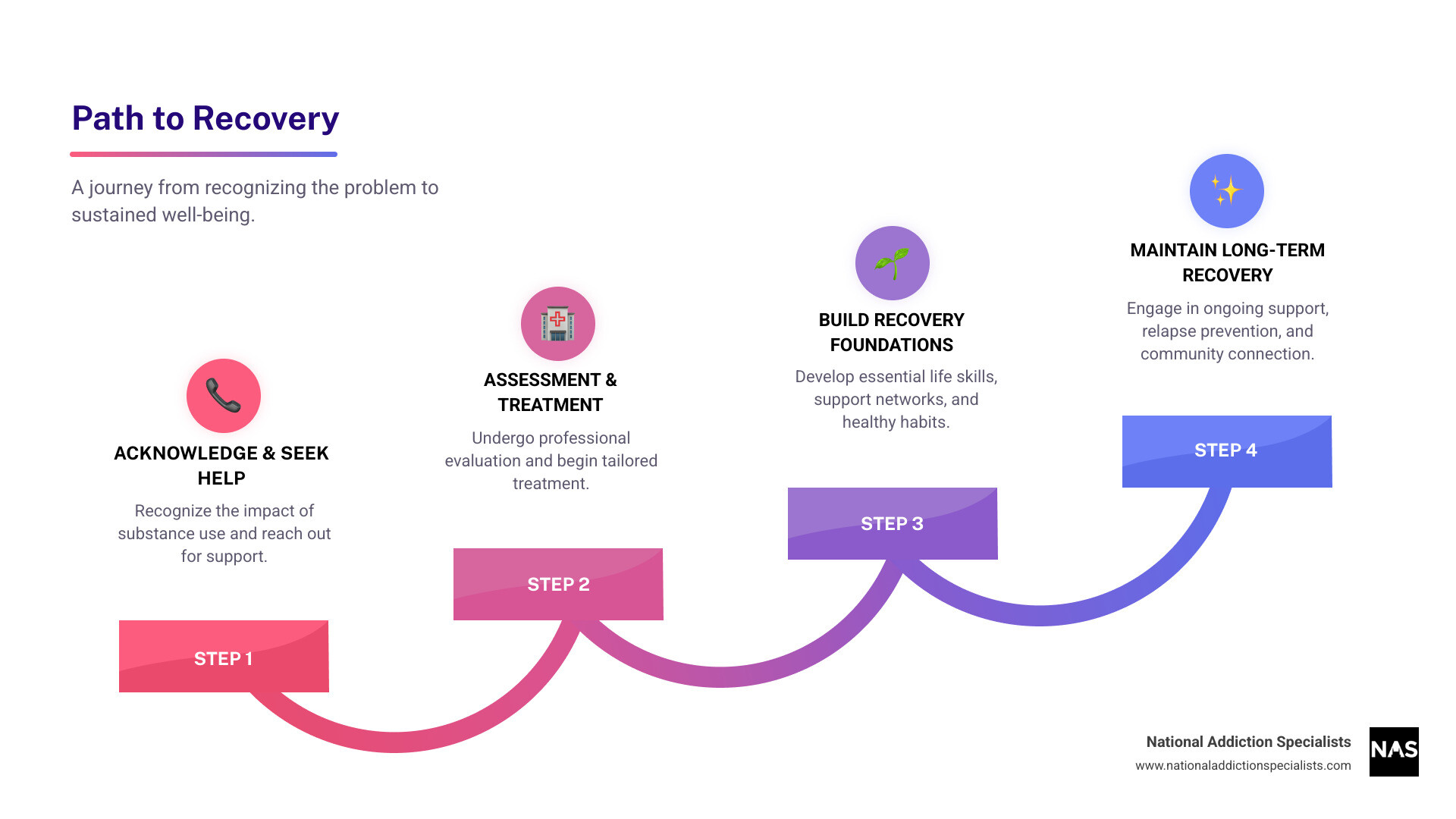
Addiction treatment isn’t a single path but a spectrum of options called the continuum of care. The goal is to match your specific needs with the right intensity of support.
Addiction treatment services use guidelines from the American Society of Addiction Medicine (ASAM) to determine the best level of care for you. This considers your substance use severity, physical and mental health, and home environment to ensure you get effective treatment without unnecessary disruption to your life.
Detoxification (Detox) Services
For physical dependence on substances like opioids or alcohol, detoxification services are often the first step. Medical detox provides supervised care as your body adjusts to being substance-free. Healthcare professionals monitor you, manage withdrawal symptoms, and keep you safe. Most people complete detox in seven to 10 days, stabilizing their bodies before moving on to other forms of treatment.
Inpatient / Residential Treatment
Inpatient or residential treatment offers a safe, structured setting where you live at the facility full-time. With 24/7 support, your days are filled with therapy, counseling, and workshops to help you understand your addiction and build coping skills. This level of care, typically lasting four weeks or longer, is ideal for severe substance use disorders, co-occurring mental health conditions, or an unsupportive home environment.
Outpatient Treatment (OP) & Intensive Outpatient (IOP)
Outpatient programs allow you to live at home and maintain daily responsibilities while receiving professional care.
- Standard Outpatient Programs (OP) involve a few therapy sessions each week.
- Intensive Outpatient Programs (IOP) offer more frequent sessions for a higher level of support.
Both options include individual and group therapy. Many programs now also offer Virtual Addiction Counseling, bringing care to you via phone or laptop. This is especially helpful for people in Tennessee and Virginia with busy schedules or limited local options.
Long-Term Residential Services
For those who need extended support, long-term residential services provide a structured living environment for several months to a few years. The focus shifts to practical life skills, such as managing finances, finding employment, and building healthy routines. Sober Living homes are a common example, offering a supportive community as you reintegrate into society.
Make an Appointment to Treat Addiction
Please don’t hesitate. Make an appointment today.
The Core Components of Effective Treatment
Effective addiction treatment services address the whole person—physical health, mental well-being, and social circumstances. This biopsychosocial approach leads to individualized treatment plans custom to your unique needs, rather than a one-size-fits-all formula.
At National Addiction Specialists, we use evidence-based practices, meaning our methods are scientifically proven to work. When people ask, “Is Medication-Assisted Treatment Effective?” we can confidently say yes, especially when combined with counseling.
Therapy and Counseling
Therapy is the foundation of recovery, helping you understand the “why” behind your struggles.
- Individual therapy offers a confidential space to explore root causes, triggers, and past trauma.
- Group therapy provides a community of peers who understand your experience, reducing feelings of isolation.
- Family counseling helps repair relationships and teaches loved ones how to support your recovery.
Cognitive Behavioral Therapy (CBT) is a common approach that teaches practical skills for managing cravings, handling stress, and changing negative thought patterns. We also offer specialized Counseling for Opioid Addiction to address its unique challenges.
Medication-Assisted Treatment (MAT)
Medication-Assisted Treatment (MAT) is a powerful tool for opioid and alcohol use disorders. It is not replacing one addiction with another. MAT uses FDA-approved medications with counseling to help your brain heal. These medications reduce cravings, ease withdrawal symptoms, and normalize brain chemistry, allowing you to focus on building recovery skills.
Our Medication-Assisted Treatment (MAT) Program uses proven medications like Buprenorphine (e.g., Suboxone®) and Naltrexone. Studies show MAT improves treatment outcomes, reduces relapse, and lowers the risk of fatal overdose. It’s comprehensive care that treats addiction as the medical condition it is.
Self-Help and Peer Support Groups
Self-help and peer support groups offer ongoing community and encouragement.
- 12-Step programs like Alcoholics Anonymous (AA) and Narcotics Anonymous (NA) provide a structured, spiritual approach.
- Non-12-Step alternatives like SMART Recovery focus on self-empowerment and evidence-based techniques.
The key is finding a group that feels right for you. These communities provide a safe space to share struggles, celebrate victories, and build a sober social network, which is critical for long-term success. Most are free and widely available.
Finding and Accessing Your Path to Recovery
Taking the first step toward recovery is brave, but finding the right help can feel overwhelming. Many resources are available to guide you through concerns about privacy, cost, or scheduling.

How to Find Quality Addiction Treatment Services
Finding reliable addiction treatment services starts with knowing where to look. Your primary care doctor is a great starting point for advice and referrals. State and local health departments also list licensed treatment centers. Online tools like FindTreatment.gov allow you to search for facilities by location and service type. Always verify a facility’s credentials to ensure they meet high standards of care.
The Rise of Telehealth in Addiction Care
Telehealth has transformed addiction treatment services. At National Addiction Specialists, we specialize in Telehealth Opioid Treatment, providing convenient, private care from home. Virtual care removes barriers for those in rural areas or with busy schedules. We connect you with Online Suboxone Doctors to ensure you receive high-quality care anywhere in Tennessee or Virginia.
Specialized Programs for Diverse Needs
Many programs offer specialized approaches for different groups, including youth, women (with support for Suboxone use during pregnancy), veterans, LGBTQ+ individuals, and the elderly. Culturally sensitive treatment creates a more welcoming and effective environment for recovery.
Make an Appointment to Treat Addiction
Please don’t hesitate. Make an appointment today.
Understanding Patient Confidentiality
Your privacy is paramount in addiction treatment. Strict federal regulations, including 42 C.F.R. Part 2 and HIPAA, protect your health information. Your written permission is typically required before any information is shared, except in emergencies. At National Addiction Specialists, we adhere to the highest privacy standards, as detailed in our OBOT Service Recipient Rights, Confidentiality, Responsibilities and Grievance Procedures.
Emergency: Recognizing and Responding to Opioid Overdose
Knowing the signs of an opioid overdose can save a life. An overdose occurs when opioids suppress breathing.
Signs of an opioid overdose include:
- Slow, shallow, or stopped breathing
- Unresponsiveness
- Blue or grayish lips and fingernails
- Very small pupils
- Gurgling or snoring sounds
If you suspect an overdose:
- Call 911 immediately.
- Administer naloxone (Narcan®) if available. This medication can reverse an overdose.
- Stay with the person until help arrives.
For immediate crisis support, the 988 Suicide & Crisis Lifeline is available 24/7.
Building a Foundation for Lasting Recovery
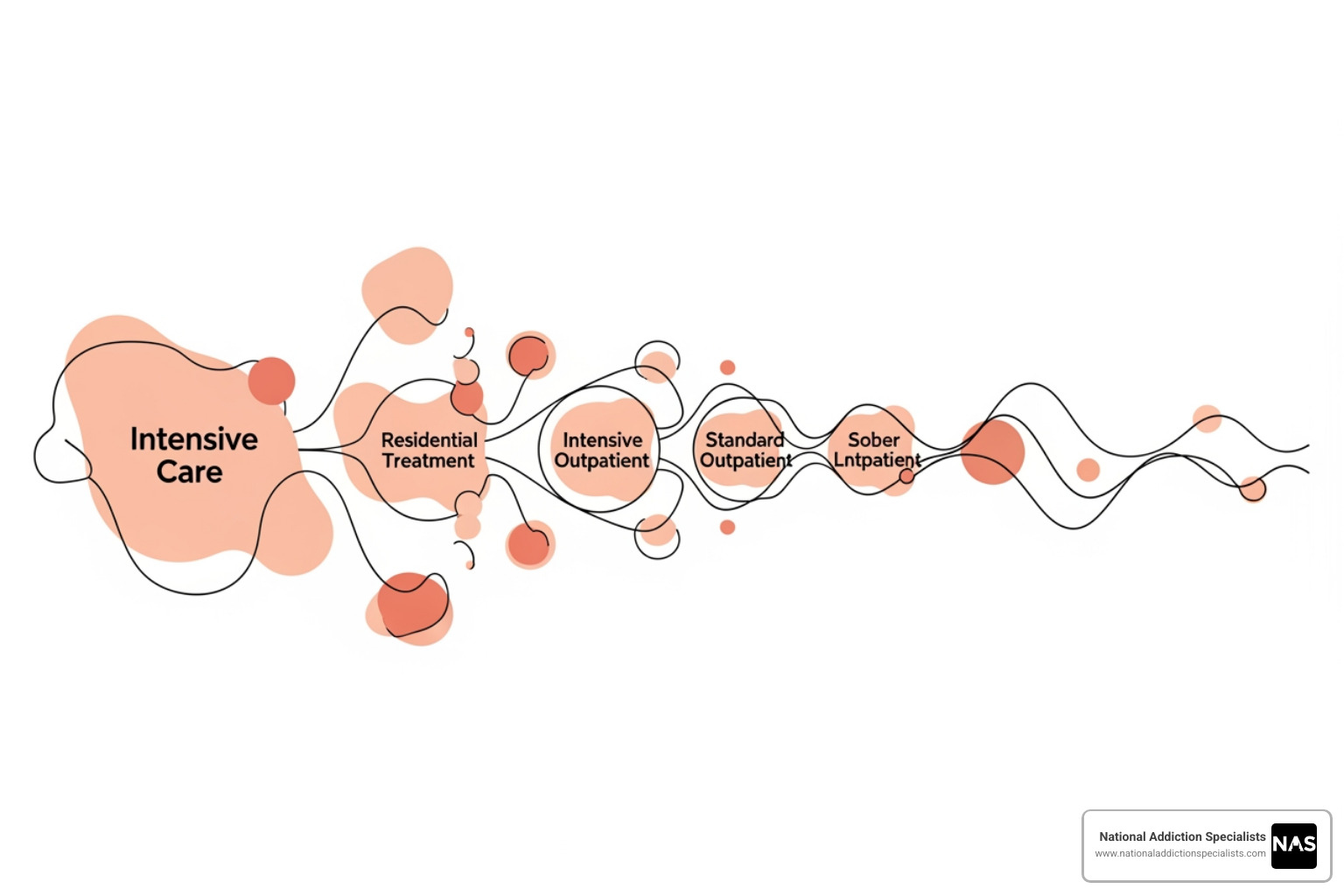
Recovery is an ongoing journey of building strength and creating a life that supports your well-being.
Goals and Effectiveness of Treatment
Successful addiction treatment services aim to reduce substance use, improve life functioning, and prevent relapse. Addiction treatment is effective, with success rates comparable to other chronic conditions like diabetes or heart disease. Lasting success is strongly linked to time in treatment; individuals engaged for three months or longer see significantly better outcomes. This allows time to build new habits and coping skills. For guidance, see our Tips to Prevent Addiction Relapse.
What is ‘Recovery Capital’?
Recovery Capital is your personal toolkit of resources for staying sober. The more you build, the stronger your foundation.
- Human Capital: Your health, education, job skills, and problem-solving abilities.
- Social Capital: Supportive family, friends, and peers in recovery.
- Physical Capital: A safe home, steady income, and reliable transportation.
- Cultural Capital: Your values, beliefs, and sense of purpose that give life meaning.
Building this capital is about progress, not perfection. Each improvement strengthens your recovery.
The Power of Community and Family Support
No one recovers in isolation. Support from family, friends, and the community is often essential. It’s important for loved ones to understand addiction as a medical condition and learn how to offer support without enabling. Our guide on How to Support Someone in Recovery and our FAQ: Share with Family & Friends can help.
Community connections, like peer support groups, provide a sense of belonging with people who understand your journey. At National Addiction Specialists, our addiction treatment services emphasize these human connections, helping you build a strong support network for sustainable recovery.
Frequently Asked Questions about Addiction Treatment
How do I pay for treatment?
Cost is a common concern, but many options exist for affording addiction treatment services.
- Private Insurance: Many plans cover addiction treatment as an essential health benefit. It’s worth asking, “Does Insurance Cover Suboxone Treatment?” and confirming your specific coverage.
- Medicaid and Medicare: Both typically cover addiction treatment, including MAT. National Addiction Specialists proudly accepts both, and we can help you find Suboxone Doctors Near Me That Accept Medicaid.
- State-Funded Programs: If you have limited or no insurance, state programs may offer assistance based on income.
- Private Pay: Some individuals choose to pay privately for greater flexibility.
Don’t let cost stop you from seeking help. Our staff can help you steer your options.
How long does addiction treatment last?
The duration of treatment varies based on your individual needs, substance use history, and recovery goals. However, research shows that treatment lasting three months or longer leads to better outcomes. This may involve a combination of detox, outpatient therapy, and ongoing counseling.
For those on MAT, the question of “How Long Should I Stay on Suboxone?” is a personal decision made with your doctor. The timeline is flexible and custom to support your long-term well-being.
What should I look for in addiction treatment services?
When choosing addiction treatment services, look for these key qualities:
- Licensing and Accreditation: Ensures the facility meets professional standards.
- Evidence-Based Practices: Treatments like CBT and MAT that are backed by scientific research.
- Individualized Treatment Plans: A personalized approach that considers your unique circumstances.
- Qualified Staff: Credentialed doctors and licensed therapists specializing in addiction medicine.
- Aftercare Planning: A detailed plan for ongoing support after formal treatment ends.
At National Addiction Specialists, we provide all of the above. Our board-certified physicians use evidence-based MAT and counseling to create personalized plans delivered through convenient telehealth.
Conclusion: Take the Next Step with Confidence
Understanding your options for addiction treatment services is a powerful step forward. Recovery is a journey, and you don’t have to steer it alone. Whether this is your first time seeking help or you’re ready to try again, there is a path that can work for you.
For residents of Tennessee and Virginia, telehealth offers private, flexible, and convenient care. At National Addiction Specialists, our telemedicine treatment and Medication-Assisted Treatment online services connect you with expert providers from home. We accept Medicaid and Medicare, removing barriers to the quality care you deserve.
Recovery is about persistence, not perfection. It’s about building a life free from the control of substances. That life is within your reach.
Ready to start your journey? We’re here to help. Fill out our new patient packet to connect with a specialist who understands. Your future self will thank you for the courage you show today.
This article was medically reviewed by:
Chad Elkin, MD, DFASAM is a board-certified addiction medicine physician, founder, and Chief Medical Officer of National Addiction Specialists, dedicated to treating substance use disorders. A Distinguished Fellow of the American Society of Addiction Medicine (ASAM), Dr Elkin currently serves as President of the Tennessee Society of Addiction Medicine (TNSAM) and has held various leadership roles within the organization. Dr Elkin chairs ASAM’s Health Technology Subcommittee and is an active member of its Practice Management and Regulatory Affairs Committee, State Advocacy and Legislative Affairs Committee, and other committees. He also serves on the planning committee for the Vanderbilt Mid-South Addiction Conference. Committed to advancing evidence-based policy, Dr Elkin is Chairman of the Tennessee Association of Alcohol, Drug, & Other Addiction Services (TAADAS) Addiction Medicine Council, which collaborates with the TN Department of Mental Health & Substance Abuse Services (TDMHSAS). He has contributed to numerous local, state, and national task forces, helping develop professional guidelines, policies, and laws that align with best practices in addiction medicine. His work focuses on reducing addiction-related harm, combating stigma, and ensuring access to effective treatment.Passionate about the field of addiction medicine, he remains dedicated to shaping policy and enhancing patient care.
Suboxone® and Subutex® are a registered trademark of Indivior UK Limited. Any mention and reference of Suboxone® and Subutex® in this website is for informational purposes only and is not an endorsement or sponsorship by Indivior UK Limited.