The Suboxone Secret: What Makes This Medication Work?
Understanding What Makes Suboxone Work for Opioid Addiction
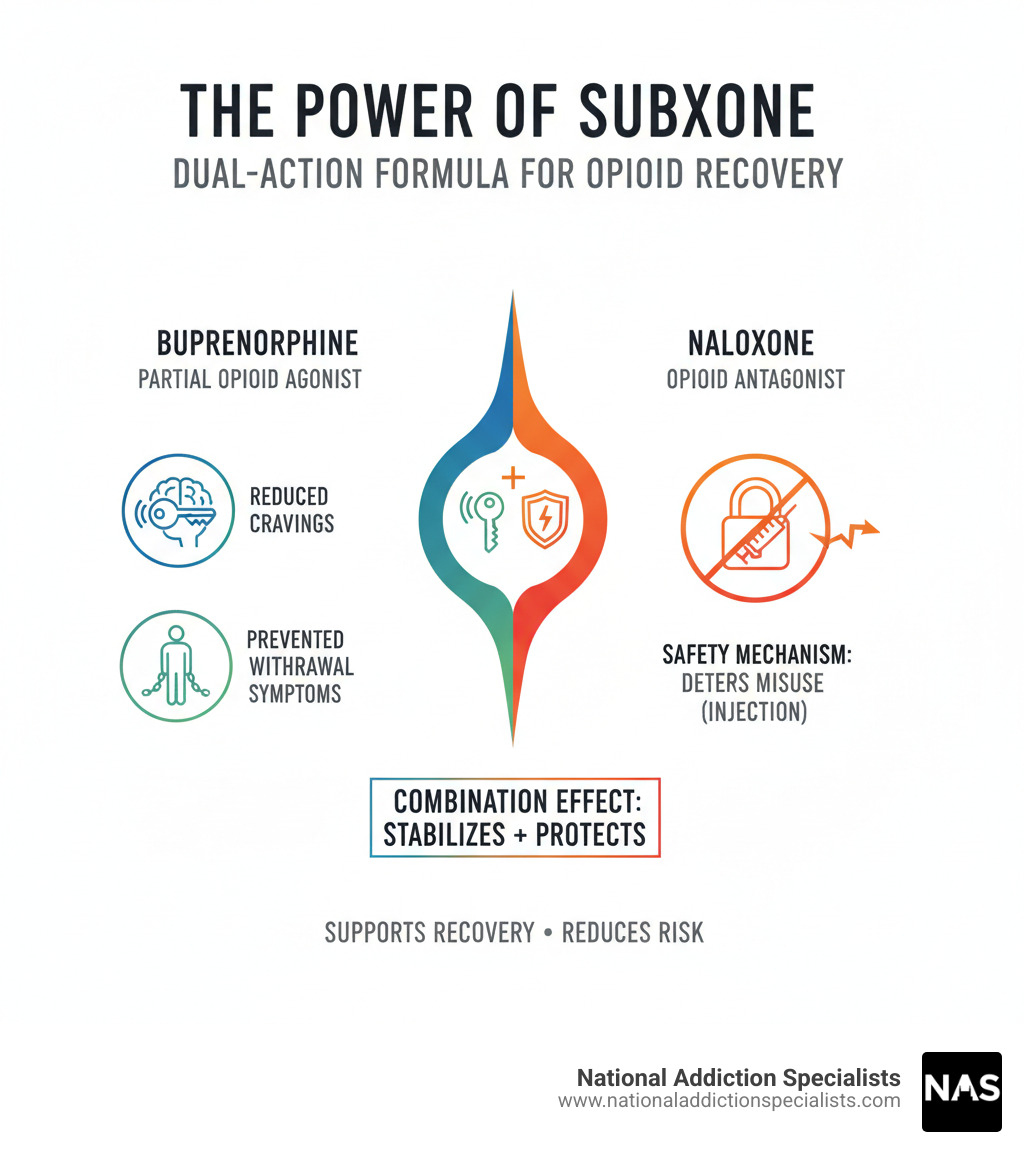
What is in Suboxone? Suboxone contains two active ingredients that work together to treat opioid use disorder:
Main Components:
- Buprenorphine – A partial opioid agonist that reduces cravings and eases withdrawal symptoms
- Naloxone – An opioid antagonist that helps prevent misuse by injection
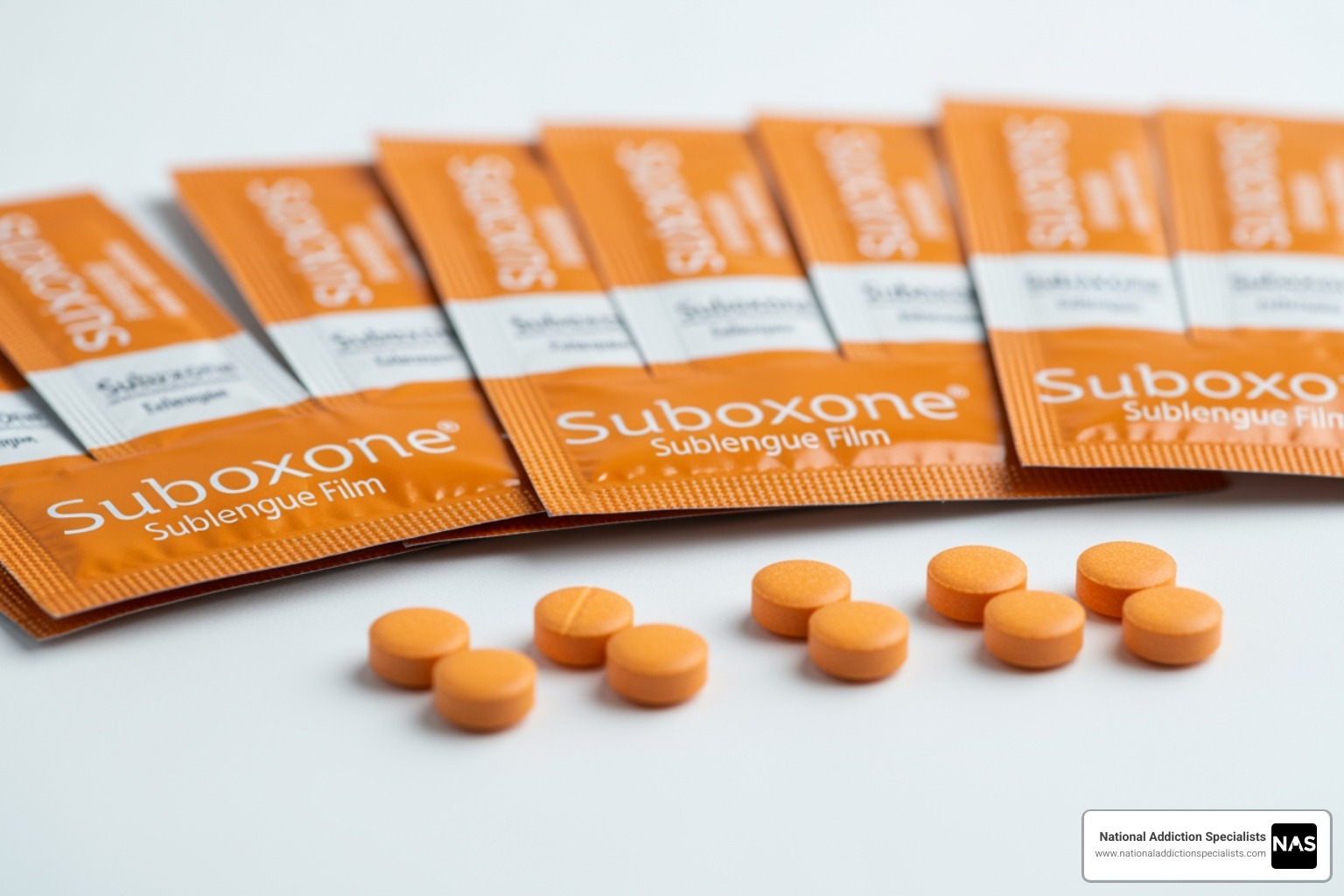
These two medications are combined in a sublingual film or tablet that dissolves under your tongue. Buprenorphine does the heavy lifting by stabilizing your brain chemistry, while naloxone acts as a safety feature.
If you’re struggling with opioid addiction, you’re not alone. In 2019, over 1 million people received prescriptions for buprenorphine/naloxone medications. This widely used treatment has been shown to reduce the risk of overdose death by 50%.
Suboxone works because it addresses the physical side of addiction, giving you space to focus on recovery. It’s not a magic cure, but it’s a proven tool that can help you take back control of your life.
Why the combination matters:
The dual-action formula is intentional. Buprenorphine partially activates the brain’s opioid receptors, providing relief from withdrawal and cravings without the dangerous high. Naloxone remains mostly inactive when taken as prescribed but activates to block opioid effects if injected, discouraging misuse.
I’m Dr. Chad Elkin, founder of National Addiction Specialists. I’ve helped hundreds of patients understand what is in Suboxone and how it supports their recovery. Through our telehealth services, we make evidence-based addiction treatment accessible from the privacy of home, removing many barriers to getting help.
The Two Key Ingredients: What is in Suboxone?
So what is in Suboxone, exactly? It’s a combination of two FDA-approved medications that work together to treat opioid dependence. Each plays a distinct but complementary role in your recovery.
Suboxone comes as a sublingual film or tablet—meaning it dissolves under your tongue. This isn’t just for convenience. This sublingual absorption allows the medication to enter the bloodstream directly and more effectively, bypassing the digestive system which would otherwise break down the active ingredients.
The two ingredients—buprenorphine and naloxone—work as a team. One does the therapeutic heavy lifting, while the other acts as a built-in safety feature. Together, they make Suboxone both effective and harder to misuse. Let’s look at each one. For more detailed information on this medication, you can visit our page: More info about Suboxone.
Buprenorphine: The Partial Opioid Agonist
Buprenorphine is the workhorse of Suboxone. It treats your opioid use disorder by interacting with the same mu-opioid receptors in your brain that drugs like heroin or fentanyl target. But here’s the key difference: buprenorphine is a partial opioid agonist, not a full one.
Think of it like a dimmer switch. Full opioids flip the switch all the way on, creating a powerful high and dangerously slowing your breathing. Buprenorphine turns the switch only partway up. It activates the receptors just enough to stop withdrawal and cravings, but not enough to cause intense euphoria or dangerous side effects.
This partial activation is what makes buprenorphine so effective at reducing cravings and easing withdrawal symptoms. Your brain gets enough stimulation to feel stable, but you’re not chasing a high. You can focus on healing instead of constantly thinking about your next dose.
Buprenorphine also binds very tightly to opioid receptors, blocking other opioids from attaching. If someone on Suboxone uses heroin or painkillers, those drugs won’t have the same effect because the receptors are already occupied.
Perhaps most importantly, buprenorphine has a ceiling effect. After a certain dose, increasing the amount doesn’t increase the opioid effects—including the dangerous slowing of your breathing. This built-in safety feature significantly lowers the risk of overdose compared to full opioid agonists.
For a deeper dive into how this medication works, you can explore our dedicated resource: More info about Buprenorphine.
Naloxone: The Misuse Deterrent
Naloxone is the second ingredient in Suboxone, and it plays a completely different role. It’s an opioid antagonist, meaning it blocks opioid effects. Its main job is to prevent misuse of the medication.
When you take Suboxone as prescribed by dissolving it under your tongue, the naloxone has poor sublingual absorption. Very little enters your bloodstream, so it doesn’t interfere with buprenorphine’s therapeutic effects.
However, if someone tries to inject or snort Suboxone, the naloxone becomes highly active. It binds to opioid receptors, blocks the effects of other opioids, and triggers precipitated withdrawal—an immediate and uncomfortable experience. This is designed to deter misuse.
This unpleasant consequence is intentional. It’s designed to discourage people from misusing Suboxone or diverting it for illicit use. The naloxone acts as a built-in deterrent, making the medication safer for patients and communities.
You can find more information on the role of naloxone in opioid addiction treatment from SAMHSA’s resources, such as The Facts about Buprenorphine for Treatment of Opioid Addiction. Its inclusion remains a standard safety feature in combination buprenorphine products.
Together, these two ingredients create a medication that’s both therapeutic and protected against misuse—a combination that’s helped countless people reclaim their lives from opioid addiction.
How Suboxone Works for Opioid Use Disorder (OUD)
Chronic opioid use changes your brain chemistry, creating a powerful physical dependence. This isn’t a moral failing or lack of willpower—it’s biology. Suboxone steps in to address these biological changes.
What is in Suboxone that makes it so effective? The two ingredients—buprenorphine and naloxone—work together to stabilize your brain chemistry. Instead of the cycle of highs and withdrawal from opioid abuse, Suboxone provides steady support. This stability helps reduce illicit drug use and creates the mental space to focus on rebuilding your life.
Suboxone isn’t a magic cure. It’s a powerful tool for recovery, but it works best as part of a comprehensive treatment plan that includes counseling and support. The medication handles the physical side of addiction, while therapy helps you address the underlying reasons you started using. To learn more about this process, visit our page on How Suboxone Treatment Works.
The Science of Medication-Assisted Treatment (MAT)
Medication-Assisted Treatment (MAT) is the gold standard for treating opioid use disorder. This approach is backed by decades of scientific evidence and endorsed by every major medical organization.
MAT takes a whole-person approach to recovery. It recognizes that successful recovery requires addressing both the physical and psychological aspects of addiction. That’s why MAT combines FDA-approved medications like Suboxone with counseling and behavioral therapies. This integrated strategy tackles brain chemistry while helping you develop new coping skills and build a life where drugs no longer have a place.
Studies show MAT significantly improves treatment retention, leading to lasting recovery. Patients are also far less likely to overdose or return to illicit drug use. Buprenorphine, the active medication in Suboxone, is long-acting, providing steady relief from cravings and withdrawal. This stability is crucial because it allows you to engage meaningfully in therapy instead of spending all your energy just trying to feel normal.
We’ve seen these benefits with our patients at National Addiction Specialists. When medication and counseling work together, recovery becomes not just possible, but achievable. For more information on why this approach is so effective, check out our page on the Benefits of Medication Assisted Treatment.
What is in Suboxone that helps with withdrawal?
Opioid withdrawal is brutal. The muscle aches, nausea, anxiety, and other symptoms can feel unbearable, which is why many people relapse just to make it stop. This isn’t weakness; it’s a biological response from a brain and body that have become dependent on opioids.
The buprenorphine in Suboxone is specifically designed to address this. It gently activates the same opioid receptors that have been demanding attention, but without producing the dangerous high of full opioids.
This action provides several critical benefits. It alleviates withdrawal symptoms like muscle pain and nausea, making the process more manageable. It also manages cravings—those overwhelming urges to use. By partially activating your opioid receptors, buprenorphine satisfies your brain’s need without the euphoria or danger.
Over time, buprenorphine helps normalize brain function, allowing your brain’s opioid system to gradually return to a more balanced state. Most importantly, by controlling withdrawal and cravings, it prevents relapse during the vulnerable early stages of recovery. This relief provides the breathing room needed to focus on counseling, rebuild relationships, and develop new habits without the constant battle against withdrawal.
Research shows that starting buprenorphine treatment early can significantly improve outcomes. The relief from physical distress isn’t just about comfort—it’s about giving you a real fighting chance at recovery.
To understand more about how Suboxone addresses these challenging symptoms, visit our detailed page: Does Suboxone Help With Withdrawal Symptoms?
Make an Appointment to Treat Addiction
Please don’t hesitate. Make an appointment today.
Understanding the Potential Side Effects and Risks

Any effective medication has potential trade-offs. However, the risks of untreated opioid addiction are far greater than the manageable side effects of Suboxone. Understanding what to expect gives you more control over your recovery.
At National Addiction Specialists, we believe in full transparency. We want you to know what is in Suboxone and how it might affect you. Most side effects are temporary and mild, and we’re here to help you manage them. The key is staying in close communication with your healthcare provider.
Common Side Effects to Expect
When you first start Suboxone, your body needs time to adjust. Most initial discomfort gets better over time. The most common side effects include headaches, which often respond to over-the-counter pain relievers, and nausea, particularly during the first few days or weeks.
Constipation is another frequent complaint related to buprenorphine’s opioid properties. We often recommend increasing fiber and water intake, and sometimes a gentle stool softener. Some patients also experience insomnia, increased sweating, and occasional dizziness.
You might experience opioid withdrawal syndrome if you take Suboxone too soon after other opioids, or if the dose isn’t right. General body aches can also occur as your system adjusts.
The good news? Most of these side effects fade as your body adapts. For a comprehensive guide on managing these symptoms, visit our page on What to Expect Suboxone Side Effects. If any side effect is bothersome or doesn’t go away, please reach out to your provider.
What is in Suboxone that carries risks?
While Suboxone is life-saving, it deserves respect. Understanding the potential risks helps you use it safely.
The biggest concern is respiratory depression—dangerously slow or shallow breathing. While buprenorphine’s “ceiling effect” makes this less likely than with full opioids, the risk increases dramatically when mixed with other central nervous system depressants. This includes alcohol, benzodiazepines (like Xanax or Klonopin), sedatives, or tranquilizers. Combining these with Suboxone can lead to severe sedation, coma, or death. Please read about the Dangers of Mixing Suboxone and Alcohol to understand this risk.
Liver problems are another concern we monitor. Buprenorphine can affect liver function, so if you have a history of liver disease or notice symptoms like yellowing skin (jaundice) or dark urine, contact your provider immediately.
Though rare, severe allergic reactions can occur. Watch for rash, hives, swelling of your face or throat, or difficulty breathing, and seek emergency medical attention if they occur.
Suboxone can cause physical dependence, which is different from addiction. It means your body adapts to the medication, and stopping suddenly would cause withdrawal. For this reason, your provider will help you taper off gradually when the time is right.
The FDA has issued warnings about dental problems associated with buprenorphine medications dissolved in the mouth. The film’s acidity can erode tooth enamel, leading to cavities, decay, and even tooth loss. We strongly recommend rinsing your mouth with water after each dose, maintaining excellent oral hygiene, and seeing your dentist regularly. You can read more on the FDA warning on dental problems.
Finally, there’s the risk of precipitated withdrawal if Suboxone is taken too soon after using full opioids. This is why the induction phase requires careful medical supervision.
Your safety is our number one priority. We encourage complete honesty about your medical history and any medications you’re taking. There are no judgments here—just a team committed to helping you recover safely.
Make an Appointment to Treat Addiction
Please don’t hesitate. Make an appointment today.
The Suboxone Treatment Journey
Starting on Suboxone treatment is a significant step towards recovery, and understanding the journey can help you feel more confident. From finding a provider to navigating the treatment phases, we’re here to guide you. At National Addiction Specialists, we use telemedicine to make this journey accessible and private for individuals in Tennessee and Virginia.

How Suboxone is Prescribed and Administered
Suboxone comes as a sublingual film or tablet that dissolves under your tongue or inside your cheek. This delivery method is crucial. When dissolved in the mouth, the active ingredients are absorbed directly into the bloodstream, bypassing the digestive system where they would be less effective.
The way you take Suboxone matters. Your provider will show you the proper administration technique to ensure you get the full benefit.
Your treatment journey typically unfolds in three phases. The induction phase is the delicate first step. You must be in mild to moderate withdrawal (usually 12-24 hours after last opioid use) before your first dose. Starting too early can trigger uncomfortable precipitated withdrawal. Your provider will guide you carefully, starting with a lower dose and gradually increasing it.
Once withdrawal symptoms are controlled and cravings quiet down, you enter the stabilization phase. Here, you and your provider find your optimal daily dose. You’ll start feeling more like yourself, creating the space to engage with counseling.
The maintenance phase comes next, where you continue a stable dose for an extended period—months, years, or indefinitely. The timeline depends on your individual progress and needs, which you’ll determine with your provider.
Access to Suboxone is now easier. The federal requirement for a special “X-waiver” to prescribe buprenorphine was eliminated in 2023. This change allows more healthcare providers to prescribe Suboxone, dramatically expanding access to this life-saving treatment.
Our team at National Addiction Specialists is ready to support you through every phase. We offer convenient telemedicine appointments, so you can receive expert care from home. Learn more about our Online Doctors Who Prescribe Suboxone and how we serve patients throughout Tennessee and Virginia.
The Role of Counseling and Support
Understanding what is in Suboxone helps explain why counseling is so essential. While the medication addresses the physical aspects of addiction—managing withdrawal and reducing cravings—it can’t address everything. Lasting recovery requires comprehensive care that includes counseling and psychological support.
This is why it’s called Medication-Assisted Treatment. The medication assists recovery, but real change happens when you combine it with behavioral therapy, individual counseling, and support groups.
Counseling helps you understand the drivers of your addiction, which may include unresolved trauma, anxiety, or depression. Therapy provides a safe space to explore and heal these underlying issues.
You’ll also develop practical coping skills to manage stress, handle triggers, and resist cravings without turning to opioids. These are real, actionable strategies for when life gets difficult.
Preventing relapse is another crucial benefit of counseling. Through therapy, you gain insight into your personal addiction patterns and create a personalized relapse prevention plan that works for you.
Connecting with others in support groups helps reduce the isolation that often accompanies addiction. You’re not alone, and hearing others’ stories can provide hope and perspective.
At National Addiction Specialists, we strongly believe in the Importance of Counseling and Therapy in Suboxone Treatment. We’ve seen how integrating these services with medication provides the best foundation for long-term recovery. Our telemedicine platform makes it easy to access both your Suboxone prescription and vital counseling services from home.
Recovery is absolutely possible, and you deserve support every step of the way.
Make an Appointment to Treat Addiction
Please don’t hesitate. Make an appointment today.
Conclusion: Your Path to Recovery with Convenient, Expert Care
Understanding what is in Suboxone—buprenorphine to ease cravings and withdrawal, plus naloxone to prevent misuse—clarifies why it’s a cornerstone of modern addiction treatment. The ingredients work together to stabilize your brain chemistry, giving you the space to focus on recovery.
Suboxone isn’t a magic cure, but it is a safe, FDA-approved tool that works. When combined with counseling and support, it has helped countless individuals break free from opioid addiction. The evidence is clear: this approach reduces overdose deaths and gives people real hope for lasting recovery.
Recovery is possible. It’s not always easy, but with the right support, it’s absolutely within reach.
At National Addiction Specialists, we believe getting help should be simple. Our telemedicine-based Suboxone treatment brings expert care to you in Tennessee and Virginia. We offer convenient, confidential appointments with understanding providers, removing barriers like waiting rooms and judgment.
Our team combines medication management with comprehensive counseling, because we know that addressing the whole person is what leads to lasting change. We accept Medicaid and Medicare, and we’re committed to making this life-changing treatment accessible to everyone who needs it.
You don’t have to face this alone. Whether you’re just considering treatment or ready to take the first step, we’re here to walk alongside you. Schedule your confidential appointment today and start your journey toward a healthier, more hopeful future.
This article was medically reviewed by:
Chad Elkin, MD, DFASAM is a board-certified addiction medicine physician, founder, and Chief Medical Officer of National Addiction Specialists, dedicated to treating substance use disorders. A Distinguished Fellow of the American Society of Addiction Medicine (ASAM), Dr Elkin currently serves as President of the Tennessee Society of Addiction Medicine (TNSAM) and has held various leadership roles within the organization. Dr Elkin chairs ASAM’s Health Technology Subcommittee and is an active member of its Practice Management and Regulatory Affairs Committee, State Advocacy and Legislative Affairs Committee, and other committees. He also serves on the planning committee for the Vanderbilt Mid-South Addiction Conference. Committed to advancing evidence-based policy, Dr Elkin is Chairman of the Tennessee Association of Alcohol, Drug, & Other Addiction Services (TAADAS) Addiction Medicine Council, which collaborates with the TN Department of Mental Health & Substance Abuse Services (TDMHSAS). He has contributed to numerous local, state, and national task forces, helping develop professional guidelines, policies, and laws that align with best practices in addiction medicine. His work focuses on reducing addiction-related harm, combating stigma, and ensuring access to effective treatment. Passionate about the field of addiction medicine, he remains dedicated to shaping policy and enhancing patient care.
Suboxone® and Subutex® are a registered trademark of Indivior UK Limited. Any mention and reference of Suboxone® and Subutex® in this website is for informational purposes only and is not an endorsement or sponsorship by Indivior UK Limited.