How Medication-Assisted Therapy Works for Substance Use Disorders
If you’re looking for effective ways to treat substance use disorders, Medication assisted therapy (MAT) is a vital solution. It’s a proven method that combines different tools to help people get well.
What is Medication-Assisted Treatment (MAT)?
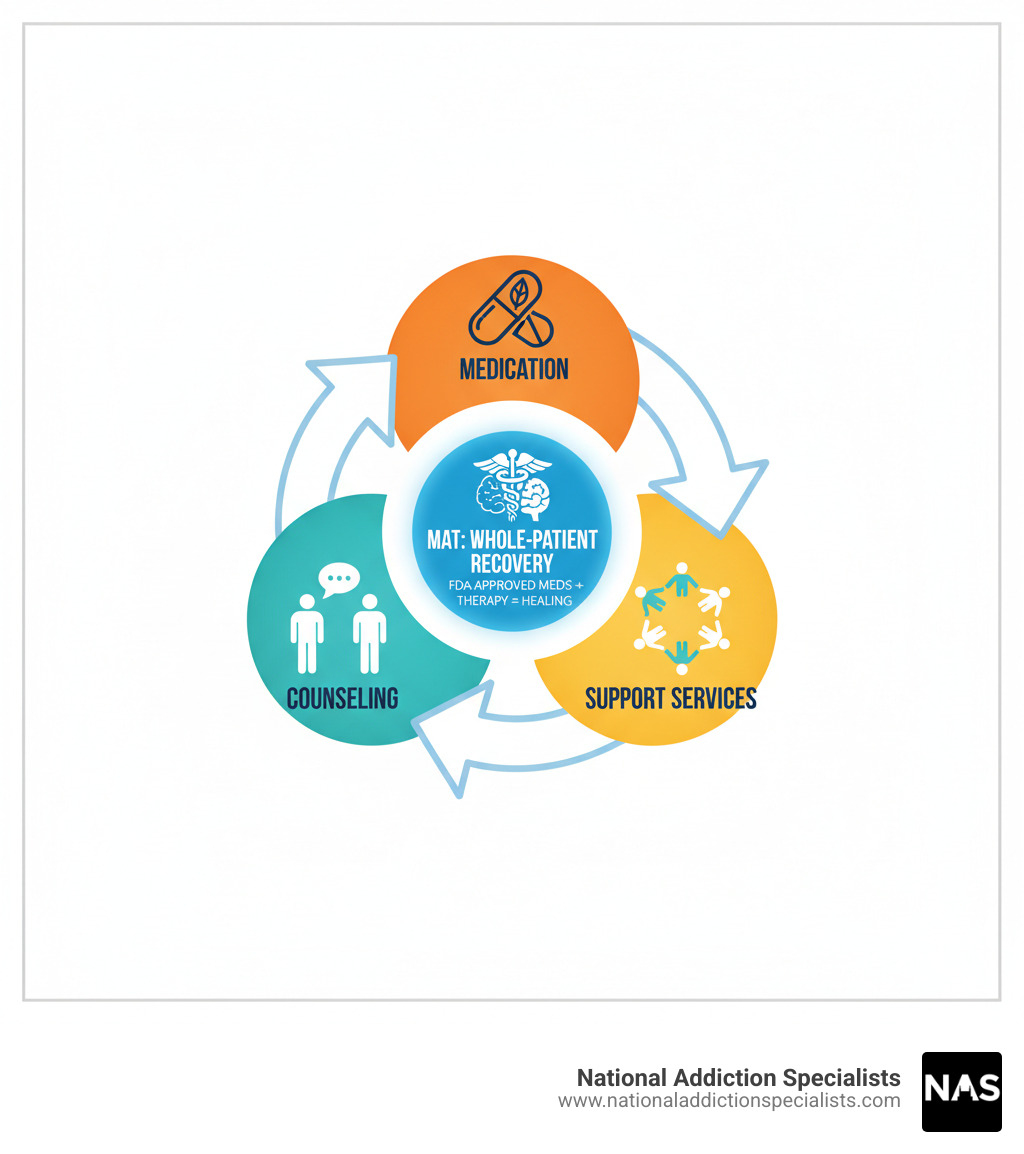
- Definition: MAT uses FDA-approved medications along with counseling and behavioral therapies.
- Purpose: It helps treat substance use disorders, especially opioid (OUD) and alcohol (AUD) use disorders.
- How it works: MAT normalizes brain chemistry, reduces cravings, and prevents relapse, allowing the brain to heal.
- Approach: It’s a “whole-patient” approach, treating addiction like other chronic illnesses, such as diabetes, where medication and lifestyle changes work together.
Imagine managing diabetes; you take medication, watch your diet, and exercise. MAT works similarly for addiction. It gives you the physical support you need, while therapy helps you build new life skills. This combination leads to better, lasting recovery.
I’m Dr. Chad Elkin, Founder and Medical Director of National Addiction Specialists. As a board-certified addiction medicine physician, I’ve seen how Medication assisted therapy can transform lives, focusing on decreasing patient mortality and removing barriers to care.
At National Addiction Specialists, we understand that addiction is a complex disease, not a moral failing. That’s why we champion Medication assisted therapy as an evidence-based approach. MAT doesn’t just mask symptoms; it works to heal the brain and body affected by substance use disorders.
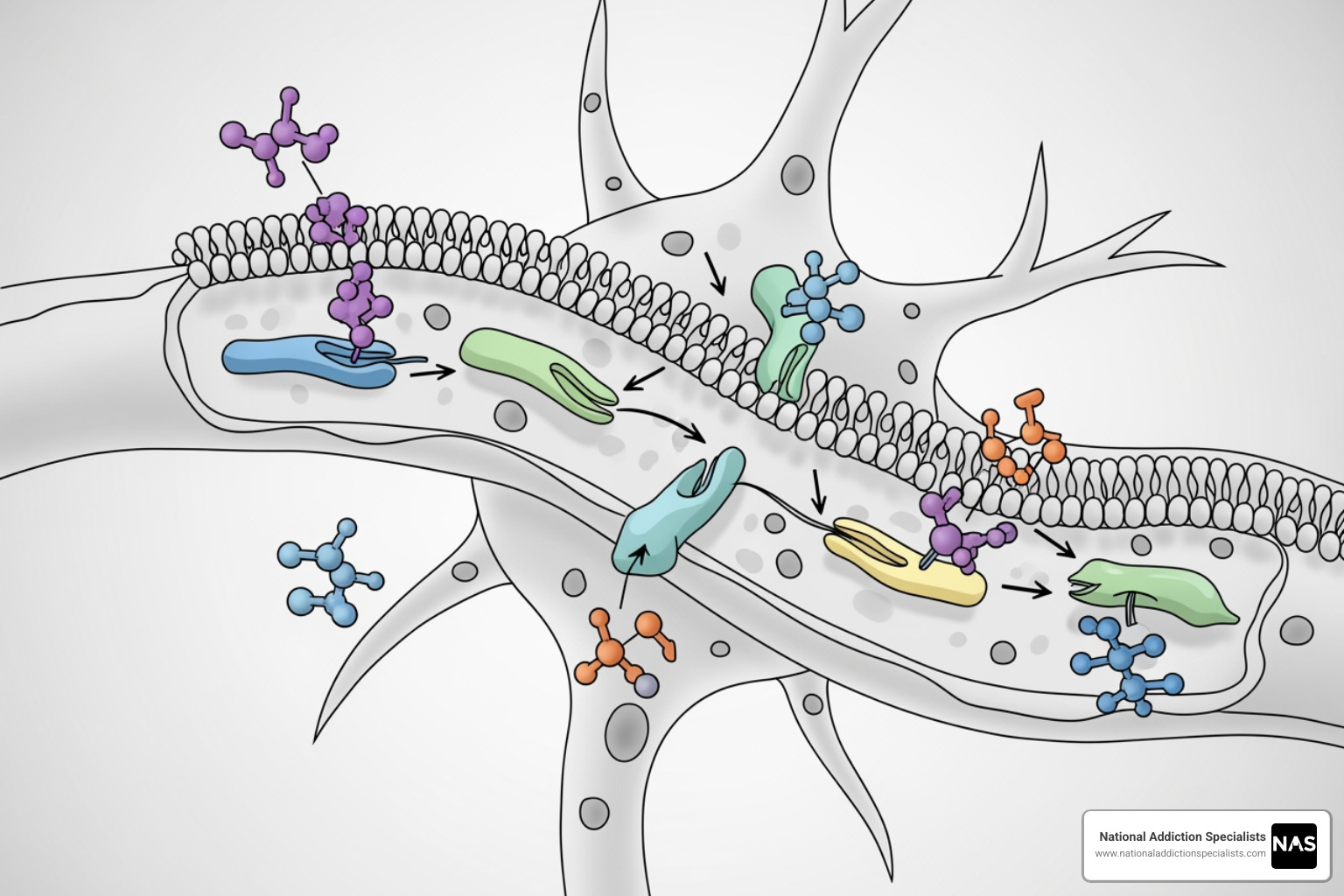
The core mechanism of MAT involves addressing the chemical imbalances that substance use creates in the brain. For individuals with opioid use disorder (OUD), for example, opioids hijack the brain’s reward system, leading to intense cravings and withdrawal symptoms when the substance is absent. MAT medications help to normalize this brain chemistry, relieving the physiological cravings and blocking the euphoric effects that illicit opioids would otherwise produce. This allows the brain to begin the healing process. When used properly, these medications have no negative effect on a person’s intelligence, mental capability, or physical functioning, allowing them to lead productive lives.
For alcohol use disorder (AUD), MAT medications can minimize cravings and block some of the rewarding properties of alcohol, decreasing drinking behavior. This comprehensive approach, combining medication with therapy, has been shown to be far more effective than either method alone, leading to improved outcomes for our patients. You can learn more about the scientific basis of this treatment on our page explaining How Medication Assisted Treatment Works and dig into The Science Behind Opioid Addiction.
What Medications Are Used in MAT?
When it comes to Medication assisted therapy, the FDA has approved several medications custom to specific substance use disorders. These medications are not interchangeable but are chosen based on the individual’s needs, the substance used, and their overall health profile.
Here’s a look at the primary medications we use in MAT:
| Medication Name | Primary Use | How it Works | Administration | Key Notes |
|---|---|---|---|---|
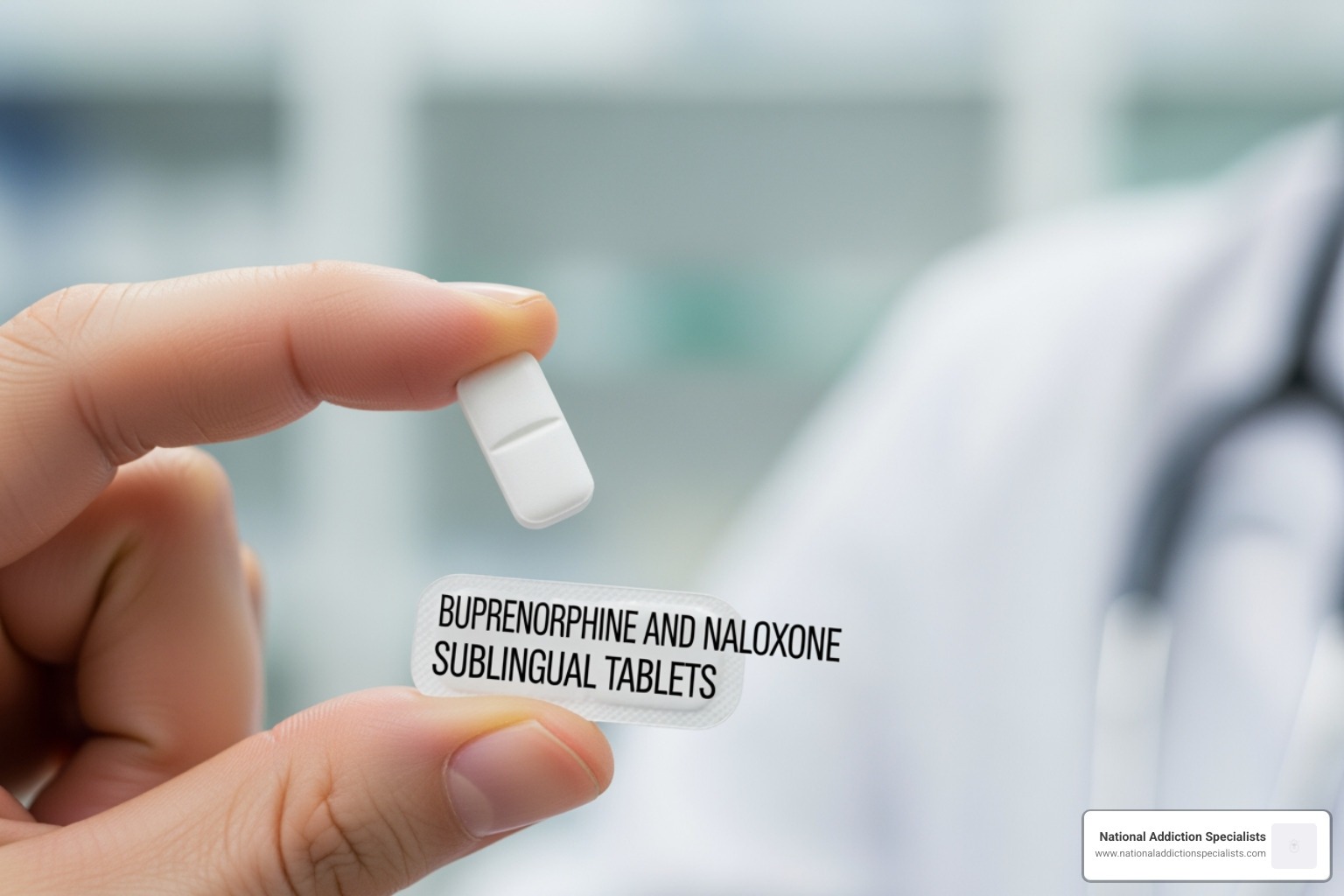
| Buprenorphine (e.g., Suboxone) | Opioid Use Disorder (OUD) | A partial opioid agonist that reduces cravings and withdrawal symptoms without producing the same “high” as other opioids. It also helps block the effects of other opioids. | Sublingual film or tablet, injectable. Can be prescribed in physician offices. | Significantly increases access to treatment. Considered an “essential medicine” by WHO. |
| Methadone | Opioid Use Disorder (OUD) | A full opioid agonist that reduces opioid cravings and withdrawal symptoms, and diminishes the euphoric effects of other opioids. | Daily liquid dispensed only in licensed Opioid Treatment Programs (OTPs). | Considered an “essential medicine” by WHO. Requires strict regulation and daily visits initially. |
| Naltrexone (e.g., Vivitrol) | Opioid Use Disorder (OUD) & Alcohol Use Disorder (AUD) | An opioid antagonist that blocks the euphoric and sedating effects of opioids and the rewarding effects of alcohol. It does not cause physical dependence. | Daily pill or monthly injectable. | For OUD, patients must be fully detoxed from opioids for 7-10 days before starting. |
| Acamprosate | Alcohol Use Disorder (AUD) | Helps to reduce alcohol cravings and withdrawal symptoms after a person has stopped drinking. | Oral tablet, typically three times a day. | Best for maintaining abstinence in individuals already sober. |
| Disulfiram | Alcohol Use Disorder (AUD) | Creates an unpleasant physical reaction (nausea, vomiting, headache) if alcohol is consumed, acting as a deterrent. | Oral tablet, once daily. | Used to prevent relapse by making alcohol consumption undesirable. |
For those interested in Buprenorphine, you can learn more about buprenorphine. Further information on all medications for OUD can be found in Medications for Opioid Use Disorder (TIP 63). We also offer various Medication Assisted Treatment Options custom to individual needs.
Does MAT Just Substitute One Addiction for Another?
One of the most persistent myths surrounding Medication assisted therapy is the idea that it simply replaces one addiction with another. We hear this concern often, and it’s a critical misconception to address. The answer is a resounding no, MAT does not substitute one addiction for another.
When someone receives MAT for OUD, the dosage of medication used, such as buprenorphine or methadone, is carefully controlled by a medical professional. This dosage does not produce the “high” or euphoric effects associated with illicit opioid misuse. Instead, these medications work to restore balance to the brain circuits affected by addiction, allowing the brain to heal while the individual works toward recovery. It’s analogous to taking medication for diabetes—in conjunction with behavioral and lifestyle changes, these medications help people manage the physical aspects of their disorder so they can maintain their recovery.
The goal of MAT is to stabilize the patient, reduce cravings and withdrawal symptoms, and block the effects of other narcotics, removing the constant preoccupation with obtaining and using the substance. This allows individuals to engage fully in counseling and behavioral therapies, focus on rebuilding their lives, and achieve long-term recovery without experiencing the destructive cycle of addiction. We’ve dedicated a whole page to debunking these kinds of ideas, so take a look at our article on Myths About Using Suboxone for Opioid Addiction.
The Comprehensive Benefits and Components of MAT
At National Addiction Specialists, we believe in a holistic approach to recovery. Medication assisted therapy is not a standalone solution; it’s a powerful tool that, when combined with counseling and behavioral therapies, addresses the whole person. This comprehensive strategy is what truly sets MAT apart and contributes to its remarkable success rates.

Think of it this way: medication helps stabilize your body and brain, giving you a solid foundation. But recovery isn’t just about physical stability—it’s about rebuilding your life, your relationships, and your sense of self. That’s where counseling and therapy come in. By integrating medication with psychosocial support, we empower individuals to manage their physical symptoms while developing the emotional and practical skills needed for a sustained, fulfilling life in recovery.
Addiction touches every part of a person’s life—physical health, mental well-being, emotions, relationships, work, and even spirituality. That’s why our approach considers all these facets. We’re not just treating a substance use disorder; we’re supporting the whole person on their journey to wellness.
What are the Proven Benefits of Medication-Assisted Therapy?
The research behind Medication assisted therapy is powerful and clear. MAT saves lives and improves outcomes in ways that go far beyond simply helping people stop using substances. The evidence shows that MAT decreases opioid-related overdose deaths significantly. In 2017 alone, there were 47,600 opioid overdose deaths in the U.S.—a heartbreaking number that MAT actively works to reduce. Studies show MAT can cut emergency department visits by 51%, meaning fewer life-threatening crises for patients.
People in MAT also increase treatment retention, staying in recovery programs longer. This matters because the longer someone stays engaged in treatment, the better their chances of long-term success. The data consistently shows improved patient survival rates when individuals receive MAT compared to those who don’t.
MAT helps decrease illicit opioid use and criminal activity by stabilizing individuals and reducing the intense cravings that drive drug-seeking behavior. When people aren’t consumed by the need to find their next dose, they’re free to focus on rebuilding their lives. This stability also reduces transmission of infectious diseases like HIV and Hepatitis C, as lower rates of injection drug use mean fewer opportunities for these diseases to spread.
For pregnant or breastfeeding women with substance use disorders, MAT offers a safer pathway forward. It improves birth outcomes and maternal health, protecting both mother and baby during this critical time. And as people stabilize in recovery, they find they can increase social functioning and employment—reconnecting with family, pursuing education, and returning to work. These aren’t just statistics; they’re real people getting their lives back.
You can explore more about these advantages on our page dedicated to the Benefits of Medication-Assisted Treatment.
What is the Role of Counseling and Behavioral Therapies in MAT?
While medication is essential to Medication assisted therapy, it’s only part of the picture. The “assisted” part of MAT highlights the critical role that counseling and behavioral therapies play alongside medication. We combine medications with behavioral therapy, psychosocial supports, and other wraparound services because this combination produces the best outcomes.
Medication helps your body heal, but therapy helps your mind and spirit heal too. These therapies dig into the behavioral and psychological aspects of addiction, helping you understand why you started using substances in the first place. They teach healthier ways to cope with stress, trauma, and life’s challenges. They help you build a strong foundation for lasting recovery.
Under federal law, opioid treatment programs must provide counseling along with medical, vocational, educational, and other support services. This isn’t just a legal requirement—it’s essential for effective treatment.
Cognitive-Behavioral Therapy (CBT) helps you identify and change the thought patterns and behaviors that contribute to substance use. Maybe you’ve noticed certain triggers or situations that make cravings worse—CBT gives you tools to handle those moments differently. Motivational Improvement Therapy (MET) focuses on strengthening your own motivation to change. Sometimes the desire to recover wavers, and MET helps you reconnect with your reasons for seeking treatment.
Contingency Management uses positive reinforcement—rewards—to encourage healthy behaviors like staying substance-free. Community Reinforcement Approach (CRA) is a broader program that helps you make changes in your environment to support a drug-free lifestyle. And group and family counseling provides a supportive space where you can share experiences, learn from others facing similar struggles, and involve your loved ones in your recovery. Family involvement can heal relationships and create a stronger support system at home.
These therapies equip you with real-world skills to steer challenges, prevent relapse, and reintegrate into your community. They’re vital for long-term success, helping you build a life that feels meaningful and free from addiction’s grip. We emphasize the Importance of Counseling and Therapy in Suboxone Treatment and offer comprehensive Addiction Counseling Services to support our patients every step of the way.
Navigating Your Path to Medication-Assisted Therapy
Starting the journey to recovery can feel overwhelming, but you don’t have to figure it all out alone. At National Addiction Specialists, we’re here to walk beside you as you take these important steps toward healing. We know that Medication assisted therapy might be new territory for you, and that’s okay. Understanding the process and knowing what to expect can make all the difference in taking that first courageous step.
The path to recovery isn’t a straight line, and it doesn’t look the same for everyone. Some people worry about whether they qualify for treatment, how long it will take, or how they’ll afford it. These are all valid concerns, and we’re here to help you work through them. Let’s break down what you need to know about accessing MAT services and overcoming any barriers that might be standing in your way.
Who is Eligible for Medication-Assisted Therapy?
Getting started with Medication assisted therapy begins with a clinical diagnosis of a substance use disorder and a thorough medical evaluation by a qualified healthcare professional. The good news is that if you’re struggling with opioid or alcohol use disorder, there’s likely a treatment option that can work for you.
Your healthcare provider will take time to understand your medical history, your current health status, and the severity of your substance use disorder. This isn’t about judgment—it’s about finding the right treatment approach that fits your unique situation. The evaluation helps determine which medication and treatment plan will give you the best chance at lasting recovery.
For methadone treatment, the requirements are more specific. This medication must be administered through a certified Opioid Treatment Program (OTP). These programs have strict guidelines for safety reasons and often require daily visits for medication dispensing, especially when you’re first starting out. While this might sound inconvenient, it provides a structured environment that many people find helpful in early recovery.
Buprenorphine treatment offers more flexibility. This medication, often combined with naloxone in formulations like Suboxone, can be prescribed in various clinical settings—including doctor’s offices, clinics, and through telehealth services. At National Addiction Specialists, our telemedicine-based Suboxone treatment allows us to provide convenient, confidential care directly to patients in Tennessee and Virginia. You can connect with expert providers from the comfort and privacy of your home, which significantly increases access to this life-saving medication.
For naltrexone, the main requirement is that patients must be completely withdrawn from opioids for at least 7 to 10 days before starting the medication. This is crucial to avoid precipitated withdrawal, which can be very uncomfortable. The advantage of naltrexone is that it’s non-addictive and can be administered in a regular healthcare provider’s office. For alcohol use disorder, naltrexone can be started without a waiting period.
We work hard to make sure our Program Requirements are clear and straightforward. Every person’s situation is different, and we’re committed to providing personalized care that meets your specific needs.
How Long Does MAT Treatment Last?
“How long will I need to be on Medication assisted therapy?” This is one of the most common questions we hear, and it’s an important one. The honest answer? It varies from person to person, and that’s actually a good thing.
Think of MAT like managing any other chronic health condition. Some people with diabetes need medication for a few years, while others need it for life. The same principle applies to substance use disorder treatment. There’s no one-size-fits-all timeline, and your treatment duration depends on several factors that are unique to you.
The severity of your substance use disorder plays a role—more severe or long-standing disorders often benefit from longer treatment periods. Your progress and stability matter too. As you achieve stability, reduce cravings, and develop strong coping skills, your treatment plan will be adjusted to reflect your growth. If you’re dealing with co-occurring mental health conditions like depression or anxiety, addressing these alongside your substance use disorder can impact your overall treatment timeline.
Most importantly, your goals and preferences are central to the decision. The choice to continue or adjust MAT is always a shared decision between you and your healthcare provider. Your general health, support system, and life circumstances all factor into what’s right for you.
For many people, MAT is a long-term treatment spanning months, years, or even indefinitely. Research consistently shows that longer treatment durations are associated with better outcomes. Here’s what matters: staying in treatment for as long as it supports your recovery and quality of life. Abruptly stopping MAT can significantly increase the risk of relapse and overdose, which is why any decision to taper off medication should always be made in close consultation with your medical provider.
We explore this topic in depth in our article How Long Should I Stay on Suboxone?, where we discuss the factors that influence treatment duration and help you understand what might work best for your situation.
How Can I Find and Afford MAT Services?
Finding quality Medication assisted therapy services and figuring out how to pay for them doesn’t have to be complicated. We’ve helped hundreds of people steer this process, and we’re here to make it as smooth as possible for you.
Finding the right provider starts with knowing where to look. The Substance Abuse and Mental Health Services Administration (SAMHSA) offers FindTreatment.gov, a comprehensive resource for locating state-licensed providers who specialize in treating substance use disorders. You can search by location, type of treatment, and whether they accept your insurance. SAMHSA also maintains an Opioid Treatment Program Directory and a Buprenorphine Practitioner Locator to help you find providers specifically authorized to treat opioid dependency.
At National Addiction Specialists, we’ve removed many of the traditional barriers to treatment. Our telemedicine-based platform means you can access expert care from anywhere in Tennessee or Virginia. No long drives to appointments, no sitting in waiting rooms—just confidential, professional treatment delivered to your home through secure video visits. This approach has helped many people who might not have been able to access treatment otherwise.
When it comes to affording treatment, there’s more good news than you might expect. Most health insurance plans now cover at least a portion of MAT services. The Mental Health Parity and Addiction Equity Act (MHPAEA) requires health insurers to provide benefits for behavioral health services, including MAT, at the same level as medical or surgical care. The Affordable Care Act (ACA) goes further, mandating that most insurers cover treatment for substance use disorders as an essential health benefit.
What does this mean for you? If you have private insurance, Medicaid, or Medicare, there’s a very good chance your plan covers MAT. We’re proud to accept both Medicaid and Medicare, making our services accessible to more people who need them. You can learn more about coverage specifics on our Does Medicare Cover Medication Assisted Treatment page, and find out about Online Suboxone Doctors That Take Insurance.
It’s always wise to confirm the specifics of your plan directly with your insurance provider. They can tell you about deductibles, co-pays, and which providers are in-network. But don’t let insurance questions stop you from reaching out. Our team can help you understand your coverage and work with you to find a way to make treatment affordable.
The most important thing is to take that first step. Recovery is possible, and it starts with a single decision to reach out for help.
Please don’t hesitate. Make an appointment today.
Conclusion: Taking the First Step Towards a Healthier Future
It’s clear that Medication assisted therapy has changed how we fight substance use disorders. It moves us away from old ideas and toward real, proven care. This isn’t just treatment; it’s a way to save lives. It brings together FDA-approved medicines with key counseling and therapy. This “whole-person” approach guides you to recovery.
We’ve explored how this combined method works. It helps balance brain chemistry, eases cravings, and gives people back control. It empowers them to build a stable, happy life, free from addiction’s hold.
By understanding how Medication assisted therapy works, the medicines involved, and its many benefits, we hope to end the negative ideas around this effective treatment. Our goal at National Addiction Specialists is to make this crucial care easy to get and private.
Through our telemedicine services, we bring expert Medication assisted therapy right to your home in Tennessee and Virginia. We’re here to support you every step of the way.
Taking that first step toward recovery is incredibly brave. If you or someone you love is struggling with an opioid or alcohol use disorder, know that caring, effective help is ready for you. We want to empower you to begin your journey today. Accept a healthier, brighter future.
Start your confidential treatment from home today
This article was medically reviewed by:
Chad Elkin, MD, DFASAM is a board-certified addiction medicine physician, founder, and Chief Medical Officer of National Addiction Specialists, dedicated to treating substance use disorders. A Distinguished Fellow of the American Society of Addiction Medicine (ASAM), Dr Elkin currently serves as President of the Tennessee Society of Addiction Medicine (TNSAM) and has held various leadership roles within the organization. Dr Elkin chairs ASAM’s Health Technology Subcommittee and is an active member of its Practice Management and Regulatory Affairs Committee, State Advocacy and Legislative Affairs Committee, and other committees. He also serves on the planning committee for the Vanderbilt Mid-South Addiction Conference. Committed to advancing evidence-based policy, Dr Elkin is Chairman of the Tennessee Association of Alcohol, Drug, & Other Addiction Services (TAADAS) Addiction Medicine Council, which collaborates with the TN Department of Mental Health & Substance Abuse Services (TDMHSAS). He has contributed to numerous local, state, and national task forces, helping develop professional guidelines, policies, and laws that align with best practices in addiction medicine. His work focuses on reducing addiction-related harm, combating stigma, and ensuring access to effective treatment.Passionate about the field of addiction medicine, he remains dedicated to shaping policy and enhancing patient care.
Suboxone® and Subutex® are a registered trademark of Indivior UK Limited. Any mention and reference of Suboxone® and Subutex® in this website is for informational purposes only and is not an endorsement or sponsorship by Indivior UK Limited.