Why Telemedicine from Home Matters More Than Ever
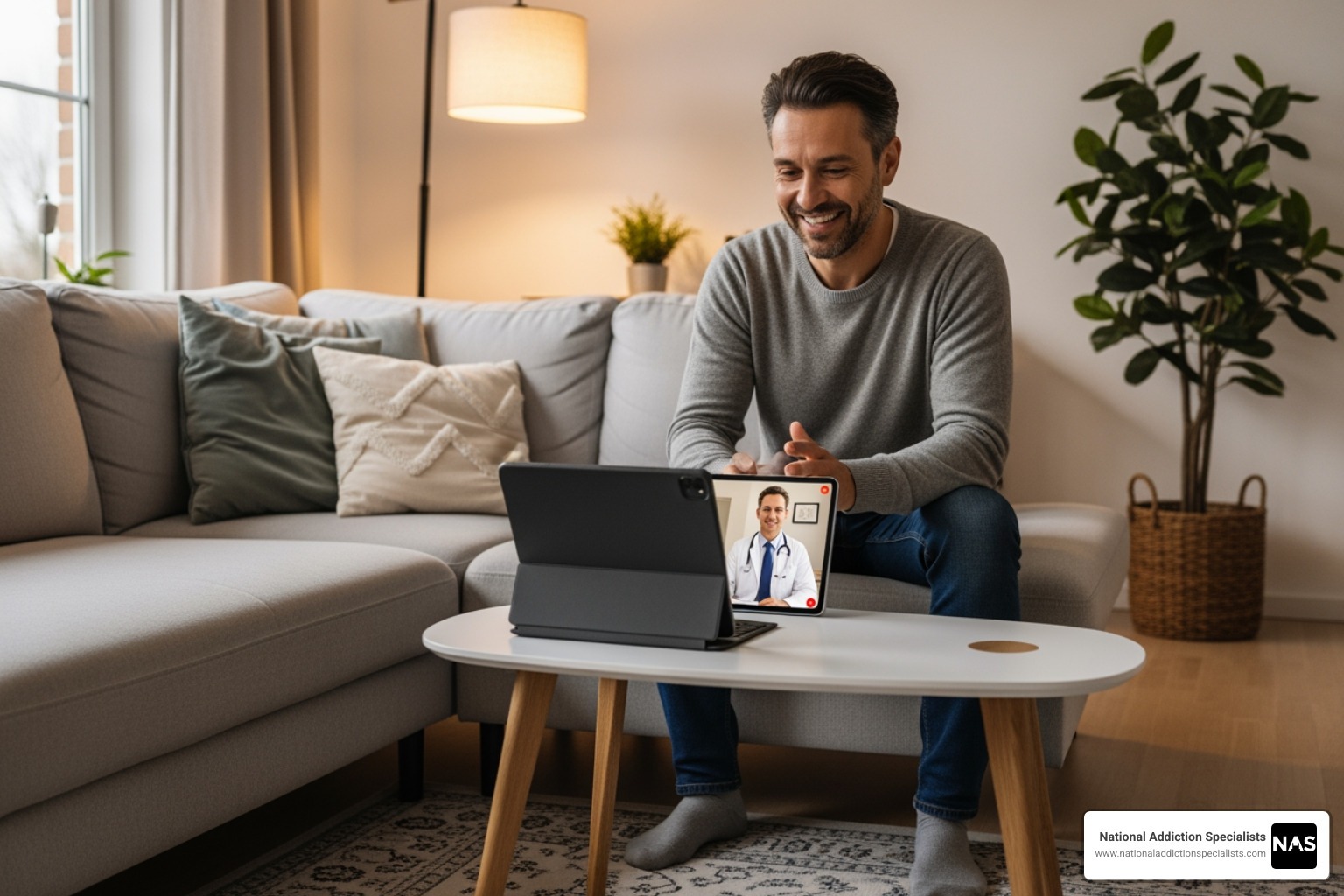
Telemedicine, or telehealth, uses technology like your computer or smartphone to provide healthcare remotely. It allows you to connect with doctors and therapists through video calls, phone appointments, or secure messaging, all from the comfort of your home. This approach offers significant benefits, including convenience, time and cost savings, and improved access to specialized care, especially for those in rural areas or with mobility issues.
The COVID-19 pandemic accelerated the adoption of virtual care, making it an essential service. Recognizing its importance, Medicare has extended coverage for most telehealth services until well into the future. But is it a true game-changer for managing chronic conditions like substance use disorders? Can it fully replace in-person care?
I’m Dr. Chad Elkin, founder and medical director of National Addiction Specialists, board-certified in Addiction Medicine and Internal Medicine. I have focused my career on developing telemedicine solutions for addiction treatment, helping patients overcome barriers like stigma and distance to access the care they need.
Make an Appointment to Treat Addiction
Please don’t hesitate. Make an appointment today.
The Core Benefits of Managing Health from Home
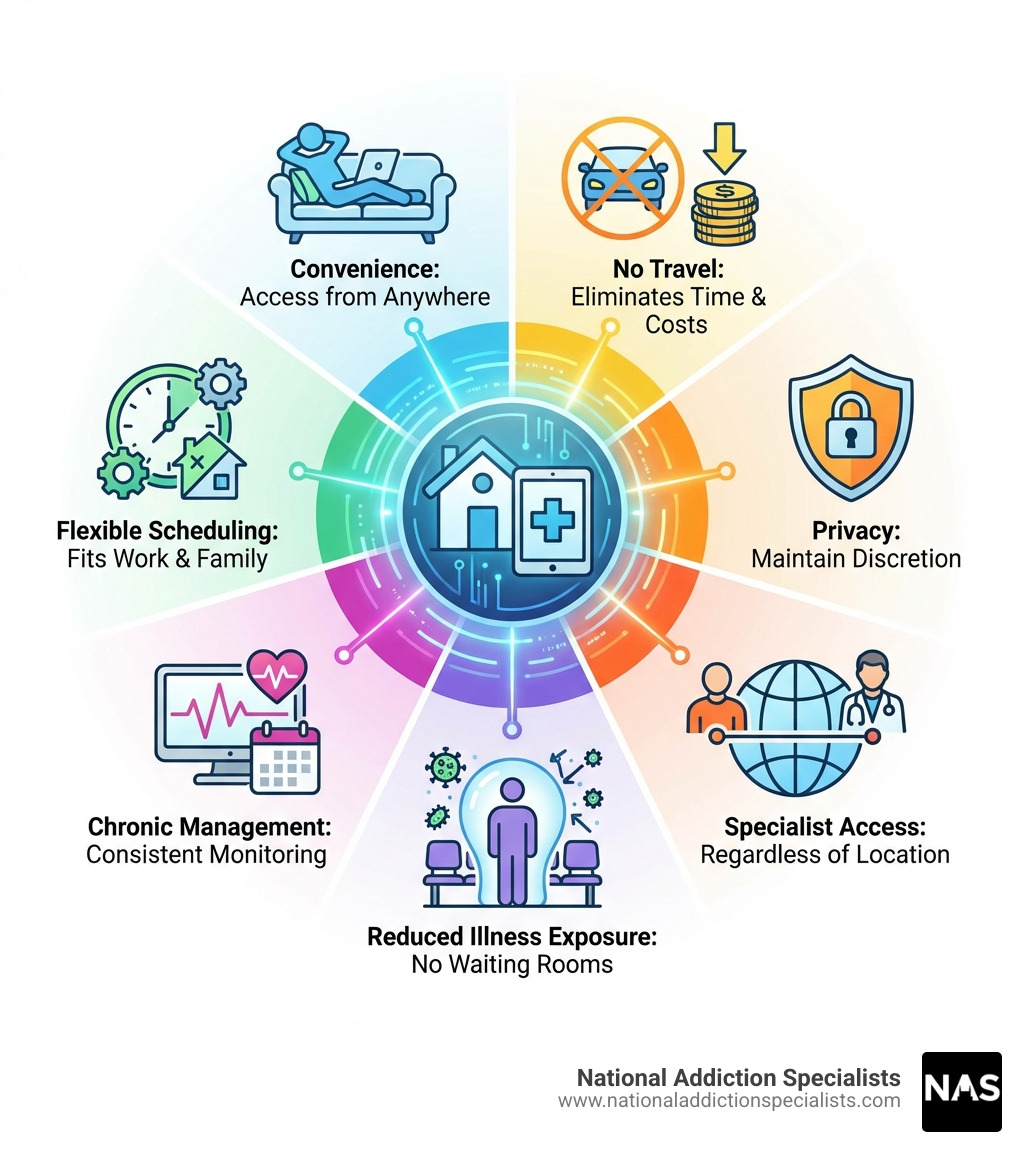
Telemedicine from home places you at the center of care, bringing the doctor’s office directly to you. The immediate benefit is convenience – connect with your provider from anywhere with internet, saving time and money on travel.
Beyond convenience, telehealth provides better access to specialists regardless of location, particularly vital for rural areas of Tennessee and Virginia. It enables flexible scheduling and better care coordination between providers.
The Advantages of Telemedicine for Chronic Conditions
For chronic conditions, telemedicine enables consistent monitoring through regular virtual check-ins and remote patient monitoring devices. Providers can evaluate symptoms, diagnose, and prescribe or adjust medications virtually – especially impactful for opioid use disorder treatment.
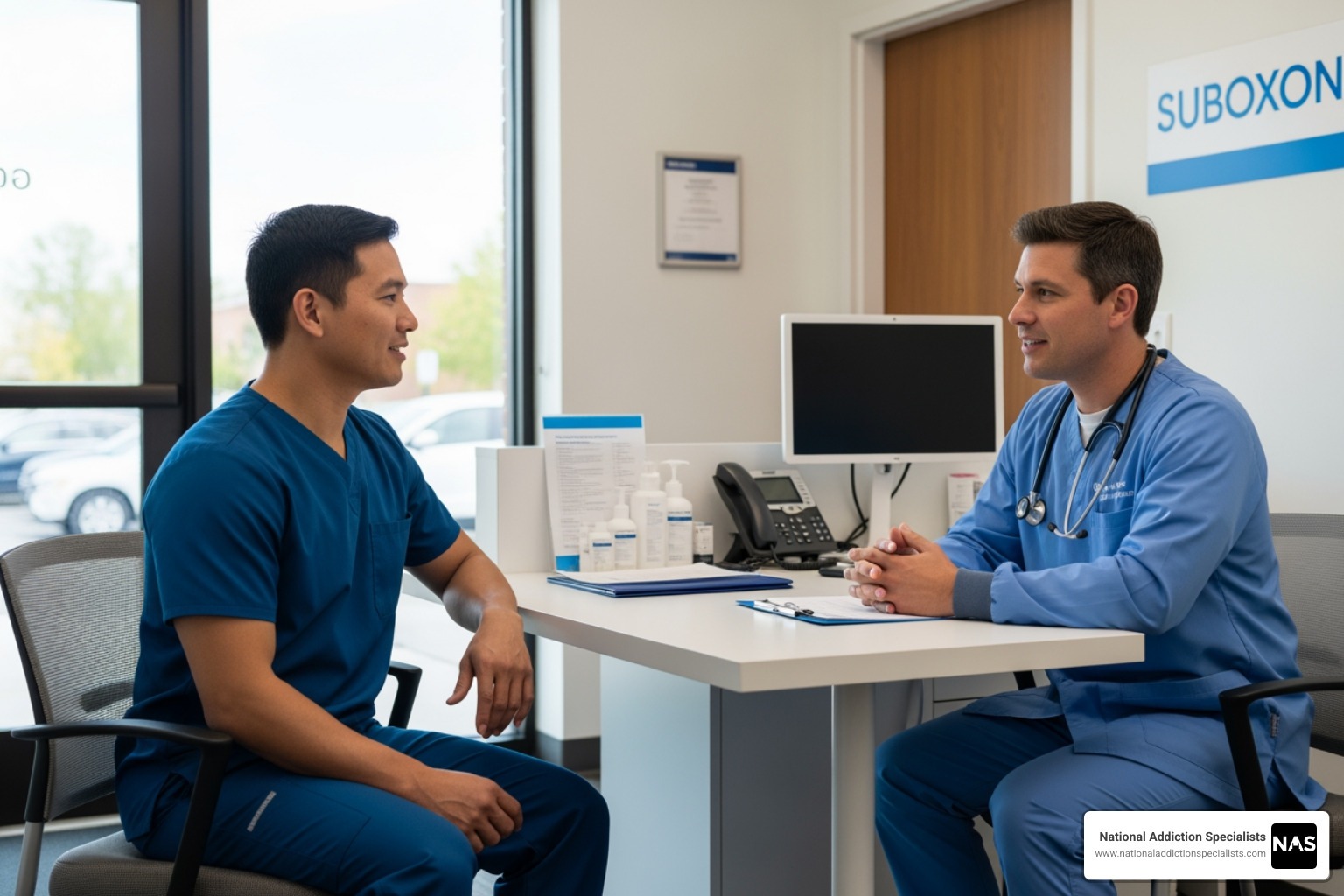
National Addiction Specialists leverages Telehealth Opioid Treatment and Medication Assisted Treatment Online to provide Suboxone treatment directly to patients’ homes. Telehealth also reduces exposure to illnesses and empowers patients with greater self-management support.
Preparing for a Successful Telemedicine Visit
Proper preparation ensures your telemedicine from home visit is smooth and effective.
Before Your Appointment:
- Find a quiet, private, well-lit space
- Test your device, internet, camera, and microphone
- Write down symptoms and prepare questions
- Have medications list ready
- Check vitals if possible
During Your Appointment:
- Minimize distractions and notifications
- Communicate clearly and show visible symptoms on camera
- Confirm treatment plan and follow-up before ending
These simple steps help your provider give you the best possible care.
What to Expect: Conditions, Coverage, and Limitations
Telemedicine from home includes virtual visits with providers, provider-to-provider consultations, and remote patient monitoring using technology to track health data.
What Medical Conditions Can Be Treated?
Telehealth suits many medical needs:
- General wellness visits and check-ups
- Urgent care for colds, flu, rashes, UTIs
- Mental and behavioral health, including Online Addiction Counseling
- Chronic disease management
- Post-surgical follow-ups
The Department of Health and Human Services confirms telehealth’s effectiveness for a broad spectrum of care. Details at What Can Be Treated through Telehealth?.
Understanding Insurance Coverage
| Insurance Type | Current Coverage | Future Outlook |
|---|---|---|
| Medicare | Broad home coverage during flexibility period | Mental/behavioral health coverage expected to remain; other services may focus on rural areas |
| Medicaid (TN & VA) | Strong virtual visit coverage, especially mental health/SUD | Expected to remain robust for behavioral health |
| Private Insurance | Many plans cover telehealth with standard co-pays | Depends on specific plan and insurer policies |
National Addiction Specialists accepts many insurance plans. Learn more at Online Suboxone Doctors That Take Insurance.
Limitations and Security
Telemedicine cannot replace emergencies or hands-on exams. Technical issues can be barriers. All reputable providers use HIPAA-compliant platforms to ensure privacy.
The Future of Healthcare is at Home
Telemedicine is not just a temporary solution; it’s a fundamental shift in how healthcare is delivered. As technology advances with better wearable devices and AI-driven diagnostics, the ability to receive high-quality care from home will only grow. This evolution empowers you to take a more active role in managing your health, offering flexibility and accessibility that was once unimaginable.
For those seeking help with opioid addiction, this modern approach is particularly transformative. It removes barriers like travel and stigma, making it easier to start and stay on the path to recovery. At National Addiction Specialists, we are committed to providing this convenient, confidential, and effective care.
Make an Appointment to Treat Addiction
Please don’t hesitate. Make an appointment today.
This article was medically reviewed by:
Chad Elkin, MD, DFASAM is a board-certified addiction medicine physician, founder, and Chief Medical Officer of National Addiction Specialists, dedicated to treating substance use disorders. A Distinguished Fellow of the American Society of Addiction Medicine (ASAM), Dr Elkin currently serves as President of the Tennessee Society of Addiction Medicine (TNSAM) and has held various leadership roles within the organization. Dr Elkin chairs ASAM’s Health Technology Subcommittee and is an active member of its Practice Management and Regulatory Affairs Committee, State Advocacy and Legislative Affairs Committee, and other committees. He also serves on the planning committee for the Vanderbilt Mid-South Addiction Conference. Committed to advancing evidence-based policy, Dr Elkin is Chairman of the Tennessee Association of Alcohol, Drug, & Other Addiction Services (TAADAS) Addiction Medicine Council, which collaborates with the TN Department of Mental Health & Substance Abuse Services (TDMHSAS). He has contributed to numerous local, state, and national task forces, helping develop professional guidelines, policies, and laws that align with best practices in addiction medicine. His work focuses on reducing addiction-related harm, combating stigma, and ensuring access to effective treatment.Passionate about the field of addiction medicine, he remains dedicated to shaping policy and enhancing patient care.
Suboxone® and Subutex® are a registered trademark of Indivior UK Limited. Any mention and reference of Suboxone® and Subutex® in this website is for informational purposes only and is not an endorsement or sponsorship by Indivior UK Limited.
The Core Benefits of Managing Health from Home
Telemedicine from home brings healthcare directly to you through digital technologies, improving access and experience. The obvious benefit is convenience – no traffic, parking, or waiting rooms, just your device. This saves travel costs and time away from work or family.
Telehealth bridges gaps to specialists, whether you’re in rural Tennessee, Virginia, or busy cities. It enables flexible scheduling and better care coordination.
The Advantages for Chronic Conditions
Chronic illnesses benefit from telehealth’s consistent monitoring through regular virtual visits and remote devices. Medication management becomes convenient as providers assess symptoms and adjust prescriptions virtually – crucial for opioid use disorder treatment.
National Addiction Specialists uses Telehealth Opioid Treatment and Medication Assisted Treatment Online for Suboxone treatment in Tennessee and Virginia. Telehealth reduces illness exposure and strengthens self-management through easier access to your care team.
Special Considerations for Different Groups
- Older adults: Avoid mobility challenges and maintain continuity of care. See Getting the Care You Need via Telemedicine
- Patients with disabilities: Remove transportation and access barriers
- Rural populations: Access specialists and At-Home Addiction Recovery
- Children: Less intimidating than clinic visits for minor illnesses
Make an Appointment to Treat Addiction
Please don’t hesitate. Make an appointment today.
Preparing for a Successful Visit
Successful telemedicine from home visits require preparation. Find a quiet, private space with good lighting and stable device placement.
Check technology beforehand – ensure stable internet, charged device, and test any required apps. List symptoms clearly, including onset and severity. Prepare questions and have medications list ready.
Technology Requirements
Basic needs:
- Smartphone, tablet, or computer with internet
- Stable connection
- Camera and microphone
- Provider’s portal or app access
Essentials checklist:
- Charged device
- Reliable internet
- Working camera/microphone
- Correct app/link
- Optional headphones for privacy
Maximizing Effectiveness
Write concerns in advance. Check vitals if possible. Ensure good lighting and minimize distractions. Have a backup plan for technical issues. For parents, see What to Expect at a Telehealth Visit (For Parents).
What to Expect: Coverage and Conditions
Telemedicine from home includes virtual visits, provider consultations, and remote monitoring devices that send health data to your care team.
Treatable Conditions
Many concerns are addressable virtually:
- Wellness visits and follow-ups
- Urgent care (rashes, colds, flu, UTIs)
- Mental health and Online Addiction Counseling
- Chronic disease management
- Post-surgical follow-ups
See What Can Be Treated through Telehealth? for details.
Insurance Coverage
Medicare offers broad telehealth coverage from home during extended flexibility periods. Mental/behavioral health services, including SUD treatment, are expected to remain strongly supported. Check Telehealth (Medicare Part B Coverage).
Medicaid in Tennessee and Virginia generally supports virtual visits, especially for mental health/SUD services. Private insurance varies by plan – many cover telehealth similarly to in-person care.
National Addiction Specialists accepts many insurance providers. Learn more at Online Suboxone Doctors That Take Insurance.
| Insurance | Current Coverage | Future Considerations |
|---|---|---|
| Medicare | Broad home coverage during flexibility | Mental health/SUD expected to remain; other services may change |
| Medicaid | Strong telehealth support | Likely to maintain behavioral health coverage |
| Private | Many cover similarly to in-person | Depends on individual plans |
The Core Benefits of Managing Health from Home
When we talk about telemedicine from home, we are talking about care that comes to you rather than the other way around. Using secure video, phone, and messaging tools, you can connect with healthcare professionals without leaving your house. This model can improve convenience, access, and continuity of care.
Convenience is often the first benefit people notice. You can skip travel, parking, and waiting rooms and instead use a laptop, tablet, or smartphone. For many patients, this means less time away from work and family, and lower transportation or childcare costs.
Telehealth also expands access to specialists. Whether you live in a rural part of Tennessee or Virginia or in a busy urban area, reaching a specific type of provider can be difficult. Virtual care closes that gap and supports better care coordination by making it easier for your providers to share information.
The Advantages of Telemedicine from Home for Chronic Conditions
For chronic conditions, telemedicine from home can make it easier to stay on track with treatment. Regular virtual follow-ups allow your care team to monitor symptoms, side effects, and progress and to adjust treatment as needed.
Medication management is simpler when you do not have to travel for every adjustment. Providers can evaluate how you are doing and update prescriptions through virtual visits. For opioid use disorder, this consistent access is crucial. National Addiction Specialists uses Telehealth Opioid Treatment and Medication Assisted Treatment Online to deliver Suboxone treatment and follow-up care directly to patients in Tennessee and Virginia.
Telehealth also reduces contact with contagious illnesses and encourages self-management. With easier access to education, reminders, and check-ins, many patients feel more involved in daily decisions about their health.
Special Considerations for Different Patient Groups
Telemedicine from home can be especially valuable for certain groups.
- Older adults may find travel tiring or difficult. Being able to connect from home helps them keep regular appointments and maintain continuity with their usual providers.
- People with mobility challenges or disabilities can avoid physical barriers associated with transportation and clinic environments.
- Rural residents in Tennessee and Virginia benefit from shorter wait times and access to specialists who might otherwise be far away, including addiction treatment providers offering At-Home Addiction Recovery.
- Families with children may appreciate the ability to speak with a clinician without taking a child out of school or into a busy waiting room.
The National Council on Aging has more information in Getting the Care You Need via Telemedicine.
Make an Appointment to Treat Addiction
Please don’t hesitate. Make an appointment today.
Preparing for a Successful Telemedicine from Home Visit
A telemedicine from home visit can be just as effective as an in-person appointment when you prepare ahead of time. A few small steps can make the experience smoother and more comfortable.
Start by choosing a quiet, private space with good lighting and a stable place to set your device. This helps both you and your provider focus without distractions.
Check your technology before the appointment. Confirm that your smartphone, tablet, or computer turns on, is charged, and connects to the internet. Test your camera and microphone and sign in to the app or patient portal your provider uses.
Before your visit, write down your main symptoms, when they started, and how they affect your daily life. List any medications and supplements you take. Having this information handy saves time and helps your provider make decisions.
What Technology Do You Need for Telemedicine from Home?
Telemedicine from home usually requires only basic tools:
- A smartphone, tablet, or computer with video capability.
- A stable internet connection.
- A built-in or external camera and microphone.
- Access to your provider’s portal or app for the visit.
A simple checklist:
- Charged device ready for use.
- Reliable internet connection.
- Working camera and microphone.
- Correct link or app installed.
- Optional headphones for better sound and privacy.
How to Maximize Your Appointment’s Effectiveness
To make the most of your telemedicine from home visit, come prepared and stay engaged.
Write down any concerns or questions you want to cover. If you have home monitoring equipment, such as a blood pressure cuff or scale, check your readings before the visit and share them.
Ensure your provider can see and hear you clearly, and reduce distractions by silencing alerts and asking household members to give you privacy. Know what to do if the connection fails, such as switching to a phone call.
For parents, guides like What to Expect at a Telehealth Visit (For Parents) can provide additional tips.
What to Expect: Coverage, Conditions, and Considerations
Telemedicine from home encompasses various services beyond video calls, including virtual visits, provider-to-provider consultations, and remote patient monitoring where devices track and transmit health data securely to your care team.
What Medical Conditions Can Be Treated?
The range of treatable conditions through telemedicine from home is broad:
- General wellness visits and check-ups
- Urgent care for rashes, colds, flu, UTIs
- Mental health counseling and therapy
- Chronic disease management (diabetes, hypertension, asthma)
- Post-surgical follow-ups
National Addiction Specialists offers Online Addiction Counseling for recovery support. According to HHS, telehealth effectively treats many conditions including mental and behavioral health disorders. Details at What Can Be Treated through Telehealth?.
Understanding Insurance Coverage
For Medicare beneficiaries, coverage is evolving. Through January 30, 2026, Medicare covers telehealth from anywhere in the U.S., including your home. After January 31, 2026, most services will require rural location, but important exceptions remain:
- ESRD visits for home dialysis
- Acute stroke services
- Mental/behavioral health and substance use disorder treatment from home
This ensures continued access to addiction treatment via telemedicine. See Telehealth (Medicare Part B Coverage).
Private insurance varies by plan. Many cover telehealth similarly to in-person visits. National Addiction Specialists works with many insurers – learn more at Online Suboxone Doctors That Take Insurance.
| Insurance Type | Current Coverage | Future Coverage |
|---|---|---|
| Medicare | Broad home coverage through Jan 2026 | Mental health/SUD from home continues; other services may require rural location |
| Medicaid (TN/VA) | Strong virtual visit coverage | Expected to remain robust for behavioral health |
| Private | Varies by plan | Depends on specific insurer policies |