Don’t Panic! Your Guide to Post-Drinking Anxiety
When Quitting Drinking Feels Terrifying: What You Need to Know
Alcohol withdrawal anxiety relief is possible — and knowing your options is the first step toward feeling better.
If you’ve recently stopped drinking and feel gripped by fear, racing thoughts, or a pounding heart, here’s a quick overview of what helps:
| Approach | What It Does |
|---|---|
| Benzodiazepines (e.g., diazepam, lorazepam) | First-line medical treatment; reduces anxiety and prevents seizures |
| Thiamine (Vitamin B1) | Protects the brain during withdrawal |
| Hydration & nutrition | Supports nervous system recovery |
| Medical monitoring (CIWA-Ar scale) | Tracks symptom severity so treatment is matched to your needs |
| Non-benzodiazepine options (e.g., gabapentin) | Useful for mild withdrawal or as an add-on treatment |
| Mindfulness, CBT, and peer support | Helps manage ongoing anxiety after the acute phase |
Important: Alcohol withdrawal can be medically serious. Always consult a healthcare professional before stopping heavy, long-term alcohol use.
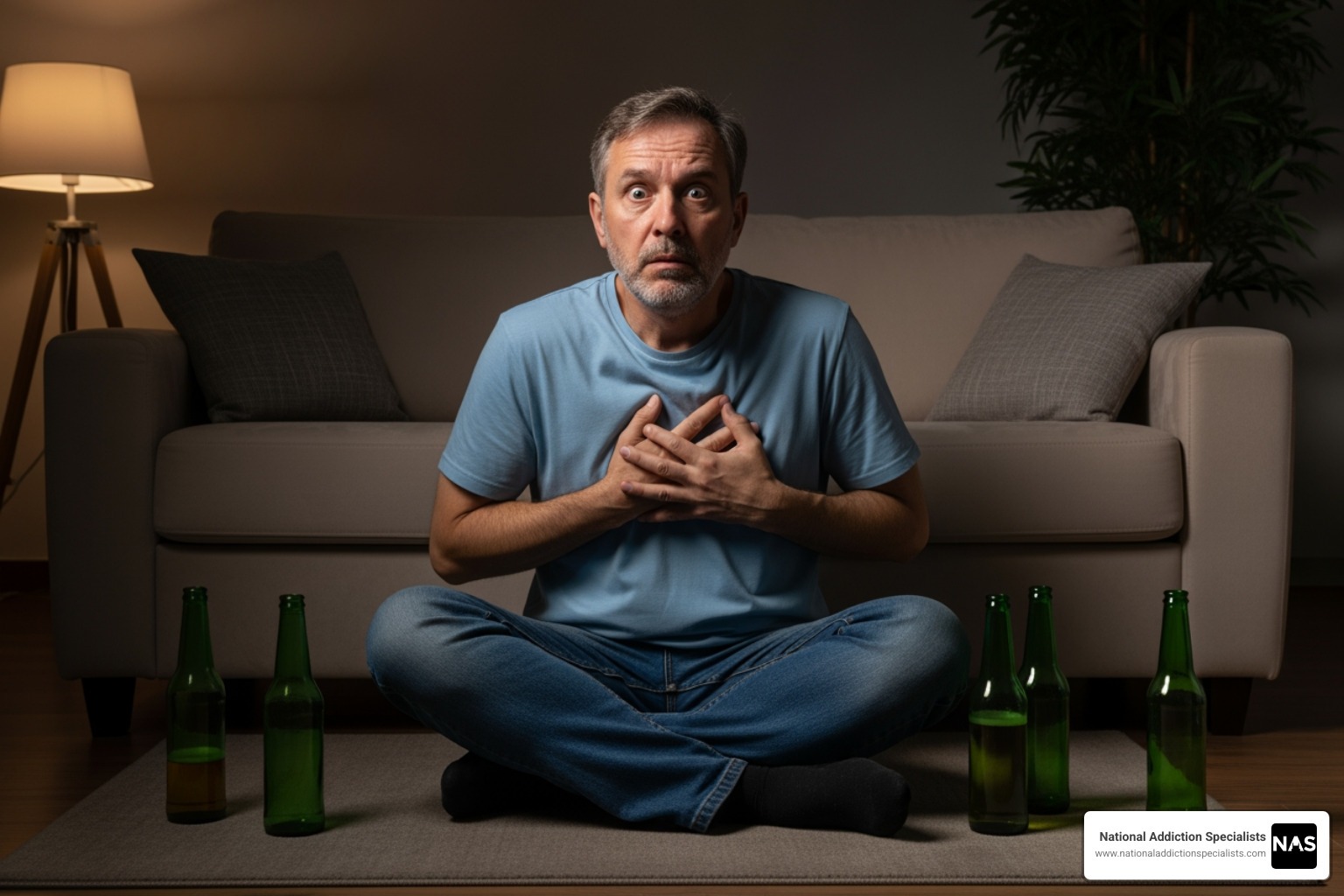
Stopping alcohol after heavy or prolonged use doesn’t just feel uncomfortable — for many people, it triggers a full-blown anxiety response that can be overwhelming and frightening. About 50% of people with alcohol dependence develop clinically significant withdrawal symptoms when they cut back or quit, and anxiety is one of the most common and distressing of those symptoms.
That anxiety isn’t a character flaw or a sign of weakness. It’s your central nervous system reacting to a sudden chemical shift — one that began long before your last drink.
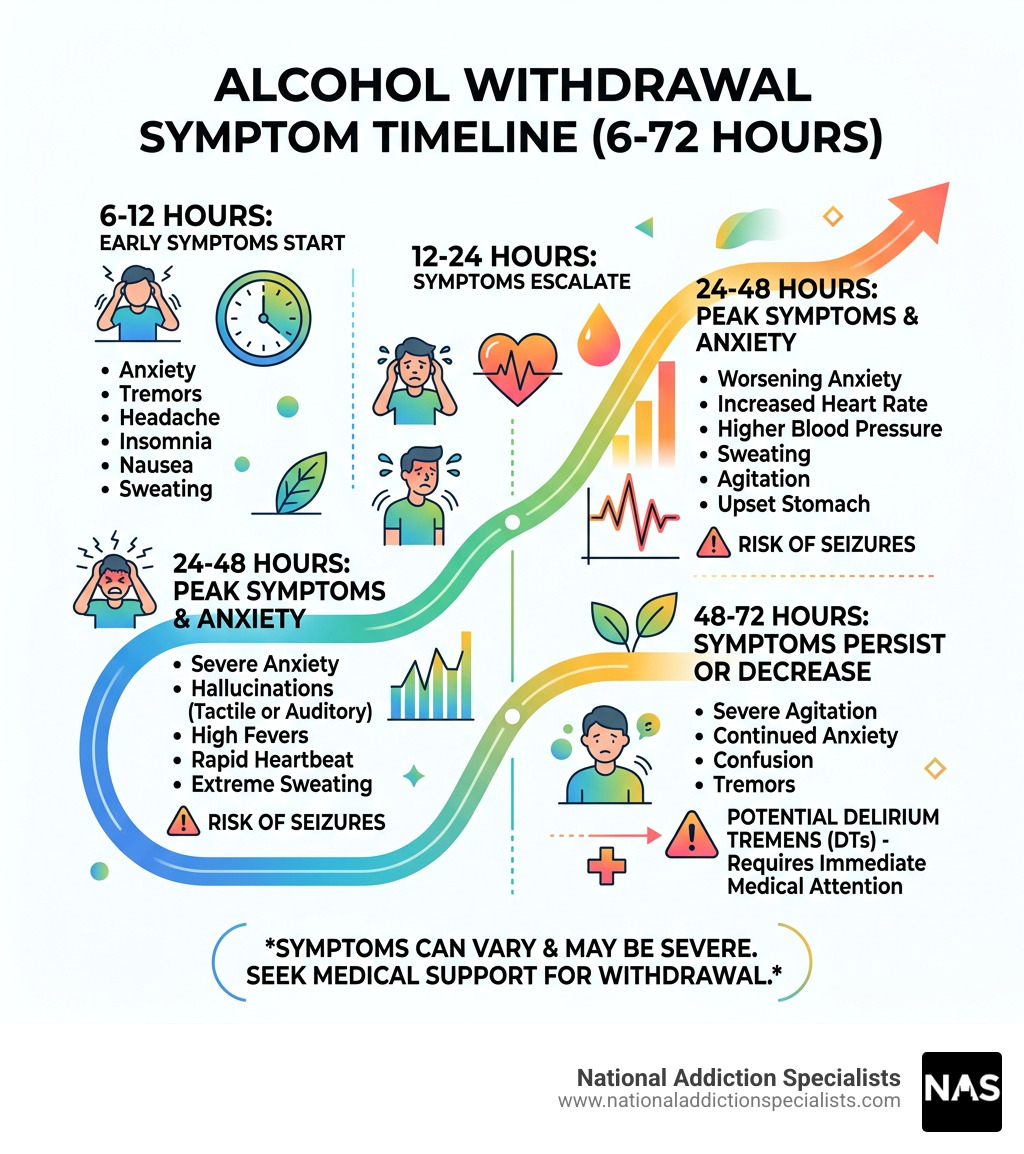
Symptoms typically start within 6 to 24 hours after your last drink, peak between 24 and 72 hours, and can linger for weeks without proper support. Understanding what’s happening in your body — and what actually works to ease it — makes a real difference.
I’m Dr. Chad Elkin, board-certified in Addiction Medicine and founder of National Addiction Specialists, and I’ve spent my career helping patients find safe, evidence-based alcohol withdrawal anxiety relief through personalized, judgment-free care. In this guide, I’ll walk you through exactly what’s going on and what you can do about it.
Understanding the Science of Alcohol Withdrawal Anxiety Relief
To find true alcohol withdrawal anxiety relief, we first have to look at what alcohol does to the “brakes” and “engines” of your brain. Alcohol is a central nervous system depressant. When you drink consistently, your brain tries to maintain balance by turning down its natural sedatives and cranking up its natural stimulants.
The primary players here are GABA (the brakes) and Glutamate (the engine). GABA is an inhibitory neurotransmitter that makes you feel calm. Glutamate is an excitatory neurotransmitter that keeps you alert. Chronic alcohol use leads to a downregulation of GABA receptors and an upregulation of NMDA (glutamate) receptors.
When the alcohol suddenly stops, the “brakes” are broken and the “engine” is floor-boarded. This results in a massive glutamate surge, leading to CNS hyperexcitability. This chemical chaos manifests as the physical and mental symptoms of anxiety: racing heart, tremors, and a sense of impending doom.
Why Alcohol Withdrawal Anxiety Relief Starts with GABA
Because the root cause of the panic is a lack of GABA activity, effective alcohol withdrawal anxiety relief usually involves medications that mimic GABA’s effects. Scientific research on GABA(A) receptor changes shows that after ethanol withdrawal, the brain is physically different. It is primed for over-activity.
This leads to what we call the Kindling Effect. Every time someone goes through withdrawal and then starts drinking again, the next withdrawal becomes more severe. The brain becomes increasingly sensitive, making the anxiety more intense and the risk of seizures higher with each attempt to quit. This is why research on the neurobiology of drug addiction emphasizes the need for medical intervention to break this cycle safely.
Assessing Severity with the CIWA-Ar Scale
How do we know if your anxiety is “normal” post-drinking jitters or a medical emergency? We use a tool called the CIWA-Ar (Clinical Institute Withdrawal Assessment for Alcohol, Revised). This scale quantifies 10 different symptoms, including nausea, tremors, sweating, and—most importantly for our discussion—anxiety.
You can find more info about CIWA-Ar assessment to see how clinicians score these symptoms. The maximum score is 67. Generally, we use the following breakdown to determine the level of care needed:
| CIWA-Ar Score | Severity Level | Typical Manifestation |
|---|---|---|
| 0 – 8 | Mild | Minimal symptoms; low anxiety; no medication may be needed. |
| 9 – 15 | Moderate | Noticeable tremors and sweating; clear anxiety; medication usually started. |
| 16 – 20 | Severe | Strong physical symptoms; high anxiety; requires close monitoring. |
| Over 20 | Very Severe | High risk of seizures and Delirium Tremens (DTs); often requires inpatient care. |
Effective Medical Strategies for Alcohol Withdrawal Anxiety Relief with Professional Guidance
When anxiety moves into the moderate or severe range, “toughing it out” is not only painful but potentially dangerous. The gold standard for alcohol withdrawal anxiety relief is the use of benzodiazepines. These medications, such as Diazepam (Valium), Lorazepam (Ativan), and Chlordiazepoxide (Librium), work by enhancing the effect of GABA at the receptors, essentially providing the “brakes” your brain is currently missing.
Cochrane reviews on benzodiazepines for AWS have consistently shown that they are the most effective at reducing symptoms and preventing the most dangerous complications, like seizures.
There are two main ways we prescribe these:
- Symptom-triggered dosing: We give medication only when your CIWA-Ar score hits a certain threshold (usually 8 or 9). This has been shown to reduce the total amount of medication used and shorten the treatment time significantly—sometimes from 62 hours down to just 20 hours.
- Fixed-schedule regimens: We give a set amount of medication every few hours, regardless of symptoms, and slowly taper it down. This is sometimes preferred for patients at very high risk for seizures.
For safe and effective treatment of alcohol withdrawal anxiety, professional medical guidance is crucial. Please don’t hesitate. Make an Appointment to Treat Addiction
First-Line Medications for Alcohol Withdrawal Anxiety Relief
Benzodiazepines are chosen because they have a “cross-tolerance” with alcohol. This means they can step in and do alcohol’s job of calming the brain without the toxic effects of ethanol.
- Diazepam and Chlordiazepoxide: These are long-acting. They provide a “smoother” ride because they stay in your system longer, preventing the “rebound” anxiety that can happen as a drug wears off.
- Lorazepam and Oxazepam: These are intermediate-acting and are often preferred for elderly patients or those with liver damage, as they are easier for the liver to process.
Research on emergency management of alcohol withdrawal highlights that using these medications correctly can reduce the mortality rate of severe withdrawal (Delirium Tremens) from 15% down to less than 1%.
Non-Benzodiazepine Options for Alcohol Withdrawal Anxiety Relief
While “benzos” are the heavy hitters, they aren’t the only tools we have. For mild cases, or for people who cannot take benzodiazepines, anticonvulsants like Gabapentin or Carbamazepine are excellent alternatives.
A study on gabapentin for withdrawal and dependence found that it was not only effective at treating withdrawal symptoms but also helped reduce alcohol cravings once the withdrawal was over. Gabapentin has a lower risk of misuse and doesn’t cause the same level of sedation as traditional benzodiazepines, making it a popular choice for outpatient alcohol withdrawal anxiety relief.
Supportive Care and Long-Term Recovery Strategies
Medical detox is only the first step. To keep the anxiety at bay, we have to look at the whole body. Chronic alcohol use often leads to severe nutritional deficiencies, which can actually worsen neurological symptoms.
Thiamine (Vitamin B1) is non-negotiable. Alcohol prevents the body from absorbing B1, and a severe deficiency can lead to Wernicke-Korsakoff syndrome, a serious brain disorder. We typically provide 100mg of thiamine daily to all patients in withdrawal.
Research on magnesium treatment during withdrawal also suggests that correcting electrolyte imbalances—like low magnesium or potassium—can help stabilize the nervous system and reduce physical jitters.
Preventing Relapse and Protracted Anxiety
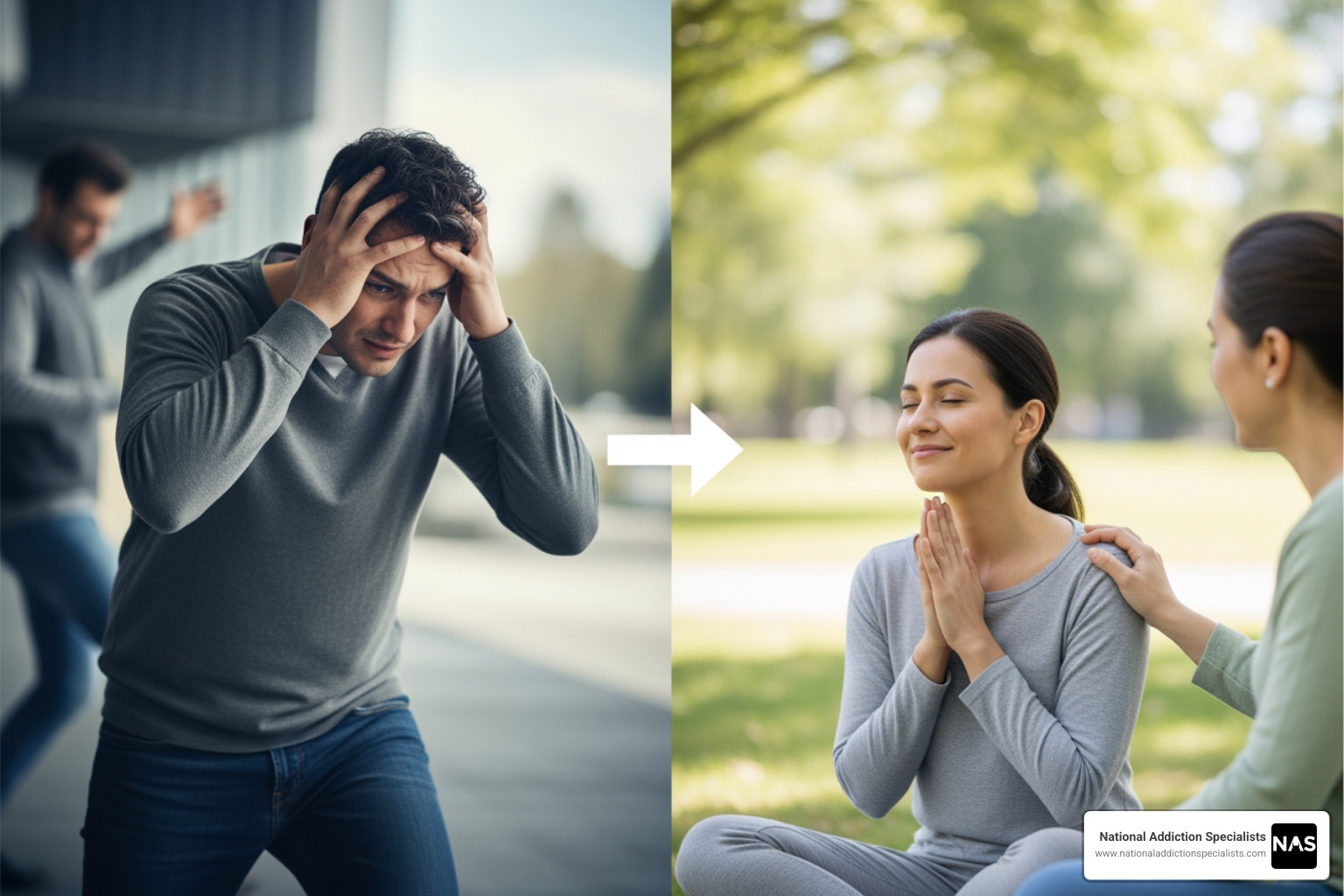
Once the “acute” phase (the first 3-7 days) is over, many people experience what we call Protracted Withdrawal Syndrome. This can involve lingering anxiety, irritability, and sleep disturbances that last for weeks or even months. Research on protracted withdrawal syndrome notes that anhedonia (the inability to feel pleasure) is a major risk factor for relapse during this time.
To manage this long-term anxiety, we recommend:
- Counseling: Cognitive Behavioral Therapy (CBT) is highly effective at helping you reframe the “need” to drink when you feel stressed.
- Sleep Hygiene: Alcohol destroys sleep patterns. We sometimes use non-addictive adjuncts like Trazodone to help restore natural sleep cycles without the risk of dependency.
- Lifestyle Changes: Regular exercise has been shown to stimulate the brain’s natural “feel-good” chemicals, providing a natural form of alcohol withdrawal anxiety relief.
- AUD Screening: Using tools like the AUDIT or CAGE questionnaires helps us determine if long-term medications like Naltrexone or Acamprosate are right for you to prevent future relapses.
Frequently Asked Questions about Post-Drinking Anxiety
How long does alcohol withdrawal anxiety last?
The timeline varies, but scientific research on withdrawal symptoms gives us a general map. Minor symptoms like mild anxiety and tremors usually start 6 to 12 hours after your last drink. The “peak” of the discomfort—where anxiety is most intense—is typically between 24 and 72 hours. Most physical symptoms resolve within 5 to 7 days, but psychological anxiety can persist as part of post-acute withdrawal syndrome (PAWS) for several weeks.
Can I treat alcohol withdrawal anxiety at home?
It depends on your history and severity. Outpatient treatment is often safe for people with:
- Mild to moderate CIWA-Ar scores (under 15).
- No history of withdrawal seizures or Delirium Tremens.
- No major co-occurring medical or psychiatric issues.
- A reliable, sober support person at home to help monitor symptoms.
However, because of the risk of seizures, you should never attempt a “home detox” without a medical plan from an addiction specialist. Telemedicine options, like the ones we provide at National Addiction Specialists, allow you to receive expert monitoring and prescriptions from the comfort and privacy of your home in Tennessee or Virginia.
What are the risks of untreated withdrawal?
The biggest risk is progression. What starts as “the shakes” and anxiety can quickly escalate into:
- Withdrawal Seizures: Usually occurring 12-48 hours after the last drink.
- Alcoholic Hallucinosis: Seeing or hearing things that aren’t there, usually within 24 hours.
- Delirium Tremens (DTs): A medical emergency involving severe confusion, hallucinations, high blood pressure, and fever. Research on recognition of withdrawal delirium emphasizes that DTs can be fatal if not treated in a hospital setting.
Conclusion
At National Addiction Specialists, we understand that the anxiety following a period of drinking can feel like an impossible mountain to climb. But you don’t have to climb it alone, and you certainly don’t have to suffer through it.
We provide telemedicine-based care across Tennessee and Virginia, including locations in Brentwood and Virginia Beach. Our goal is to provide you with a personalized recovery plan that includes evidence-based medication and compassionate counseling—all from the privacy of your own home. We accept Medicaid and Medicare to ensure that high-quality addiction medicine is accessible to those who need it most.
If you are ready to find lasting alcohol withdrawal anxiety relief and start your journey toward a healthier, calmer life, we are here to help.
Make an Appointment to Treat Addiction
This article was medically reviewed by: Chad Elkin, MD, DFASAM is a board-certified addiction medicine physician, founder, and Chief Medical Officer of National Addiction Specialists, dedicated to treating substance use disorders. A Distinguished Fellow of the American Society of Addiction Medicine (ASAM), Dr Elkin currently serves as President of the Tennessee Society of Addiction Medicine (TNSAM) and has held various leadership roles within the organization. Dr Elkin chairs ASAM’s Health Technology Subcommittee and is an active member of its Practice Management and Regulatory Affairs Committee, State Advocacy and Legislative Affairs Committee, and other committees. He also serves on the planning committee for the Vanderbilt Mid-South Addiction Conference. Committed to advancing evidence-based policy, Dr Elkin is Chairman of the Tennessee Association of Alcohol, Drug, & Other Addiction Services (TAADAS) Addiction Medicine Council, which collaborates with the TN Department of Mental Health & Substance Abuse Services (TDMHSAS). He has contributed to numerous local, state, and national task forces, helping develop professional guidelines, policies, and laws that align with best practices in addiction medicine. His work focuses on reducing addiction-related harm, combating stigma, and ensuring access to effective treatment. Passionate about the field of addiction medicine, he remains dedicated to shaping policy and enhancing patient care.
Suboxone® and Subutex® are a registered trademark of Indivior UK Limited. Any mention and reference of Suboxone® and Subutex® in this website is for informational purposes only and is not an endorsement or sponsorship by Indivior UK Limited.