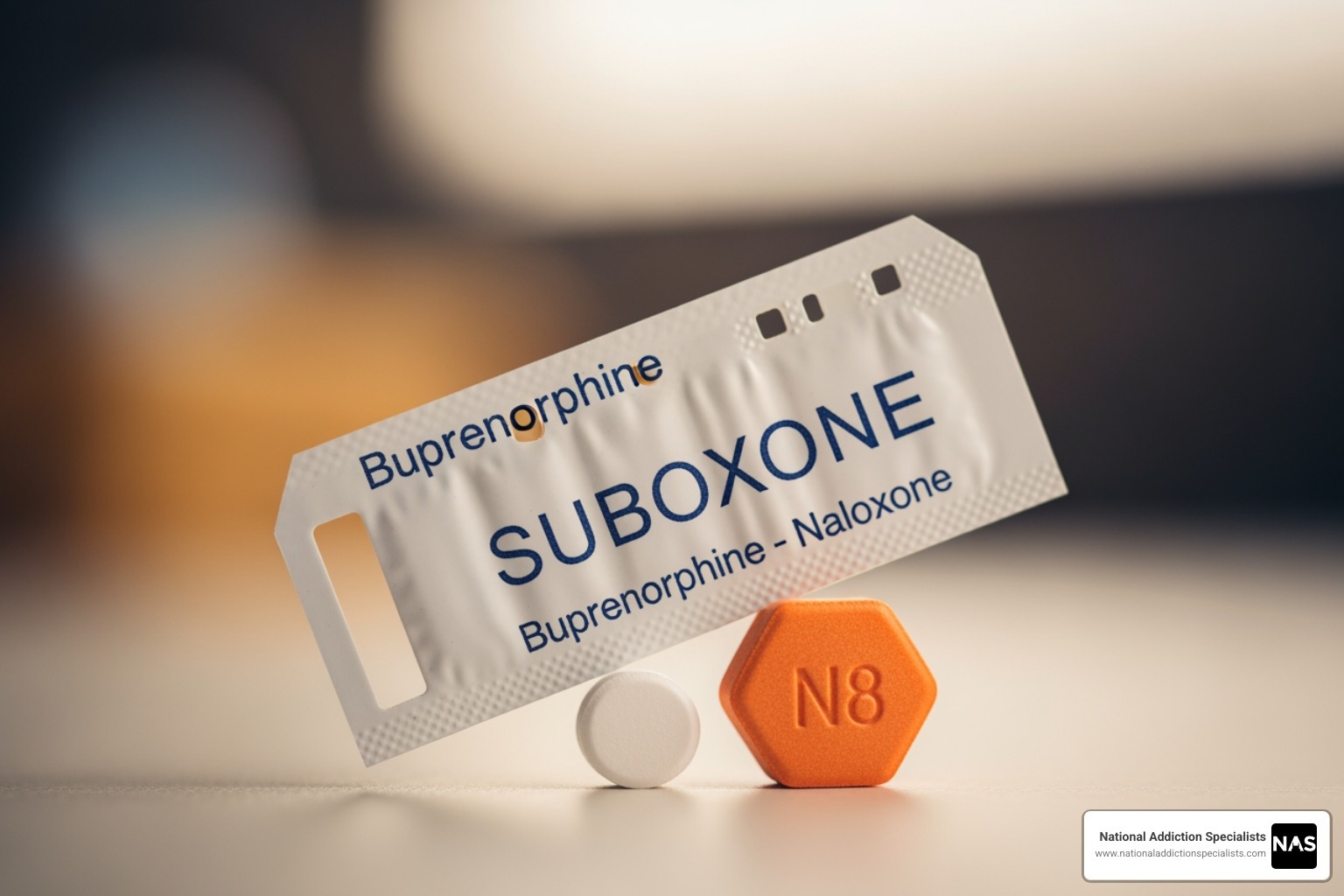
A Path to Recovery in Your Own Space

Outpatient opioid detoxification is a medically supervised process that helps people safely stop using opioids while living at home and maintaining their daily routines. Unlike inpatient programs that require staying at a treatment facility, outpatient detox allows you to receive medical care, medication support, and counseling while continuing work and family responsibilities.
Quick Overview: What You Need to Know
| Aspect | Outpatient Detox | Inpatient Detox |
|---|---|---|
| Setting | At home with medical support | Residential facility |
| Duration | Typically 3-14 days for acute withdrawal | Usually up to 4 weeks |
| Cost | Less expensive | More expensive |
| Daily Life | Continue work and responsibilities | Full-time treatment focus |
| Medical Support | Regular check-ins, telehealth options | 24/7 supervision |
| Success Rate | 29% completion with buprenorphine in one study | 77% completion with buprenorphine in one study |
Opioid Use Disorder (OUD) is a chronic condition that changes how your brain functions, making it difficult to stop using opioids even when you want to. Detoxification is the first step in recovery—it’s the process of safely eliminating opioids from your body while managing withdrawal symptoms with medical support.
The research shows that medically supervised withdrawal is crucial for safety and success. Standard detoxification methods carry less than 1% risk of serious adverse events when properly managed, while unsupervised methods or aggressive approaches like ultra-rapid detox under anesthesia have led to serious complications and even deaths.
Both inpatient and outpatient settings can work, but they serve different needs. Inpatient programs provide 24/7 medical supervision in a controlled environment, which can be important for people with severe dependence or complex medical needs. Outpatient programs offer flexibility and privacy while still providing essential medical care through regular appointments and, increasingly, telehealth services.
Understanding the science behind opioid addiction helps explain why professional medical support matters so much. Opioids create powerful changes in your brain’s reward system, and withdrawal involves more than just willpower—it requires medical management to be safe and effective.
I’m Dr. Chad Elkin, a board-certified addiction medicine physician and founder of National Addiction Specialists. Over the past decade, I’ve helped thousands of patients steer outpatient opioid detoxification through evidence-based approaches, primarily using buprenorphine (Suboxone) in combination with counseling and support services. My experience has shown me that outpatient treatment can be highly effective when properly structured, especially with the expanded access that telemedicine now provides.
Outpatient opioid detoxification further reading:
Outpatient vs. Inpatient Detox: Weighing the Pros and Cons
When considering opioid detoxification, one of the first decisions is choosing between an outpatient or inpatient setting. While inpatient care offers a highly structured environment with 24/7 medical supervision, it can be disruptive to daily life. For many individuals in Tennessee and Virginia, outpatient opioid detoxification presents a compelling alternative, offering flexibility and the ability to maintain responsibilities. However, understand both the advantages and potential challenges of this approach.
Key Benefits of Outpatient Opioid Detoxification
The benefits of choosing an outpatient setting for opioid detoxification are numerous, especially for those with stable living situations and strong support systems.
- Flexibility: Perhaps the most significant advantage is the ability to schedule appointments around work, family, and other commitments. This allows individuals to continue their daily lives while receiving crucial medical care.
- Cost-effectiveness: Outpatient programs are typically less expensive than inpatient stays, making treatment more accessible and reducing financial burden.
- Maintaining daily responsibilities: For many, the thought of leaving their job or family for an extended period is a major barrier to seeking help. Outpatient detox allows you to continue working, caring for children, or managing household duties.
- Privacy and comfort: Recovering in your own home offers a level of privacy and comfort that inpatient facilities often cannot match. This can reduce the stigma associated with seeking addiction treatment.
- Strong social support system: Being at home means you can lean on your existing support network—family and friends—who can provide emotional encouragement and practical help during a challenging time. For us, we believe in involving loved ones in the recovery journey.
- Benefits of Medication Assisted Treatment are often maximized in an outpatient setting, as patients can immediately apply learned coping mechanisms and receive support in their natural environment.
Potential Risks and Challenges of Outpatient Opioid Detoxification
While highly beneficial, outpatient detox is not without its challenges. It requires a significant level of commitment and a supportive environment to be successful.
- Lack of 24/7 supervision: Unlike inpatient settings, there isn’t constant medical oversight. This means patients must be vigilant in following medication protocols and reporting any severe symptoms.
- Relapse triggers in home environment: The familiar surroundings of home can also present triggers for opioid use. Managing these triggers requires strong coping skills and a robust support system.
- Need for a strong support person: Having a trusted family member or friend who can monitor your well-being and provide support is often crucial for outpatient success. This person can help ensure medication adherence and offer emotional encouragement.
- Medical complications: Although standard detoxification methods carry a low risk of serious adverse events (<1%), complications can arise. Without immediate medical attention, these could become more severe in an outpatient setting. This is why regular check-ins with our medical providers are so important.
- Importance of medical supervision and evidence-based care: Aggressive, non-evidence-based methods like Anesthesia-Assisted Rapid Opioid Detoxification (AAROD) have been associated with serious adverse events, including death, with one clinic in New York City reporting a 9.3% serious adverse event rate. We strongly advocate for medically supervised, evidence-based care to ensure your safety and well-being. The American Society of Addiction Medicine policy on safe detox practices emphasizes the need for careful medical oversight.
Medications Used in Outpatient Detoxification
Medication-Assisted Treatment (MAT) is the cornerstone of effective outpatient opioid detoxification. These medications play a dual role: they help manage the uncomfortable symptoms of withdrawal and reduce cravings, laying the groundwork for long-term recovery. Our approach at National Addiction Specialists centers on providing safe, evidence-based MAT options.
- Medication-Assisted Treatment (MAT): The FDA has approved several medications for OUD treatment, including buprenorphine, methadone, and naltrexone. These medications work to stabilize brain chemistry, reduce cravings, and prevent withdrawal symptoms.
- Symptom management: During detoxification, medications are used to alleviate the physical and psychological discomfort of withdrawal, making the process more tolerable and increasing the likelihood of success.
- Craving reduction: A significant challenge in recovery is managing intense cravings. MAT helps to reduce these cravings, allowing individuals to focus on therapy and building a new life.
- Learn more about Medication Assisted Treatment Options and how they can support your journey.
Buprenorphine (Suboxone): The Gold Standard for Outpatient Care
Buprenorphine, often combined with naloxone (commonly known by the brand name Suboxone), is widely considered the gold standard for outpatient opioid detoxification and ongoing treatment of OUD.
- Partial opioid agonist: Buprenorphine is a partial opioid agonist, meaning it activates opioid receptors in the brain, but to a lesser degree than full agonists like heroin or prescription painkillers. This helps to reduce withdrawal symptoms and cravings without producing the same euphoric “high.”
- How it works: By occupying the opioid receptors, buprenorphine helps to normalize brain function. When combined with naloxone, it also has a built-in safety mechanism: if injected, the naloxone component precipitates withdrawal, deterring misuse.
- Reduces cravings: One of buprenorphine’s most powerful effects is its ability to significantly reduce opioid cravings, allowing individuals to regain control over their lives.
- Prevents withdrawal: By providing a mild opioid effect, buprenorphine prevents the severe and uncomfortable symptoms of opioid withdrawal, making detoxification a much more manageable experience.
- Buprenorphine success rates: Studies have shown that buprenorphine is highly effective. In one outpatient study, 29% of participants assigned to buprenorphine completed a 13-day program with opioid-negative urine samples, a significantly higher rate than those treated with clonidine.
- We offer comprehensive What is Suboxone? and detailed information on How Suboxone Treatment Works.
Alpha-2 Adrenergic Agonists: Clonidine and Lofexidine (Information Only)
While buprenorphine is our primary tool, other non-opioid medications can be used to manage specific withdrawal symptoms, particularly in earlier stages or for specific patient needs.
- Non-opioid options sometimes used in withdrawal management: Alpha-2 adrenergic agonists like clonidine and lofexidine do not act on opioid receptors but instead help regulate the body’s response to withdrawal.
- May help manage physical withdrawal symptoms: These medications can significantly reduce autonomic symptoms of withdrawal, such as anxiety, agitation, muscle aches, sweating, runny nose, and cramping. However, they do not help reduce drug cravings.
- Clonidine side effects: Research from 1982 showed that clonidine could be used safely and effectively for outpatient opioid detoxification without hospitalization. However, clonidine’s utility has been limited by side effects such as sedation and hypotension (low blood pressure), which require careful individualization of doses based on a patient’s blood pressure and symptoms.
- Lofexidine as a newer alternative: Lofexidine, a structural analog of clonidine, has been investigated as a potentially more suitable option for outpatient treatment. Initial testing indicated it might be as effective as clonidine for opiate detoxification but with potentially fewer sedative and hypotensive side effects. While these medications are generally used for symptom management, they are not a primary part of our telemedicine-based Suboxone treatment. For more general information on OUD, you can visit MedlinePlus Health Information.
Naltrexone: Preventing Relapse After Detox (Information Only)
Naltrexone serves a different but equally important role in the long-term recovery process, typically after detoxification is complete.
- Opioid antagonist: Naltrexone is an opioid antagonist, meaning it blocks opioid receptors. If someone takes an opioid while on naltrexone, they will not feel the effects of the opioid.
- Blocks opioid effects: This blocking action eliminates the euphoric effects of opioids, reducing the motivation to use them.
- Reduces cravings: Like buprenorphine, naltrexone can help reduce opioid cravings, supporting sustained abstinence.
- Must be opioid-free before starting: A critical consideration for naltrexone is that it must only be started once a person is completely opioid-free. Taking naltrexone while opioids are still in your system can cause precipitated withdrawal, which is sudden and severe. For this reason, a naloxone challenge is often performed to ensure opioids have cleared the system.
- (Note: National Addiction Specialists specializes in Suboxone treatment; naltrexone is included here for informational purposes as part of the broader landscape of OUD treatment.) For those interested in this option, you can find More about Vivitrol (injectable naltrexone).
The Process of Outpatient Opioid Detoxification
Starting on outpatient opioid detoxification is a structured journey designed to support you every step of the way. Our process is individualized, ensuring that your unique needs are met as you move towards recovery from your home in Tennessee or Virginia.
Step 1: Assessment and Creating an Individualized Plan
Before any treatment begins, a thorough assessment is crucial. This helps us understand your specific situation and tailor a plan that maximizes your chances of success.
- Medical evaluation: We conduct a comprehensive medical evaluation to understand your overall health, identify any co-occurring medical conditions, and assess the severity of your opioid dependence. This includes a review of your substance use history.
- Substance use history: Understanding the type of opioids used, the duration, frequency, and typical dosage helps us anticipate withdrawal symptoms and create an appropriate medication regimen.
- Co-occurring disorders: Many individuals with OUD also struggle with mental health conditions like anxiety or depression. Screening for and addressing these co-occurring disorders is vital, as treating them can significantly reduce the risk of relapse.
- Treatment goals: We work with you to define your personal treatment goals, whether it’s achieving complete abstinence, reducing harm, or improving overall quality of life. Your goals guide our approach.
- Review of prescription history: As part of a thorough assessment, reviewing a patient’s prescription history is a standard practice to ensure safety and prevent potential drug interactions. An example of such a system is the Prescription Monitoring Program (PMP) Registry, which tracks controlled substances.
Step 2: Managing Opioid Withdrawal Symptoms
The primary goal of detoxification is to manage opioid withdrawal symptoms safely and comfortably. This is where medication and careful monitoring truly shine.
- Common withdrawal symptoms: Opioid withdrawal can manifest with a range of uncomfortable symptoms, including:
- Nausea and vomiting
- Muscle aches and bone pain
- Anxiety and agitation
- Insomnia and sleep disturbances
- Diarrhea
- Sweating and chills
- Restlessness
- Runny nose and watery eyes
These symptoms can be severe and prolonged, often leading individuals to relapse if not properly managed. You can learn more about Opioid Withdrawal Symptoms on our site.
- Using comfort medications: Our medical team will prescribe medications, primarily buprenorphine (Suboxone), to alleviate these symptoms. We also use other comfort medications as needed to target specific symptoms, ensuring you remain as comfortable as possible during this phase.
- Clinical Opiate Withdrawal Scale (COWS): We use tools like the Clinical Opiate Withdrawal Scale (COWS) to objectively measure the severity of your withdrawal symptoms. This helps us adjust your medication dosage to provide optimal relief and track your progress effectively.
Step 3: The Crucial Role of Counseling and Support
Detoxification is just the beginning. For lasting recovery, integrating counseling and support is essential. This is where the true healing begins, addressing the underlying issues of addiction.
- Behavioral therapies: We offer various behavioral therapies custom to your needs. These therapies help you identify triggers, develop healthy coping mechanisms, and change problematic thought patterns associated with opioid use.
- Individual and group counseling: Through individual sessions, you receive personalized guidance and support. Group counseling offers a sense of community, allowing you to share experiences and learn from others on similar journeys.
- Building coping skills: Learning how to manage stress, cravings, and difficult emotions without resorting to opioid use is a cornerstone of long-term recovery. We equip you with practical skills to steer life’s challenges.
- Relapse prevention strategies: We work together to develop a robust relapse prevention plan, identifying high-risk situations and preparing you with strategies to avoid or manage them effectively.
- Family involvement: Addiction affects the whole family. We encourage family involvement in counseling to help heal relationships, educate loved ones about OUD, and build a stronger support network for your recovery.
- Our Addiction Counseling Services are designed to complement your medical treatment, offering a holistic path to recovery.
Make an Appointment to Treat Addiction
Please don’t hesitate. Make an appointment today.
Frequently Asked Questions about Outpatient Detox
We understand you likely have many questions about outpatient opioid detoxification. Here are some common inquiries we address for our patients in Tennessee and Virginia.
How long does outpatient opioid detox last?
The acute phase of outpatient opioid detoxification typically lasts anywhere from 3 to 14 days. However, the exact duration depends on several factors: the type of opioid you’ve been using (short-acting vs. long-acting), your history of use, the severity of your dependence, and your individual health. For example, a 13-day buprenorphine taper has shown effectiveness in outpatient settings. Detoxification is just the first step; it must be followed by long-term maintenance treatment and recovery support to be truly successful and prevent relapse. Without continued treatment, studies show a very high chance of returning to opioid use.
Is outpatient detox safe?
Yes, outpatient opioid detoxification is safe when it is medically supervised and follows evidence-based protocols. Standard detoxification methods, when properly administered, carry less than a 1% risk of serious adverse events. The key is to choose a program that prioritizes medical oversight and uses proven medications like buprenorphine to manage withdrawal symptoms. We strongly advise against unsupervised detox or methods like ultra-rapid detoxification under anesthesia, which have been linked to significant risks and adverse outcomes. Our goal is always your safety and comfort throughout the process.
Can I work during outpatient detox?
For many individuals, yes! One of the primary benefits of outpatient opioid detoxification is the ability to continue with your daily life, including work. This approach allows you to maintain your professional responsibilities, which can be a significant motivator and a foundation for stability in recovery. Successfully working during detox requires careful planning with our medical providers and a strong personal support system. Telehealth options, which we specialize in, further increase this flexibility, allowing you to access care from virtually anywhere in Tennessee or Virginia without disrupting your work schedule.
Begin Your Recovery Journey from Home
Starting on outpatient opioid detoxification is a courageous and life-affirming decision. We believe it offers an effective and accessible first step towards lasting recovery, combining essential medical treatment with the comfort and familiarity of your own home in Tennessee or Virginia.
Our success depends on a comprehensive plan that includes medication-assisted treatment and ongoing counseling. At National Addiction Specialists, we specialize in providing telemedicine-based Suboxone treatment, allowing you to receive expert care conveniently and confidentially. We’re here to guide you through withdrawal, manage cravings, and equip you with the tools for a healthier future.
A full continuum of care, including counseling and support, is key for long-term recovery. We don’t just help you detox; we help you build a new life.
Ready to take the first step from the comfort of your home?
Online Suboxone Treatment
Start your journey with our new patient packet
This article was medically reviewed by:
Chad Elkin, MD, DFASAM is a board-certified addiction medicine physician, founder, and Chief Medical Officer of National Addiction Specialists, dedicated to treating substance use disorders. A Distinguished Fellow of the American Society of Addiction Medicine (ASAM), Dr Elkin currently serves as President of the Tennessee Society of Addiction Medicine (TNSAM) and has held various leadership roles within the organization. Dr Elkin chairs ASAM’s Health Technology Subcommittee and is an active member of its Practice Management and Regulatory Affairs Committee, State Advocacy and Legislative Affairs Committee, and other committees. He also serves on the planning committee for the Vanderbilt Mid-South Addiction Conference. Committed to advancing evidence-based policy, Dr Elkin is Chairman of the Tennessee Association of Alcohol, Drug, & Other Addiction Services (TAADAS) Addiction Medicine Council, which collaborates with the TN Department of Mental Health & Substance Abuse Services (TDMHSAS). He has contributed to numerous local, state, and national task forces, helping develop professional guidelines, policies, and laws that align with best practices in addiction medicine. His work focuses on reducing addiction-related harm, combating stigma, and ensuring access to effective treatment.Passionate about the field of addiction medicine, he remains dedicated to shaping policy and enhancing patient care.
Suboxone® and Subutex® are a registered trademark of Indivior UK Limited. Any mention and reference of Suboxone® and Subutex® in this website is for informational purposes only and is not an endorsement or sponsorship by Indivior UK Limited.