Top Online Recovery Support Options
Your Path to Healing: Exploring Online Recovery Support
Finding online recovery support can be a game-changer for addiction recovery. It offers a flexible, private, and accessible way to connect with others, making healing more attainable than ever.
Here’s a quick look at what online recovery support offers:
- Accessibility: Join meetings from anywhere, at any time, which is ideal for those with busy schedules or who live far from in-person options.
- Discretion: Online platforms provide more privacy, which can reduce stigma and make sharing easier.
- Variety: Choose from many group types, including 12-step, secular, faith-based, or specialized communities.
- Community: Build a supportive network of peers who understand your journey.
While people once had to travel for support meetings, today’s digital tools bring these vital resources directly into your home.
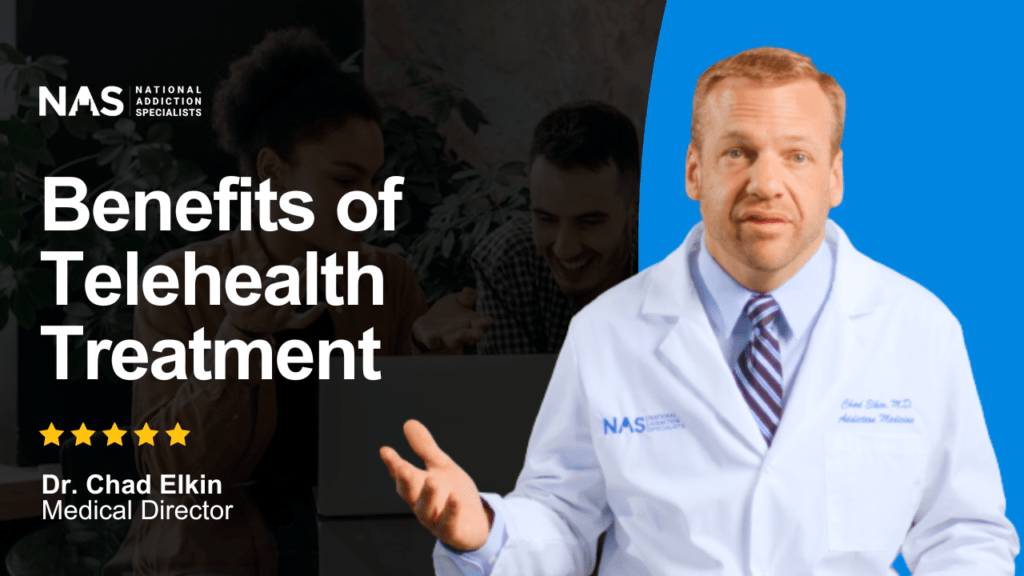
As Founder and Medical Director of National Addiction Specialists, Dr. Chad Elkin has experience in telehealth addiction services. His work focuses on eliminating barriers to care and fostering effective, discreet pathways to healing, making online recovery support accessible to all.
The Rise of Virtual Healing: Why Choose Online Recovery Support?
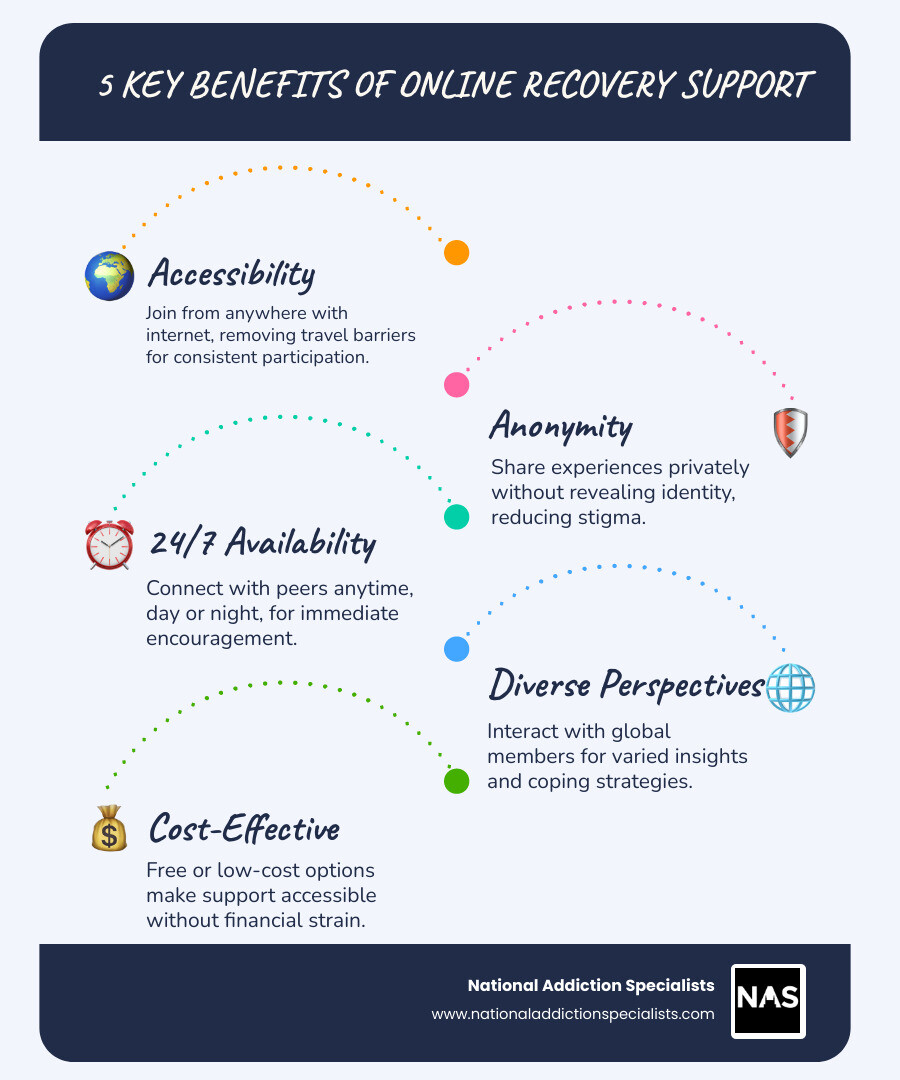
In the past, addiction recovery often required attending in-person meetings, which posed challenges for those with transportation issues, busy schedules, or social anxiety. The digital age has revolutionized this, making support more accessible.
Online recovery support has opened doors for many. Now, you can access meaningful help from anywhere with an internet connection. For individuals in rural areas like parts of Tennessee and Virginia, or those with mobility issues, online groups eliminate geographical and physical barriers.
The anonymity of online platforms is another significant advantage. Participating with just a username can reduce the stigma and fear of judgment associated with face-to-face meetings, providing an emotional safety net that is crucial for early recovery. The variety of groups is also vast; you can connect with people from different backgrounds who are all walking the same path toward healing.
Perhaps most importantly, help is available whenever you need it. Many platforms offer 24/7 access through message boards, chat rooms, or frequent daily meetings. When a craving hits or you need immediate encouragement, that support is just a click away.
Here’s how online and in-person support compare:
| Feature | Online Support | In-Person Support |
|---|---|---|
| Accessibility | Available from anywhere with internet, ideal for rural areas or those with mobility issues. | Limited by geography and transportation, requires physical presence. |
| Anonymity | Often allows for anonymous participation, reducing stigma and increasing comfort. | Less anonymity, requires face-to-face interaction. |
| Cost | Generally free or low-cost, saving on travel expenses. | Generally free, but may incur travel costs (gas, public transport). |
| Flexibility | Wide range of meeting times (24/7 options), easy to fit into busy schedules. | Fixed meeting times and locations, less flexible. |
| Variety | Vast selection of groups (12-step, secular, specialized, etc.) globally accessible. | Limited by local availability, fewer specialized options in smaller communities. |
For more information on how you can integrate these benefits into your daily life, explore our resources on at-home addiction recovery.
Benefits for Your Recovery Journey
Online recovery support offers more than just convenience. It directly addresses some of the core challenges of addiction.
- Combating Loneliness: Addiction often brings profound isolation. Online groups shatter this by connecting you with a community of peers who truly understand your struggle. This reminder that you’re not alone is a powerful motivator.
- Building a Sober Network: These groups help you build a sober network that extends beyond your local area. This network becomes a foundational safety net woven from shared experience and mutual support.
- Reinforcing Coping Skills: Many online programs, from SMART Recovery’s science-based approach to the principles of 12-step programs, focus on practical tools for managing cravings, handling emotions, and creating a balanced life.
- Immediate Access During Cravings: When a crisis hits, you don’t have to wait for the next scheduled meeting. You can jump into an online chat or meeting for instant support, which can be the difference between relapse and another day of sobriety. For more insights, see our Tips to Prevent Addiction Relapse.
Potential Challenges and How to Mitigate Them
While beneficial, online recovery support has potential challenges. Being aware of them can help you prepare.
- Technical Issues: Unstable internet or platform glitches can be frustrating. Mitigation: Test your connection and familiarize yourself with the platform beforehand. Have a backup plan, like a call-in number.
- Lack of Physical Connection: Online meetings can’t replicate the physical comfort of in-person interaction. Mitigation: Many people find a hybrid approach, combining online and in-person meetings, offers the best of both worlds.
- Privacy and Safety: Be mindful of sharing identifying information. Mitigation: Stick to reputable, well-moderated groups with clear guidelines to avoid misinformation or negative interactions.
- Group Instability: Online groups can sometimes feel disorganized. Mitigation: If a group doesn’t feel right, don’t get discouraged. Keep exploring until you find a community that feels supportive.
Navigating the Digital Landscape: Types of Online Recovery Support Groups
The beauty of online recovery support is the variety available. Finding a philosophy that fits your personal beliefs and needs is key to a successful journey. Some prefer spiritual frameworks, while others lean toward science-based approaches. The digital world provides access to all these paths, making it easier than ever to find your fit.
We encourage you to explore different formats. If the first group you try doesn’t feel right, keep looking. Finding a community where you feel a sense of belonging can make all the difference.
Traditional 12-Step Programs
These programs center on a higher power and a structured set of steps, fostering spiritual growth and strong peer support.
- Alcoholics Anonymous (AA): A renowned 12-step program for alcohol addiction. Its principles have guided many to sobriety, and online meetings make it accessible from anywhere, including rural Tennessee and Virginia. Find meetings at Alcoholics Anonymous.
- Narcotics Anonymous (NA): Offering a similar 12-step framework for those recovering from drug addiction, NA has acceptd technology with web-based tools and a mobile app to help you find support anytime. Explore options at Narcotics Anonymous.
Secular and Evidence-Based Alternatives
For those who prefer an approach focused on self-empowerment and science-backed strategies, secular alternatives are excellent options.
- SMART Recovery: Standing for “Self Management and Recovery Training,” this program uses a 4-Point Program based on Cognitive Behavioral Therapy (CBT) to teach practical self-empowerment skills. It addresses a wide range of addictive behaviors. Find meetings at SMART Recovery.
- LifeRing: This peer support network is dedicated to abstinence without religious components, focusing on personal responsibility and building a strong recovery identity. Visit LifeRing to learn more.
- Secular Organizations for Sobriety (SOS): SOS provides a network of online and local groups that emphasize self-reliance and personal empowerment to achieve and maintain sobriety. Explore their resources at Secular Organizations for Sobriety.
Specialized and Affinity Groups
Online support allows you to connect with people who share not just addiction struggles but also other aspects of your identity.
- Women for Sobriety: Designed by and for women, this program focuses on emotional and spiritual growth in a supportive, women-centered environment. Learn more at Women for Sobriety.
- Medication Assisted Recovery Anonymous (MARA): This 12-step-based community specifically supports people using medications like Suboxone, providing crucial understanding without judgment. Find a meeting at Medication Assisted Recovery Anonymous (MARA).
- LGBTQ+ Groups: Many platforms host specialized LGBTQ+ recovery groups, offering affirming spaces that recognize the unique challenges this community faces.
- Veterans: Those who’ve served often face specific challenges. Resources like the Veterans Crisis Line offer critical support, and many platforms host groups custom to veterans’ experiences.
- The Phoenix: This group combines recovery support with free physical activities like hiking, climbing, and sports, recognizing the healing power of movement and community.
How to Find and Choose the Right Group for You
With so many online recovery support options, finding the right fit can feel overwhelming. Think of it as an exploration. Taking time to try different groups is a normal part of the journey to finding a community where you feel safe and understood.

Start by assessing your personal needs. Try multiple meetings from different groups before settling on one. If a meeting doesn’t click, don’t be discouraged. Keep exploring. Reading testimonials can give you a sense of a group’s atmosphere. For more guidance, see our addiction recovery strategies.
Key Questions to Ask Yourself
Before you search, reflect on what you’re looking for:
- What is the group’s core philosophy? Does it focus on spiritual growth, self-empowerment, or scientific principles?
- Do you prefer a spiritual, secular, or science-based approach? A traditional 12-step program might be a good fit if spirituality is important to you, while an option like SMART Recovery may be better if you prefer evidence-based techniques.
- What is the meeting format? Do you prefer video, audio-only, or text chat? Consider what makes you most comfortable.
- How active is the community? If you need support at odd hours, look for platforms with 24/7 message boards or a high frequency of meetings.
Where to Find Reputable Online Groups
Several trusted directories can help you find quality online recovery support.
- In the Rooms: A comprehensive platform hosting over 130 daily online meetings for various recovery fellowships. Its global community and flexible schedule make it a popular resource. Visit In the Rooms to explore their calendar.
- SAMHSA’s FindTreatment.gov: This government-backed resource helps locate treatment providers and addiction resources. It’s an excellent starting point for our Tennessee and Virginia residents seeking comprehensive care options. Check it out at FindTreatment.gov.
- The Phoenix: This organization offers a unique approach with free online and in-person sober activities like hiking, sports, and social events. It’s perfect for those who want to build community through shared interests. Explore their offerings at The Phoenix.
Additionally, the websites for specific organizations like Alcoholics Anonymous, Narcotics Anonymous, SMART Recovery, and Women for Sobriety all maintain updated online meeting schedules.
Integrating Virtual Peer Support with Professional Treatment
Online recovery support groups provide vital peer connections, but they are most effective as part of a comprehensive recovery plan. Combining peer support with professional clinical care from doctors and therapists creates a powerful, multi-faceted support network. This integrated approach improves the effectiveness of clinical treatment with lasting social support.
Expert professional guidance is key to addressing co-occurring mental health conditions, managing cravings, and creating a personalized treatment plan. Regular communication with your counselor is crucial, even while active in online groups. At National Addiction Specialists, we believe in this whole-person approach and use technology to make it more accessible. Learn more about how technology aids clinical care in our resources on telemedicine treatment.
The Role of Technology in Modern Online Recovery Support
Technology is more than just video calls; it’s a powerful tool in modern online recovery support, offering constant access and innovative ways to stay on track.
- Mobile Apps: Many groups, like NA and SMART Recovery, offer apps to find meetings, track progress, and access recovery tools.
- Online Forums and Chat Support: These platforms provide 24/7 access to peer support, which is invaluable during difficult moments.
- Wearable Technology: Devices that track health metrics like sleep and stress can provide useful data to discuss with your professional treatment providers.
These tools empower you to manage your recovery and stay connected. For more on how virtual tools can help, visit our page on virtual addiction counseling.
Combining Online Recovery Support with Medication-Assisted Treatment (MAT)
For many with opioid use disorder, Medication-Assisted Treatment (MAT), such as Suboxone, is a key component of recovery. Combining MAT with behavioral therapies and online recovery support creates a powerful, whole-person approach. Specialized groups like Medication Assisted Recovery Anonymous (MARA) offer a judgment-free space for those using medications.
National Addiction Specialists is committed to integrating MAT with comprehensive support. We offer telemedicine-based Suboxone treatment, providing personalized recovery plans from your home in Tennessee or Virginia. Our expert providers ensure your care is convenient and confidential, and we accept Medicaid and Medicare to improve access.
Combining your journey in online recovery support groups with open communication with a professional provider, like our telehealth Suboxone doctors, creates a robust care plan that addresses both the physical and psychological aspects of addiction.
If you are considering MAT or want to integrate it into your recovery, we are here to help. Our telehealth Suboxone doctors are ready to guide you.
Please don’t hesitate. Make an Appointment to Treat Addiction.
Conclusion: Build Your Digital Support System for a Stronger Tomorrow
Recovery is a journey you don’t have to walk alone. As we’ve explored, online recovery support makes healing accessible from anywhere, connecting you with understanding peers and groups that fit your needs, whenever you need them.
The benefits are clear: greater accessibility, the comfort of anonymity, and a wide variety of specialized communities. While there are challenges, they are far outweighed by the life-changing connections you can make. What makes online recovery support truly powerful is how it complements professional treatment. Combining the empathy of peers with expert medical guidance creates the strongest possible foundation for lasting recovery.
Your addiction recovery journey is unique, but it doesn’t have to be lonely. The digital support system you build today can be your lifeline tomorrow.
At National Addiction Specialists, we are committed to being part of that comprehensive support system. We provide expert, confidential telemedicine-based Suboxone treatment to individuals throughout Tennessee and Virginia, bringing professional care directly to you. Our approach combines medical expertise with community support to help you thrive.
Ready to take the next step? Our online Suboxone clinic offers personalized care from the comfort of your home, accepting Medicaid and Medicare to make treatment accessible.
Please don’t hesitate. Make an Appointment to Treat Addiction.
Your stronger tomorrow starts with the connections you make today. We’re honored to be part of your journey.
This article was medically reviewed by:
Chad Elkin, MD, DFASAM is a board-certified addiction medicine physician, founder, and Chief Medical Officer of National Addiction Specialists, dedicated to treating substance use disorders. A Distinguished Fellow of the American Society of Addiction Medicine (ASAM), Dr Elkin currently serves as President of the Tennessee Society of Addiction Medicine (TNSAM) and has held various leadership roles within the organization. Dr Elkin chairs ASAM’s Health Technology Subcommittee and is an active member of its Practice Management and Regulatory Affairs Committee, State Advocacy and Legislative Affairs Committee, and other committees. He also serves on the planning committee for the Vanderbilt Mid-South Addiction Conference. Committed to advancing evidence-based policy, Dr Elkin is Chairman of the Tennessee Association of Alcohol, Drug, & Other Addiction Services (TAADAS) Addiction Medicine Council, which collaborates with the TN Department of Mental Health & Substance Abuse Services (TDMHSAS). He has contributed to numerous local, state, and national task forces, helping develop professional guidelines, policies, and laws that align with best practices in addiction medicine. His work focuses on reducing addiction-related harm, combating stigma, and ensuring access to effective treatment. Passionate about the field of addiction medicine, he remains dedicated to shaping policy and enhancing patient care.
Suboxone® and Subutex® are a registered trademark of Indivior UK Limited. Any mention and reference of Suboxone® and Subutex® in this website is for informational purposes only and is not an endorsement or sponsorship by Indivior UK Limited.