Why Support for Addiction Matters Now More Than Ever
Support for addiction is available through multiple pathways that can help you regain control of your life. Here are your main options:
- Crisis Helplines – Call or text 988 for immediate support, or reach the National Helpline at 1-800-662-4357 (24/7, free, confidential).
- Treatment Locators – Use resources like FindTreatment.gov to locate facilities near you.
- Medication-Assisted Treatment – Combine FDA-approved medications like Suboxone® with counseling.
- Telehealth Options – Access treatment from home through virtual care providers.
- Support Groups – Connect with peers through 12-step programs or SMART Recovery.
- Professional Counseling – Work with therapists trained in addiction treatment.
- Family Resources – Find support for loved ones affected by addiction.
If you or someone you care about struggles with substance use, you’re not alone. In 2023, 48.5 million Americans aged 12 or older had a substance use disorder. That’s 17.1% of the U.S. population.
Addiction is not a moral failing. It’s a chronic brain disorder that changes how your brain responds to rewards and stress. Just like diabetes or heart disease, addiction requires ongoing medical management and support. The good news? Addiction is treatable, and recovery is possible.
You might recognize yourself in these experiences: using more than you intended, feeling unable to stop, or continuing to use despite problems in your life. These are signs that you need help, not that you’ve failed. The path forward involves addressing the whole picture: your physical health, mental well-being, and relationships.
As Chad Elkin, MD, founder of National Addiction Specialists, I’ve dedicated my career to providing accessible support for addiction through evidence-based telemedicine. My experience has shown me that when people have access to the right support at the right time, recovery becomes not just possible, but probable.
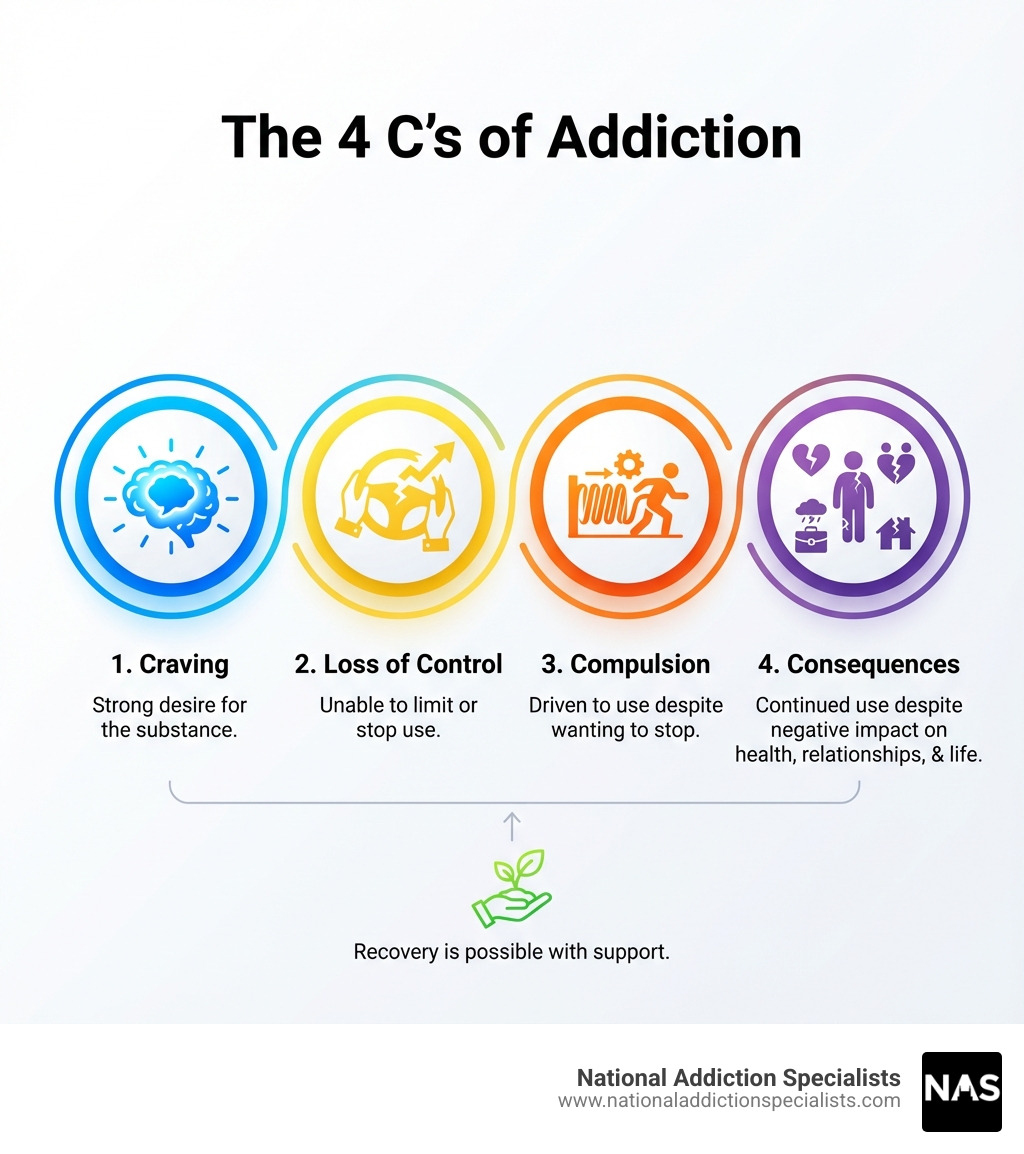
Support for addiction terminology:
What are the Signs and Symptoms of Addiction?
Recognizing the signs of addiction is the first step toward seeking support for addiction. A substance use disorder (SUD) can manifest in several ways:
- Behavioral Changes: Neglecting responsibilities at work, school, or home. Losing interest in hobbies, becoming secretive, or engaging in risky behaviors.
- Physical Signs: Unexplained changes in weight or appearance, poor hygiene, dilated or constricted pupils, and slurred speech. A key sign is increased tolerance, meaning you need more of the substance to get the same effect.
- Withdrawal Symptoms: Experiencing physical and psychological distress when not using the substance. Symptoms can include nausea, shaking, anxiety, and intense cravings.
- Psychological Symptoms: Mood swings, irritability, depression, or anxiety. A core symptom is the compulsion to continue using the substance despite knowing it’s causing harm.
If you’re concerned about your own or a loved one’s substance use, we encourage you to seek more information on recognizing addiction.
What Causes Addiction and Its Risk Factors?
Addiction is a complex condition arising from a combination of factors. Understanding these risks is crucial for effective support for addiction.
- Genetics: Family history plays a significant role. Research suggests about half of a person’s risk for addiction is genetic.
- Brain Chemistry: Addictive substances trigger a release of dopamine, the brain’s “feel-good” chemical. Over time, this can hijack the brain’s reward system, leading to intense cravings and compulsive use.
- Environmental Factors: Your surroundings matter. Peer pressure, a chaotic home life, cultural norms, and early exposure to substances all increase risk.
- Trauma and Mental Health: Experiencing trauma or having a co-occurring mental health disorder like depression, anxiety, or PTSD significantly increases vulnerability. Many use substances to self-medicate, creating a cycle that requires integrated treatment. We provide more information on dual diagnosis to help you understand this critical connection.
The Path to Healing: Principles of Effective Addiction Treatment
Addiction is a treatable disorder. Just like other chronic illnesses, effective strategies exist to manage the condition and allow individuals to lead healthy, fulfilling lives. Our approach at National Addiction Specialists is rooted in these research-based principles.
- Treatment Must Be Individualized: No single treatment is right for everyone. An effective plan considers the substance used, co-occurring conditions, and personal circumstances.
- Treatment Must Be Readily Available: When someone is ready for help, barriers to access can be devastating. Timely care is crucial, which is why we prioritize accessible telemedicine for residents of Tennessee and Virginia.
- Treatment Must Address Multiple Needs: Addiction affects all areas of life. Effective support for addiction must be holistic, addressing physical and mental health, relationships, and employment.
- Remaining in Treatment is Key: Recovery is a long-term process. The longer an individual stays engaged in treatment, the better their outcomes.
- Counseling and Medication Are Cornerstones: Behavioral therapies help change attitudes and behaviors, while medications can manage withdrawal, reduce cravings, and normalize brain function.
- Treatment Plans Must Be Flexible: Recovery is not linear. Plans must be continually assessed and adjusted to meet a person’s changing needs.
At National Addiction Specialists, we apply these principles to create personalized recovery plans. You can learn more about our comprehensive strategies by visiting our page on Addiction Recovery Strategies.
What Medications and Behavioral Therapies Are Used?
Modern support for addiction combines medical science and therapeutic intervention. We leverage both medication and behavioral therapies to provide comprehensive care.

Medication-Assisted Treatment (MAT):
MAT uses FDA-approved medications, combined with counseling, to treat substance use disorders. It helps normalize brain chemistry, relieve cravings, and block the euphoric effects of substances.
- For Opioid Use Disorder: Buprenorphine (found in Suboxone®) reduces cravings and withdrawal symptoms without the high. Naltrexone blocks opioid receptors, preventing euphoria. We specialize in telemedicine-based Suboxone treatment in Tennessee and Virginia.
- For Alcohol Use Disorder: Naltrexone can reduce cravings, while other medications like Acamprosate help with protracted withdrawal symptoms.
Behavioral Therapies:
These therapies are essential for addressing the psychological and social aspects of addiction.
- Cognitive-Behavioral Therapy (CBT): Helps identify and change negative thought patterns and behaviors related to substance use.
- Motivational Interviewing (MI): A client-centered approach that strengthens a person’s own motivation to change.
- Family Therapy: Involves family members to improve communication and create a supportive home environment.
Make an Appointment to Treat Addiction
Please don’t hesitate. Make an appointment today.
How Do Treatment Programs Address the Whole Person?
Effective support for addiction uses a \”whole person\” approach, addressing the comprehensive needs of an individual beyond just their substance use. This holistic perspective is fundamental to building a stable recovery.
This includes:
- Medical Needs: Treating physical health issues caused by substance use, including nutrition and exercise guidance. Learn about The Importance of Nutrition in Addiction Recovery.
- Mental Health Services: Integrating care for co-occurring conditions like depression, anxiety, or PTSD. This can include therapy, medication management, and practices like Meditation for Addiction Recovery.
- Social and Vocational Support: Helping individuals rebuild healthy relationships, find stable employment, and regain a sense of purpose.
By nurturing every aspect of a person’s life, we believe true healing can occur.
What is the Difference Between Addiction Treatment and a Cure?
It’s critical to understand that addiction is a chronic disease, not an acute illness. As such, treatment focuses on management, not a cure. Think of it like diabetes or heart disease—conditions that require lifelong management through medication, lifestyle changes, and monitoring.
Addiction changes brain structure and function, and these changes can be long-lasting. Support for addiction aims to empower individuals to manage the condition effectively by:
- Reducing cravings and withdrawal.
- Learning healthy coping mechanisms.
- Building a strong support network.
- Rebuilding a fulfilling life.
Recovery is about learning to live a life free from active substance use. It’s an ongoing process that requires sustained effort and support, but it leads to profound and positive change. For more insights, Read more on the Addiction Recovery Journey.
Navigating the Recovery Journey: Relapse, Resilience, and Long-Term Success
The journey of recovery from addiction is rarely a straight line. Effective support for addiction is about equipping individuals with the tools and resilience to steer this path, understanding that recovery is a process, not a destination.

Recovery involves developing new ways of thinking, feeling, and behaving. It means building resilience—the ability to bounce back from adversity—and developing coping skills to manage life’s stresses without substances. With consistent effort and the right support, sobriety and a significantly improved quality of life are entirely attainable. Connecting with nature can also play a powerful role, as explored in The Power of Nature in Overcoming Addiction.
Does Relapse Mean Treatment Has Failed?
No. Relapse does not mean treatment has failed. It is one of the most disheartening experiences in recovery, but it’s crucial to view it correctly.
Addiction is a chronic disease, and relapse rates are similar to those for other chronic conditions like asthma or high blood pressure. A relapse is not a sign of failure but a signal that the treatment plan needs to be reassessed. It’s an opportunity to identify triggers, strengthen coping mechanisms, and adjust the recovery plan with a doctor or therapist.
The key is to manage relapse by swiftly re-engaging with treatment and support systems. This prevents a full return to old patterns and reinforces the commitment to recovery. If you’re supporting someone, understanding this perspective is vital. Find more guidance on How to Support Someone in Recovery.
What is the Role of Harm Reduction?
Harm reduction is a practical and compassionate component of support for addiction. It’s a set of strategies aimed at reducing the negative consequences of substance use, acknowledging that not everyone is ready or able to stop immediately.
The primary goal is to keep people safe. Key examples include:
- Naloxone Distribution: Providing naloxone kits to reverse opioid overdoses saves lives, offering a chance for future recovery.
- Clean Needle Programs: These programs reduce the spread of infectious diseases like HIV and hepatitis among people who inject drugs.
Harm reduction services often act as a bridge to treatment. By engaging individuals without judgment, these programs build trust and can guide people toward comprehensive care when they are ready.
Finding Comprehensive Support for Addiction: Resources for Individuals and Families
Taking the first step towards seeking support for addiction is a profound act of courage. While it can feel overwhelming, a wide array of resources is available to help both individuals and their families. Asking for help is a testament to your strength.
Where to Find Professional Help and Support for Addiction
Finding the right professional help is paramount. Options are diverse, catering to different needs and preferences.
- Primary Care Doctor: Your doctor can be a great first contact for assessment and referral to a specialist.
- Therapists and Counselors: Addiction counselors provide individual and group therapy to help you develop coping skills.
- Inpatient/Outpatient Treatment Centers: These facilities offer structured programs, from 24/7 residential care to flexible outpatient schedules.
- Community Health Centers: FQHCs and CCBHCs provide integrated substance use and mental health services, often on a sliding scale.
- Helplines and Navigators: Resources like SAMHSA’s National Helpline (1-800-662-4357) and the NIAA Alcohol Treatment Navigator can provide referrals and guidance.
At National Addiction Specialists, we provide expert support for addiction through telemedicine, offering Virtual Addiction Counseling and At-Home Addiction Recovery in Tennessee and Virginia. Our services remove barriers to care, allowing you to receive personalized treatment from home.
Make an Appointment to Treat Addiction
Please don’t hesitate. Make an appointment today.
What is the Role of Self-Help Groups in Addiction Support?
Self-help groups offer a unique blend of peer support, shared experience, and community that complements professional treatment.
- Peer Support: Connecting with others who have walked a similar path reduces isolation and provides motivation. Hearing from peers who understand is incredibly validating.
- 12-Step Programs: Groups like Alcoholics Anonymous (AA) and Narcotics Anonymous (NA) provide a structured program of recovery based on mutual support.
- SMART Recovery: This program focuses on self-empowerment, teaching practical, science-based tools for managing thoughts, feelings, and behaviors.
These groups foster a sense of belonging and accountability, reinforcing the strategies learned in professional treatment and supporting the transition to Sober Living.
What Resources Are Available for Families and Loved Ones?
Addiction is a \”family disease\” that causes immense stress and heartbreak for loved ones. Support for addiction must extend to families, offering them resources to cope and heal.
- Family Therapy: This can help improve communication, address dysfunctional dynamics, and teach family members how to support recovery without enabling.
- Support Groups for Families: Groups like Al-Anon and Nar-Anon provide a safe space for family members to share experiences and learn coping strategies. They emphasize focusing on one’s own well-being.
- Setting Healthy Boundaries: Learning to set clear boundaries is crucial for protecting one’s own mental health and avoiding enabling behaviors.
- Self-Care: Supporting a loved one is exhausting. It’s vital for caregivers to prioritize their own self-care. Organizations like the Partnership to End Addiction offer excellent resources and coaching for parents and families.
Frequently Asked Questions about Addiction Support
How Can I Assess if I Need Treatment for a Substance Use Problem?
Recognizing you might have a problem is the first step. While a formal diagnosis requires a professional, ask yourself these questions:
- Loss of Control: Do you use more than intended or for longer than planned? Have you tried to stop but can’t?
- Negative Consequences: Is your substance use causing problems at work, school, or in your relationships?
- Neglecting Life: Are you giving up important activities or neglecting responsibilities to use?
- Cravings and Withdrawal: Do you spend a lot of time thinking about the substance or feel sick when you stop?
- Continued Use Despite Harm: Do you keep using even though you know it’s hurting your physical or mental health?
Answering \”yes\” to these questions is a strong sign you should consult a healthcare professional. For more information, you can review this guide from the Mayo Clinic on drug addiction or our Patient Education materials.
Can Addiction Be Treated Successfully?
Yes, absolutely. Addiction is a treatable disorder. Research from institutions like the National Institute on Drug Abuse (NIDA) consistently shows that effective, evidence-based treatments exist and that people can and do recover.
For many, the most effective approach combines medication-assisted treatment (MAT) with behavioral therapy. This dual strategy addresses both the physical and psychological aspects of the disease. With the right support and a personalized plan, recovery is entirely attainable.
What Are the Long-Term Prospects for Individuals in Recovery?
The long-term prospects for individuals who commit to their recovery are overwhelmingly positive. Recovery is a lifelong journey that leads to profound improvements in every area of life.
- Improved Health: Recovery leads to better physical and mental health, with reduced symptoms of depression and anxiety.
- Stronger Relationships: Individuals can repair damaged relationships and build new, healthy connections with family and friends.
- Greater Well-being: Beyond abstinence, recovery fosters personal growth, resilience, and a renewed sense of purpose and self-esteem.
The key to long-term success is continued engagement with support systems, such as therapy or self-help groups. At National Addiction Specialists, we are dedicated to helping our patients in Tennessee and Virginia build these foundations for lasting recovery.
Conclusion: Taking the Next Step Towards a Healthier Future
Recognizing the need for help is a sign of strength. The journey to recovery from addiction can seem daunting, but a vast landscape of support for addiction is available to you. Addiction is a treatable disease, and recovery is a reality for millions.
Your path to a healthier future begins now. Convenient and confidential options like telemedicine are breaking down barriers to care. At National Addiction Specialists, we are committed to providing personalized, evidence-based support for addiction through our online medication-assisted treatment and counseling services in Tennessee and Virginia.
Don’t let the struggle define you. Take the first courageous step towards reclaiming your life.
Make an Appointment to Treat Addiction
Please don’t hesitate. Make an appointment today.
This article was medically reviewed by:
Chad Elkin, MD, DFASAM is a board-certified addiction medicine physician, founder, and Chief Medical Officer of National Addiction Specialists, dedicated to treating substance use disorders. A Distinguished Fellow of the American Society of Addiction Medicine (ASAM), Dr Elkin currently serves as President of the Tennessee Society of Addiction Medicine (TNSAM) and has held various leadership roles within the organization. Dr Elkin chairs ASAM’s Health Technology Subcommittee and is an active member of its Practice Management and Regulatory Affairs Committee, State Advocacy and Legislative Affairs Committee, and other committees. He also serves on the planning committee for the Vanderbilt Mid-South Addiction Conference. Committed to advancing evidence-based policy, Dr Elkin is Chairman of the Tennessee Association of Alcohol, Drug, & Other Addiction Services (TAADAS) Addiction Medicine Council, which collaborates with the TN Department of Mental Health & Substance Abuse Services (TDMHSAS). He has contributed to numerous local, state, and national task forces, helping develop professional guidelines, policies, and laws that align with best practices in addiction medicine. His work focuses on reducing addiction-related harm, combating stigma, and ensuring access to effective treatment.Passionate about the field of addiction medicine, he remains dedicated to shaping policy and enhancing patient care.
Suboxone® and Subutex® are a registered trademark of Indivior UK Limited. Any mention and reference of Suboxone® and Subutex® in this website is for informational purposes only and is not an endorsement or sponsorship by Indivior UK Limited.