Why At Home Detox Is a Viable Path to Recovery
At home detox is a medically supervised process that allows individuals to safely withdraw from substances like alcohol, opioids, or benzodiazepines in their own residence, under the care of licensed healthcare professionals. Here’s what you need to know:
- What it is: Professional healthcare service managing withdrawal at home with medical supervision
- Who it’s for: Individuals with mild to moderate withdrawal risk, stable home environment, and strong motivation
- Key benefits: Privacy, comfort, flexibility, and significantly lower cost (10-22 times cheaper than inpatient care)
- Safety requirements: Thorough medical assessment, continuous monitoring, medication management, and emergency protocols
- Not for everyone: Those with severe withdrawal history, unstable living situations, or serious co-occurring conditions need higher-level care
Taking the first step toward recovery can be daunting. The thought of a traditional inpatient detox facility brings anxiety for many people. The disruption to daily life, the loss of privacy, and the impersonal environment can feel like barriers to getting help.
But there’s another way.
Modern addiction treatment offers a compassionate alternative that brings expert medical care directly to you. Medically supervised at home detox allows you to begin your recovery journey safely and comfortably, without leaving your own home. Research shows that community detoxification is not only safe with high completion rates, but also delivers better drinking outcomes and costs between 10.6 and 22.7 times less than inpatient units.
This isn’t about attempting to quit “cold turkey” on your own—that’s dangerous and rarely works. A true at home detox program involves comprehensive medical assessment, personalized treatment planning, continuous monitoring by licensed professionals, and a seamless transition to ongoing care. The majority of dependent drinkers can detox safely and successfully at home without hospital admission.
This guide explains everything you need to know: what medically supervised at home detox involves, how the process works step-by-step, what withdrawal symptoms to expect, safety considerations, and how to find the right program. We’ll also cover who makes a good candidate, what questions to ask providers, and how at home detox connects to long-term recovery success.
I’m Dr. Chad Elkin, a board-certified addiction medicine physician and founder of National Addiction Specialists, where I’ve dedicated my career to treating substance use disorders through accessible, evidence-based care. Through my extensive work with at home detox programs and telemedicine treatment, I’ve seen how this approach removes barriers and helps people start their recovery journey with dignity and hope.
Related content about At home detox:
What is a Medically Supervised At-Home Detox?
A medically supervised at home detox is a professional healthcare service that manages the process of withdrawal from substances like alcohol, opioids, or benzodiazepines within a patient’s own residence. This isn’t a “detox cleanse” involving juice fasts or herbal remedies for general wellness; it’s a serious medical procedure designed to safely manage physical dependence on addictive substances. Attempting to quit “cold turkey” from many substances, particularly alcohol and benzodiazepines, can be ineffective and dangerously risky, potentially leading to severe complications or even death.
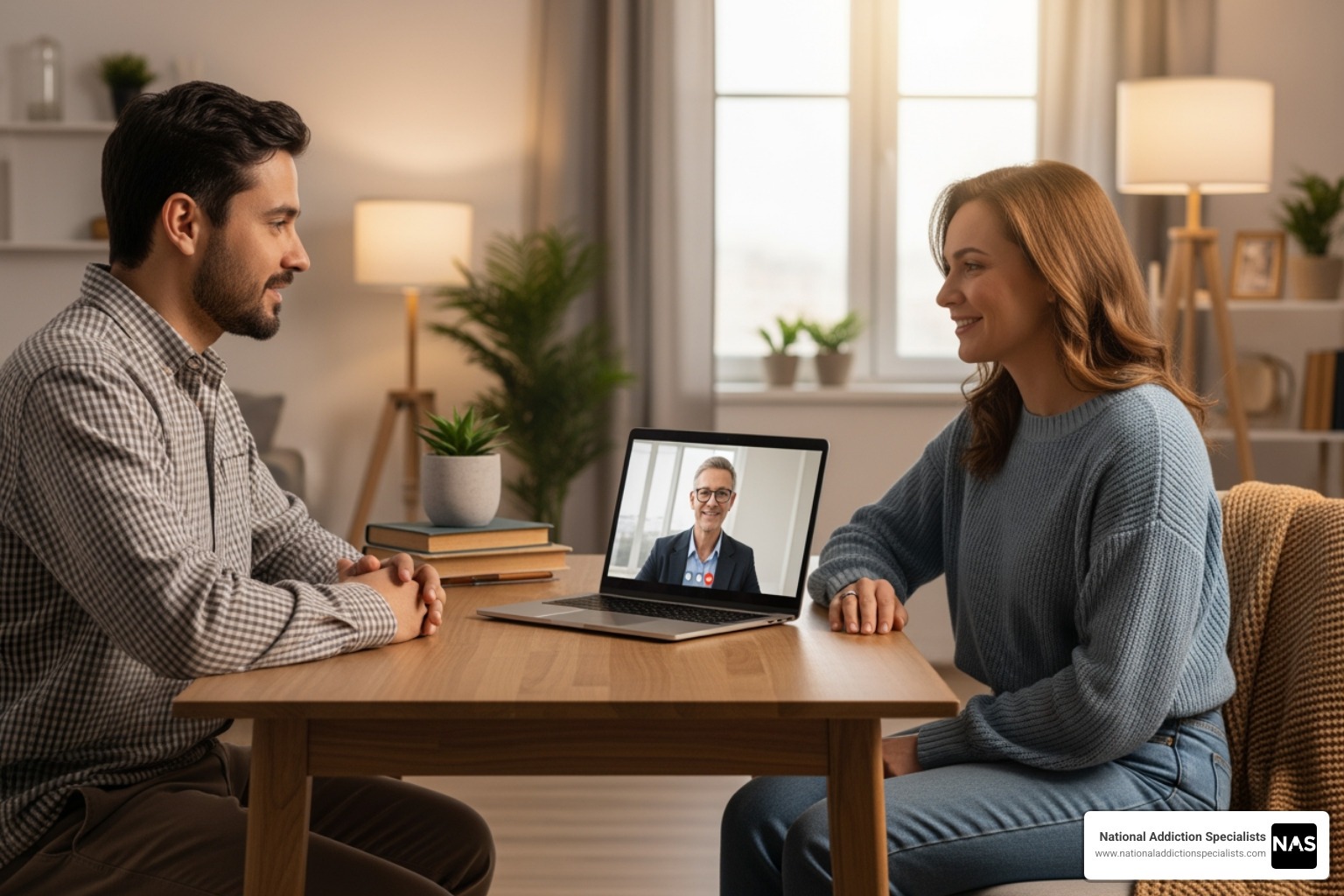
A true at home detox program involves a comprehensive medical assessment, personalized treatment planning, and continuous monitoring by licensed healthcare professionals. This often uses telemedicine treatment to provide expert care remotely, bringing the clinic to your living room. Our team at National Addiction Specialists believes that addiction is a medical condition, not a life choice, and we applaud and support anyone seeking to change their life. Medically supervised and medically assisted detox provides a safe environment for this critical first step in recovery.
Benefits of At-Home Detox vs. Inpatient Facilities
Choosing an at home detox offers several compelling advantages over traditional inpatient facilities:
- Comfort & Privacy: You remain in your familiar surroundings, which can significantly reduce anxiety and discomfort during a challenging time. The disruption, loss of privacy, and impersonal setting of traditional detox facilities can be isolating and deter individuals from seeking help.
- Familiar Surroundings: Being at home means you’re surrounded by your own things, your own bed, and the comfort of your personal space. This can make the process feel less intimidating and far more manageable.
- Reduced Stigma: For many, the idea of entering a residential treatment center carries a social stigma. At home detox allows for a discreet recovery process, protecting your privacy and personal reputation.
- Flexibility to Manage Work or Family Responsibilities: Inpatient programs require you to step away from your life completely. An at home detox can be structured to allow for some flexibility, enabling you to manage essential work or family obligations, though rest and focus on recovery remain paramount.
- Cost-Effectiveness: Community detoxification is a highly affordable option. Research indicates it’s between 10.6 and 22.7 times cheaper than inpatient units, making it an accessible choice for many. You can read more about the cost-effectiveness in this study: Community detoxification is significantly cheaper than inpatient care.
- Seamless Transition to Ongoing Outpatient Support: Since you’re already at home, the transition to outpatient care, such as virtual addiction counseling or medication-assisted treatment, is often smoother and less disruptive, fostering better long-term engagement in recovery.
Who is a Good Candidate for At-Home Detox?
While at home detox offers many advantages, it’s not suitable for everyone. A thorough medical assessment by a qualified professional is always the first step to determine if this option is safe and appropriate for you. Generally, good candidates for at home detox exhibit:
- Mild to Moderate Withdrawal History: Individuals with a history of severe withdrawal symptoms, such as seizures or delirium tremens (DTs), are typically better suited for inpatient medical supervision.
- Stable and Supportive Home Environment: A safe, quiet, and drug-free home environment with a reliable support person (friend or family member) who can monitor you and assist with care is crucial.
- Strong Motivation for Recovery: A genuine desire to stop using and commit to the detox process and subsequent treatment is key.
- No Severe, Co-Occurring Medical or Psychiatric Conditions: Complex medical issues or uncontrolled mental health disorders may require a higher level of medical supervision than can be safely provided at home.
- Professional Assessment: Most importantly, individuals must be professionally assessed by an addiction medicine specialist or other qualified healthcare provider who deems them appropriate for this level of care.
We prioritize your safety and well-being above all else. If you or a loved one are considering at home detox, we encourage you to reach out for a confidential assessment.
The At-Home Detox Process: A Step-by-Step Guide

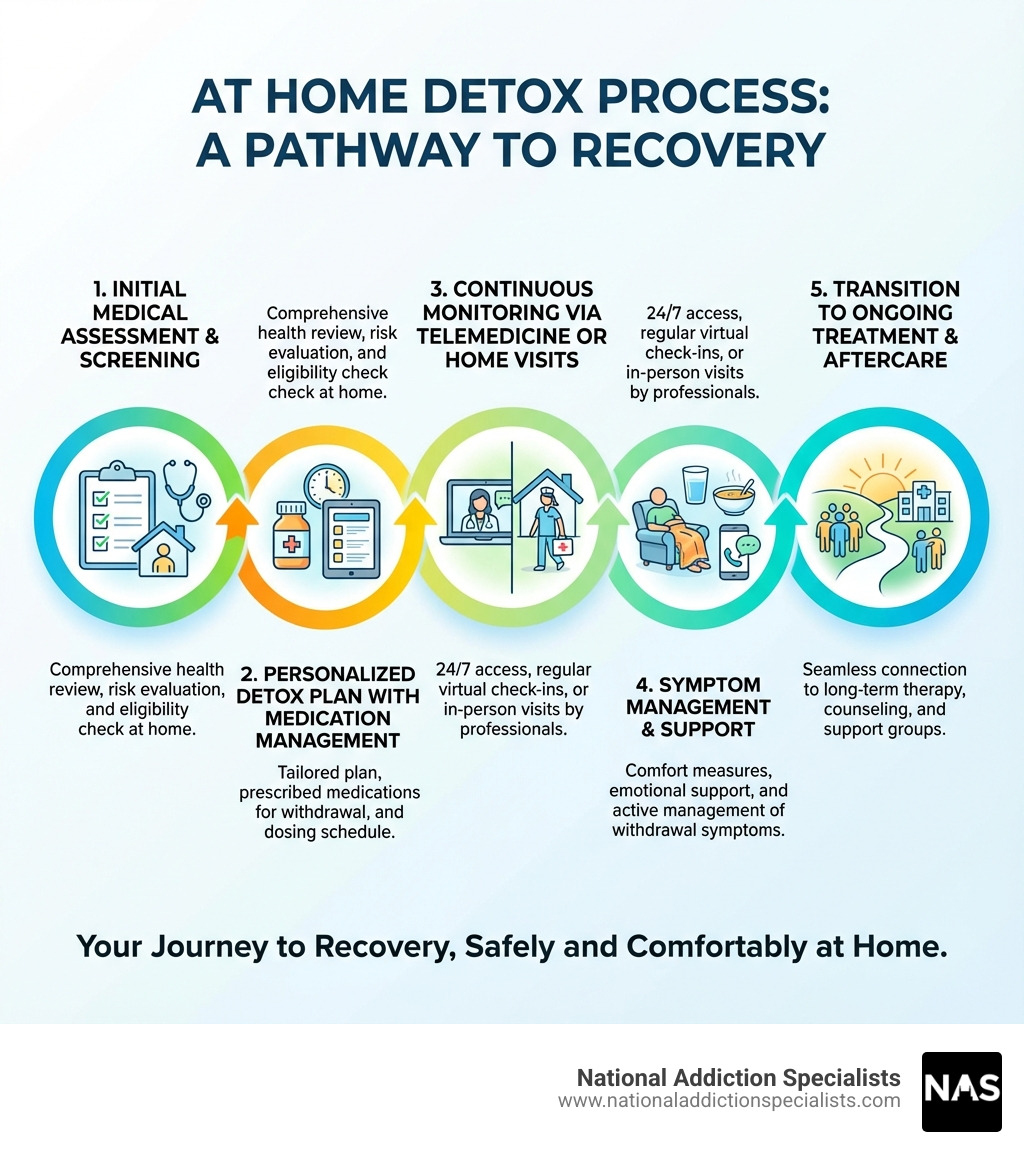
The journey through at home detox is carefully structured to ensure safety and comfort. It’s a partnership between you, your support system, and our dedicated medical team.
Step 1: Initial Assessment and Planning
The process begins with a confidential consultation where we gather essential information about your health and substance use history. This thorough review helps us understand your unique needs and potential risks. We may use screening tools like the Alcohol Use Disorders Identification Test (AUDIT) to assess the severity of dependence.
Based on this assessment, our medical professionals will create a customized detox plan custom specifically for you. This plan will outline the medications, monitoring schedule, and support you’ll receive. A crucial part of this step is designating a reliable support person—a trusted family member or friend—to assist you during the process. This person will be your eyes and ears on the ground, helping to monitor your well-being and communicate with our team. Planning is essential, and rushing into detox or going “cold turkey” significantly increases the risk of severe withdrawal and relapse.
Step 2: Managing Withdrawal Symptoms at Home
Once your plan is in place, the detox phase begins. This involves:
- Medication Management: We prescribe specific medications to ease discomfort, manage cravings, and prevent dangerous complications that can arise during withdrawal. These medications are carefully chosen based on the substance you’re detoxing from and your individual health profile.
- Continuous Monitoring: Our medical team provides continuous monitoring through virtual check-ins, phone calls, and potentially home visits by a nurse or other healthcare professional, especially during the critical first few days. Daily review by a GP or nurse is important for at least the first four days to adjust treatment as needed and ensure your safety.
- Nutritional and Hydration Support: Proper nutrition and hydration are vital during detox to support your body’s healing process and minimize withdrawal symptoms. We’ll provide guidance on eating small, frequent meals, focusing on protein-rich foods, and ensuring you drink plenty of fluids. The importance of nutrition in addiction recovery cannot be overstated.
Step 3: Transitioning to Long-Term Recovery
Detox is truly only the first step in your recovery journey. While it clears your body of substances, it doesn’t address the underlying reasons for addiction. That’s why aftercare planning begins from day one of your program.
A seamless transition into an ongoing Medication Assisted Treatment Program or virtual addiction counseling is vital for preventing relapse and building a sustainable, sober life. We help you connect with these essential services, ensuring you have continuous support. Engaging with peer support groups like Alcoholics Anonymous or SMART Recovery can also provide invaluable community and shared experience as you steer the challenges of early recovery.
Safety, Risks, and Common Withdrawal Symptoms
“Addiction is a medical condition, rather than a life choice, and we should all applaud and support anyone seeking to change their life. Medically supervised and medically assisted detox provides a safe environment for the critical first step in recovery,” says psychiatrist Tony Issac, M.D.. Understanding the risks and symptoms is key to a safe detox.

Understanding Withdrawal Symptoms by Substance
Withdrawal symptoms vary greatly depending on the substance, the duration and amount of use, and individual physiology. Here’s a general overview for common substances:
- Alcohol: Alcohol withdrawal can begin within hours of the last drink. Symptoms often include anxiety, sweating, nausea, vomiting, headaches, and insomnia. In severe cases, alcohol withdrawal can lead to life-threatening seizures and delirium tremens (DTs), which involve confusion, disorientation, agitation, hallucinations, and rapid heart rate. These severe symptoms require immediate medical attention, often in an intensive care unit. This is why medically supervised detox is crucial for alcohol dependence.
- Opioids (e.g., Fentanyl, Heroin): Opioid withdrawal, while rarely life-threatening, can be uncomfortable, leading to severe flu-like symptoms. These include body aches, muscle spasms, nausea, vomiting, diarrhea, stomach cramps, goosebumps, watery eyes, runny nose, yawning, and intense cravings. The discomfort of opioid withdrawal can easily lead to relapse without proper medical management, such as Medication Assisted Treatment with Suboxone. You can learn more about opioid withdrawal symptoms and how we help manage them.
- Benzodiazepines (e.g., Xanax, Valium): Withdrawal from benzodiazepines can be particularly dangerous and protracted. Symptoms include high anxiety, panic attacks, insomnia, muscle spasms, and sensory hypersensitivity. There is a high risk of seizures, making a slow, medically supervised taper absolutely essential. This kind of withdrawal should never be attempted without professional medical oversight.
Potential Risks and How to Ensure a Safe At home detox
The primary risk associated with at home detox is attempting to detox without professional medical supervision. Unsupervised withdrawal, especially from alcohol and benzodiazepines, can lead to severe medical complications, including seizures, cardiac arrest, and death. Even for opioids, where withdrawal is less life-threatening, the intense discomfort can quickly lead to relapse, putting individuals at risk of overdose due especially to reduced tolerance.
A safe at home detox requires several key elements:
- Thorough Medical Evaluation: A comprehensive assessment by an addiction medicine specialist to determine your physical and mental health, substance use history, and suitability for home detox.
- Dedicated Support Person: A responsible individual present in the home to provide emotional support, assist with medication, monitor your condition, and communicate with the medical team.
- Reputable Provider with Clear Emergency Protocols: Choose a program that has licensed medical professionals, 24/7 access to care, and a clear plan for managing any complications or emergencies, including seamless transfer to a higher level of care if needed.
- Medication-Assisted Treatment (MAT): For opioid withdrawal, MAT with medications like Suboxone is a gold standard, significantly reducing withdrawal symptoms and cravings, making detox safer and more comfortable.
If you or someone you know is experiencing severe withdrawal symptoms or a medical emergency, seek immediate medical care. You can also contact the SAMHSA National Helpline at 1-800-662-HELP (4357) for confidential treatment referral and information.
Finding the Right At-Home Detox Program for You
Choosing the right at home detox program is essential for a safe and successful experience. It’s a significant decision, and you deserve a provider that is transparent, qualified, and prioritizes your long-term well-being. Our focus at National Addiction Specialists is on providing expert, compassionate care that aligns with your recovery goals.
What to Look for in a Provider
When evaluating at home detox providers, consider these crucial factors:
- Licensed Medical Professionals (MDs, RNs): Ensure the program is led and staffed by board-certified physicians, nurses, and other licensed healthcare providers experienced in addiction medicine. Daily review by a GP or nurse is important for at least the first four days of detox.
- Use of Evidence-Based Practices: The program should integrate proven methods, such as Medication Assisted Treatment (MAT) for opioid use disorder, and incorporate behavioral therapies.
- Clear Emergency Procedures: A reputable provider will have a well-defined protocol for how they handle medical emergencies, including immediate access to medical staff and arrangements for hospital transfer if necessary.
- Comprehensive Aftercare Planning: Detox is just the beginning. The program should offer a clear pathway to ongoing treatment, such as counseling, therapy, or long-term MAT, to support lasting recovery.
- Verifiable Insurance Coverage: Inquire about accepted insurance plans. Many programs, including ours, work with various insurers, and it’s important to ask questions like, “Does insurance cover Suboxone treatment?” to understand your financial responsibilities. We proudly accept Medicaid and Medicare for our services in Tennessee and Virginia, ensuring accessible care for more individuals.
Questions to Ask a Potential At home detox Provider
Don’t hesitate to ask detailed questions. A good provider will be happy to answer them thoroughly and transparently.
- What are the credentials of your medical staff?
- How do you monitor patients’ safety and progress during at home detox?
- What medications are used to manage withdrawal symptoms, and how are they prescribed and monitored?
- What is your protocol for a medical emergency?
- How do you support the transition to aftercare and long-term recovery?
- What are the total costs, and what does my insurance cover for your at home detox program?
Make an Appointment to Treat Addiction
Please don’t hesitate. Make an appointment today.
Frequently Asked Questions about At-Home Detox
We understand you likely have many questions about at home detox. Here are answers to some of the most common inquiries we receive:
How long does at-home detox take?
The duration of an at home detox typically ranges from three to ten days, though some benzodiazepine tapers can be longer. The exact timeline depends on several factors, including the specific substance used, the duration and frequency of use, the dosage, and your individual overall medical history. Some clients stabilize more quickly, while others require additional time to ensure withdrawal symptoms are fully managed before transitioning to aftercare. Our medical team will provide a clear timeline during your initial assessment.
Is at-home detox covered by insurance?
Many insurance plans, including commercial policies, Medicare, and Medicaid, cover at home detox and related services, particularly when it involves medically supervised care and Medication Assisted Treatment. At National Addiction Specialists, we strive to make treatment accessible. We accept a range of insurance plans, including options for Medicaid Suboxone treatment and Medicare for our services in Tennessee and Virginia. We recommend contacting your insurance provider directly or speaking with our team to verify your benefits.
What is the role of my family or support person?
A reliable support person is a vital component of a successful at home detox. Their role is to provide emotional encouragement, assist with practical needs like meals and hydration, monitor for any significant changes in your condition or worsening withdrawal symptoms, and act as a crucial point of contact for our medical team. This person helps create a safe and supportive environment, allowing you to focus fully on your recovery. We also offer resources and education for family members to help them understand their role and cope during this period.
Conclusion: Your First Step to a New Beginning
A medically supervised at home detox offers a private, effective, and dignified way to begin your addiction recovery journey. By combining expert medical care with the comfort and familiarity of your own home, you can build a strong foundation for a healthier, substance-free future. This approach removes many common barriers to treatment, providing a compassionate path forward.
At National Addiction Specialists, we provide expert, telemedicine-based treatment for opioid addiction, helping patients in Tennessee and Virginia find recovery from the comfort and privacy of their homes. Our focus on Medication Assisted Treatment and comprehensive counseling ensures you receive the highest standard of care. We believe that compassionate, accessible care is the key to success, empowering you to reclaim your life.
Ready to take control of your life? Learn more about our Medication-Assisted Treatment options and get started today.
This article was medically reviewed by:
Chad Elkin, MD, DFASAM is a board-certified addiction medicine physician, founder, and Chief Medical Officer of National Addiction Specialists, dedicated to treating substance use disorders. A Distinguished Fellow of the American Society of Addiction Medicine (ASAM), Dr Elkin currently serves as President of the Tennessee Society of Addiction Medicine (TNSAM) and has held various leadership roles within the organization. Dr Elkin chairs ASAM’s Health Technology Subcommittee and is an active member of its Practice Management and Regulatory Affairs Committee, State Advocacy and Legislative Affairs Committee, and other committees. He also serves on the planning committee for the Vanderbilt Mid-South Addiction Conference. Committed to advancing evidence-based policy, Dr Elkin is Chairman of the Tennessee Association of Alcohol, Drug, & Other Addiction Services (TAADAS) Addiction Medicine Council, which collaborates with the TN Department of Mental Health & Substance Abuse Services (TDMHSAS). He has contributed to numerous local, state, and national task forces, helping develop professional guidelines, policies, and laws that align with best practices in addiction medicine. His work focuses on reducing addiction-related harm, combating stigma, and ensuring access to effective treatment.Passionate about the field of addiction medicine, he remains dedicated to shaping policy and enhancing patient care.
Suboxone® and Subutex® are a registered trademark of Indivior UK Limited. Any mention and reference of Suboxone® and Subutex® in this website is for informational purposes only and is not an endorsement or sponsorship by Indivior UK Limited.